Botanical Description
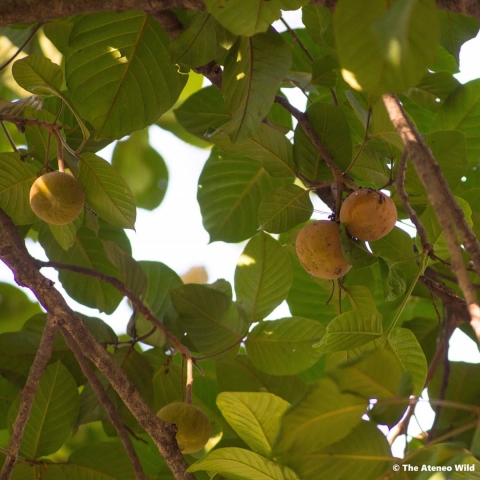
Santol (Sandoricum koetjape), also known as Cotton Fruit, is a large evergreen tree with smooth grey bark that occasionally displays flaking or fissures. The leaves are compound with 3 leaflets, the leaves are arranged in an alternating phyllotaxy. The leaflets have an acuminate to acute apex and a rounded base, the veins are sunken and the lamina is glossy and green on the adaxial while the abaxial side is a paler green with short hairs. The leaves turn from green and eventually red just before abscission. The florets are borne on panicles that emerge from axillary branches, the florets color varies from shades of pink, yellow, or white and forms a staminal tube. The fruits that develop are round to ovoid in shape with yellow or brown coloration with a thick rind and a fleshy white aril surrounding the seeds that tastes sweet and/or sour.
Uses:
-
The aril of the fruit is edible and can be eaten as is or cooked to make various dishes with.
-
The leaves are used to induce perspiration, repel insects, reduce fevers, and to treat diarrhea just to name a few.
-
The roots and the leaves as well are used to make a post-partum tonic.