

Beyond compliance, embracing change: Ateneo's University Gender and Development Cluster
by KD Suarez
In the wider University landscape, the Gender and Development cluster, led by the University Gender and Development Office (UGDO), might seem miniscule. This, however, belies the influence and the importance of this cluster of three offices, composed of UGDO, the University Gender Hub, and the University Office of Decorum and Investigation.
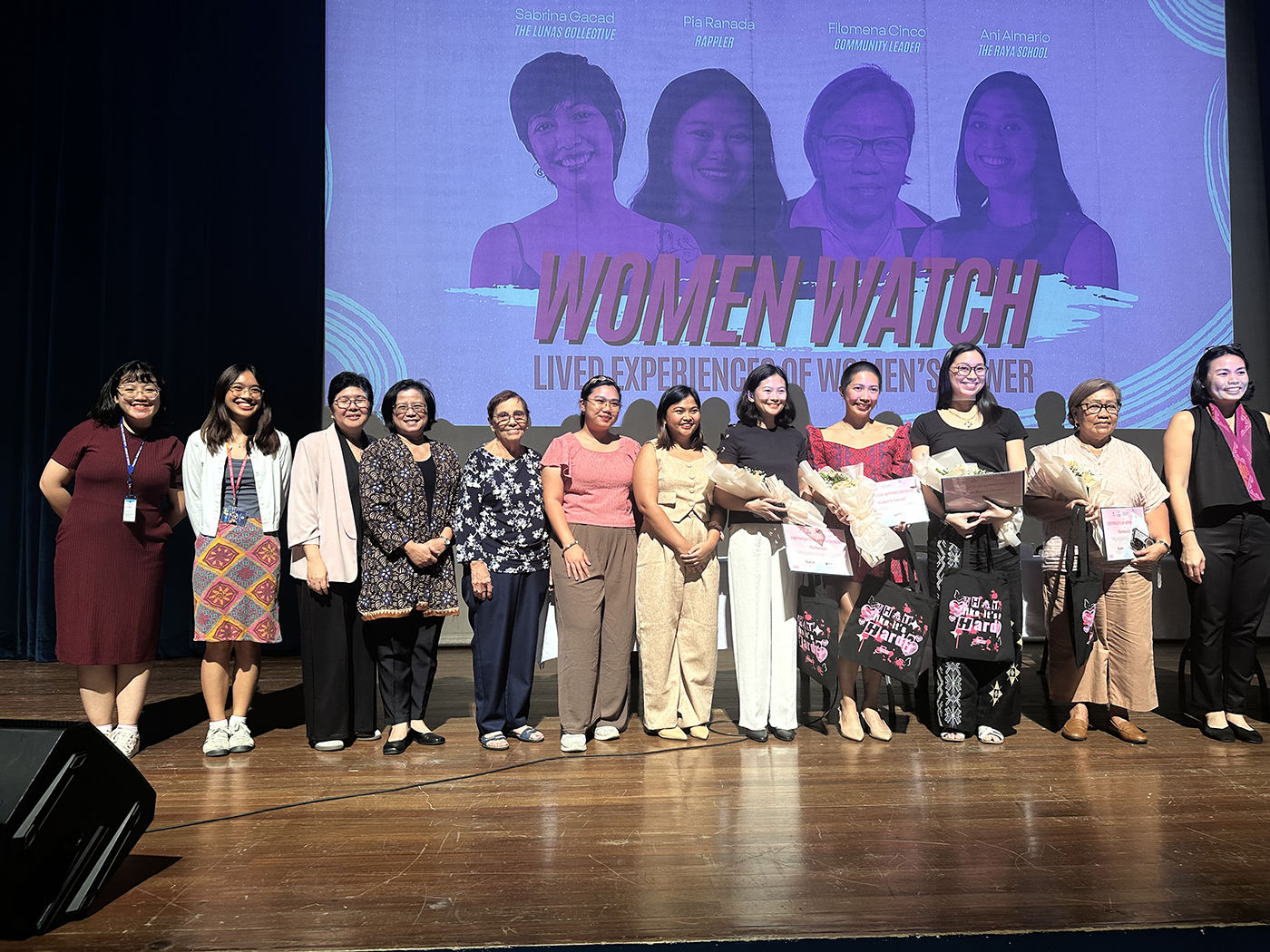
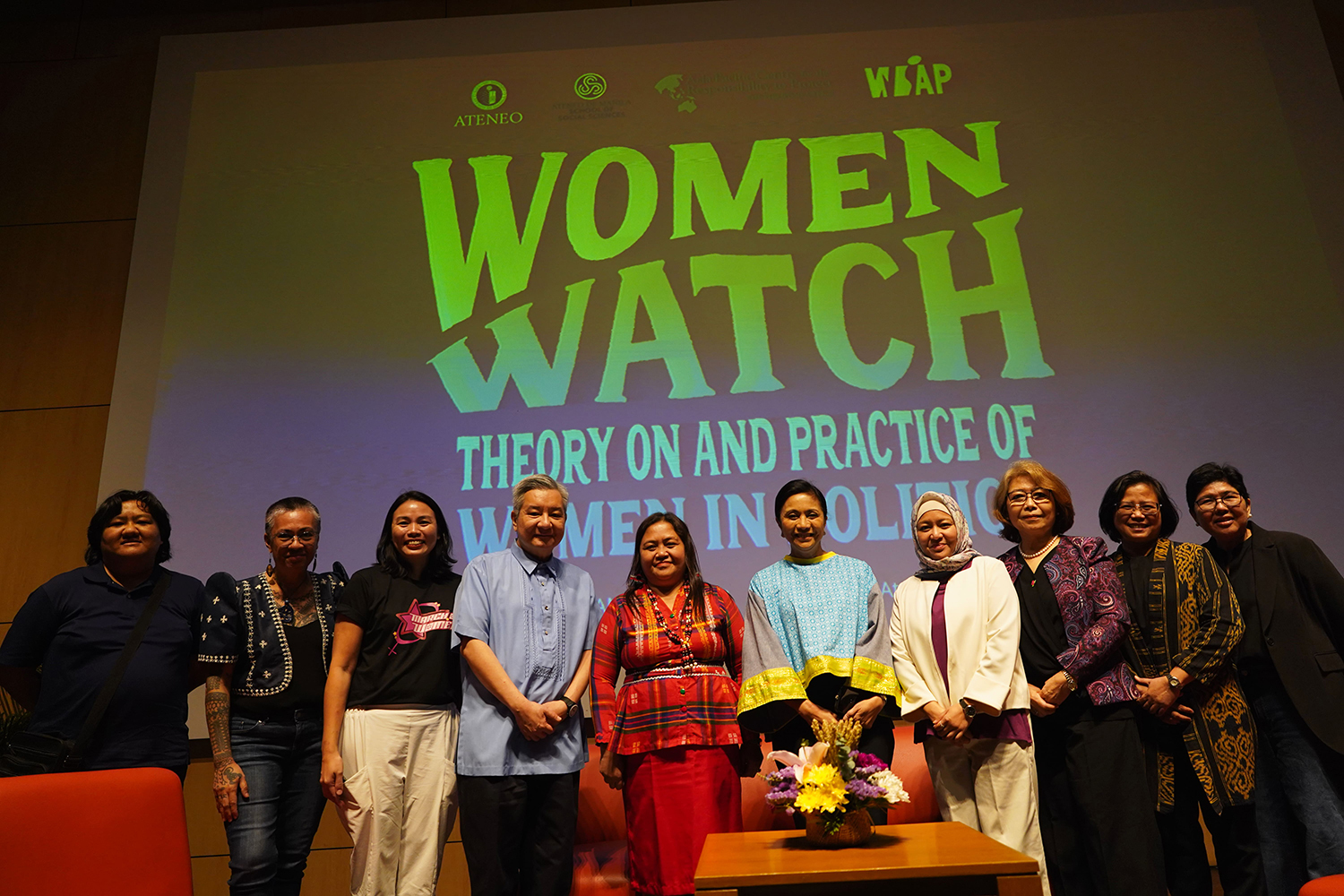
Beyond compliance with legally-mandated processes, the Gender and Development cluster is central to Ateneo's full embrace of mainstreaming gender-related initiatives across the institution, changing minds and hearts towards a more open and understanding view of gender issues.
The group works in sync as a three-office team under the Mission Integration cluster, covering three major aspects of gender issues in an institution: policy, care and training, as well as investigation.
"If you're to provide care, you cannot be the one who is handling the investigation," explained Dr Melissa Lao, director of UGDO and a faculty member of the Department of Political Science. "And if you're handling the policy then you should also somewhat have more of an overview of what the stakeholders are doing or saying and thinking and also that gives you space to audit the system."
At the lead is UGDO, which focuses on crafting gender-related policies, as well as handling onboarding, compliance, and audit.
The University Gender Hub grew out of the former Loyola Schools Gender Hub, and is focused on the aspect of care – the office in charge of responding to the needs of individuals and groups with respect to gender and development issues. They are also primarily charged with training and outreach.
Lastly, the UODI, which is technically under the Human Resources cluster but works closely with the other two, is in charge of investigations into cases of misconduct. UODI is also in charge of general employee conduct and decorum.
Compliance, controversy, change
In 2015 the Philippine government, through the Commission on Higher Education, instituted gender and development policies for all higher education institutions nationwide, through CHED Memorandum No. 1, series of 2015, and Ateneo first introduced the ‘required’ basic structures for compliance, such as the Gender Focal Point Committee.
However, in the years that followed the Ateneo community was rocked by a series of controversies surrounding sexual harassment and misconduct, leading the University to create major changes to its systems.
Tapping gender and development specialist Jeanne Illo, an independent audit was conducted between 2019 to 2020 to review the University’s structures and systems, and made recommendations to the administration on how to make Ateneo an institution and community that is more responsive to gender issues.
At the same time, there were other parallel efforts within the community.
“Patty Arroyo was [also] doing the Code and Rules, and at the same time Mira Ofreneo had a working group on also revising the processes regarding disciplinary cases,” Lao recounted. “These were these push factors, and at the same time there were various groups working on roughly the same issue of safe spaces.”
Going beyond what's required
Among the recommendations from the independent audit was the creation of the three offices, and these were adopted by the administration, first under the presidency of Fr Jose Ramon Villarin SJ, and then by his successor, Fr Roberto Yap SJ.
Ateneo goes beyond mere legal and regulatory compliance when it comes to gender and development, Lao explained.
There are the usual programs: Gender Sensitivity Training, adoption of policies and guidelines regarding sexual harassment, amd curriculum integration from kindergarten to graduate school, among others. Then there are the high-profile projects such as One Big Pride and Women’s Month. The cluster is also deeply involved in ensuring offices and programs across the University are sensitive and responsive to gender issues.

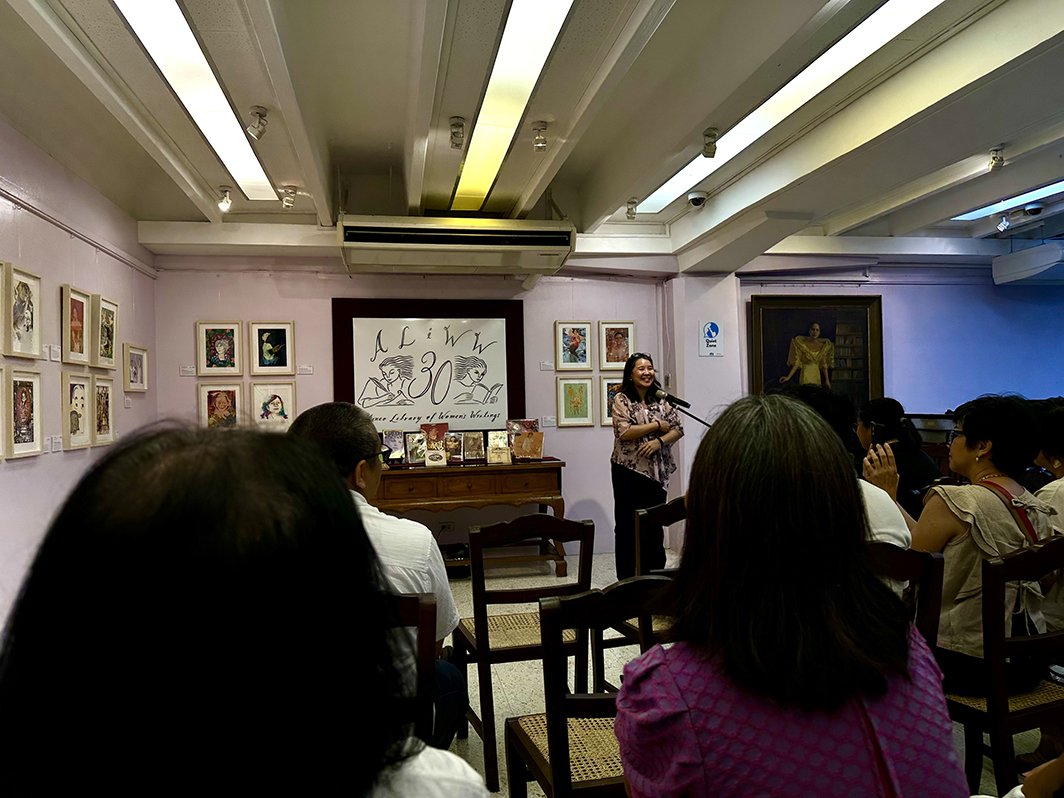
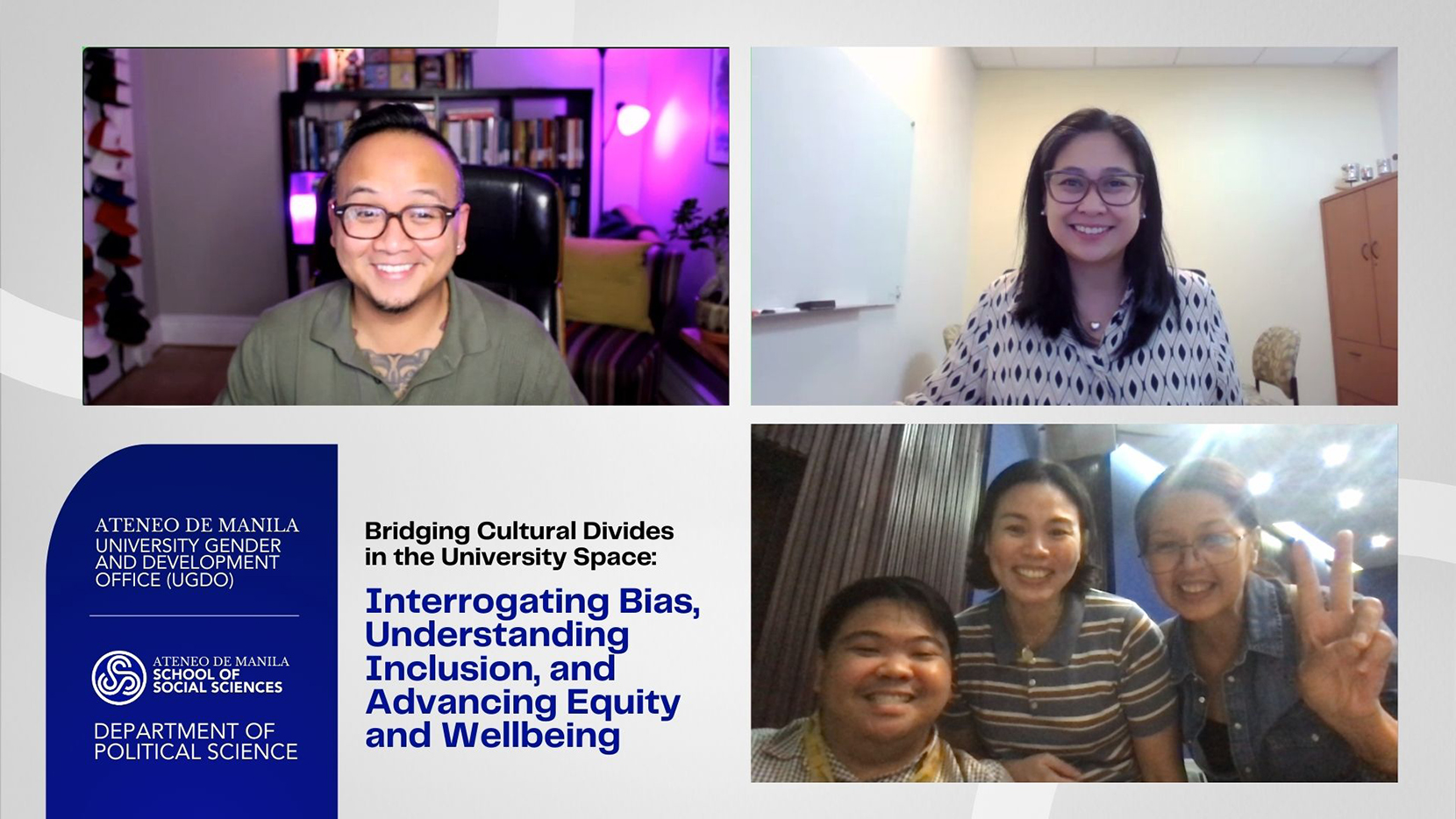
In higher education, college students can take the Gender minor offered via the Department of Sociology and Anthropology. The program “gives a theoretical grounding on gender studies, but at the same time there's a strong praxis element and a strong interdisciplinary element,” said Lao. “It’s such a good mainstreaming tool because you don’t have to be from a particular school.”
The cluster also offers a research grant for women and gender studies for graduate students. “We're trying to build people who are really specialized in gender and doing it through research.”
Alumni are also helping in the cluster’s efforts, in particular in raising funding for scholarships.
The cluster is also heavily involved in training and development for offices and organizations inside and outside the University, lending its expertise and experience in gender issues and topics.
Projects and programs, Lao explained, are done through a whole-of-university approach. “The university is from Kinder to grad school so imagine the range of gender-related issues across all of those schools, across all of those developmental levels.”
In Basic Education, for example, gender and development programs and in-service training are geared towards the current move towards full co-education. “We have that plan every year on what we want to focus on, and we understand very much that the students are in a very different development level.”
'Will the University keep in stride?'
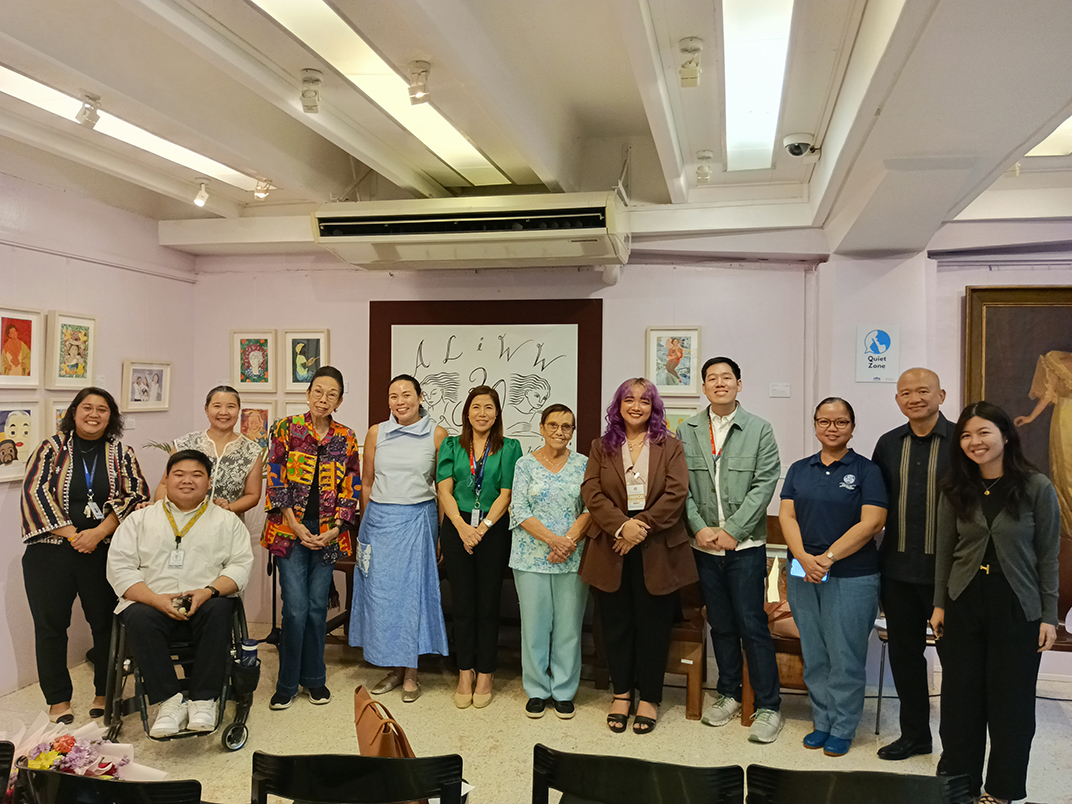
The push for gender and development as an integral part of Ateneo life is a long time coming, Lao said. “It's time that we address these issues. First of all, we’re already 50 years into co-education; the girls are coming into basic ed. The students, I think, are prepared for it; the question is, [will] the University… keep in stride?”
Lao said that Ateneo's core identity as a Filipino, Catholic, and Jesuit institution shows how important the cluster's task is.
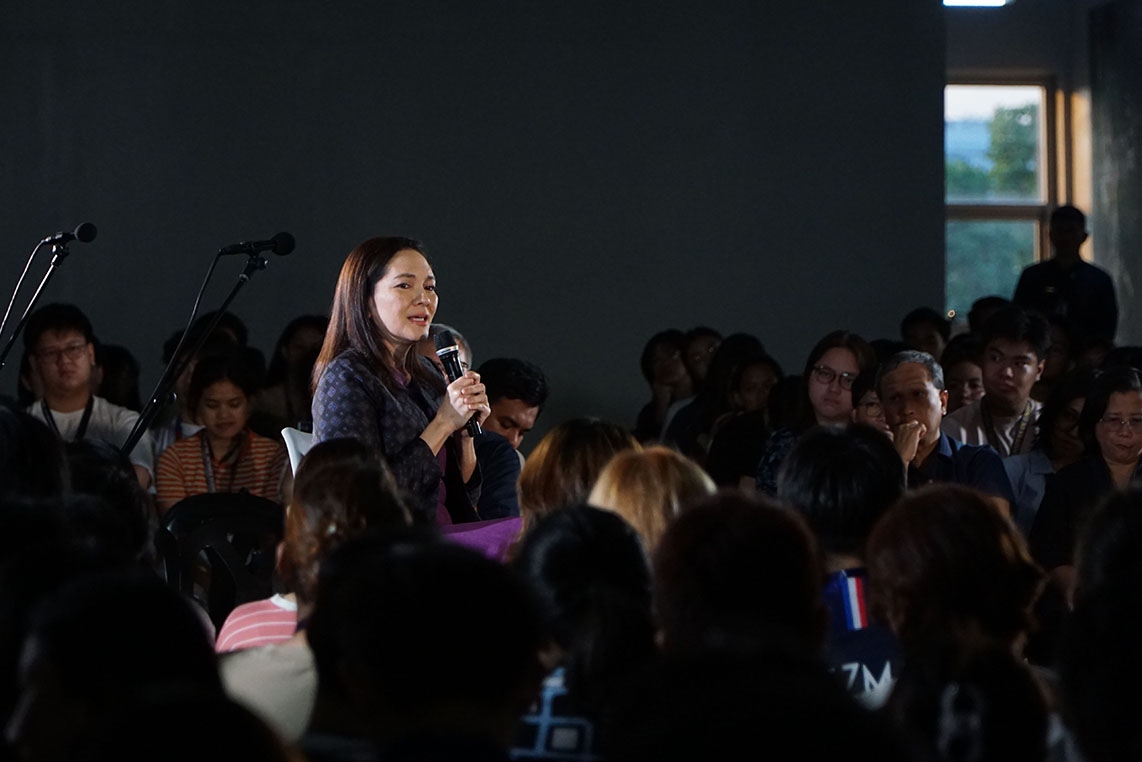
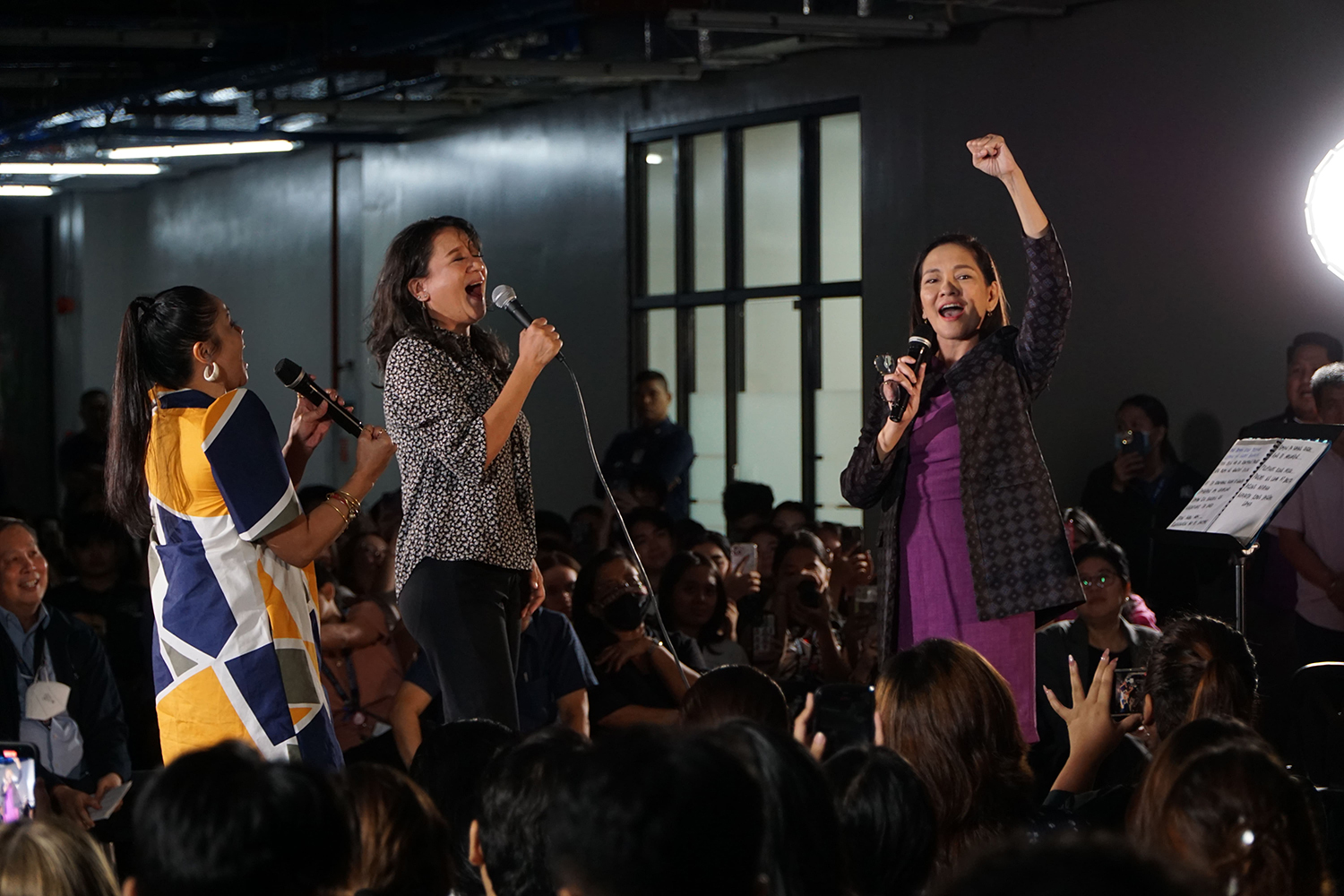
"One of the things we always say about ourselves as an institution is we promote the faith that does justice for all - [emphasis on] justice for all," she explained. "If we say cura personalis, care for the human person, it should be all human persons, all human beings. That for us was a good starting point."
"We look at people as individuals with their own identities and their own histories, and that has really helped us through the more difficult parts of the journey. As an institution, how do we rightly respond?"
Moving forward and learning
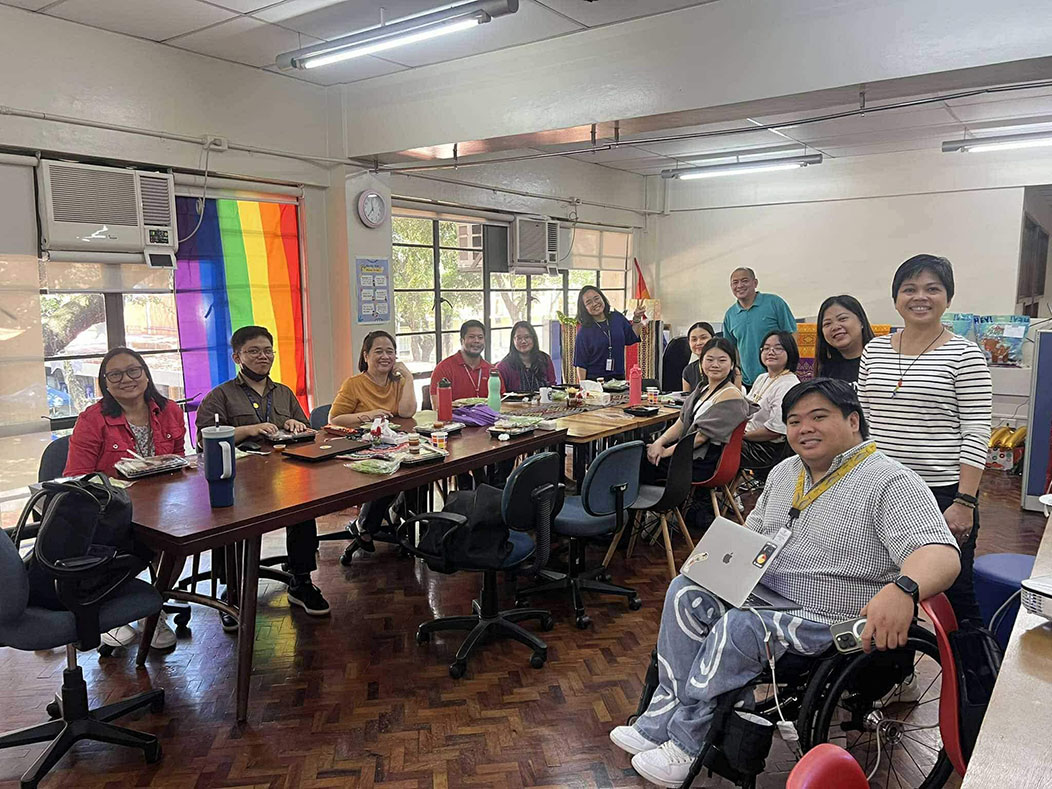
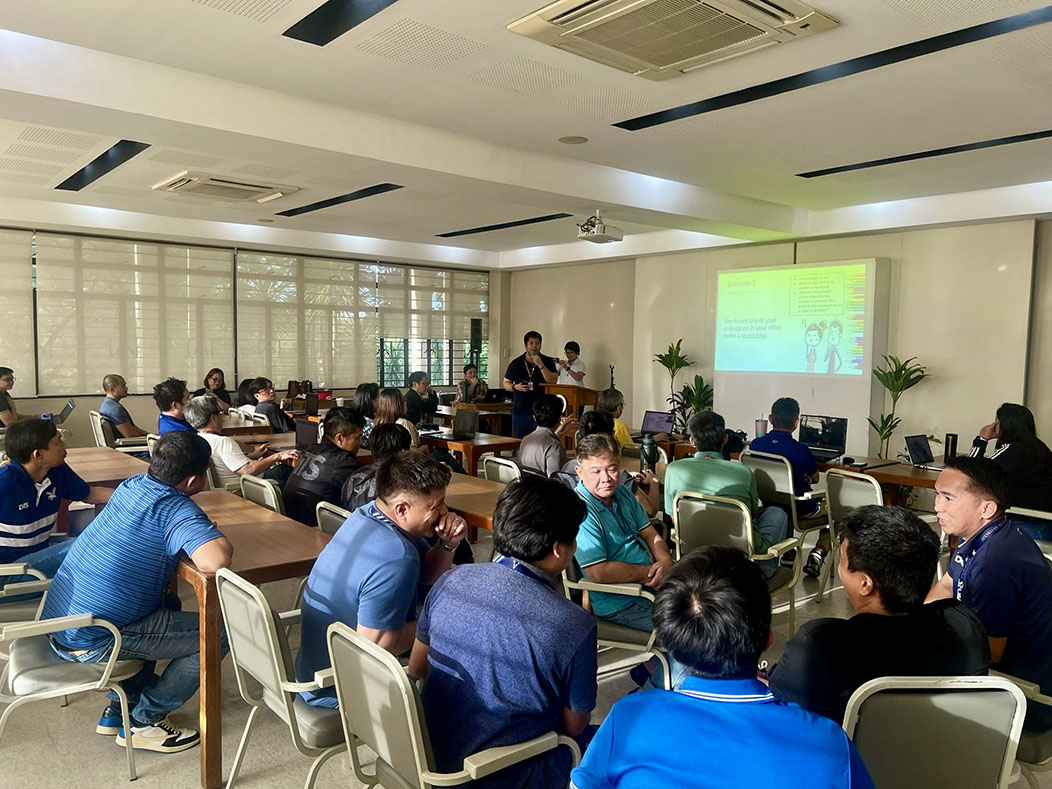
Beyond compliance with the law, the cluster’s biggest goal is helping change the culture and views of the community towards gender issues.
It’s not just setting policy, said Lao, but also integrating gender-related topics in academics, formation, and other aspects of Ateneo life. All these activities and projects are making a noticeable impact in the community, Lao said.
“I would be afraid if there's only one response to gender in the university,” she said. “The fact that there are different responses to gender means this is a real community, which is willing to dialogue and willing to converse on a difficult topic.”
"I think it's been a good challenge for the university to see what, let's say, it's different stakeholders are wanting or or saying," she said.
There are many viewpoints and disagreements have been part of the conversations, but the cluster is open to continued dialogue. "We can revisit the conversation, but the most important thing is that the people who need care, the people who need to be seen, are given that."
The COVID-19 pandemic also had an impact. "The pandemic also changed both teaching and learning," she said. "We're learning along the way – how to navigate the different cultures in Ateneo and how to be most helpful, also because even young people now are different from young people five years ago."
And at the heart of the response is the people in our community. "You have to respond to the people layer before you can respond to something systemically," Lao said. "You can change policies how many times you want, but if it is not internalized and understood by the people who actually have to work with that, it’s nothing."
Lao said the University, through the gender and development cluster, is looking towards the future. "Looking at it from a generational perspective, what will the next generation need? What will the next generation want? How will we stay true to ourselves also as Ateneo de Manila?"
All these efforts, Lao said, is towards making a gender-responsive and gender-sensitive community the norm. “Gender mainstreaming means that [its done] to the point that it’s not special -- it's embedded, integrated in the learning process of students and also in the formation of employees.”



Published by the
Office of University Development and Alumni Affairs
Ateneo de Manila University
Fr Raymund Benedict "RB" Hizon SJ
Publisher
Rica Bolipata-Santos PhD
Editor-in-Chief
KD Suarez
Editor
Meyanne Plamenio-Cortezano
Franchette Mary Therese Silva
Renée Nuevo
Contributors
Andrea Bautista
Art Director/Graphic Designer
Ateneo alumni can update their information by emailing OUDAA at
alumnirelations@ateneo.edu
Contributions
fabilioh@ateneo.edu
Facebook
facebook.com/AteneoOAR