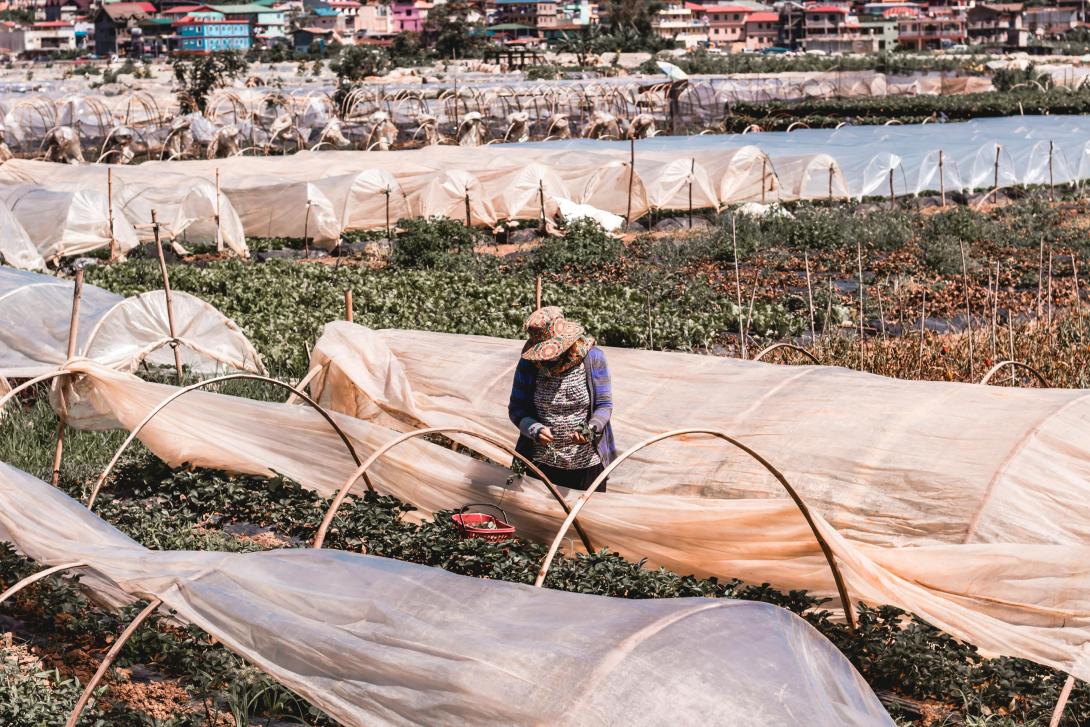
SDG2 Zero Hunger Project Overview

Accompanying the ongoing mission for Zero Hunger as one of the United Nations’s Sustainable Development Goals for 2030, food insecurity remains to be a sweeping global issue, with as much as 828 million people being affected by hunger in 2021 (FAO, 2022). In the Philippines, a recent nationwide survey revealed that 1 out of 10 households are food insecure, with poorer regions, such as BARMM, hitting a food insecurity rate of as high as 34% (WFP, 2022).
Against the backdrop of these issues on food insecurity, undernutrition, and hunger being exacerbated by the COVID-19 pandemic, a collection of food security advocates originating from Ateneo de Manila University, Ateneo de Davao University, and Xavier University-Cagayan de Oro, formed the “Informal Working Group on SDG2” with the intention of raising the awareness and consciousness of members within their University communities, and eventually, the broader general public, on food-related issues within the country. By providing a platform to diverse sectoral representatives, and approaching food security under the lens of a food systems framework, the Working Group aims to demonstrate how concerns about food and hunger are fundamentally interconnected with related issues on production, agriculture, health, nutrition, livelihood, culture, and the environment.
Projects organized by the Working Group include the first-ever Independent Dialogue on the Philippines for the United Nations Food Systems Summit in 2021, the “Food Systems and the Future” series, which featured Senatorial candidates speaking on food-related issues and platforms in light of the 2022 national elections, and the “Different Actors in Sustainable Food Systems” series, highlighting the roles played by various sectors of society in food-related activities. For the year 2023, the group is organizing the “Policy and Governance of Sustainable Food Systems” series, which focuses on assessing and identifying executive and legislative policy action regarding the multiple components of the country’s food systems.
With almost 20 webinars under their belt, the initiatives of the Working Group on SDG2 have since been adopted by the Sustainable Development Solutions Network Philippines as the SDG2 Zero Hunger Project, further amplifying their call for a more holistic, multisectoral, and systems-based approach towards crises of hunger, undernutrition, and food insecurity.
For partnerships and inquiries, kindly contact the SDG2 Zero Hunger project through the SDSN PH Secretariat at sdsnph@gmail.com.