

SDG 13: Climate Action
Highlights
Co-operative Planning for Climate Change Disasters: Ateneo Partners with Pasig City and Angono, Rizal
April 23, 2023 - October 2024
Ateneo de Manila University plays a leading role in advancing collaborative climate action and disaster resilience through its participation in the Regional Circulating and Ecological Sphere (Regional-CES) initiative, a multi-country program promoting sustainable urban–rural partnerships and climate-adaptive planning across Southeast Asia.
A Regional Approach to Resilience
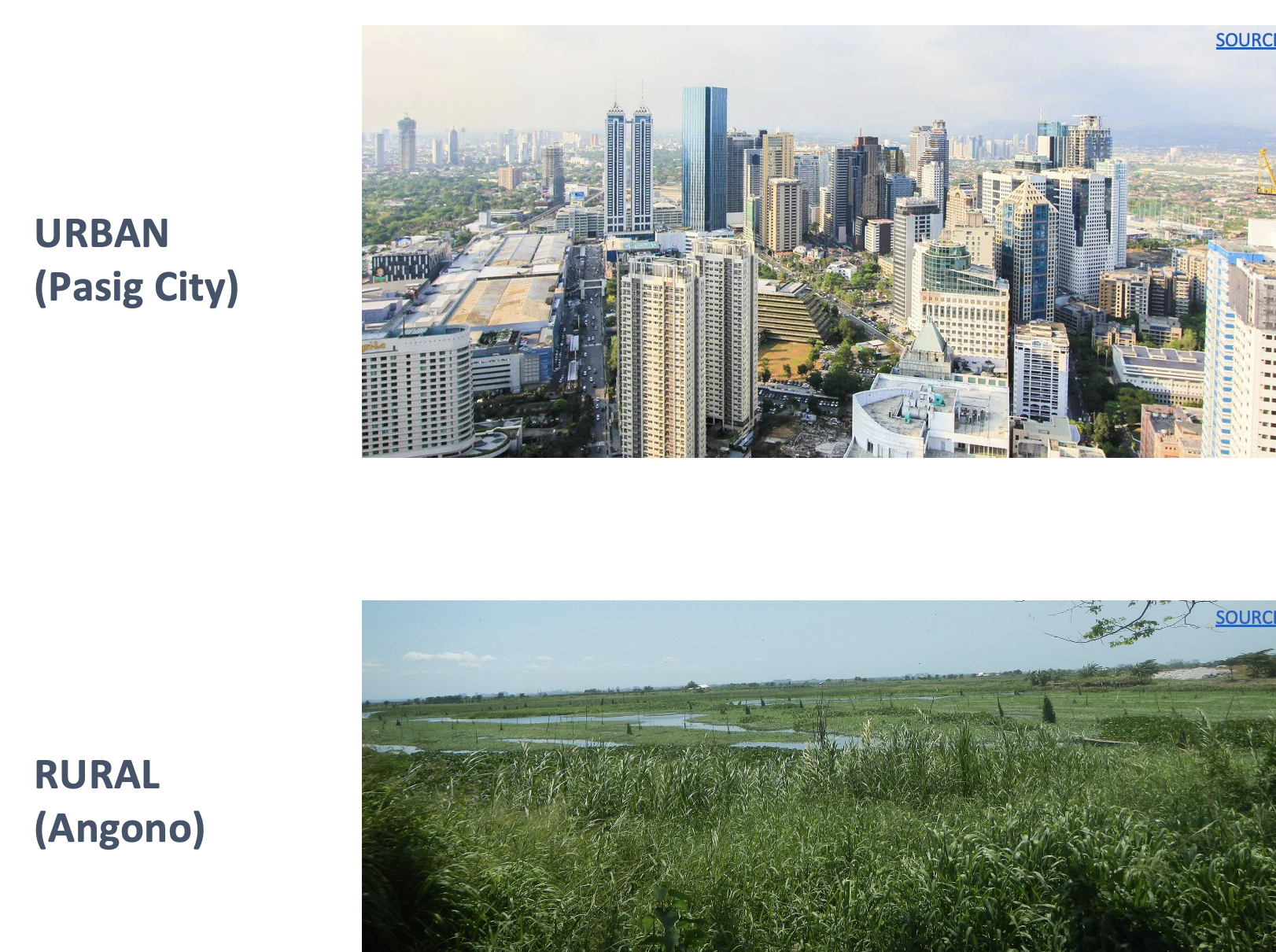
The Regional-CES framework encourages the creation of resilient city regions by linking urban centers with their rural hinterlands through ecological, social, and economic interdependence. In the Philippines, the initiative is being implemented through a partnership between Pasig City in Metro Manila and Angono in Rizal Province—two localities that exemplify the challenges and opportunities of city–rural cooperation in addressing climate-related risks.
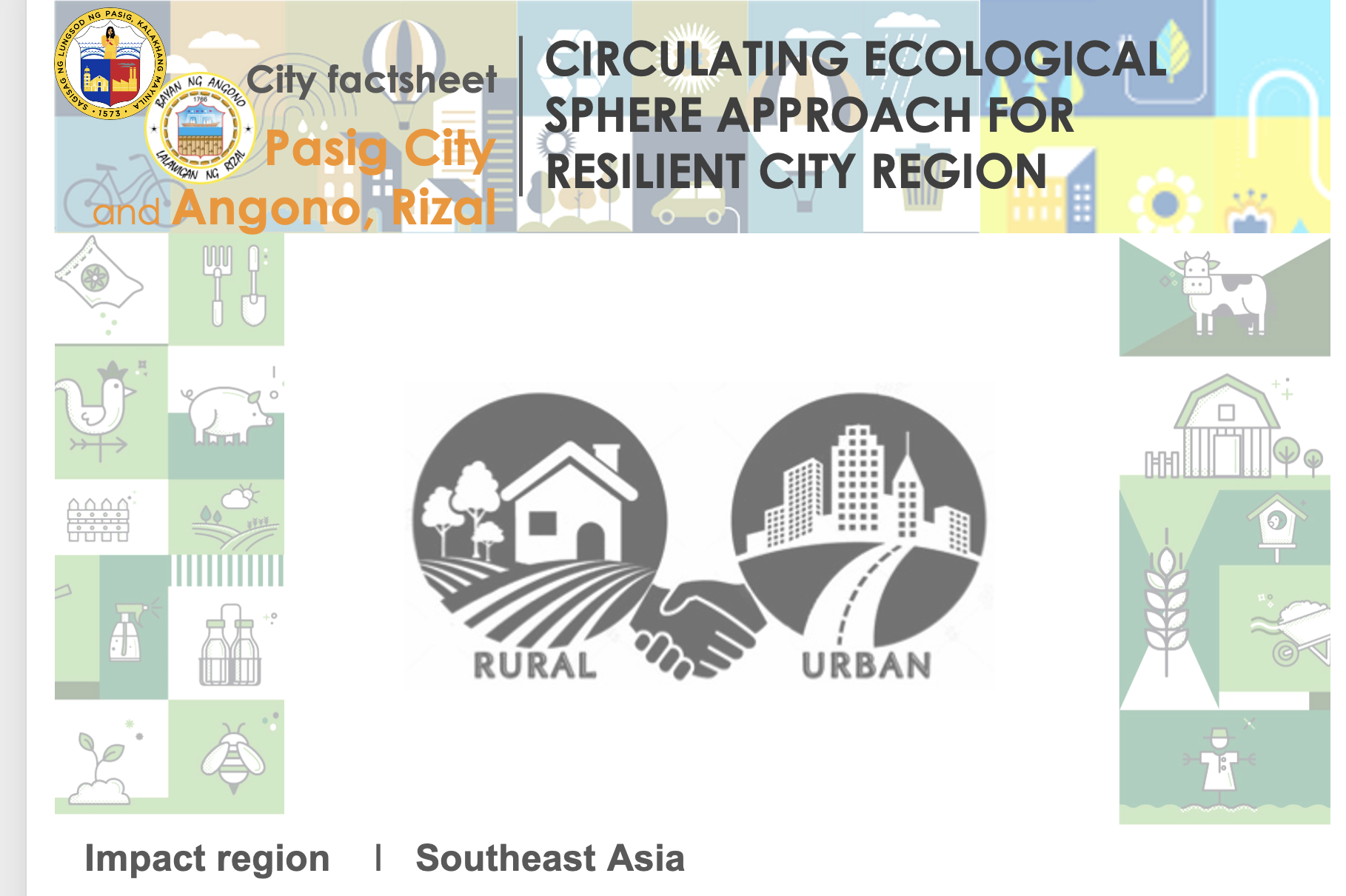
Under this program, Ateneo de Manila University, through the Coastal Cities at Risk in the Philippines (CCARPH) research network, works with local governments to integrate disaster risk reduction, environmental management, and social inclusion into long-term development planning.
Joint Planning for Climate and Disaster Risks
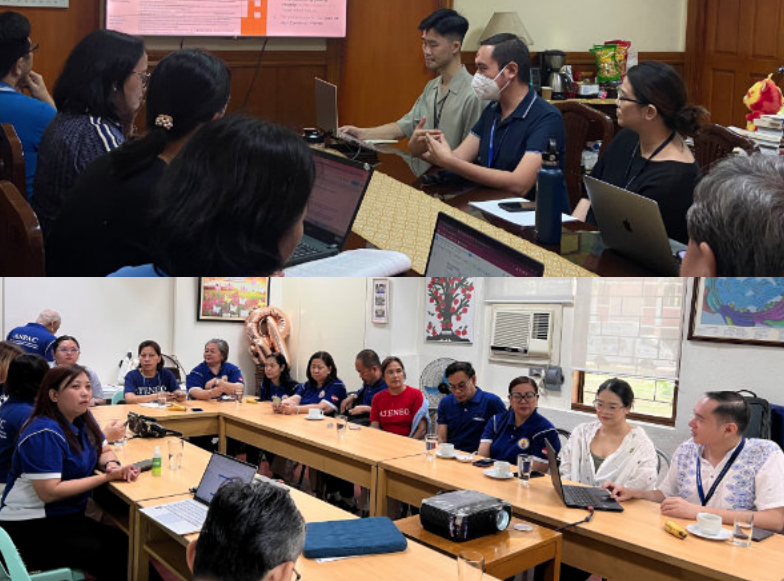
Working alongside the Pasig City Government, led by Mayor Vico Sotto, and the Municipality of Angono, led by Mayor Calderon, Ateneo researchers conducted extensive perception surveys, workshops, and policy dialogues to identify local stress factors and co-develop resilience strategies.
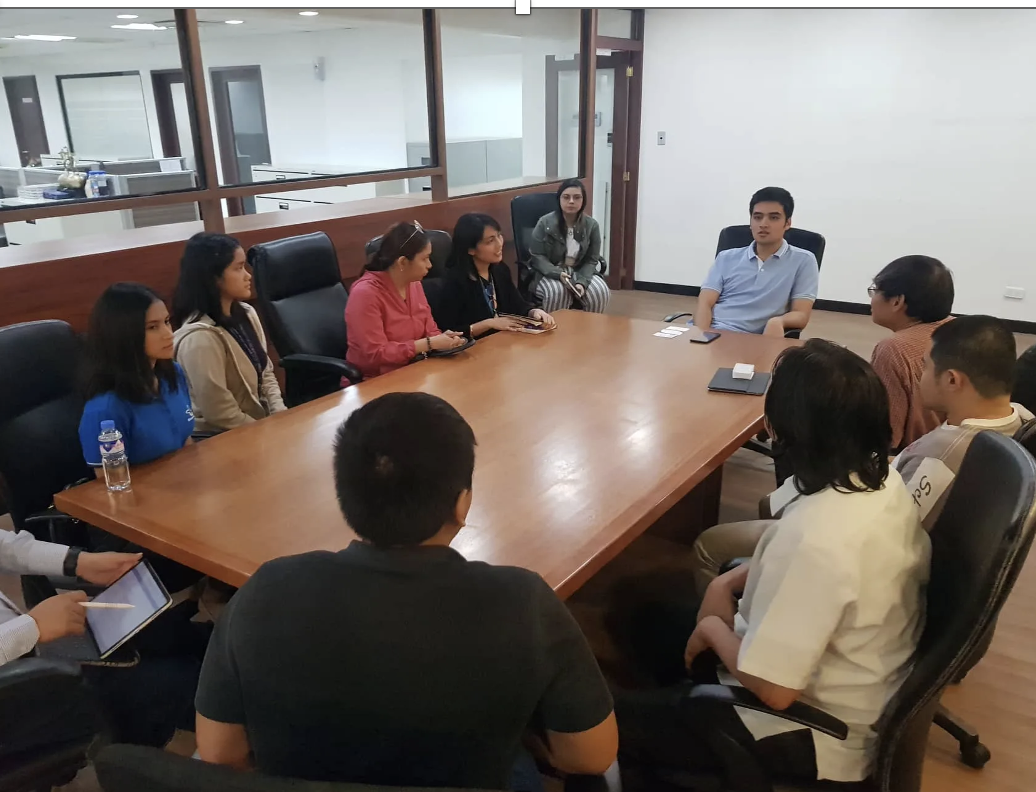
The collaborative planning process brought together stakeholders from national agencies including the Departments of Environment and Natural Resources (DENR), Agriculture (DA), Interior and Local Government (DILG), Public Works and Highways (DPWH), and the Laguna Lake Development Authority (LLDA), as well as social workers, NGOs, and local disaster risk reduction offices.

These multi-sectoral dialogues focused on shared challenges such as:
-
Typhoons and flooding
-
Urban heat and water insecurity
-
Pollution and ecosystem degradation
-
Housing shortages and informal settlements
-
Socioeconomic inequalities and displacement
By bridging the perspectives of local administrators, community representatives, and researchers, the project promotes evidence-based, cooperative governance that strengthens the capacity of both urban and rural communities to adapt to the changing climate.
Strengthening Urban–Rural Synergy
Pasig and Angono’s collaboration highlights how a city’s demand for resources and services is connected to the sustainability of its rural surroundings—and how joint planning can ensure resilience for both.
Through this framework, Ateneo facilitates:
-
City–Rural Integration: Developing linked disaster management and water security plans between Pasig and Angono.
-
Capacity Building: Conducting training and workshops for local disaster risk reduction and management officers (DRRMOs) and city planners.
-
Pilot Interventions: Implementing nature-based and locally led climate solutions.
-
Regional Learning: Sharing insights with other participating countries such as India, Vietnam, Indonesia, and Thailand to build regional resilience strategies.

Social Vulnerability Analysis: Coastal Communities at Risk Philippines (CCARPH)- Ateneo de Manila University partnership with Manila Observatory (MO) and the NRC
The CCARPH-Ateneo-Manila Observatory-National Resilience Council conducted a a Social Vulnerability Index (SOVI) assessment to pinpoint Manila’s high-risk populations. The data have been instrumental in prioritizing resilience interventions, from evacuation planning to health services.
Lessons Learned and Future Directions
In July 2022, the National Resilience Council (NRC) engaged with newly-elected local chief executive, Mayor Honey Lacuna and key officials from the Manila Disaster Risk Reduction and Management (DRRM) Council.
During this meeting, Mayor Lacuna appointed officials, as focal persons for the Resilient Local Government Unit Programme (RLGUP), for incorporating the Immediate next steps which included the convening of a technical group to advance five approved RLGUP projects: Ateneo-CCARPH-Manila Observatory led Social Vulnerability Index (SOVI), DOST GeoRisk PH, Barangay Resilience Scorecard, Participatory and Community-based Risk Assessment (PCRA), and Infrastructure Risk Assessment, all of which were dedicated in building and sharing knowledge towards establishing community based resilience. The collaboration was sealed by a tripartite Memorandum of Agreement (MOA) signing involving NRC, BPI Foundation, and LGU Manila, with academic partners, including CCARPH- Ateneo de Manila University.
Assessing Progress and Challenges in Sustainable Development Goal 13 (SDG 13)
Analyzing Sustainable Development Goal 13 (SDG 13) trends reveals several key findings. There has been a gradual increase in the impact of research efforts addressing climate action, indicating ongoing work to tackle climate change challenges. However, the emphasis on low-carbon energy use has significantly declined, suggesting difficulties in maintaining and advancing sustainable energy practices. This underscores the need for more effective solutions in this area. On the other hand, there has been a sustained commitment to environmental education measures, including local programs, disaster planning, government support, NGO collaboration, and general environmental education. Nonetheless, the absence of reported commitments to achieving carbon neutrality in all three years (2021, 2022, and 2023) raises concerns as it hampers effective climate action strategies and progress toward reducing carbon emissions and promoting sustainability.
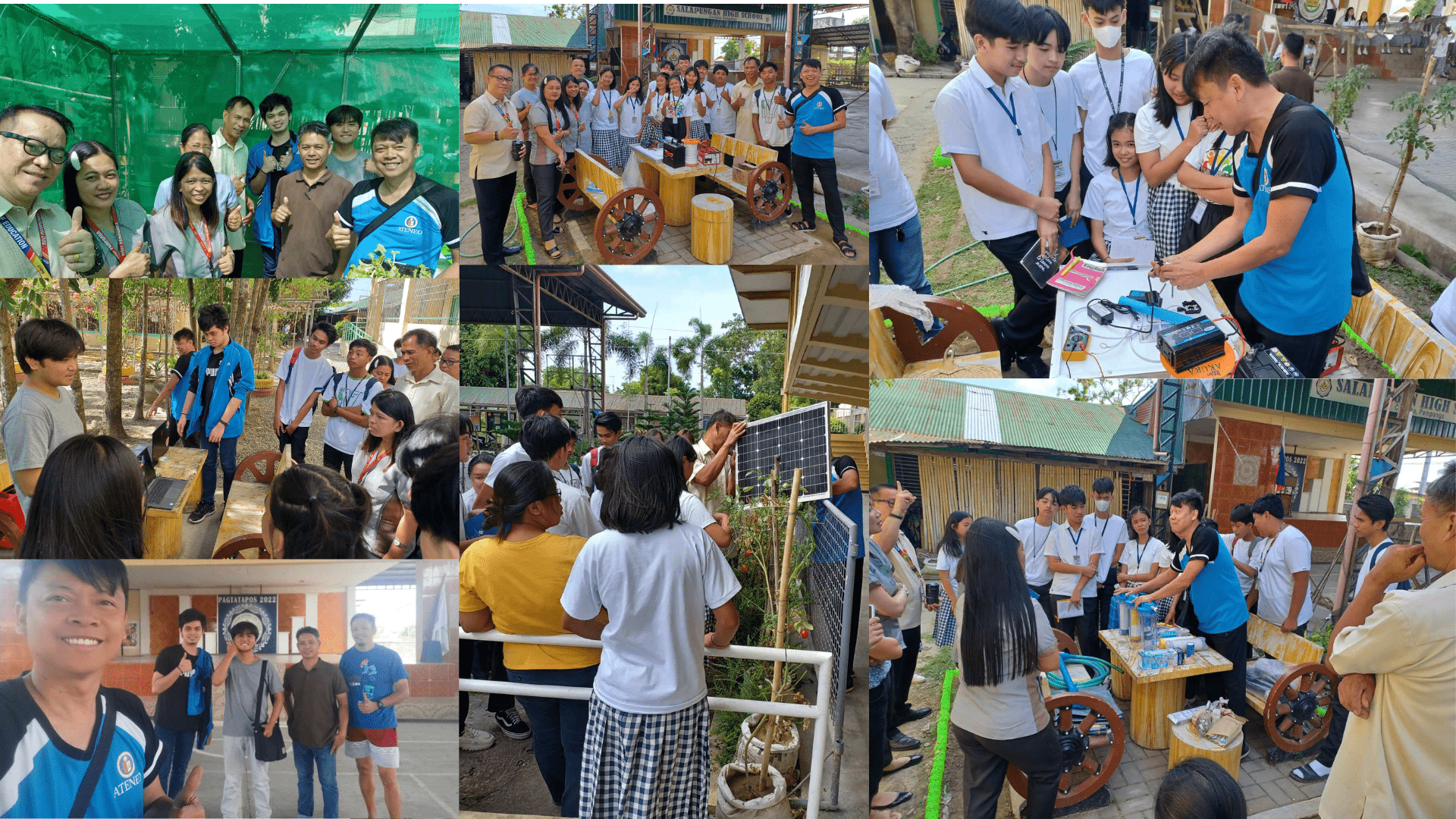
Engagement with the community on SDG 13 involves various specific initiatives. This includes local education programs on climate, such as the tripartite agreement between ASOG, DOE, and LGA for competency-based energy training for LGUs and projects like SOLAR-POWERED CLEAN WATER SYSTEMS. Additionally, collaborative efforts are focused on climate action planning, exemplified by the CCARPH Naga City Terminal Report and the National Disaster Risk Reduction and Management Plan (NDRRMP) 2020 – 2030. These collaborations aim to enhance resilience in climate change and disasters. Moreover, there are initiatives to inform and support government agencies, such as the eBayanihan Disaster Management System and the partnership between MO, ADMU, and PAGASA for risk management. Lastly, community engagement includes collaborations with NGOs for environmental education, such as the partnership between MO, ADMU, and PAGASA, and initiatives like CCARPH - Buklod Tao. These actions demonstrate a concerted effort to work closely with the community to address climate-related challenges and promote climate resilience.
Ateneo de Manila University's Integral Ecology Journey: Fostering Sustainability and Spiritual Stewardship
Ateneo de Manila University strives to become a Laudato Si University by adopting the Ignatian spirit and integral ecology principles across all its diverse units. The University has undertaken notable initiatives such as the Ateneo School of Government's focus on governance for sustainability, the Ateneo Graduate School of Business's emphasis on responsible business practices, the Ateneo Law School's integration of environmental and human rights law, and the Ateneo Loyola Schools' incorporation of integral ecology into their curricula and research. The basic education units at Ateneo prioritize sustainability by implementing initiatives like waste reduction and hydroponics, inculcating ecological mindfulness among students. These efforts collectively demonstrate the University's commitment to integral ecology by integrating it into education, research, and daily operations while promoting spiritual and environmental stewardship.
Ateneo de Manila University's Advances Climate Action Toward Carbon Neutrality
Guided by the Laudato Si' Plan 2022-2029, p.21 Ateneo de Manila University seeks to integrate climate consciousness across all its operations. The University Climate Action Plan articulates its commitments and concrete actions to account for and reduce greenhouse gas (GHG) emissions (climate mitigation) while also addressing the impacts of climate hazards on the community and its partners (climate adaptation). It further codifies guidelines, policies, activities, metrics, and targets, building on the existing Sustainability Policies and Specific Guidelines.
Aligned with the Sustainable University Master Plan, p.48 Ateneo targets carbon neutrality for Scope 1 and 2 emissions by 2030, and full carbon neutrality, including Scope 3 emissions, by 2050. Central to this effort is establishing a GHG Accounting Desk and developing a comprehensive carbon balance, including an emissions inventory, an energy audit, and a tree inventory for carbon sequestration.
To achieve these goals, the University is implementing and exploring measures such as upgrading to energy-efficient equipment, installing energy metering systems, and expanding renewable energy sources. Since 2020, solar panels have been installed at the Loyola Heights campus, currently supplying about 2.587% of the campus's electricity consumption (148,095 kWh), with further expansion planned. The University is also exploring partnerships with the Green Energy Option Program to accelerate its transition to net-zero emissions.
Through these initiatives, Ateneo advances a clear and measurable pathway toward sustainability, embodying its commitment to ecological stewardship and care for our common home.
Greenhouse Gas (GHG) Emissions Accounting Protocol: A Jesuit Commitment to Carbon Neutrality
Ateneo de Manila University, as a Catholic, Jesuit, and Filipino institution, is called to care for our common home through a deep commitment to integral ecology, guided by Laudato Si’ and the Universal Apostolic Preferences. In responding to the urgent challenge of climate change, an ecological, social, and moral crisis that most affects the vulnerable, the University seeks an ecological conversion that transforms both personal lifestyles and institutional practices. Anchored in its Magis Aspiration of achieving carbon neutrality by 2030, this Greenhouse Gas (GHG) Emissions Accounting Protocol embodies Ateneo’s pursuit of the greater good by providing a rigorous and transparent framework for measuring, managing, and reducing its carbon footprint, in faithful stewardship of creation for present and future generations.