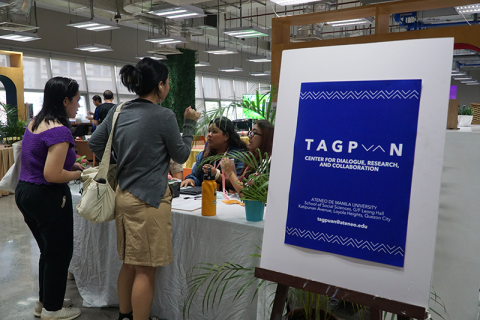
Tagpuan Ateneo
Center for Dialogue, Research, and Collaboration

Dialogue
Campus Mobility Forum
A Campus Mobility Forum (CMF) was conceived following a dialogue organized by the University administration to explain and open discussion over a deeply contentious North Carpark improvement project that paved the way for the cutting of several mahogany trees. Fr Roberto Yap SJ, assembled a team of conveners for the CMF on 4th March 2024, with instruction of helping the University administration develop innovative solutions and sustainable campus mobility strategies. Learning from the opposing positions raised in the administration-convened dialogue, CMF seeks out approaches in generating campus mobility solutions anchored on processes that include everyone.
Central to the work of the conveners of the CMF is extending an invitation to the University community in crafting a space where a wide array of stakeholders can come together to express ideas freely, arrive at consensus discursively, and offer a program of action. As a way of proceeding, the CMF conveners establish the appropriate social technologies for a discursive process of solutions generation and consensus building guided by the values of trust and integrity, service, justice, and authenticity through free exchange of thoughts.
CMF takes a process-based approach in searching common ground towards accomplishing the main tasks outlined by the university in the immediate, and laying down the foundation for building the common good in the long-term.
Mobility Forum Framework
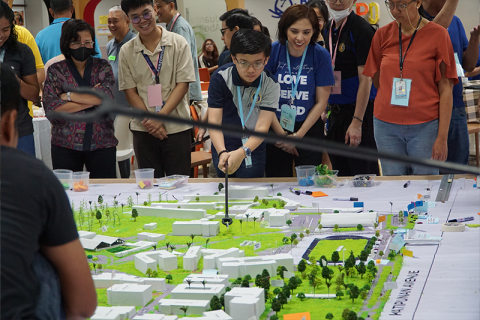
Conveners of the CMF organizes a series of Tagpuan, a mode and instrument of engagement that brings varying stakeholders into conversations marked by deep listening, conversations, openness for collaboration, and co-creative approaches for action. The Tagpuan serves as the a meeting point for participating stakeholders to raise questions, co-generate possible answers, and co-produce vision and innovative solutions for sustainable mobility in, to, and around the Ateneo de Manila campus CMF. In taking the initiative forward, the conveners commences the Tagpuan with the calling question: How can we work together towards sustainable mobility in our campus? Further, the conveners seek for a meeting of viewpoints, insights, and foresight in response to the questions:
- What is mobility? What is sustainable mobility?
- How do we envision sustainable mobility?
- What are our roles and accountability in achieving sustainable mobility?
To underscore the processual nature of the Tagpuan, these calling questions serve as guide for the convenors in establishing the CMF as a space of dialogues and collaborations. Participating stakeholders in the Tagpuan may generate more questions and offer variable answers, suggestions, and positions in piecing together the collective vision for sustainable mobility.
Campus Mobility Stakeholders
CMF reaches out to various stakeholders of the university. Among identified stakeholders are as follows:
Employees, Union, Affiliates, Administrators, Parents
- AEWU, NTS (BE), NTS (HE, Loyola Campus)Security guards/CSMO/MMDA):Affiliates (EAPI, PIPAC, SDC), Administrators, Faculty (BE), Faculty (HE), Parents (BE) ; Parents (HE), Blue Ribbon Movement
- Students, Alumni
- Blue Mobility, Students (BE): Students (HE); Dormers, Alumni with technical expertise (advocacy, operations management, traffic engineering, urban planning)
- Quezon City government: Mr. Mike Alimurung, Mr. Alberto Kimpo, with CSMO
- Transportation Providers
- Public transportation providers: tricycle, School service drivers and operators,
- Private transportation: Family and company drivers regular entering or parking on campus
- Jesuits (from all units at the Loyola Campus)
CMF Methodology
CMF conveners carries out its work by tapping social technologies for consultations that values the centrality of the processes of interactions, exchanges of ideas, and engagement with differences among variable stakeholders. To proceed, the conveners adopts the following approaches:
- Pakikitagpo: Conversation for the Tagpuan Campus Mobility
- Pagtatagpo: Campus Mobility Walk and Photo Conversation
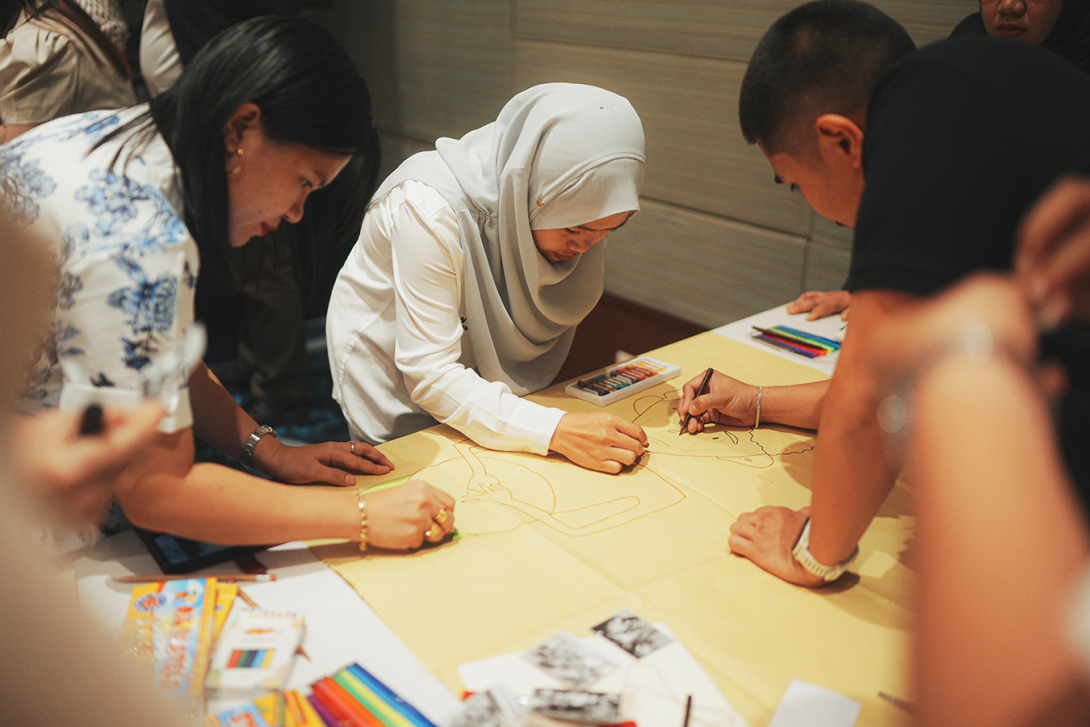
- Tagpuan: Participatory Future-Making for Sustainable Mobillity Workshop and Conversation
CMF sets up these triad of social technologies in the spirit of dialogue and collaboration equipped with open ended questions designed at capturing sentiments, experiences, feedback, development principles, ideas, and productive imagination that can inform the vision for campus mobility. Through these approaches, CMF generates qualitative voices and contributes to laying the foundation of shared ownership as well as legitimacy of the vision, programmes, and projects for campus mobility.
Dialogues among stakeholders continue through the IDEA BOX a feedback mechanism initiated by the Campus Mobility Forum (CMF) that gathers insights from the community and presents them to campus mobility planners and implementers.
Photos:
https://drive.google.com/drive/folders/15WeBV7uJHEBqIGYSc5pPuMQ8PWPShqWN?usp=share_link
Related Links:
https://www.ateneo.edu/document/memorandum/2024/03/04/appointment-conveners-campus-mobility-forum-memo-u2324-098
https://sites.google.com/ateneo.edu/sossvault/sy-2024-25/august-to-september
https://theguidon.com/2024/10/sanggu-outlines-campus-access-recommendations-forwards-to-campus-mobility-forum/
https://www.ateneo.edu/news/2025/02/idea-box-campus-mobility

Tagpuan Ateneo
Center for Dialogue, Research and Collaboration
2nd Floor, Old Communications Building,
Seminary Road,
Ateneo de Manila University Loyola Heights Campus,
Katipunan Avenue, Loyola Heights
1108 Quezon City
Philippines