Tagpuan Ateneo
Center for Dialogue, Research, and Collaboration

Research
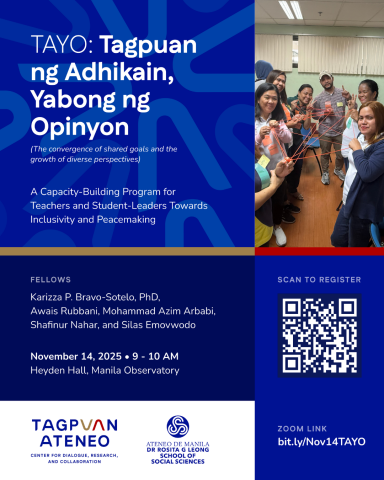
TAYO: Tagpuan ng Adhikain, Yabong ng Opinyon (The convergence of shared goals and the growth of diverse perspectives) A capacity-building program for teachers and student leaders towards inclusivity and peacemaking
RESEARCH FELLOWS:
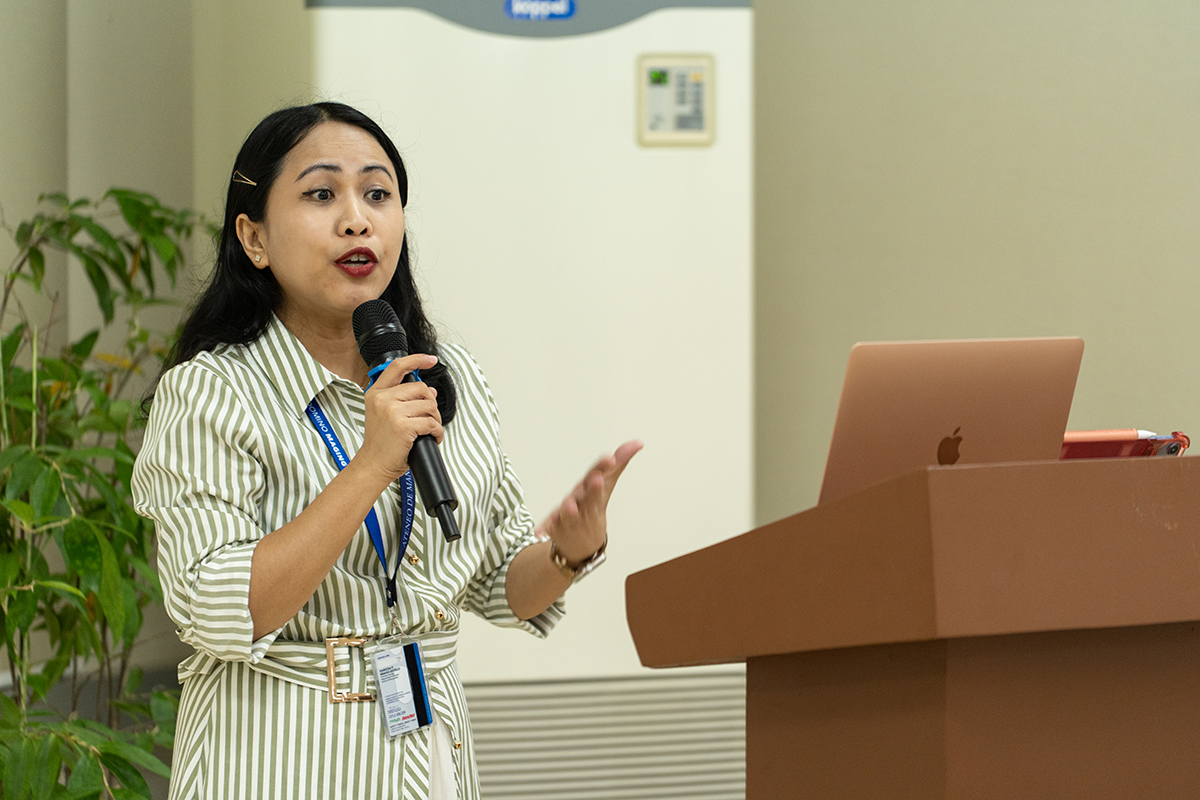
Karizza P Bravo-Sotelo
Awais Rubbani
Mohammad Azim Arbabi
Shafinur Nahar
Silas Emovwodo
PROJECT DESCRIPTION:
The Philippines is home to a rich mix of faiths that coexist in everyday life, yet this diversity also comes with challenges. Religious tensions are on the rise, worsened by online disinformation and the lack of spaces where people of different beliefs can talk and listen to one another. Project TAYO: Tagpuan ng Adhikain, Yabong ng Opinyon responds to this need. In line with Ateneo de Manila University’s strategic goal of bridging cultural divides, the project creates spaces in selected schools where students and teachers can hold open, respectful conversations about faith and identity. TAYO embodies what the initiative stands for: a gathering of people (tagpuan) united by purpose (adhikain) and open to learning from differing opinions (opinyon) that help communities grow (yabong).
COMMUNITY/COMMUNITIES:
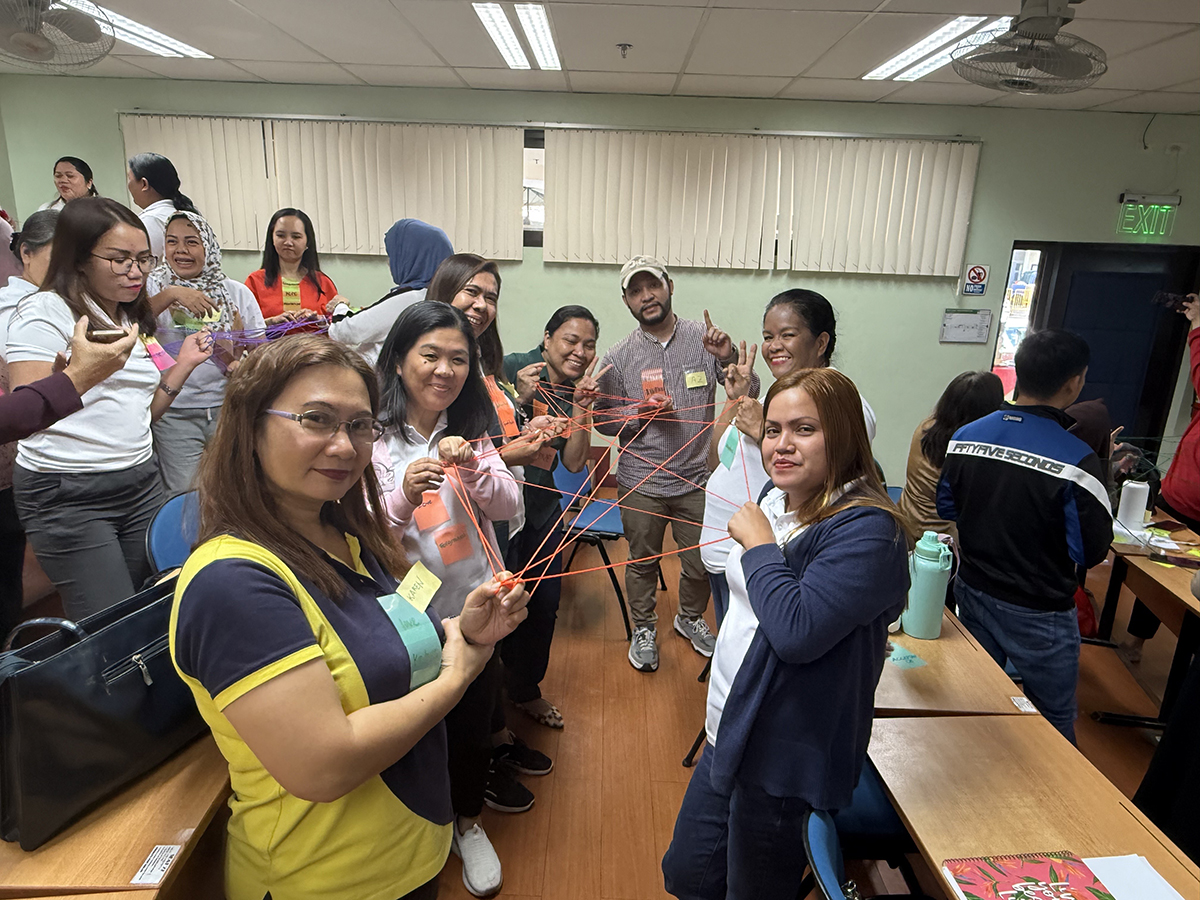
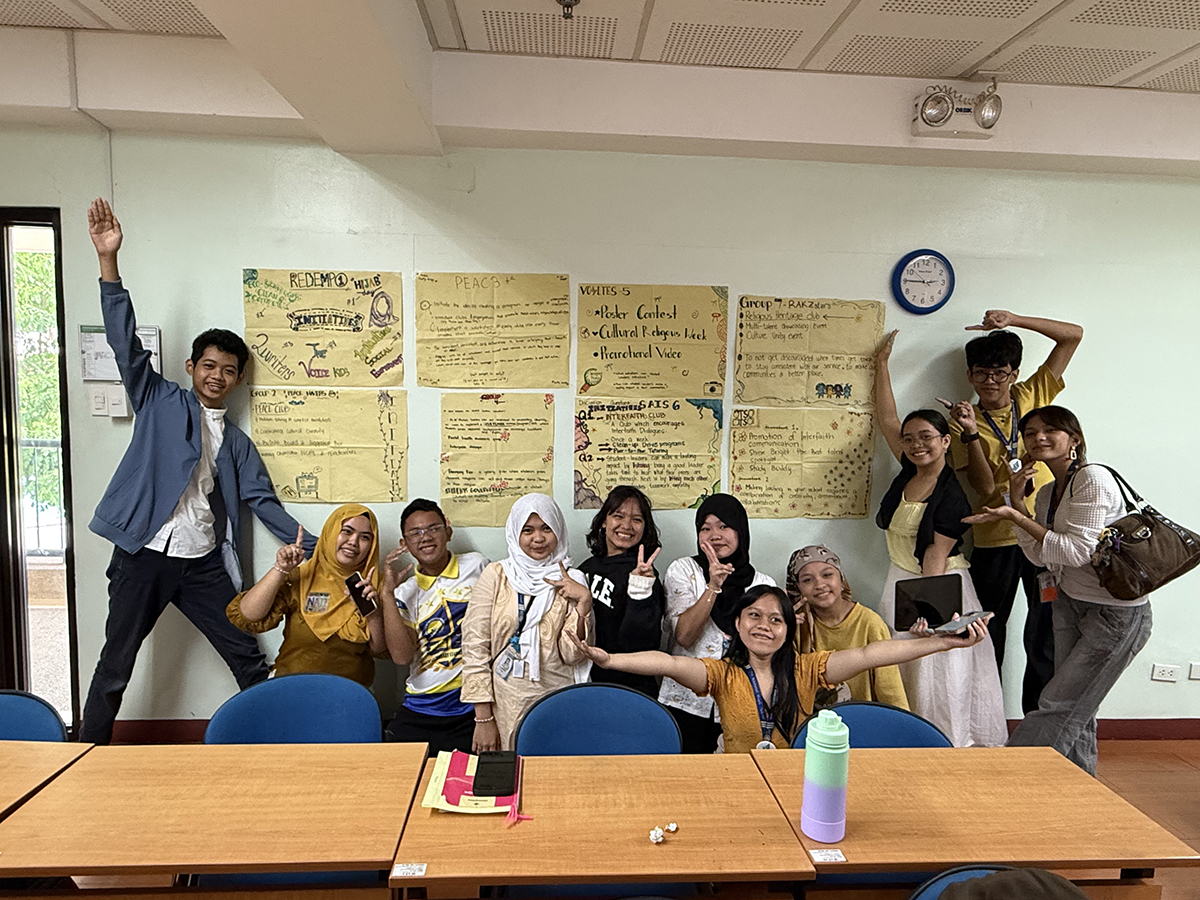
TAYO was implemented in 2025 in response to these challenges. The project sought to examine (1) the underlying social, cultural, and historical factors that sustained common misconceptions about Filipino Christians and Muslims; (2) the role of traditional and social media in perpetuating disinformation and polarization; and (3) the dialogic practices that could be employed in academic settings to highlight shared cultural practices, values, and beliefs between these faith communities. Through the development of an interfaith dialogue activity toolkit and a series of capacity-building workshops for teachers and student leaders from two public schools in Cagayan de Oro, Mindanao, Project TAYO created inclusive spaces for meaningful encounters and reflection. These activities enabled participants to identify shared values, challenge biases, and cultivate empathy across religious lines.
INNOVATIVE RESEARCH DESIGN:
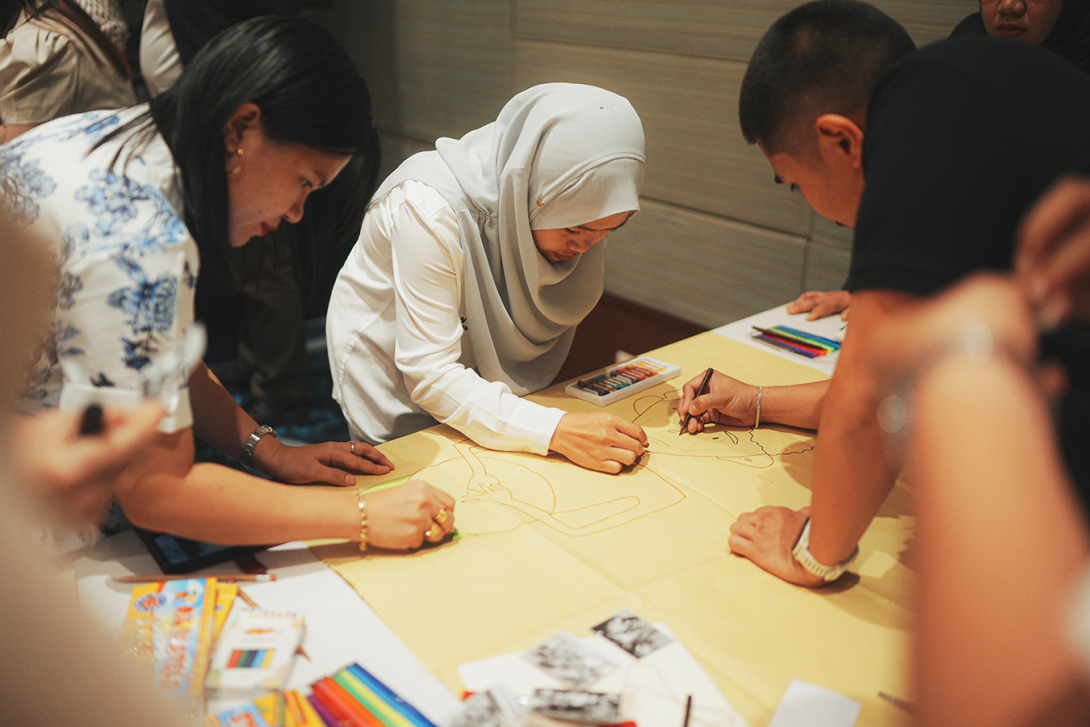
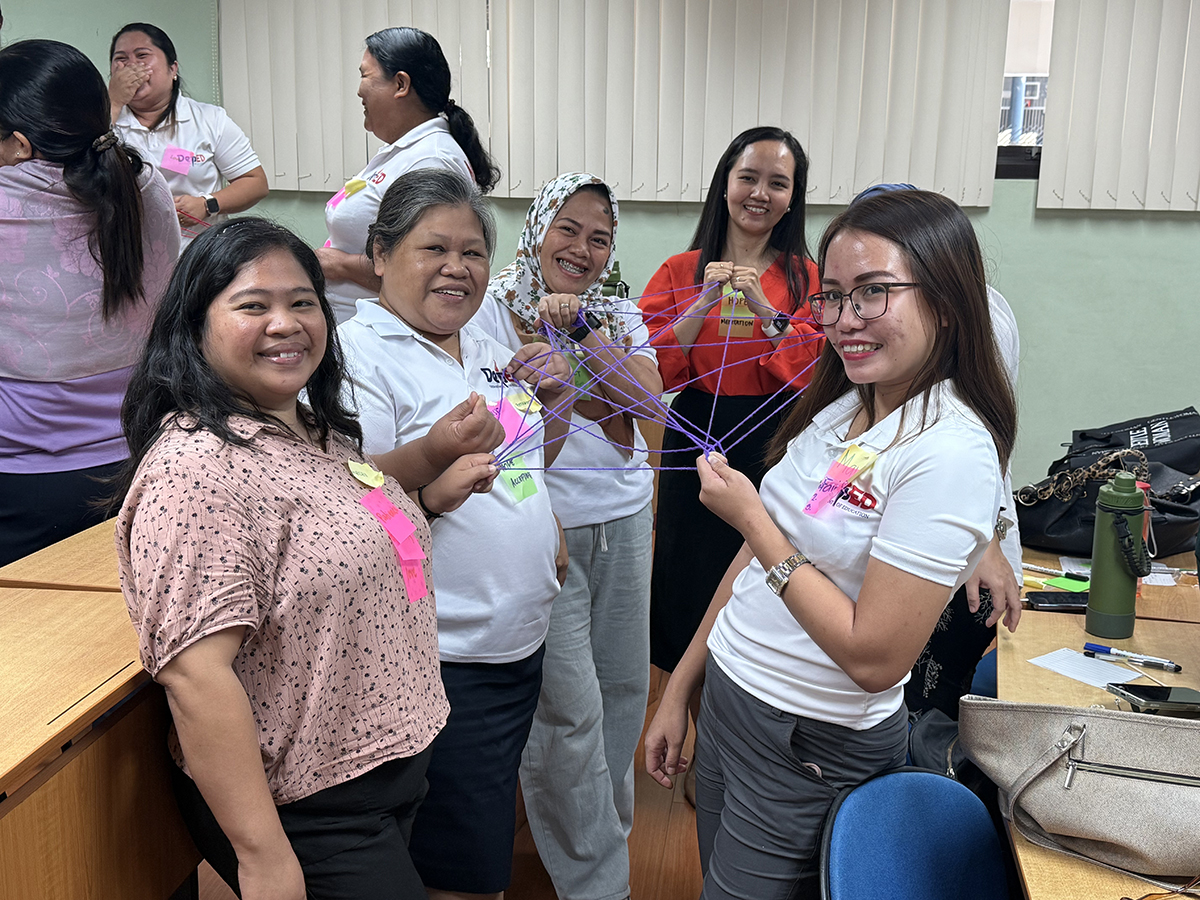
Interfaith dialogue seeks to build relationships and understanding across religions and cultures through dialogue, knowledge-sharing, and friendship-building. The research conducted dialogues among teachers and student-leaders. Teachers were provided with guidelines on how educators can instill values of respect, spot stereotypes, and lead interfaith dialogues in teaching. Students engaged in creative activities to build awareness and critical thinking in faith-related matters. There were creatively engaging activities to learn the basics of interfaith dialogue. Reflection were facilitated after each activity and games were played to reinforce learning.
KEY INSIGHTS:
This project is timely and important as polarization continues to warp discourses in Philippine society. Integrating interfaith dialogues into the public school curriculum can help rebuild trust, nurture empathy, and equip both teachers and students with the skills to handle conflict brought about by cultural and religious differences. In doing so, Project TAYO adds to ongoing national efforts to transform difference into dialogue, with the hope that these dialogues eventually contribute to bridging cultural divides.
Why interfaith dialogue in education matters:
- Peacebuilding & Prejudice Reduction: Interfaith dialogue in education builds relationships, reduces prejudice, and fosters peace by encouraging genuine interactions, tolerance, and honest self-expression.
- Religious Literacy: Interfaith dialogue programs enhance students’ religious literacy and appreciation for diverse beliefs, vital in multicultural societies.
- Intercultural Awareness: Education systems that emphasize interfaith dialogue contribute to intercultural understanding and coexistence.

Tagpuan Ateneo
Center for Dialogue, Research and Collaboration
2nd Floor, Old Communications Building,
Seminary Road,
Ateneo de Manila University Loyola Heights Campus,
Katipunan Avenue, Loyola Heights
1108 Quezon City
Philippines