Tagpuan Ateneo
Center for Dialogue, Research, and Collaboration

Research
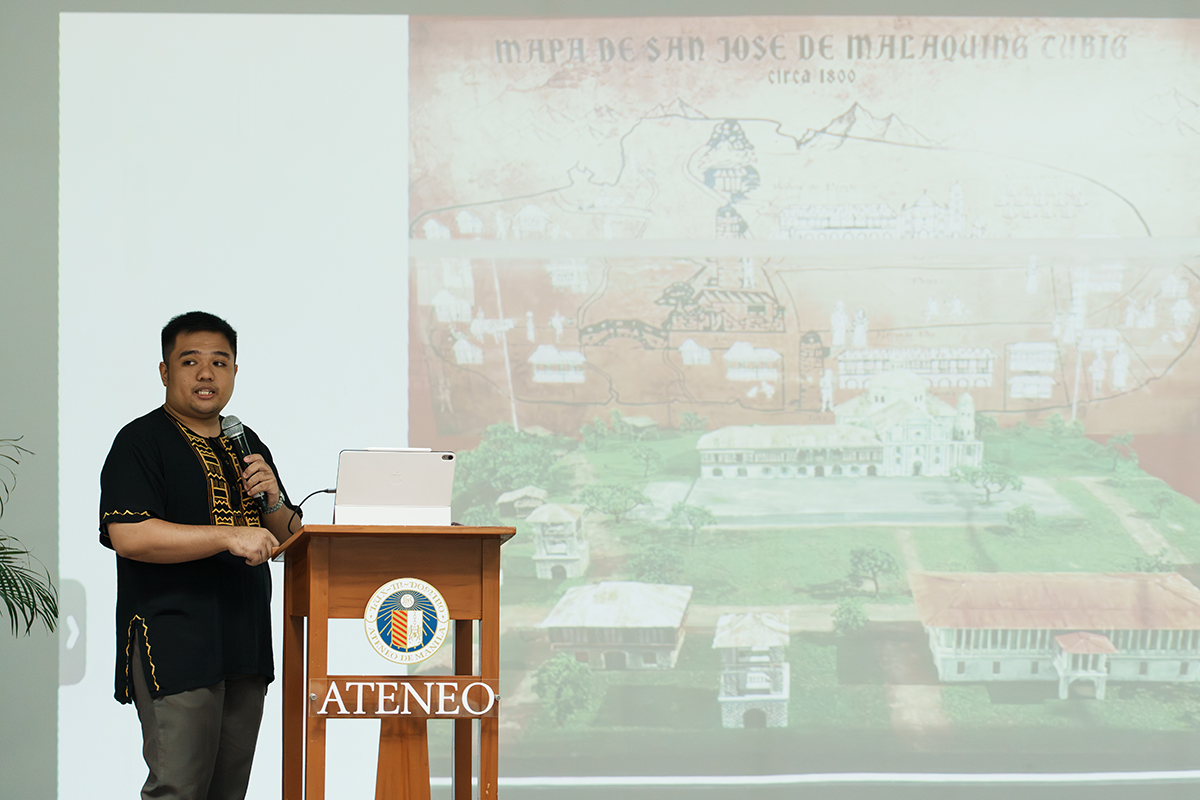
Project H.U.N.T.A: Holistic Understanding of Local Narratives Toward Advocating theMalaquing Tubig River’s Significance/ Scientifically Contextualizing the “Malaquing Tubig River” Through Local Narratives - A Basis for A Localized Environmental Science Learning Material
RESEARCH FELLOW:
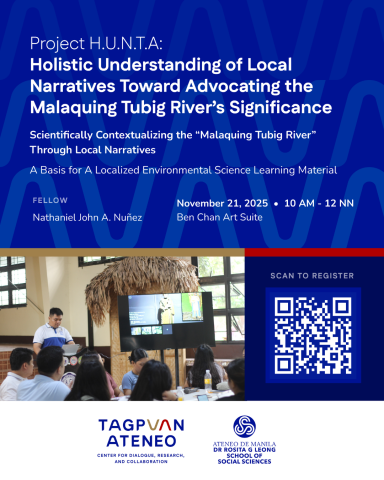
Nathaniel John A Nuñez
PROJECT DESCRIPTION:
The “Malaquing Tubig River”, once a lifeblood of San Jose, Batangas, is now in a state of neglect due to widespread pollution from the poultry industry. The river has historically played a significant role in sustaining livelihoods in the area, providing water for farming and household needs. However, with the rise of large-scale poultry farms, the river’s ecological health hasdeteriorated to the point where it is now considered a "dead, dried up, and neglected" body of water (Medina et al., 2019). For many, particularly the younger generation, the river has lost its identity as an environmental resource and has become viewed solely as an industrial asset. This situation presents a deep cultural divide: while the older generation may still hold memories of the river’s importance, the youth of San Jose have grown up viewing it as an extensionof the poultry industry, vital only to economic productivity. As a result, many young people express indifference to the river’s current state. In fact, they perceive its environmental degradation as a necessary trade-off for maintaining the town’s reputation as the “country’s Egg Basket” (Philippine Senate S. No. 2044, 2021).
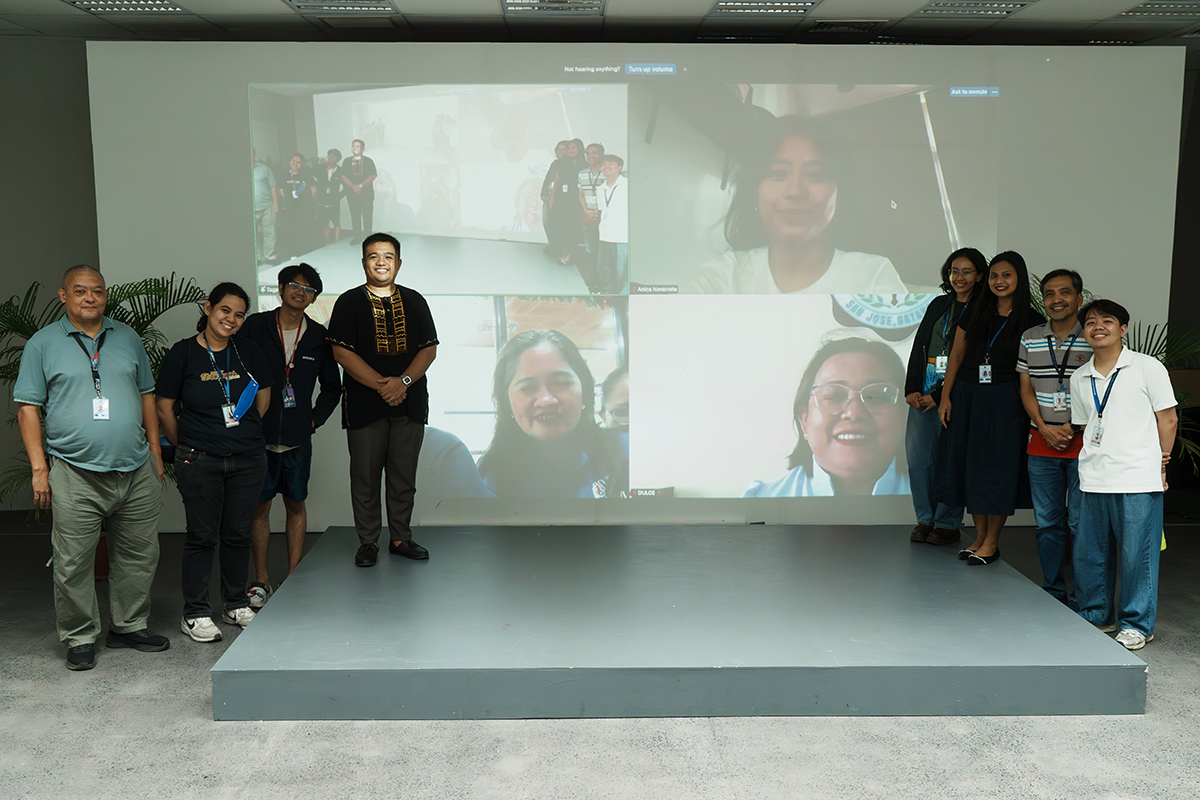
Project HUNTA aims to address this cultural and environmental divide by integrating scientific knowledge about the “Malaquing Tubig river” with local narratives, fostering a renewed sense of ecological and cultural stewardship among the youth. The project is founded on the principles of development communication and science communication, which emphasize the role of community participation in addressing complex environmental issues (Ponce de Leon, 2020). By engaging the youth, local educators, and community leaders, Project HUNTA seeks to create an interdisciplinary, dialogical approach to river conservation.
COMMUNITY:
Given the focus on working the youth of San Jose, Batangas, the project will place a strong emphasis on ethical considerations. Participants’ privacy and dignity will be protected throughout the research process.
INNOVATIVE RESEARCH DESIGN:
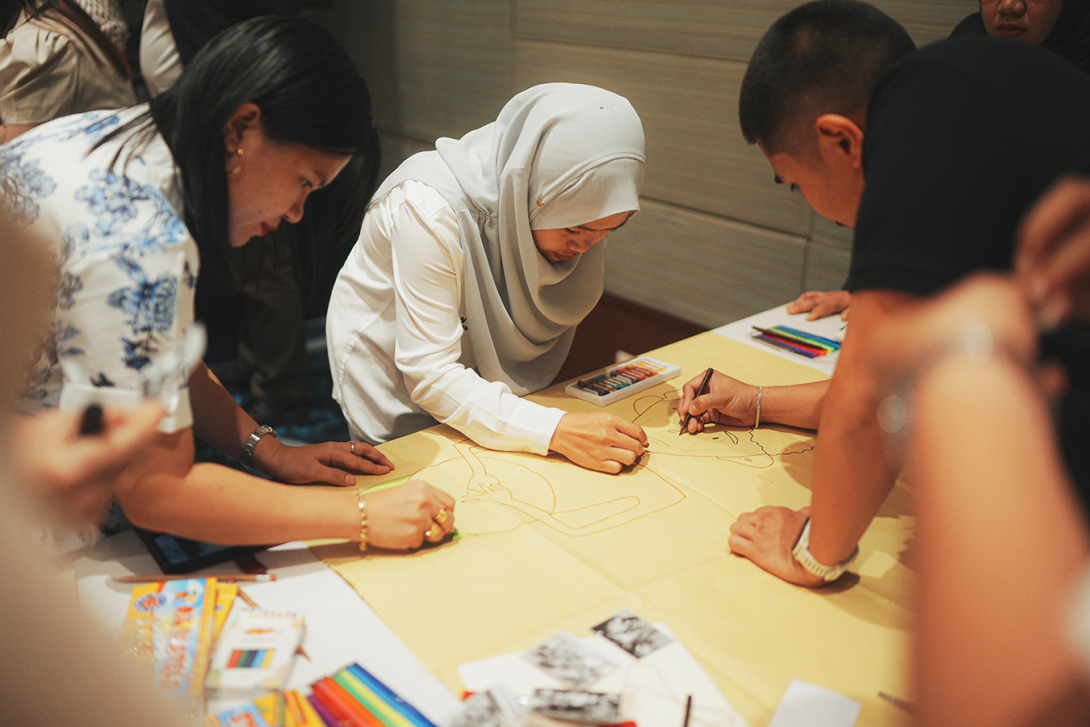
The methodology for Project HUNTA is structured around a participatory, dialogical approach that actively engages the youth and local community in the research and education process.
The project will make significant contributions to both the academic and practical fields.
On an academic level, Project HUNTA offers an innovative model for integrating local cultural narratives with environmental science. This approach contributes to the growing field of Science Communication, which focuses on making complex scientific information accessible and meaningful to lay audiences (Ponce de Leon, 2020). By combining local stories with empirical data about the river’s ecosystem, the project will create a powerful educational tool that resonates with the community. On a practical level, the project addresses the need for localized educational materials in the Philippine school system. The EDCOM II report (2024) points out that many teachers lack the resources and training to implement contextualized curricula, especially in subjects like environmental science. Project HUNTA will help bridge this gap by creating toolkits and lesson plans that can be easily integrated into existing science curricula. These materials will be designed to foster environmental literacy among students, helping them develop a deeper understanding of their local environment and its role in their community’s history and future. More broadly, the project addresses the social and cultural divide between the older generation’s view of the river as a vital resource and the younger generation’s perception of it as an industrial by-product. By engaging the youth in the collection and analysis of local narratives, Project HUNTA aims to restore the community’s collective memory of the river’s significance, fostering a sense of environmental stewardship that is rooted in both tradition and science (Cagasan et al., 2014).