Tagpuan Ateneo
Center for Dialogue, Research, and Collaboration

Research
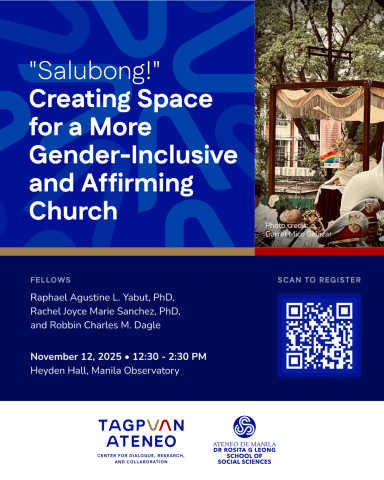
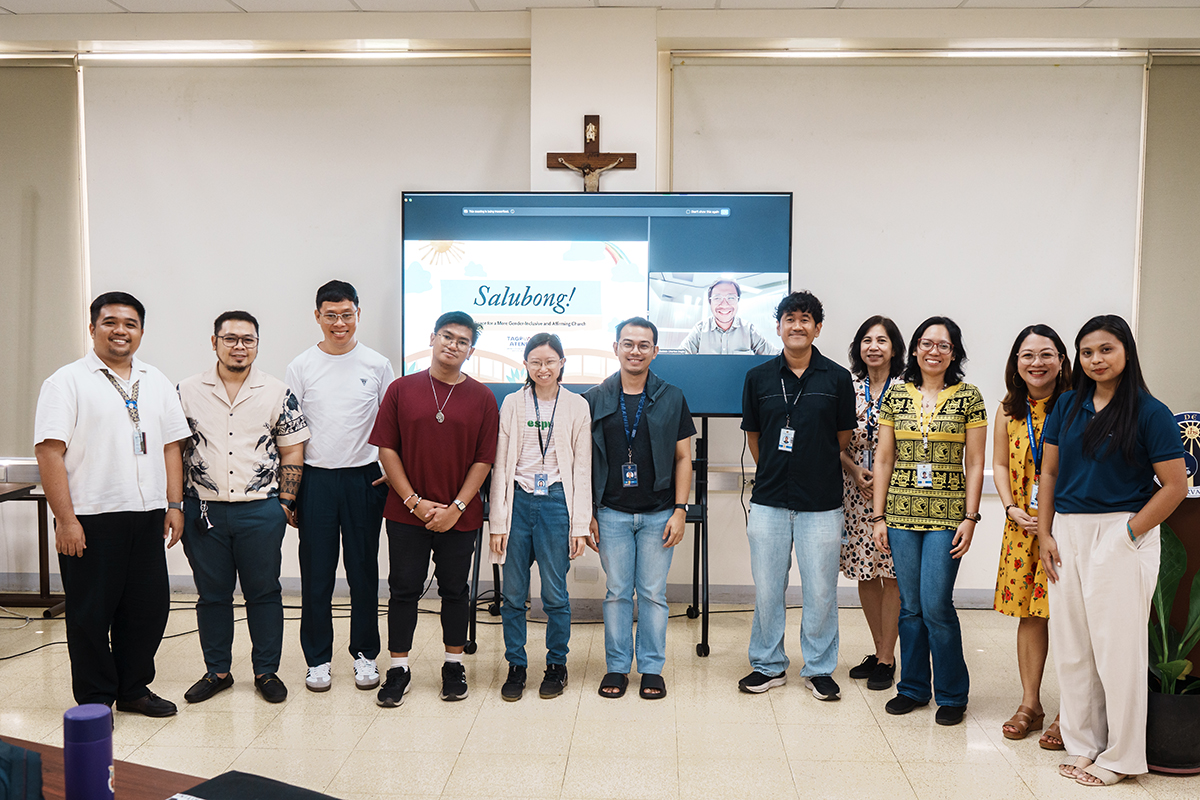
Salubong!: Creating Space for a More Gender-Inclusive and Affirming Church
RESEARCH FELLOWS:
Raphael Agustine L Yabut, PhD (principal investigator; Department of Theology)
Rachel Joyce Marie O Sanchez, PhD (Department of Theology)
Robbin Charles M Dagle (Department of Development Studies; PhD student, University of Technology Sydney)
PROJECT DESCRIPTION:
Project Salubong! seeks to reimagine ways towards bridging the divides in the Catholic Church when it comes to the tensions and polarizations brought about by matters of gender, sexuality, and faith.
COMMUNITY/COMMUNITIES:
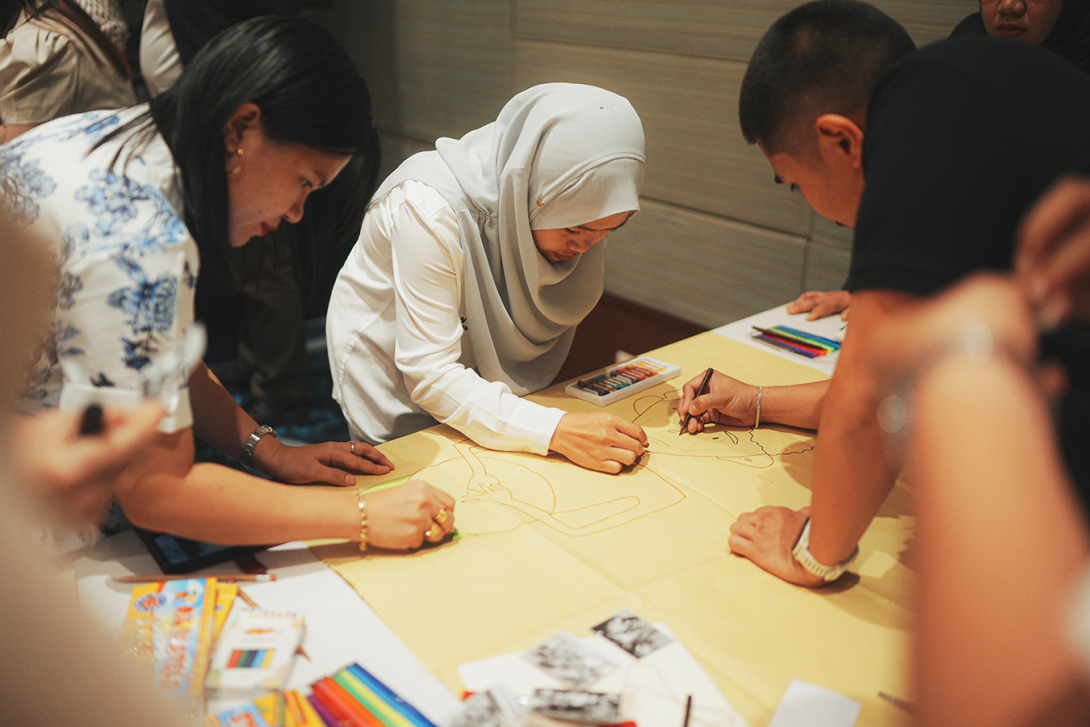
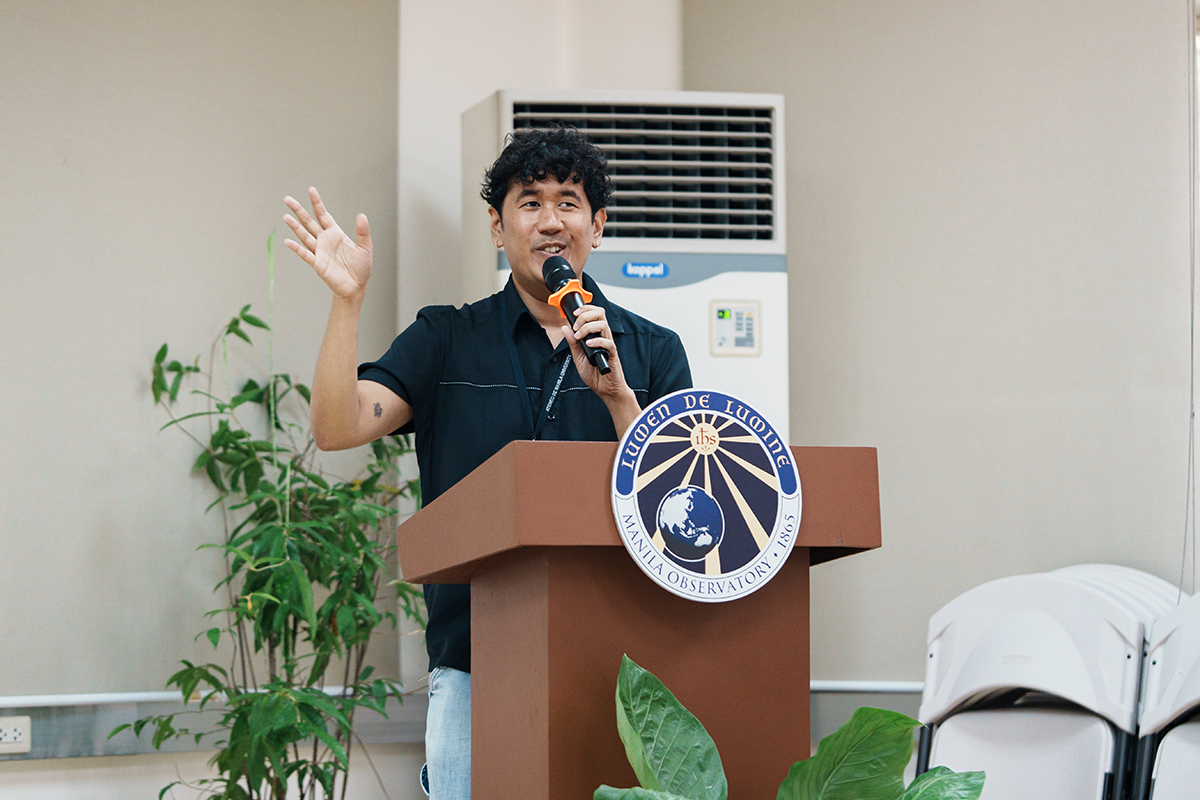
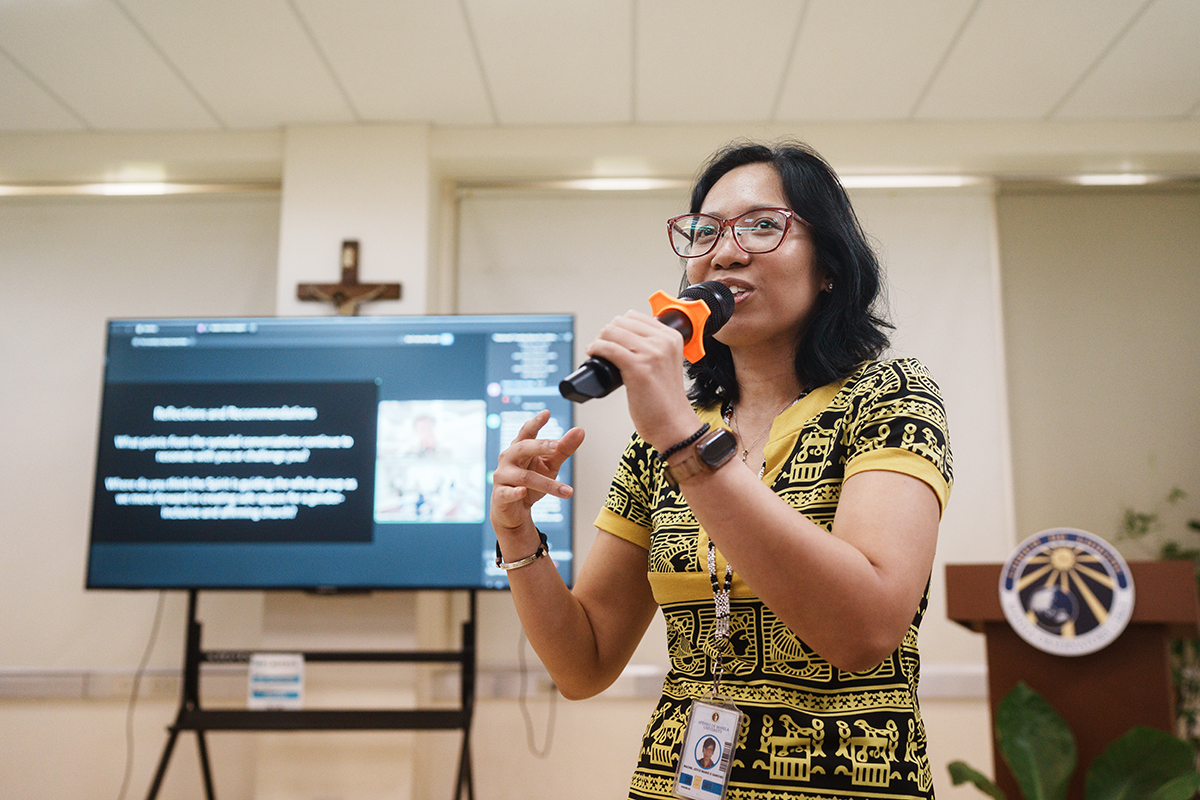
Using an approach influenced by synodality and participatory action research (including photovoice), the project aims to foreground the narratives of the LGBTQI+ participants while fostering a space of listening and dialogue with church leaders. We recruited five participants from each group, intentionally inviting persons who come from underrepresented sectors within the queer community (e.g. trans women, lesbians) and the church (e.g. religious women, lay leaders). Throughout this process, the participants sought to answer the main question, “How can the Catholic Church foster a safe space towards becoming a gender-inclusive and affirming church?” The participants determined three themes which served as the topic of dialogue for the three succeeding rounds of synodal conversations. For each conversation, LGBTQI+ participants brought photos that represent their narratives based on the themes decided by the group. The conversations are listening spaces where participants listen not only to the narratives but to the Spirit guiding the group into creating safer spaces for gender minorities.
INNOVATIVE RESEARCH DESIGN:
The Salubong! toolkit is a fruit of shared reflection and praxis in an attempt to imagine how people can create more gender inclusive and affirming spaces in the Catholic Church in the Philippines. We gathered LGBTQI+ Catholics and church leaders to facilitate a process of communal discernment on what it means to create safe spaces in the church. The discernment became an attempt to rethink how people can dialogue and encounter one another across divisions on difficult topics to discuss, such as gender and sexuality.
This manual, created for church leaders and groups, features the synodal and participatory process that can be used to facilitate Synodal Conversations among church leaders and LGBTQI+ Catholics in a creative and meaningful way. Informed by principles of participatory action research and a theology of synodality, the process aims to listen more deeply to the stories of the LGBTQI+ Catholics and engage the community into discerning what it means to create safer spaces for all. The manual is a practical guide on how to facilitate this process in your own context. It lays down what the process looks like, the skills needed in facilitating and accompanying the community, as well as you navigating the different relational dynamics that this process entails. This manual also hopes to enrich theological reflection through social scientific methods of participatory action research, and to encourage interdisciplinary discourses on religion and gender.
The manual was drafted by Raphael Agustine L Yabut PhD (principal investigator; Department of Theology), Rachel Joyce Marie O Sanchez PhD (Department of Theology), and Robbin Charles M Dagle (Department of Development Studies; PhD student, University of Technology Sydney). Our participants also gave important and critical feedback on the manual’s content.
KEY INSIGHTS:
Three key insights emerged from the project. First, spaces for dialogue are virtually non-existent, and should be intentionally created to facilitate engagement between the queer community and church leaders. Such a space has three characteristics: spatio-temporal, social, and sacred. Second, entrenched power relations in the Philippine church, including the prevalence of clericalism, continue to pose challenges in forming and maintaining these spaces. Navigating and managing these relationships are key to fostering a safe and fraternal environment. Third, participants exercise agency in choosing to engage or disengage from wrestling the complex questions emerging from the conversations, as well as taking concrete actions beyond the conversations.

Tagpuan Ateneo
Center for Dialogue, Research and Collaboration
2nd Floor, Old Communications Building,
Seminary Road,
Ateneo de Manila University Loyola Heights Campus,
Katipunan Avenue, Loyola Heights
1108 Quezon City
Philippines