ASOG’s Tobacco Control initiatives spotlighted in DOH National Technical Working Group for Tobacco Prevention and Control
31 Mar 2026

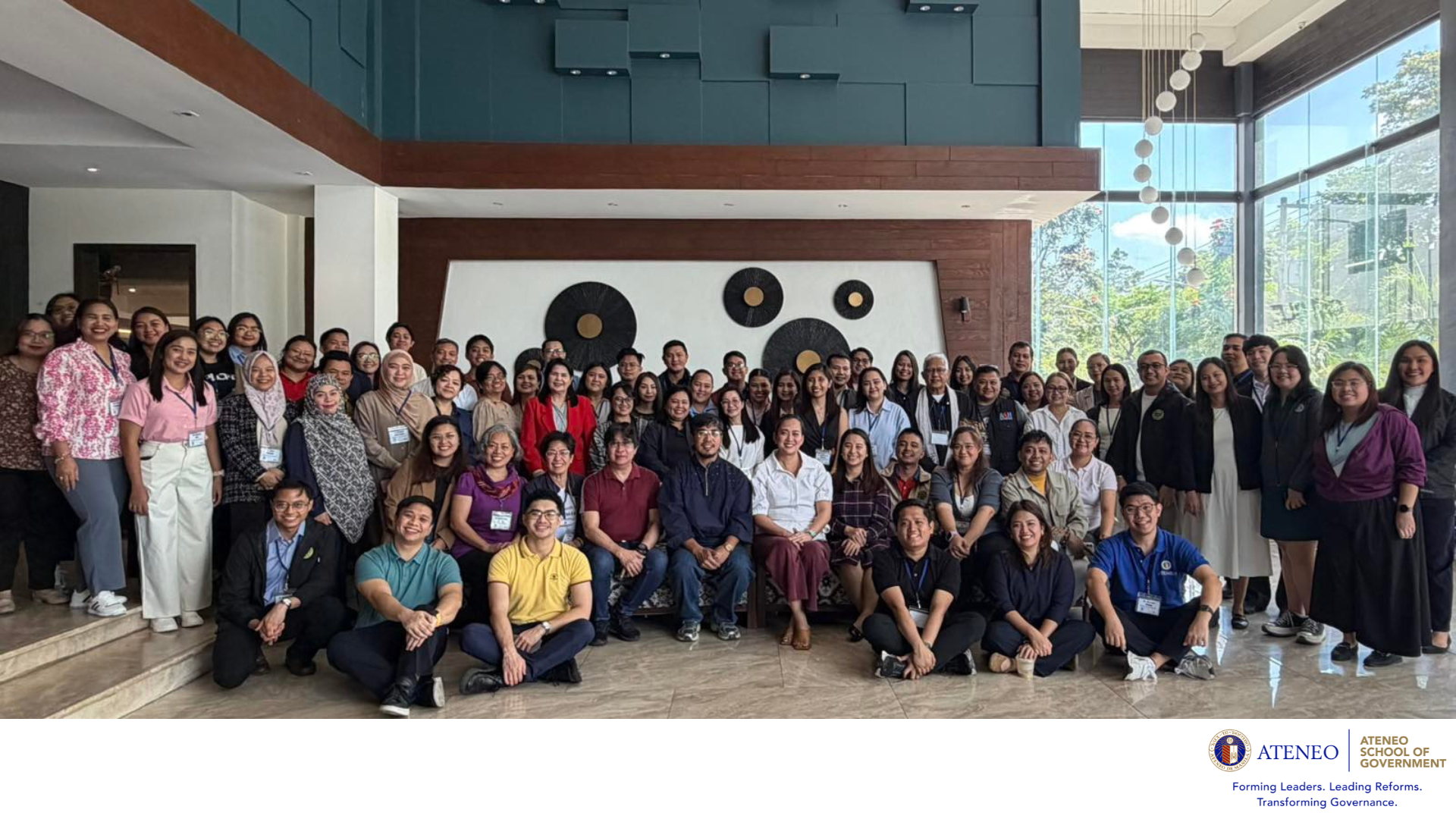
On March 10 to 12, 2026, the Ateneo School of Government (ASOG), through its research and public policy unit, the Ateneo Policy Center, participated in the First Quarter National Technical Working Group for Tobacco Prevention and Control (NTWG–TPC) held in Pampanga. Organized by the Department of Health – Health Promotion Bureau (DOH–HPB), the meeting convened key stakeholders in tobacco control policy and governance. These included representatives from DOH Centers for Health Development (CHDs), officials from model local government units (LGUs), physicians and health practitioners from hospitals, and technical experts from local and international civil society organizations (CSOs).
The NTWG–TPC covered a wide range of priority areas in tobacco and vaping control, focusing on strengthening policy implementation, regulatory approaches, and health promotion strategies. Discussions included key policy and program updates, implementation mechanisms, and emerging tools to support enforcement and public awareness. The meeting also provided updates on ongoing national strategies and initiatives, as well as preparations for upcoming public health campaigns and observances.
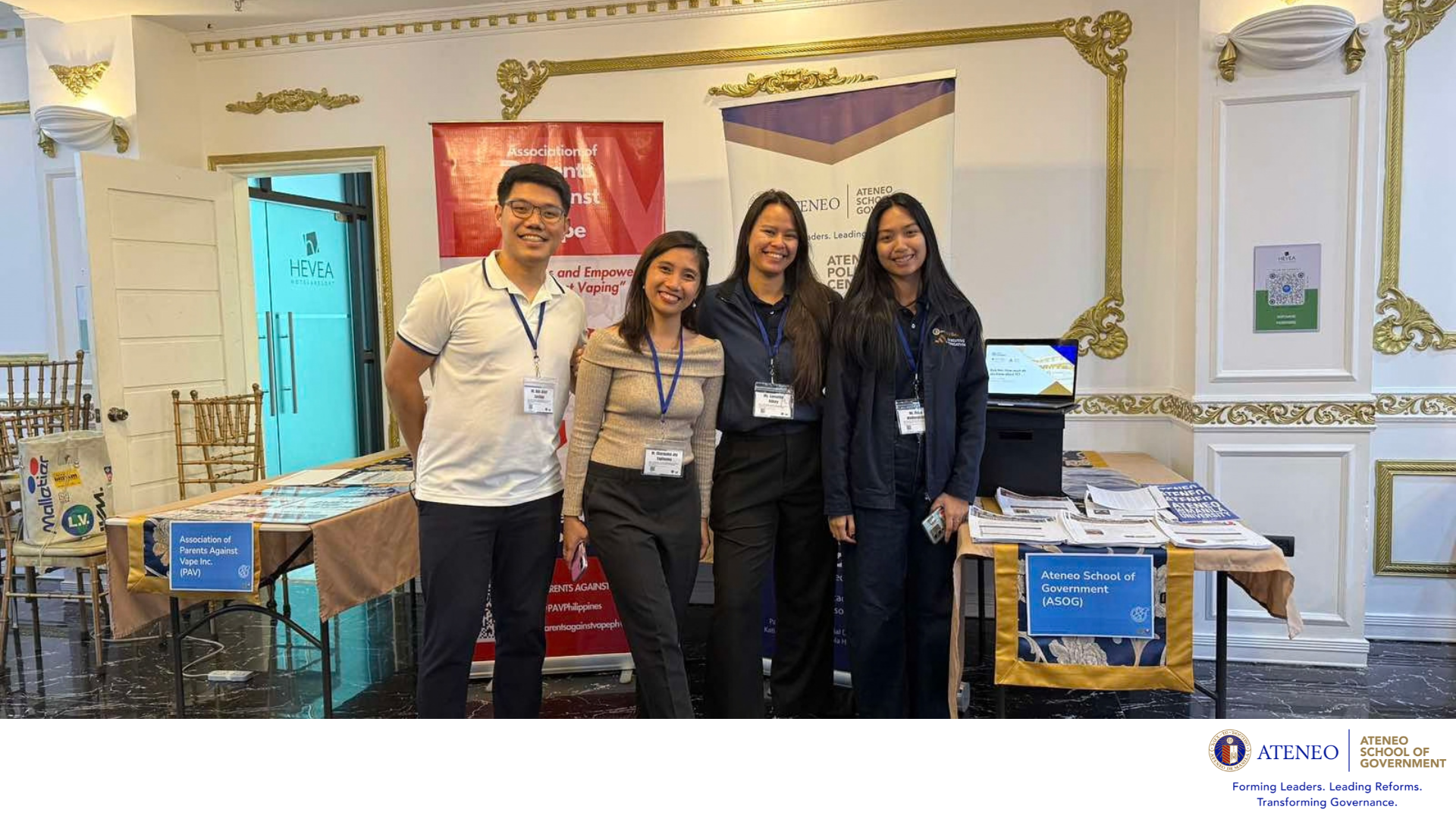
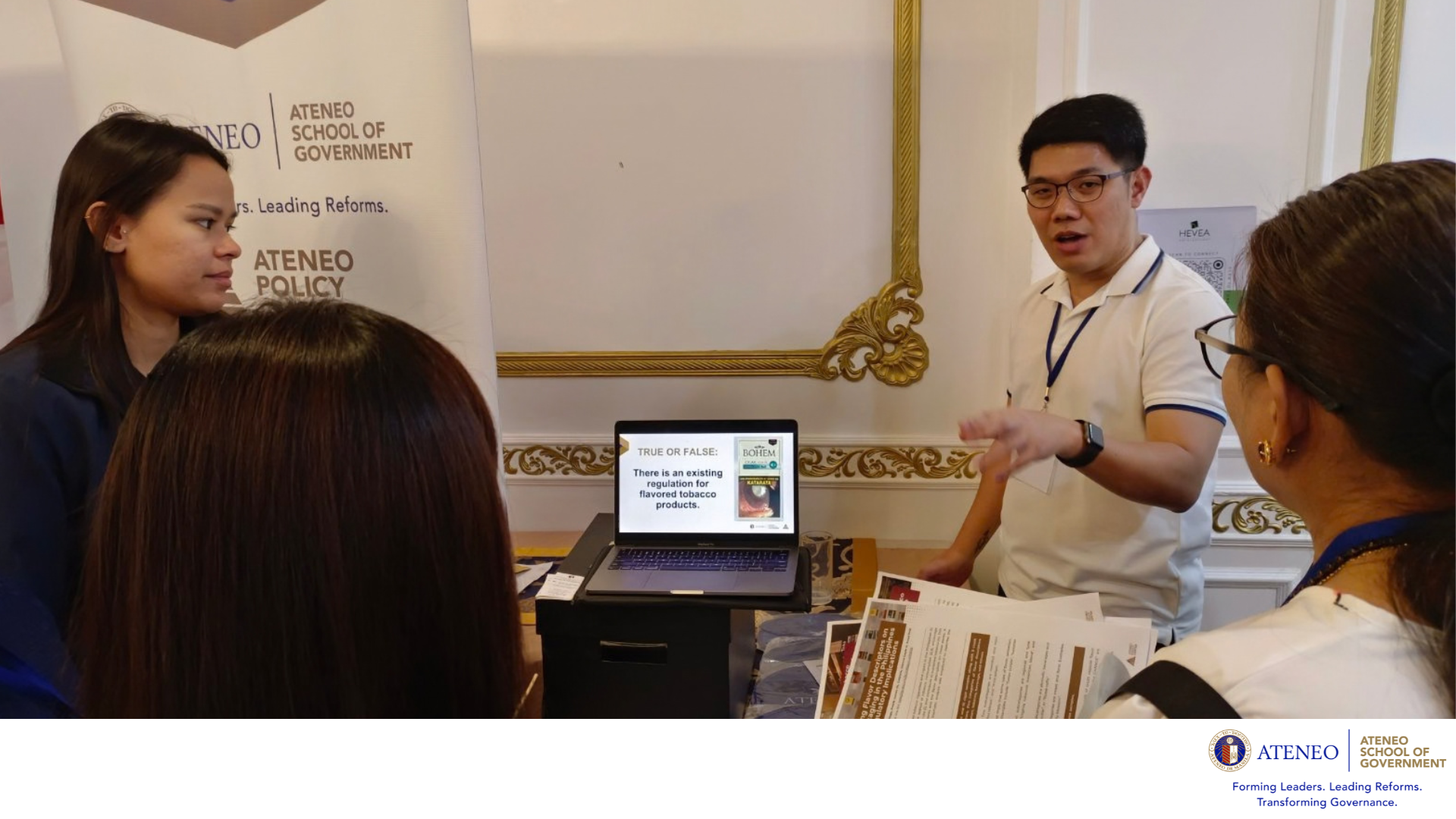
As part of the program, the NTWG–TPC featured a gallery walk where ASOG showcased the research publications, policy engagements, and key initiatives of the Tobacco Control and Governance (TCG) program. These efforts highlight the School’s contribution to advancing evidence-based tobacco control policies in the Philippines. Serving as the official representative from the academe, ASOG actively participated in discussions and collaborative activities on key priorities for the regional tobacco control network (RTCN), including TAPS protocols, the NTPCS 2030 Annual Operational Plan, and upcoming national campaigns.
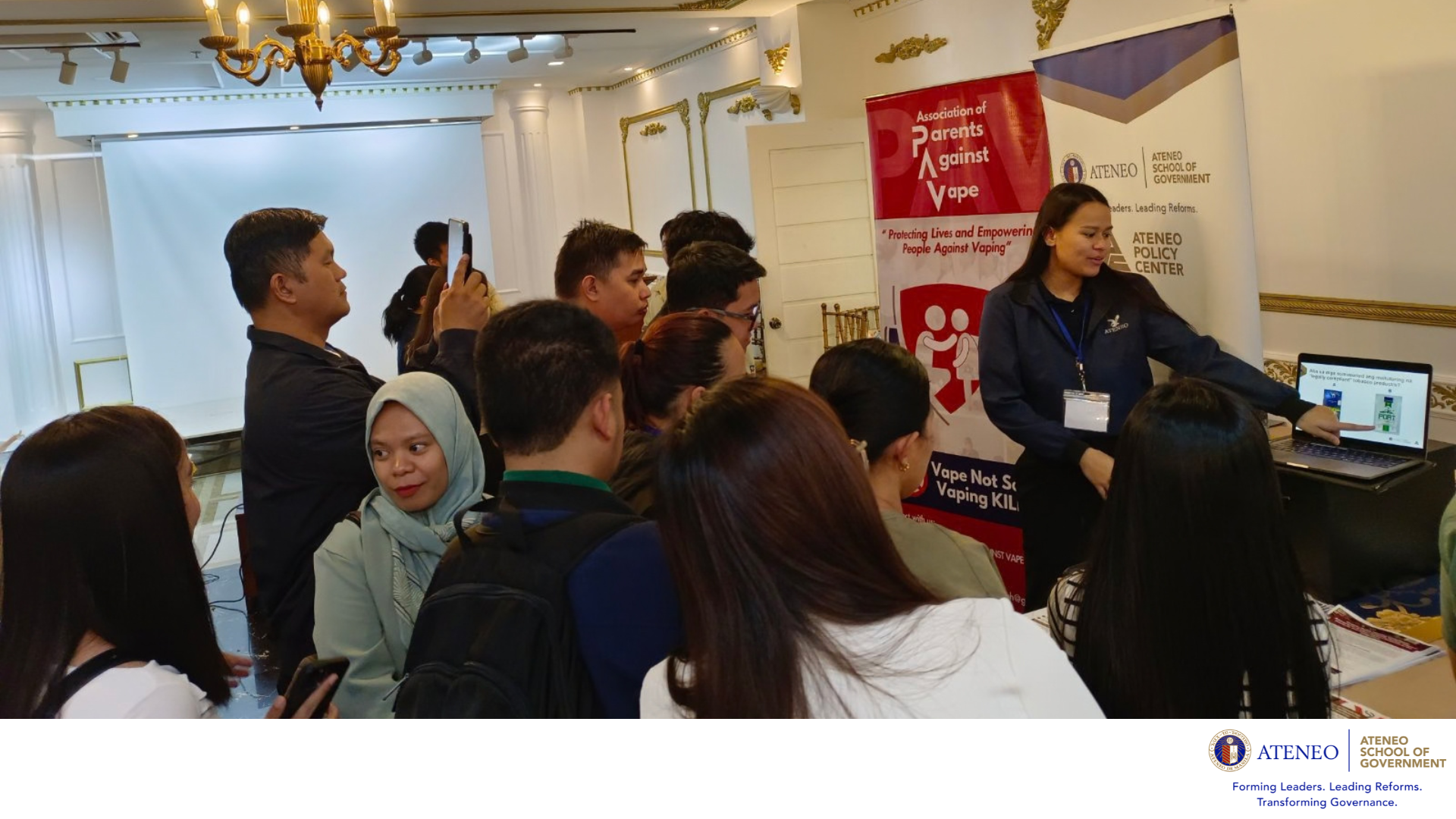
During a dedicated gallery walk for civil society partners, ASOG further highlighted its core initiatives—ranging from research and evidence generation to technical assistance for national and subnational policy development. These engagements provided an opportunity to present the School’s work to government officials and RTCN representatives, strengthen its presence in the public health policy space, and open avenues for expanded multi-sectoral partnerships.
Recent News
You may also like these articles

[Hot Off the Press] Arkipelago
New book from the Ateneo Press Arkipelago provides a fascinating and fantastical twist on Philippine politics and history Our country is an archipelago of stories
Protecting Creativity: AIPO and Rizal Library Host Copyright Awareness Session for the Ateneo Community
On March 18, 2026, the Ateneo Intellectual Property Office (AIPO), in collaboration with the Rizal Library, successfully conducted a Copyright Awareness Session held on the
Holy Week 2026 Holidays (Memo # UHR2526-038)
Memo # UHR2526-038 31 March 2026 TO: All Employees FROM: [Sgd] Maria Victoria T Cortez, PhD Vice President for University Human Resources SUBJECT: Holy Week
Things You Wanted to Say But Never Did: Geloy Concepcion’s six-year project makes Its exhibition debut at the Ateneo Art Gallery
Geloy Concepcion’s Things You Wanted To Say But Never Did comes to the Ateneo Art Gallery this 18 April 2026. After receiving almost 300,000 messages

[Hot Off the Press] Love If I'm Pretty
New YA Release from the Ateneo Press Love If I’m Pretty tackles the nuances of growing up through complex characters and straightforward prose What do

[Hot Off the Press] the end comes on without a gasp
the end comes on without a gasp: Trish Shishikura’s debut poetry collection arrives from Ateneo de Manila University Press (Bughaw) Ateneo de Manila University Press