Say cheese: They’re wearing cameras
15 Aug 2022 | Shari Datu Tambuyung

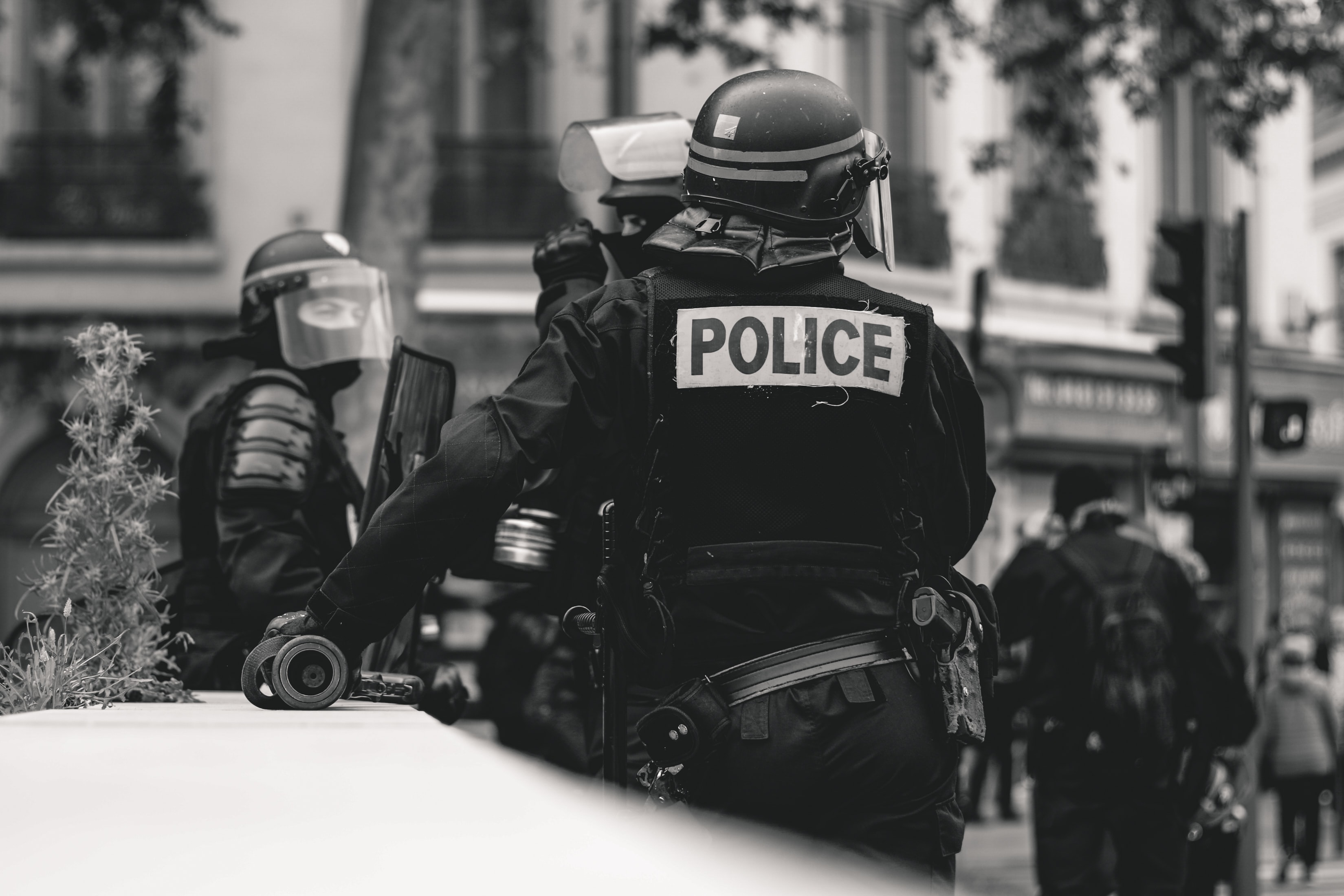
In 2017, the story of Kian Delos Santos, a 17-year old who got killed by police during a supposed drug raid, became the subject of public scrutiny. According to the authorities, Kian fought back against his arresting officers and ended up getting shot in the process.
Widely described as a classic “nanlaban” case and one in a long line of bloody outcomes resulting from police operations against illegal drugs, it somehow paved the way for the Philippine National Police to explore new ways to promote police accountability and transparency. Among their more notable initiatives has been the introduction of body worn cameras (BWC). The rollout of these devices came amidst a growing public clamor for concrete action on widespread accounts of alleged police abuses.
The idea behind BWCs is simple. They would record police interactions with the public, gather video evidence at crime scenes, and better monitor law enforcement operatives while on duty. They would be equipped with SIM cards to allow live video feeds that can then be monitored from the PNP command center. Officers wearing them cannot interfere with their configuration while on duty, like turning them off for whatever reason.
While it is too early to assess the effectiveness of this system, a related study on the use of in-car camera systems by the International Association of Chiefs of Police (IACP) in the US is worth a look. Among the prosecutors it surveyed, an overwhelming number (91%) claim to have used in court video evidence captured by in-car cameras. They say the presence of video evidence enhances their ability to obtain convictions and increases the number of guilty pleas prior to trial. A majority (58%) also note a reduction in the time they actually spend in court. Their overall impression is that the use of cameras help improve the accountability of police officers and also reduce the number of complaints alleging police misconduct.
This seems to bode well for the use of BWCs by local law enforcement. Still, some issues do remain.
A prominent concern when it comes to the use of BWCs in the field is privacy. Civilians, after all, can be inadvertently videotaped while they are operational. Since policy mandates that BWCs cannot be turned off, this means they could record people in settings that are usually meant to be private. They may include, for instance, moments when individuals converse with police officers outside the context of official investigations. There would also be times when police officers interact with vulnerable groups like minors, victims of sexual assault, and even informants. Filming any one of them would almost always be inappropriate under most circumstances.
Apart from the act of recording, granting access to the captured footage is just as concerning. If BWC records are considered public records, then they are potentially available to all government entities and even the public at large. How will such access be regulated? How will the records be stored and when will they be deleted or disposed of? What security measures are police required to put in place to ensure their confidentiality and appropriate use? This last point is particularly relevant since Philippine government institutions are not really known to have sophisticated security measures. A couple of years back, for instance, over 300,000 official documents, including sensitive information on pending court cases and information on witnesses, were made accessible by the Office of the Solicitor General because of an unsecure database.
Another important question is where in all of this are the rights of the individuals who become subjects of such recordings? Will their consent be obtained before recording starts or at least before they are shared or disclosed to other parties?
Make no mistake. The intrusive nature of this technology is clear. Just consider the level of detail and video quality it will produce on a regular basis. BWC footage will likely be of a higher quality compared to those captured by video surveillance systems (i.e., CCTV). Since the perspective a BWC offers is that of the officer actually wearing it, its output will also be that close and intimate. When used in combination with other technologies like facial recognition, the potential uses (and abuses) that will definitely be associated with it are quite scary.
For many, this makes balancing the advantages of BWC use with every individual’s right to privacy very tricky. Its implementation has too many moving parts and gray areas. Unlike CCTV cameras, this technology would literally be mobile and could be immediately used with little to note notice on those that may be affected, thereby substantially increasing the risk of privacy intrusions. To most people, who gets to access the recorded videos and for what purpose are big unknowns. The only thing that is apparent is how BWCs considerably expand government surveillance powers.
Hopefully, the government takes the time to re-examine its policies and protocols governing the implementation of this program. It should carefully consider all key issues and then embrace only those rules that genuinely safeguard public safety and interests, without unnecessarily sacrificing due respect for individual rights and freedoms.
Recent News
You may also like these articles

Bending toward justice: A forum on the ICC, the Duterte Case, and victim participation
Following the successful conclusion of the third installment of the On the Sounding Board Series, entitled Bending Toward Justice: A Forum on the ICC, the

[Hot Off the Press] Arkipelago
New book from the Ateneo Press Arkipelago provides a fascinating and fantastical twist on Philippine politics and history Our country is an archipelago of stories

Bending Toward Justice: ALS Forum Examines the ICC, the Duterte Case, and Victim Participation
The Ateneo Law School, through the Fr. Joaquin G. Bernas, SJ Institute for Continuing Legal Education, in partnership with the Ateneo Human Rights Center, held

Protecting Creativity: AIPO and Rizal Library Host Copyright Awareness Session for the Ateneo Community
On March 18, 2026, the Ateneo Intellectual Property Office (AIPO), in collaboration with the Rizal Library, successfully conducted a Copyright Awareness Session held on the

Holy Week 2026 Holidays (Memo # UHR2526-038)
Memo # UHR2526-038 31 March 2026 TO: All Employees FROM: [Sgd] Maria Victoria T Cortez, PhD Vice President for University Human Resources SUBJECT: Holy Week
ASOG’s Tobacco Control initiatives spotlighted in DOH National Technical Working Group for Tobacco Prevention and Control
On March 10 to 12, 2026, the Ateneo School of Government (ASOG), through its research and public policy unit, the Ateneo Policy Center, participated in