Finding beauty in the mundane: Kritika Kultura Reading Series with James Shea
20 Jan 2026 | Jace Navarro


On 14 January 2026, Kritika Kultura, in collaboration with the Literary and Cultural Studies Program, the Ateneo Institute of Literary Arts and Practices, the Department of Fine Arts, and PLUME, held its first Reading Series of the year, “A Conversation with James Shea,” featuring James Shea of Hong Kong Baptist University, with discussants Nikka Osorio Abeleda and Abner E. Dormiendo.
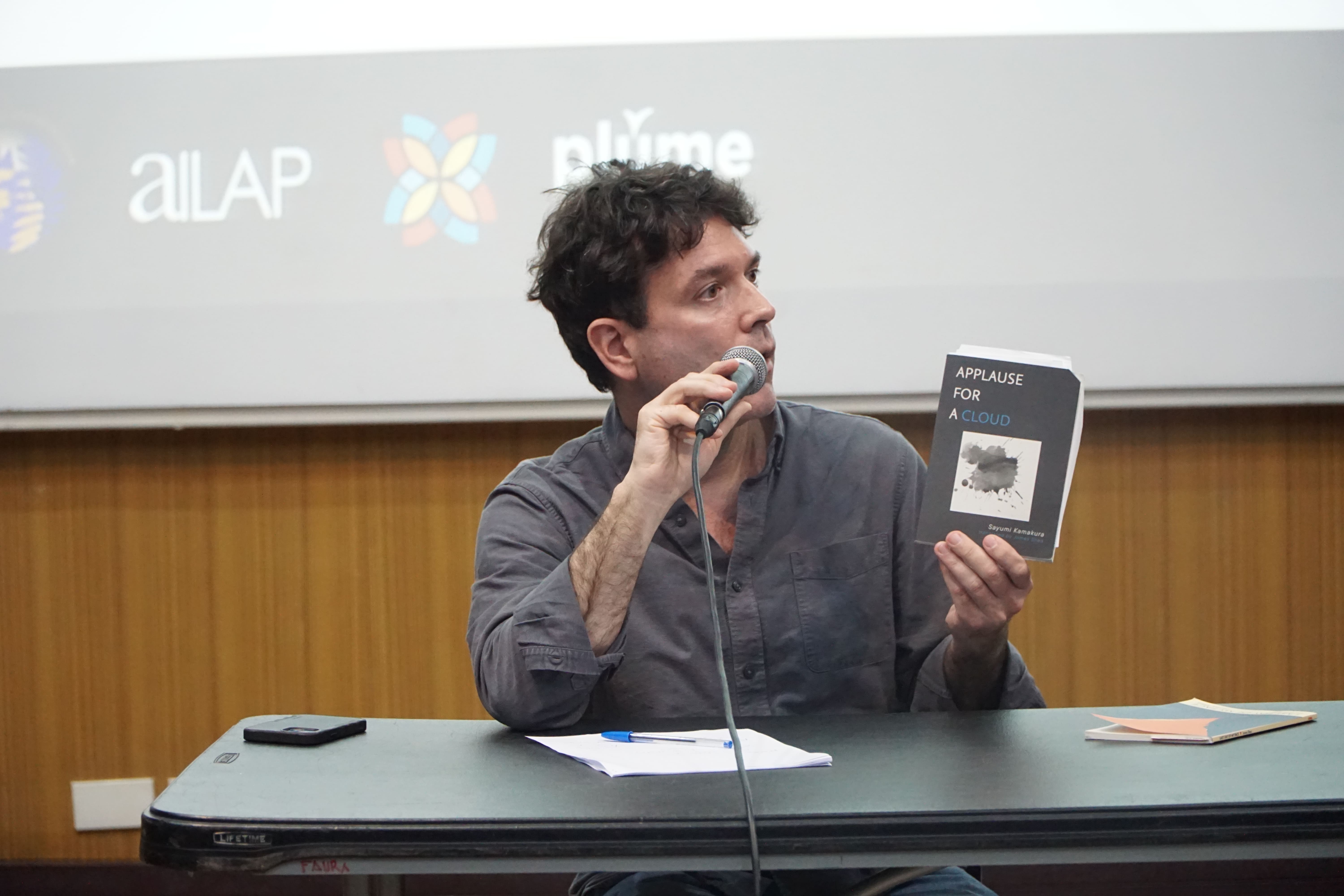
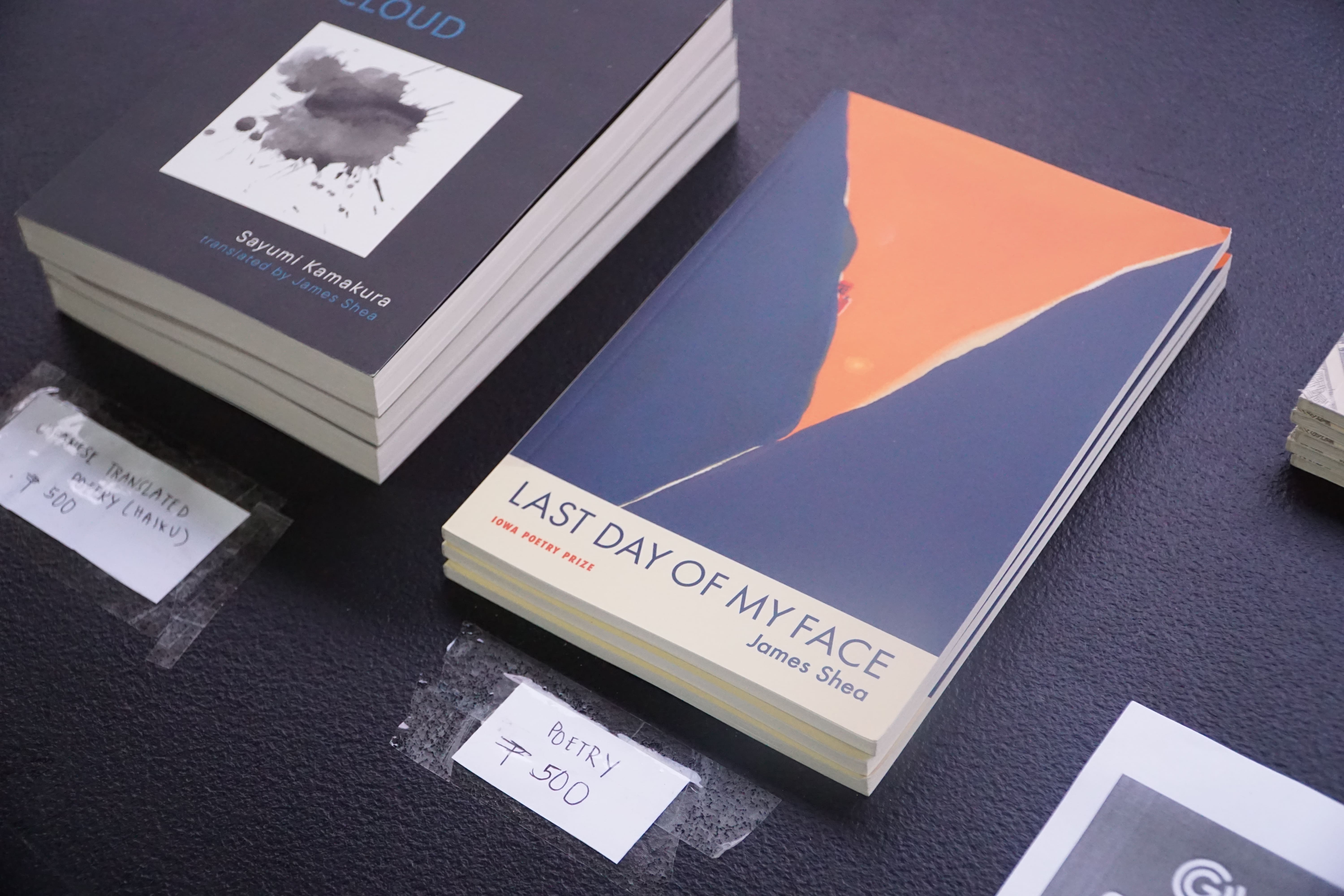
James Shea is the author of Last Day of My Face (University of Iowa Press), winner of the 2024 Iowa Poetry Prize, as well as two previous poetry collections. He has translated and co-edited several major works of contemporary poetry and haiku. Shea is also the director of the International Writers’ Workshop and the bilingual creative writing program at Hong Kong Baptist University, and a recipient of grants from the Fulbright U.S. Scholar Program, the National Endowment for the Arts, and the Vermont Arts Council.
Shea opened the reading with a poem from Applause for a Cloud (Black Ocean), a collection of contemporary Japanese haiku by Sayumi Kamakura, which he translated. He then shared selections from his own work, reading poems from “Voyage,” “Wake,” “Bicycles,” and an excerpt from “Open-Source Apology,” all from his award-winning collection Last Day of My Face.
Following Shea’s reading, Nikka Osorio Abeleda presented two poems, including “Albatross” and “The Letter Writer,” after which Abner E. Dormiendo shared two poems in translation: “In Antipolo, You Could Find a Museum” and “Bug.”
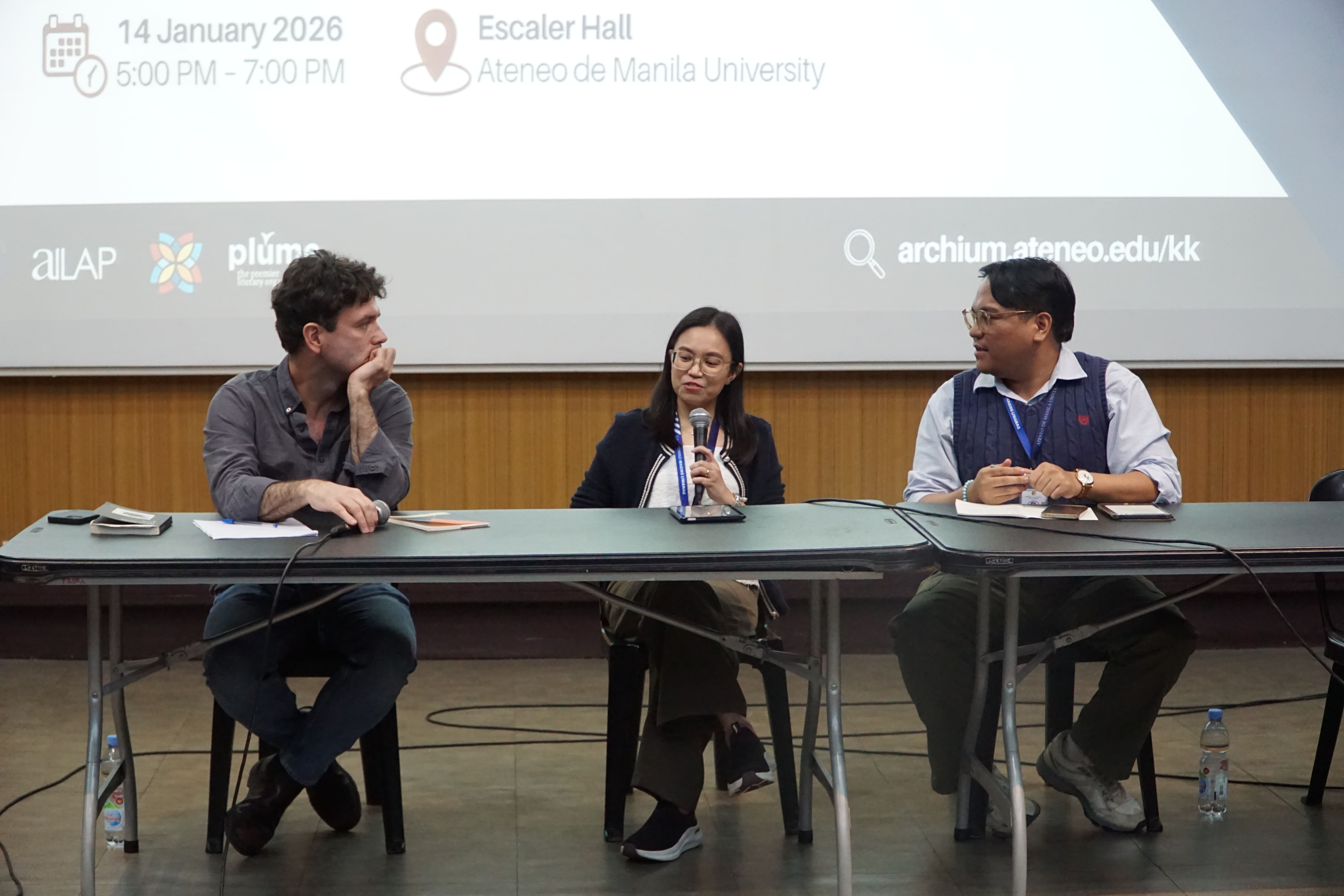
After the readings, Shea discussed the inspirations behind his work. He shared that his first book was heavily influenced by his travels in Japan, while his second drew from Chinese literature and culture. Reflecting on his third book, Last Day of My Face, he noted that thoughts of mortality were central to his creative process.
Describing his poems as meditative, Shea reflected on his contemplative approach to writing and highlighted that only a small portion of international literature is translated into English. He also revealed that he is currently working on new translations haiku from the 1920s by Ozaki Hōsai.
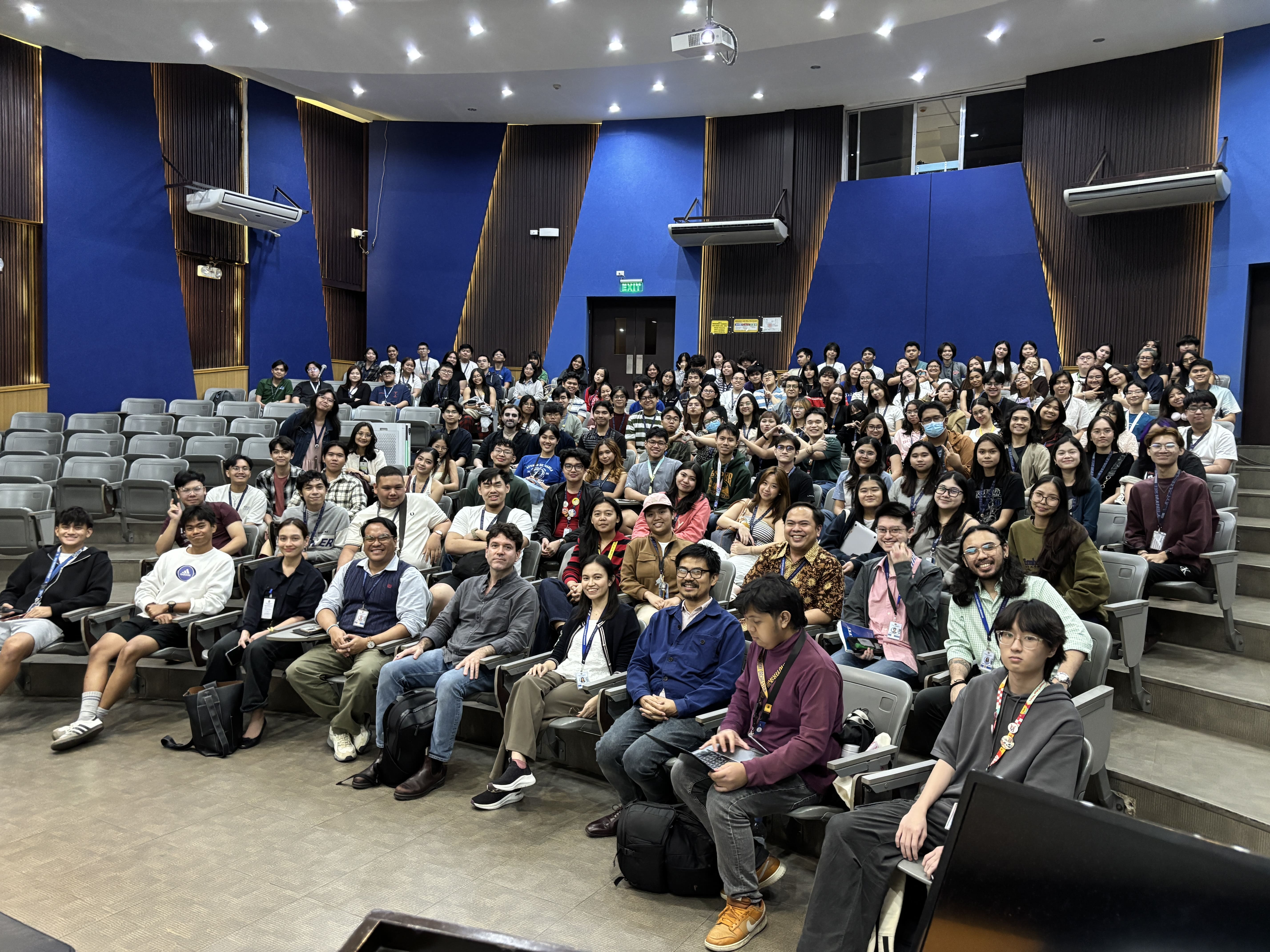
The event concluded with a Q&A session with students and faculty. One question from an AB COM student particularly resonated with the audience: Can poetry created by generative AI truly be called poetry, or does poetry require humanity?
Dr Vincenz Serrano, Editor-in-Chief of Kritika Kultura, delivered the closing remarks.
Kritika Kultura is acknowledged by a host of Asian and Asian American Studies libraries and scholarly networks and indexed in the MLA International Bibliography, Arts and Humanities Citation Index (Clarivate), Scopus, EBSCO, the Directory of Open Access Journals, and the International Consortium of Critical Theory Programs (ICCTP). Read KK issues and learn about submission guidelines and events on https://archium.ateneo.edu/kk or email the editors at kk@ateneo.edu.
Recent News
You may also like these articles
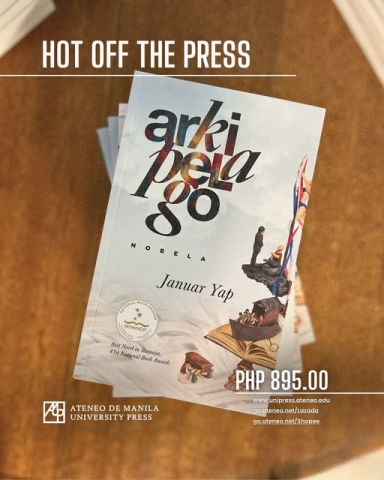
[Hot Off the Press] Arkipelago
New book from the Ateneo Press Arkipelago provides a fascinating and fantastical twist on Philippine politics and history Our country is an archipelago of stories
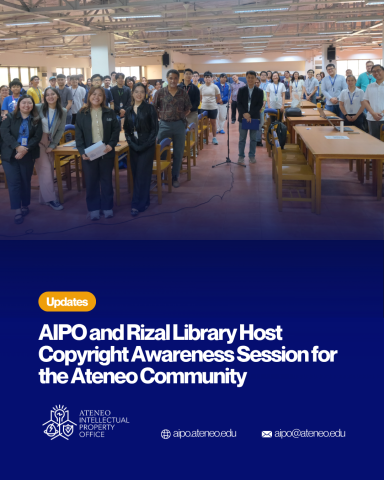
Protecting Creativity: AIPO and Rizal Library Host Copyright Awareness Session for the Ateneo Community
On March 18, 2026, the Ateneo Intellectual Property Office (AIPO), in collaboration with the Rizal Library, successfully conducted a Copyright Awareness Session held on the
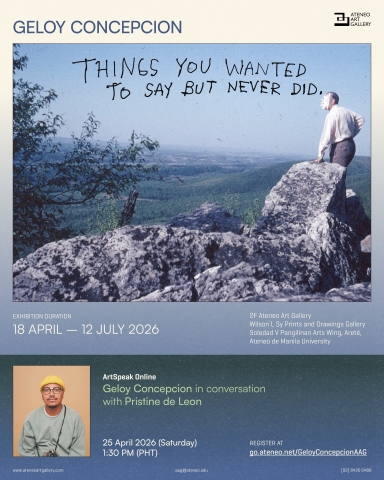
Things You Wanted to Say But Never Did: Geloy Concepcion’s six-year project makes Its exhibition debut at the Ateneo Art Gallery
Geloy Concepcion’s Things You Wanted To Say But Never Did comes to the Ateneo Art Gallery this 18 April 2026. After receiving almost 300,000 messages
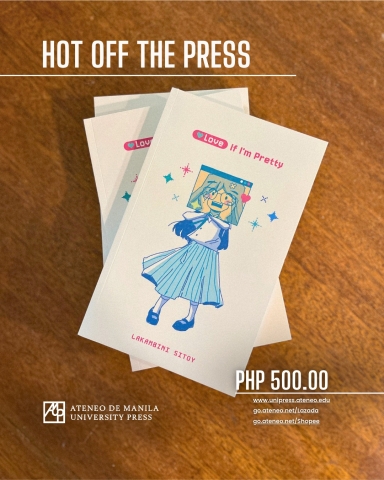
[Hot Off the Press] Love If I'm Pretty
New YA Release from the Ateneo Press Love If I’m Pretty tackles the nuances of growing up through complex characters and straightforward prose What do
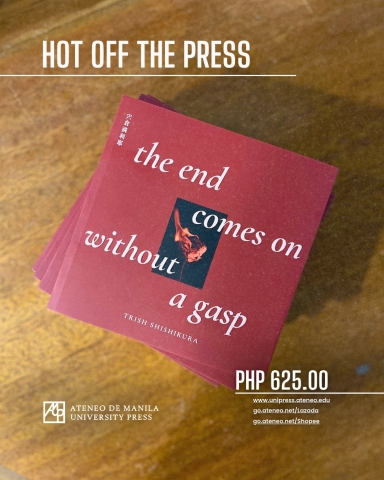
[Hot Off the Press] the end comes on without a gasp
the end comes on without a gasp: Trish Shishikura’s debut poetry collection arrives from Ateneo de Manila University Press (Bughaw) Ateneo de Manila University Press
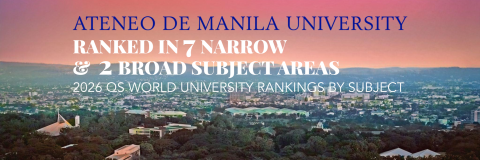
QS Subject Rankings 2026: Ateneo in top 100 for theology; ranked in 7 subject areas
Ateneo de Manila University is among the top institutions in seven subject areas, and among the top 100 for theological and religious studies, according to