AIS hosts public plenary on HEIs’ role on circular economy in Asia-Pacific
09 Feb 2024 | Stephanie De Jesus and Astrud Ulili







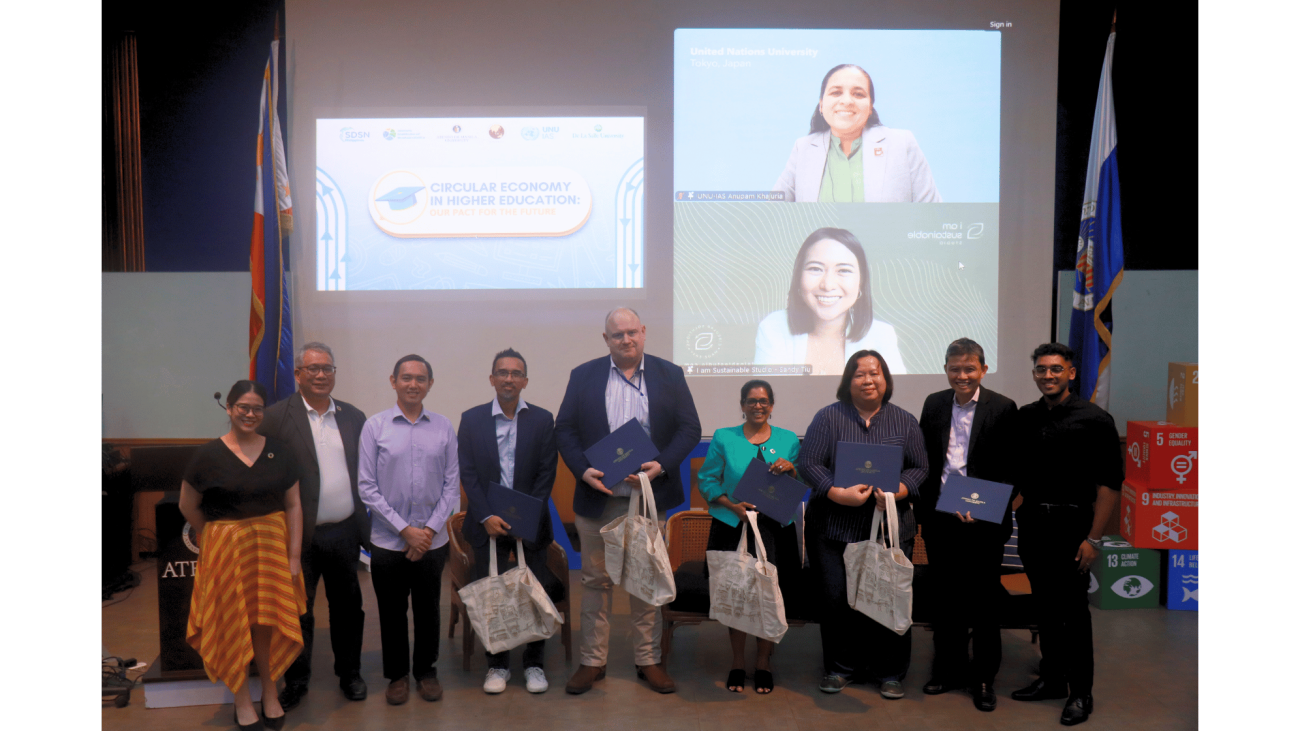
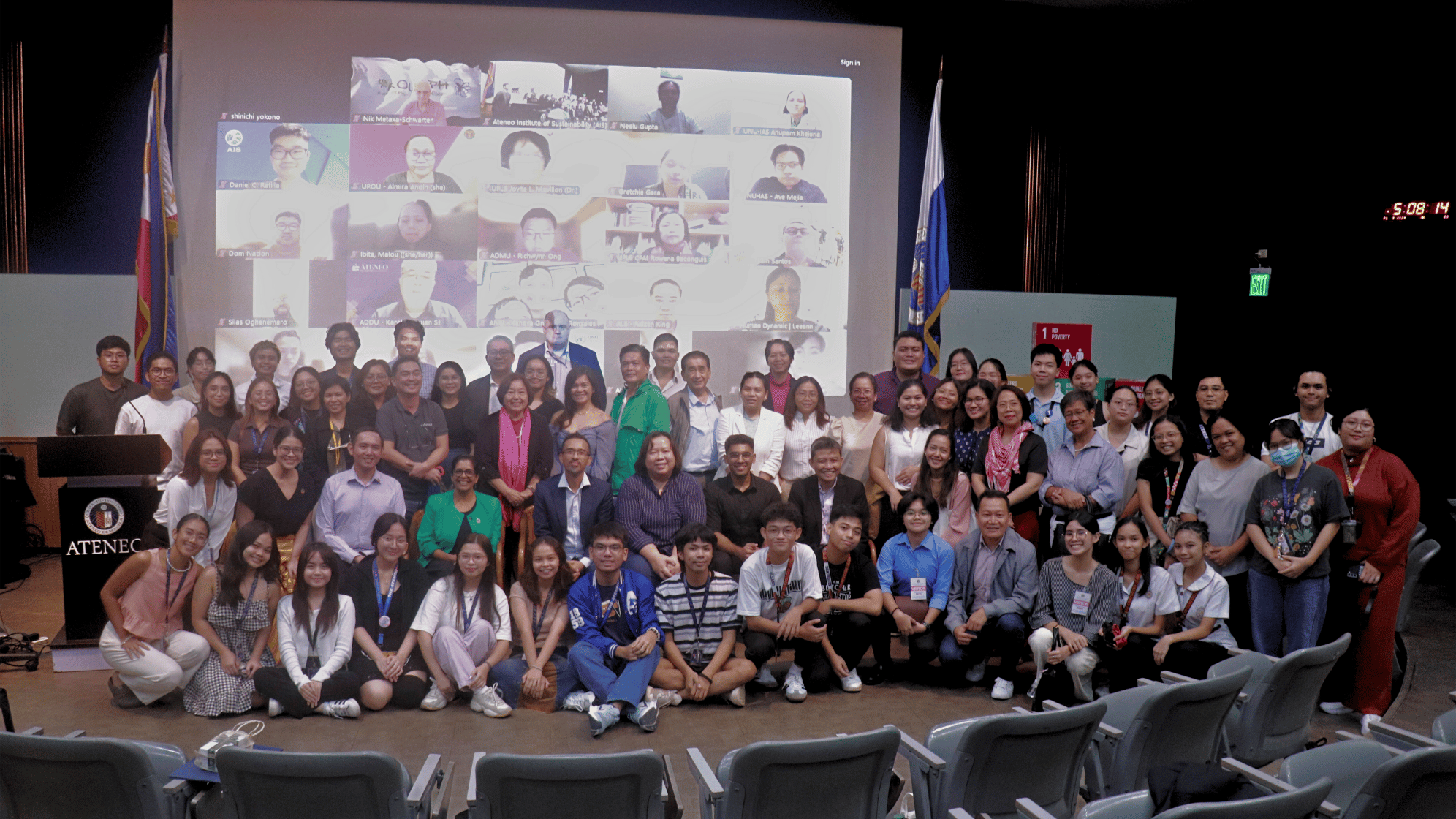
On September 25, 2024, a hybrid public plenary and sustainability forum titled “Circular Economy in Higher Education: Our Pact for the Future” was organized by the Ateneo Institute of Sustainability (AIS), together with the United Nations University - Institute for the Advanced Study of Sustainability (UNU-IAS), De La Salle University (DLSU, Philippines), Sustainable Development Solutions Network Philippines (SDSN PH), and Promotion of Sustainability in Postgraduate Education and Research Network (ProSPER.Net). The event was held both onsite at Escaler Hall and virtually via Zoom.
With circularity in mind, Prof. Usha Iyer-Raniga delivered the keynote talk titled “Multilateral cooperations towards circular economy in the Asia-Pacific” that featured the education for sustainable development (ESD)-centered projects at the global, Asia-Pacific, and university levels. Coupled with this, the two panel discussions provided diverse perspectives from experts of different sectors: the first panel addressed the challenges and opportunities in adopting circular economy principles in the industrial sector, while the second panel emphasized the role of universities in shifting circular economy paradigms.
The program began with inspiring messages from leaders of the organizing institutions. To set the tone, Fr. Roberto C. Yap, SJ, the president of the Ateneo de Manila University, delivered the welcome remarks, promoting the school’s commitment to integral ecology. Similarly, the call for more institutions to integrate circular economy principles into their practices was also central during the opening remarks of Dir. Shinobu Yume Yamaguchi, the director of UNU-IAS. She reiterated the importance of collaborative and meaningful engagement—such as orchestrating engagement of the community, developing research skills, and redistributing materials consumption—to achieve global circularity.
“We believe higher education can contribute to the success of initiatives to develop circular economy from universities to the region, nation, and world,” Ms. Tokie Izaki, Deputy Director of the Office of Environmental Education at the Ministry of the Environment in Japan. She shared the potential of education for sustainable development (ESD) in higher education institutions (HEI) in achieving circular economy initiatives, leading to a network of HEI in the Asia-Pacific region.
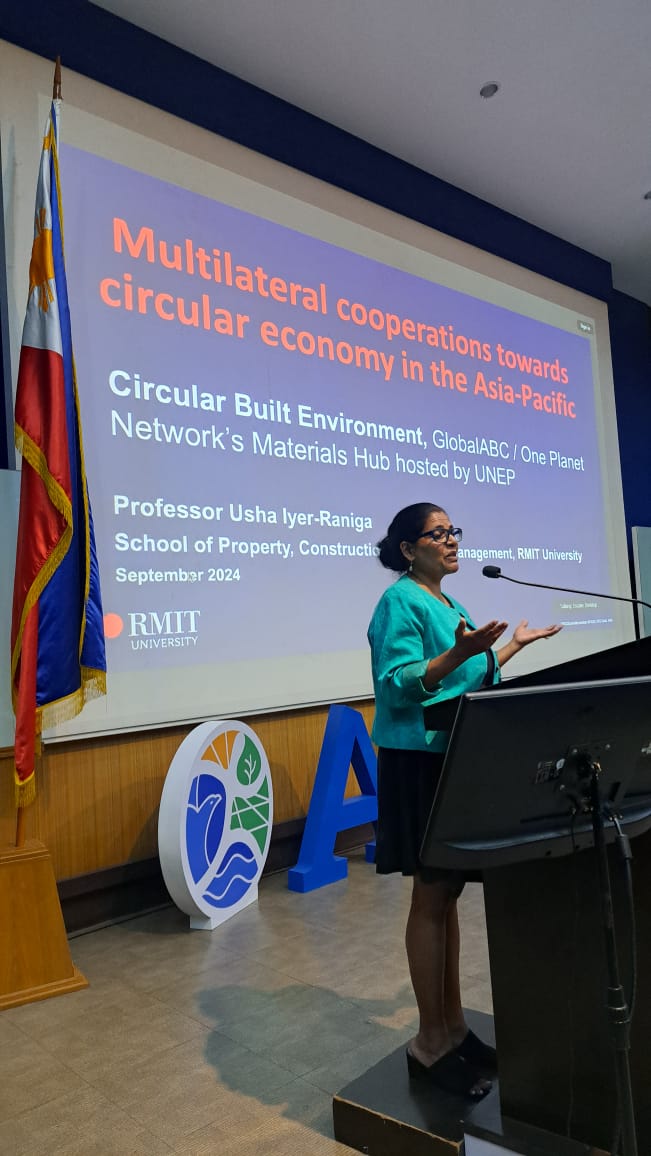
The keynote lecture of Prof. Iyer-Raniga of Royal Melbourne Institute of Technology (RMIT) echoed the message of Ms. Izaki, and expounded on the current projects and frameworks that support ESD and circular economy. Prof. Iyer-Raniga based her projects on the definition of circular economy as “thinking about what we have in the present, thinking about using it efficiently, and thinking about the future generations.” She emphasized the importance of approaching environmental problems with systems thinking rather than a linear mindset. Likewise, the three guiding principles of the circular economy—maximizing the product lifespan, lessening waste and pollution, and allowing the planet to regenerate—promote comprehensive cradle-to-grave impact assessments.
Prof. Iyer-Raniga also shared insights on the application of ESD and circular economy at the global, Asia-Pacific, and university levels. On the global perspective, Asia-Pacific level, and her own university. In the global perspective, the circular built environment (CBE) focused on increasing the life-span of existing buildings, and reusing and recycling building materials. One key recommendation was to implement intentional design and materials circularity so that waste reduction and efficiency will be the priority in the long-run. On the Asia-Pacific level, ESD was “infiltrated into the little things in the curriculum” where ways of renewing, repairing, and recycling are applied in the classroom. While in her own university, RMIT, they focused on the application of local case studies and examples that can be integrated in their own curriculum.
The keynote was followed by two panel discussions on circularity, both moderated by Ms. Chris A. Lacdao of AIS.
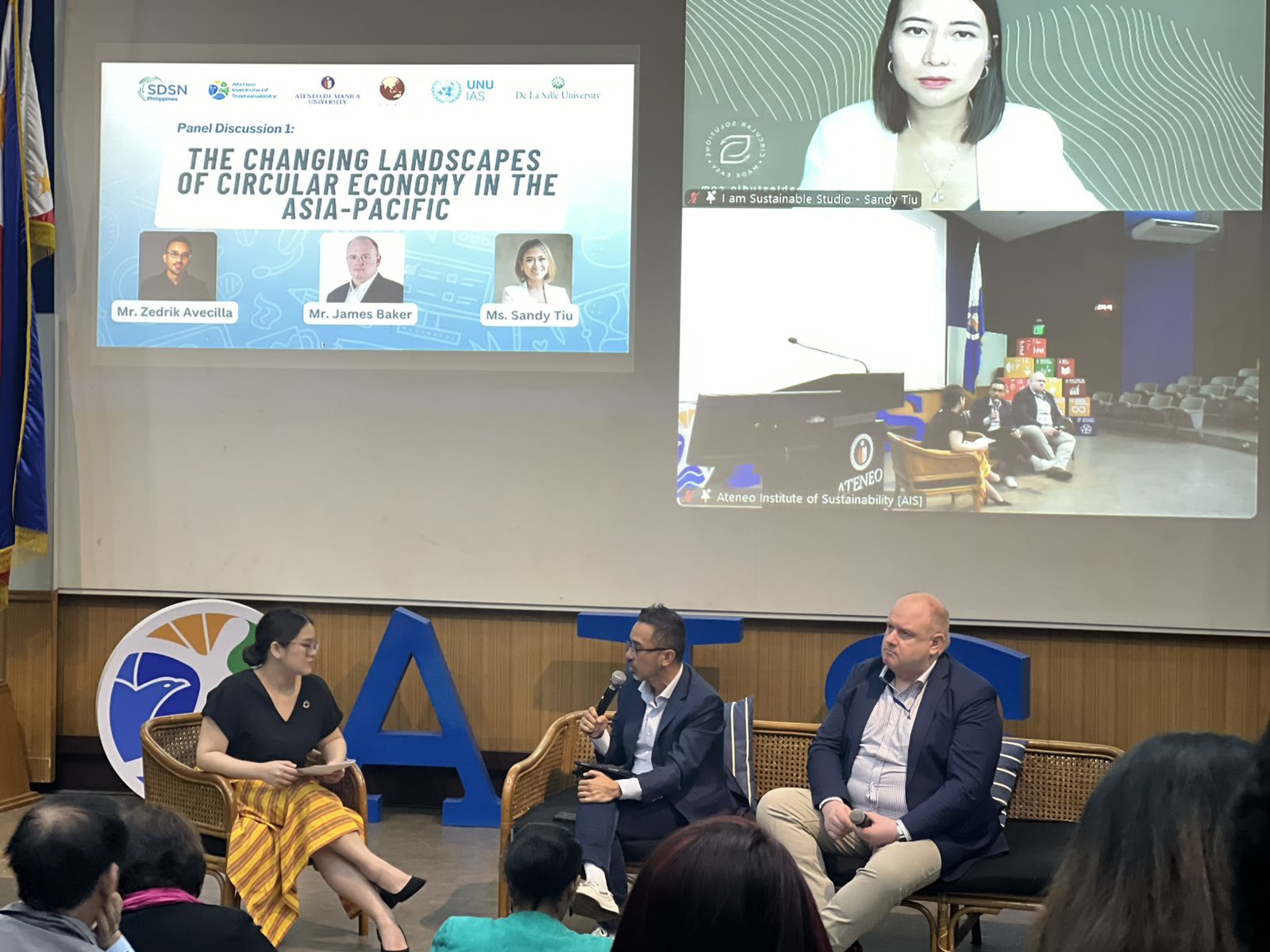
The first panel discussion explored the theme of “Changing Landscapes of the Circular Economy in the Asia-Pacific.” The panel was composed of Mr. Zedrik Avecilla, Program Director for Extended Producer Responsibility (EPR) Program of the Philippine Alliance for Recycling and Materials Sustainability, Mr. James Baker, the Regional Marine Plastics Reduction Program Lead of Asian Development Bank, and Ms Sandy Tiu, the founder and CEO of I am Sustainable Studio. Combining their diverse backgrounds, the panel members came together to discuss the challenges and opportunities their industries faced in heeding to the call of the circular economy. Mr. Avecilla highlighted that, subject to Philippine laws, enterprises are expected to comply with EPR by shifting their packaging materials and promoting sustainable education. On the other hand, Ms. Tiu identified three changes she was seeing in the country as a whole: first, that policies were changing drastically, second, that impact reporting had become standard practice, and third, that consumer education was more important than ever.
Still, the region faces many gaps in policy and implementation. Mr. Avecilla identified data collection as a huge challenge, encouraging climate leaders to engage in active dialogue from the ground up – by talking to communities most affected by waste and climate change. Furthermore, Mr. Baker had noted that the current linear structure of the economy leaves little room for errors, which travel quickly across economic components. This necessitates policymakers to create strategies that achieve a speedy transition while protecting the economy.
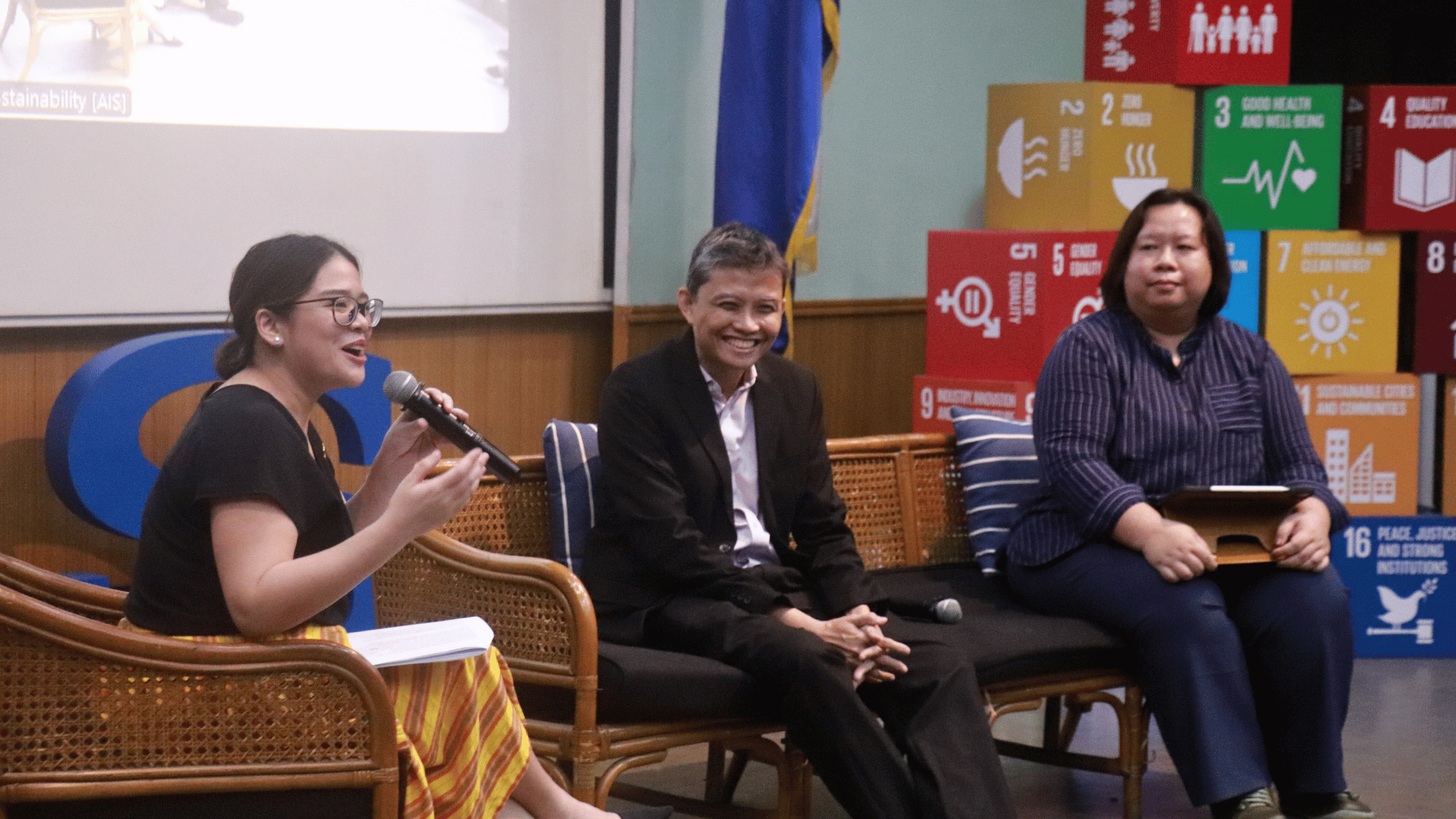
Composed of university leaders from the Asia-Pacific, the second panel discussion delved into “Successes and Challenges of Universities in Circularity.” The panel was composed of Ms. Nuntinee Malanon, Deputy Director for the Centre for SDG Research and Support at Thammasat University, Dr. Leland Dela Cruz, who serves as Ateneo de Manila University’s Assistant Vice President for Social and Environmental Engagement for Development and Sustainability, and Dr. Anupam Khajuria, a Research Fellow and Academic Associate with the Innovation and Education Programme at UNU-IAS.
The panel discussed the pivotal role that universities play in developing student sustainability consciousness, circular innovation, and institutional stewardship. Ms. Malanon talked about how universities make students aware of circularity, provide platforms to develop and engineer solutions, and create responsible citizens.In addition, Dr. Dela Cruz mentioned the role of institutions in stewardship, acknowledging that universities must consume. He also highlighted that universities can uniquely and freely innovate and experiment in ways that governments are unable to. Lastly, Dr. Anupam noted that universities can encourage community engagement, as opportunities for students to converse with stakeholders.
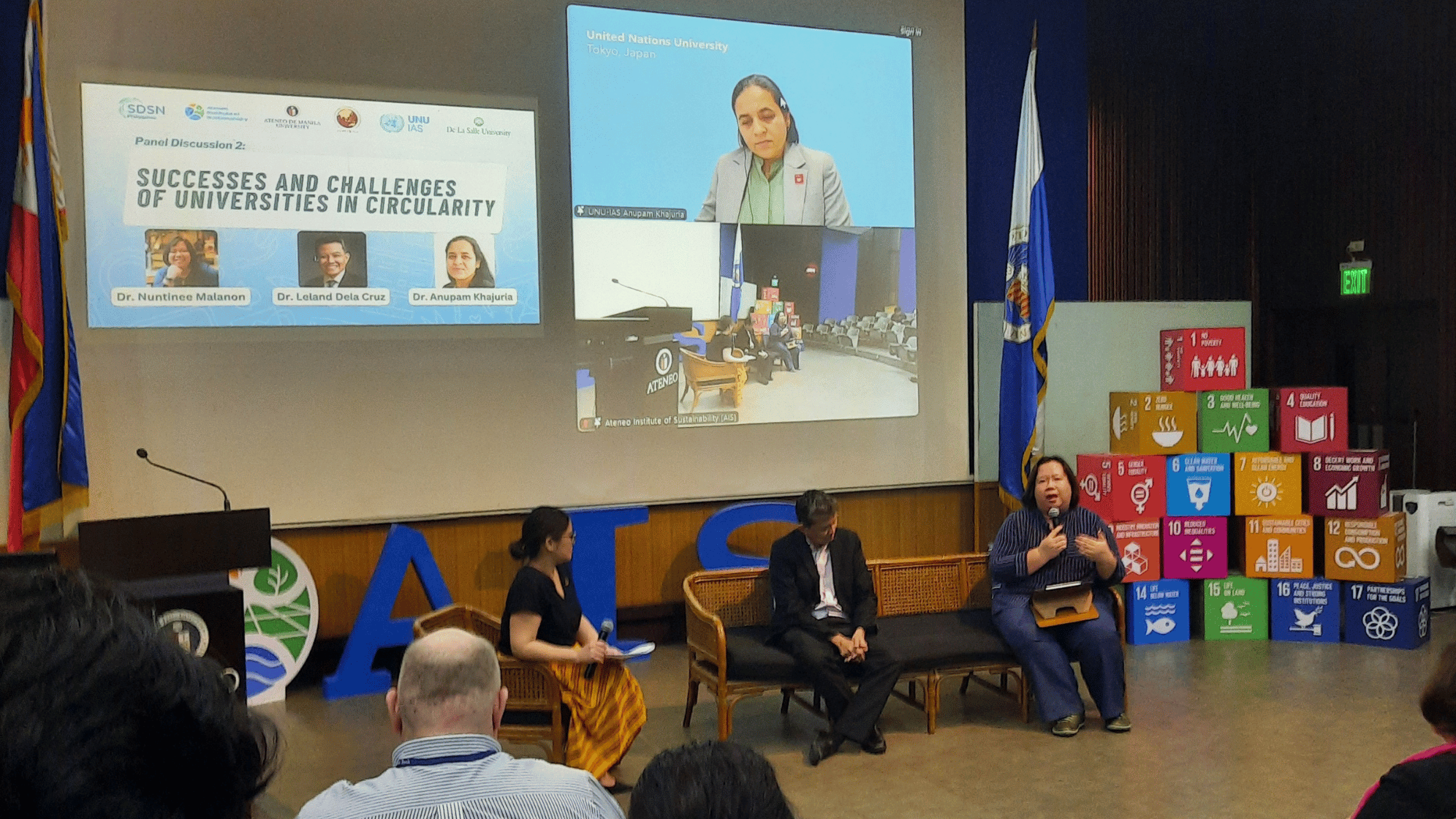
The panel also talked about the different steps that universities encounter in shifting to sustainability. Ms. Malanon talked about how Thammasat University had to start small, slowly taking control of idle institutional spaces. This allowed them to transform some of their rooftops into solar panels. Meanwhile, Dr. Anupam recognized the importance of student leadership and exchange programs, which encouraged the youth to take strides to craft meaningful policies. Lastly, Dr. Dela Cruz mentioned that the transition to circularity necessitates a paradigm shift across the institution, stressing that gentleness, kindness, and empathy among all members of the university should be more focused.
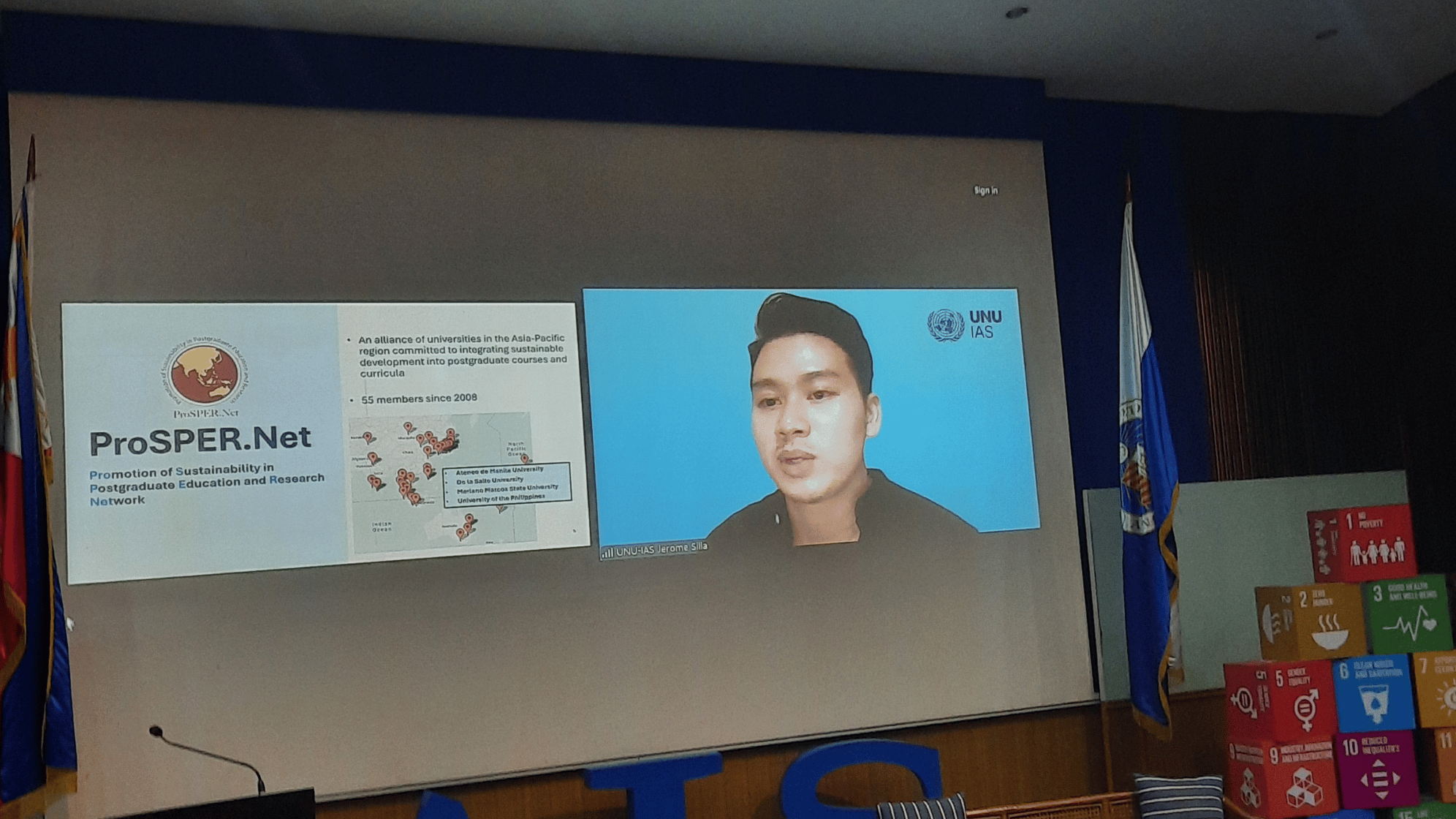
Towards the end of the program, Mr. Jerome Silla, a research associate at Prosper.Net, promoted their organization’s flagship activities namely, the Young Researchers School (YRS), where guidance in sustainable development is provided to postgraduate students, and the Higher Education Sustainability Initiative (HESI), where research in actions groups such as the artificial intelligence (AI) group are explored.
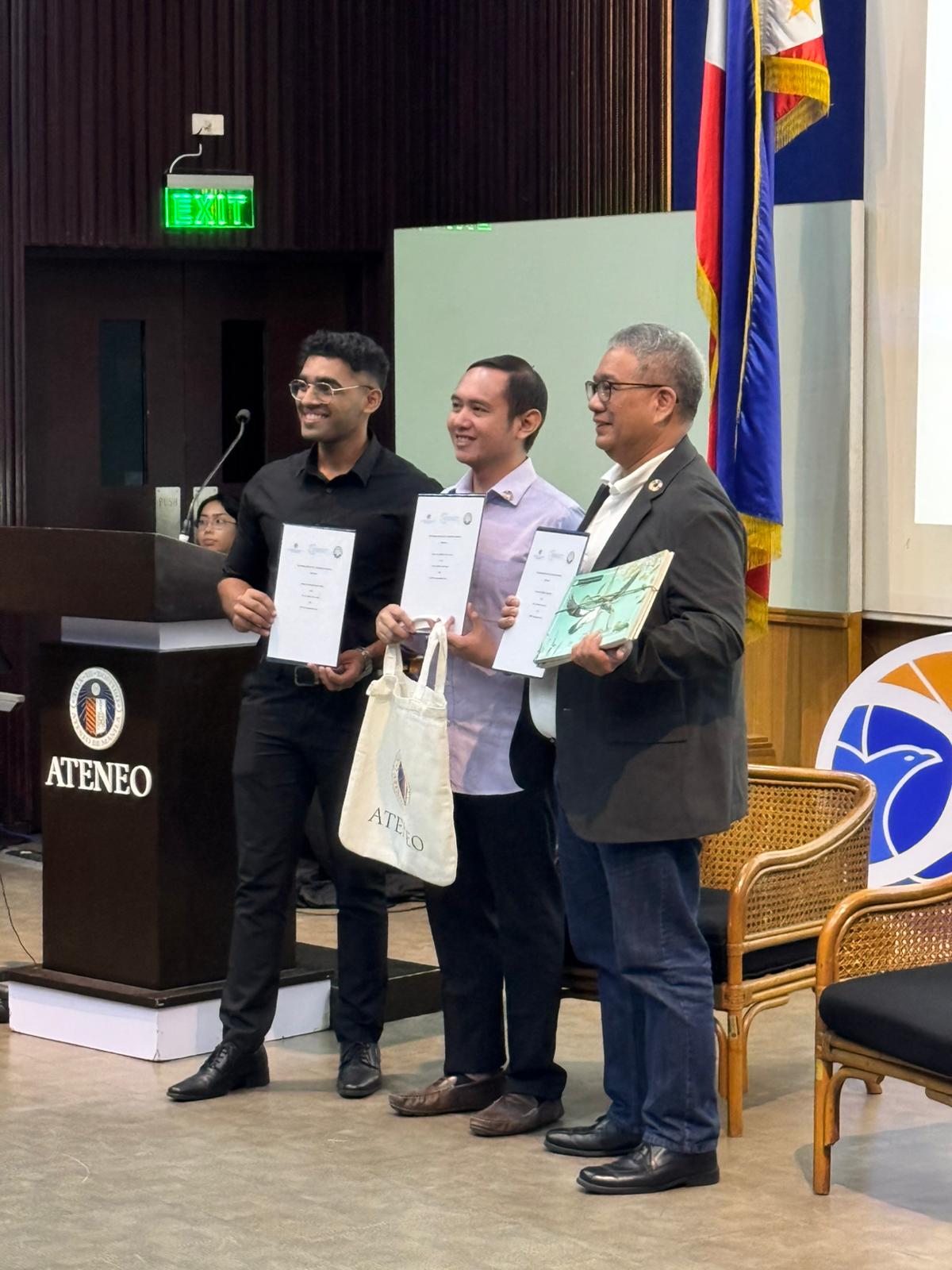
Meanwhile, Dr. Emmanuel D. Delocado, the co-country manager of SDSN PH and director of AIS, announced the official transition of the SDSN PH leadership from the Ateneo to DLSU. Ateneo has served as the host institution since 2019, succeeding the University of the Philippines, and the full transition of leadership to DLSU will take place by June 2025. In a symbolic gesture marking this change, Mr. Antonio Carlos M. Maralit, Executive Director of the DLSU University Sustainability Office and the co-country manager of SDSN PH, gave a chair to AIS to signify the transition of leadership.
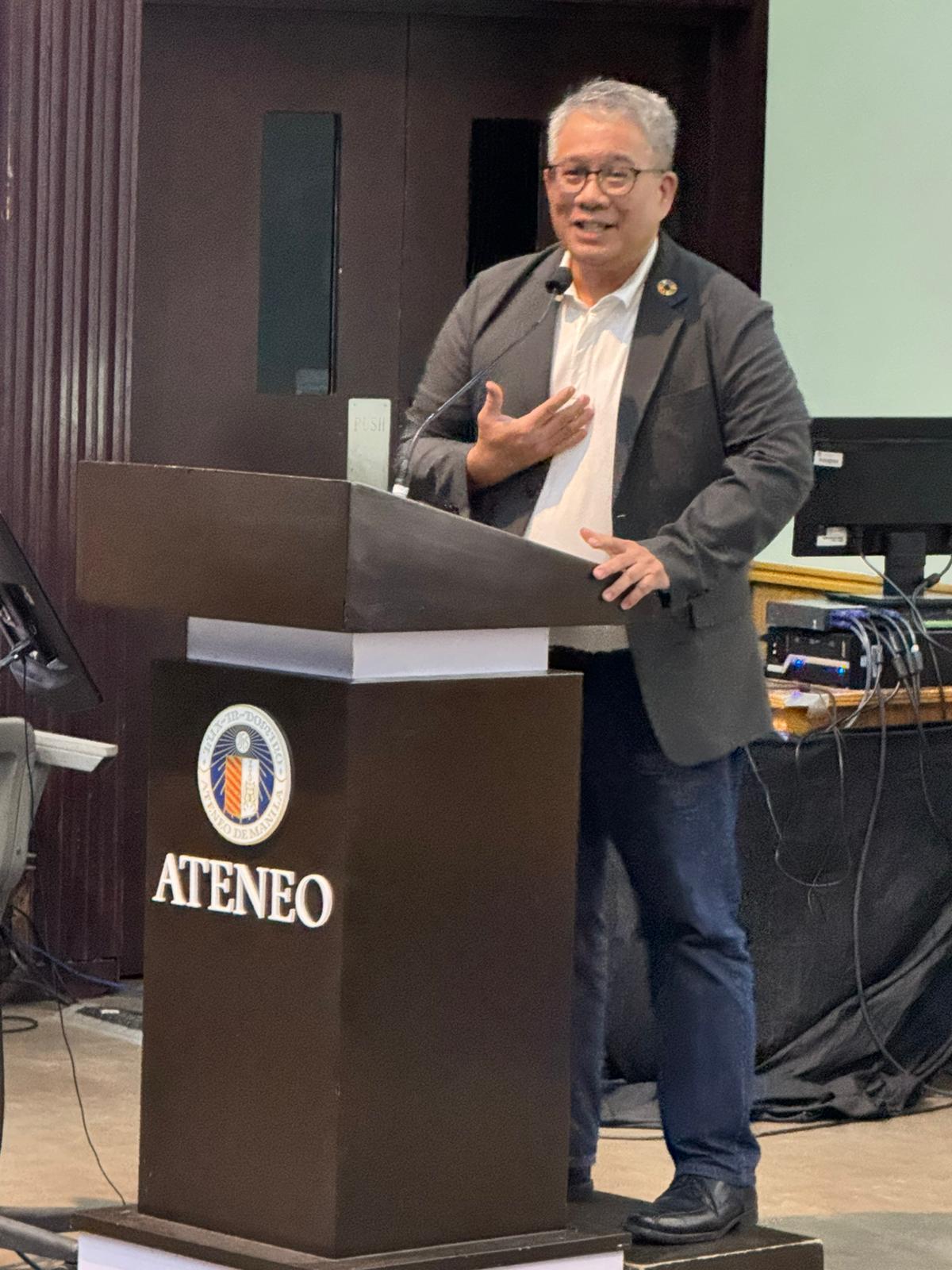
Emphasizing the role of universities in educating students with sustainable practices, “the circle of life is not just about how we are connected currently, but how are we connected to the future—the next generation,” Mr. Maralit stressed. He concluded the program with a synthesis about reconciling the dilemma of balancing economics and ecology, that is, how can we achieve a circular economy given our limited resources.
Recent News
You may also like these articles

[Hot Off the Press] Arkipelago
New book from the Ateneo Press Arkipelago provides a fascinating and fantastical twist on Philippine politics and history Our country is an archipelago of stories
Protecting Creativity: AIPO and Rizal Library Host Copyright Awareness Session for the Ateneo Community
On March 18, 2026, the Ateneo Intellectual Property Office (AIPO), in collaboration with the Rizal Library, successfully conducted a Copyright Awareness Session held on the
Holy Week 2026 Holidays (Memo # UHR2526-038)
Memo # UHR2526-038 31 March 2026 TO: All Employees FROM: [Sgd] Maria Victoria T Cortez, PhD Vice President for University Human Resources SUBJECT: Holy Week
ASOG’s Tobacco Control initiatives spotlighted in DOH National Technical Working Group for Tobacco Prevention and Control
On March 10 to 12, 2026, the Ateneo School of Government (ASOG), through its research and public policy unit, the Ateneo Policy Center, participated in
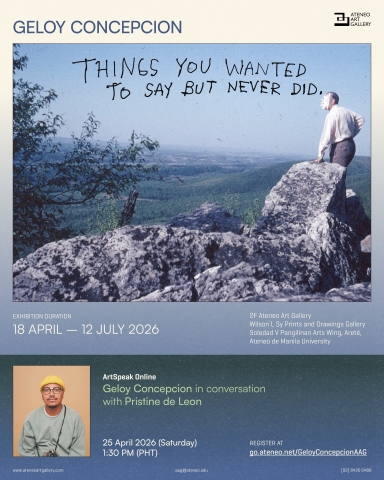
Things You Wanted to Say But Never Did: Geloy Concepcion’s six-year project makes Its exhibition debut at the Ateneo Art Gallery
Geloy Concepcion’s Things You Wanted To Say But Never Did comes to the Ateneo Art Gallery this 18 April 2026. After receiving almost 300,000 messages

[Hot Off the Press] Love If I'm Pretty
New YA Release from the Ateneo Press Love If I’m Pretty tackles the nuances of growing up through complex characters and straightforward prose What do