Tomorrow when I was young: An Ateneo student's Service-Learning experience in Rwanda
09 Aug 2024 | Raphaelle P. Ramos, III BS Biology




Tucked comfortably at the back of Old Rizal Library’s 5th floor, I had typed the final period making last-minute revisions on a botany paper due that afternoon. I was thrilled to be concluding that semester’s onslaught of patience-testers and deadlines. But as I walked to my car parked near Regis Center, I began considering if I had made the right move shifting from an arts course to a pre-med course. I had begun feeling intensely overwhelmed after two sleepless semesters.
That drudgery was disturbed when I received an email telling me I had been accepted into the Rwanda Service-Learning Program hosted by Hong Kong Polytechnic University (PolyU). As part of the University Social Responsibility Network (USRN), I was to represent Ateneo for two weeks in this East African country. We were to design and install solar panels for disenfranchised communities around Rwanda’s Eastern Province.
Rwanda?
Now, Rwanda may seem like a rather unconventional destination for an Atenean (for that matter, Africa is not the usual destination of an Atenean). When I told my family, they had a negative perception of Rwanda because of the genocide in the 90s. Not to mention, concerns about poverty and disease seemed to be the prevailing stereotype of that region.
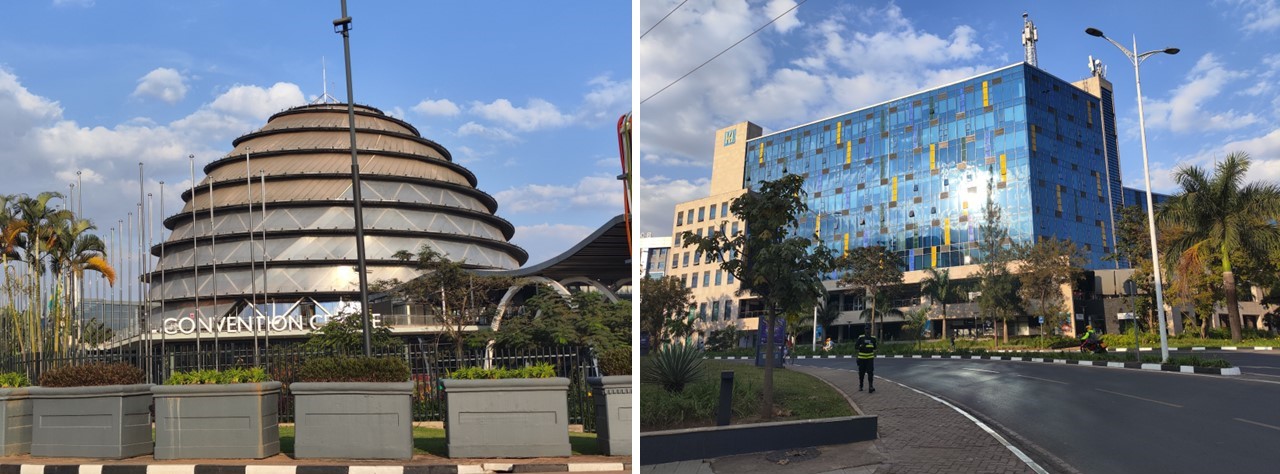
But, I found out that Rwanda is very safe. It is a modern oasis. People even say its capital Kigali is the cleanest city in Africa. I can also testify that I felt way safer walking around Kigali at night than in Quezon City during broad daylight.
Faces Places
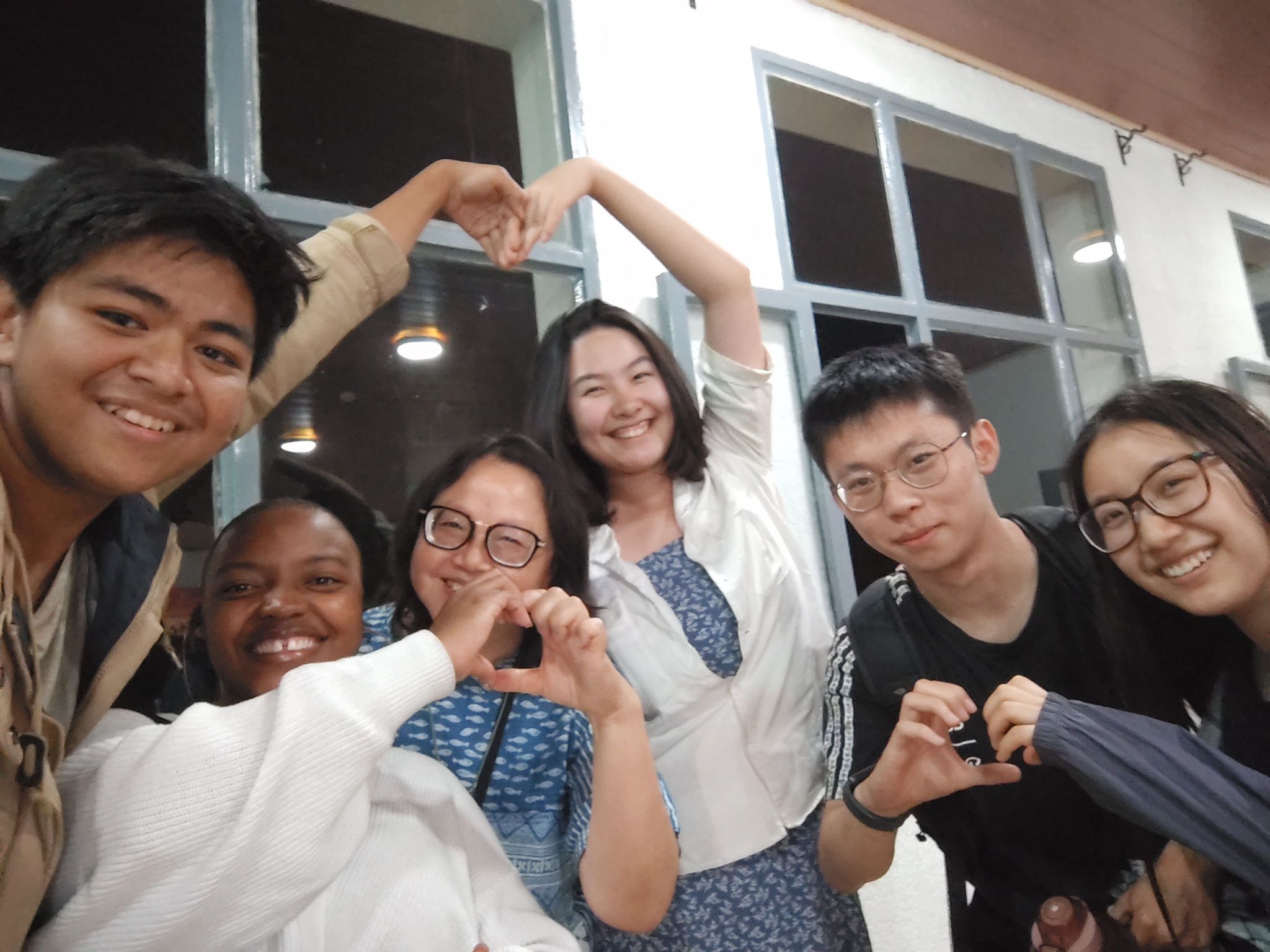
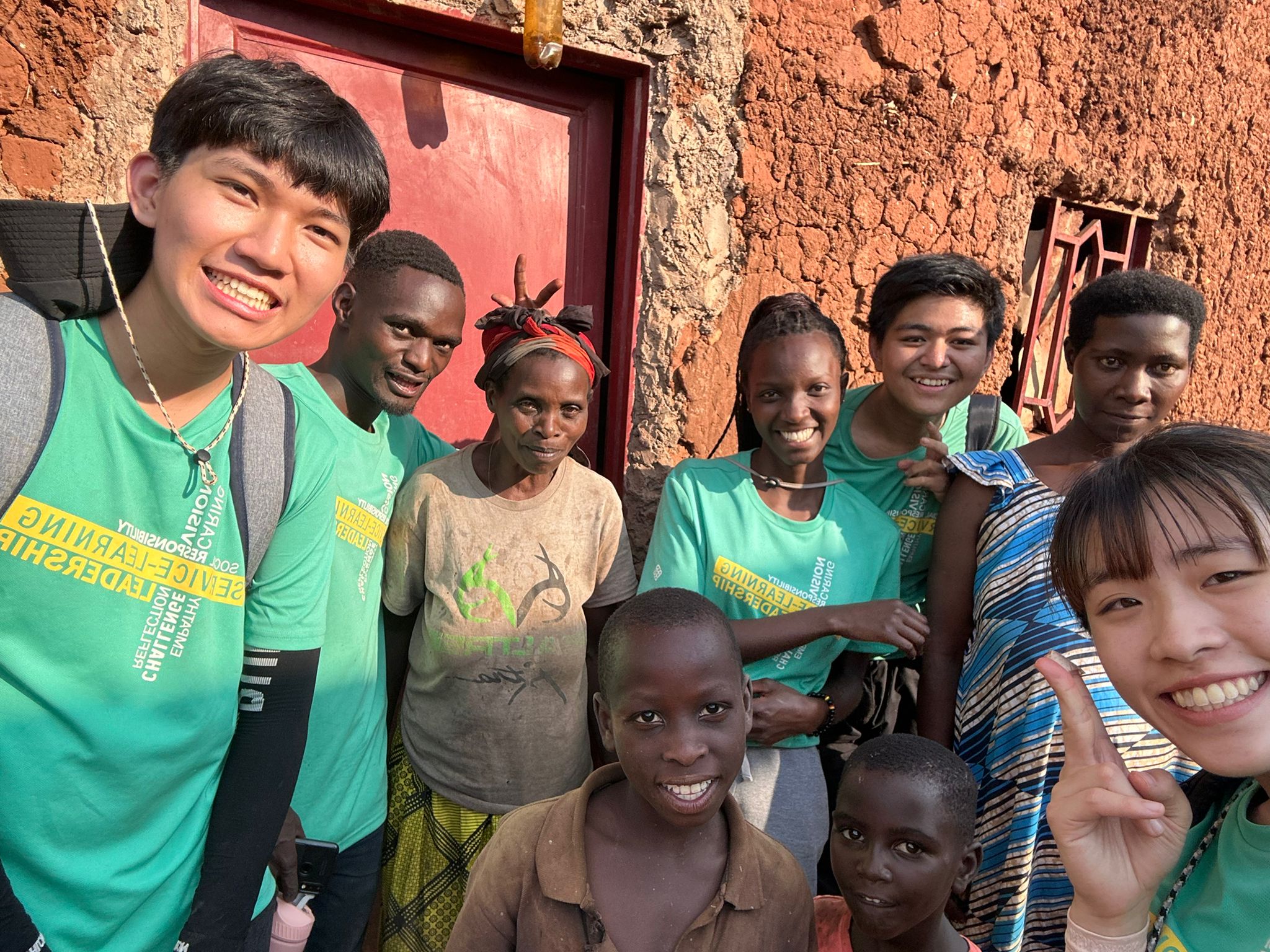
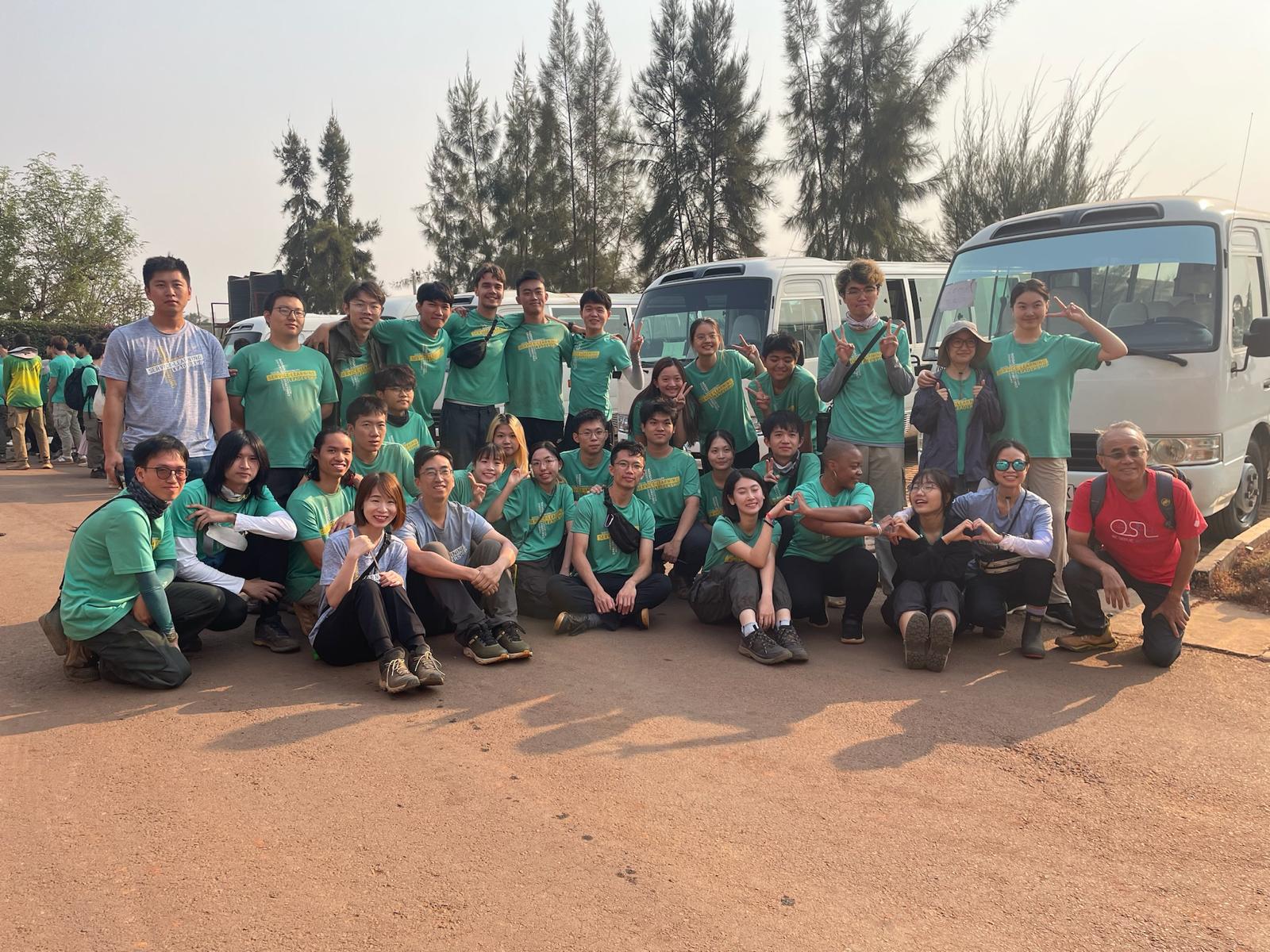
Moreover, I felt very welcomed by everyone. All local Rwandese we met were friendly, made an effort to get to know you, and went the extra mile to make us feel welcome despite their limited English. We also had a small USRN team consisting of me, a girl from Johannesburg, and three from Beijing. We had reflections every few days. While that sounds mundane, conversations were meaningful, spiritually uplifting, and literate. We created an open but safe space where we could speak freely about our thoughts, worries, and hopes. We’d inspire and even comfort each other with stories twice more virile than an episode of Masterpiece Theater. At the heart of that was our mentor Doc Xiang who was our Alistair Cooke, cooking up a nurturing environment where we felt our stories and insights were helping us all realize our potential.
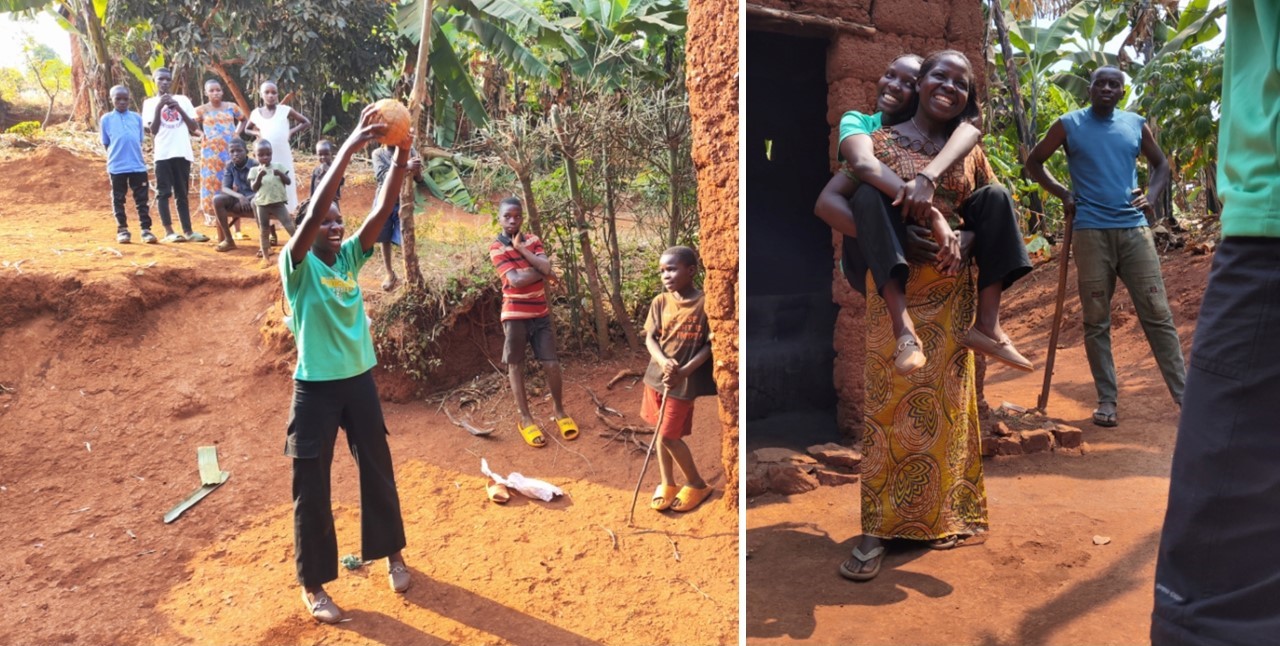
During our downtime, we’d play board games, people would have matches on the basketball court, we’d play ball with local kids from the village, and chow down on local fruits and sugarcane. For me, those simple moments recaptured a place of child-like innocence that a lot of people lost growing up. My favorite memory was just being able to talk at night with new friends at our hotel’s diner while sharing a milkshake and admiring the city lights.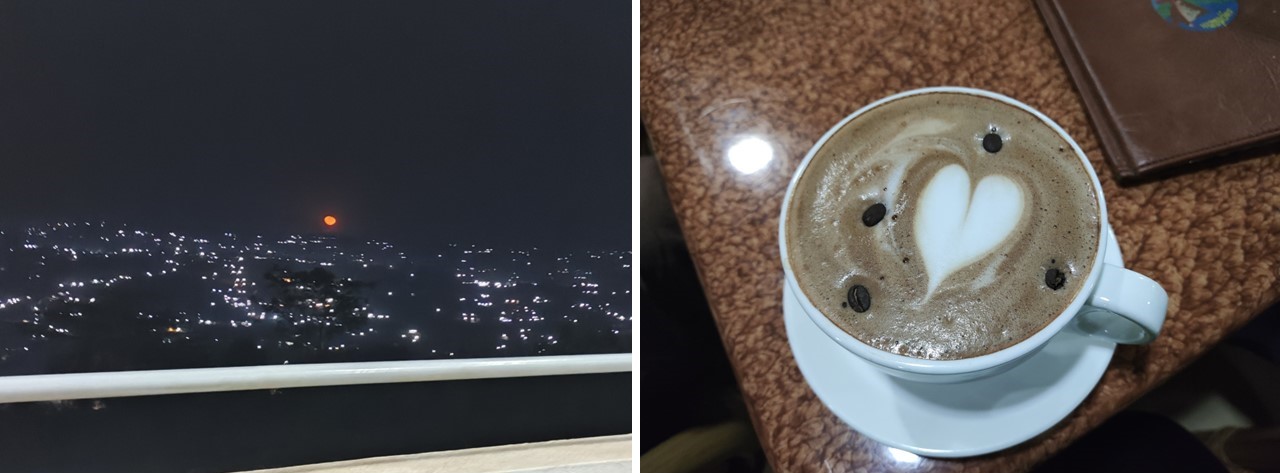
Now the question of being able to catch up with everyone else when working was something I was concerned with. My knowledge of computer science, renewable energy, and even the use of a hammer was zilch. Whenever regular classes assign group work, I am usually equipped with adequate knowledge to have a definite direction to steer myself. That completely goes out the window with the Service-Learning Program. We were compelled to find solutions outside the box, adapt to changing circumstances and really understand what it means to compromise. We truly learned along the way as we persevered to match our daily quota.
Not only that, but sometimes, we would hike for hours through roadless thickets to reach solitary homes nestled away from immediate contact. It was a true blue adventure. Returning to our rendezvous point, we were tired, covered in grime, sweat, and still carrying heavy equipment.
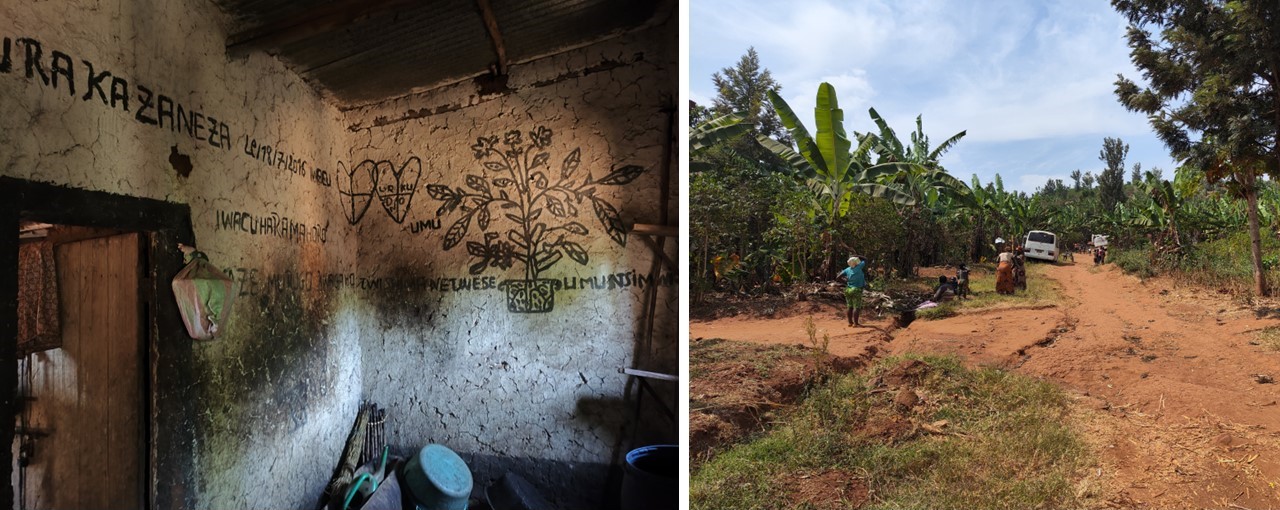
But it was rewarding.
When we finished installing the wiring, solar panels, and light bulbs in people’s houses, the look on their faces was enough. Those moments were like reading Chicken Soup for the Soul, but you’re experiencing it right in front of you. People would verbalize how their lives changed because of our work. And it’s about something I feel we take for granted despite Meralco- Light!
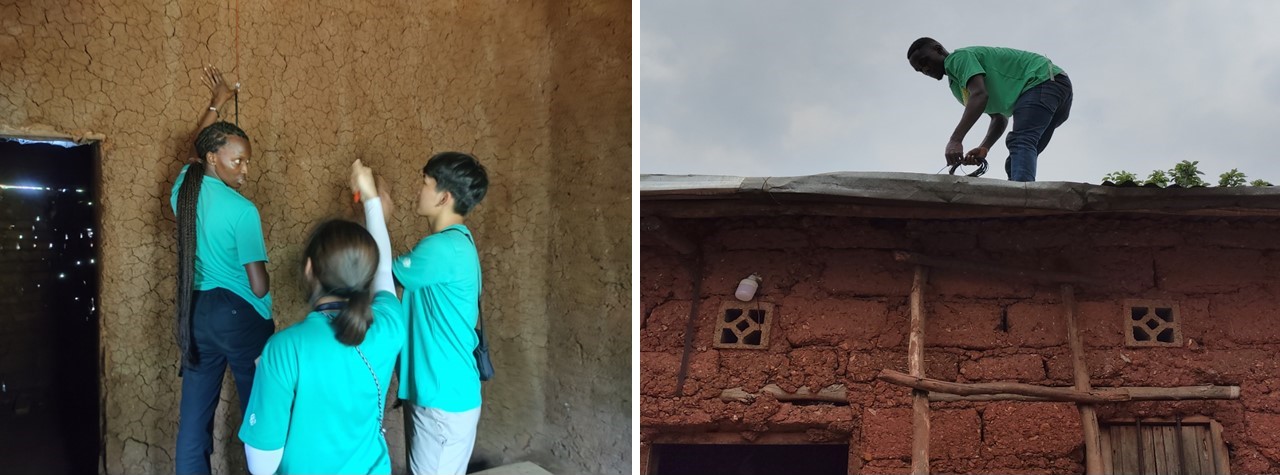
For example, tailors in the village would say that because of the lights we installed, they could work at night and earn more capital. Children now have more time to invest in education, even after sunset, because they have a renewable light source to continue school work even as they burn the midnight oil (not literally because oil isn’t renewable). Lastly, of course, having light during nightfall increased villager’s safety.
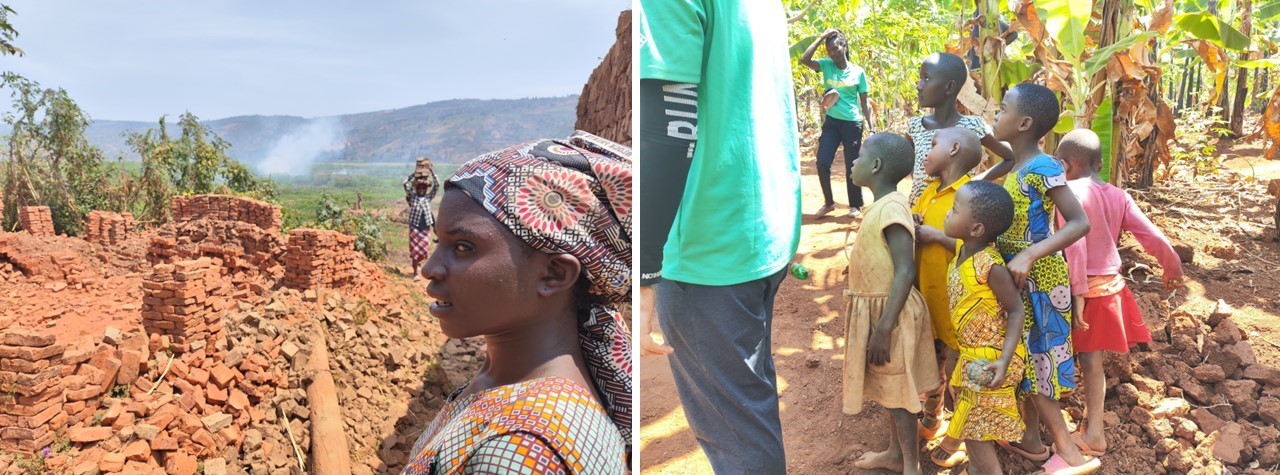
And doing manual labor was also an avenue to bond with locals and my co-workers. We shared a lot of intimate conversations while remaining productive. Despite my lack of experience or knowledge, I felt included since the team gave supportive directions and creative leeway for me to contribute. After a few days as a novice, my knowledge and confidence allowed me to lead certain parts of the wiring for subsequent houses.
Visiting the City
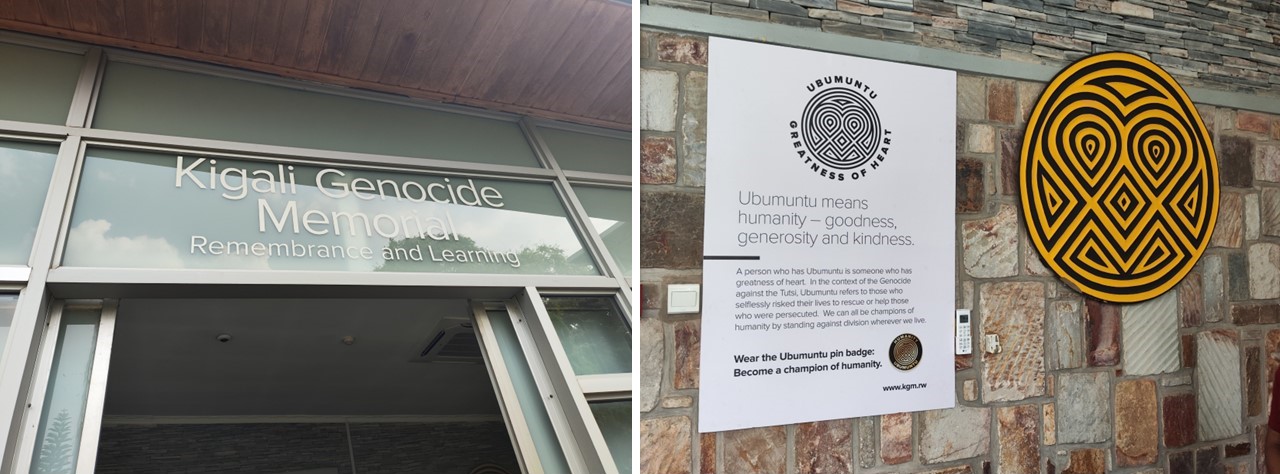
A few days before the program, when I was catching the bus to Kigali City, I had previously met a fine gentleman while visiting Uganda. An English-born immigrant living in Kampala, I confided in him about the Service-Learning Program. We had gotten lost exhausting our discussion on Schopenhauer, but he wrung us back to reality by advising me to have a pack of tissues on hand while visiting the Genocide Memorial. I thought nothing of it at first, but the off day we visited the said memorial was something you just had to experience. It made me reflect on the value of human life in a way that led to a bit of disappointment that we Filipinos don’t have anything similar to that in the Philippines.
Nevertheless as I was staring across hilly lights beyond ranging slopes that bend like those under Tuscan suns, I felt a coddling nostalgia for the nearly two weeks of invigorating life-affirming experiences. That was probably the most gut-wrenching aspect of the program– appreciating the impermanence of everything.
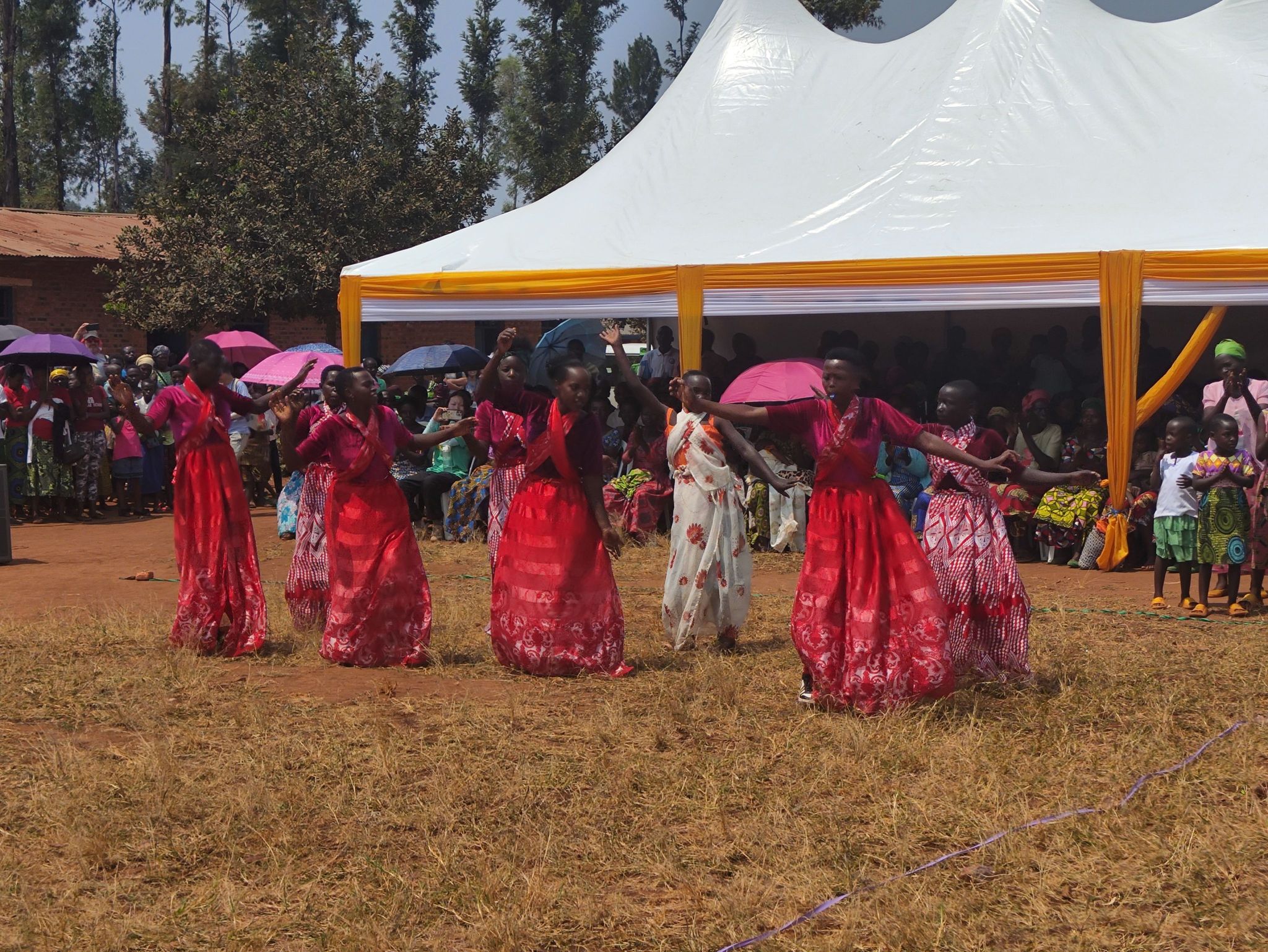
As I said goodbye to people I met in Africa, the experience made me wish I had appreciated the people I was so fortunate to have been with. Too much, too little, and too late. And while the future of any situation is uncertain, I am also comforted by that ever-present ephemeral quality of everything. Seeing the bright future the nation and people of Rwanda are heading toward (especially after learning of its tumultuous past) made me find renewed hope for my own country.
Still, the one thing I know won’t change is the personal significance of the lifelong memories I made during this program. It strengthened my resolve to continue with my premed course, for I was really swayed by the gratitude of the people we served. It felt like we were really changing people’s lives for the better. And I suppose if I could impact and improve people’s lives the same way I did for this program in my future career in the medical field– then like with installing all those wires and bulbs, all those nights studying and learning to hone my technical skills in medicine would have all been worth it.
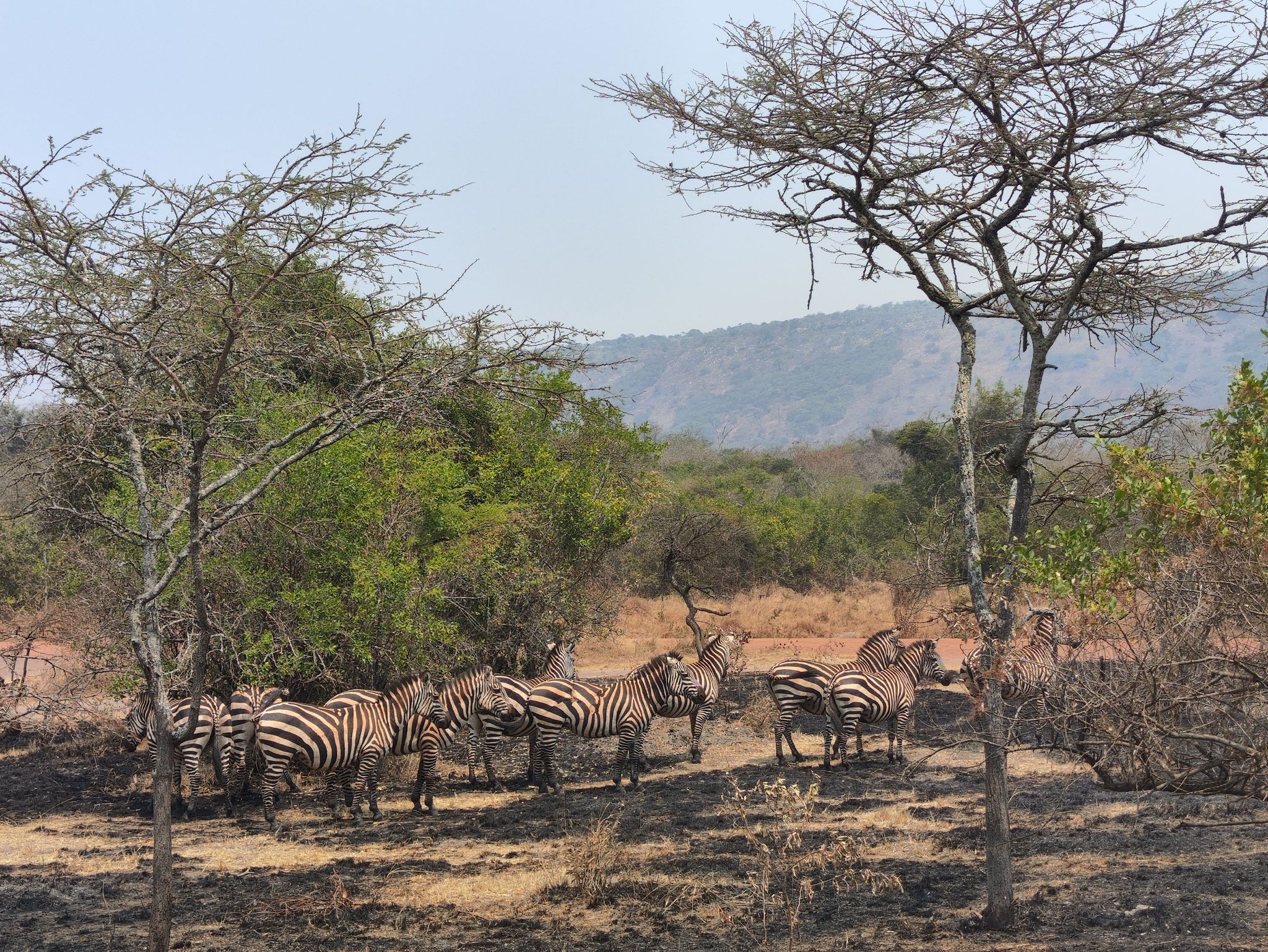
I’d like to thank Sir Mark and Sir Leland from the Office of the Assistant Vice President for Social and Environmental Engagement for Development and Sustainability and Kenneth from PolyU for helping me through the application. I also want to thank my parents, Ponzi and Raul, my Tita Tareng, my Tito Dan, Ate Belay and Kuya Rico, my best friends Cole and William, Max and the rest of my family for supporting me throughout the program.
Raphaelle Ramos is a 3 BS BIO student at Ateneo de Manila University. He, alongside his cousin Patricia, are current co-proprietors of a restobar in Katipunan named Free Cut. As an avid backpacker, he enjoys reading the National Lampoon on long transits, meeting new people and making them laugh.
Photos courtesy of Raphaelle P. Ramos
Recent News
You may also like these articles

[Hot Off the Press] Arkipelago
New book from the Ateneo Press Arkipelago provides a fascinating and fantastical twist on Philippine politics and history Our country is an archipelago of stories
Protecting Creativity: AIPO and Rizal Library Host Copyright Awareness Session for the Ateneo Community
On March 18, 2026, the Ateneo Intellectual Property Office (AIPO), in collaboration with the Rizal Library, successfully conducted a Copyright Awareness Session held on the
Holy Week 2026 Holidays (Memo # UHR2526-038)
Memo # UHR2526-038 31 March 2026 TO: All Employees FROM: [Sgd] Maria Victoria T Cortez, PhD Vice President for University Human Resources SUBJECT: Holy Week
ASOG’s Tobacco Control initiatives spotlighted in DOH National Technical Working Group for Tobacco Prevention and Control
On March 10 to 12, 2026, the Ateneo School of Government (ASOG), through its research and public policy unit, the Ateneo Policy Center, participated in
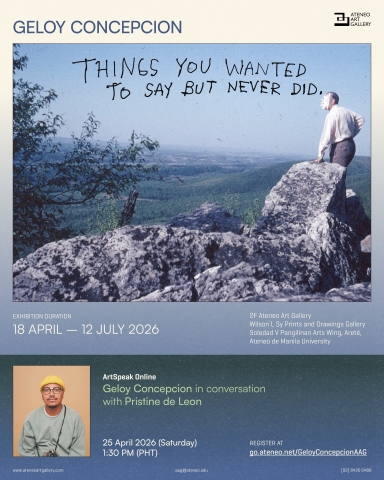
Things You Wanted to Say But Never Did: Geloy Concepcion’s six-year project makes Its exhibition debut at the Ateneo Art Gallery
Geloy Concepcion’s Things You Wanted To Say But Never Did comes to the Ateneo Art Gallery this 18 April 2026. After receiving almost 300,000 messages

[Hot Off the Press] Love If I'm Pretty
New YA Release from the Ateneo Press Love If I’m Pretty tackles the nuances of growing up through complex characters and straightforward prose What do