Safe Bites: Navigating the World of Food Safety
20 Sep 2024 | Micah Angelie P. Flores, 3 AB Political Science








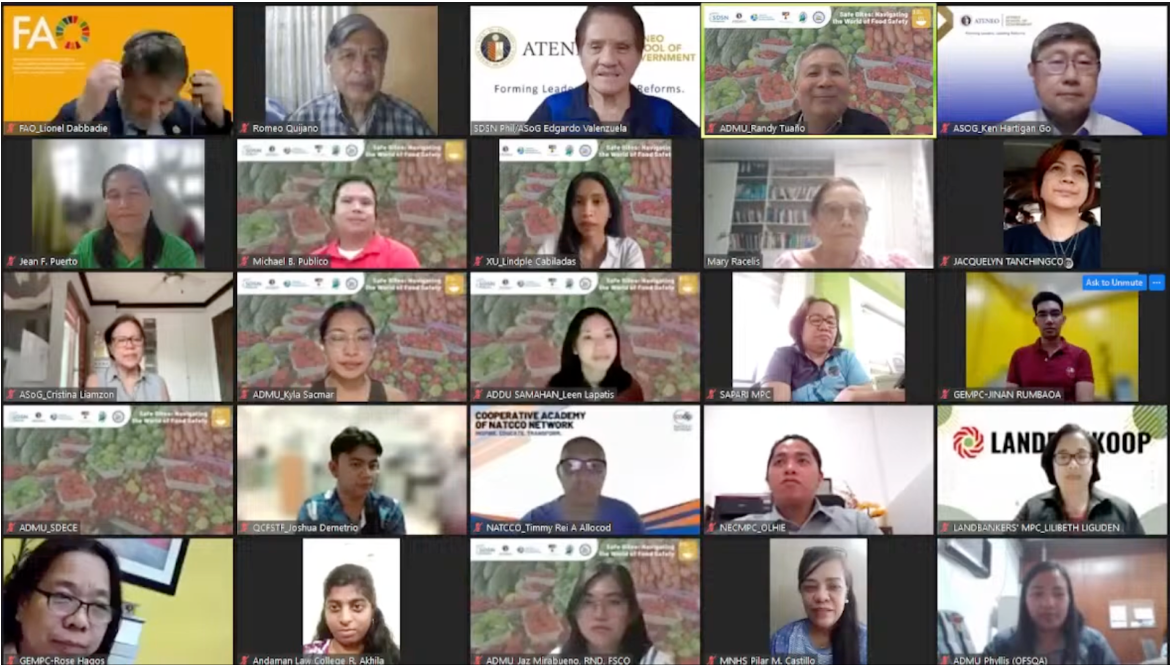
When a nation struggles to feed its population, the quality and safety of food are often the first things sacrificed. For families with limited access, basic sustenance outweighs nutrition, yet as Dr. Philip Arnold Tuaño reminds us: 'If it is not safe, it is not food.' With this provocation, the Dean of the Ateneo School of Government (ASOG) opened the webinar, “Safe Bites: Navigating the World of Food Safety”.
The event was organized by the Sustainable Development Solutions Network (SDSN) Philippines, Ateneo de Manila University, the Ateneo Institute of Sustainability, Xavier University-Ateneo de Cagayan, the Xavier Science Foundation, and Ateneo de Davao University on June 18, 2024. It brought together experts to discuss the state of food safety in the Philippines. The panel of speakers included Dr. Lionel Dabaddie, Food and Agriculture Organization (FAO) Representative in the Philippines; Dr. Kenneth Hartigan-Go, Faculty and Senior Research Fellow at the Ateneo Policy Center of ASOG; and Dr. Romeo Quijano, Chairperson of the Pesticide Action Network (PAN) in Asia Pacific.
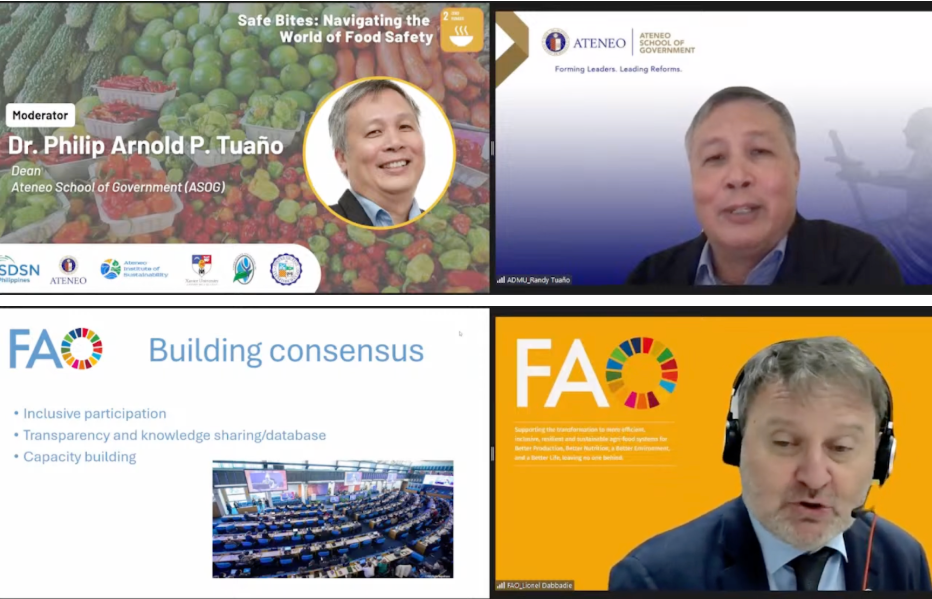
Since its establishment, the FAO has remained committed to defeating hunger, achieving food security, and ensuring access to high-quality food. Dr. Dabaddie outlined the strategic priorities for food safety: (1) intergovernmental and intersectoral collaboration; (2) scientific advice from expert panels; (3) strengthening national food control systems; and (4) support for both public and private actors. He emphasized that as global food systems grow more complex, it is vital to collect and disseminate relevant data that countries can adapt to their specific contexts.
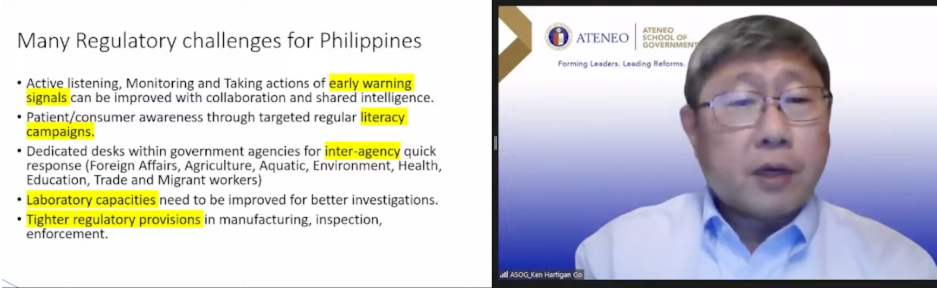
Zeroing in on the regulatory challenges of toxicology in the Philippines, Dr. Kenneth Hartigan-Go highlighted the interconnectedness of food safety and food security. Global challenges such as climate change and conflict make it increasingly difficult for governments to monitor food safety by the time it reaches consumers. Due to gaps in regulation, safety risks often go undetected, particularly in food sold in public markets and small neighborhood "sari-sari" stores.
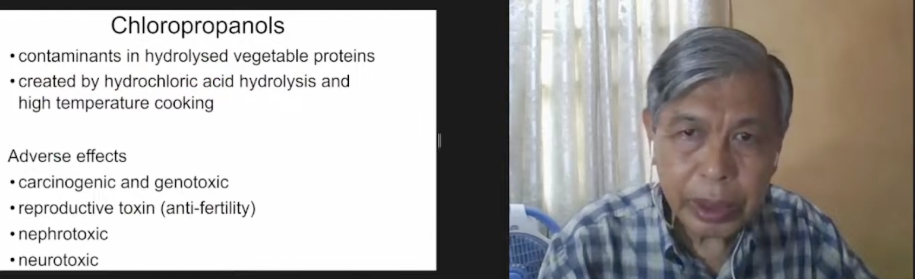
Furthermore, Dr. Romeo Quijano addressed the presence of toxic substances in the food supply. Many pesticides, additives, and synthetic chemicals are absorbed by food, allowing toxins to enter the body and posing severe health risks. He also discussed how trans fats, microplastics, and genetically modified organisms (GMOs) contribute to chronic diseases and disrupted biological functions.
Students from across the Ateneo network shared how the discussion impacted their respective fields:
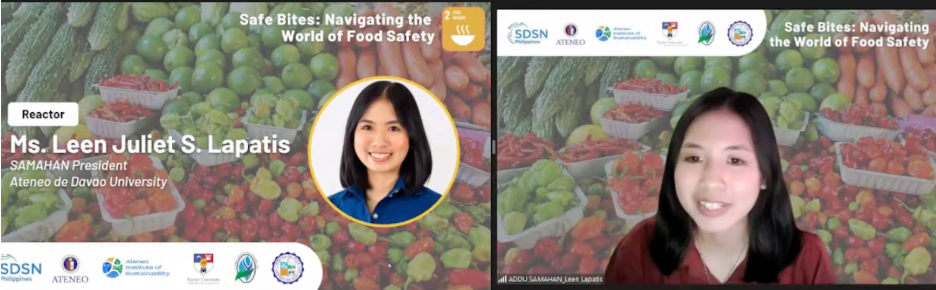
Leen Julie S. Lapatis, SAMAHAN President, Ateneo de Davao University, noted that as a student nurse, she realized healthcare must begin with promoting health education regarding food safety systems.
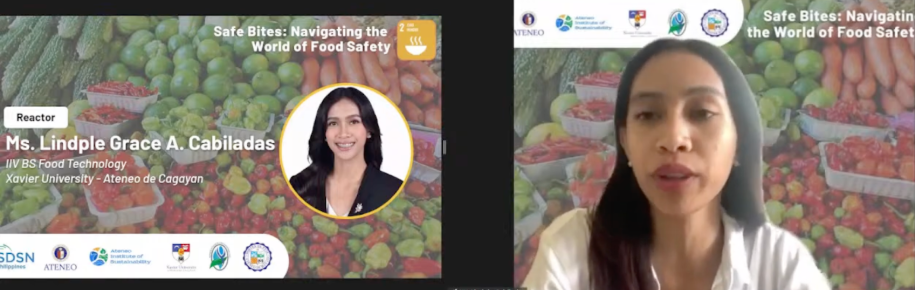
Lindple Grace A. Cabiladas, a Food Technology student at Xavier University - Ateneo de Cagayan gained a deeper appreciation of global actions ensuring food safety from farm to fork. She highlighted the importance of proper handling and preparation of food for preventing contamination.
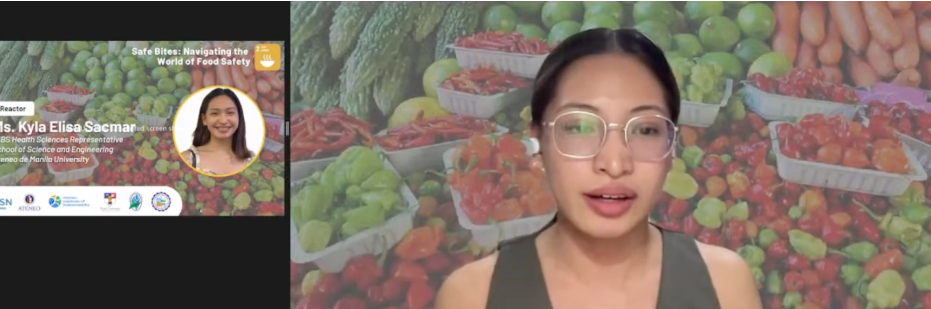
Kyla Elisa Sacmar, a Health Sciences student at the Ateneo de Manila University advocated for a holistic approach to food systems. She emphasized the importance of empowering communities in making informed choices and combatting false claims in the media that mislead consumers.
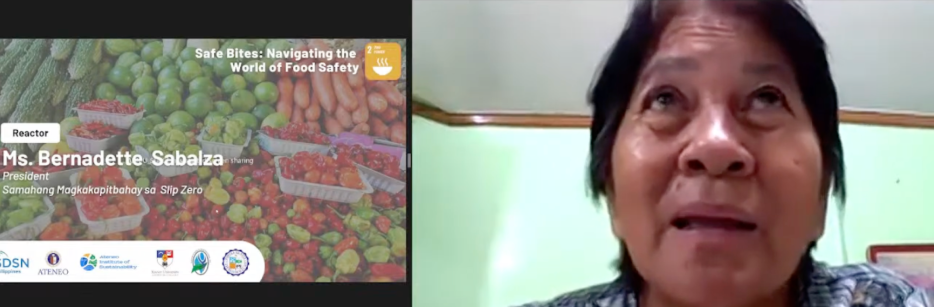
The discussion took a poignant turn with contributions from community leaders. Bernadette Sabalza, President of the Samahang Magkakapitbahay sa Slip Zero, shared the realities of an urban poor community that often resorts to pagpag (recycled leftover food from fast-food chains). While they have initiated urban gardening to address scarcity, they face significant hurdles due to limited space and resources.
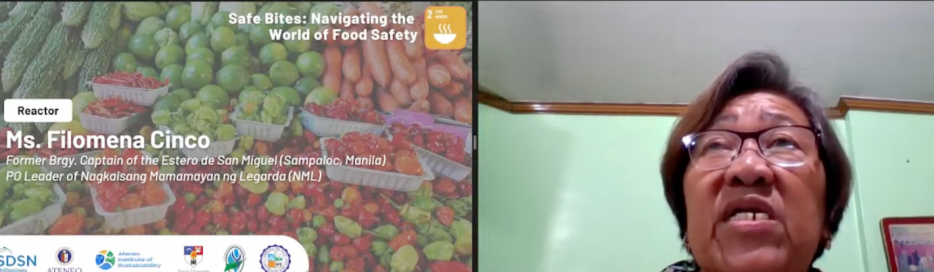
Ms. Filomena Cinco, from the Nagkakaisang Mamamayan ng Legarda, echoed these struggles, calling for greater grassroots inclusion. She reminded the panel that while theoretical presentations are impressive, they are ineffective if they do not reach or empower vulnerable sectors in communities.
During the open forum, the panel addressed the structural causes hindering change. Dr. Dabaddie clarified that while the FAO does not intervene directly in member countries, it works with government institutions to exchange knowledge. Dr. Quijano added that independent policymaking is often hampered by the interests of large corporations and long-standing inequalities.
When asked, “Why is it expensive to eat healthy food?” Dr. Dabaddie reframed the issue: healthy food doesn't just have a high price; it has a high cost. The complexity of food systems, involving producers, distributors, and regulators, requires significant oversight. Dr. Quijano concluded that the poor remain the most affected by these costs, as they lack the "freedom of choice" and access to information afforded to the wealthy.
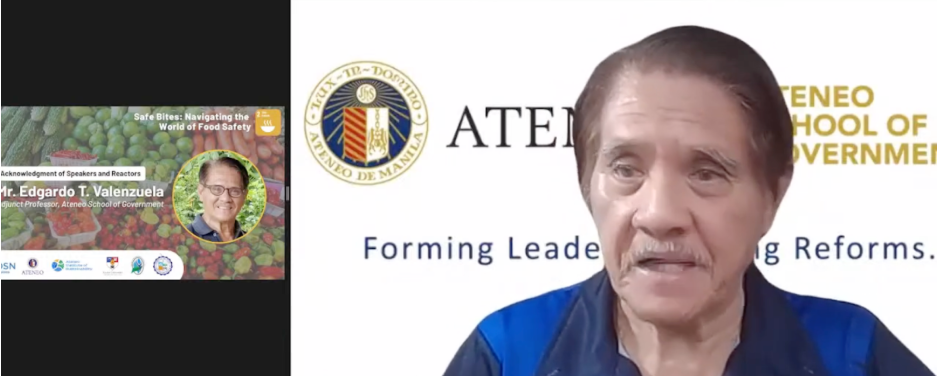
Closing the event, Mr. Edgardo T. Valenzuela emphasized that advancing food safety relies on the active participation of all stakeholders. Food safety goes beyond technical regulations; it demands awareness, empowerment, and collective responsibility to ensure that every Filipino family has access to food that is not only available but nutritious, safe, and sustainable.
Recent News
You may also like these articles

[Hot Off the Press] Arkipelago
New book from the Ateneo Press Arkipelago provides a fascinating and fantastical twist on Philippine politics and history Our country is an archipelago of stories
Protecting Creativity: AIPO and Rizal Library Host Copyright Awareness Session for the Ateneo Community
On March 18, 2026, the Ateneo Intellectual Property Office (AIPO), in collaboration with the Rizal Library, successfully conducted a Copyright Awareness Session held on the
Holy Week 2026 Holidays (Memo # UHR2526-038)
Memo # UHR2526-038 31 March 2026 TO: All Employees FROM: [Sgd] Maria Victoria T Cortez, PhD Vice President for University Human Resources SUBJECT: Holy Week
ASOG’s Tobacco Control initiatives spotlighted in DOH National Technical Working Group for Tobacco Prevention and Control
On March 10 to 12, 2026, the Ateneo School of Government (ASOG), through its research and public policy unit, the Ateneo Policy Center, participated in
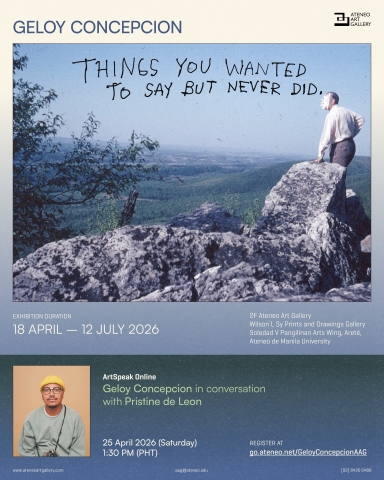
Things You Wanted to Say But Never Did: Geloy Concepcion’s six-year project makes Its exhibition debut at the Ateneo Art Gallery
Geloy Concepcion’s Things You Wanted To Say But Never Did comes to the Ateneo Art Gallery this 18 April 2026. After receiving almost 300,000 messages

[Hot Off the Press] Love If I'm Pretty
New YA Release from the Ateneo Press Love If I’m Pretty tackles the nuances of growing up through complex characters and straightforward prose What do