Rizal's Noli Me Tangere as the Philippine national epic discussed in LCSP and Exploding Galaxies lecture
21 Jan 2025


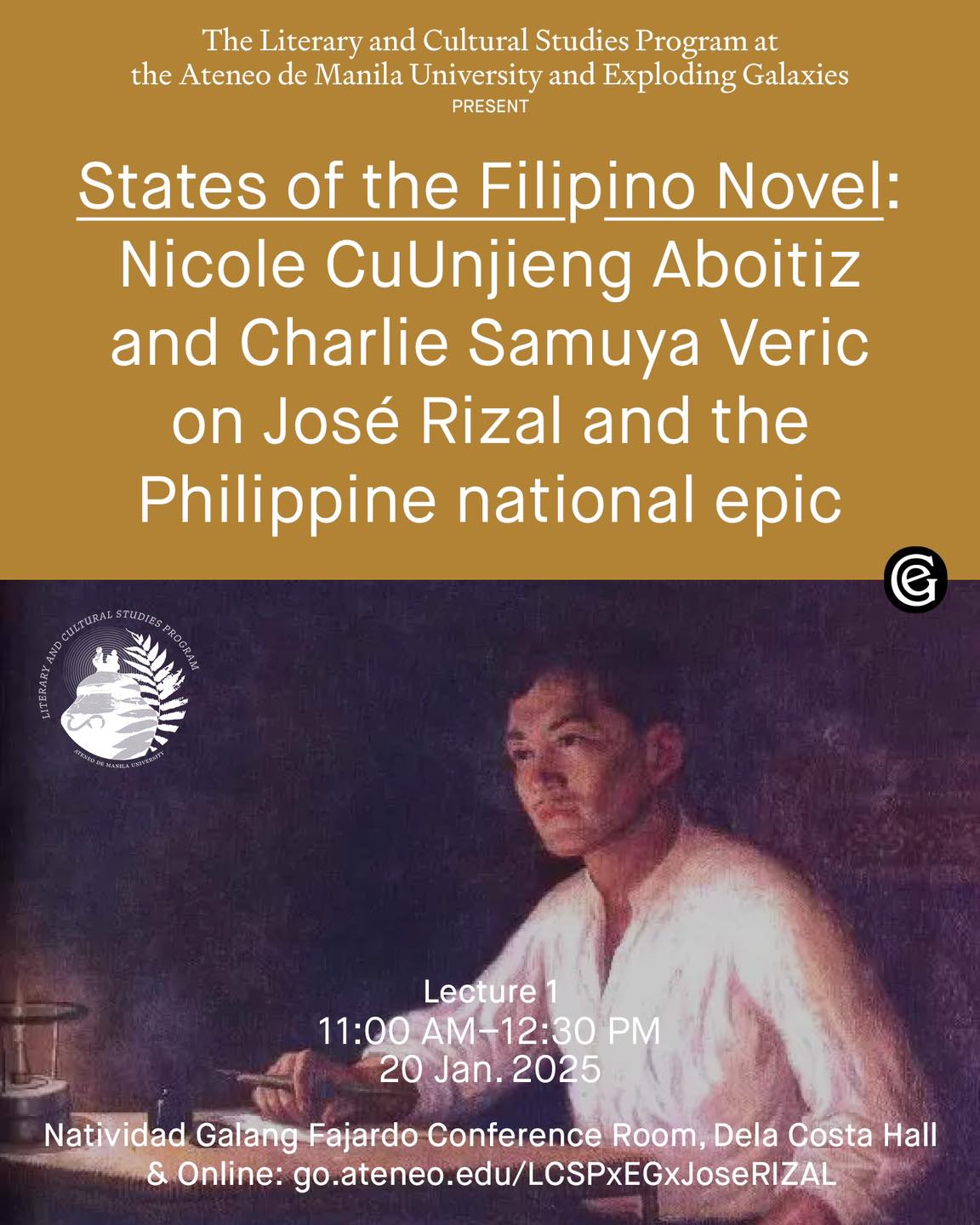
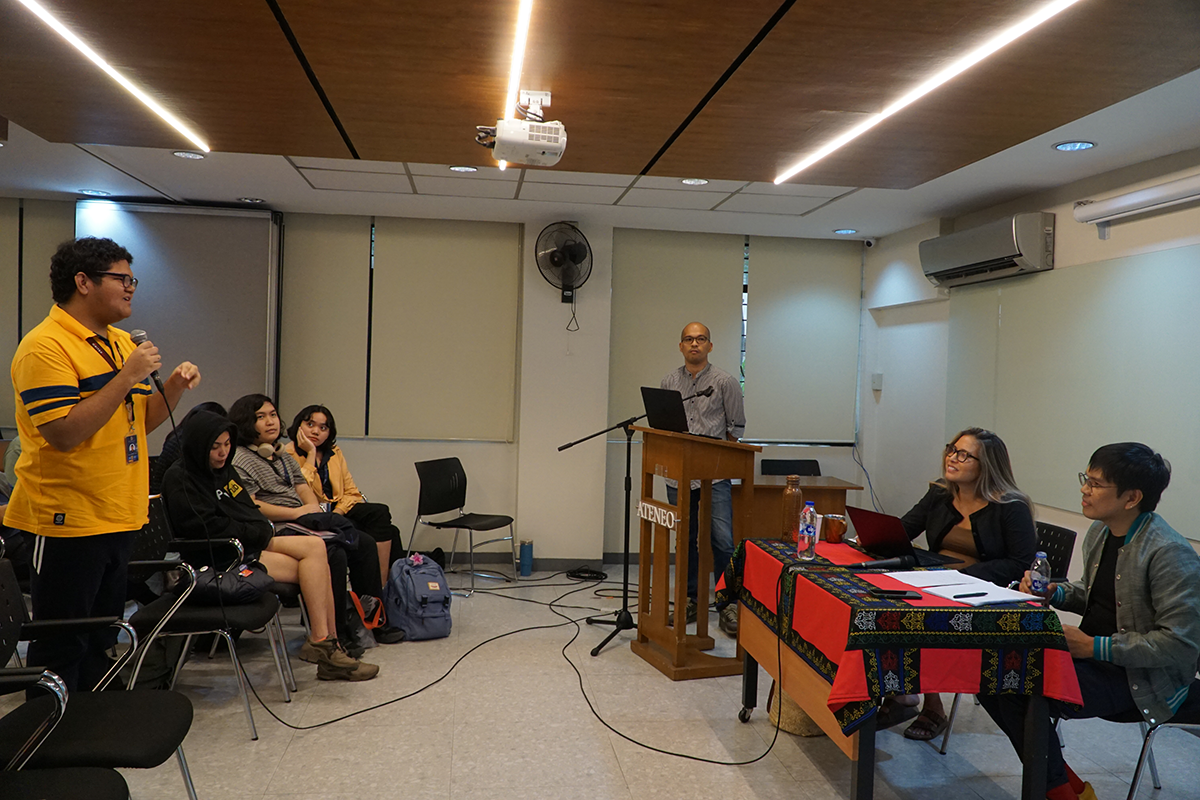
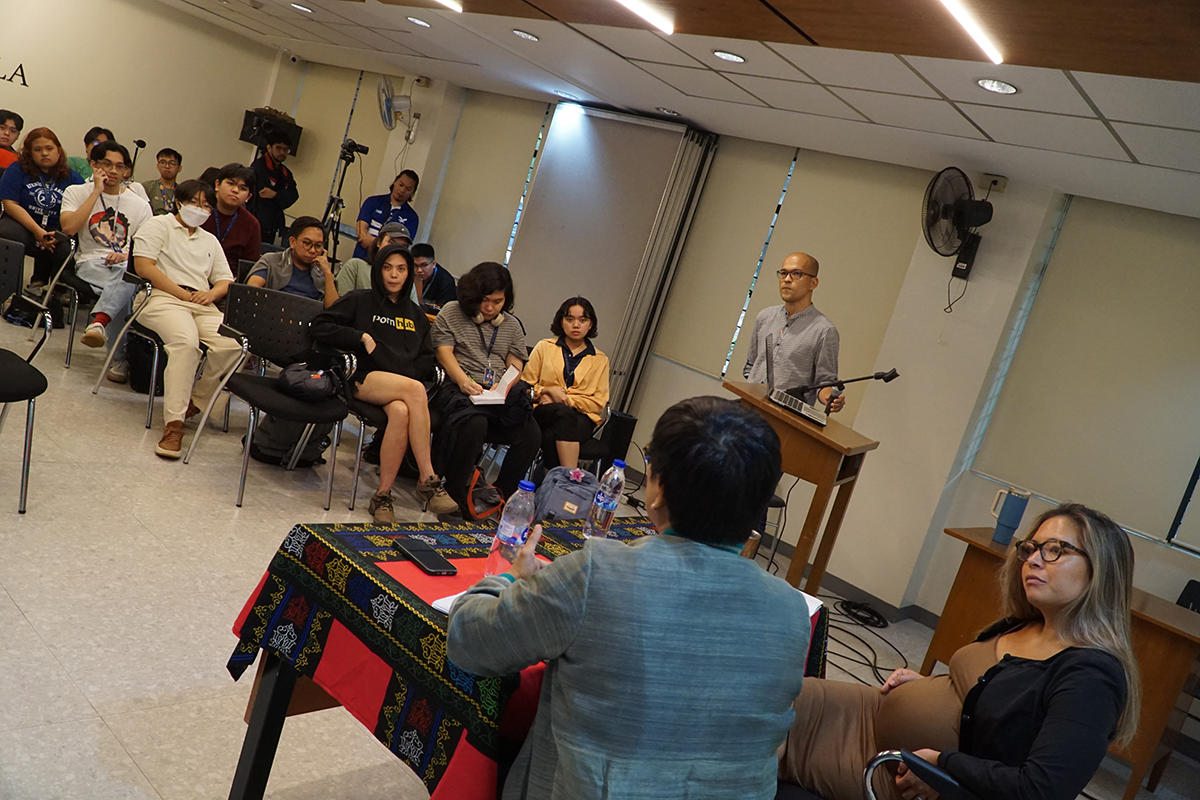
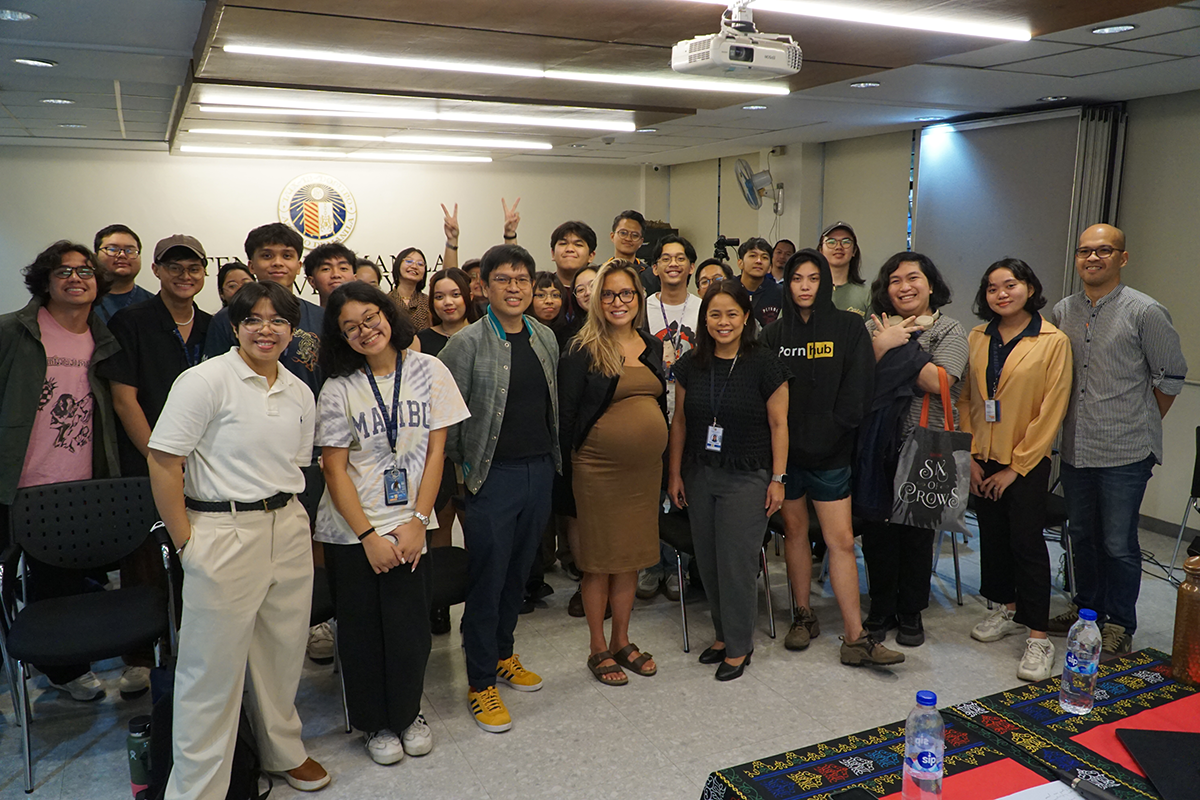
In a lecture jointly hosted by the Literary and Cultural Studies Program of Ateneo de Manila University and Exploding Galaxies, Dr Charlie Samuya Veric and Dr Nicole CuUnjieng Aboitiz discussed Dr Jose Rizal's "Noli Me Tángere" and its role as the Philippine national epic.
Dr Veric is the inaugural fellow of the Ricardo Leong Institute for Global and Area Studies (RLIGAS) for Philippine Studies, and the Leo A Cullum SJ Professorial Chair in the Humanities. He serves as the director of the Literary and Cultural Studies Program of Ateneo de Manila's School of Humanities.
Dr Aboitiz is a fellow of the Royal Historical Society, an Institute Fellow at the University of St Andrews’s Institute for Transnational & Spatial History, the Editor for Global History and Theory at the journal History Compass, and a Board of Trustees Member of the Toynbee Prize Foundation. She serves as the Literary & Academic Advisor of Exploding Galaxies.
Exploding Galaxies is a Manila-based publishing house committed to rediscovering and reprinting out-of-print "lost classics" of Philippine literature.
The lecture began with some welcoming remarks from Dr Patricia Lambino, Dean of the School of Humanities. Here, Dr Lambino commended Exploding Galaxies for being an "industry partner" of the school, both as a place where SOH graduates can practice their craft and as an institution helping preserve Filipino literary classics.
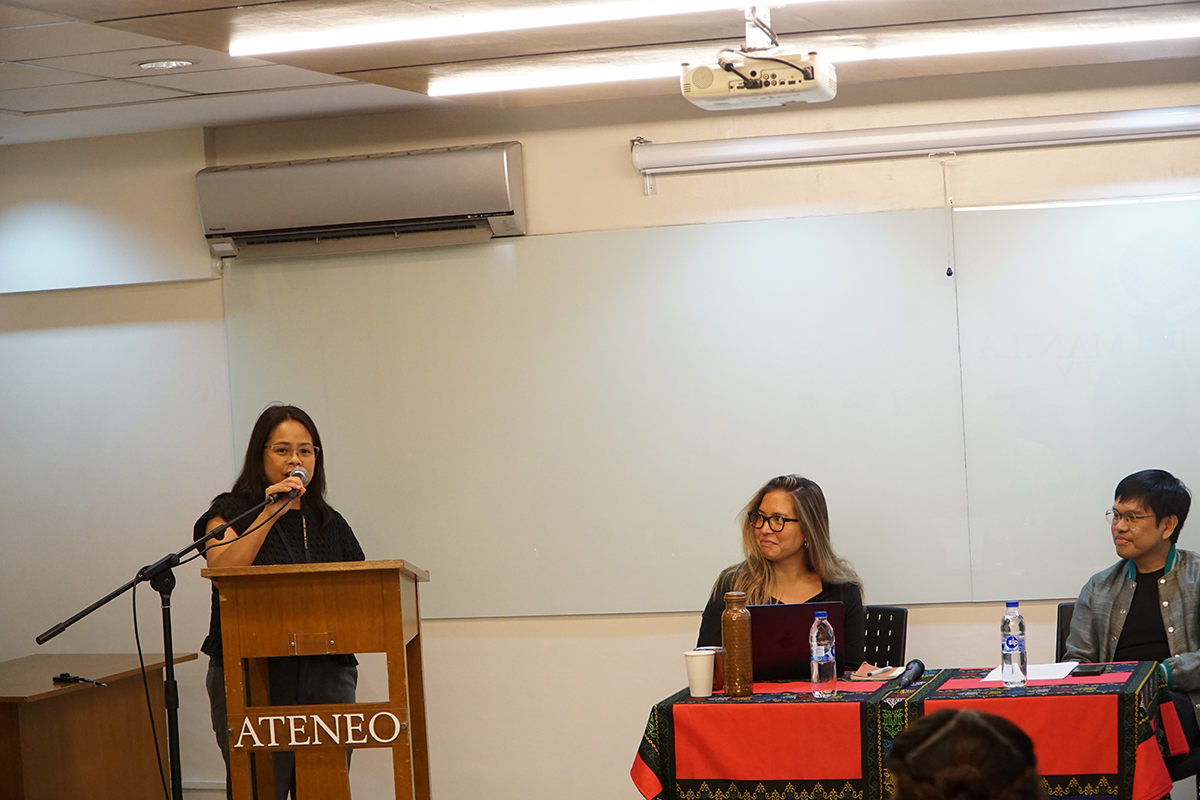
Dr Aboitiz's portion of the lecture compared Dr Rizal's "Noli Me Tángere" with another national epic, Francisco Balagtas' "Florante at Laura." Here, she discussed how both novels tackled love and romance and how these served as allegories for the Philippines' relationship with Spain.
Here, she compared the affective national theorization of both, with the courtly love of Balagtas' work representing nationalism and the fight against injustice in a setting far removed from the Philippines. Meanwhile, Dr Rizal's depiction of romantic love in Nole Me Tangere showing outright affective patriotism and political nationalism.
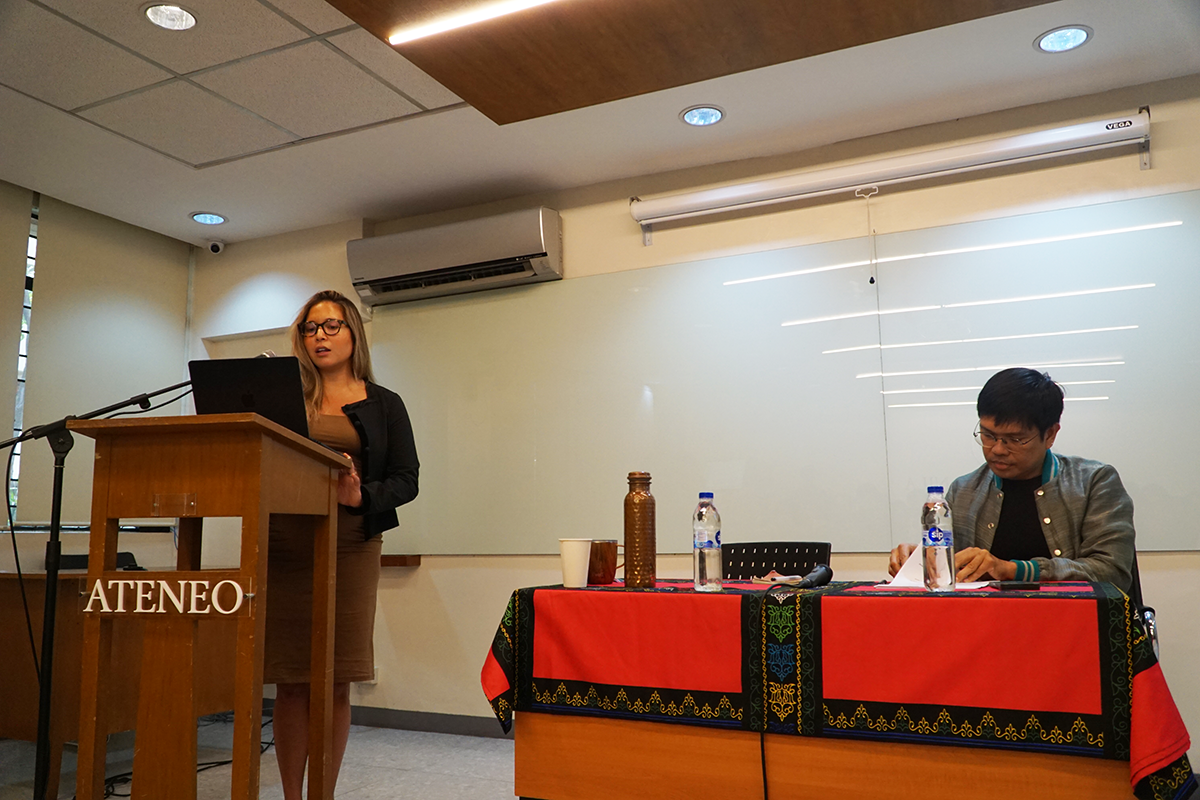
She discusses how, in another sense, Noli's narrative propounds that a man must remain "a bachelor for the nation" for a truly national love to emerge. This is what allows for the affective patriotism in Dr Rizal's work to progress politically from the mere cries of Injustice in "Florante at Laura."
She then points out how the use of heteronormative romance as a launching point for nationalism, is something that emerged in the Latin American independence movements of the 19th century, and how these are what enable both Balagtas and Dr Rizal's works to be read in a patriotic manner.
Of course, Dr Aboitiz pointed out that this emphasis on heteronormative romance opens these works to critique, with scholars pointing out that it limits the use of romance for national allegory.
For his part of the lecture, Dr Veric discussed the colonial origins of the "Noli Me Tángere." He points out that, while it was published in 1887 – becoming the first Asian novel to expose colonial abuses from the perspective of the colonized to a wider world – the beginnings of its anti-colonial consciousness date back to the 1872 Cavite mutiny that led to the eventual execution the three secular priests, Mariano Gomez, José Burgos, and Jacinto Zamora, for treason and sedition.
At the same time, while writing his novel, global events were helping frame Dr Rizal's novel with the emergence of anti-colonial consciousness throughout the world at the time, with Dr Veric citing Multatuli's (Eduard Douwes Dekker) satirical novel "Max Havelaar" that denounced the abuses of colonialism in the Dutch East Indies, as well as Emma Lazarus' sonnet "The New Colossus" dedicated to the Statue of Liberty.
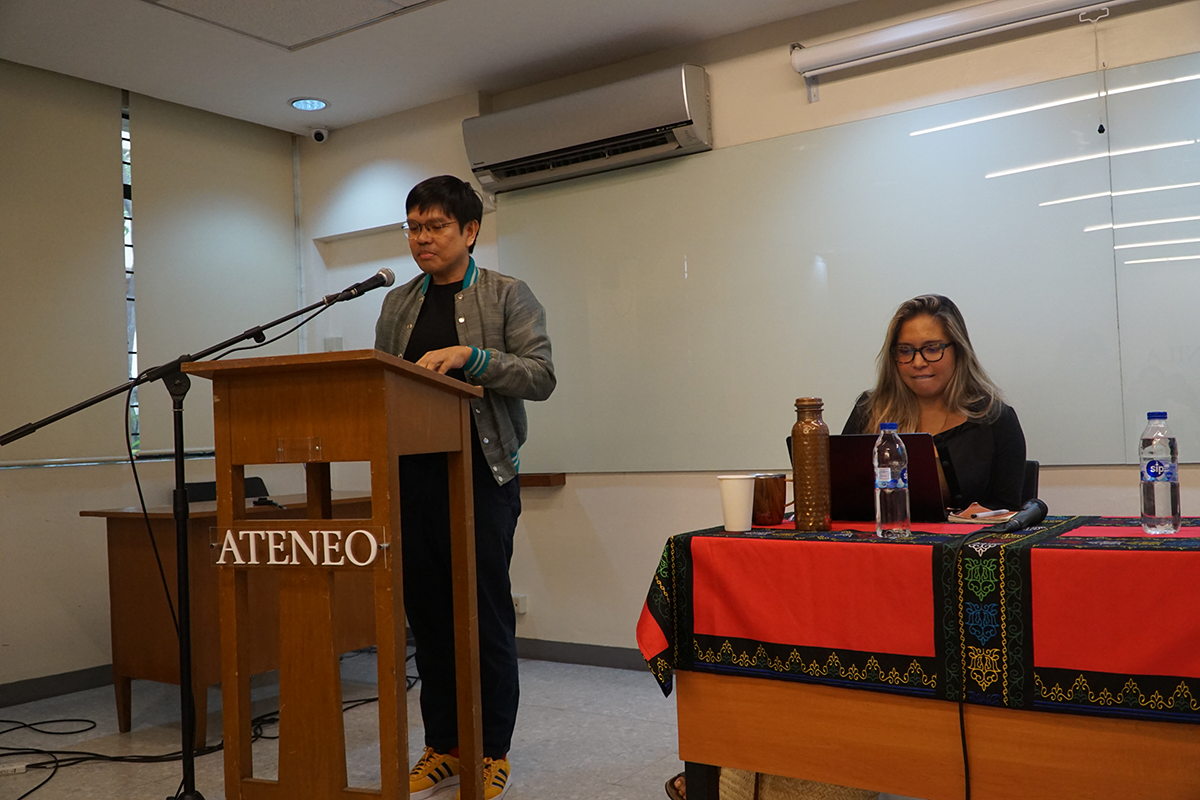
In addition, Dr Veric also mentioned that Dr Rizal's penning of the Noli (and later "El Filibusterismo") may have also represented the apex of Spain's perceived colonial mission, as pointed out by Dr Rizal's close friend Ferdinand Blumentritt. The latter noted how the novels demonstrated an "indio" mastering Western logic and reason.
Beyond this, Dr Veric also discussed how the United States, having taken over from the Spanish, used Dr Rizal and his "perfected morality and civilization" to justify its colonial expansion into the Pacific. He explained that Dr Rizal was used as a "democratic emblem" who fit within then US President William McKinley's vision of the "benevolent assimilation" of the Philippines.
As part of this, Dr Veric discussed how America wanted to create "many Rizals" through their colonization of the Philippines – "Rizals" with "a knowledge of history that would enable him to recognize that they were getting what they had been wanting" through American colocalization.
This emphasis on Dr Rizal continued after Philippine independence in 1946, where the government mandated the study of his life and his work, particularly of the Noli.
Dr Veric pointed out that Republic Act no. 1425 – "the Rizal Law" - coincides with the height of the Cold War. Here, he explains that Dr Rizal may exemplify "the quiet success of the American neo-colonial project."
Following this, Dr Veric and Dr Aboitiz engaged in a lively open forum awith attendees both on-site and online via zoom asking questions.
Catch the entire lecture, and more photos from the lecture, below.
Recent News
You may also like these articles
[Hot Off the Press] Arkipelago
New book from the Ateneo Press Arkipelago provides a fascinating and fantastical twist on Philippine politics and history Our country is an archipelago of stories
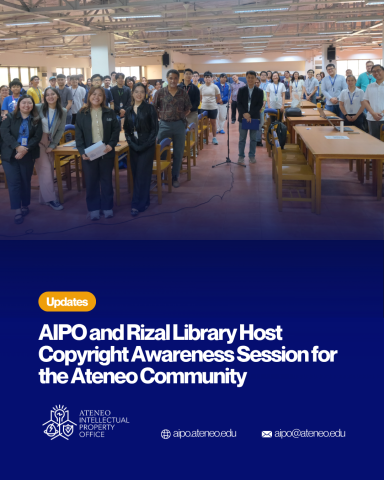
Protecting Creativity: AIPO and Rizal Library Host Copyright Awareness Session for the Ateneo Community
On March 18, 2026, the Ateneo Intellectual Property Office (AIPO), in collaboration with the Rizal Library, successfully conducted a Copyright Awareness Session held on the
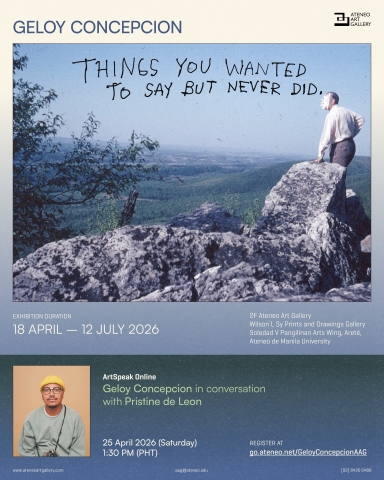
Things You Wanted to Say But Never Did: Geloy Concepcion’s six-year project makes Its exhibition debut at the Ateneo Art Gallery
Geloy Concepcion’s Things You Wanted To Say But Never Did comes to the Ateneo Art Gallery this 18 April 2026. After receiving almost 300,000 messages
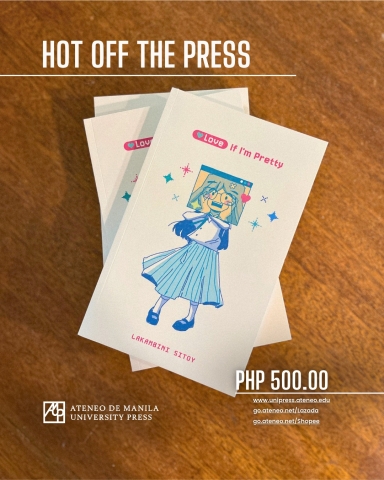
[Hot Off the Press] Love If I'm Pretty
New YA Release from the Ateneo Press Love If I’m Pretty tackles the nuances of growing up through complex characters and straightforward prose What do
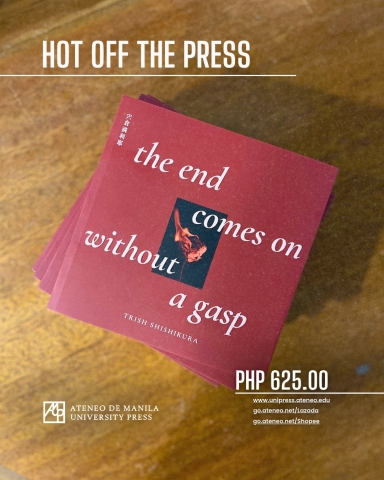
[Hot Off the Press] the end comes on without a gasp
the end comes on without a gasp: Trish Shishikura’s debut poetry collection arrives from Ateneo de Manila University Press (Bughaw) Ateneo de Manila University Press
QS Subject Rankings 2026: Ateneo in top 100 for theology; ranked in 7 subject areas
Ateneo de Manila University is among the top institutions in seven subject areas, and among the top 100 for theological and religious studies, according to