Interrogating links between transdisciplinarity and colonialism in webinar-workshop session
11 Apr 2025 | Isabella Movido and Astrud Ulili




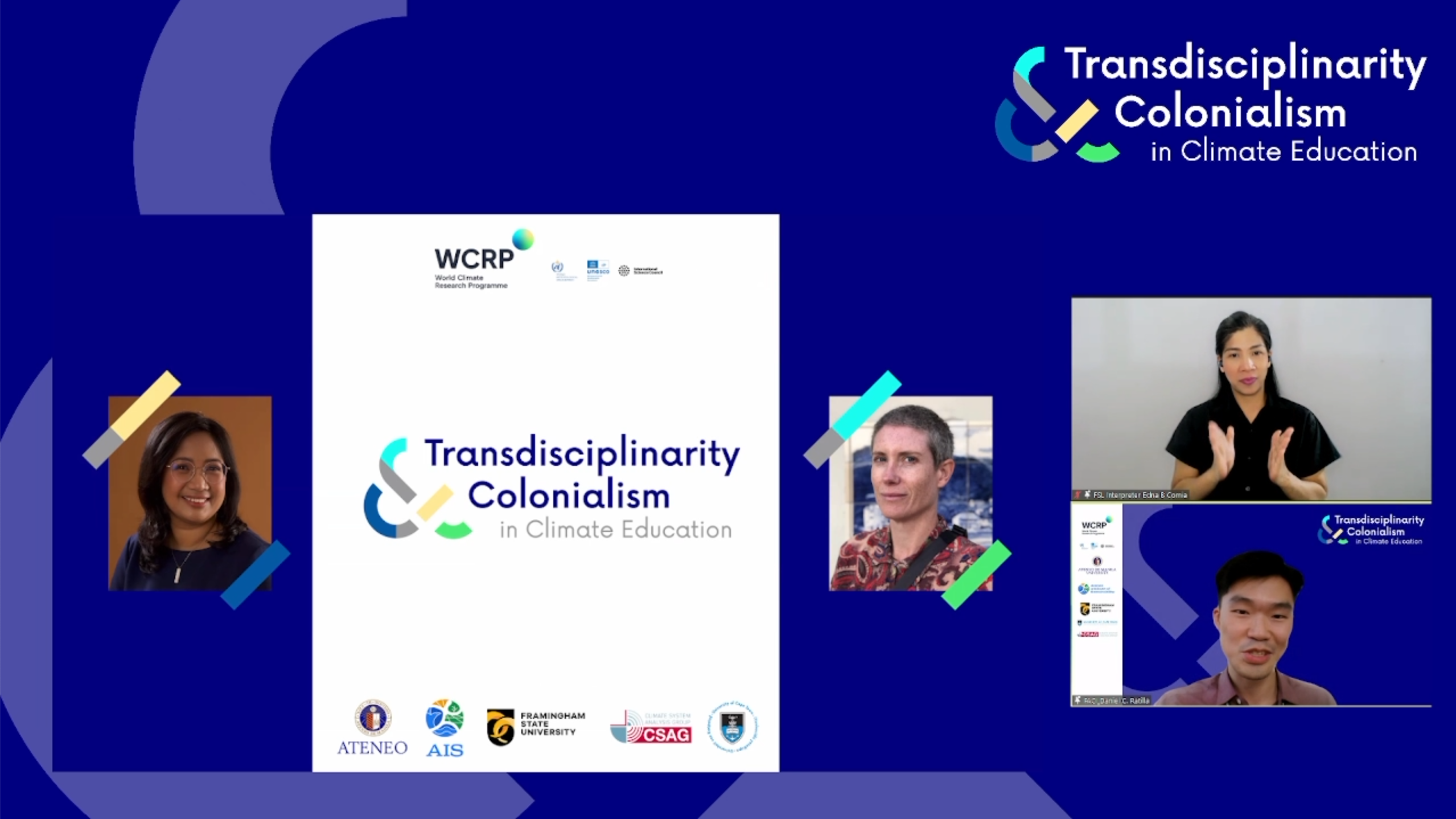
On 12 March 2024, the My Climate Risk – Ateneo de Manila University (MCR-Ateneo) Regional Hub, hosted by the Ateneo Institute of Sustainability, together with the MCR Education Working Group and the MCR – University of Cape Town Hub, organized a webinar and workshop titled “Transdisciplinarity and Colonialism in Climate Education.” MCR is a lighthouse activity of the World Climate Research Programme (WCRP), which aims to develop and mainstream a bottom-up approach to regional climate risk, and has a mycorrhizal network of hubs that span all continents except Antarctica.
The webinar featured Dr Rowena Azada-Palacios and Ms Alice McClure as panelists. Dr Azada-Palacios is an Assistant Professor of Philosophy at the Ateneo de Manila University and a research fellow at the University of Edinburgh. Ms McClure is a researcher from the Climate System Analysis Group (CSAG) of the University of Cape Town.
Dr Theodore Shepherd, co-chair of the Scientific Steering Group of My Climate Risk, delivered the opening remarks and introduced MCR. He noted how it aimed to first, “build robust methodologies which empower local communities and challenge the apparent objectivity of top-down approaches,” and second, “build an ecosystem of communities of practice.” Dr Shepherd noted that there is a link between theory and practice that is shared by educators of all stripes. Dr Vandana Singh, Lead of the Education Working Group and one of the organizing partners, delivered the Closing Remarks and expressed her appreciation for all involved. The Education Working Group is planning another event in June, co-hosted by the Himalayan University Consortium. She ended with a quote from Indian Nobel Laureate, poet and philosopher Rabindranath Tagore: “The highest education is that which does not merely give us information, but that makes our life in harmony with all existence.” The session was moderated by Mr Daniel C Ratilla, Program Head for Climate and Disaster Resilience at the Ateneo Institute of Sustainability and Focal Point of the MCR-Ateneo Hub.
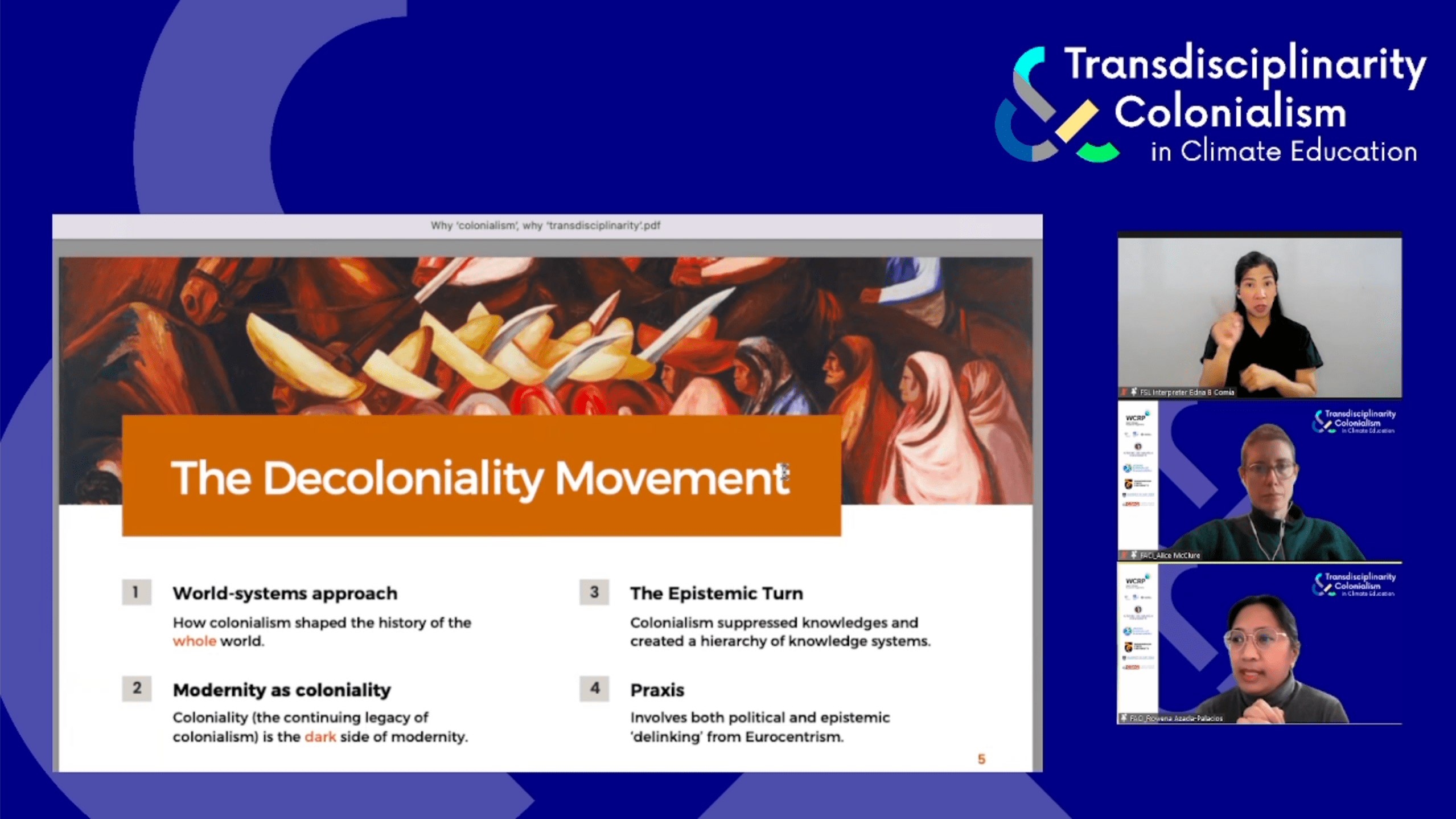
Dr Azada-Palacios’ presentation began with the historical background of the decoloniality movement, which was first rooted in the field of postcolonial studies, which in turn emerged during a time when many countries from the Global South became independent sovereign states. Scholars in this field were interested in “how colonialism shaped the power dynamics of global geopolitics and global knowledge production” using a world systems approach.
Dr Azada-Palacios also shared that these scholars associated modernity with coloniality, with the latter as “the dark side of modernity.” Colonialism not only created racial hierarchies, but a hierarchy of knowledge systems as well, which was then used to “suppress and subjugate different peoples around the world.” The creation of disciplines, therefore, was used as a “tool of epistemic suppression and epistemicide.” Transdisciplinarity, which challenges disciplinal hegemonies, may thus be a way to practice decoloniality: It challenges the hierarchy of "hard" scientists on top, social scientists below, and non-scientists as non-knowledge producers. Transdisciplinarity also recognizes that expertise is diffuse and can be found everywhere, allowing for more democratic means of understanding issues and generating knowledge. However, Dr Azada-Palacios noted that power dynamics can still pose a challenge to transdisciplinarity.
Ms McClure focused on this nuance in her discussion. She acknowledged the benefits of transdisciplinarity in unlearning the colonial legacy “by placing emphasis on pluralism and on bottom up methodologies,” but argued that a lack of organization can still perpetuate power imbalances, discrimination, and oppression. She recounted the use of a framework she and other researchers in Africa used to reflect on how power dynamics manifested in and shaped their transdisciplinary work, and how they examined the sources of power in their projects and the way that power was wielded, asking questions about participation, agenda, rules, structural conditions, and norms.
The framework they used helped uncover blind spots in their work, and become conscious of how transdisciplinarity projects were framed. In spite of the democratizing potential of transdisciplinarity, the framing may still cater to specific groups of people (ie, funders and the researchers themselves). Recognizing this, Ms McClure reflected on the difficulty of how “we become truly responsive” when knowledge is mediated by “very few, very powerful groups of people.”
Ms McClure then related all this back to the academe, where oppression can still emerge in transdisciplinarity. She emphasized the need to “be truly transgressive to decolonize” and reflect on fluidity: allowing for greater plurality and “fluid ways of knowing and being.”
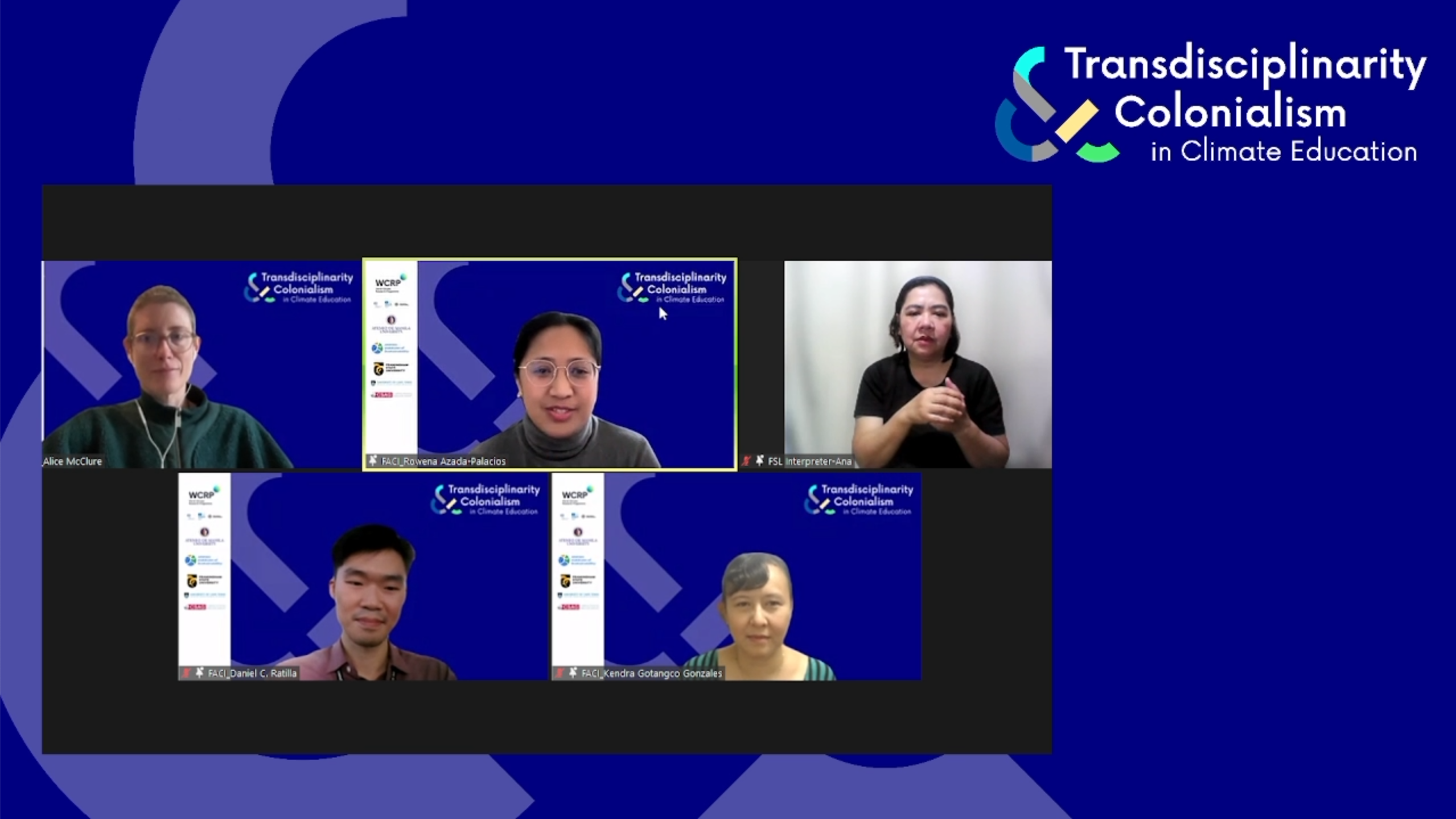
During the Open Forum, Dr Azada-Palacios and Ms McClure discussed power dynamics that are at times reinforced by attempts to be transdisciplinary, but which can be challenged by an iterative process of evaluating how we see others, as well as the notion of transgression, which refers to taking on a critical perspective.
They also discussed how climate science factors into discussions on transdisciplinarity and coloniality. Ms McClure talked about the linearity of scientific processes, that while these offer important explanations of climate, they also impart a “single way of thinking about the world.” She mused that society must consider other ways of knowing climate, relying more on a relational approach with people and the world. Dr Azada-Palacios added that the issue also lies in power, as all disciplines “have had stories of domination and power within it.” Climate education tends to be STEM-centric, and while this is important, science alone will not solve the climate crisis. A holistic approach to climate education—rooted in STEM, arts, politics, civics—will help address the problem better and encourage more diverse dialogues among people.
Rounding out the discussion, Ms McClure commented that in universities, drawing from different disciplines has become widespread but noted that power dynamics still play a role in interrogating what counts as knowledge and how it is used. Dr Azada-Palacios concluded by calling on institutions to listen to and collaborate with the practice of transdisciplinarity, becoming spaces for synergy that allow for better cooperation and participation.
Following the discussion, participants were placed into breakout groups to draw from their own insights, and takeaways from the panel, utilizing Miro to organize their ideas. Participants discussed the importance of looking at lived experiences and localized approaches, the cultural and language barriers that impede research and policy attempts, and the need for diverse political representation and educational reform that is geared towards decolonization. The organizers of the session will explore the possibility of creating a perspective paper from the insights of the session.
A synthesis was delivered by Dr Vincent Lam, the Lead of the MCR Philosophy Working Group. Dr Lam highlighted the fundamental political nature of the topic, alongside the consideration of specific experiences and practices that, in fluidity, can break disciplinary boundaries. He also pointed out that the philosophy of science offers a tradition of reflection to transdisciplinarity, which can be expanded from the scales of individual scientists to educational institutions and finally to larger social environmental disruptions, which in culmination, is the Anthropocene.
The session was attended by participants from the Philippines, with international attendees from Ghana, South Africa, and the United Kingdom. This session is part of the MCR-Ateneo Hub’s Climate Voices on the Ground: Perspectives from Different Sectors and Climate Research ‘As if People Mattered.’ series, and is also part of the Education Working Group’s Climate Science and Colonialism series. Replays and highlights of the webinar series are available in the following page.
Recent News
You may also like these articles
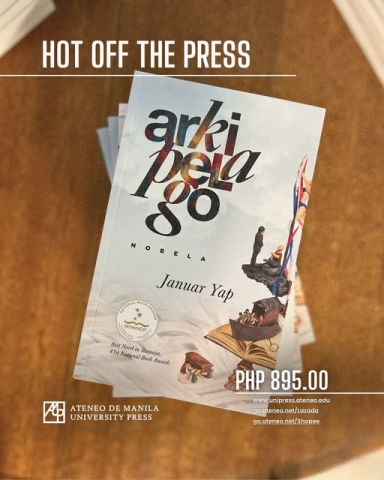
[Hot Off the Press] Arkipelago
New book from the Ateneo Press Arkipelago provides a fascinating and fantastical twist on Philippine politics and history Our country is an archipelago of stories
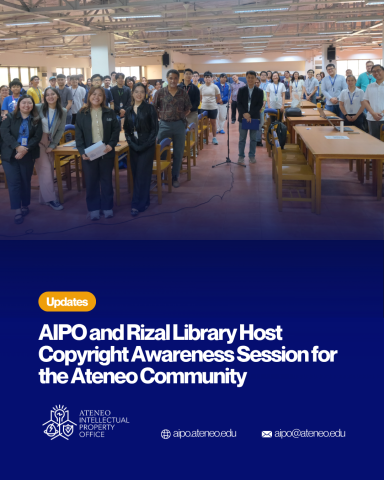
Protecting Creativity: AIPO and Rizal Library Host Copyright Awareness Session for the Ateneo Community
On March 18, 2026, the Ateneo Intellectual Property Office (AIPO), in collaboration with the Rizal Library, successfully conducted a Copyright Awareness Session held on the
Holy Week 2026 Holidays (Memo # UHR2526-038)
Memo # UHR2526-038 31 March 2026 TO: All Employees FROM: [Sgd] Maria Victoria T Cortez, PhD Vice President for University Human Resources SUBJECT: Holy Week
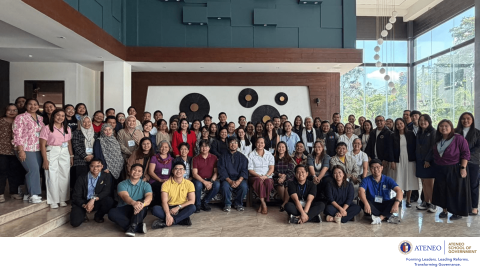
ASOG’s Tobacco Control initiatives spotlighted in DOH National Technical Working Group for Tobacco Prevention and Control
On March 10 to 12, 2026, the Ateneo School of Government (ASOG), through its research and public policy unit, the Ateneo Policy Center, participated in
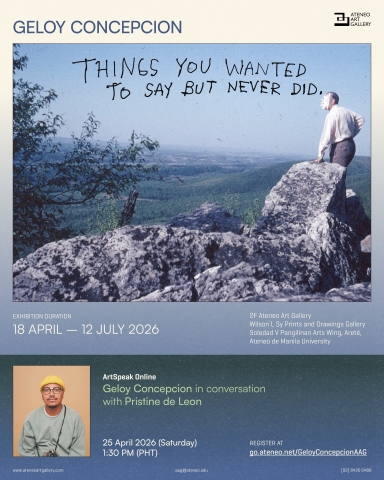
Things You Wanted to Say But Never Did: Geloy Concepcion’s six-year project makes Its exhibition debut at the Ateneo Art Gallery
Geloy Concepcion’s Things You Wanted To Say But Never Did comes to the Ateneo Art Gallery this 18 April 2026. After receiving almost 300,000 messages

[Hot Off the Press] Love If I'm Pretty
New YA Release from the Ateneo Press Love If I’m Pretty tackles the nuances of growing up through complex characters and straightforward prose What do