Ateneo Policy Center brings design thinking to Antique to co-design health financing pathways
30 Jul 2025

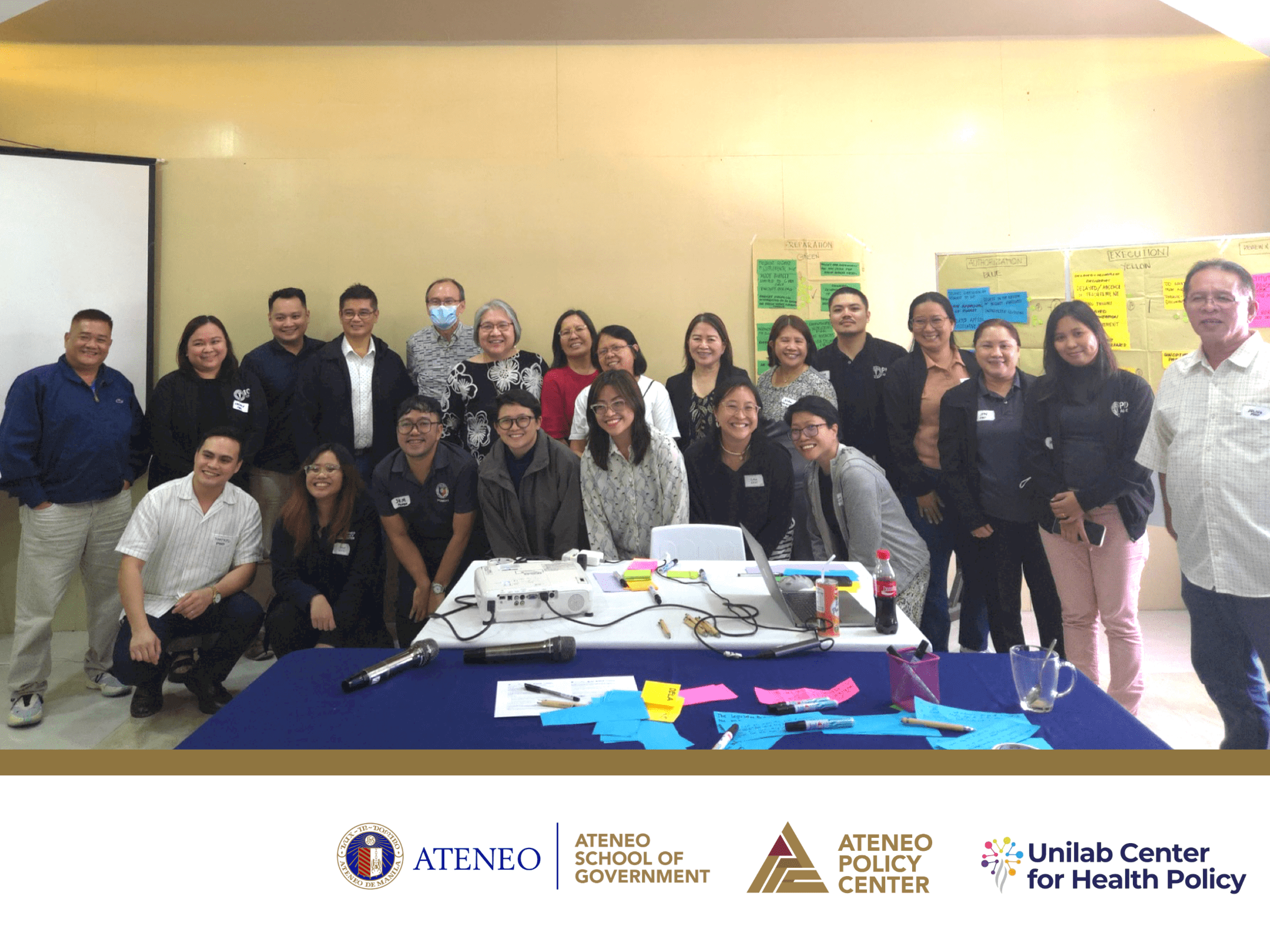
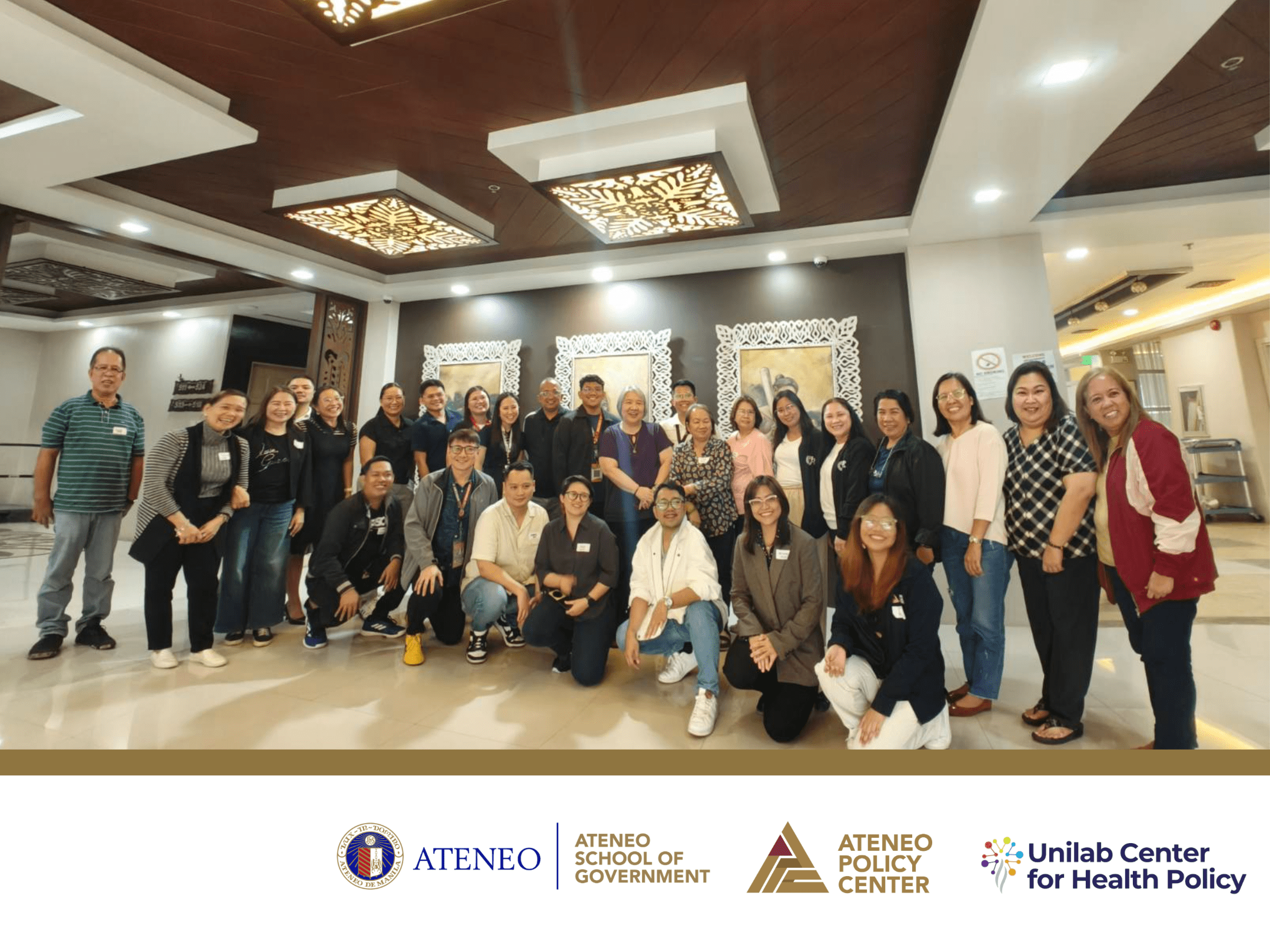
The Ateneo School of Government, through the Ateneo Policy Center, conducted a series of Design Thinking Workshops for Belison, Antique, and the Province of Antique from 22 to 25 July, 2025, as part of its project Maximizing Local Government Fiscal Performance of Health Budget, supported by the Unilab Center for Health Policy.
The workshops brought together local officials and frontline implementers from various LGU offices—accounting, treasury, health, planning, procurement, and internal audit—as well as representatives from PhilHealth and the Department of Health (DOH). Together, they examined public financial management (PFM) practices and generated solutions to strengthen health budgeting and expenditure at the local level.
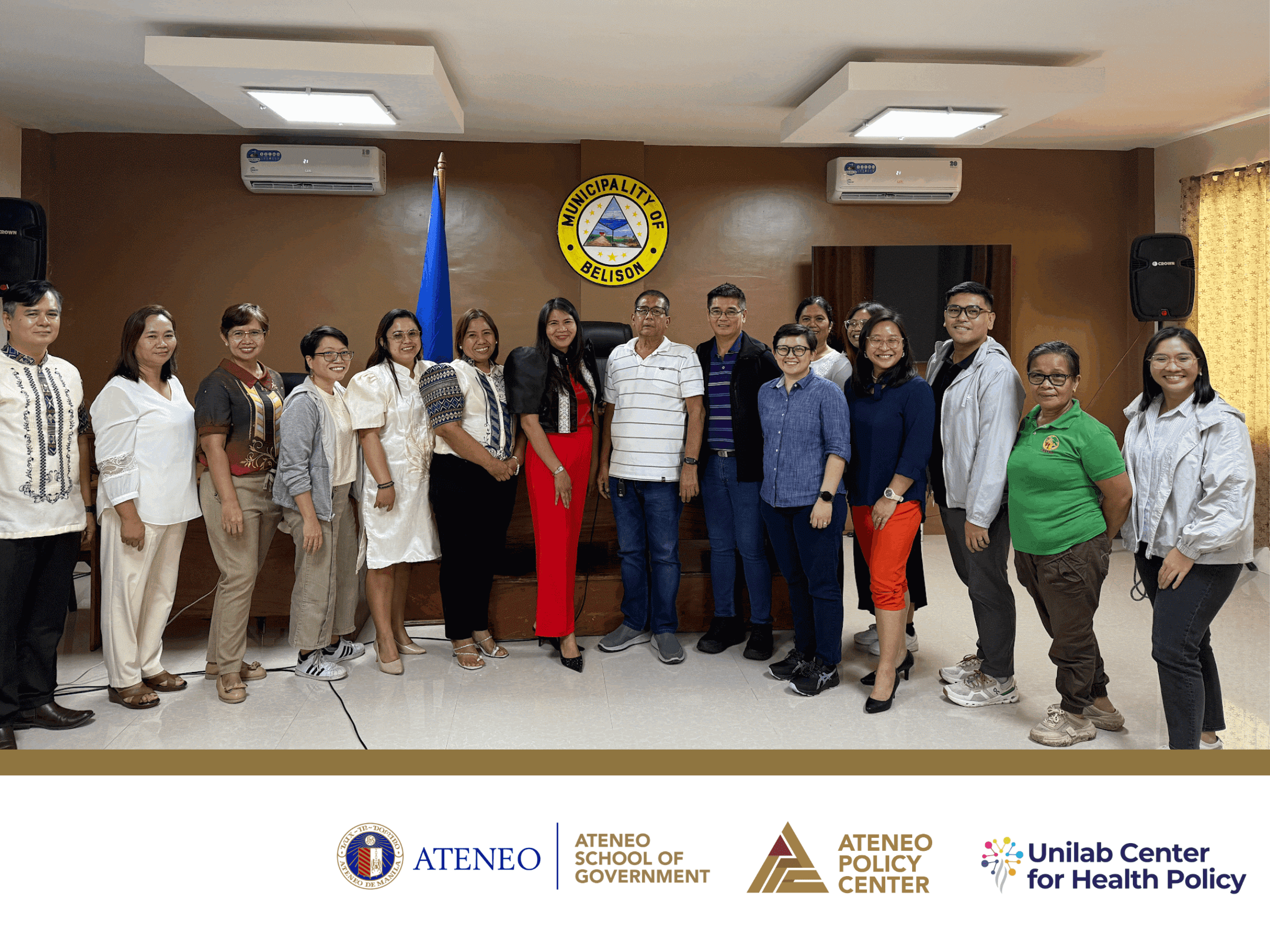
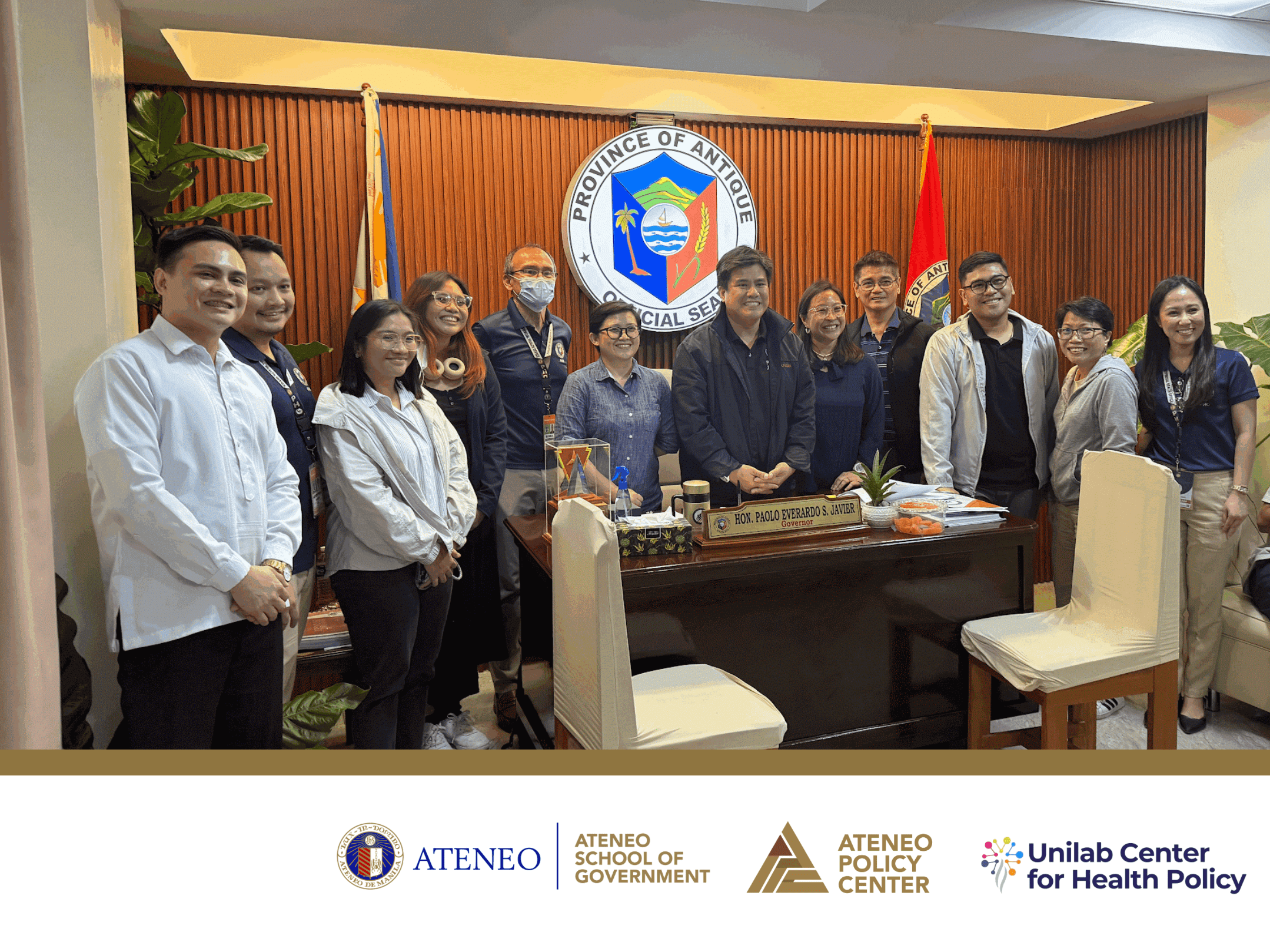
Day 1 (21 July 2025): Courtesy Calls in Belison and Antique
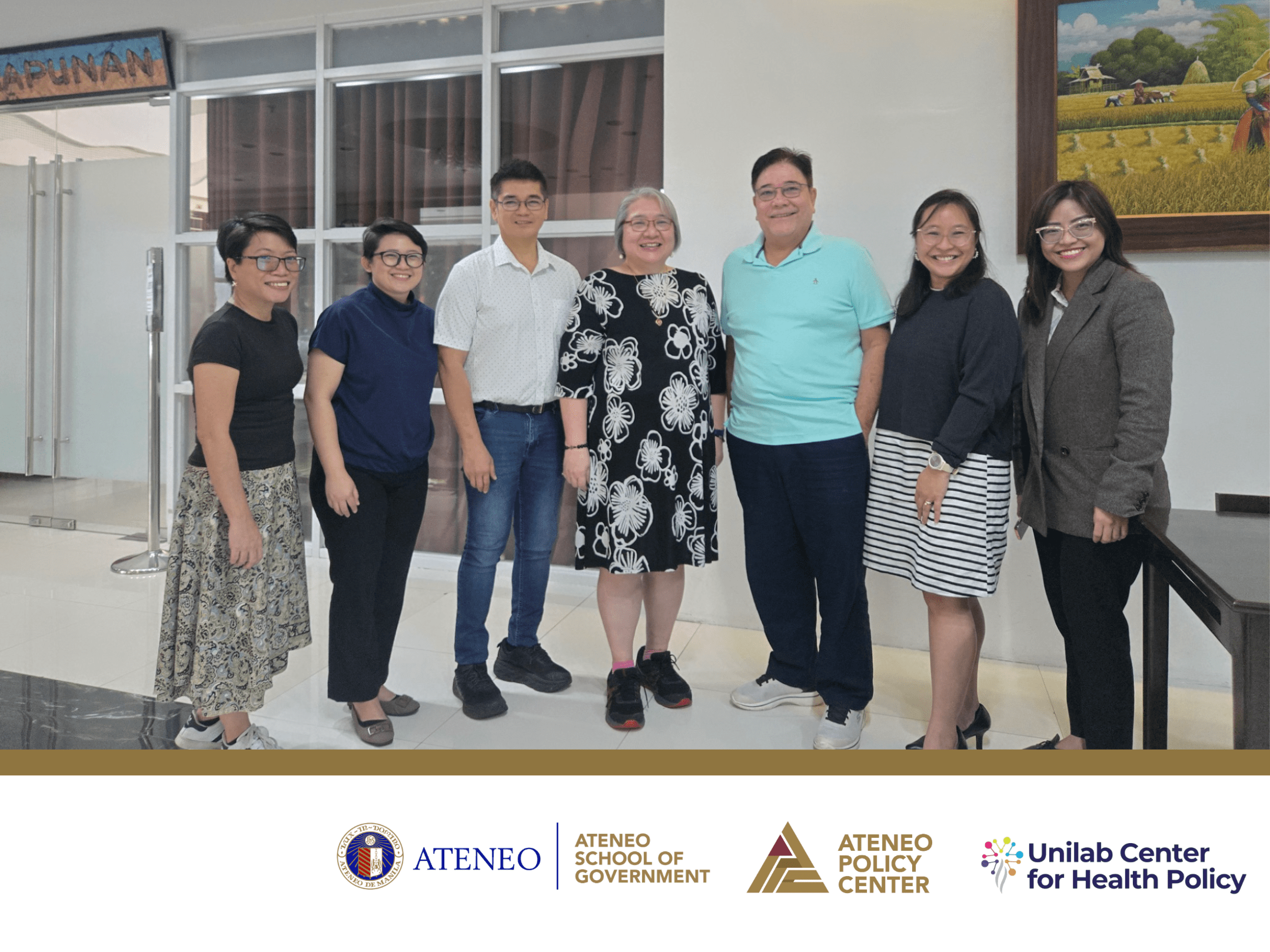
The week kicked off with courtesy calls to Mayor Cristopher H Piccio and Vice Mayor Reynaldo “Acay” Jacaba of Belison, and Governor Paolo Everardo Javier of Antique Province. These engagements introduced the objectives of the project and secured support from LGU leadership. Both officials affirmed their commitment to improving fiscal performance and local health outcomes.
Days 2–3 (22–23 July 2025): Design Thinking Workshop – Belison LGU
The two-day workshop with the Municipality of Belison started on July 22 with an orientation session facilitated by the Ateneo Policy Center team. Participants reviewed key concepts on local governance for health, the Universal Health Care (UHC) Law, and public financial management to set the context for deeper engagement.
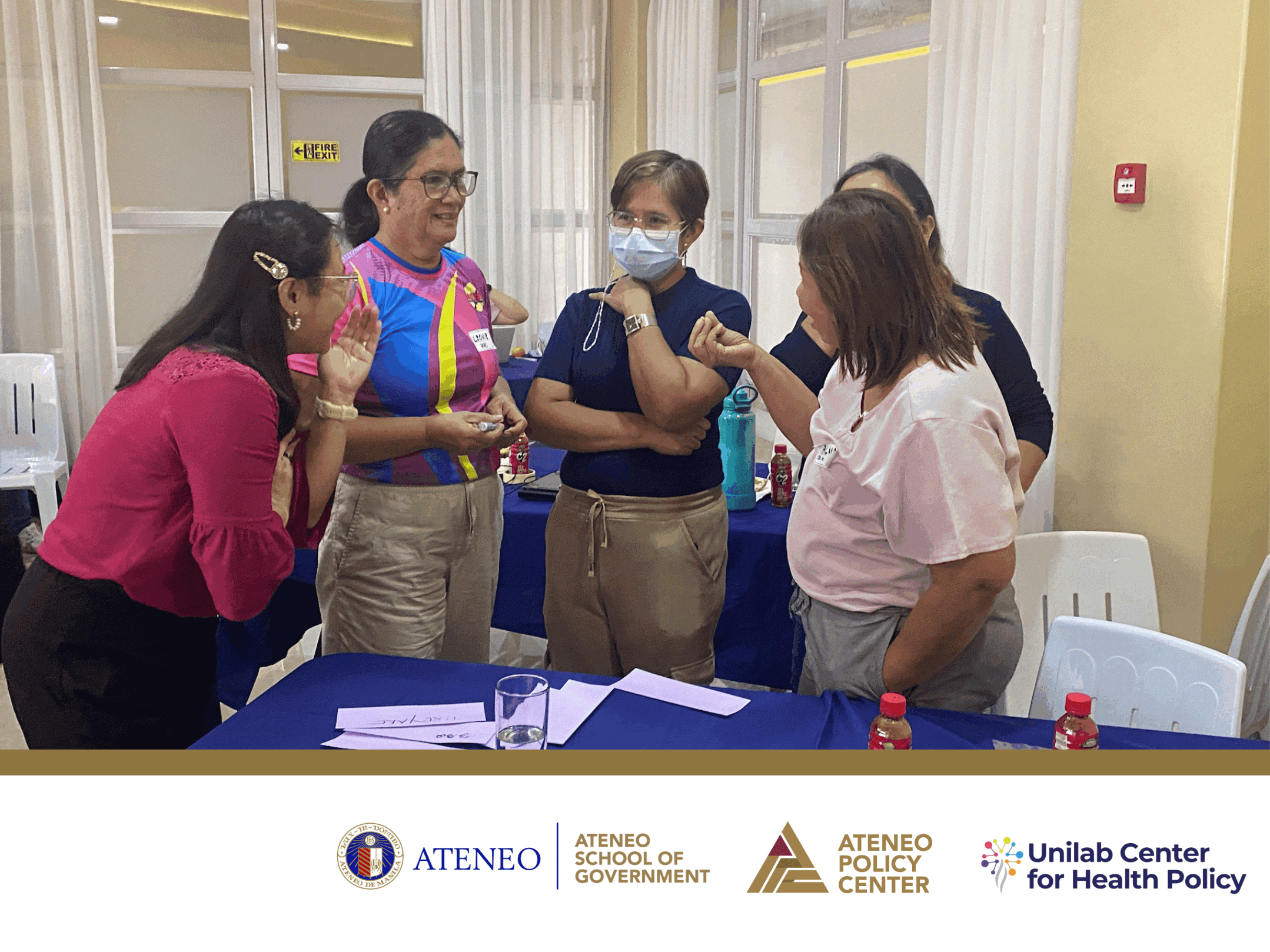
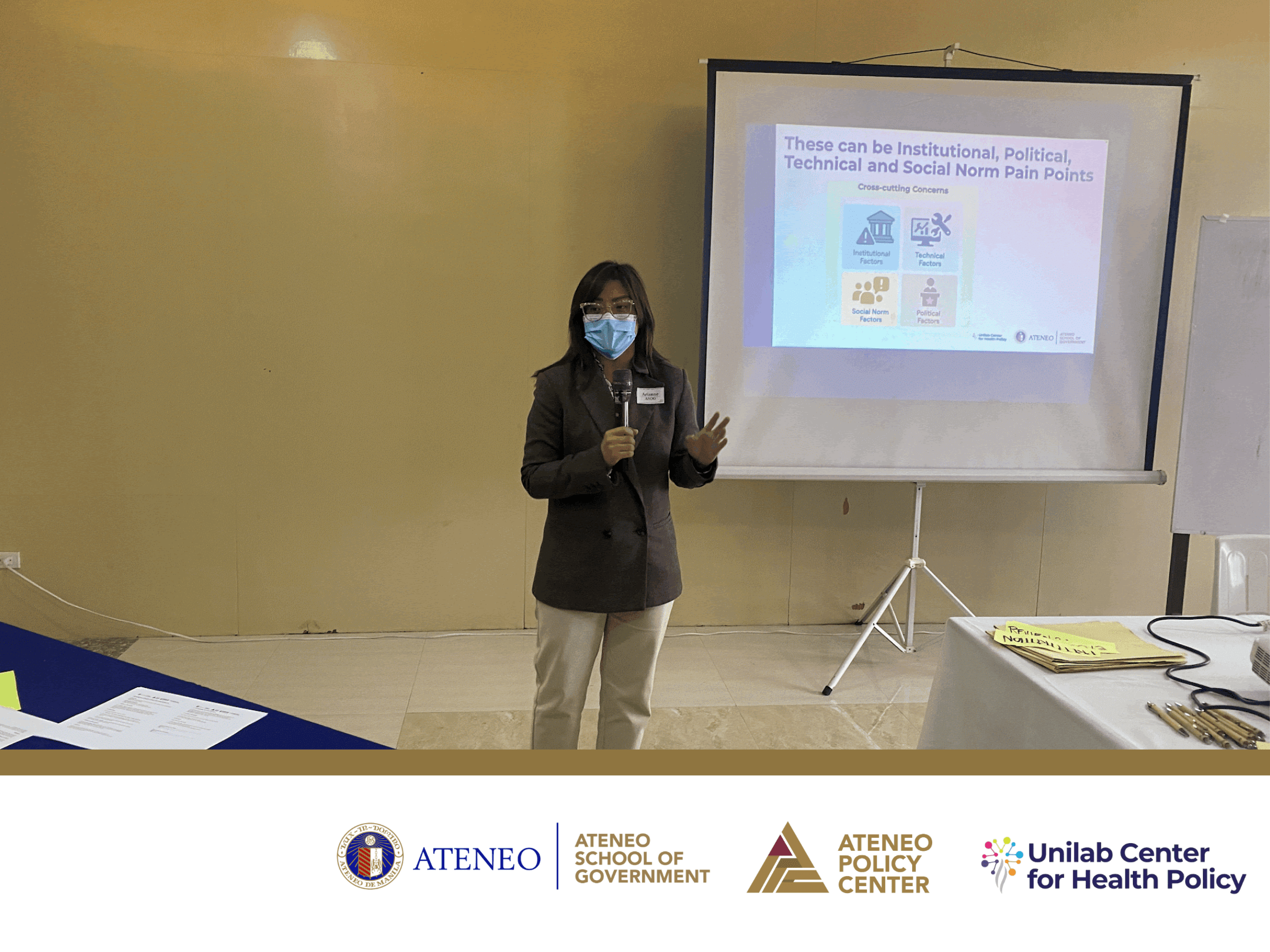
The workshop then moved into the Design Thinking process. During the Empathize phase, participants were grouped by office and asked to identify specific pain points across the four stages of the LGU budget cycle: Preparation, Authorization, Execution, and Review/Accountability. Through journey mapping, they visualized these challenges and surfaced recurring issues such as unsynchronized planning, deprioritization of health, and limited absorptive capacity of staff.
Next, participants identified key formal and informal stakeholders involved in the health budgeting process and plotted them on a power-interest matrix, helping the group reflect on how influence is distributed across actors and how informal networks can affect decision-making.
On 23 July, the workshop transitioned into the Define and Ideate phases. Participants revisited the pain points identified on Day 1 and synthesized them into focused problem statements. These were framed as “How Might We” questions to anchor solution generation.
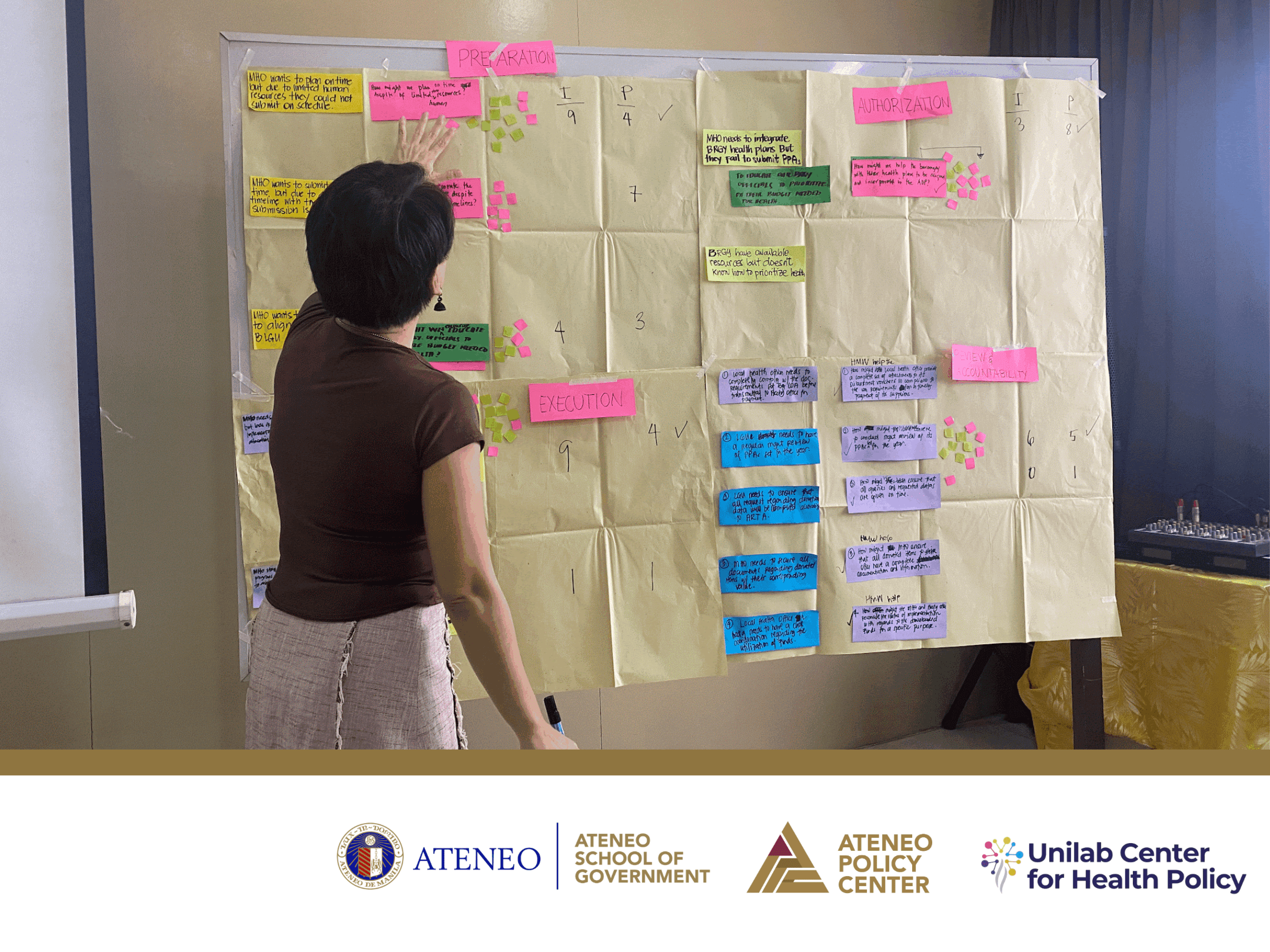
Using brainwriting and rapid brainstorming, participants proposed creative, practical solutions to their top challenges. These ranged from activating the planning team, capacitating barangay officials for health planning, and strengthening interdepartmental coordination. Groups shared their ideas in a plenary session, creating an open space for cross-sector dialogue and mutual learning.
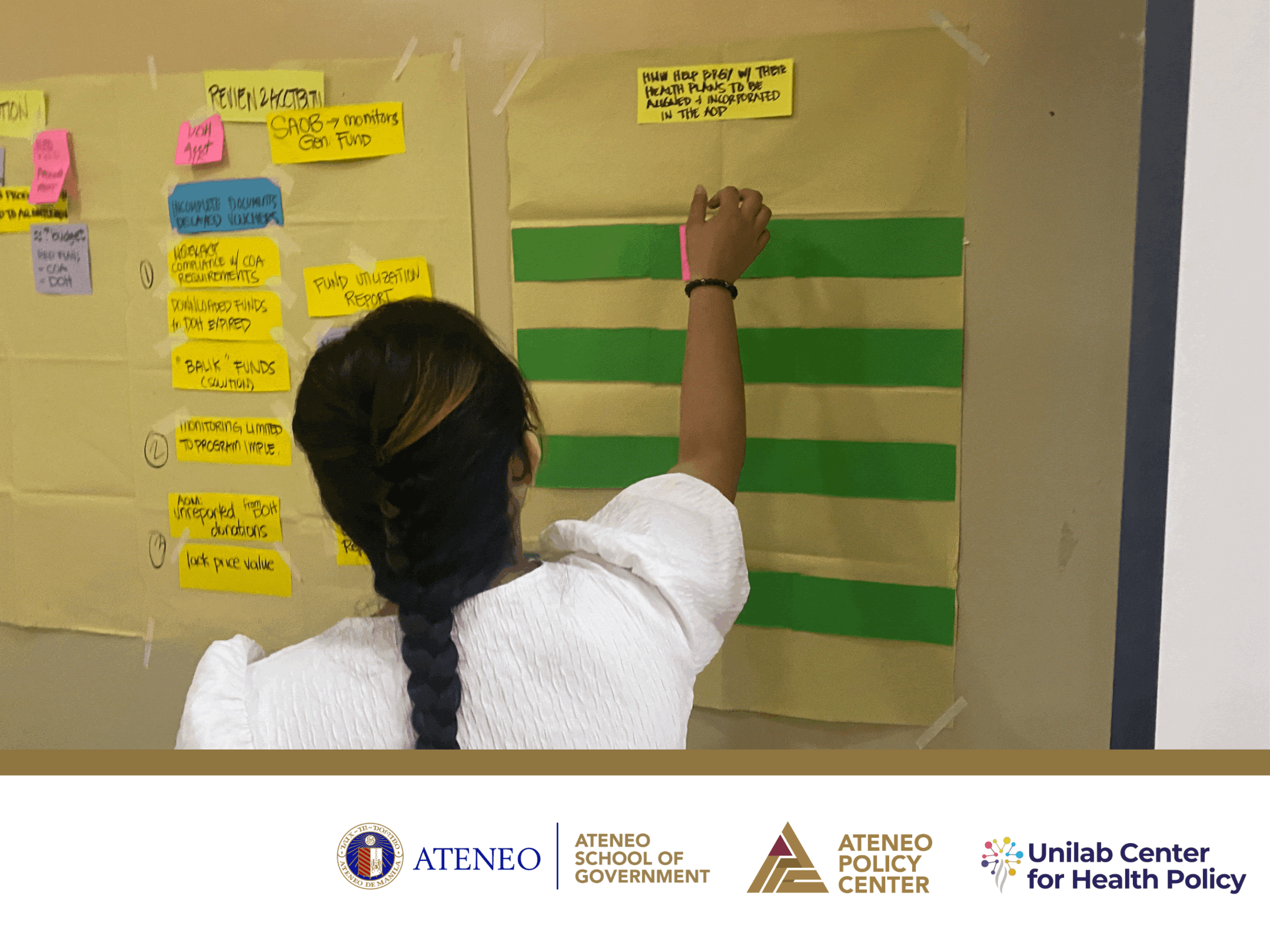
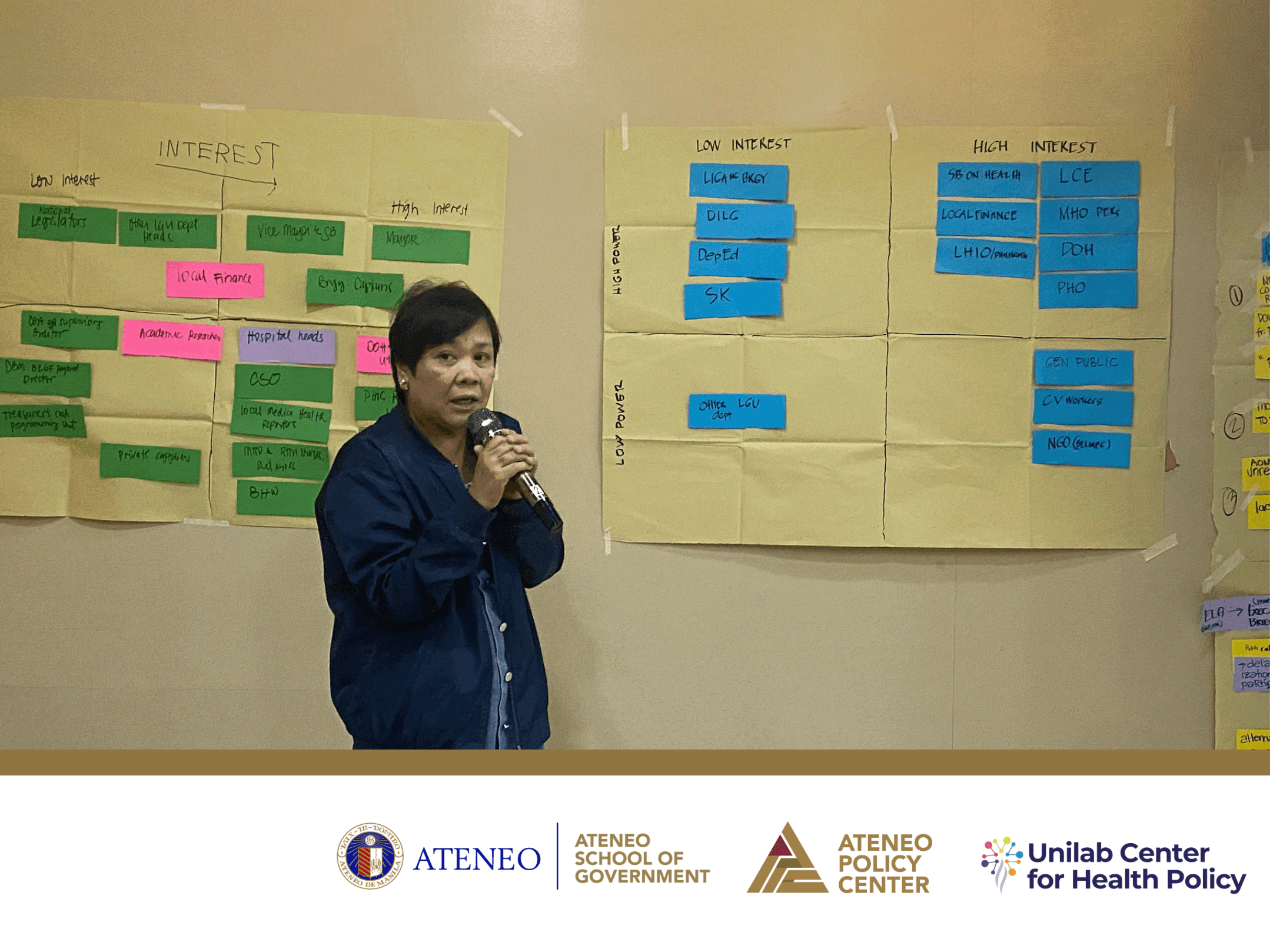
Days 4–5 (24–25 July 2025): Design Thinking Workshop – Antique Provincial Government
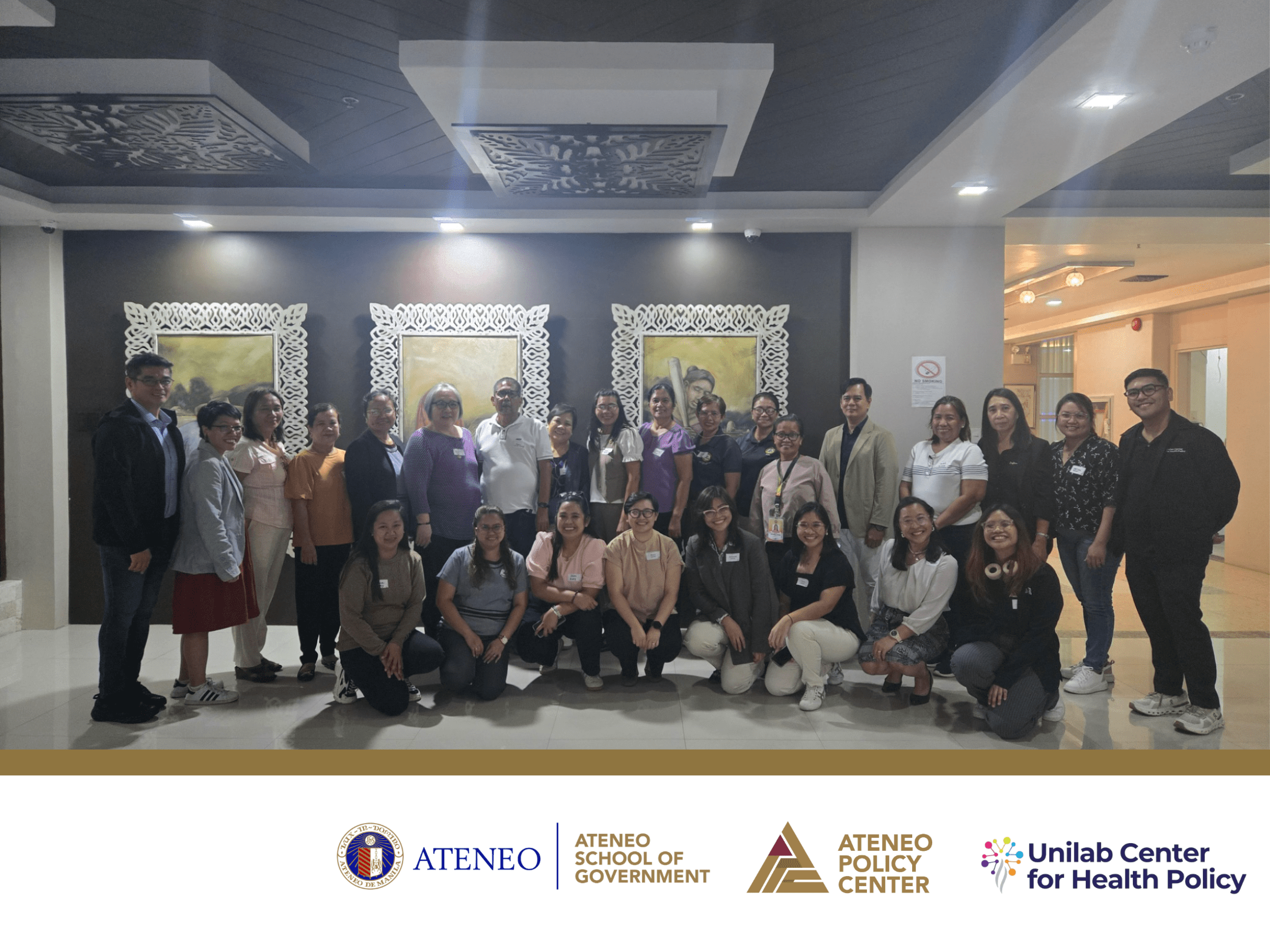
The final two days were dedicated to a separate but parallel workshop with the Provincial Government of Antique. Officials from the Provincial Health Office, Planning and Development, Budget and Treasury, DOH, PhilHealth, and other key units, as well as hospital administrators in Antique, attended the sessions held at Eagle’s Hotel in San Jose.
Following a similar structure, Day 1 focused on identifying pain points and stakeholder dynamics across the provincial budgeting process. Participants highlighted challenges such as a lack of funds, political pressures, and untimely project monitoring.
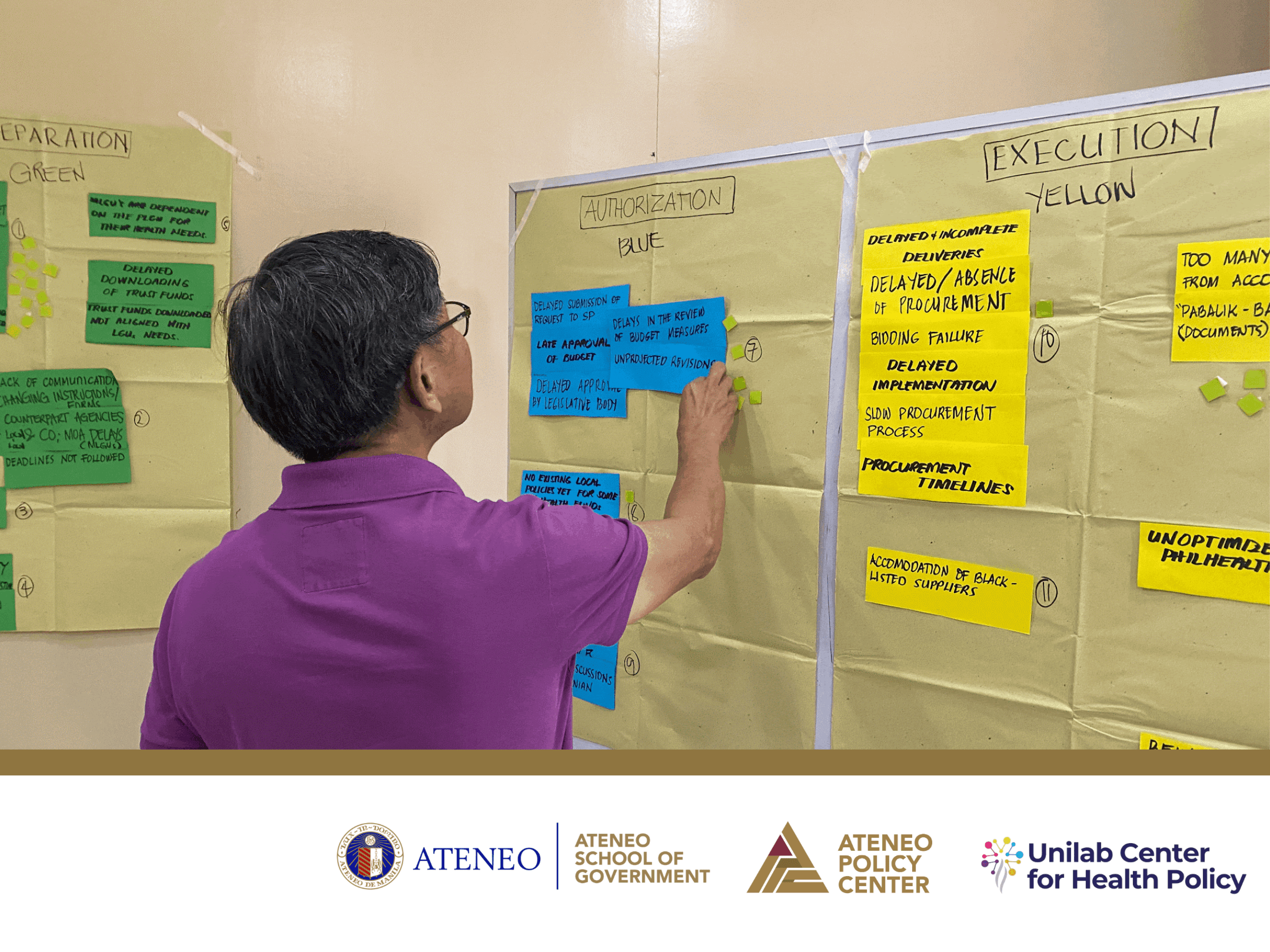
On 25 July, participants defined actionable PFM challenges and generated solution ideas to strengthen provincial-level health budgeting. Discussions emphasized the need for establishing a budget utilization dashboard, building institutional capacity for PFM, and exploring untapped revenue sources.
Toward More Effective, More Equitable Health Spending
The workshops concluded with participants expressing appreciation for the collaborative process and actionable insights generated. Key outputs included journey maps showing pain points across the LGU budget cycle, power-interest matrices identifying key actors and influencers, problem statements and “How Might We?” questions, and a collection of solution ideas for improving fiscal performance.
These outputs will feed into Ateneo Policy Center’s ongoing research and policy development efforts aimed at strengthening LGU capacity in health financing. The project will produce technical guidance and practical tools to support evidence-based budgeting and better health service delivery in the context of Universal Health Care.
Recent News
You may also like these articles

[Hot Off the Press] Arkipelago
New book from the Ateneo Press Arkipelago provides a fascinating and fantastical twist on Philippine politics and history Our country is an archipelago of stories
Protecting Creativity: AIPO and Rizal Library Host Copyright Awareness Session for the Ateneo Community
On March 18, 2026, the Ateneo Intellectual Property Office (AIPO), in collaboration with the Rizal Library, successfully conducted a Copyright Awareness Session held on the

Holy Week 2026 Holidays (Memo # UHR2526-038)
Memo # UHR2526-038 31 March 2026 TO: All Employees FROM: [Sgd] Maria Victoria T Cortez, PhD Vice President for University Human Resources SUBJECT: Holy Week
ASOG’s Tobacco Control initiatives spotlighted in DOH National Technical Working Group for Tobacco Prevention and Control
On March 10 to 12, 2026, the Ateneo School of Government (ASOG), through its research and public policy unit, the Ateneo Policy Center, participated in
Things You Wanted to Say But Never Did: Geloy Concepcion’s six-year project makes Its exhibition debut at the Ateneo Art Gallery
Geloy Concepcion’s Things You Wanted To Say But Never Did comes to the Ateneo Art Gallery this 18 April 2026. After receiving almost 300,000 messages

[Hot Off the Press] Love If I'm Pretty
New YA Release from the Ateneo Press Love If I’m Pretty tackles the nuances of growing up through complex characters and straightforward prose What do