ASOG presents cessation infrastructure plan at DOH’s BTI Training-of-Trainers Workshop in Pampanga
07 Aug 2025


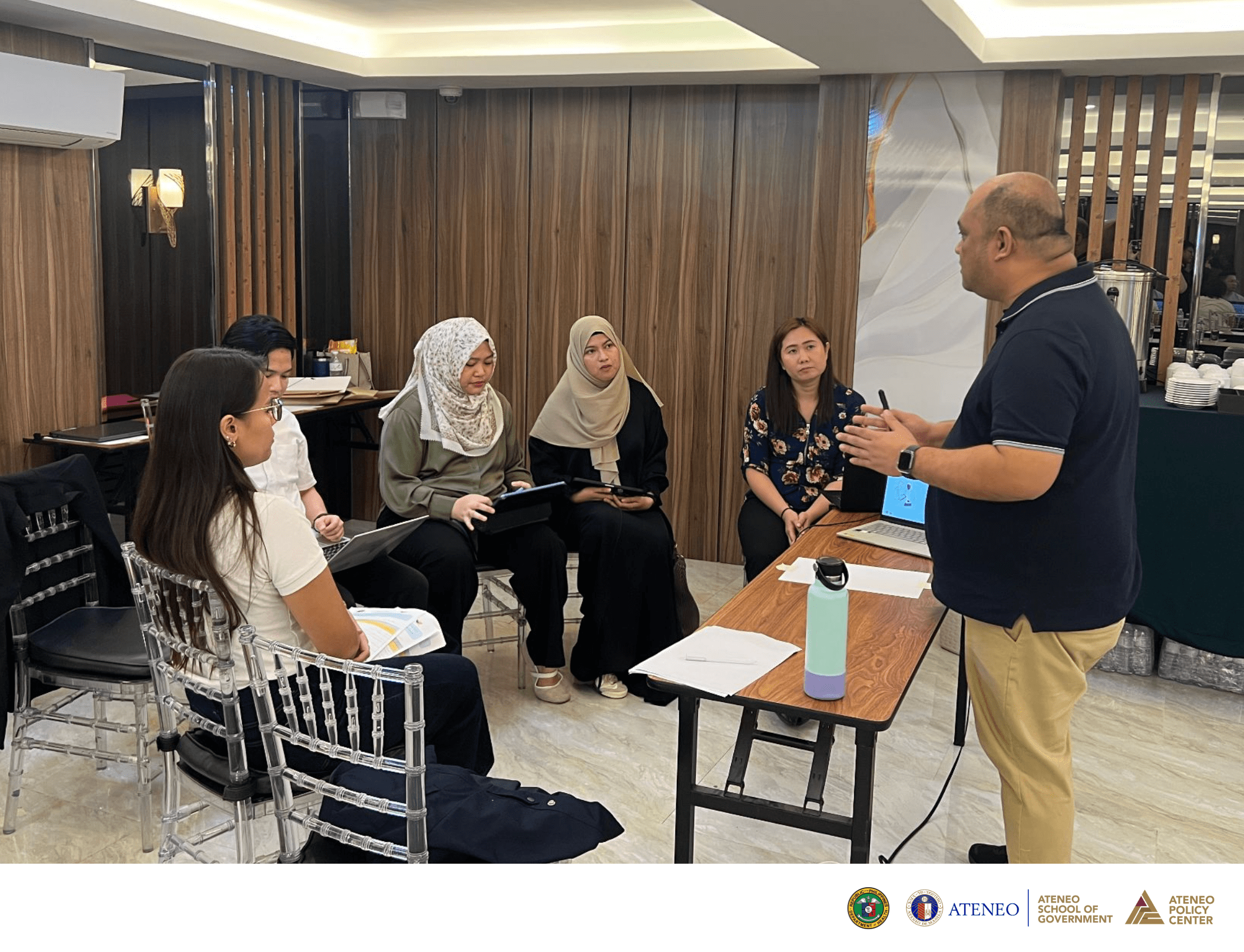
The Ateneo School of Government (ASOG), through the Ateneo Policy Center (APC), served as a resource institution at the Brief Tobacco Intervention (BTI) Training-of-Trainers (ToT) Certification Workshop held from 28 July to 1 August 2025, in Angeles City, Pampanga.
Organized by the Department of Health – Disease Prevention and Control Bureau (DOH-DPCB), the workshop aimed to equip BTI providers from Centers for Health Development (CHDs) with the skills necessary to train and certify BTI providers within their respective regions. ASOG was invited to present the progress of the cessation infrastructure plan it is leading, which complements the national effort to expand access to standardized tobacco cessation services.
This workshop is the first to implement the newly developed BTI ToT curriculum—a joint initiative of the DOH and the Department of Education’s Bureau of Learner Support Services – School Health Division (BLSS-SHD)—in support of Administrative Order No. 2021-0031, “Guidelines on the Implementation of Unified and Standardized Tobacco Cessation Services at All Levels of Care.”
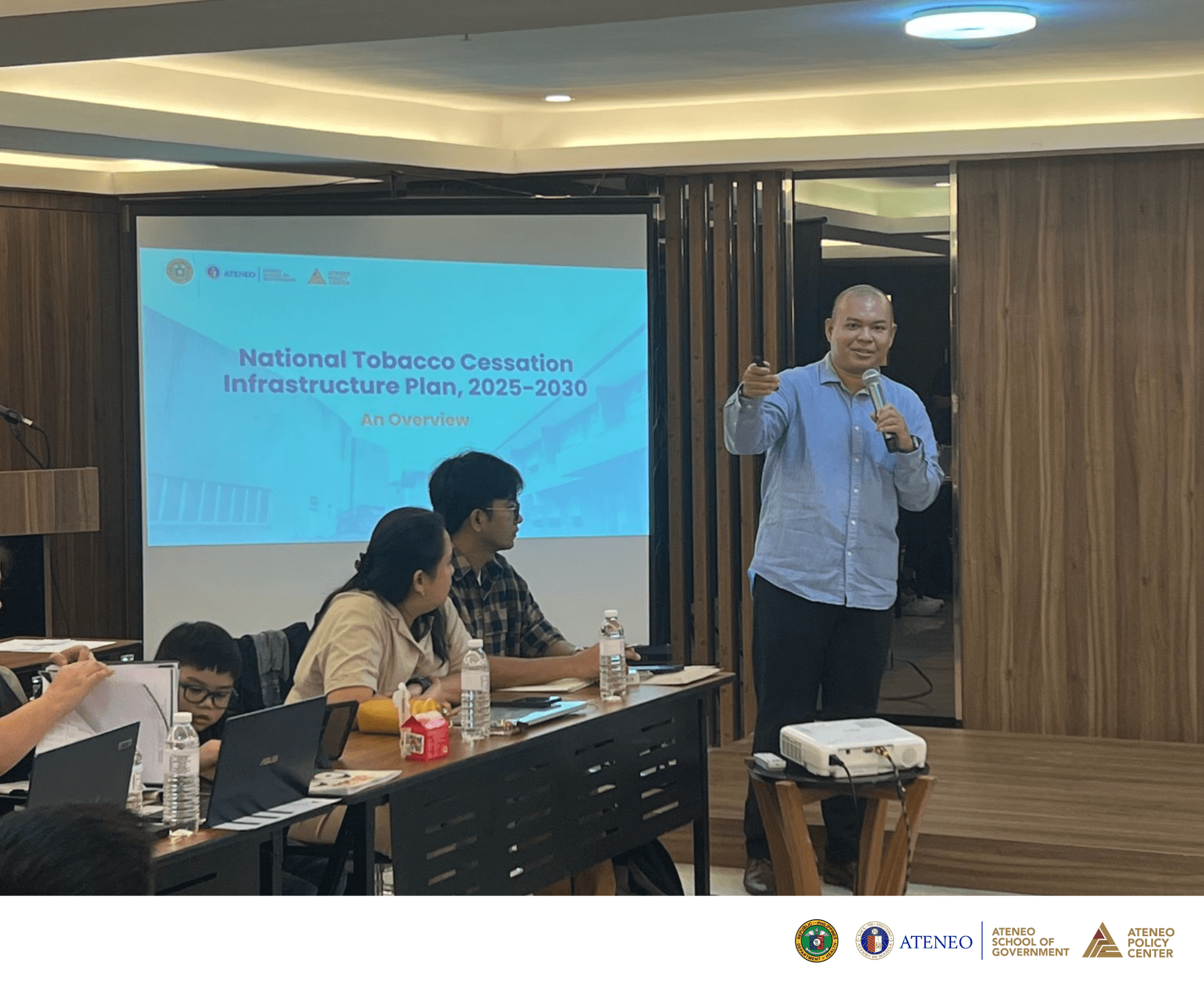
Keynote Messages & Resource Presentations
Dr. Ma. Elizabeth I. Caluag, former Director of DOH-DPCB and current highly technical consultant, opened the program with a keynote message emphasizing the urgent call to strengthen cessation services through capacity development initiatives for comprehensive BTI provisions across the country.
Dr. Caluag’s keynote message opened a series of presentations and discussions from key resource persons spanning topics across the national tobacco control strategy and current public health trends on tobacco products. Dr. Kristian Domingo, Tobacco Control Coordinator of the DOH—Health Promotion Bureau, delivered an overview of the National Tobacco Prevention and Control Strategy (NTPCS) of 2030, a comprehensive framework and roadmap guiding the Philippines’ tobacco control efforts through the DOH. Dr. Domingo’s presentation was followed by an extensive update on vapes, e-cigarette and vape-associated lung injury (EVALI), chronic obstructive pulmonary disease, and other non-communicable lung diseases led by Dr. Lenora Fernandez, head of the Stop Smoking Program at the University of the Philippines–Philippine General Hospital (UP-PGH).
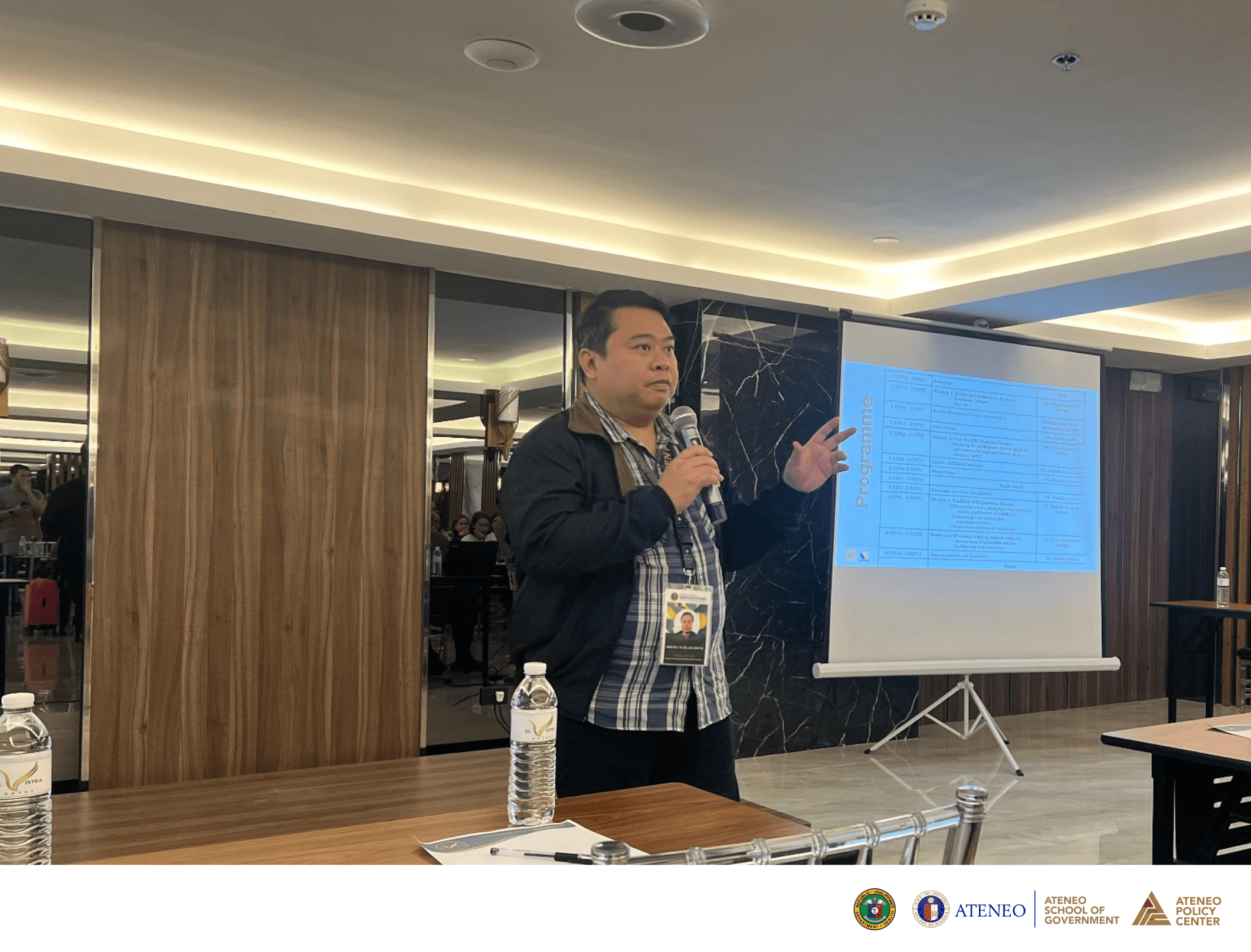
Mr. Rodley Carza, Program Review and Assessment Consultant of ASOG, reported on the direction and recent development updates of the National Tobacco Cessation Infrastructure Plan 2030. The development of this infrastructure plan is a key objective of ASOG’s national smoking cessation project, which seeks to strengthen the capacity of the national health system to deliver tobacco cessation services, in line with the NTPCS 2030. Along with an overview of the infrastructure plan, Mr. Carza introduced the Self-Administered Tool for Evaluating Program Success in Tobacco Cessation (STEPS-TC), a comprehensive tool that will serve as the source of evidence on current cessation programs in the Philippines to supplement the infrastructure plan.
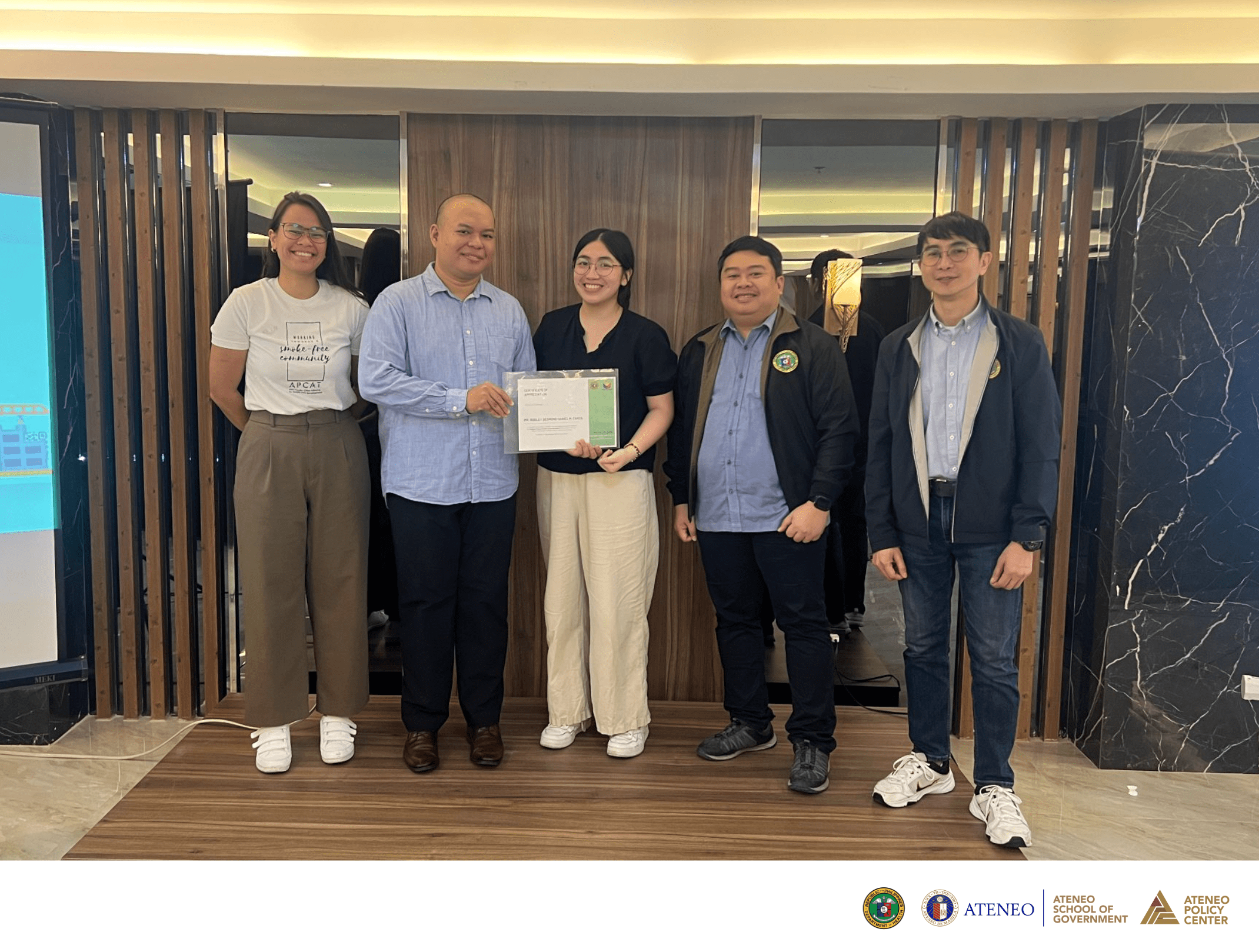
Part I: Brief Tobacco Intervention Modules Review
The workshop program centered on three key goals: review of the six training modules of BTI training, demonstration of the BTI training modules, and simulation on evaluating BTI provider trainees.
The first goal of the workshop focused on providing a review of the six training modules on BTI as part of the package curriculum developed by the DOH. Prior to the workshop, participants completed the BTI training course offered on the DOH Academy E-Learning Platform as a prerequisite resource for the program.
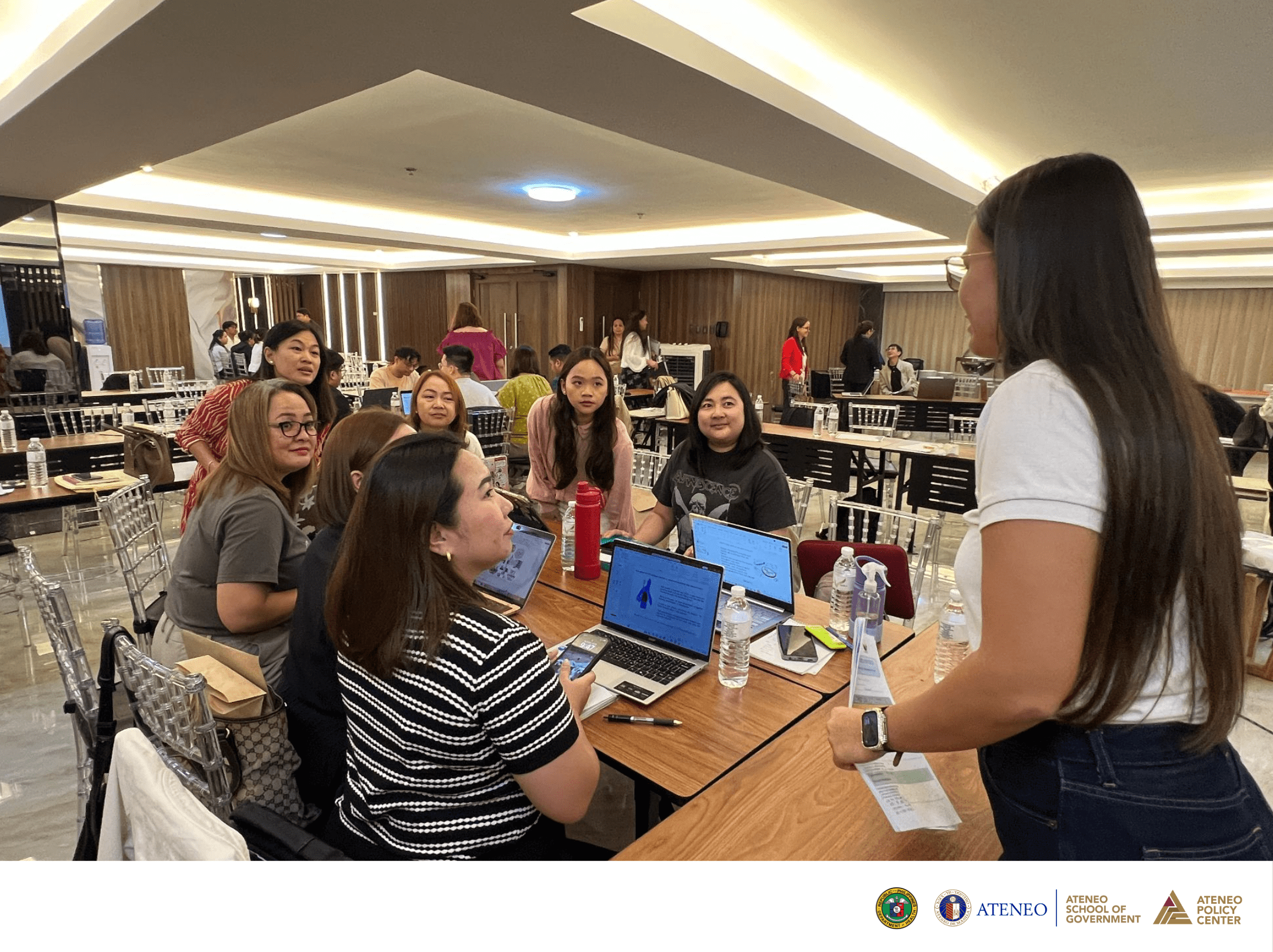
Part II: Participant Demonstration of the BTI Training Modules
Participants of the workshop were asked to demonstrate administering BTI training modules within breakout groups clustered according to region. Each group was assigned a case study and tasked to tailor the BTI training based on their assigned target audience. Using a standardized assessment checklist, each group was evaluated based on competency and their facilitation and delivery of the training module. ASOG provided technical input in evaluating the performance of each participant.
Part III. Simulation on Evaluating BTI Provider Trainees
To culminate the workshop, participants were tasked to assess pre-recorded video demonstrations of simulated BTI provider trainees offering BTI to clients. The participants evaluated trainees in the pre-recorded video demonstrations based on their application of key components included in the BTI training modules. This activity offered participants a chance to sample their skills in comprehensively assessing BTI provider trainees with the aim of preparing them for the conduct of similar evaluations in their respective regions.
Recent News
You may also like these articles

[Hot Off the Press] Arkipelago
New book from the Ateneo Press Arkipelago provides a fascinating and fantastical twist on Philippine politics and history Our country is an archipelago of stories
Protecting Creativity: AIPO and Rizal Library Host Copyright Awareness Session for the Ateneo Community
On March 18, 2026, the Ateneo Intellectual Property Office (AIPO), in collaboration with the Rizal Library, successfully conducted a Copyright Awareness Session held on the

Holy Week 2026 Holidays (Memo # UHR2526-038)
Memo # UHR2526-038 31 March 2026 TO: All Employees FROM: [Sgd] Maria Victoria T Cortez, PhD Vice President for University Human Resources SUBJECT: Holy Week
ASOG’s Tobacco Control initiatives spotlighted in DOH National Technical Working Group for Tobacco Prevention and Control
On March 10 to 12, 2026, the Ateneo School of Government (ASOG), through its research and public policy unit, the Ateneo Policy Center, participated in
Things You Wanted to Say But Never Did: Geloy Concepcion’s six-year project makes Its exhibition debut at the Ateneo Art Gallery
Geloy Concepcion’s Things You Wanted To Say But Never Did comes to the Ateneo Art Gallery this 18 April 2026. After receiving almost 300,000 messages

[Hot Off the Press] Love If I'm Pretty
New YA Release from the Ateneo Press Love If I’m Pretty tackles the nuances of growing up through complex characters and straightforward prose What do