LCSP and Kritika Kultura host lecture by Christine Dianne Guiyangco on translating the Taglish of "Kenkoy"
08 Sep 2025

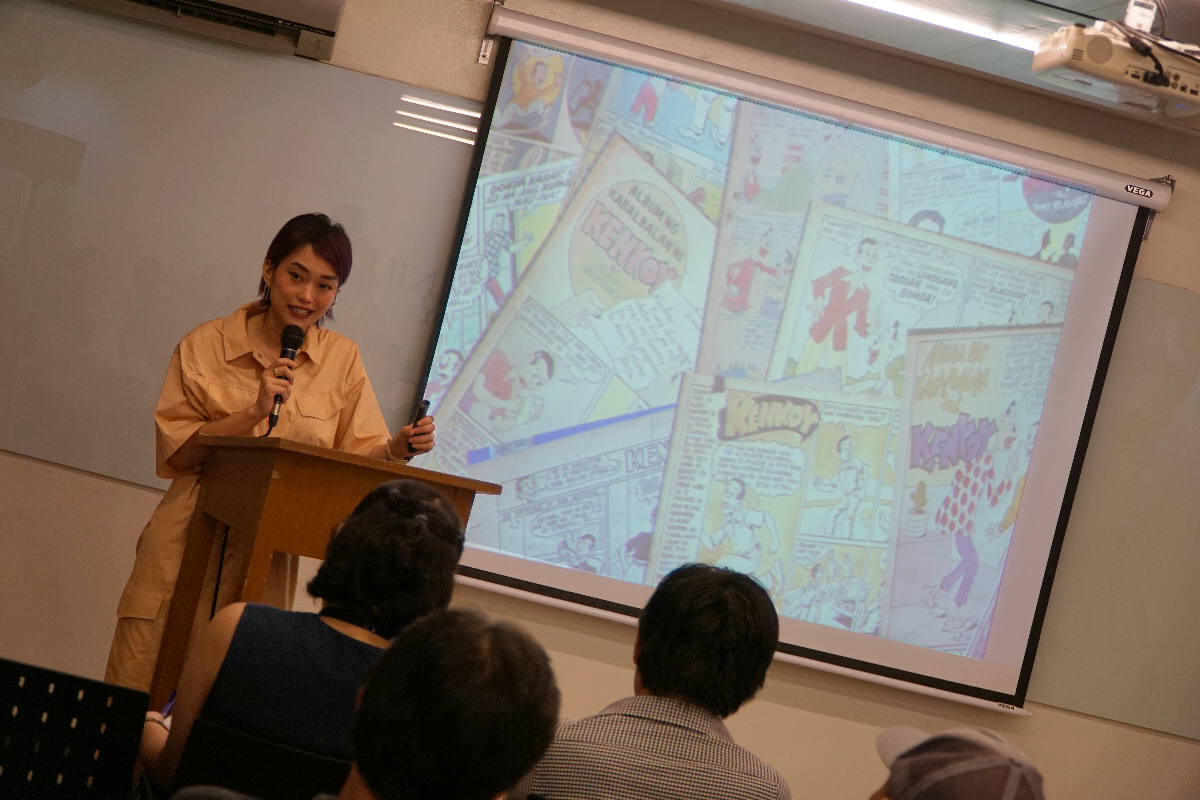
On Thursday, 4 Sept 2025, the Literary and Cultural Studies Program and Kritika Kultura, in association with Plume and the Ateneo Institute of Literary Arts and Practices, hosted a lecture by Christine Dianne Guiyangco. Titled cite, sight, site, the lecture explored the Taglish of Kenkoy, the seminal Filipino komiks created by writer Romualdo Ramos and cartoonist and illustrator Tony Velasquez in 1929.
Christine Dianne Guiyangco is an artist and scholar whose work spans sculpture, installation, performance, comics, video, and writing. Her practice converges art and theory, turning words into characters and characters into words to trace how colonial violence reverberates through diasporic life in asynchronous echoes. She uses puns, punctuations, and punchlines as strategies that resist capitalism’s mechanized temporality. She is a PhD candidate in Comparative Literature at the University of California, Irvine (UC Irvine), with emphases in Asian American Studies and Translation Theory, and holds an MFA in Studio Art with a Critical Theory emphasis from UC Irvine, and a BA in Art from the University of California, Los Angeles.
The title of her lecture is derived from how she cites Kenkoy, a widely circulated popular comic strip during the US colonial period in the Philippines. In the strip, Ramos and Velasquez sat Tagalog and English side by side in a caricature where language laughs at itself, revealing how speech is shaped, stretched, and returned against power.
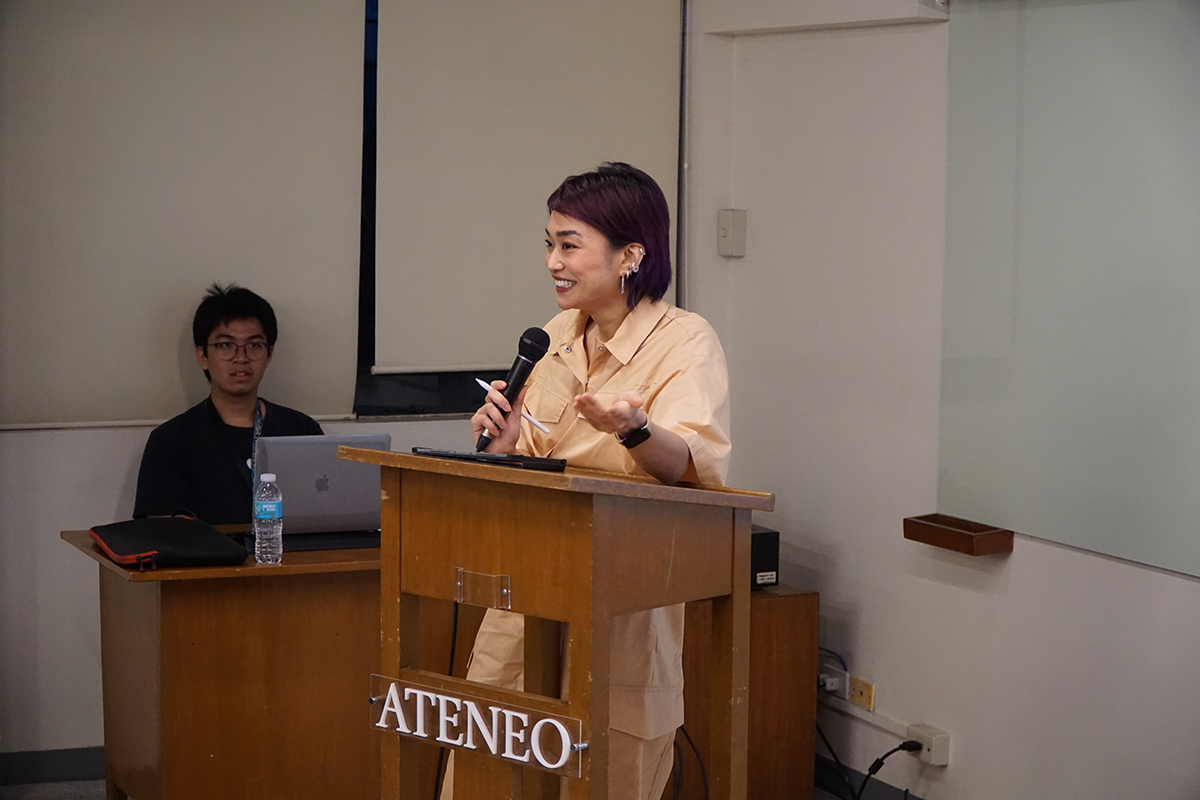
Ms Guiyangco identifies this as "homeland Taglish" and places it beside its overseas descendant formed through migration and service economies – modern business process outsourcing (BPO) industries, such as call centers, where Filipinos in the Philippines use English while providing services to foreign clients.
From this, she explained how she sights the page by reading punctuation as drawing and line as speech. She followed how timing, spacing, and sequence carry what laughter remembers and what it leaves behind as punchlines move across places and through uneven histories of the Filipino diaspora, both physical (migrant workers and immigrants) and virtual (call center and other BPO agents).
She then sites Taglish within today’s call centers, care work, and remittance networks, where accent training and scripted fluency convert bilingual voice into utility.
Throughout all this, Ms Guiyangco uses caricature and translation together to examine how Kenkoy's jokes travel, what they remember, and what they forget.
With all these in mind, and guided by Translation Theory, Ms Guiyangco then points out the need for an English translation of Kenkoy that shows its seam rather than seals it. This would be a translation that doesn't flatten the work, but instead is able to carry its "archive of laughter from empire into the present, even as Taglish draws a wage."
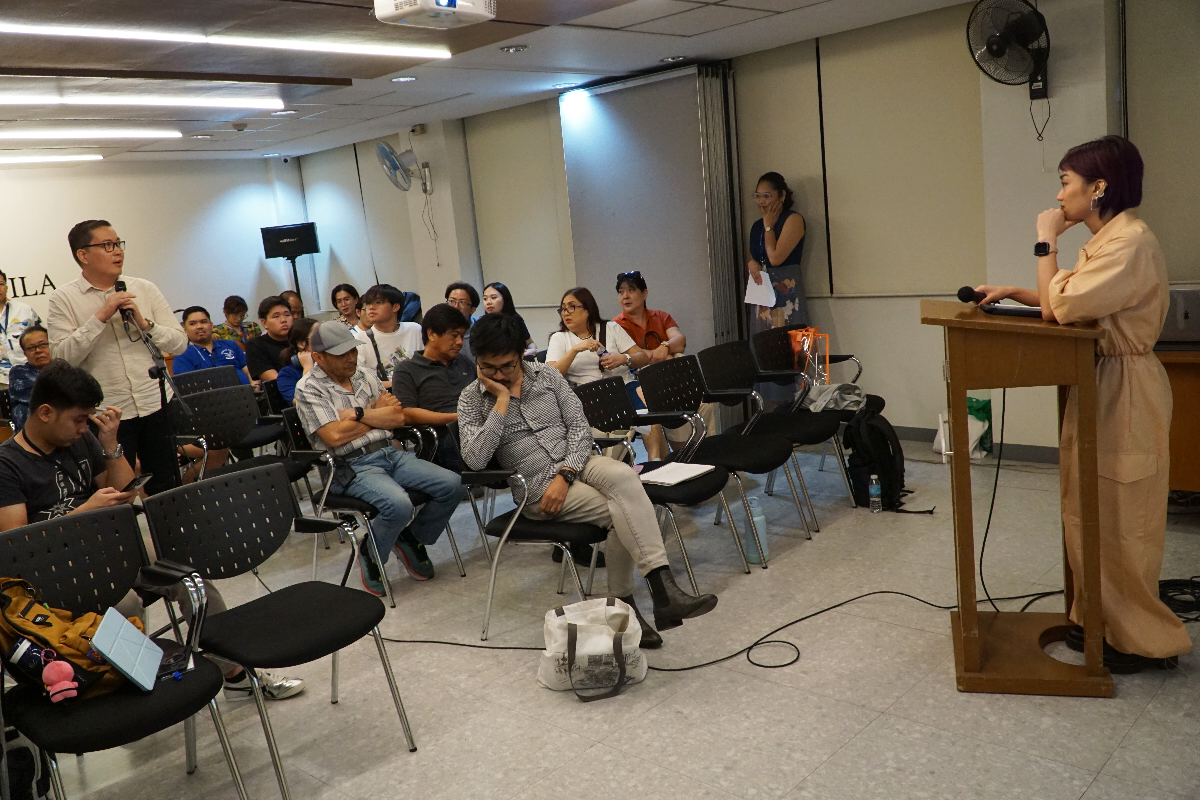
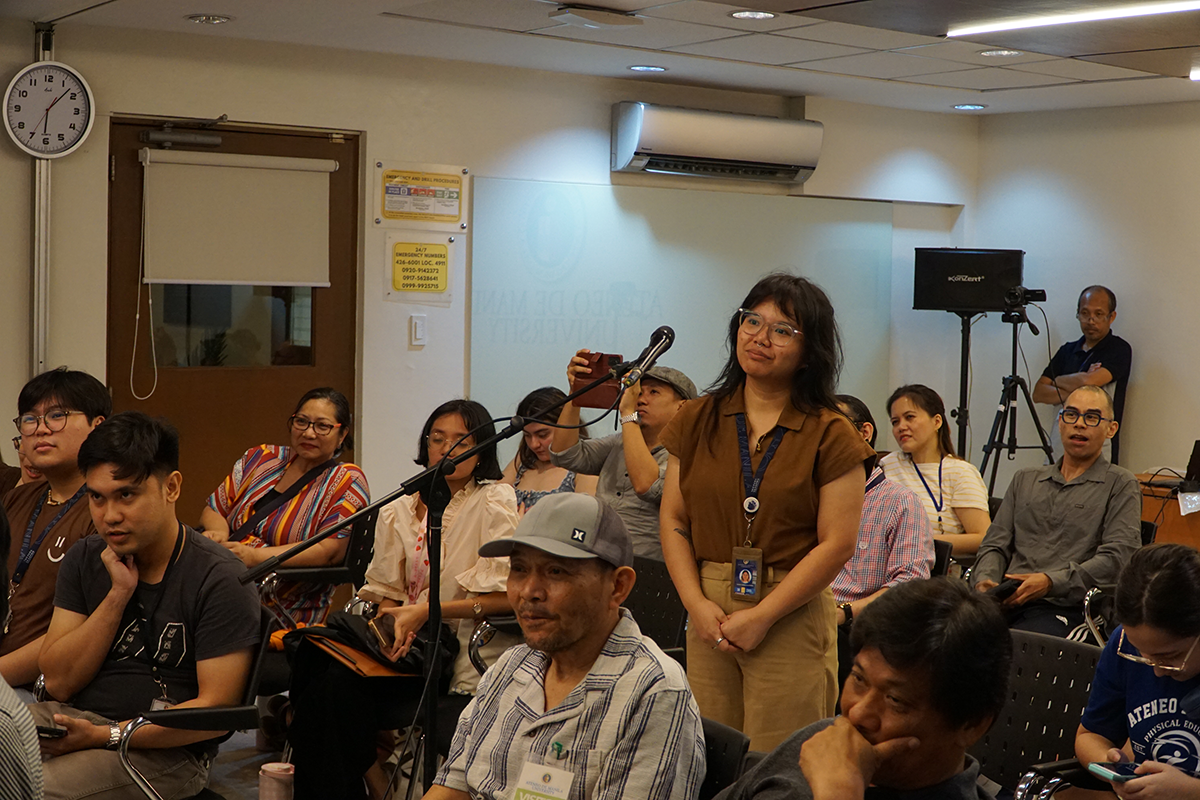
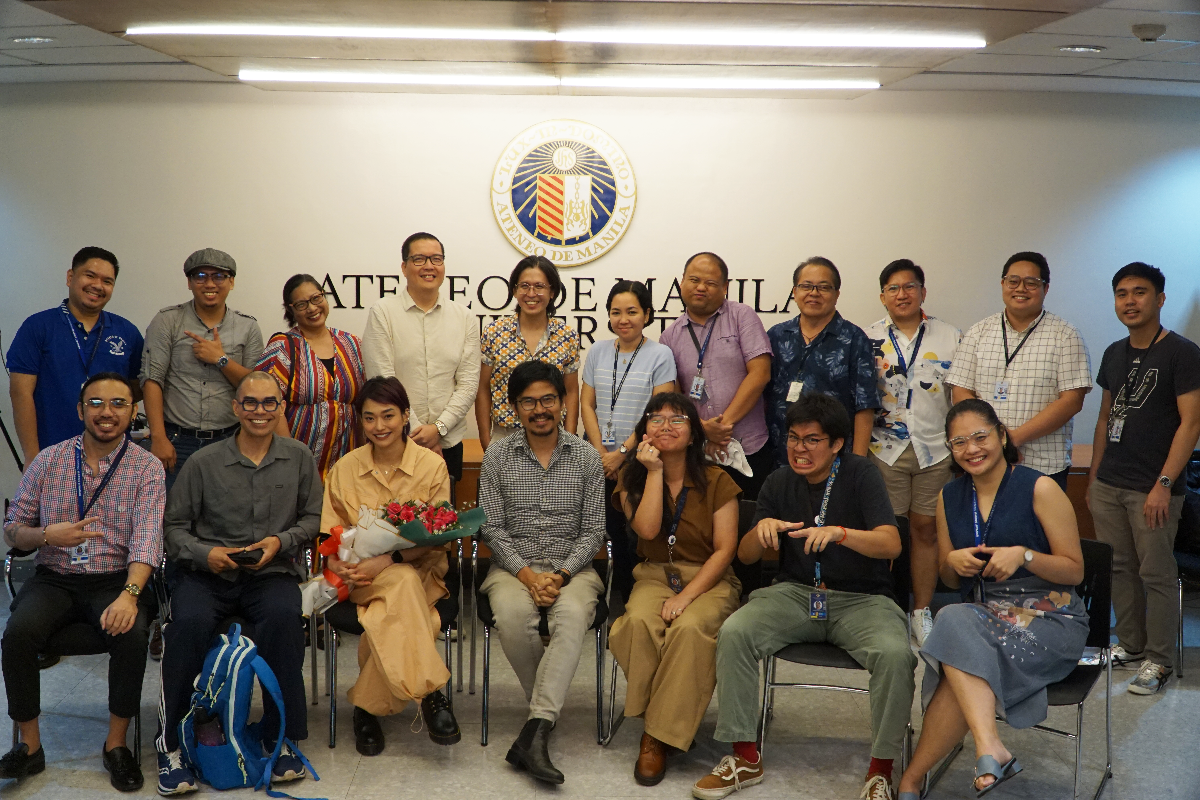
Following her lecture, Ms Guiyangco engaged in a lively open forum with the audience, which comprised both Ateneo students and faculty, as well as colleagues and compatriots from outside the University.
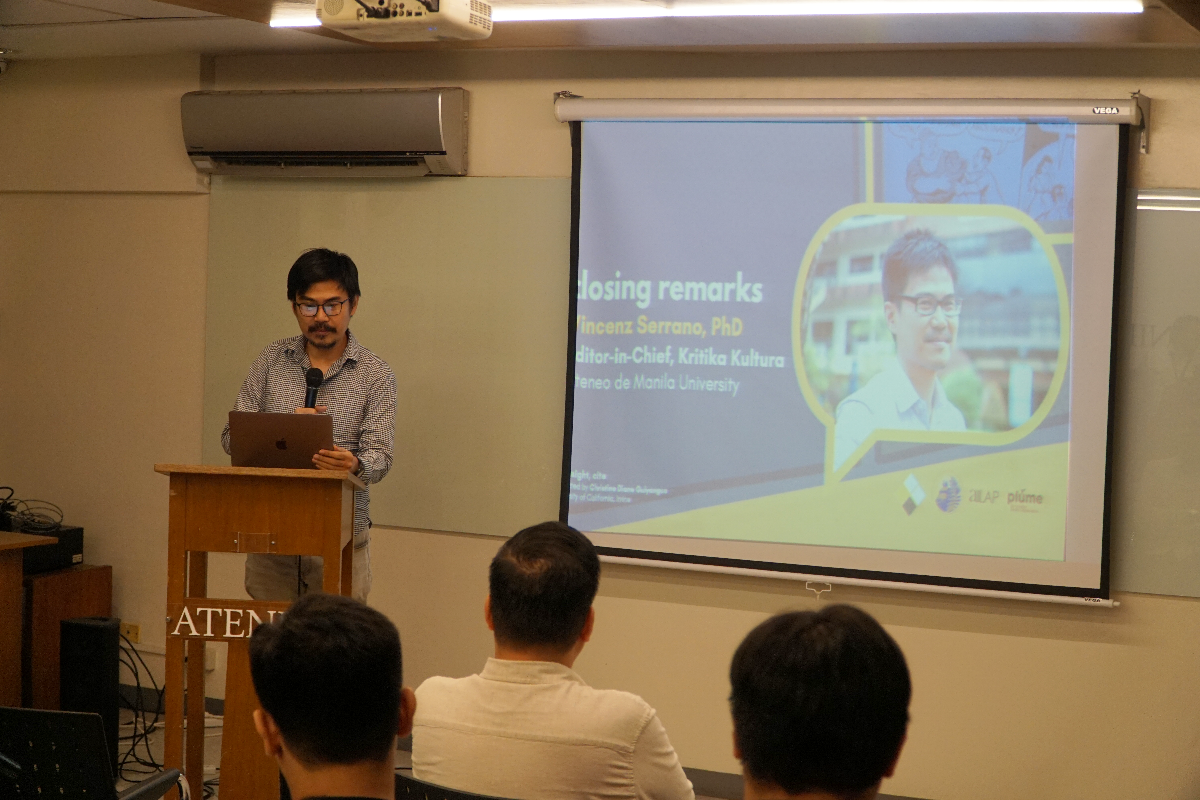
Finally, to close the event, Kritika Kultura Editor-in-Chief Dr Vincenz Serrano took to the podium to thank Ms Guiyangco for accepting the invitation to fly into the country from Los Angeles to conduct the lecture.
Recent News
You may also like these articles
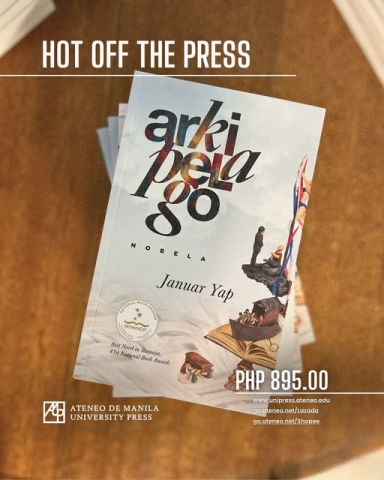
[Hot Off the Press] Arkipelago
New book from the Ateneo Press Arkipelago provides a fascinating and fantastical twist on Philippine politics and history Our country is an archipelago of stories
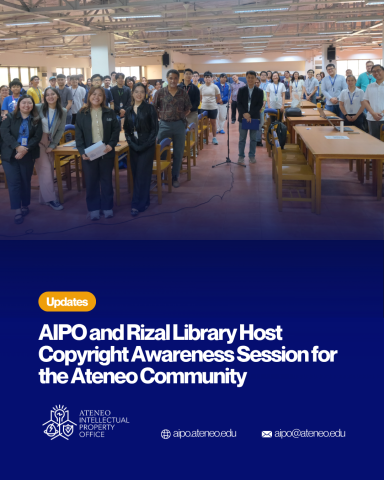
Protecting Creativity: AIPO and Rizal Library Host Copyright Awareness Session for the Ateneo Community
On March 18, 2026, the Ateneo Intellectual Property Office (AIPO), in collaboration with the Rizal Library, successfully conducted a Copyright Awareness Session held on the
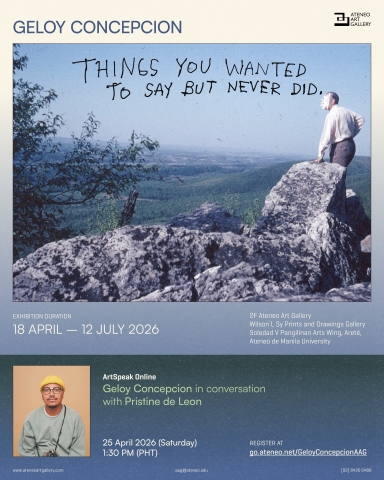
Things You Wanted to Say But Never Did: Geloy Concepcion’s six-year project makes Its exhibition debut at the Ateneo Art Gallery
Geloy Concepcion’s Things You Wanted To Say But Never Did comes to the Ateneo Art Gallery this 18 April 2026. After receiving almost 300,000 messages
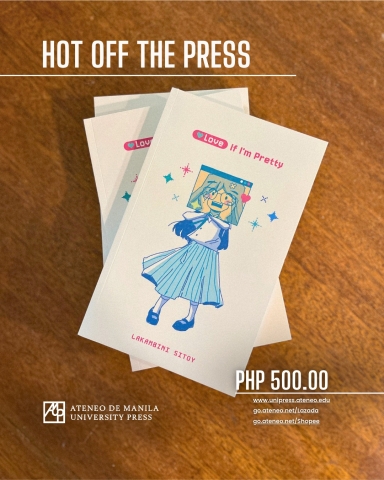
[Hot Off the Press] Love If I'm Pretty
New YA Release from the Ateneo Press Love If I’m Pretty tackles the nuances of growing up through complex characters and straightforward prose What do
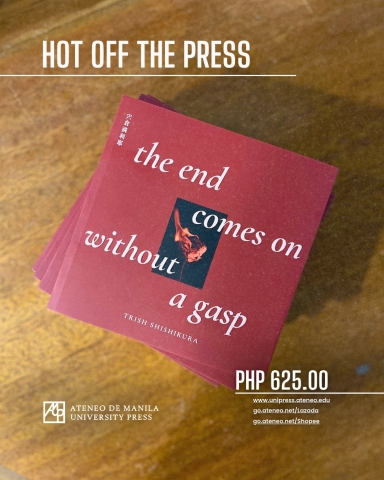
[Hot Off the Press] the end comes on without a gasp
the end comes on without a gasp: Trish Shishikura’s debut poetry collection arrives from Ateneo de Manila University Press (Bughaw) Ateneo de Manila University Press
QS Subject Rankings 2026: Ateneo in top 100 for theology; ranked in 7 subject areas
Ateneo de Manila University is among the top institutions in seven subject areas, and among the top 100 for theological and religious studies, according to