ACRI & Valenzuela City launch community immunization drive to curb antimicrobial resistance (AMR)
28 Nov 2025 | Patricia Burigsay



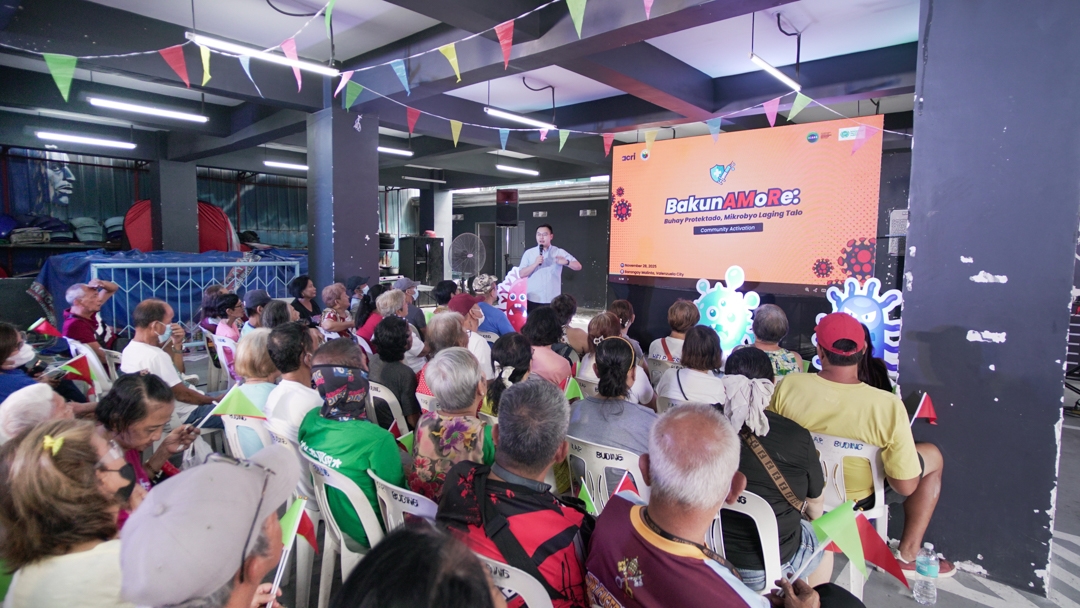
The Ateneo School of Medicine and Public Health's Center for Research and Innovation (ACRI), in partnership with the Valenzuela City Health Office, launched a community-based immunization drive today targeting senior citizens and addressing the growing threat of antimicrobial resistance (AMR).
AMR has been identified globally as one of the most urgent public health challenges of this century. As drug-resistant infections become increasingly common, routine illnesses often require stronger or more costly antibiotics, placing older adults at heightened risk of severe outcomes. This initiative demonstrates how vaccination can serve as a practical, preventive measure in controlling AMR by reducing the incidence of vaccine-preventable respiratory infections that frequently lead to unnecessary antibiotic prescriptions.
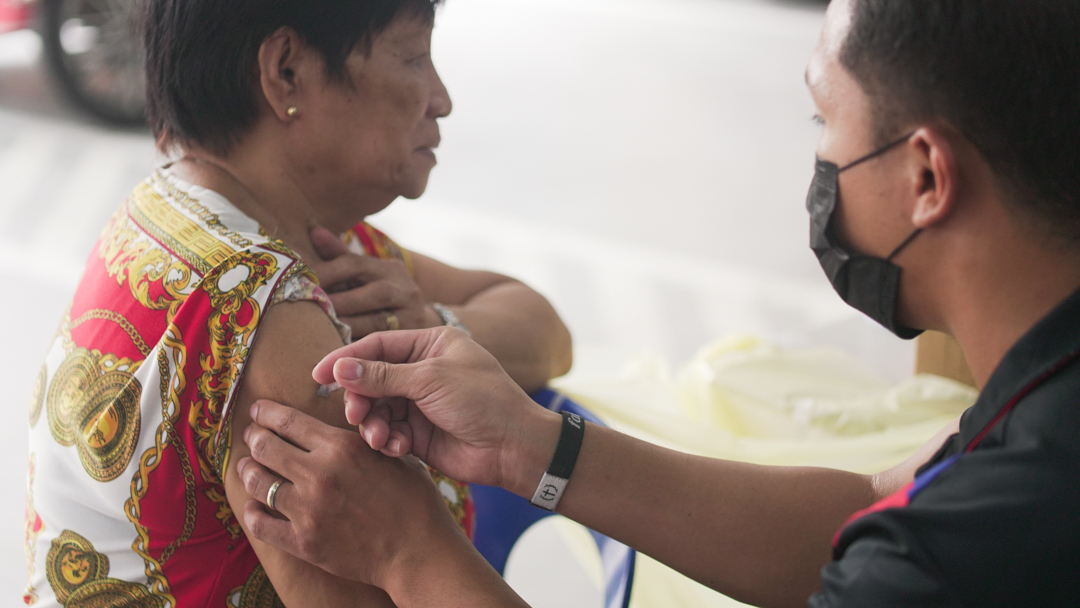
Around 100-150 senior citizens received routine adult vaccines administered by the Valenzuela City Health Office, supported by ACRI and international partners, including the International Centre for Antimicrobial Resistance Solutions (ICARS) and the International Vaccine Institute (IVI). The drive also marked the launch of a city-wide AMR information campaign, deploying printed and digital materials to barangay health stations. These resources aim to help healthcare workers integrate AMR awareness into routine consultations and community outreach.
Vaccination as a Frontline Defense
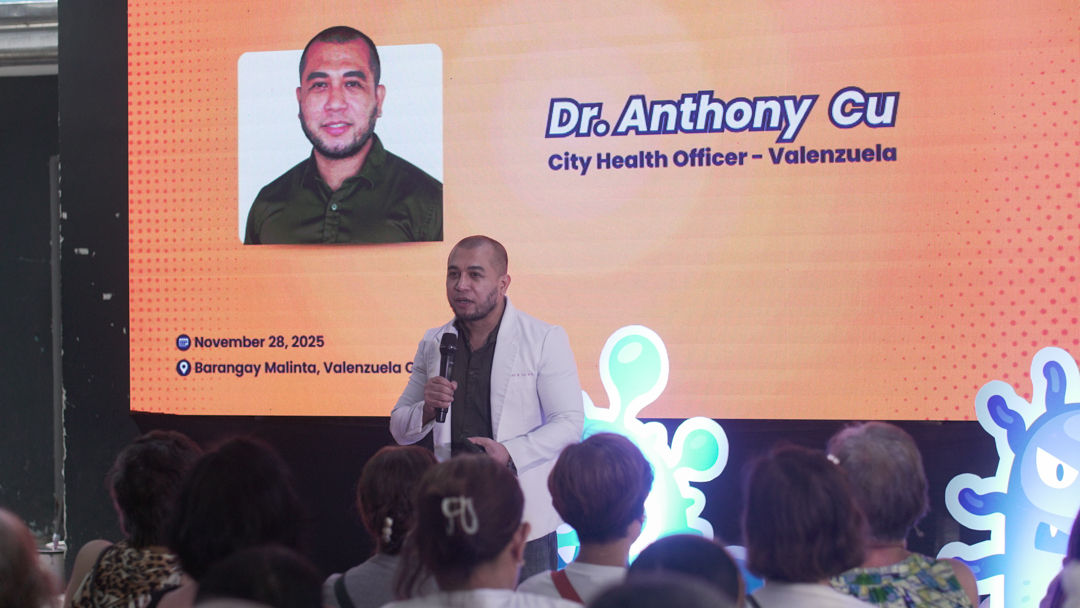
In his opening remarks, Dr Anthony Cu, City Health Officer of Valenzuela, highlighted both the scale of the AMR challenge and the critical role of community action in addressing it. "We're all familiar with antibiotics. Here in the Philippines we use them liberally, and that's not supposed to be the case because this is precisely how antimicrobial resistance happens," Dr Cu explained. "And when AMR happens, we have to prescribe antibiotics that get more and more expensive. So how do we prevent that? Listen to your doctors, finish the antibiotic treatment even when you're already feeling better, and most importantly, prevent infections in the first place by getting vaccinated."
Dr Perci Lao from ACRI reinforced the preventive approach at the heart of the initiative. "Philippine Antimicrobial Awareness Week tries to raise awareness on antimicrobial resistance. We know that vaccines can prevent infections. If we can prevent infections, we can reduce the use of antibiotics, thus reducing the risk of antimicrobial resistance," Dr Lao explained.
Yet Dr Lao also pointed to a critical gap that awareness campaigns alone cannot bridge. "What we want to raise awareness on is the need to have more supply for vaccination within our local government units," he said. The observation cuts to a fundamental tension in public health: while the science clearly demonstrates that vaccination can reduce AMR, translating that knowledge into impact requires infrastructure and resources that many LGUs currently lack. Awareness, without adequate vaccine supply and distribution systems, can only go so far.
A Global Problem Requiring Local Solutions
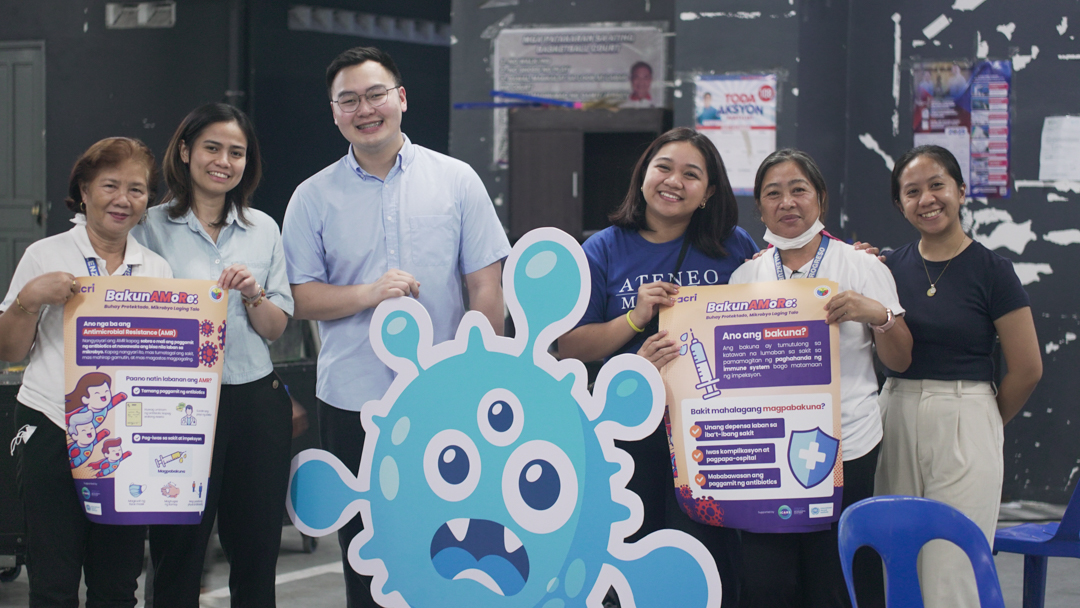
The event featured short talks from local and international experts on AMR, who shared insights on current trends in the Philippines, strategies for antibiotic stewardship, and the integration of vaccination into public health policy. Following the presentations, the team unveiled their information, education, and communication (IEC) materials before proceeding with the vaccination of senior citizens.
Dr Mabel de Leo, representing ICARS, emphasized the interconnected nature of the challenge. "We work specifically on antimicrobial resistance, so we're very familiar with the concept," Dr de Leo said. "But for us, it's a problem that has become global. Everywhere in the world, AMR is a problem, and we have to approach it from multiple perspectives."
These underscored the importance of informed, community-centered interventions in addressing this growing threat—interventions that address not only clinical practices but also public understanding and health-seeking behaviors.
Building Evidence, Confronting Limitations
This initiative is part of the project Advancing Vaccine Uptake to Mitigate Antimicrobial Resistance in LMICs of South- and Southeast Asia, supported by ICARS and IVI. It aims to demonstrate how preventive health strategies, particularly vaccination, can reduce AMR in low- and middle-income countries while generating evidence for regional application.
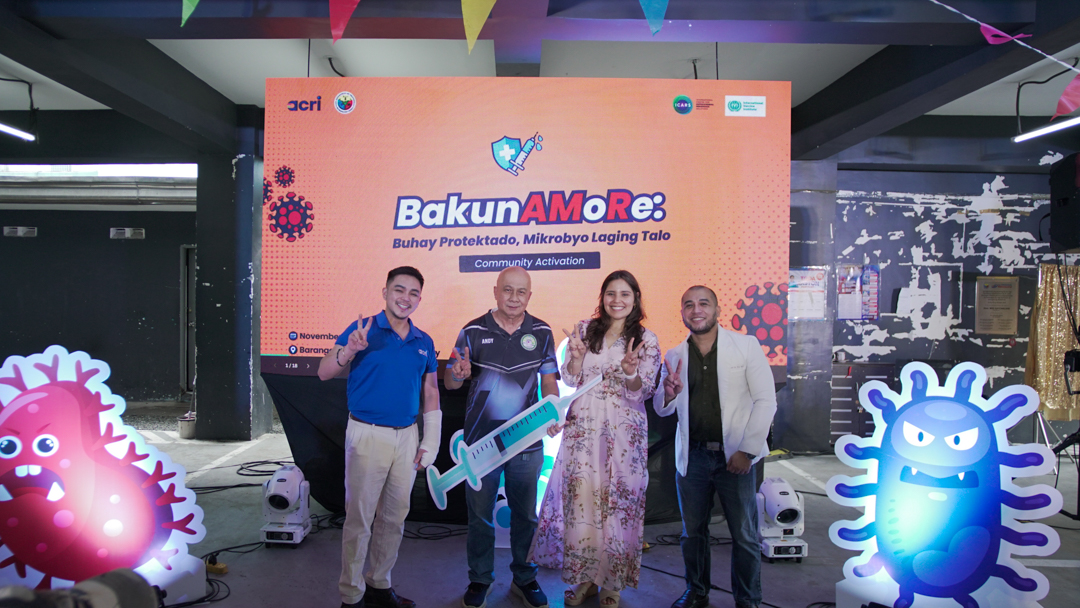
The immunization drive in Valenzuela represents both the promise and the challenge of this approach. By vaccinating 100 senior citizens and deploying AMR awareness materials to barangay health stations, the initiative demonstrates what's possible when local governments, academic institutions, and international partners coordinate effectively. The event generates data on vaccine uptake, community engagement, and the feasibility of integrating AMR messaging into routine health services presenting evidence that can inform policy and resource allocation decisions.
Yet the initiative also reveals the limits of demonstration projects. While ACRI and its partners can provide technical expertise, IEC materials, and support for targeted vaccination events, scaling this model depends on resources the project cannot directly provide: sustained vaccine supply chains, trained healthcare workers, cold storage infrastructure, and budget allocations from local and national governments.
"Preventing infections before they occur is one of the most effective ways to slow the spread of antimicrobial resistance," ACRI said. "Strengthening community vaccination is a practical and scalable strategy to reduce avoidable antibiotic use while protecting public health." The question is whether the evidence generated by initiatives like this will translate into the political will and resource commitments necessary to make that strategy more than theoretical.
Recent News
You may also like these articles

[Hot Off the Press] Arkipelago
New book from the Ateneo Press Arkipelago provides a fascinating and fantastical twist on Philippine politics and history Our country is an archipelago of stories
Protecting Creativity: AIPO and Rizal Library Host Copyright Awareness Session for the Ateneo Community
On March 18, 2026, the Ateneo Intellectual Property Office (AIPO), in collaboration with the Rizal Library, successfully conducted a Copyright Awareness Session held on the
Holy Week 2026 Holidays (Memo # UHR2526-038)
Memo # UHR2526-038 31 March 2026 TO: All Employees FROM: [Sgd] Maria Victoria T Cortez, PhD Vice President for University Human Resources SUBJECT: Holy Week
ASOG’s Tobacco Control initiatives spotlighted in DOH National Technical Working Group for Tobacco Prevention and Control
On March 10 to 12, 2026, the Ateneo School of Government (ASOG), through its research and public policy unit, the Ateneo Policy Center, participated in
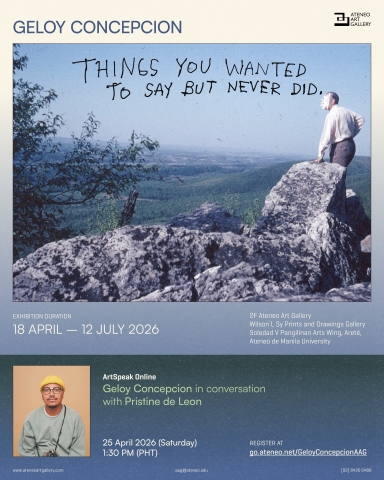
Things You Wanted to Say But Never Did: Geloy Concepcion’s six-year project makes Its exhibition debut at the Ateneo Art Gallery
Geloy Concepcion’s Things You Wanted To Say But Never Did comes to the Ateneo Art Gallery this 18 April 2026. After receiving almost 300,000 messages

[Hot Off the Press] Love If I'm Pretty
New YA Release from the Ateneo Press Love If I’m Pretty tackles the nuances of growing up through complex characters and straightforward prose What do