The Lily Gokongwei Ngochua Leadership Academy hosts roundtable on the future of microcredentials
13 Nov 2025




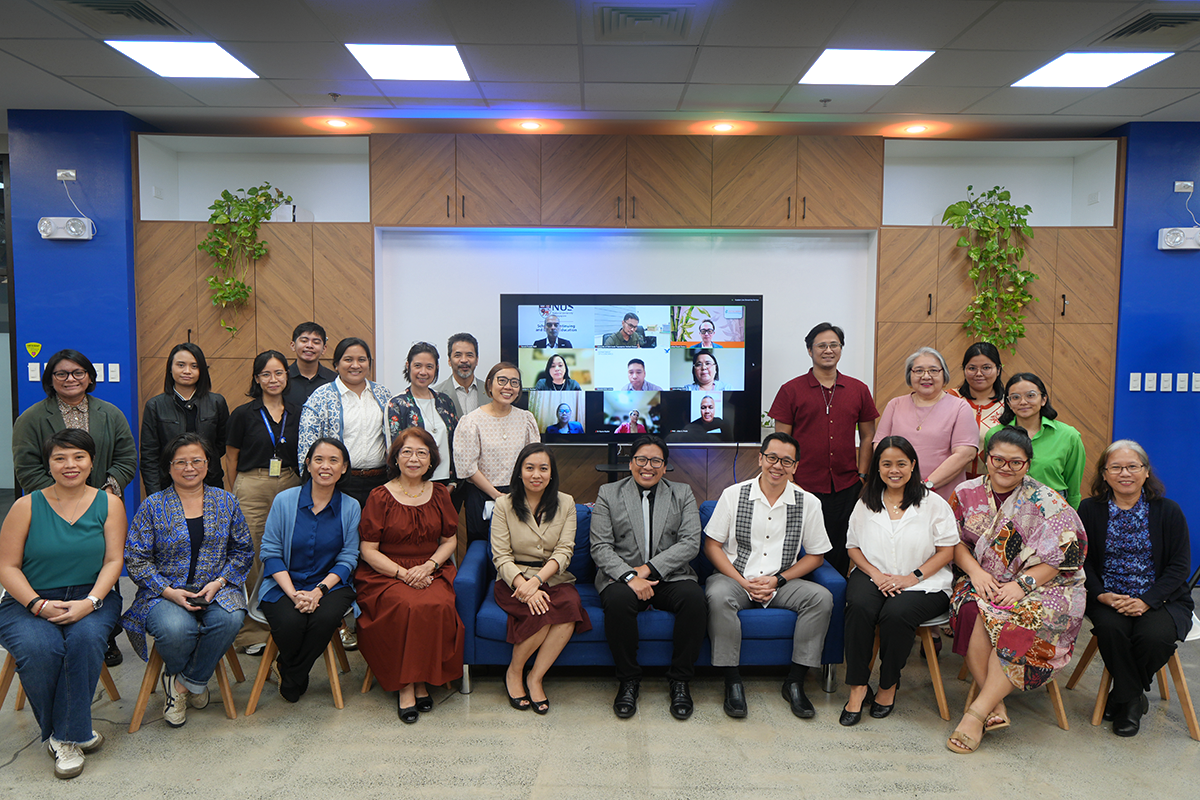
The Lily Gokongwei Ngochua Leadership Academy (the Lily), in partnership with the United Board for Christian Higher Education in Asia, hosted a roundtable titled "Microcredentials: Shaping the Future of Learning" last 12 November 2025 at the Gokongwei Brothers School of Education and Learning Design's (GBSEALD) Learning Design Hive at Aretè, Ateneo.
The event was opened by Dr Ma Assunta C Cuyegkeng, Executive Director of the Lily, who led the invocation, followed by opening remarks from Dr Maria Luz C Vilches, Vice President for Higher Education of Ateneo de Manila University, who welcomed the keynote speaker, panelists, and the audience – both on-site and online – to the event.
Emceeing the event was Ms Ann Pato, Coordinator for Learning Design at the Ateneo Institute for the Science & Art of Learning & Teaching (Ateneo SALT).
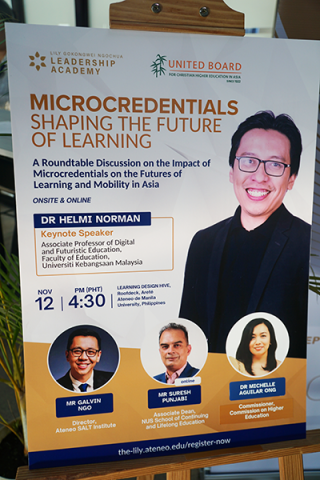
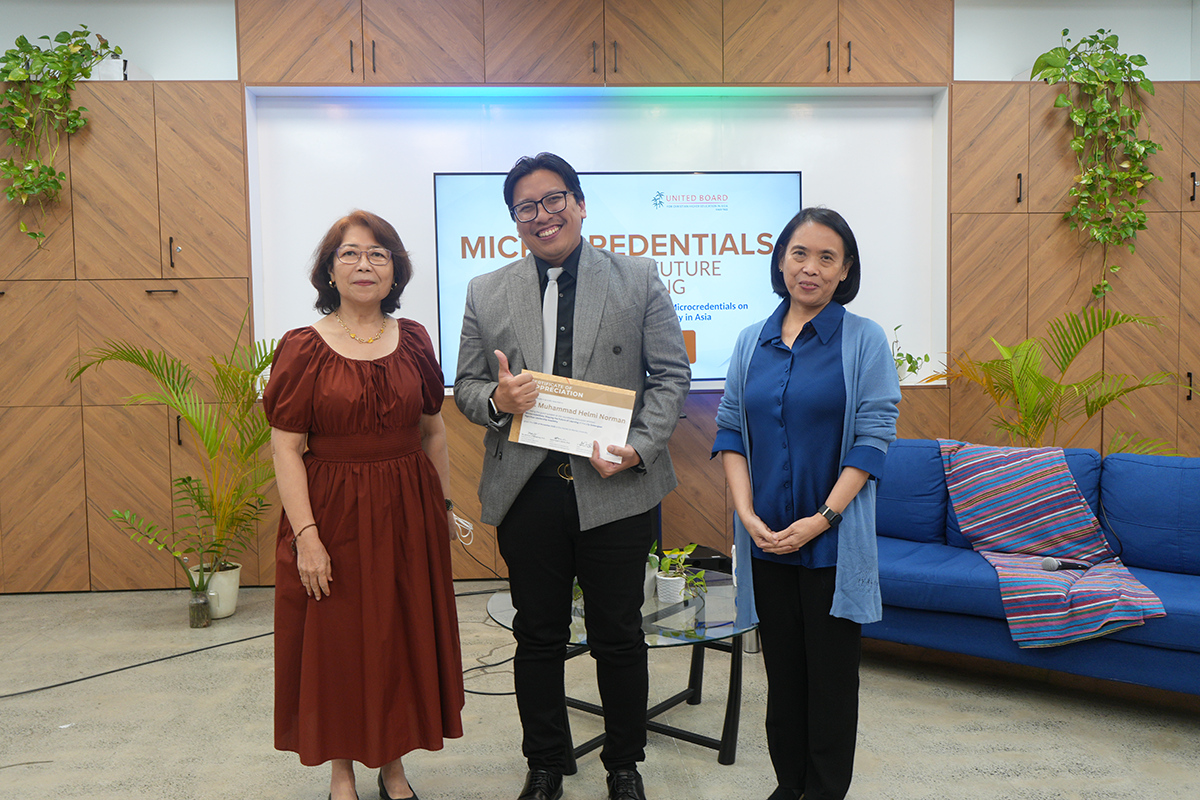
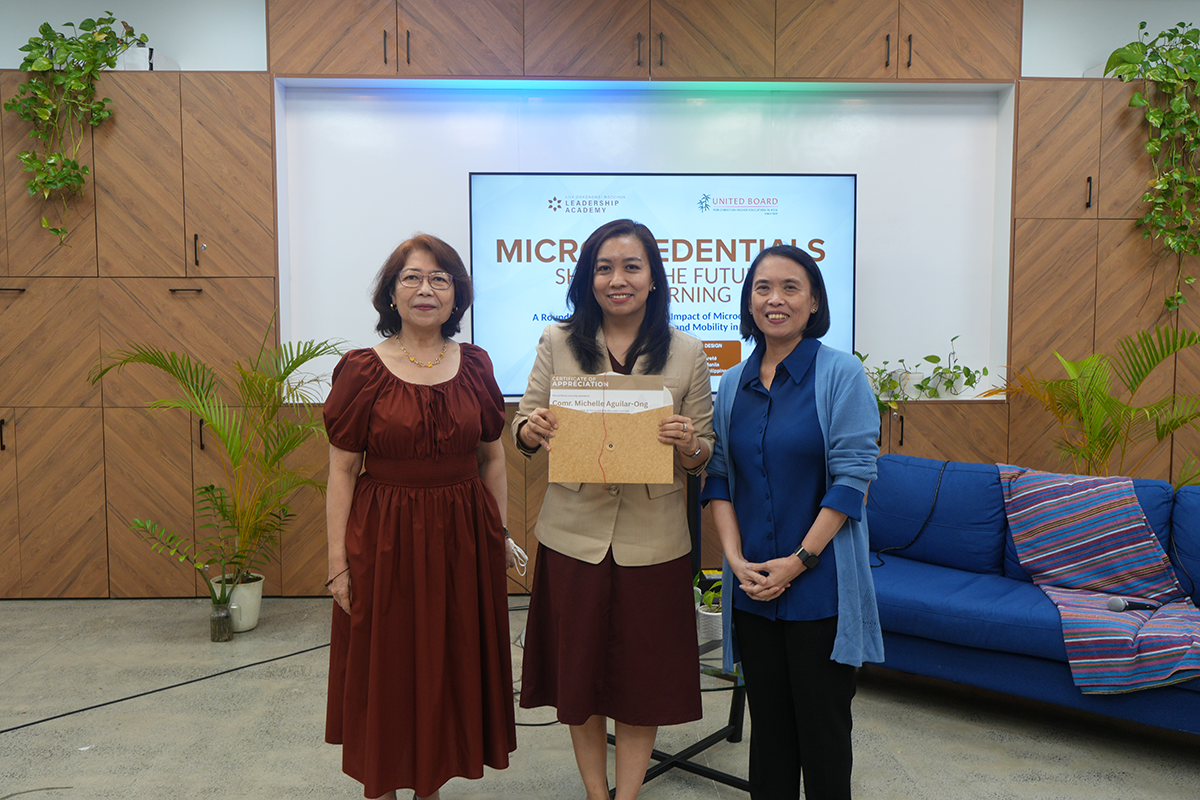
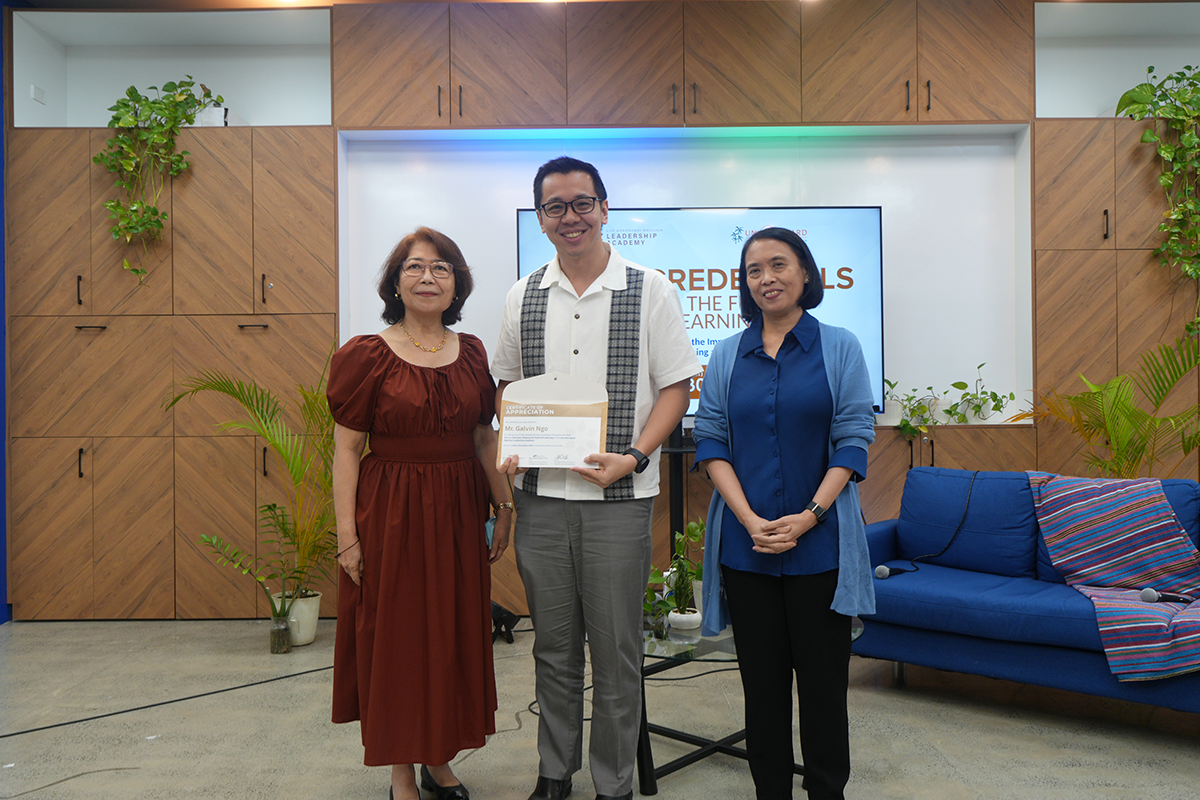
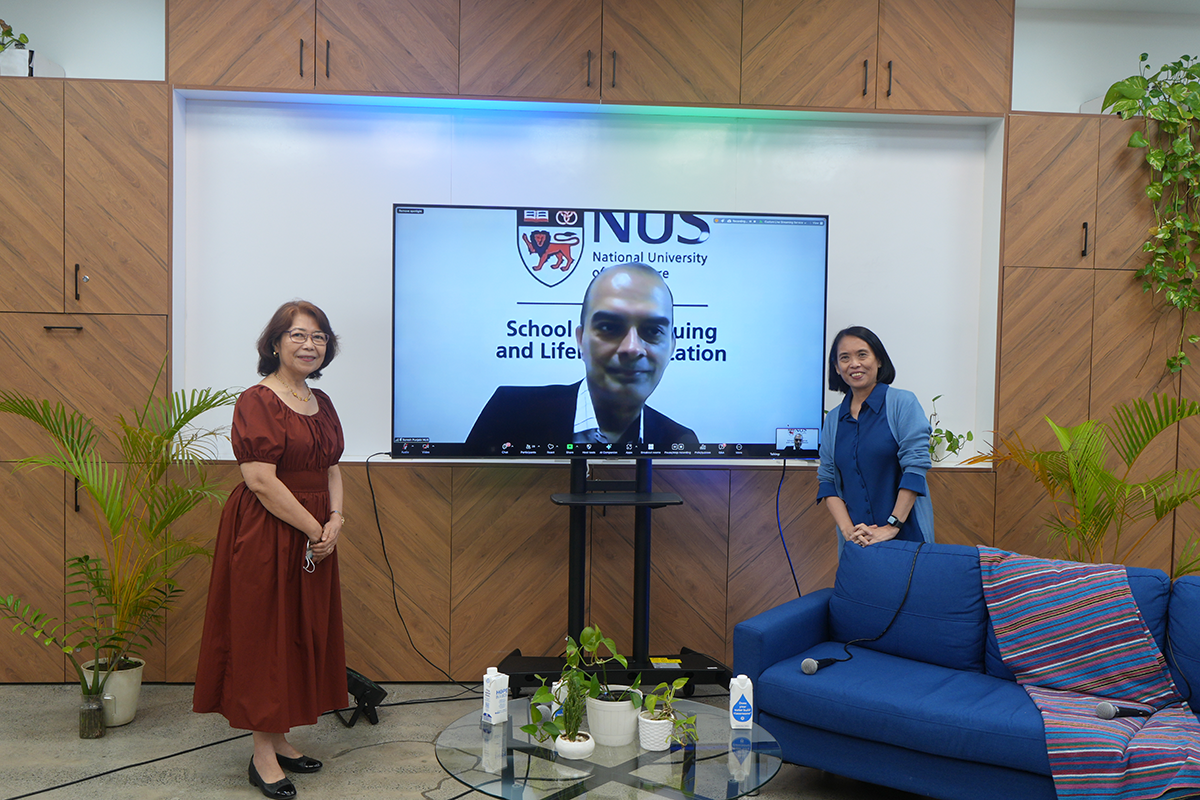
The keynote speaker at the event was Dr Helmi Norman, Associate Professor of Digital and Futuristic Education at Universiti Kebangsaan Malaysia. Joining him for the roundtable were Dr Michelle Aguilar Ong, Commissioner of the Philippines' Commission on Higher Education (CHED); Mr Galvin Ngo, Director Ateneo SALT; and Mr Suresh Punjabi, Associate Dean of the National University of Singapore's (NUS) School of Continuing and Lifelong Education (SCALE) who joined virtually.
For his keynote, Dr Norman discussed the need for microcredential programs to react to the changing landscape of technology in education, especially with the rise of generative AI. As part of this, he used a virtual co-presenter made using genAI to help with his presentation.
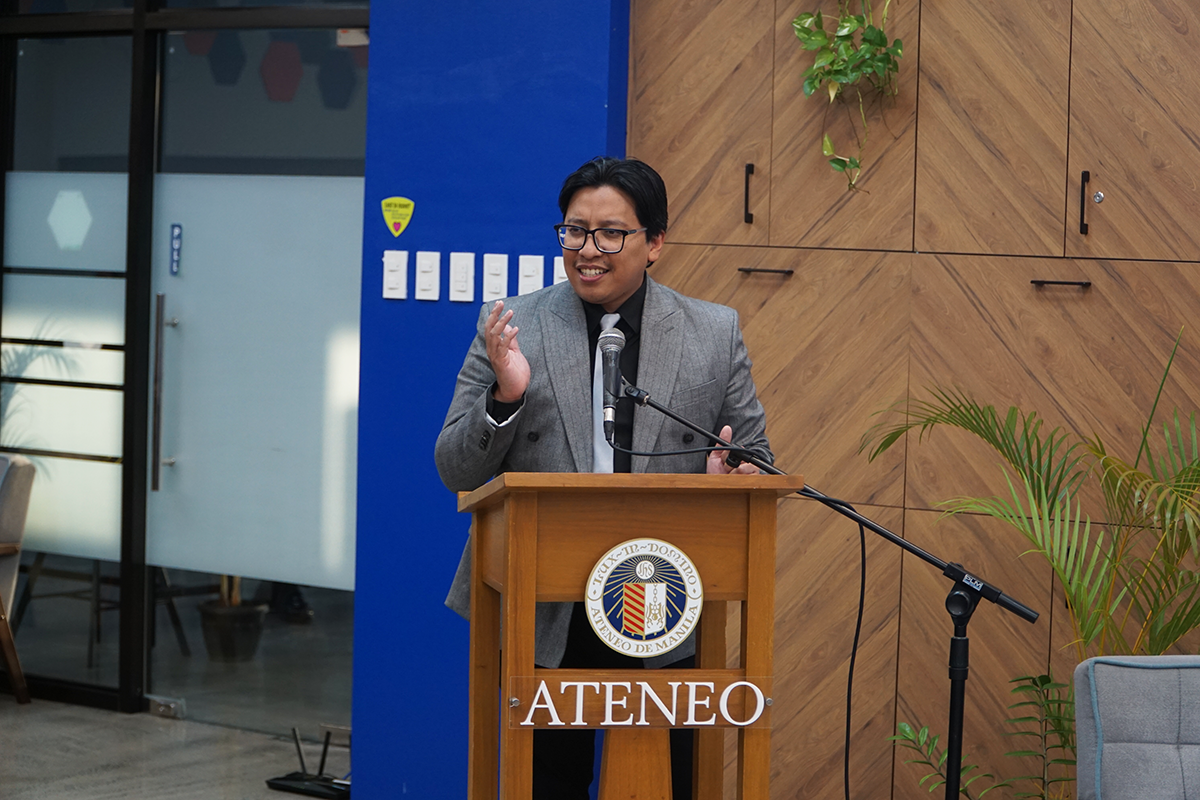
Beyond this, he also discussed some of the best practices being done in regards to microcredential programs in Brunei and Malaysia. These include efforts at developing stackable microcredentials – modular, short courses that can be combined to form larger, more comprehensive credentials or count towards a formal degree.
During the roundtable, the guests provided their own reactions and insights to Dr Norman's keynote. In particular, Commissioner Ong brought about some concerns in regards to the Philippine context. Among these was the need for microcredential programs catered to learners who may not have completed basic education (K-12).
NUS's Mr Punjabi, on the other hand, discussed the need for higher education institutions (HEI) to work hand-in-hand with, or even follow the lead of industry when creating microcredential programs. He noted that the speed at which technology and the needs of industry change is such that only short microcredential program – which can be completed in the span of months, not years – can meet them.
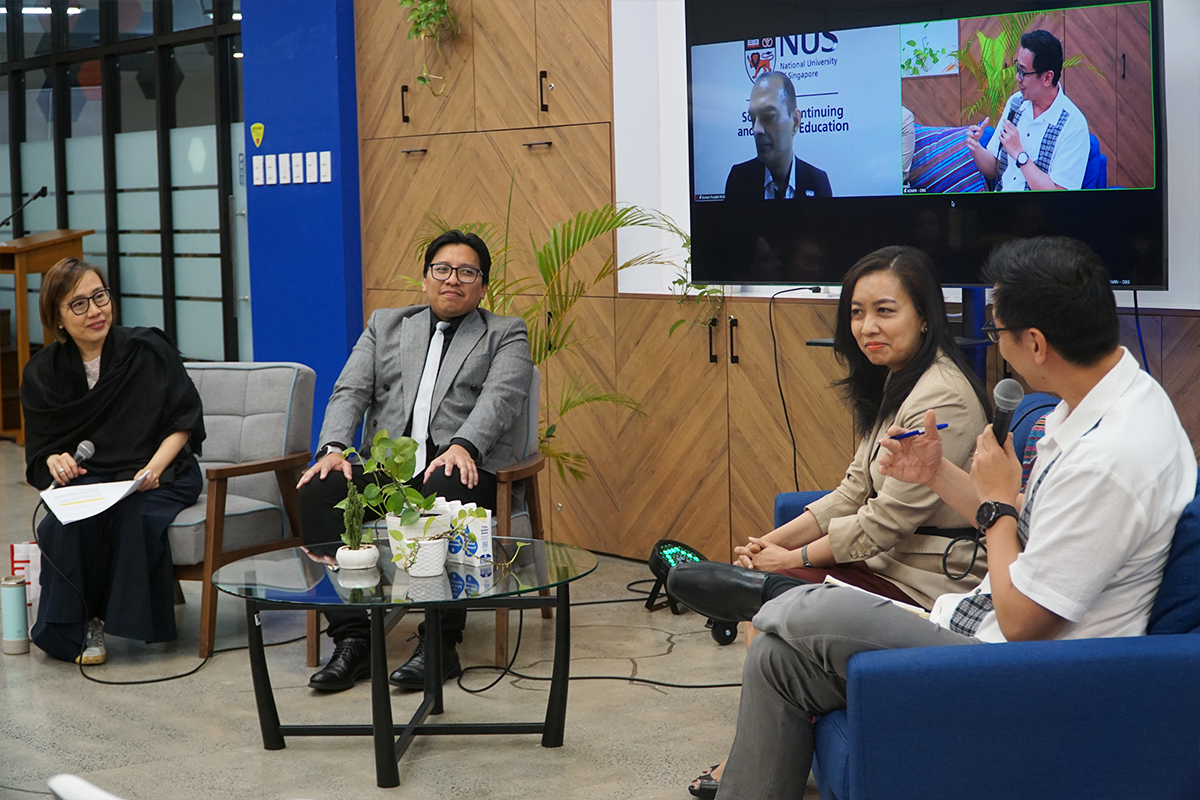
On-screen: Mr Suresh Punjabi
This was echoed by Commissioner Ong, who brought up her own experiences working on microcredential programs with local industry while she was College President of Mabalacat City College.
Meanwhile, Mr Ngo brought up the question of how a higher education institution can also teach its values through these, while still meeting the needs of industry.
The roundtable was followed by an open forum where the audience both on-site and on-line were able to ask questions to the panel and Dr Norman.
After the open forum, Dr Vilches and Dr Cuyegkeng presented the keynote speaker and the panelist with certificates of appreciation for their participation in the roundtable.
The event was closed by Dr Jakarin Srimoon, Director of Leadership Development at the United Board for Christian Higher Education in Asia. In his closing remarks, delivered virtually, Dr Srimoon expressed hope and excitement for the future of microcredentials in the Asian region following the thoughtful insights and lively discussion on the subject at the event.
Recent News
You may also like these articles
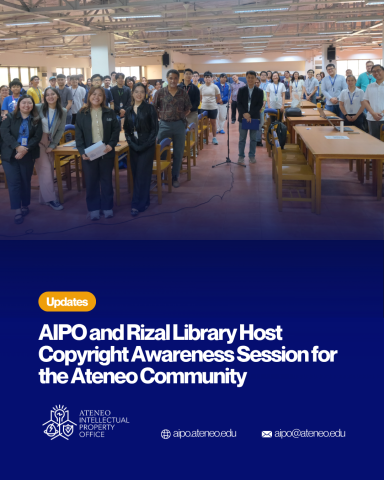
Protecting Creativity: AIPO and Rizal Library Host Copyright Awareness Session for the Ateneo Community
On March 18, 2026, the Ateneo Intellectual Property Office (AIPO), in collaboration with the Rizal Library, successfully conducted a Copyright Awareness Session held on the
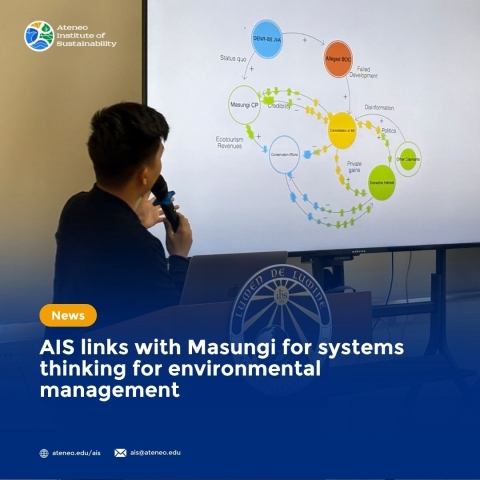
AIS links with Masungi for systems thinking for environmental management
Last 23-24 March 2026, the Ateneo Institute of Sustainability (AIS) , which manages the My Climate Risk – Ateneo de Manila University Regional Hub
Contingency Measures in Higher Education in the Face of a Worldwide Energy Crisis (HE Memo#Y4.16)
In response to the energy crisis caused by escalating tensions in West Asia, Ateneo Higher Education will implement the following class and operational adjustments.
Basic Education Class Schedules March – June 2026 (OVPBE memo)
In alignment with DepEd Memorandum No. 018, s. 2026, and our own commitment to Cura Personalis, we are refining our operations for the remainder of the school year to ensure that we finish strong, safe, and sustainable.
URH residency application for Intersession SY 2026-2027 now open
Hey, Blue Eagles! Big news — URH INTERSESSION RESIDENCY SY 2026-2027 is NOW OPEN! Apply now to live where the vibes are unmatched! What’s in

Class Arrangements for Thursday and Friday, 26-27 March 2026 (HE Advisory)
In view of the announcement of a nationwide transportation strike on 26-27 March, undergraduate and graduate classes of the Schools of Education and Learning Design