AIS links with Masungi for systems thinking for environmental management
27 Mar 2026 | Ivy Geraldine Ferrer and Rolen Jan Muaña






Last 23-24 March 2026, the Ateneo Institute of Sustainability (AIS), which manages the My Climate Risk – Ateneo de Manila University Regional Hub, ran its systems thinking workshop focused on environmental management, at Heyden Hall, Manila Observatory. The two-day workshop was held in partnership with the Masungi Georeserve Foundation, Inc., gathering participants from the Ateneo community, government agencies, private sector, and civil society organizations. Consistent with the aims of My Climate Risk, these workshops aim to use systems thinking as an intermediate technology for participants and stakeholders to make sense of resilience issues, and foster a bottom-up approach to understanding risk and resilience.
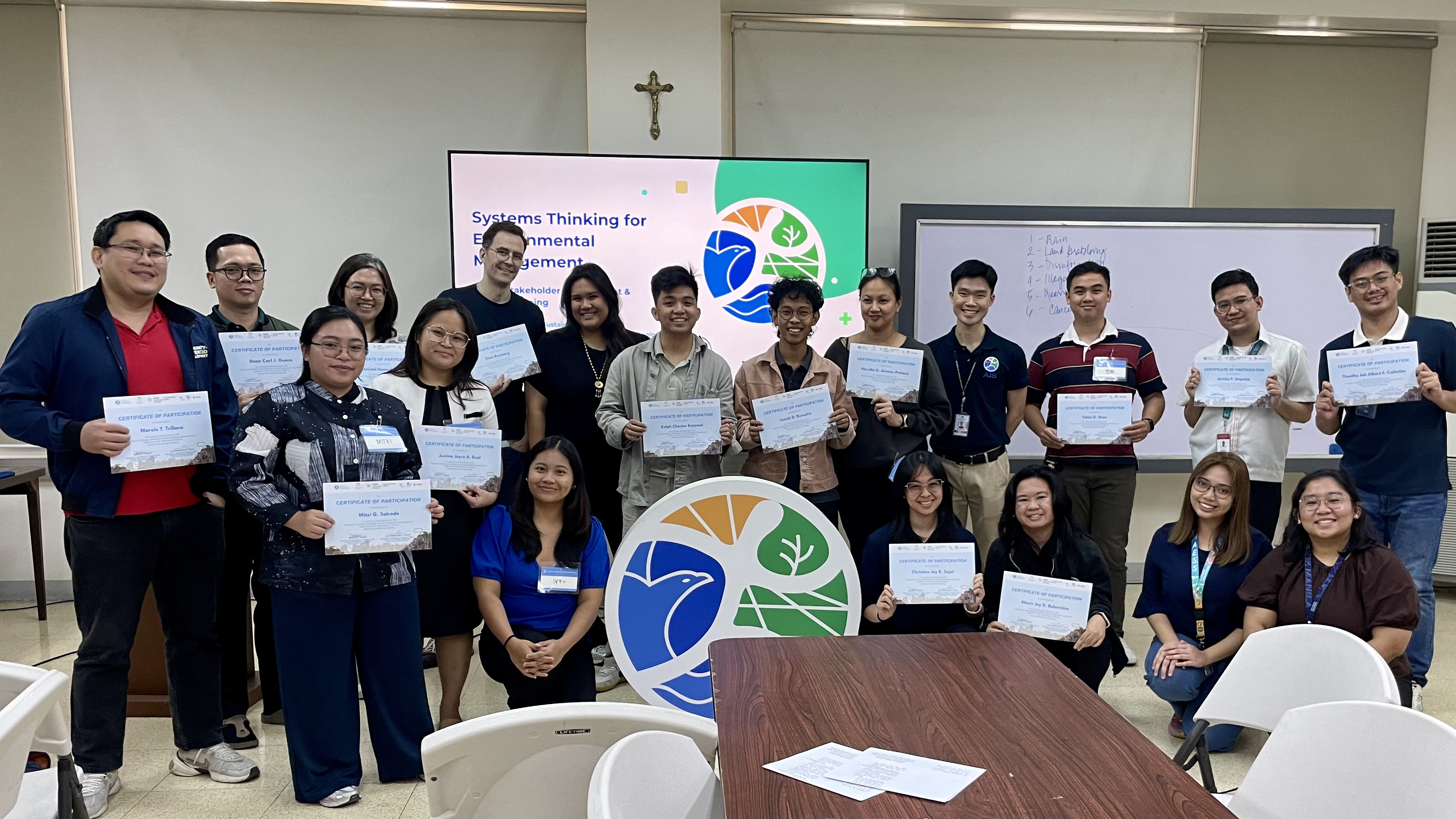
The workshop consisted of activities that cover the three phases of systems thinking: problem diagnosis, stakeholder engagement, and action planning. These also make up the three modules of the “City Resilience Toolkit (CResT): A compendium of systems thinking activities for resilience planning”, from which the activities were taken. The first day of the workshop discussed an overview of Systems Thinking and covered the Problem Diagnosis module, while the Stakeholder Engagement and Action Planning modules were covered on the second day.
Mr Daniel C Ratilla and Ms Ivy Geraldine Ferrer of the Climate and Disaster Resilience (CDR) Program and MCR-Ateneo led the facilitation of the workshop. Ms Anna Reyes, Special Advisor to the Board of the Masungi Georeserve Foundation, Inc. provided an overview of the conservation area, its role in the country’s eco-tourism and preservation, and the imminent threats and challenges it faces, particularly environmental and political pressures.
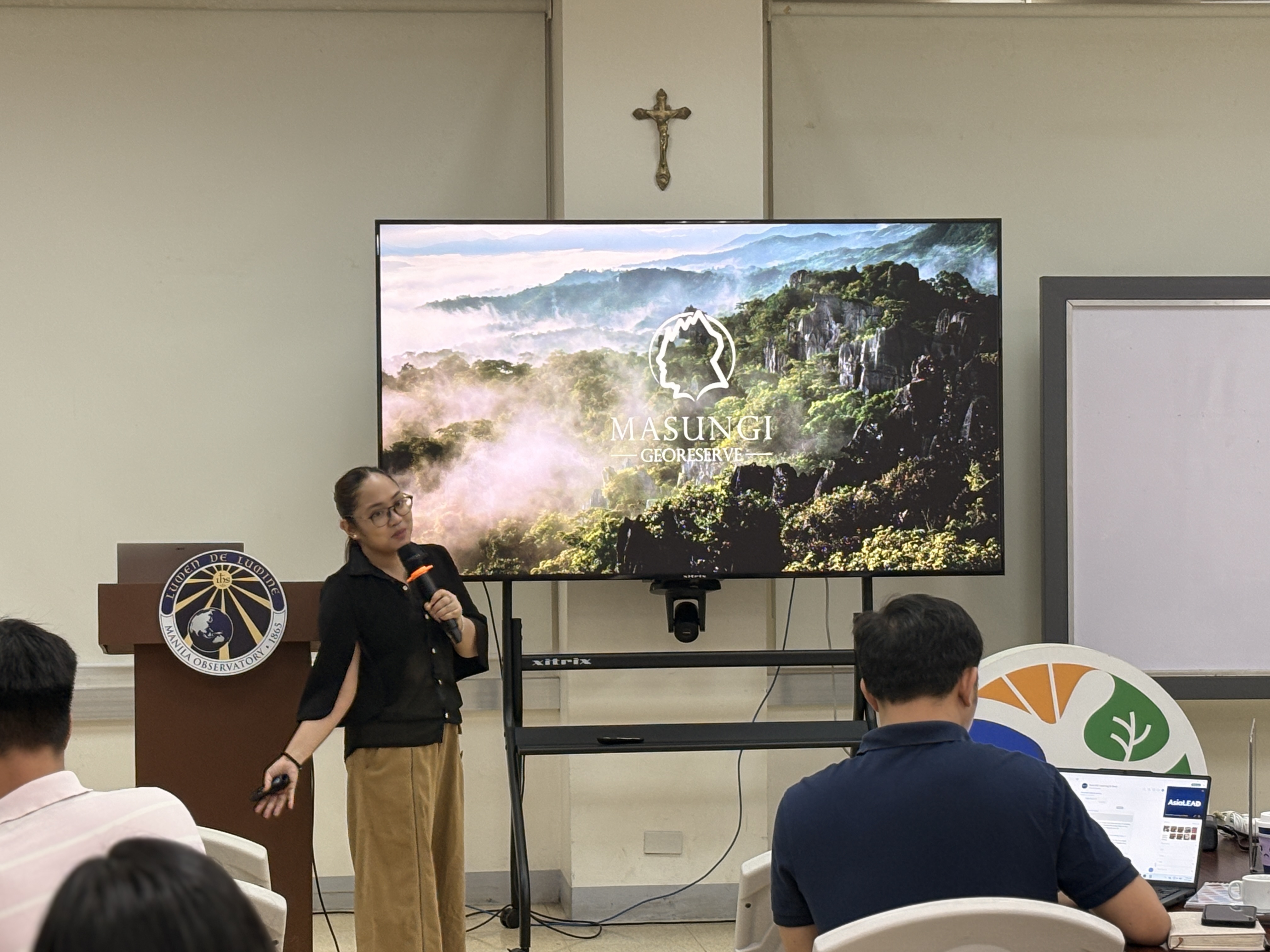
Focused on six main issues of the Masungi Georeserve, participants analyzed significant variables, stakeholders, and scenarios of each issue, using relevant tools and frameworks of systems thinking. Each group was assigned one issue, consisting of quarrying, extreme rainfall events, illegal logging and deforestation, contract cancellation, land grabbing, and disinformation campaigns.
Through the use of causal loop diagrams (CLDs), participants mapped out the connections between different components of the current issues and threats of Masungi Georeserve. Here, they were encouraged to analyze their assigned issue and see it through the lens of feedback between the variables. This activity allowed them to see their assigned issues through a more holistic lens, and formed the basis of their second activity, which used the Iceberg Model to analyze root causes and mental models that give rise to the issues Masungi Georeserve faces.
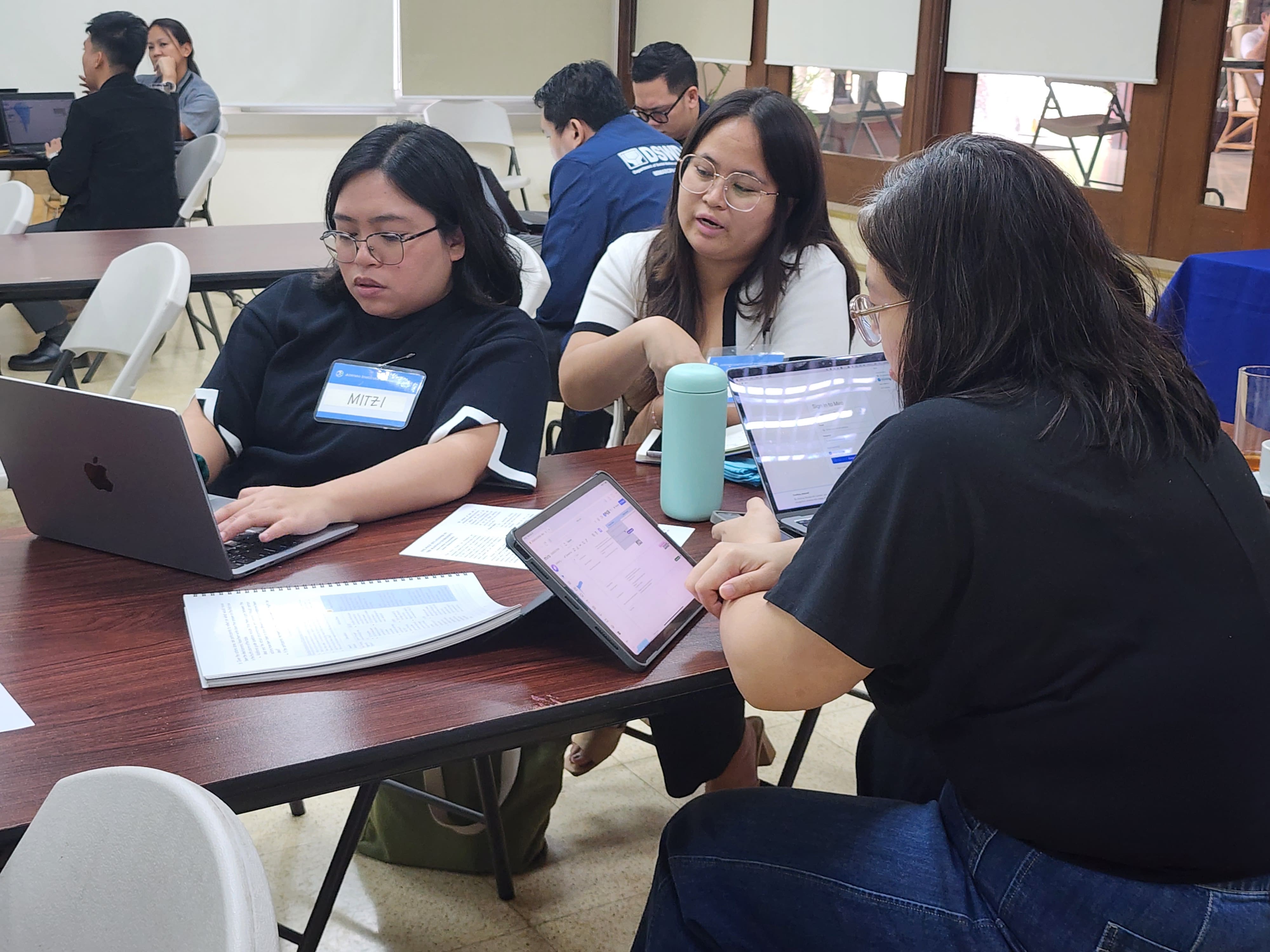
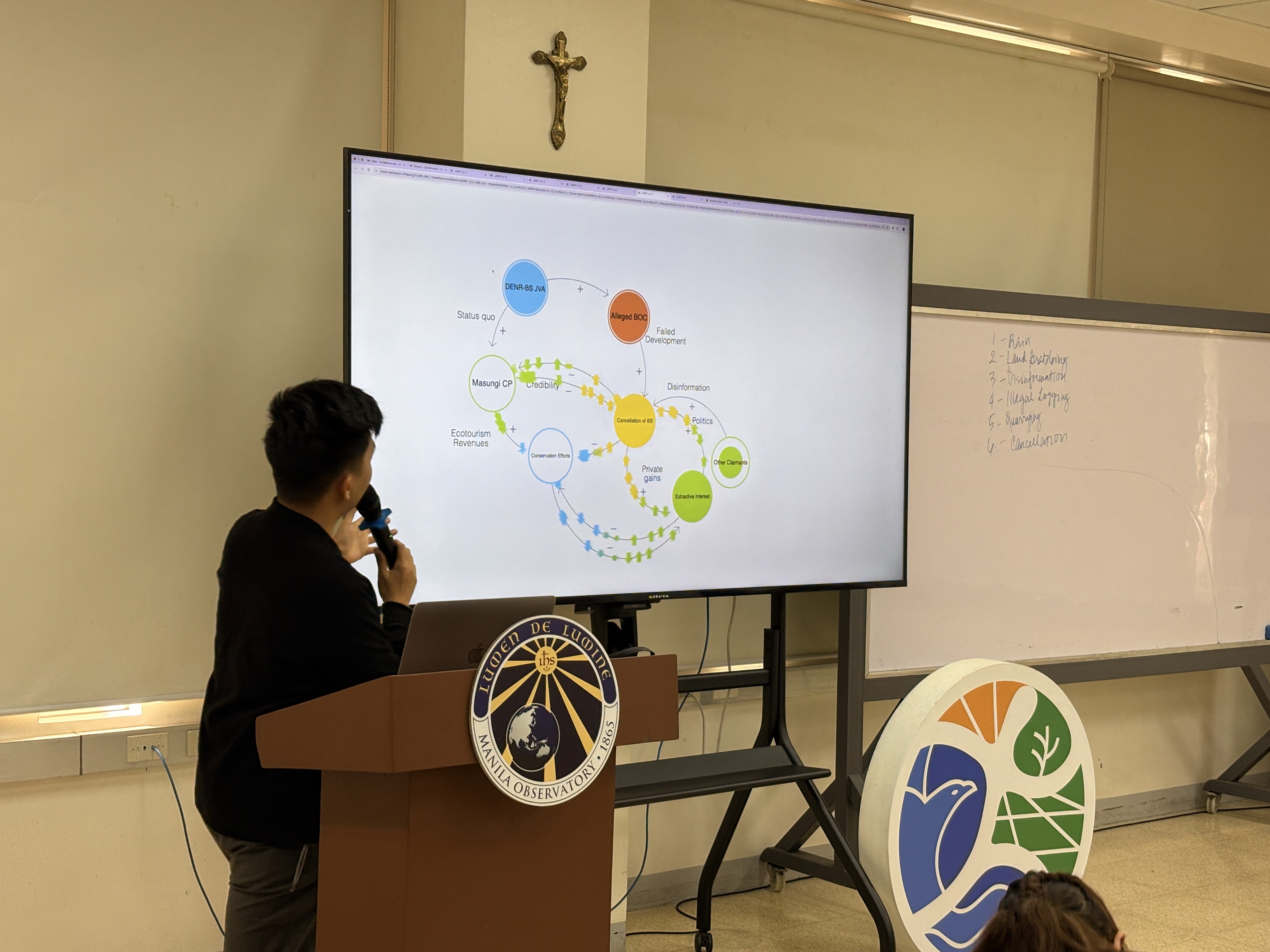
The outputs from the first day lay the groundwork for the activities on the second day, where participants identified the stakeholders involved in the issues through Network Mapping, and evaluated potential strategies to reach their envisioned future through Vision-setting, Pathways planning, and Scenario-building. The former asked the participants to recognize the amount of influence from and impact experienced by key stakeholders, and brainstorm ways on how to engage them to help with the issue. The latter challenged the groups to articulate and plan out their expectations for the future.
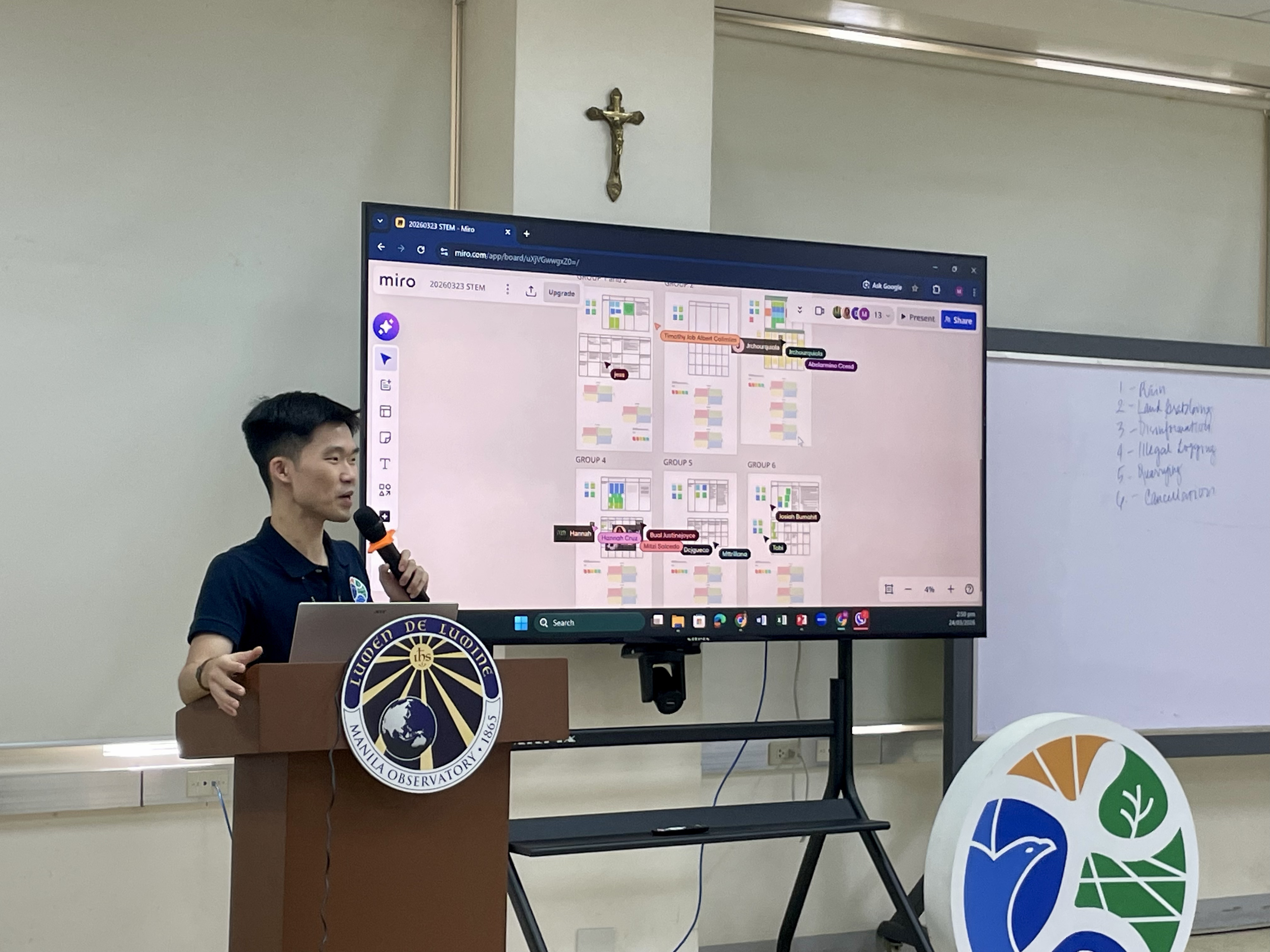
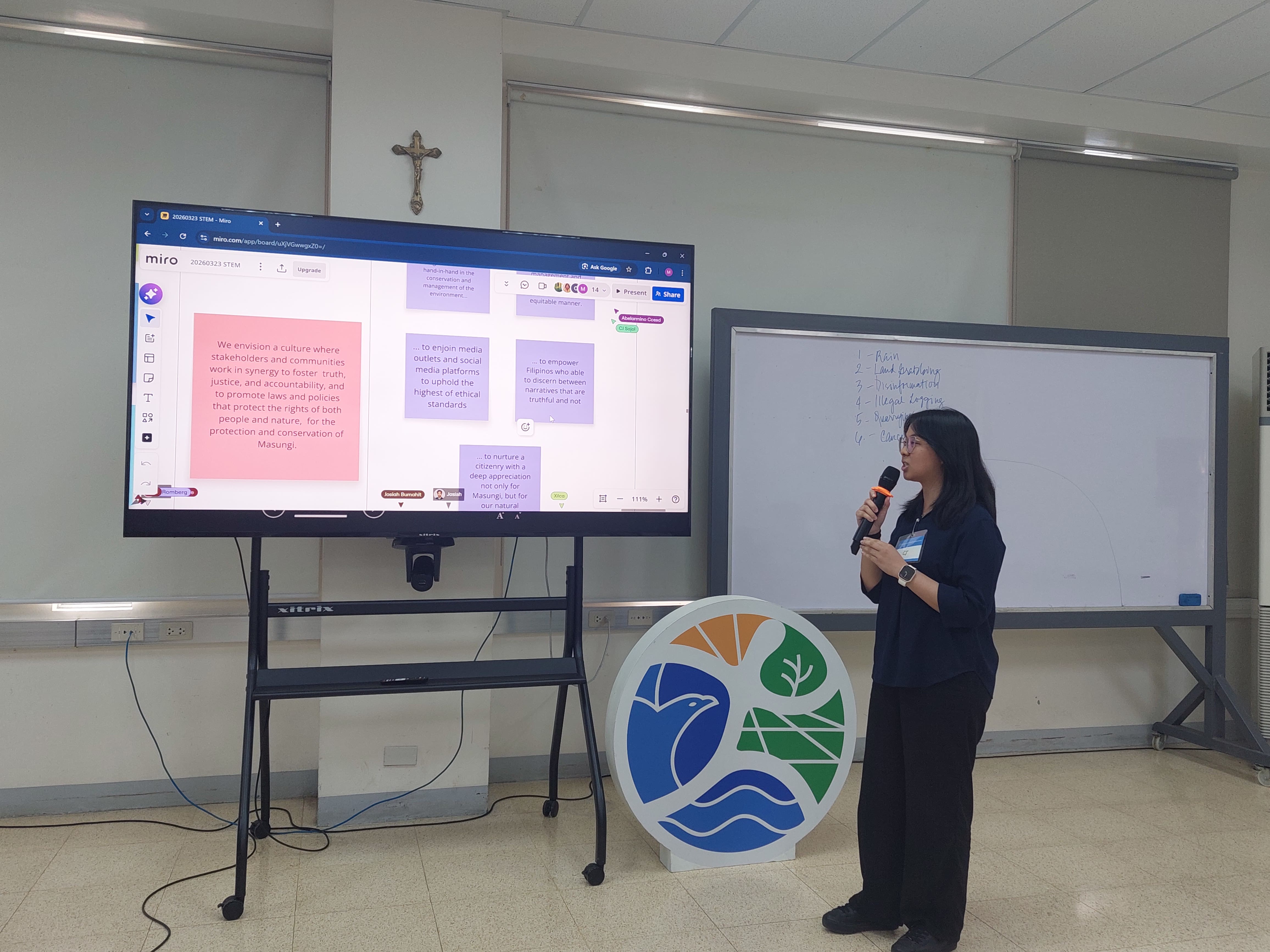
The diverse background of the participants allowed for equally diverse perspectives on the problems assigned to them. Students, government workers, academics, and industry professionals worked together in deepening their collective understanding of the issues and potential paths to address them. The activities provided them the opportunity to apply their newly-learned frameworks into concrete and pressing realities that the Masungi Georeserve, and similar conservation areas, face. This practice will help them apply systems thinking frameworks in solving problems within their own fields and industries.
The materials used during the workshop included a primer prepared by Nathan Luis Jordan, Patrick Reyes-Santos, and Rolen Jan Muaña, former and current interns of the Climate and Disaster Resilience Program of the Ateneo Institute of Sustainability.
Recent News
You may also like these articles
Protecting Creativity: AIPO and Rizal Library Host Copyright Awareness Session for the Ateneo Community
On March 18, 2026, the Ateneo Intellectual Property Office (AIPO), in collaboration with the Rizal Library, successfully conducted a Copyright Awareness Session held on the
ASOG’s Tobacco Control initiatives spotlighted in DOH National Technical Working Group for Tobacco Prevention and Control
On March 10 to 12, 2026, the Ateneo School of Government (ASOG), through its research and public policy unit, the Ateneo Policy Center, participated in
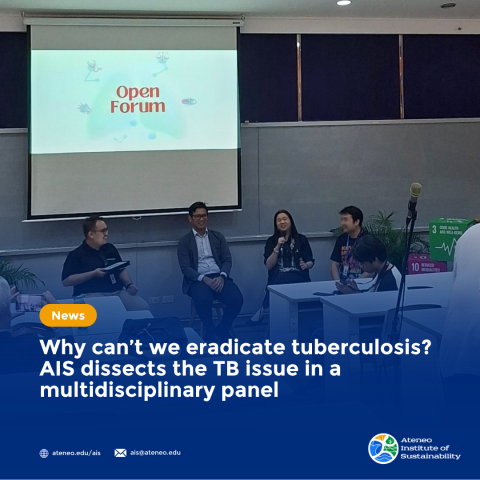
Why can’t we eradicate tuberculosis? AIS dissects the TB issue in a multidisciplinary panel
On 24 March 2026, the Ateneo Institute of Sustainability (AIS), through its Sustainable Development Goals (SDGs) Program, hosted a multidisciplinary panel in observance of World
Contingency Measures in Higher Education in the Face of a Worldwide Energy Crisis (HE Memo#Y4.16)
In response to the energy crisis caused by escalating tensions in West Asia, Ateneo Higher Education will implement the following class and operational adjustments.
Basic Education Class Schedules March – June 2026 (OVPBE memo)
In alignment with DepEd Memorandum No. 018, s. 2026, and our own commitment to Cura Personalis, we are refining our operations for the remainder of the school year to ensure that we finish strong, safe, and sustainable.
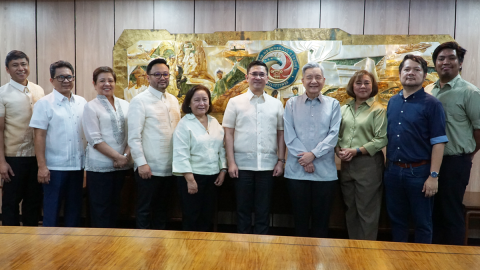
BIR and Ateneo sign MOU for academic cooperation and research collaboration
The Bureau of Internal Revenue (BIR) and Ateneo de Manila University recently signed a memorandum of understanding (MOU) for academic cooperation and research collaboration. The