Why can’t we eradicate tuberculosis? AIS dissects the TB issue in a multidisciplinary panel
27 Mar 2026 | by Riza Maree Rapada






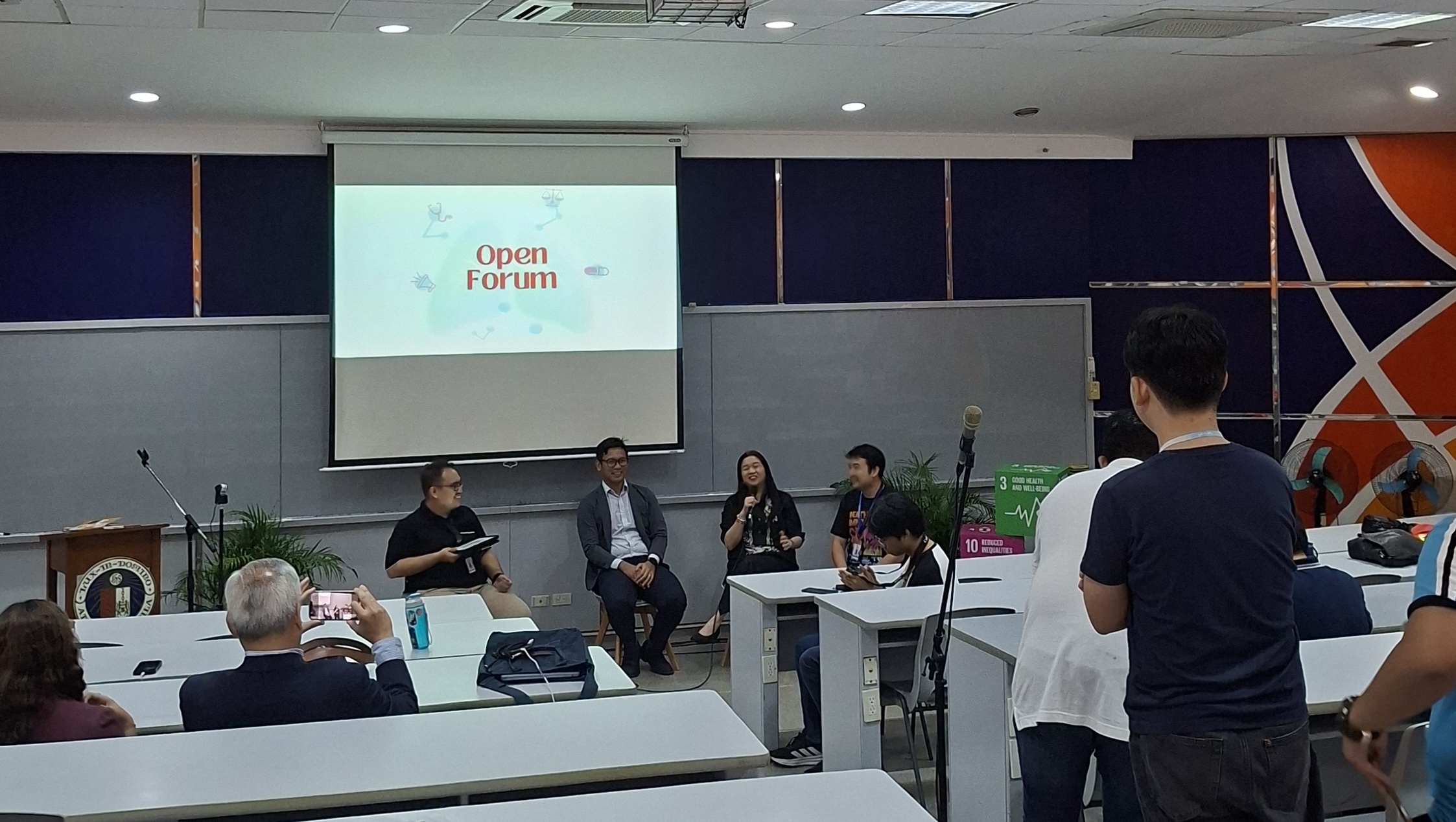
On 24 March 2026, the Ateneo Institute of Sustainability (AIS), through its Sustainable Development Goals (SDGs) Program, hosted a multidisciplinary panel in observance of World Tuberculosis Day. Entitled “The Anatomy of Injustice: Why Can’t We Eradicate Tuberculosis?”, the panel gathered professionals from various sectors–healthcare, government, health policy, and development–to dissect the issue of TB eradication in the country. From TB’s biomedical properties to the social determinants of health and the structural barriers that impede its eradication, the panel urged participants to think beyond the disease of the body and reflect on the illnesses of society that allow such issues to persist.
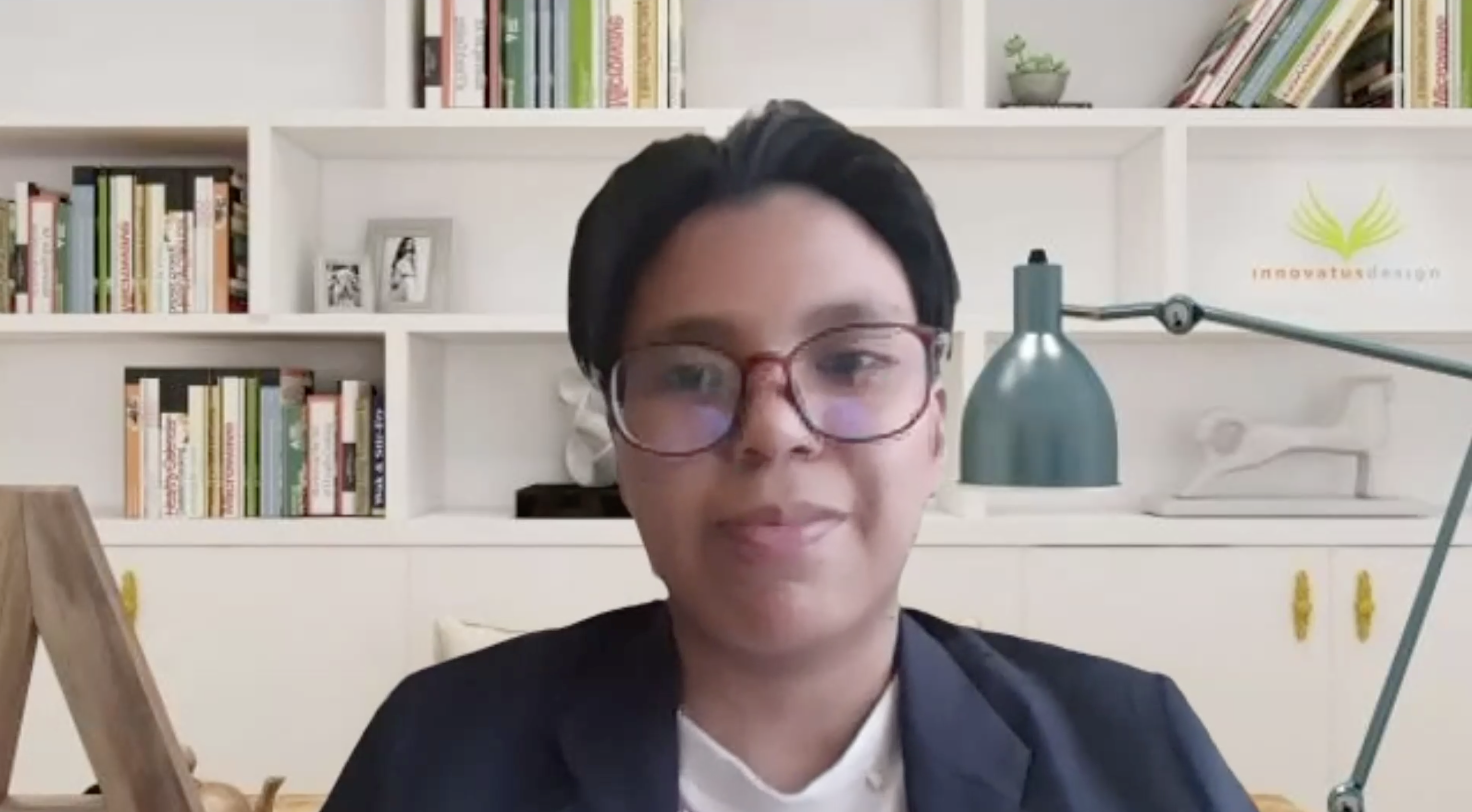
Mr. John Green, author of the New York Times bestselling book Everything is Tuberculosis, opened the panel with a brief but profound message, highlighting the interdisciplinarity of TB eradication.
We can treat tuberculosis, okay? Okay.
The talks commenced with a discussion of the epidemiology of tuberculosis from one of the country’s leading pulmonary specialists, Dr Jillian Mae Tabora-Lacdao of Makati Medical Center and St. Luke's Medical Center-Global City. Dr Tabora-Lacdao talked about TB’s etiology–a bacterium called Mycobacterium tuberculosis, which primarily infects the lungs but also spreads to other organs in the body. It is transmitted easily through the air when an infected person coughs, sneezes, shouts, or spits, making TB extremely contagious.
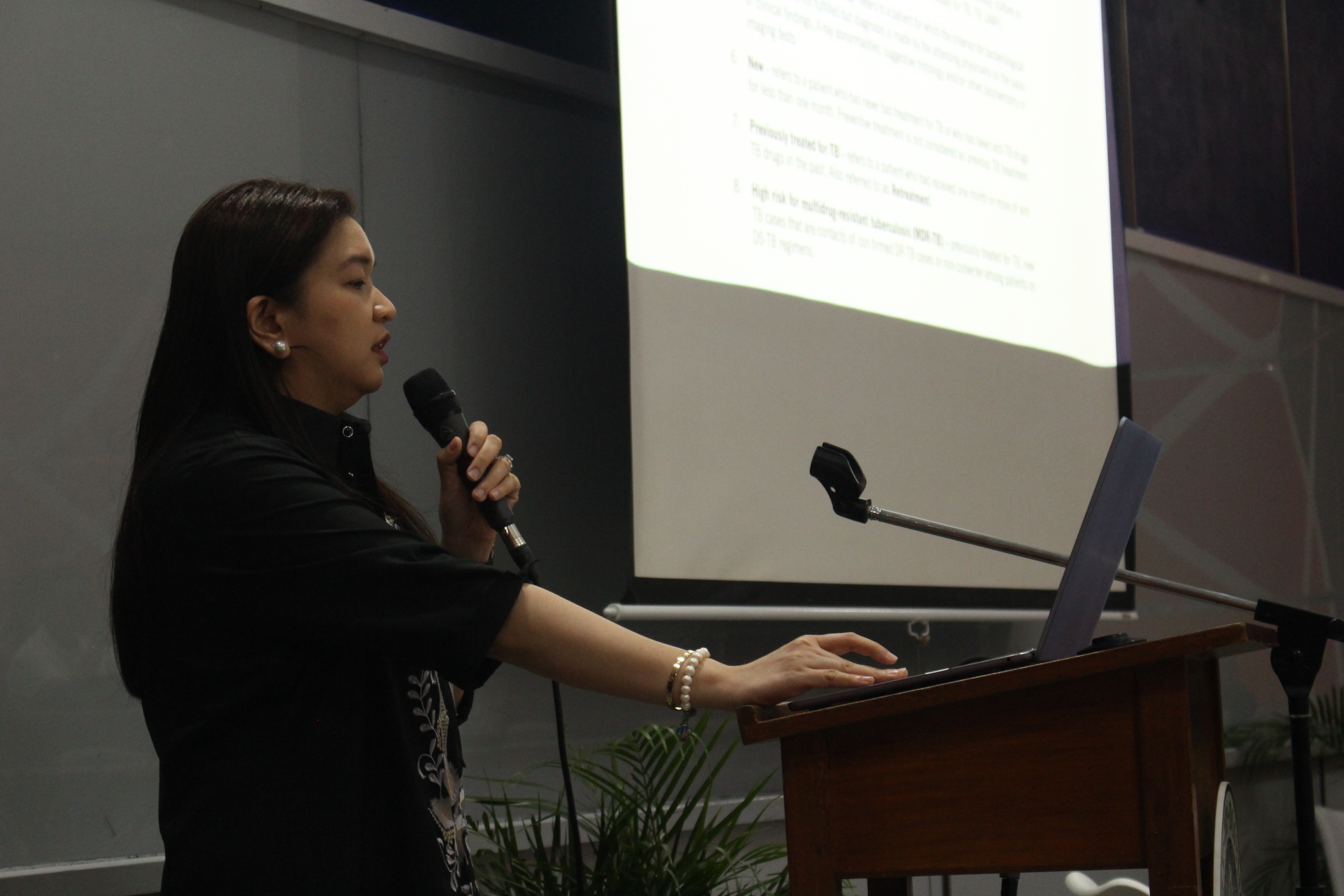
Diagnosis is done through various tests, including a chest X-ray or a sputum culture. Once diagnosed, a patient must undergo medication consistently for four to nine months. Directly-observed therapy, short-course (DOTS), an effective cure for TB, is available for free in health centers all over the country.
But while medication and recovery can span months, one thing is clear: TB is curable and treatable. Therefore, TB eradication should not be an impossible task.
We can eradicate TB, right?
Despite its treatability, TB remains one of the deadliest diseases globally. In the Philippines alone, TB led to the death of around 37,400 people in 2024. The country also ranked 3rd in the highest TB incidence rate, with 6.8% of the global total of TB incidence originating from the Philippines. This is the grim reality faced by Filipinos and upon which the Epidemiology Bureau of the Department of Health (DOH-EB) operates.
Ms Krisia Denise Misa, Senior Program Officer at DOH-EB, shared the government-led programs aimed at controlling and ultimately eradicating TB in the country. At the heart of her talk is the Philippine Strategic TB Elimination Plan, Phase 2 (PhilSTEP2), DOH’s master plan for addressing the TB issue from 2025 to 2030. These strategies include the expansion of TB interventions, from screening and testing, to notification via strengthened information systems, and treatment. According to Ms Misa, DOH is also working to expand the coverage of TB treatment in the Philippine Health Insurance Corporation (PhilHealth). The strategic framework also cuts across different dimensions, including emergency preparedness, health promotion, and enabling health systems.
Why can’t we eradicate TB?
The third panelist, Dr. TJ Robinson Moncatar, Associate Professor II at the Department of Health Policy and Administration at the University of the Philippines Manila, discussed structural limitations of TB eradication in the country. He framed TB as a wicked problem that stems from intersecting socioeconomic and political determinants. While the presence of a cure is essential, it represents only one branch of a complex issue and, on its own, cannot guarantee the eradication of the disease. He emphasized that efforts to eliminate TB in the Philippines are hindered by persistent gaps in governance and decentralization, economic and financial barriers, human resource constraints, weaknesses in service delivery networks, and fragmented public-private engagement. Expounding on this perspective, Dr Moncatar highlighted how TB must be understood through the lens of the social determinants of health, underscoring how conditions in which people are born, live, and work significantly shape health outcomes.
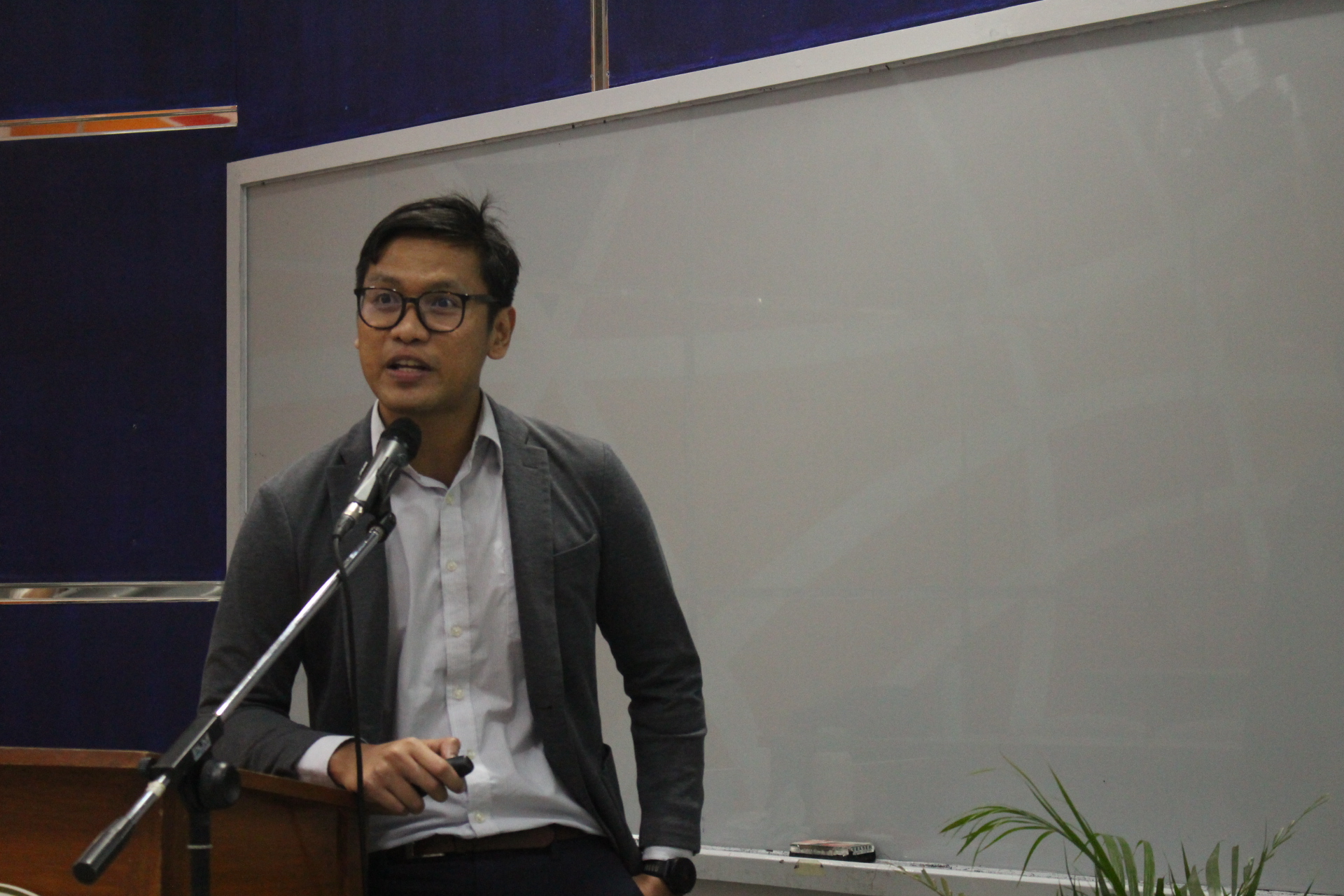
Dr Raphael Abacan, Part-time Lecturer at the Ateneo de Manila University, further reinforced this argument in his talk. He identified neoliberalism as a major culprit that obstructs the pursuit of just health systems. According to him, neoliberal frameworks influence not only how policies are crafted and how resources are allocated, but also how societies and individuals view and understand public health. He pointed to the transformation of national health systems into insurance-based models and the increasing privatization of medical care, which shifts the burden of health responsibility solely to the individuals. This profit-driven type of governance limits access to genuine health care to a significantly small portion of the population. In his view, it is not merely inequality that kills people, but the institutions that propagate and benefit from these inequalities.
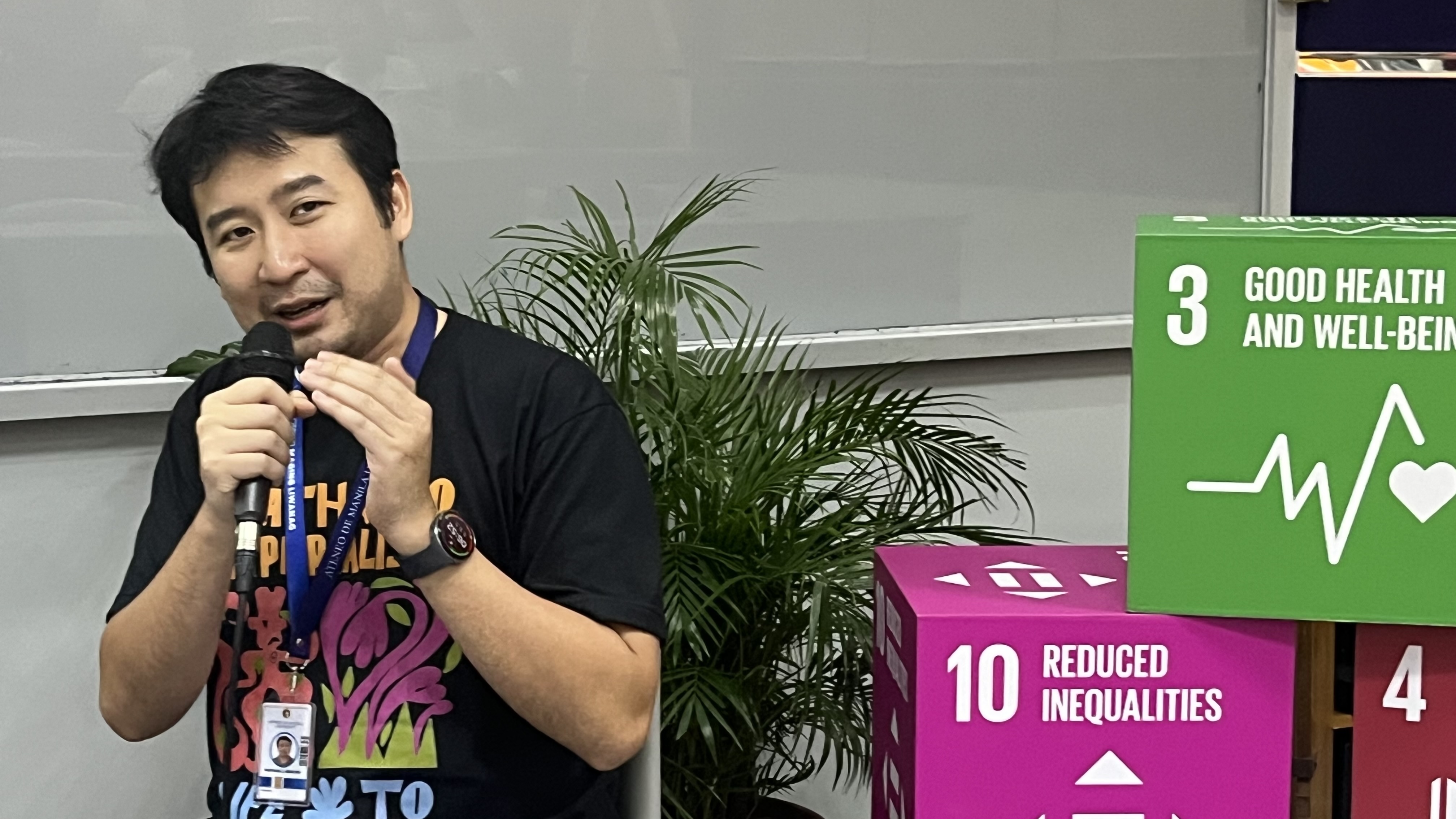
The fight against tuberculosis does not just occur in hospitals or health centers. Eradicating tuberculosis means confronting the injustices ingrained in our systems, demolishing the barriers that keep healthcare away from the masses, and holding accountable those who perpetuate and benefit from these injustices.
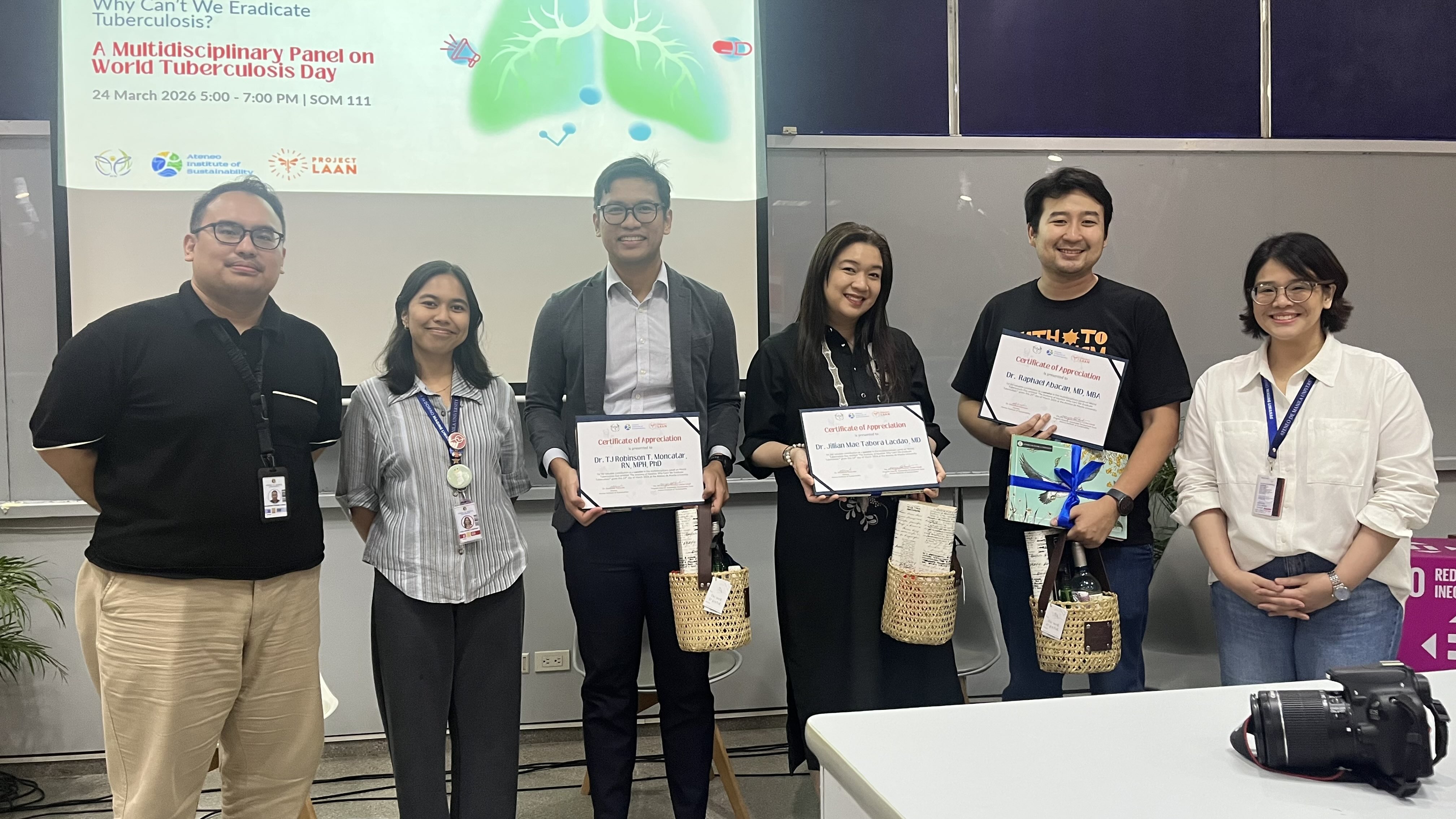
The Anatomy of Injustice: Why Can’t We Eradicate Tuberculosis was co-organized by the Ateneo Institute of Sustainability, the Office of the Assistant Vice President for Health, Care, and Wellbeing, and Project LAAN, in partnership with the Development Society of the Ateneo.
Recent News
You may also like these articles
ASOG’s Tobacco Control initiatives spotlighted in DOH National Technical Working Group for Tobacco Prevention and Control
On March 10 to 12, 2026, the Ateneo School of Government (ASOG), through its research and public policy unit, the Ateneo Policy Center, participated in
ASMPH welcomes incoming VPHE, honors the service of VP Marlu Vilches
The Ateneo School of Medicine and Public Health (ASMPH) recently held a transition meeting marking an important leadership shift within the University’s Higher Education cluster
AIS links with Masungi for systems thinking for environmental management
Last 23-24 March 2026, the Ateneo Institute of Sustainability (AIS) , which manages the My Climate Risk – Ateneo de Manila University Regional Hub
Vertical integration in ASMPH: A shared neurology preceptorial experience
In the Ateneo School of Medicine and Public Health (ASMPH), the commitment to vertical integration continues to grow stronger. This meaningful collaboration brings together YL6
Interweaving disciplines for a healthier future together: Highlights from the UHC Summit 2026
The Rosita G Leong Primary Healthcare Hub (RGL Hub) co-presented the flagship initiative of Project LAAN, the Universal Health Care Summit (UHC Summit), on 14
ASOG meets with Department of Health—Bureau of International Health Cooperation to strengthen institutional partnership
On 27 February 2026, the Ateneo School of Government (ASOG), through its research and public policy unit, the Ateneo Policy Center, held a courtesy meeting