Interweaving disciplines for a healthier future together: Highlights from the UHC Summit 2026
25 Mar 2026 | Dr Cheska De Jesus and Dr Cher Marie Tuason


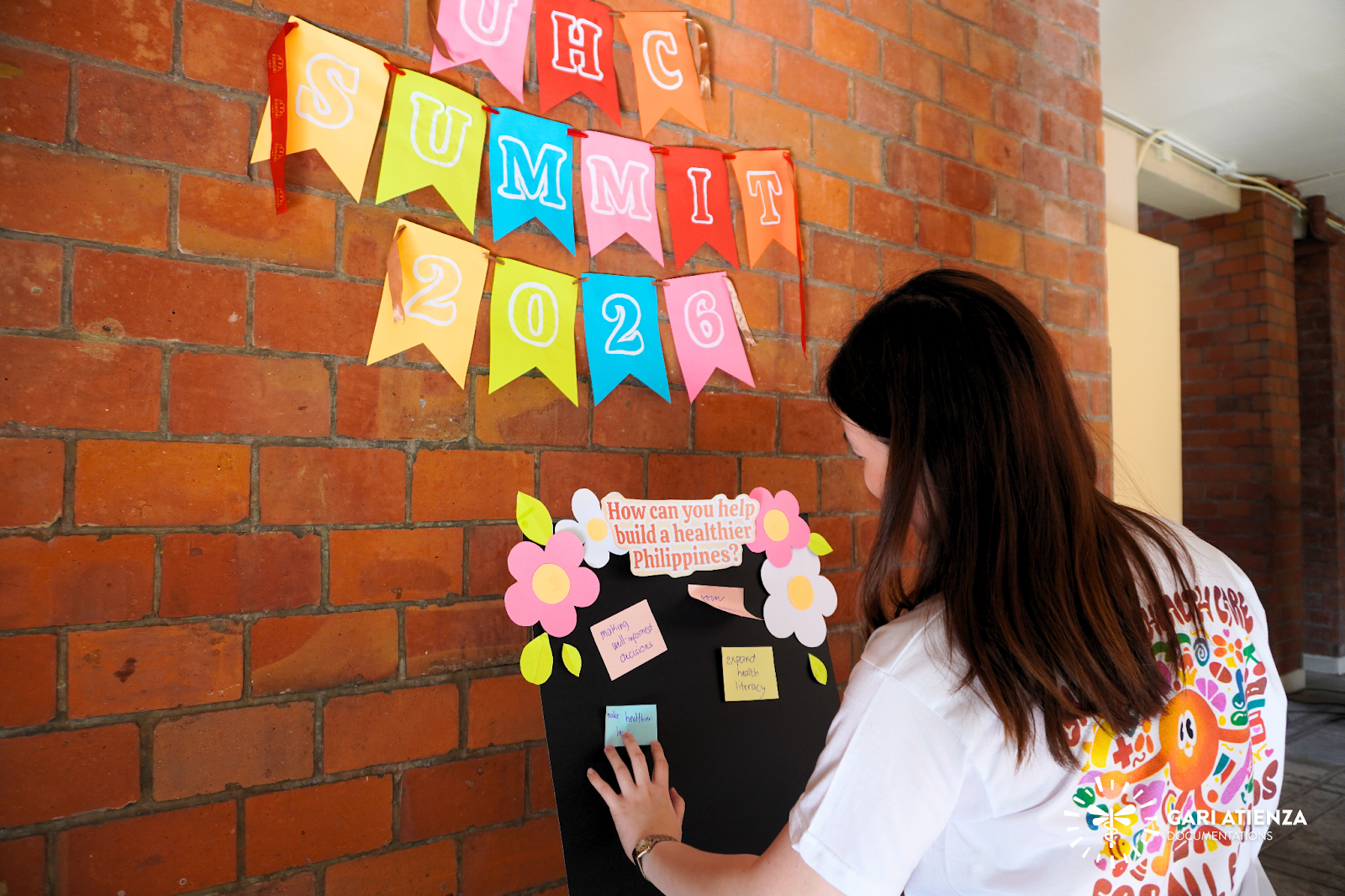
The Rosita G Leong Primary Healthcare Hub (RGL Hub) co-presented the flagship initiative of Project LAAN, the Universal Health Care Summit (UHC Summit), on 14 March 2026 at the Escaler Hall of the Ateneo de Manila University Loyola Heights Campus in Quezon City. The event brought together senior high school and college students from diverse academic backgrounds to engage in discussions on health equity, community-driven solutions, and the implementation of Universal Health Care (UHC) in the Philippines.
Under the theme, “From Roots to Branches: Interweaving Disciplines for a Healthier Tomorrow,” the Summit challenged the notion that health is a siloed issue, emphasizing that achieving UHC requires the collective expertise of professionals across all sectors of society.
Keynote speaker Dr Edwin Mercado, President and CEO of the Philippine Health Insurance Corporation (PhilHealth), opened the event by outlining the agency’s ongoing efforts to advance UHC through its RISE mission: 30 months forward, 30 days at a time. Through this roadmap, PhilHealth aims to deliver measurable monthly improvements in areas such as member and provider trust, administrative efficiency, and institutional capacity.
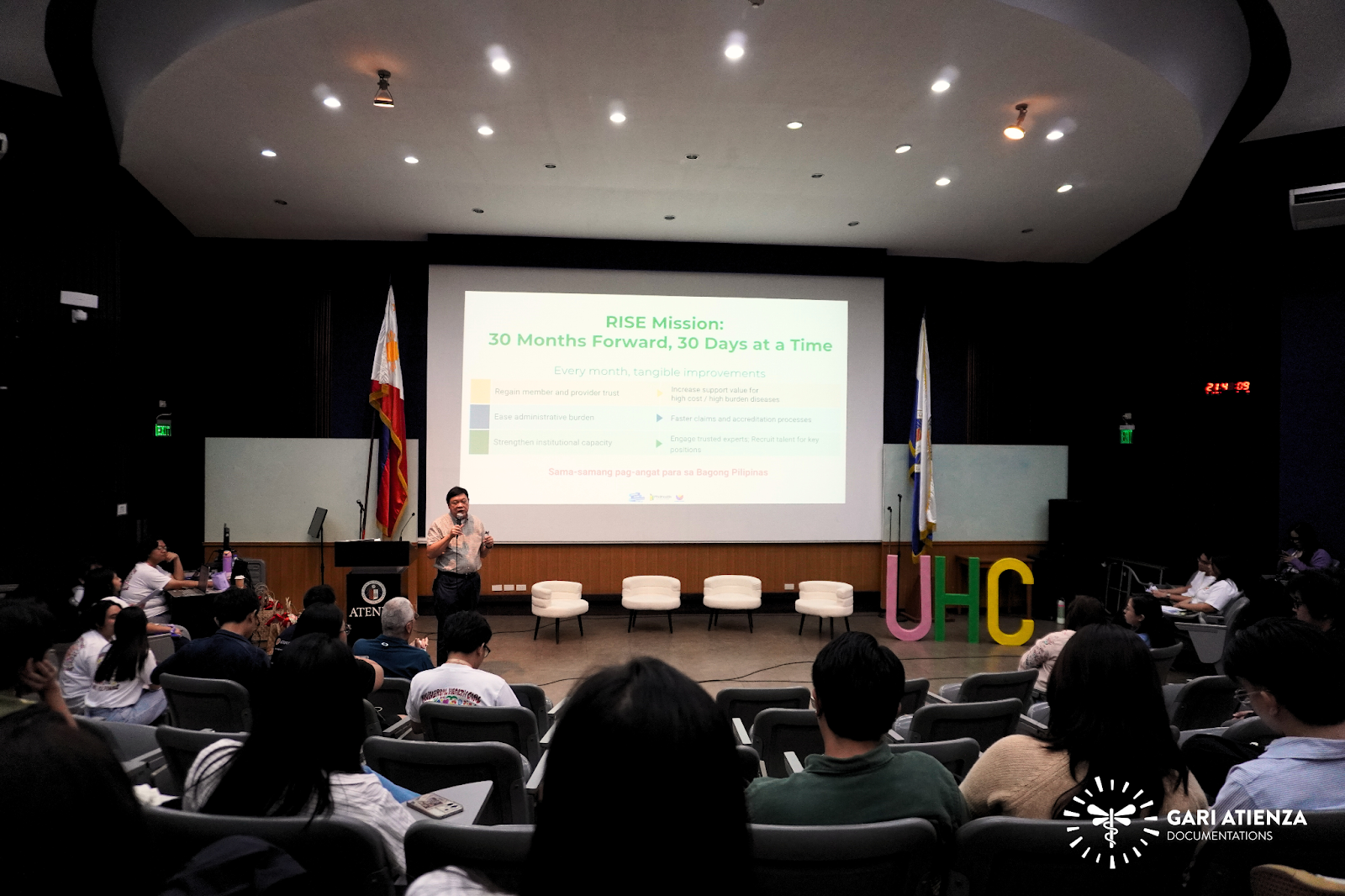
Their example demonstrated that breaking large systemic challenges into manageable steps allows institutions to build momentum and achieve sustained progress. Dr Mercado ended his talk by encouraging students to recognize that every profession—from education and economics to law and science—plays an indispensable role in building a healthier Philippines.
Following the keynote address, Dr Eduardo Banzon of the Asian Development Bank, Dr Cenon Alfonso of the Ateneo School of Medicine and Public Health, and Dr Valerie Ulep of the Philippine Institute for Development Studies participated in a panel discussion moderated by Dr Alberto Antonio.
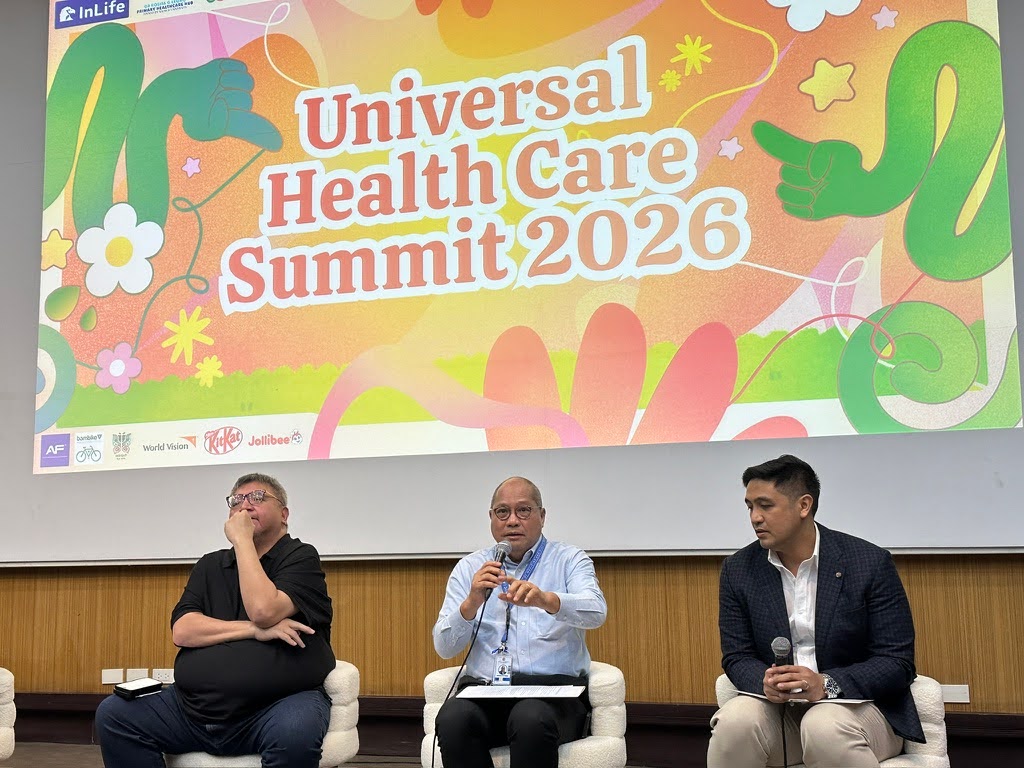
During the discussion, the panelists emphasized that health is not merely the absence of disease but a broader state of well-being shaped by social, economic, and structural conditions. Dr Ulep urged participants to examine the systemic roots of health inequities and highlighted the importance of allocating resources more equitably to reduce disparities across geographic and socio-economic groups. Dr Banzon underscored the importance of multi-sector collaboration, including private sector partnerships, in advancing UHC implementation, while Dr Alfonso emphasized the need for strong governance and sustained investment in health systems as drivers of meaningful reform.
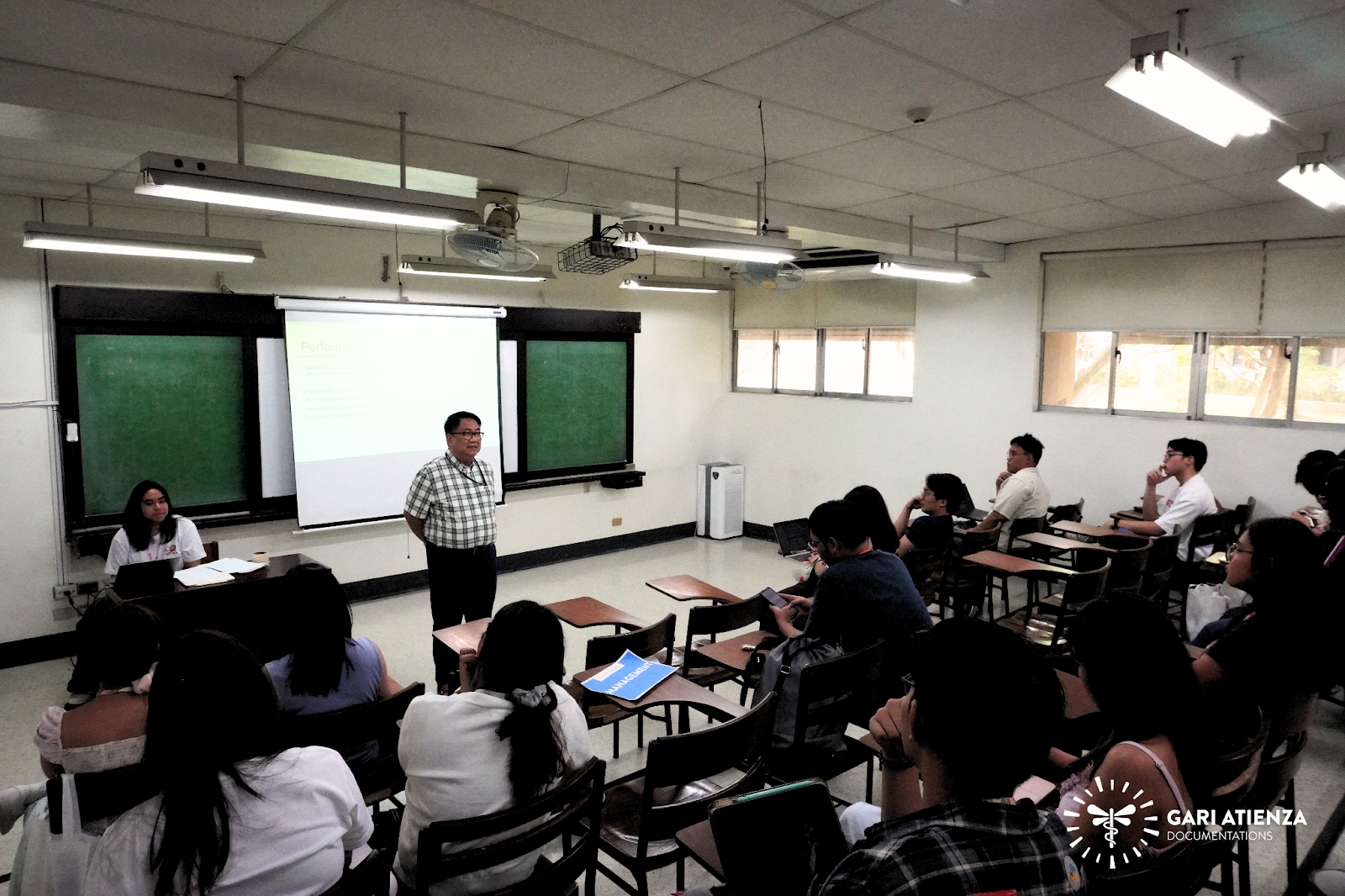
In the afternoon, participants joined parallel breakout sessions featuring speakers from fields such as Management, Law, Education, Science and Technology, and the Humanities. The sessions explored how diverse disciplines contribute to strengthening health systems and advancing UHC, reinforcing the Summit’s central message that achieving health equity requires collaboration beyond the traditional boundaries of the health sector.
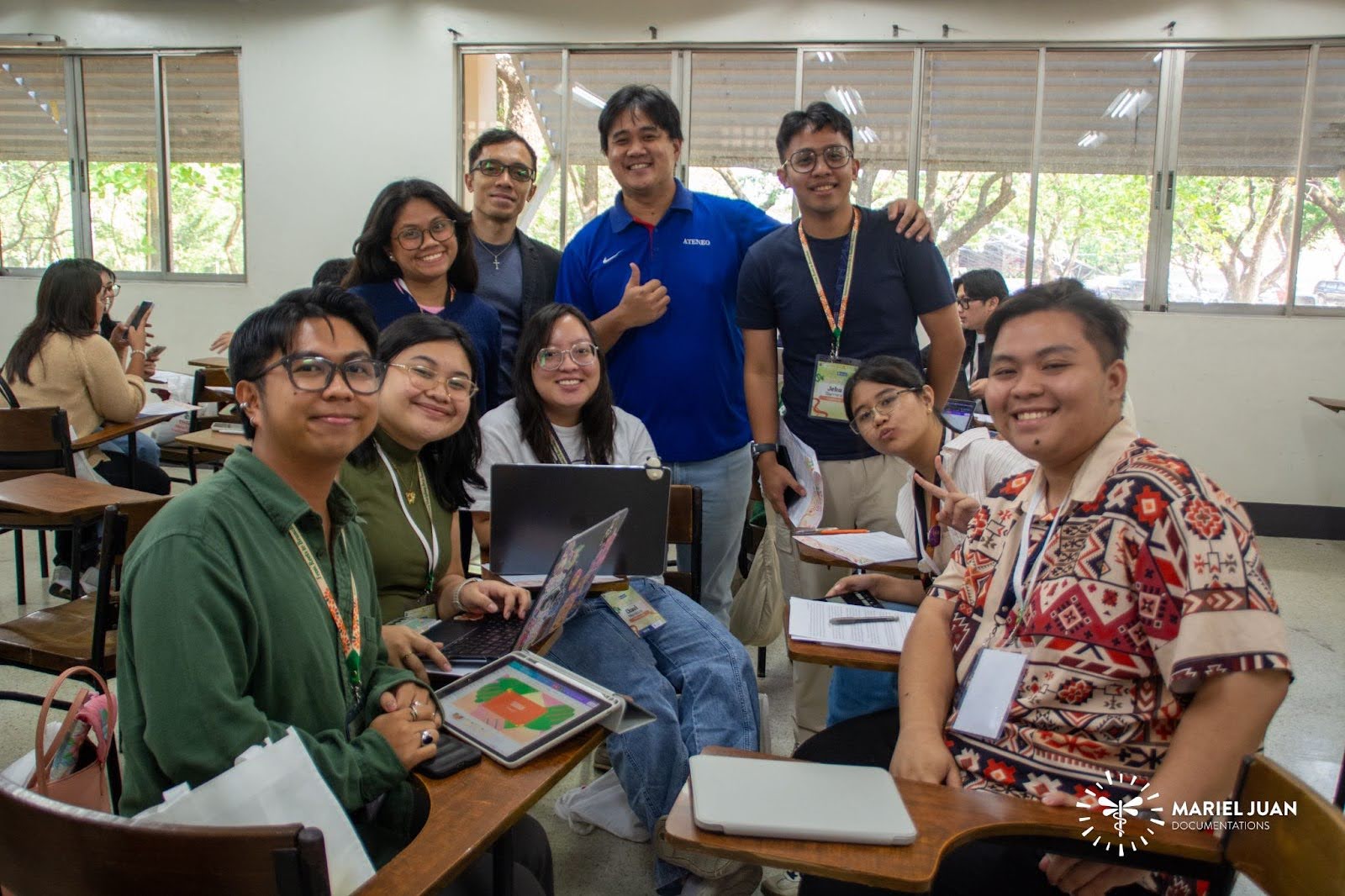
The Summit then moved to a facilitated workshop led by representatives of the RGL Hub, where participants worked in groups to analyze a case study and develop short proposals responding to the challenges presented. The activity encouraged participants to apply the day’s insights and examine how social, economic, and structural determinants influence health outcomes in communities.
Selected groups later presented their proposals during the final plenary session at the Escaler Hall, receiving feedback from earlier session speakers on the strengths of their proposals, and areas for further development.
As the Summit concluded, the day’s discussions and activities ultimately reinforced what the event set out to affirm:
“achieving Universal Health Care in the Philippines is a collective endeavor, and every discipline and profession has a role to play”
The UHC Summit successfully served as a platform for students and young professionals to recognize how their respective fields can contribute to improving health systems and advancing health equity. The participants were encouraged to carry these insights forward into their studies, workplaces, and communities, as active contributors and advocates to a more accessible and equitable health system for all Filipinos.
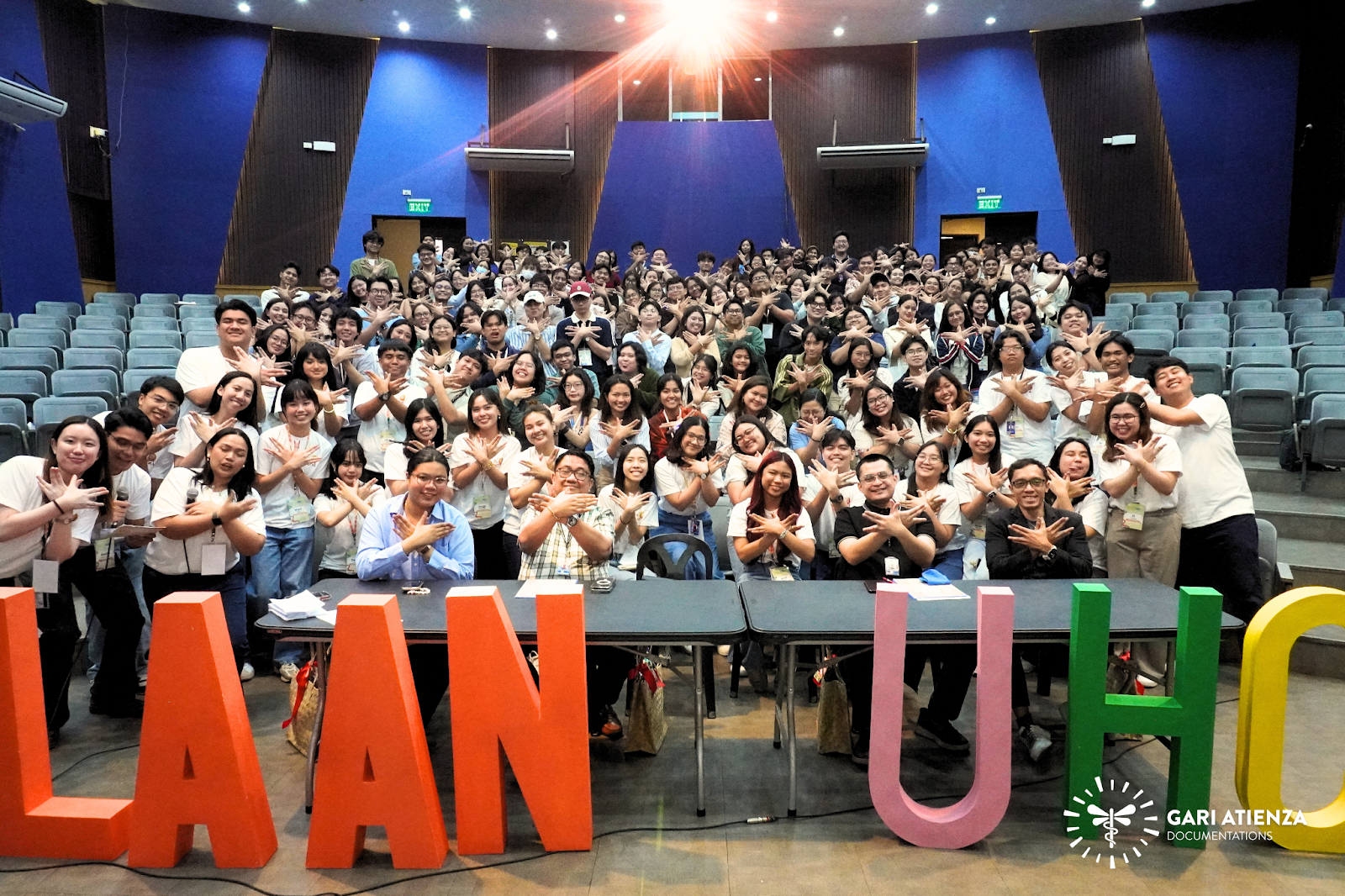
The RGL Hub is the lead office in Ateneo de Manila University's network working on strengthening and supporting primary care in the Philippines. For potential partnerships and collaborations with the RGL Hub, interested parties may reach us via email at rglhub@ateneo.edu.
Recent News
You may also like these articles

[Hot Off the Press] Arkipelago
New book from the Ateneo Press Arkipelago provides a fascinating and fantastical twist on Philippine politics and history Our country is an archipelago of stories
Protecting Creativity: AIPO and Rizal Library Host Copyright Awareness Session for the Ateneo Community
On March 18, 2026, the Ateneo Intellectual Property Office (AIPO), in collaboration with the Rizal Library, successfully conducted a Copyright Awareness Session held on the
Holy Week 2026 Holidays (Memo # UHR2526-038)
Memo # UHR2526-038 31 March 2026 TO: All Employees FROM: [Sgd] Maria Victoria T Cortez, PhD Vice President for University Human Resources SUBJECT: Holy Week
ASOG’s Tobacco Control initiatives spotlighted in DOH National Technical Working Group for Tobacco Prevention and Control
On March 10 to 12, 2026, the Ateneo School of Government (ASOG), through its research and public policy unit, the Ateneo Policy Center, participated in
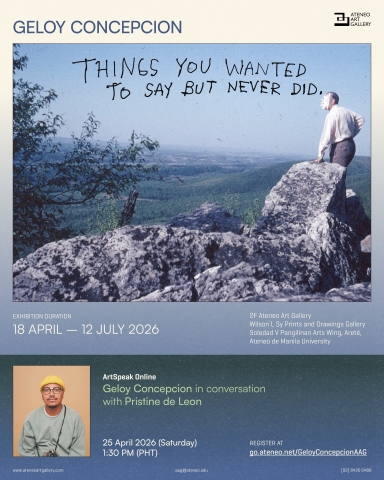
Things You Wanted to Say But Never Did: Geloy Concepcion’s six-year project makes Its exhibition debut at the Ateneo Art Gallery
Geloy Concepcion’s Things You Wanted To Say But Never Did comes to the Ateneo Art Gallery this 18 April 2026. After receiving almost 300,000 messages

[Hot Off the Press] Love If I'm Pretty
New YA Release from the Ateneo Press Love If I’m Pretty tackles the nuances of growing up through complex characters and straightforward prose What do