Ateneo Law School convenes forum on the future of Philippine education reform
29 Jan 2026




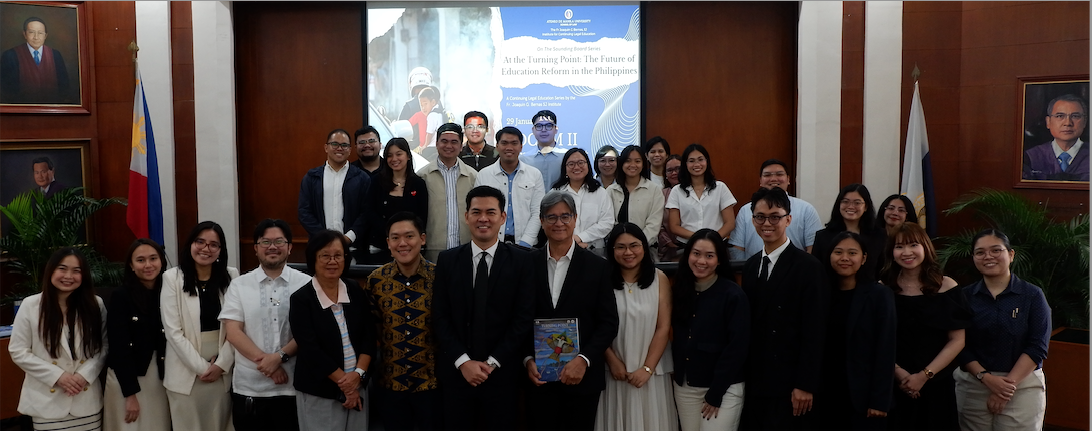
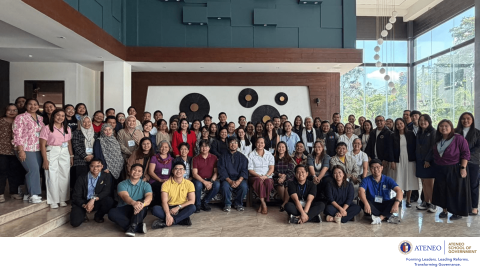
On 29 January 2026, the Ateneo Law School, through the Father Joaquin G Bernas SJ Institute for Continuing Legal Education, convened its second On the Sounding Board forum at the Justitia Hall, focusing on the future of Philippine education reform in light of the recently released EDCOM II Final Report.
Titled “At the Turning Point: The Future of Education Reform in the Philippines,” the forum gathered educators, policymakers, legal professionals, and students to examine the structural roots of the country’s learning crisis and the legal reforms needed to address it.
Education at a Turning Point
In his welcome remarks, Atty Jose Maria G Hofileña, Dean of the Ateneo Law School, underscored the relevance of the discussion to the mission of the School and to the legacy of Fr Joaquin G Bernas SJ, a former Dean Emeritus of the Ateneo Law School.
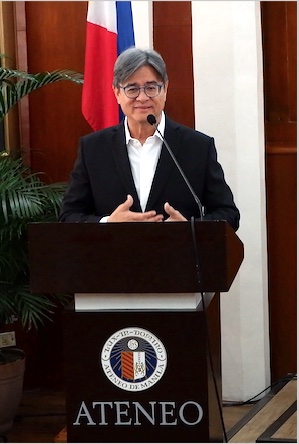
Dean Hofileña noted that the On the Sounding Board series draws its name from Fr Bernas’ long-running newspaper column and reflects the Institute’s mandate to engage pressing national issues through informed public discourse. He added that education reform holds particular significance for the Law School, whose students are themselves products of the Philippine education system.
The forum also forms part of the activities marking the 90th Anniversary of the Ateneo Law School.
EDCOM II: Diagnosing a Systemic Crisis
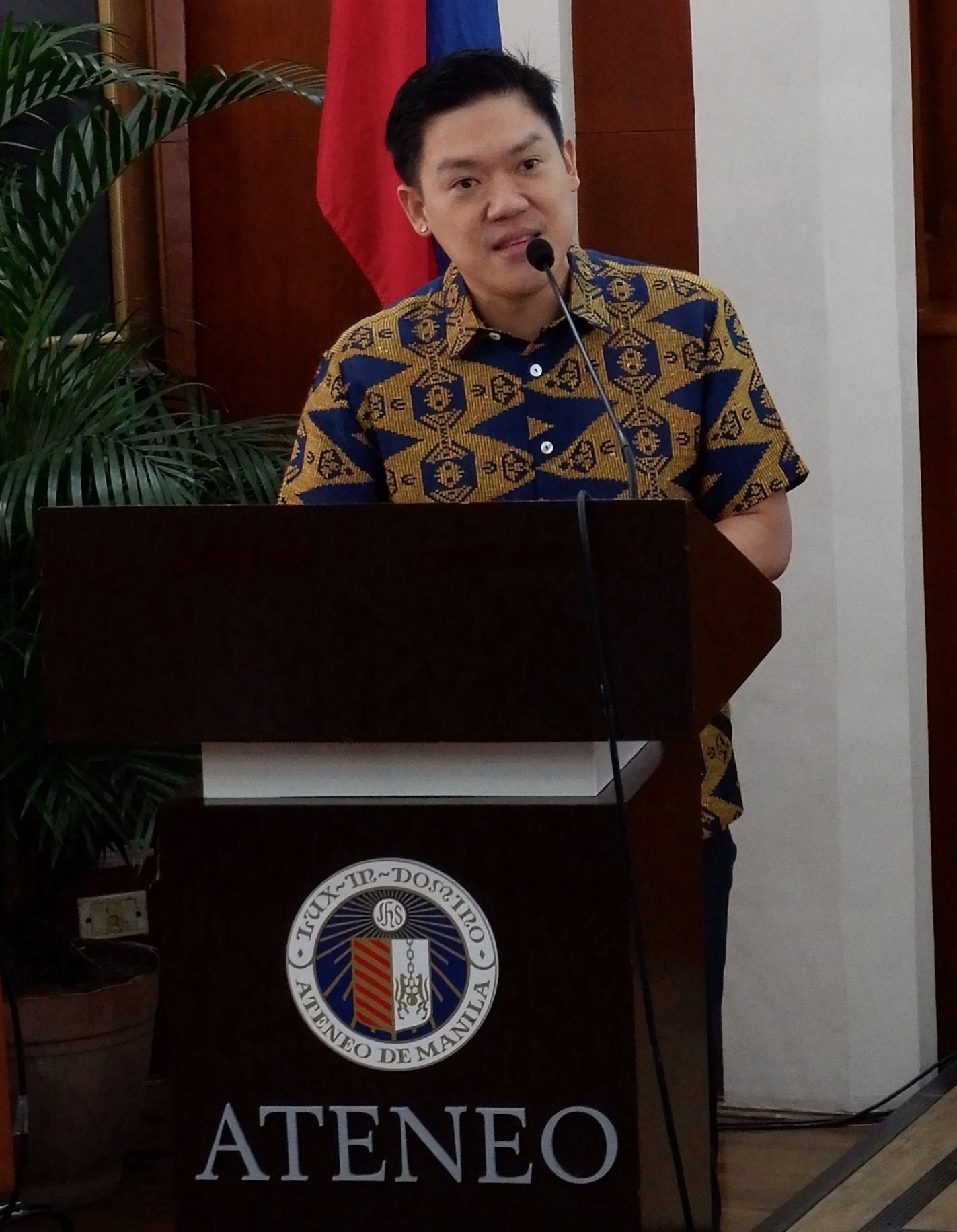
The forum’s main presentation was delivered by Dr. Karol Mark Yee, Executive Director of the Second Congressional Commission on Education (EDCOM II).
Dr Yee explained that EDCOM II was created by law in 2022 to assess the Philippine education system from early childhood to higher education and to recommend policy reforms. The Commission has since released three major reports, culminating in the Final Report entitled Turning Point: A Decade of Necessary Reforms.
Among the key findings he presented:
- Learning poverty remains severe and systemic. Citing national and international data, Dr. Yee reported that a significant proportion of Filipino learners are years behind expected learning levels, with many students promoted despite lacking foundational skills.
- Early childhood (ages 0–4) is critically under-invested. Dr. Yee emphasized that cognitive damage from malnutrition and lack of stimulation during this period is often irreversible, yet existing programs fail to reach a majority of affected children.
- Reading proficiency declines sharply after the early grades. While recent interventions have improved literacy outcomes in Grades 1–3, proficiency drops significantly in later grades, with only a small fraction of Grade 10 and Grade 12 students meeting expected standards.
- Structural constraints undermine reform. These include outdated staffing standards, classroom congestion, mismatches between teacher specialization and assignments, excessive school suspensions and celebrations, and highly prescriptive laws that limit institutional flexibility.
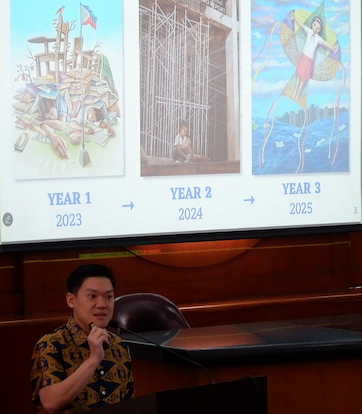
Dr Yee stressed that the education crisis is not new but has persisted for decades, often hidden behind aggregate statistics. He noted that EDCOM II’s work benefited from collaboration with universities, including legal research contributions from Ateneo Law School students.
Despite the scale of the challenge, he emphasized that recent reforms demonstrate the system’s capacity to improve when interventions are focused and well-implemented. He cited data showing that targeted literacy programs have produced rapid gains, with many learners improving by at least one proficiency level within weeks.
"We are at a turning point," Dr. Yee said, urging sustained, collective action over the next decade. "The problem is not irreversible--but only if we act."
Law, Accountability, and Education Reform
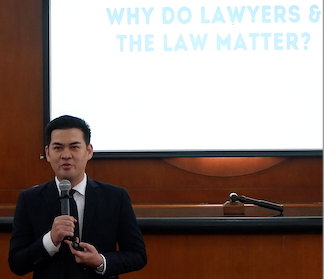
Reacting to the EDCOM II findings, Atty. Filemon Ray L. Javier, Undersecretary for Legal and Legislative Affairs of the Department of Education, focused on the role of law and lawyers in translating policy into lasting reform.
Undersecretary Javier described the education crisis as a “quiet” one—often invisible because learners continue to move through grade levels despite not mastering essential skills. He stressed that this failure is systemic, not individual.
Drawing from his experience in public service, he argued that laws shape outcomes through accountability structures, coordination mechanisms, and enforcement. He cited concrete actions within DepEd, including the resolution of long-pending administrative cases and the enforcement of child protection laws, as examples of how legal action can produce immediate, tangible benefits for learners.
He further emphasized that lawyers play a critical role in:
- Designing accountability systems that prioritize mastery rather than mere completion;
- Ensuring coordination among education agencies through enforceable legal mandates;
- Protecting early childhood development, mental health, and learner safety through effective enforcement; and
- Making the constitutional right to education meaningful and justiciable.
“Laws change lives quietly, structurally, and permanently—when enforced correctly,” he said.
A Call to Act
The forum concluded with a robust exchange between the speakers and participants, including educators, school administrators, lawyers, and researchers, highlighting shared concerns on accountability, teacher support, governance, and early childhood development.
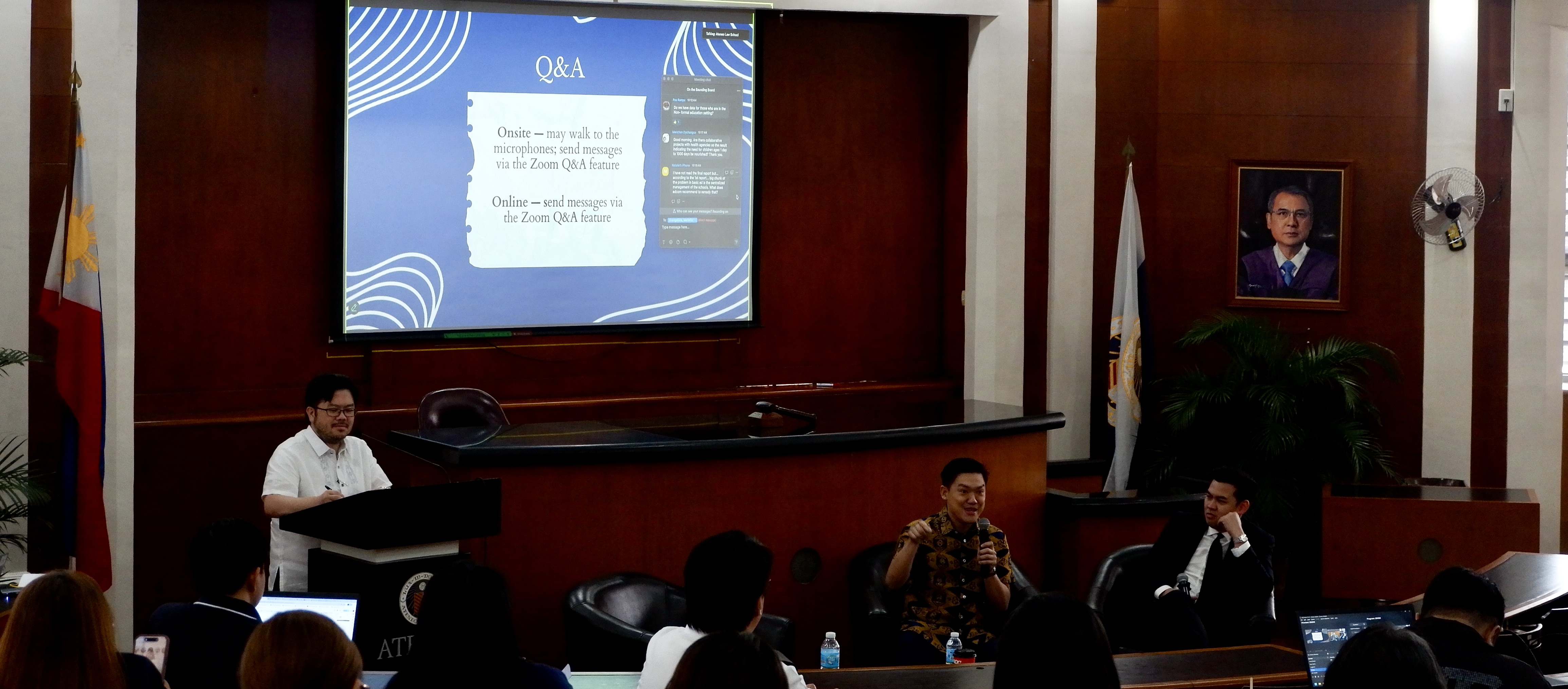
Consistent with the spirit of the On the Sounding Board series, the discussion emphasized that addressing the education crisis requires sustained collaboration across sectors—government, legal institutions, universities, and civil society.
As Dr Yee concluded, echoing a principle often attributed to Fr Roque Ferriols SJ: “Kapag nasabi na ang lahat ng masasabi, ang pinakamahalaga ay hindi na masasabi—magagawa lamang."
Watch the Full Forum Video
Recent News
You may also like these articles

Bending toward justice: A forum on the ICC, the Duterte Case, and victim participation
Following the successful conclusion of the third installment of the On the Sounding Board Series, entitled Bending Toward Justice: A Forum on the ICC, the

[Hot Off the Press] Arkipelago
New book from the Ateneo Press Arkipelago provides a fascinating and fantastical twist on Philippine politics and history Our country is an archipelago of stories

Bending Toward Justice: ALS Forum Examines the ICC, the Duterte Case, and Victim Participation
The Ateneo Law School, through the Fr. Joaquin G. Bernas, SJ Institute for Continuing Legal Education, in partnership with the Ateneo Human Rights Center, held
Protecting Creativity: AIPO and Rizal Library Host Copyright Awareness Session for the Ateneo Community
On March 18, 2026, the Ateneo Intellectual Property Office (AIPO), in collaboration with the Rizal Library, successfully conducted a Copyright Awareness Session held on the
Holy Week 2026 Holidays (Memo # UHR2526-038)
Memo # UHR2526-038 31 March 2026 TO: All Employees FROM: [Sgd] Maria Victoria T Cortez, PhD Vice President for University Human Resources SUBJECT: Holy Week
ASOG’s Tobacco Control initiatives spotlighted in DOH National Technical Working Group for Tobacco Prevention and Control
On March 10 to 12, 2026, the Ateneo School of Government (ASOG), through its research and public policy unit, the Ateneo Policy Center, participated in