DOH—DPCB and ASOG hold public consultation on the National Tobacco Cessation Infrastructure Plan 2030
23 Jan 2026

On 22 January 2026, the Department of Health — Disease Prevention & Control Bureau (DPCB), together with the Ateneo School of Government (ASOG) through the Ateneo Policy Center (APC), held a public consultation on the National Tobacco Cessation Infrastructure Plan (NTCIP) 2030.
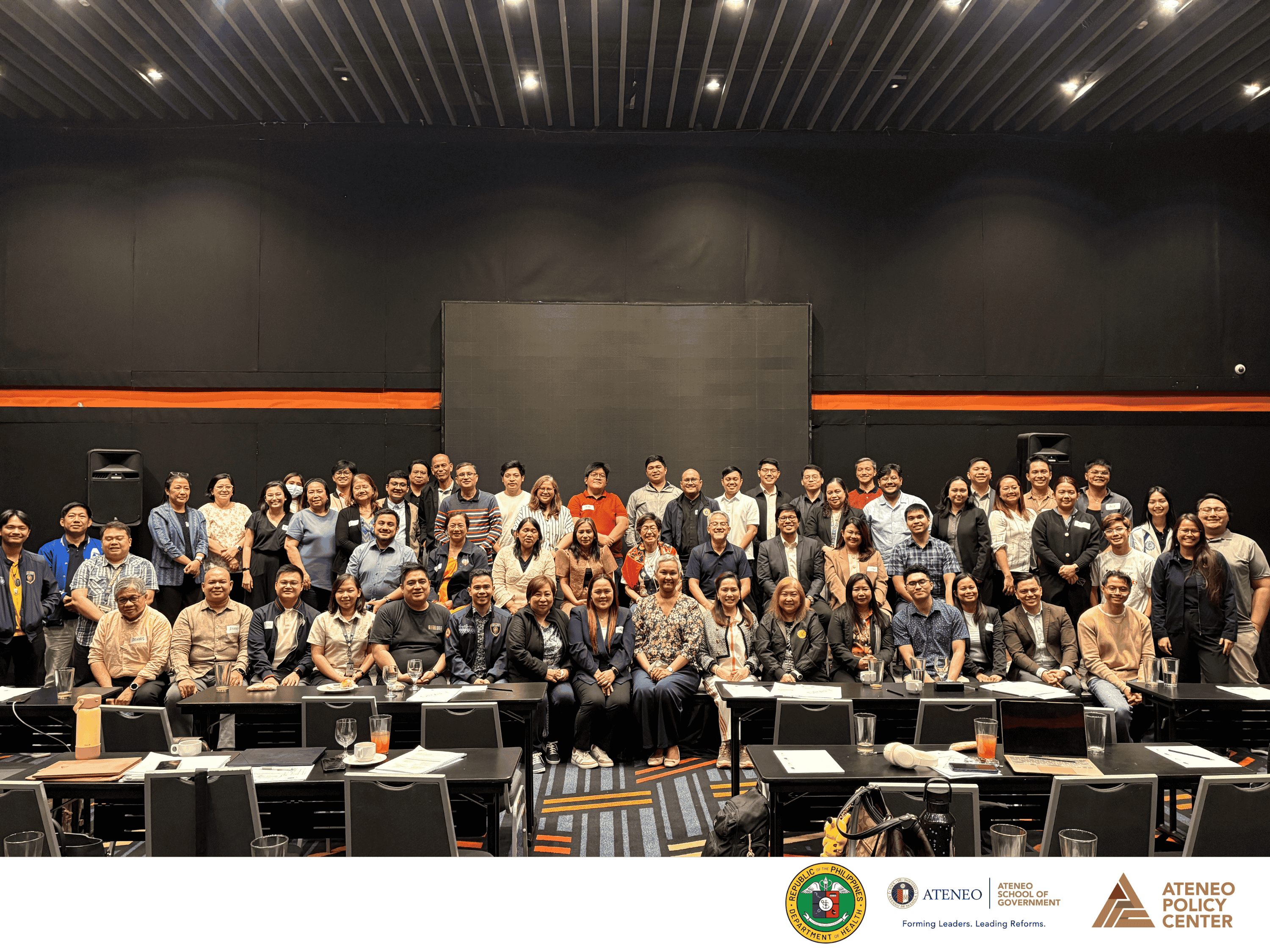
The National Tobacco Cessation Infrastructure Plan 2030 serves as the country’s strategic roadmap for strengthening tobacco cessation infrastructure in alignment with the National Tobacco Prevention and Control Strategy (NTPCS) 2030. The Plan was developed over a series of framework planning workshops, expert group discussions, and writeshops in collaboration with a coalition of government agencies, civil society organizations, professional societies, medical societies, hospitals, local government units, and more. The public consultation aimed to provide an overview of the Plan; solicit stakeholder feedback on its feasibility, clarity, and alignment with existing policies; and identify implementation considerations, risks, and opportunities for strengthening tobacco cessation services nationwide.
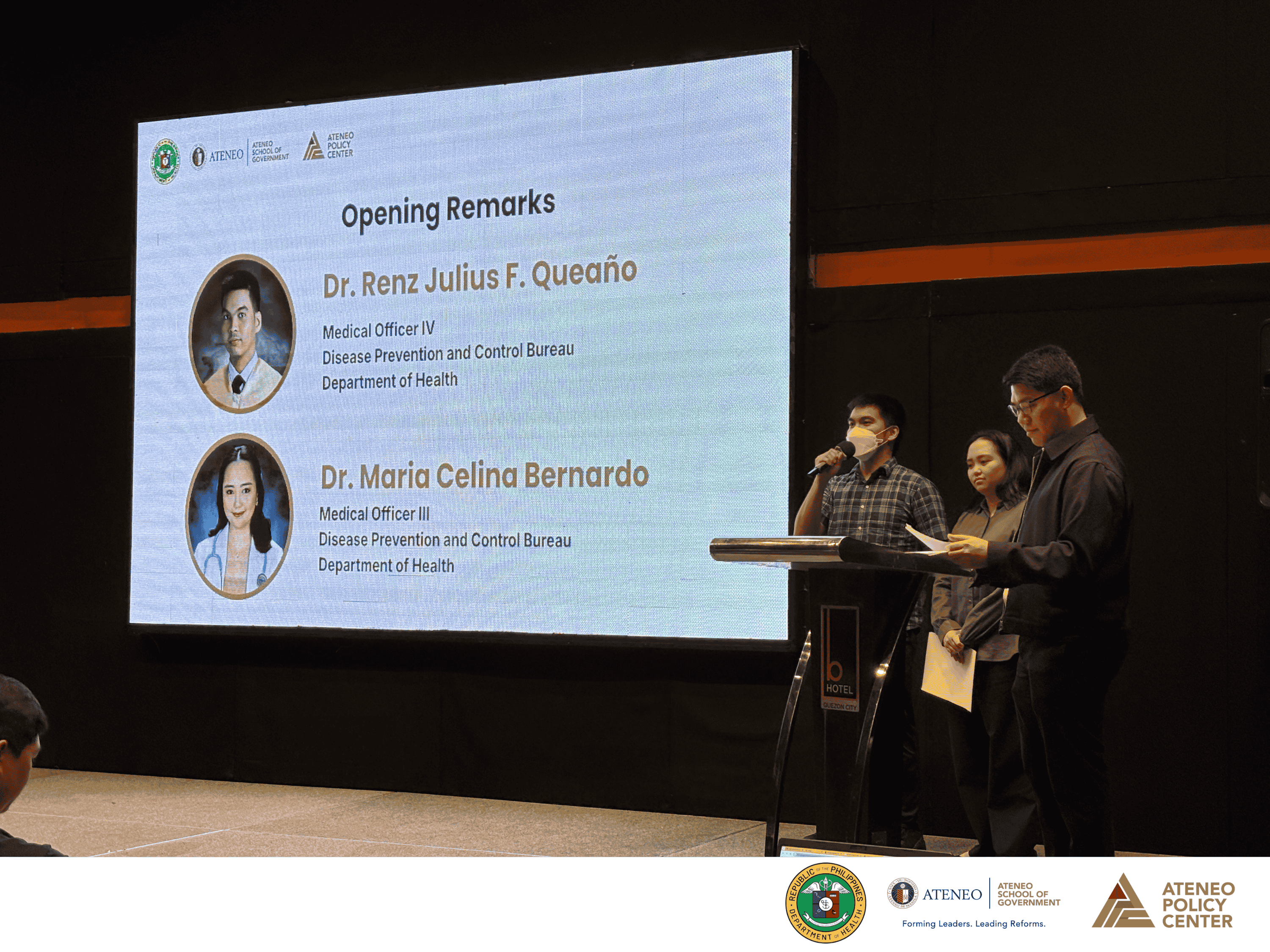
The public consultation was led by Dr Renz Julius F Queaño and Dr Maria Celina Bernardo, Program Managers of the DPCB Smoking Cessation Program, and was moderated by Mr Alen Santiago, Program Manager of APC’s Tobacco Control and Governance Portfolio.
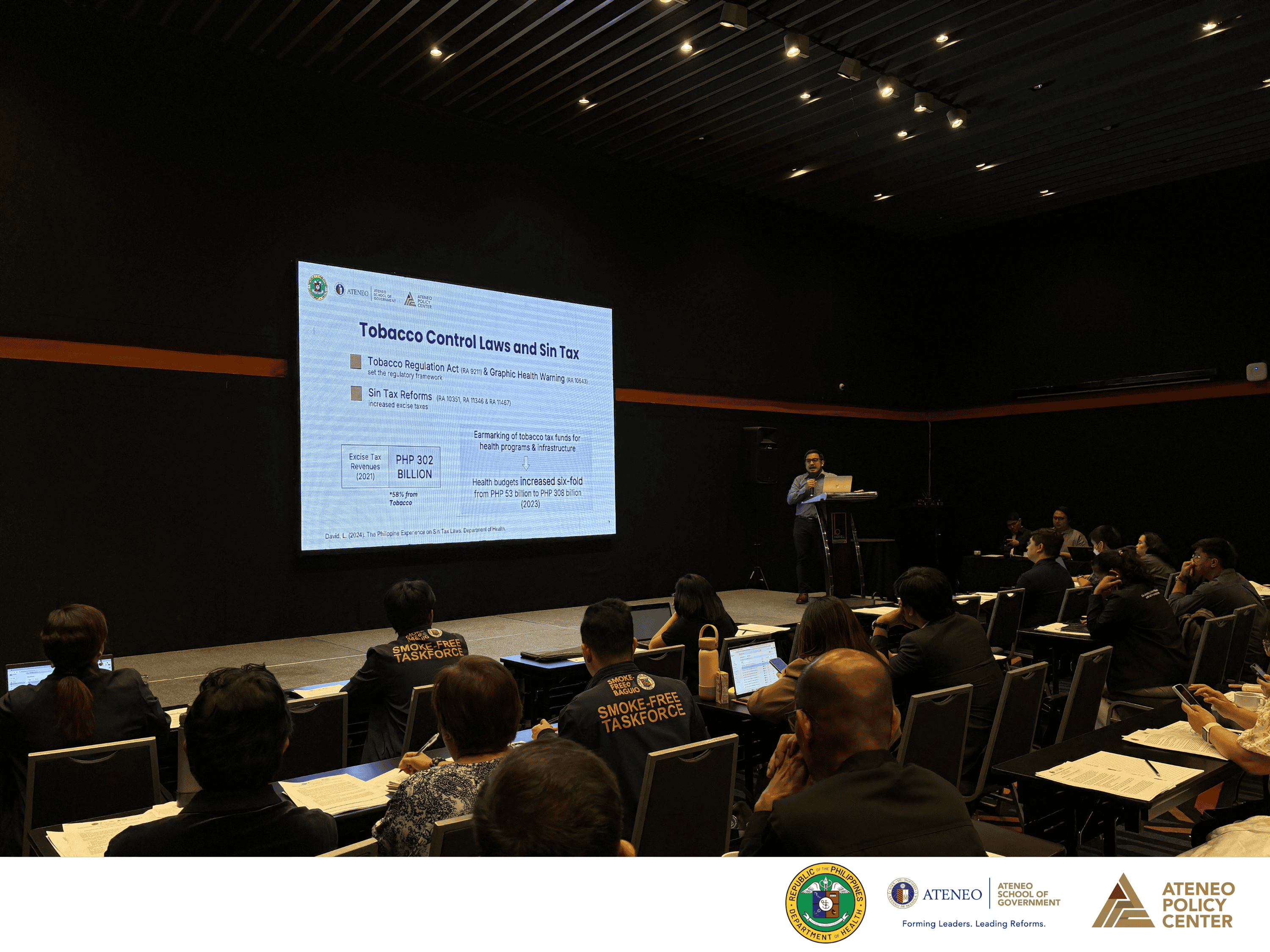
The morning session began with a presentation on a proposed draft benefit package for tobacco cessation led by Dr Paul delos Trinos, ASOG’s Financing Consultant. The presentation was followed by a plenary open forum, allowing participants to offer suggestions on refining the proposal, and then a subsequent side meeting with clinicians and specialists for more focused discussion on the draft package.
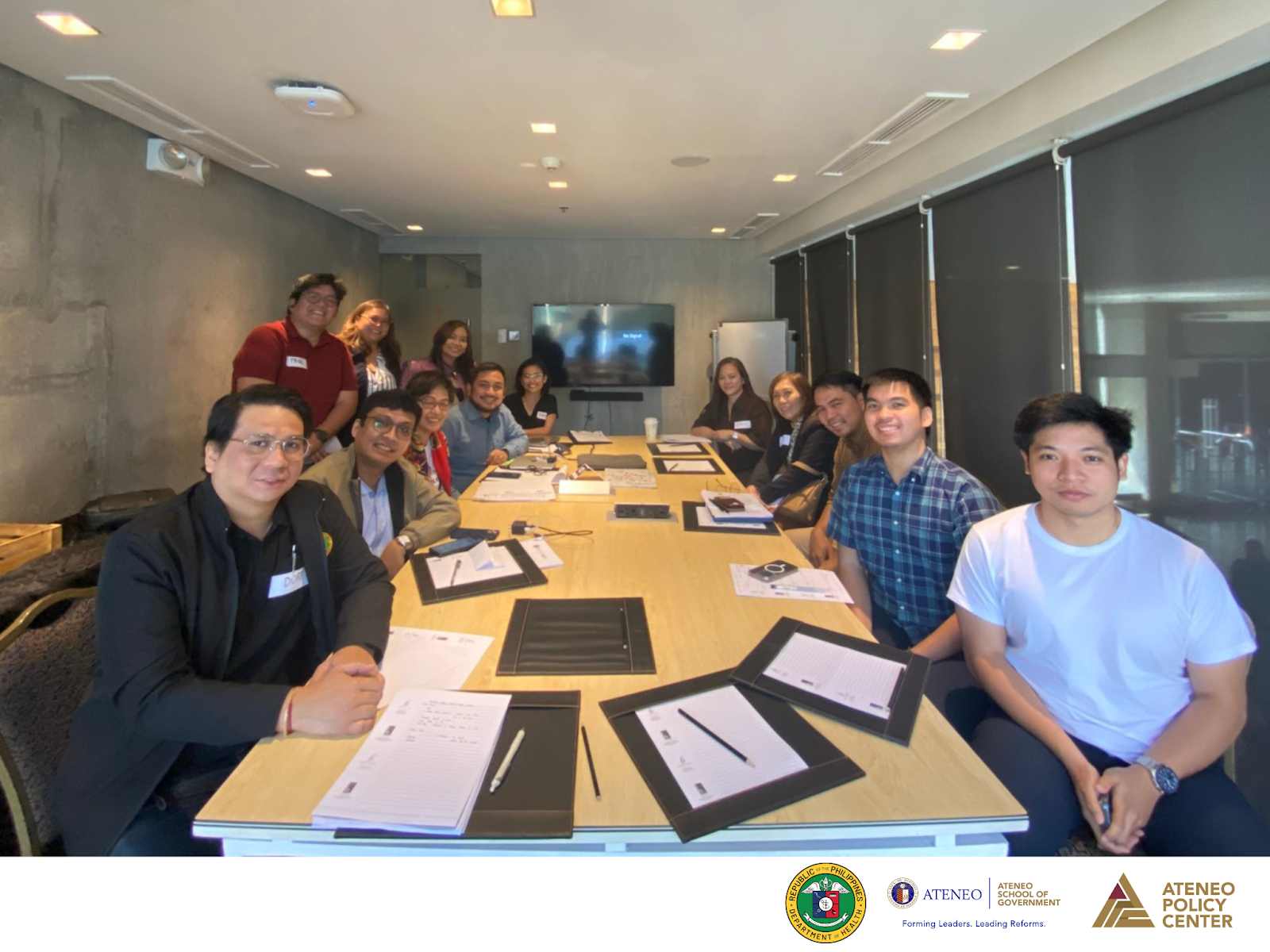
The morning session continued with an overview of the NTCIP 2030 provided by Dr Queaño, followed by presentations from each of the five Key Result Area expert group heads of the NTCIP 2030: Ms Diana Orolfo (head of KRA 1: Service Delivery), Ms Jasmin Lagahit (head of KRA 2: capacity building), Dr Donnabel Panes (head of KRA 3: MERLA), Mr Patrick Encarnacion (head of KRA 4: Financing), and Mr Dino Gervasio (representative of KRA 5: Behavior Change & Advocacy).
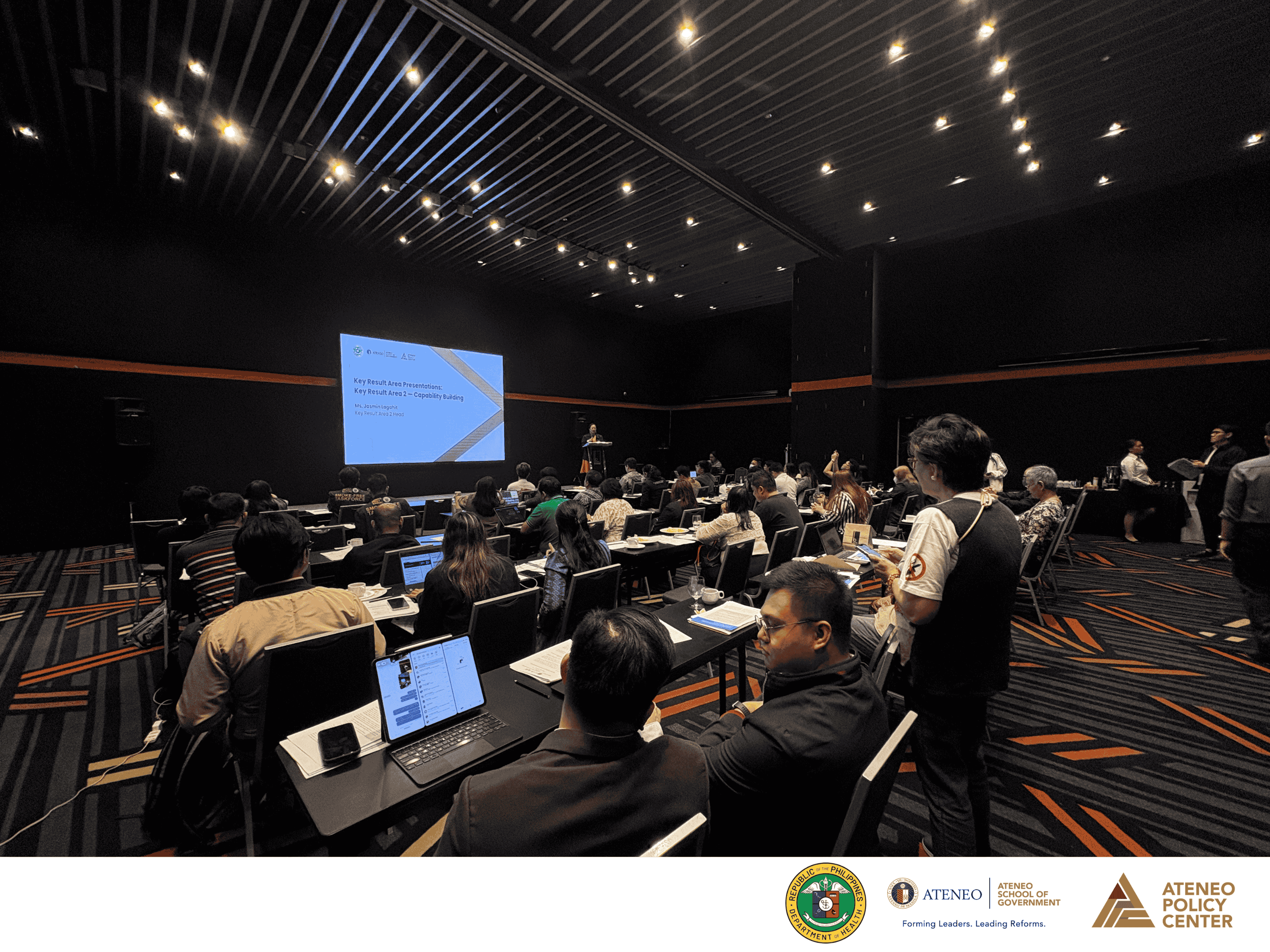
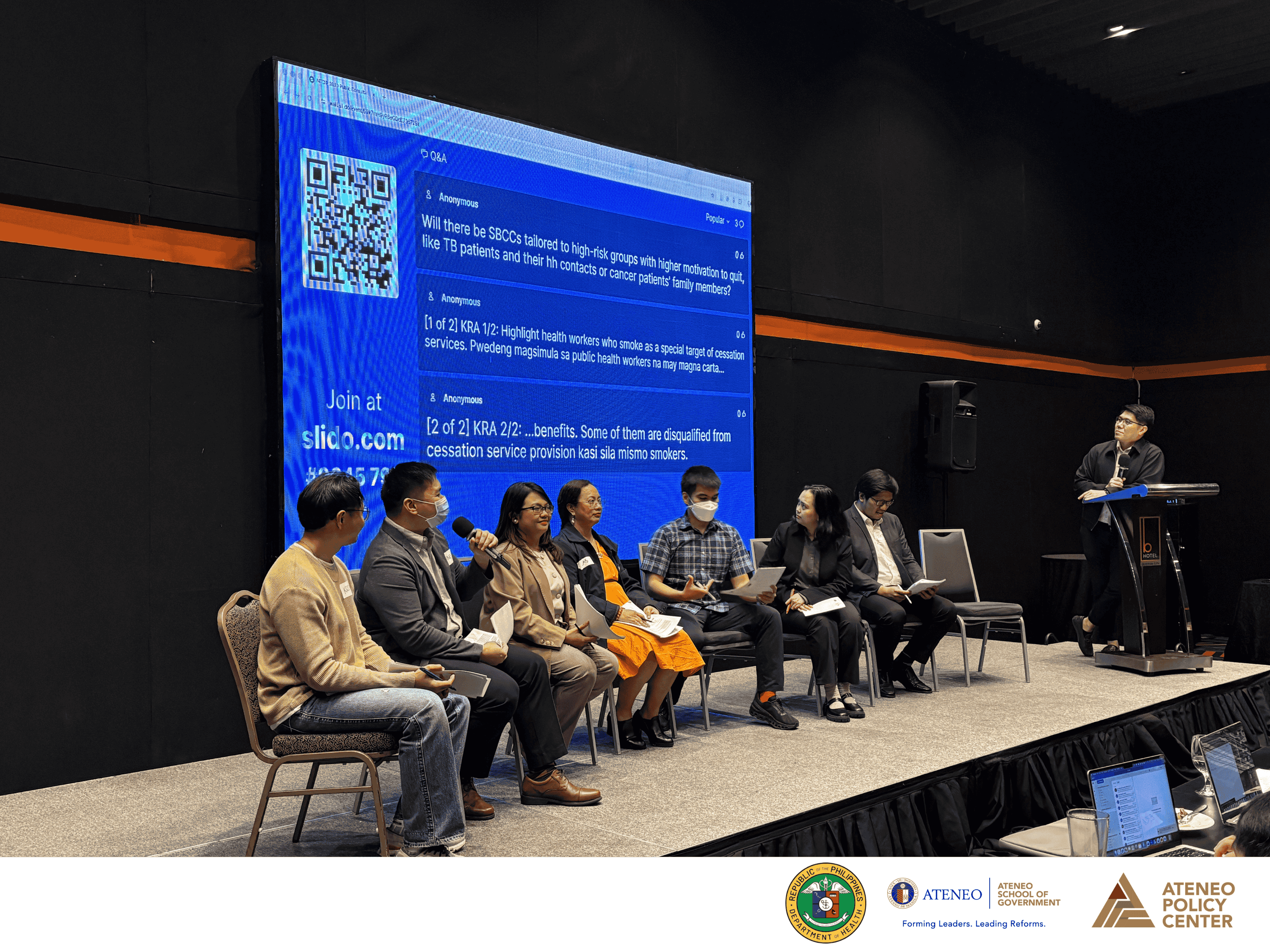
The afternoon session was dedicated to a plenary open forum on the NTCIP 2030, which opened questions and suggestions for additional considerations on the Plan, refinement of the key result areas, and alignment of proposed strategies with current implementation realities.
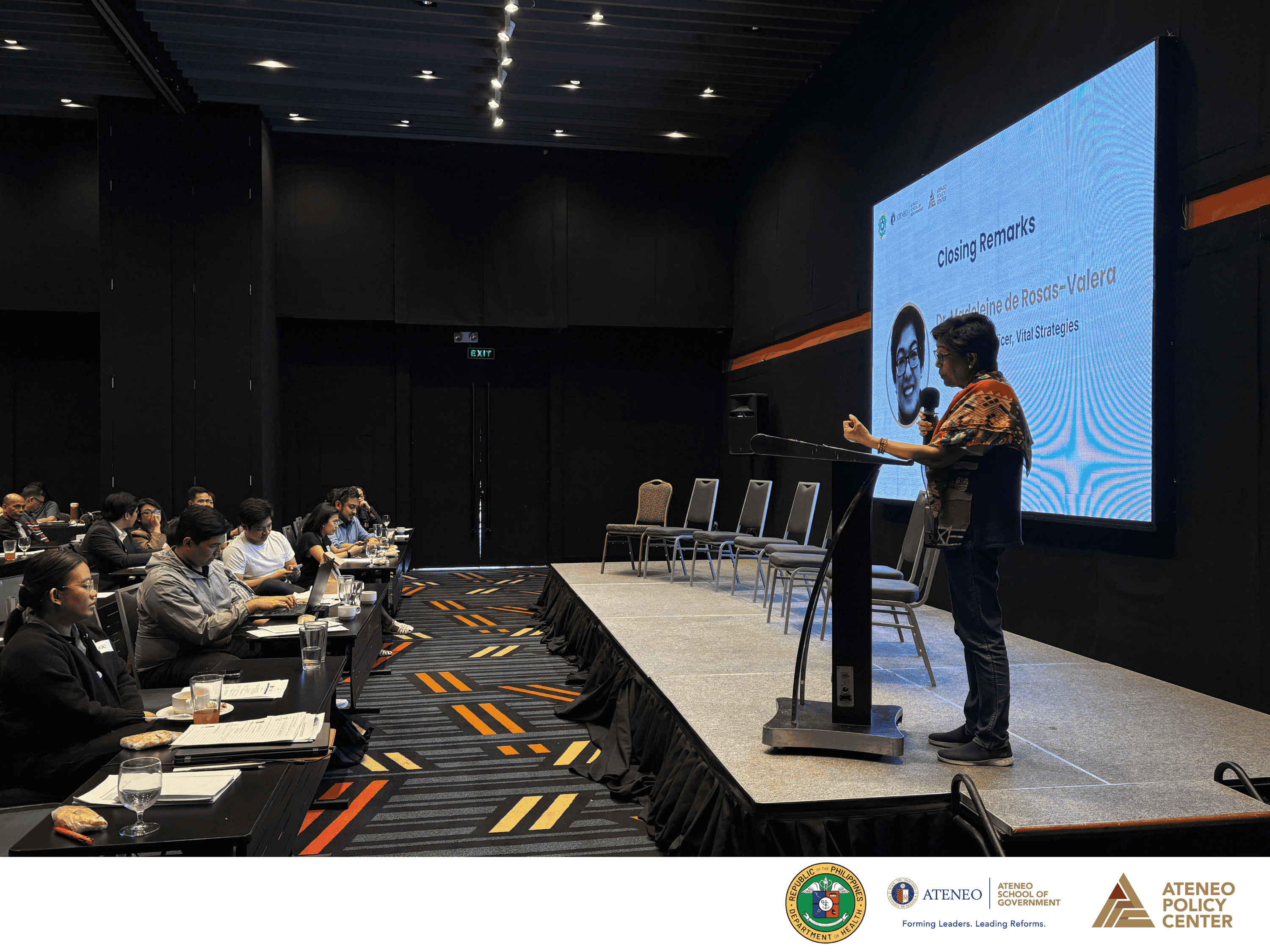
The public consultation concluded with closing remarks by Dr Madeleine de Rosas-Valera, Senior Technical Advisor from Vital Strategies, who emphasized the importance of strengthening the necessary infrastructure for the development and scale-up of tobacco cessation services, and underscored that this work marks only the beginning of a longer-term effort.
Recent News
You may also like these articles

[Hot Off the Press] Arkipelago
New book from the Ateneo Press Arkipelago provides a fascinating and fantastical twist on Philippine politics and history Our country is an archipelago of stories
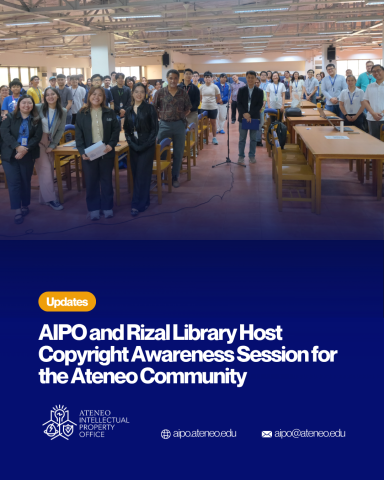
Protecting Creativity: AIPO and Rizal Library Host Copyright Awareness Session for the Ateneo Community
On March 18, 2026, the Ateneo Intellectual Property Office (AIPO), in collaboration with the Rizal Library, successfully conducted a Copyright Awareness Session held on the

Holy Week 2026 Holidays (Memo # UHR2526-038)
Memo # UHR2526-038 31 March 2026 TO: All Employees FROM: [Sgd] Maria Victoria T Cortez, PhD Vice President for University Human Resources SUBJECT: Holy Week
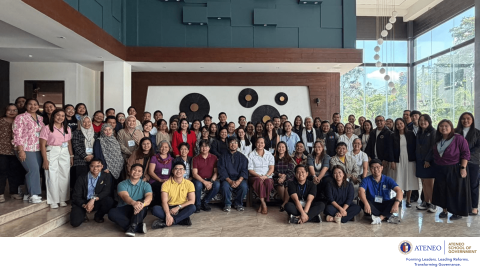
ASOG’s Tobacco Control initiatives spotlighted in DOH National Technical Working Group for Tobacco Prevention and Control
On March 10 to 12, 2026, the Ateneo School of Government (ASOG), through its research and public policy unit, the Ateneo Policy Center, participated in
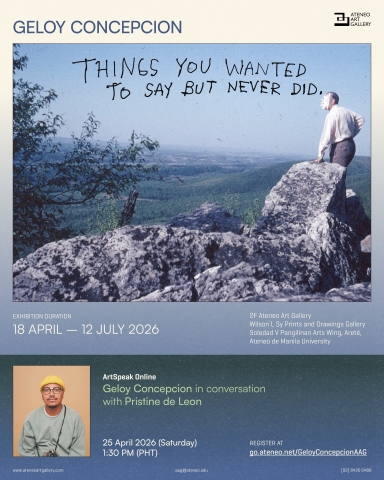
Things You Wanted to Say But Never Did: Geloy Concepcion’s six-year project makes Its exhibition debut at the Ateneo Art Gallery
Geloy Concepcion’s Things You Wanted To Say But Never Did comes to the Ateneo Art Gallery this 18 April 2026. After receiving almost 300,000 messages

[Hot Off the Press] Love If I'm Pretty
New YA Release from the Ateneo Press Love If I’m Pretty tackles the nuances of growing up through complex characters and straightforward prose What do