Ateneo faculty complete Service-Learning Program training
12 Feb 2026 | Office of the Assistant Vice President for Social and Environmental Engagement for Development and Sustainability




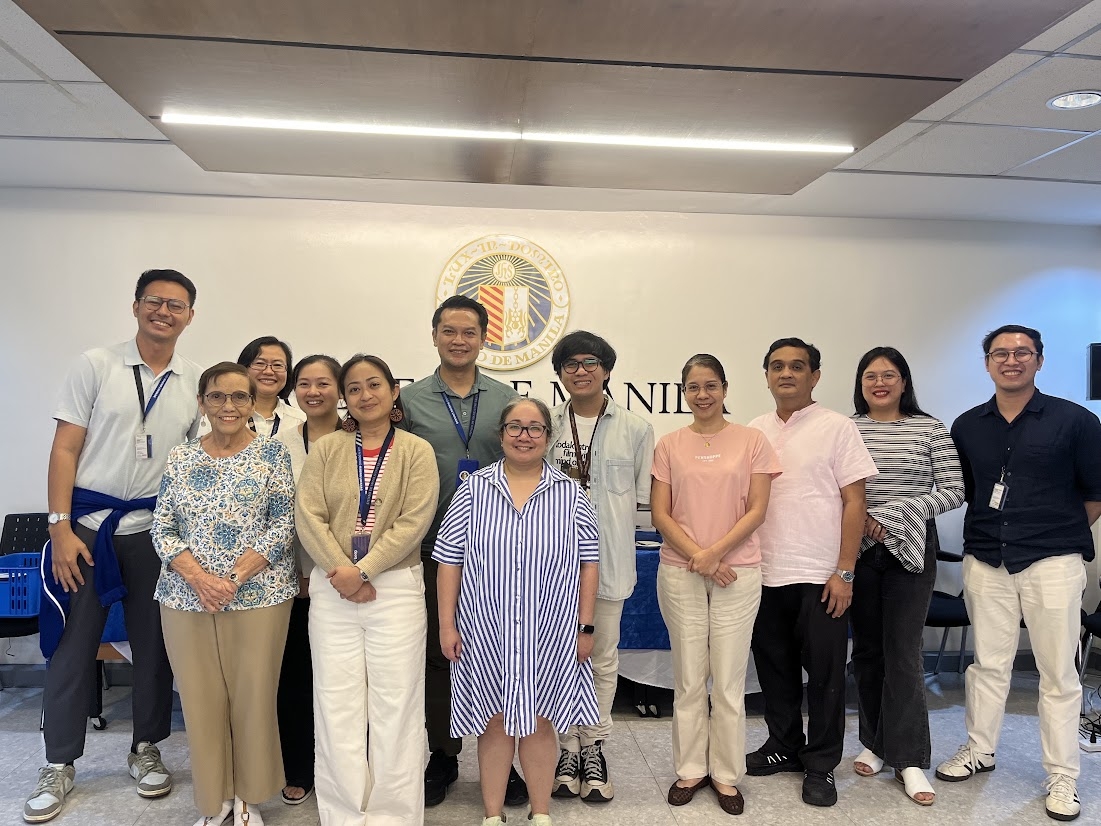
As part of the University’s commitment to social transformation, the Ateneo Service-Learning (SL) Program Management Team recently concluded its semestral training on Critical Pedagogy and the Scholarship of Service-Learning. Designed to sharpen expertise in the art and science of the field, the program empowers faculty to integrate SL into their teaching, research, and community engagement, creating a more transformative experience for both students and partner communities. The training is offered once per semester (2 days in the classroom and 1 day field visit).
The training was led by the service-learning team: Dr Mark Anthony D Abenir (Program Manager), Atty Sabrina Kate D Paner-Montiel (Assistant Program Manager), and Dr Genejane M Adarlo (Coordinator for Service-Learning Research). During the two-day intensive workshops, the participants explored the historical context of SL, its critical pedagogical foundations, and practical strategies for integrating SL into the course syllabus and instructions. A significant focus was also placed on the Scholarship of Service-Learning, guiding faculty on how to turn community engagement into research.
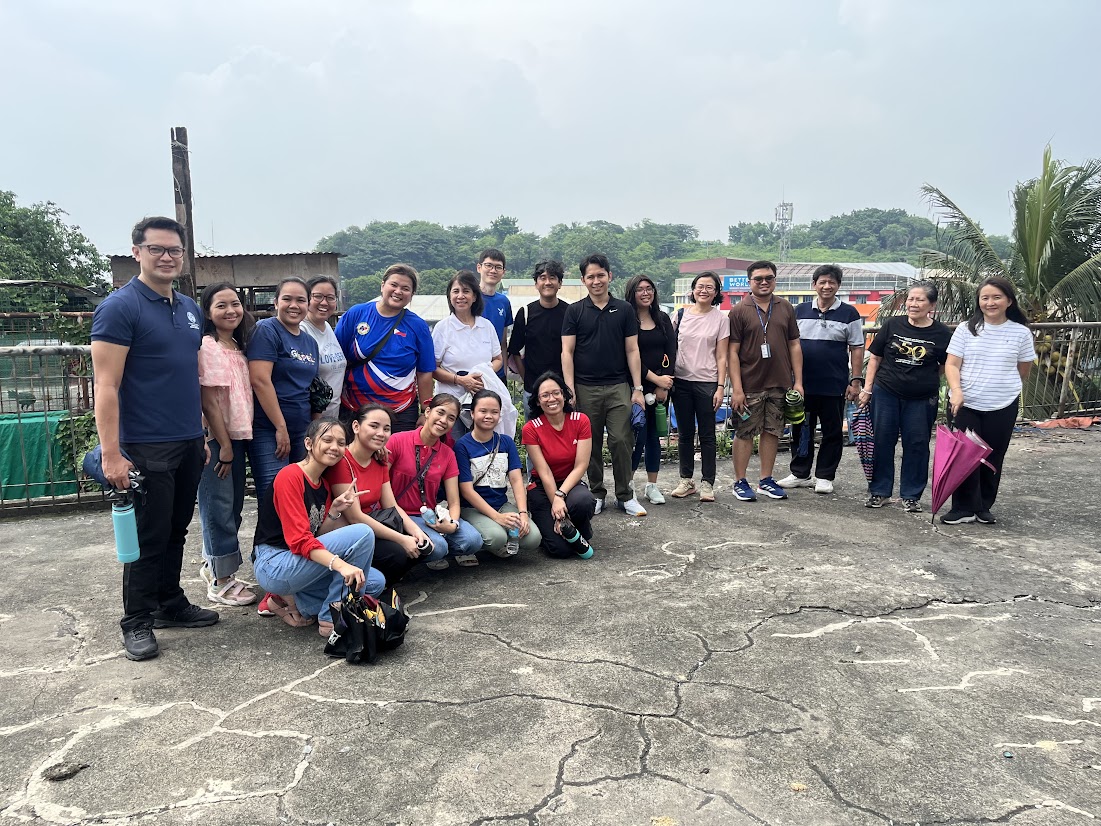
To bridge the gap between theory and practice, the program included a dedicated field exposure day. During the First Semester of School Year (SY) 25-26, the participants visited the ERDA-SaBaNa Center in Tondo, Manila, where they gained firsthand insight into urban community dynamics and the role of education in social welfare. In the Second Semester of SY 25-26, the participants were welcomed by San Joseph Free Farmers Association of Antipolo Inc. (SJFFAAI) in Barangay Calawis, focusing on rural livelihoods and environmental stewardship.
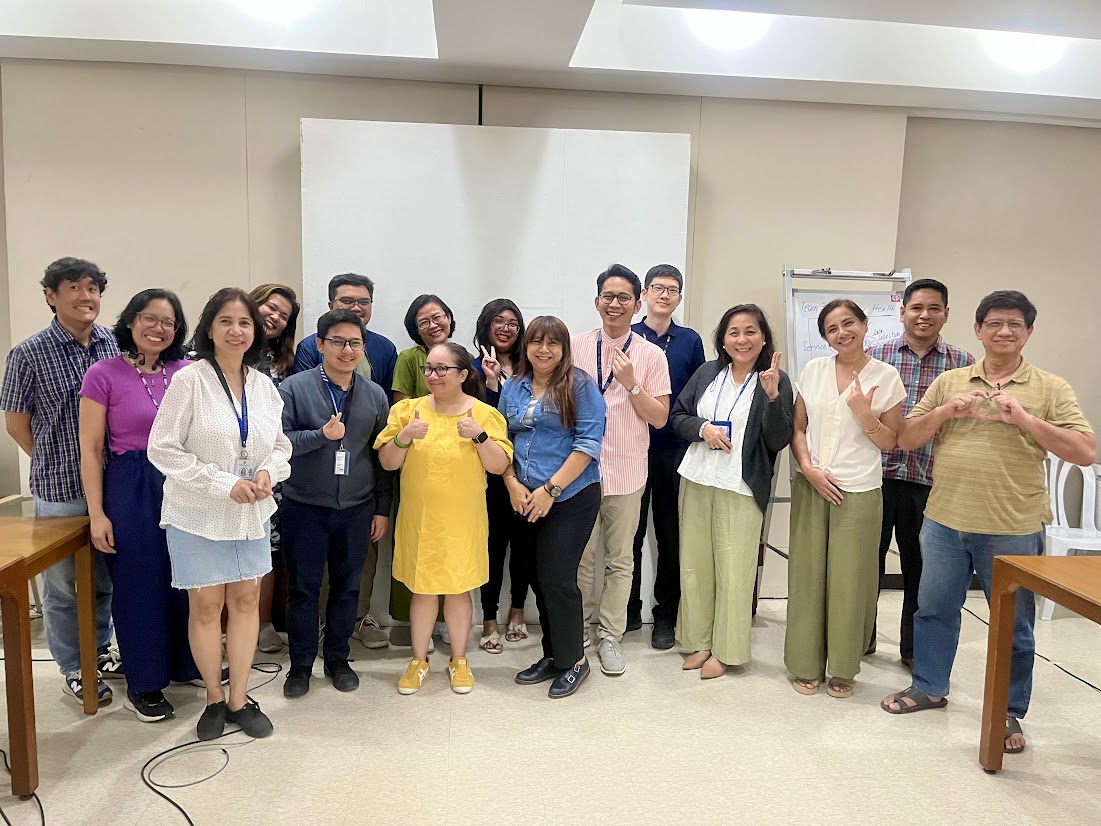
Since SY 24-25, the program has successfully trained 41 participants, comprising 37 faculty members from the undergraduate schools and 4 from the graduate school.
Reflecting on the experience, participants described service-learning as a dynamic, "freestyle" dance, a reciprocal process that requires a deep commitment to social justice and ethical safeguards. The training provided the tools necessary to merge classroom learning with community needs, even within complex interdisciplinary or graduate-level courses.
Beyond the technical frameworks, the program fostered a supportive community of educators. These faculty members are now better equipped to navigate the challenges of reflection and documentation, ensuring that their teaching remains grounded, responsive, and ultimately, a powerful tool for tackling inequality.
For inquiries, please contact servicelearning@ateneo.edu.
Recent News
You may also like these articles

[Hot Off the Press] Arkipelago
New book from the Ateneo Press Arkipelago provides a fascinating and fantastical twist on Philippine politics and history Our country is an archipelago of stories
Protecting Creativity: AIPO and Rizal Library Host Copyright Awareness Session for the Ateneo Community
On March 18, 2026, the Ateneo Intellectual Property Office (AIPO), in collaboration with the Rizal Library, successfully conducted a Copyright Awareness Session held on the
Holy Week 2026 Holidays (Memo # UHR2526-038)
Memo # UHR2526-038 31 March 2026 TO: All Employees FROM: [Sgd] Maria Victoria T Cortez, PhD Vice President for University Human Resources SUBJECT: Holy Week
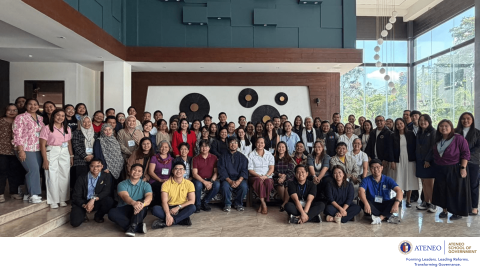
ASOG’s Tobacco Control initiatives spotlighted in DOH National Technical Working Group for Tobacco Prevention and Control
On March 10 to 12, 2026, the Ateneo School of Government (ASOG), through its research and public policy unit, the Ateneo Policy Center, participated in
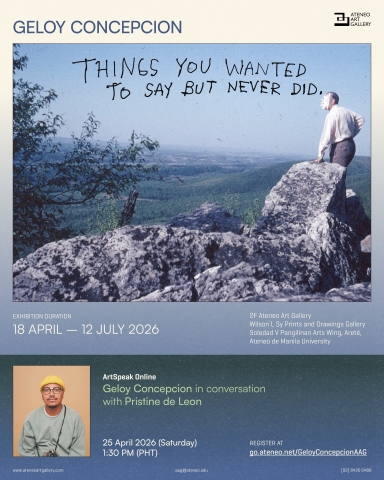
Things You Wanted to Say But Never Did: Geloy Concepcion’s six-year project makes Its exhibition debut at the Ateneo Art Gallery
Geloy Concepcion’s Things You Wanted To Say But Never Did comes to the Ateneo Art Gallery this 18 April 2026. After receiving almost 300,000 messages

[Hot Off the Press] Love If I'm Pretty
New YA Release from the Ateneo Press Love If I’m Pretty tackles the nuances of growing up through complex characters and straightforward prose What do