5th Health Leadership Summit explores Innovation for Equity: Public-Private Partnership in Service Delivery
20 Oct 2025



On 17 September 2025, Ateneo de Manila University, in partnership with AC Health, hosted the 5th Health Leadership Summit (HLS) with the theme “Innovation for Equity: Public-Private Partnership Models in Health Service Delivery.” Leaders from government, academia, and the private sector gathered to examine how collaboration can unlock sustainable healthcare solutions for Filipinos.
The summit opened with an invocation by Fr Robbie Sian, SJ, followed by welcome remarks from Fr Roberto "Bobby" Yap SJ, President of Ateneo. Fr Bobby underscored the value of dialogue, innovation, and collective action in advancing health equity, while extending gratitude to AC Health as the University’s co-organizer.
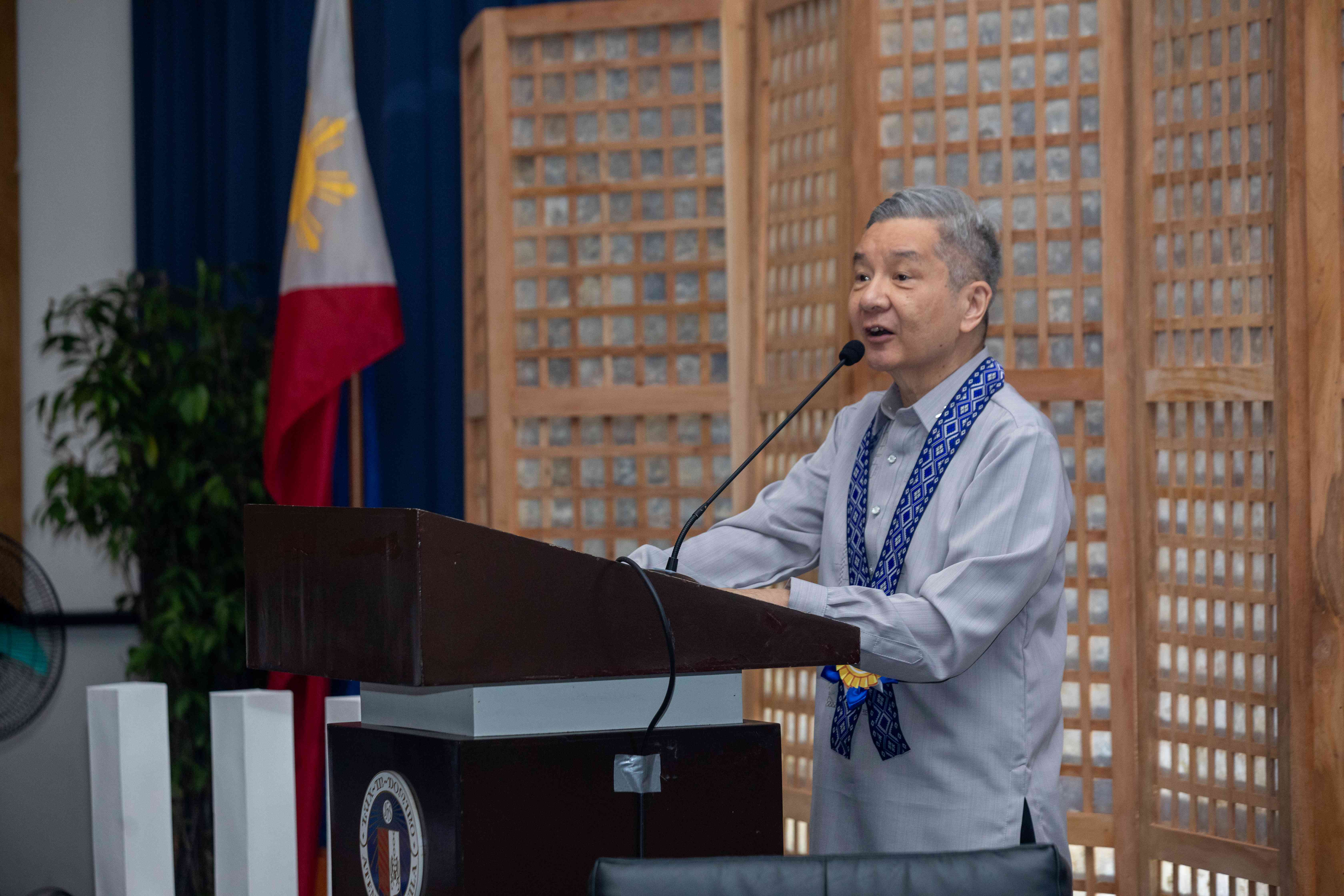
(Photo credit: Rudy Liwanag)
A Decade of AC Health, Five Years of HLS
In his opening address, Mr Fernando Zobel de Ayala, Chairman of the Board of AC Health, reflected on two milestones: the Summit’s fifth year and AC Health’s 10th anniversary. He highlighted how the forum has grown from a simple gathering of stakeholders into a platform for collaboration and action, calling for a renewed focus on public-private partnerships (PPPs) to “think bigger, partner more boldly, and act more urgently” for Philippine healthcare.
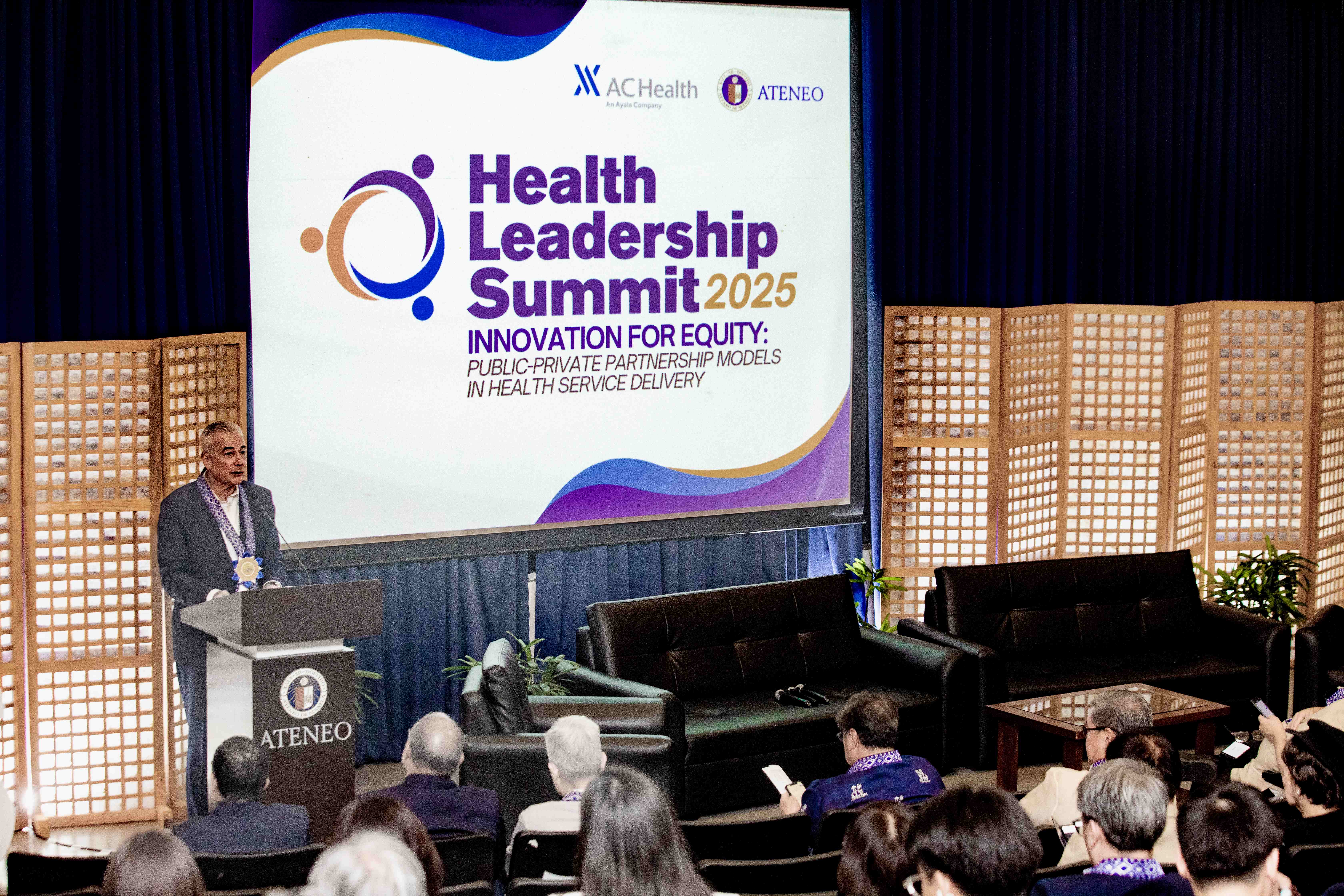
(Photo credit: Rudy Liwanag)
Private Sector as Partner in Nation-Building
The keynote address, delivered by Atty Kristine Joy Diaz-Teston on behalf of Secretary Frederick Go (Office of the Special Assistant to the President for Investment and Economic Affairs), emphasized the indispensable role of the private sector in accelerating the government’s health and development agenda. With the passage of the Public-Private Partnership (PPP) Code of 2023 (RA 11996)—the first major reform since the Build-Operate-Transfer Law three decades ago—the government aims to streamline collaboration. Atty Diaz-Teston cited PhilHealth’s enhanced primary care package, now known as YAKAP (Yaman ng Kalusugan Program), which highlights preventive and primary care as core investments in national health.
Plenary Talks: From Policy to Practice
The plenary sessions brought multiple perspectives to the fore:
Health PPPs in the Philippines – Department of Health Secretary Teodoro Herbosa presented PPPs as vehicles to expand impact, citing successful models like the NKTI Dialysis Center. He emphasized the need for regulatory reform, affordable yet high-quality service delivery, and wellness-centered approaches to reduce preventable diseases.
International Perspectives – Dr Eduardo Banzon of the Asian Development Bank stressed the urgency of financing new health infrastructure across Asia, noting that PPPs remain underutilized in the region compared to Europe and the U.S. He pointed to strong health insurance systems as a critical foundation for sustainable PPPs.
Legal Framework – Atty John Dominic Zafe of the PPP Center explained the unifying provisions of RA 11996 and the support systems available for LGUs and agencies to develop investable, sustainable projects.
Panel Discussions: Government and Private Sector Insights
PPPs from the government’s lens featured Mayor Weslie Gatchalian (Valenzuela City), UP Manila Chancellor Dr Michael Tee, and Lorra Sayson-Garcia, Head Executive Assistant representing Dr Edwin Mercado, President and CEO of Philhealth. They spoke about local health partnerships, sustaining medical faculty through public-private facilities, and strategic purchasing models that create markets for patient-centered services.
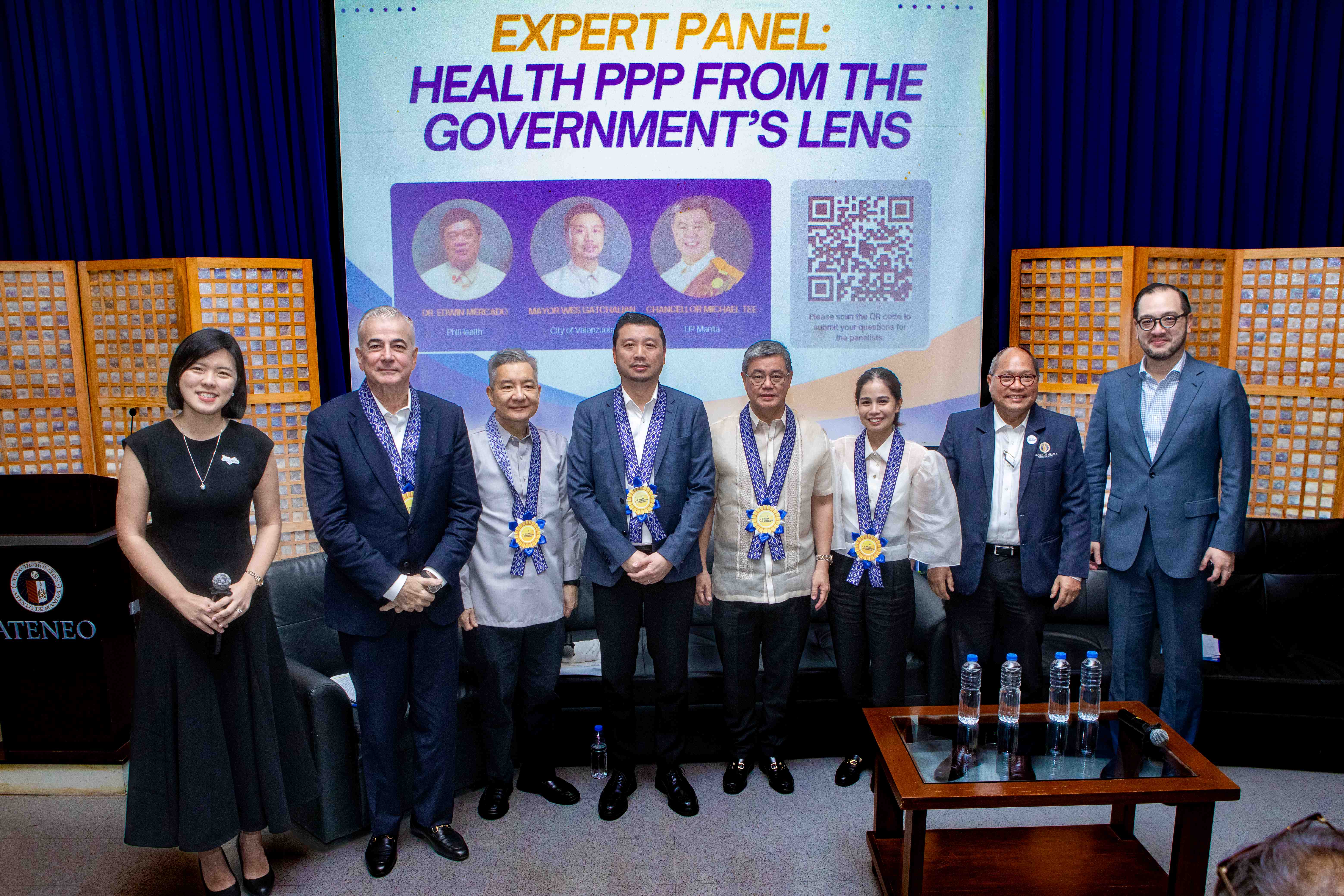
(Photo credit: Rudy Liwanag)
PPPs from the private sector’s lens gathered leaders from Ms Margaret Bengzon of the Healthway Medical Network, Dr Dennis Sta. Ana of Makati Life, Mr Gino Guinto of Generika Drugstore, Mr Felipe Canlas of Wireless Access for Health, and Dr Alberto Teodoro Malvar of the RGL Primary Care Hub of Ateneo School of Medicine and Public Health (ASMPH). They highlighted challenges of trust between sectors, innovative joint venture models, scaling community pharmacies, and digitalizing health systems. Dr. Malvar of the RGL Hub underscored how medical education is shifting toward primary healthcare, aligning with universal health care reforms.
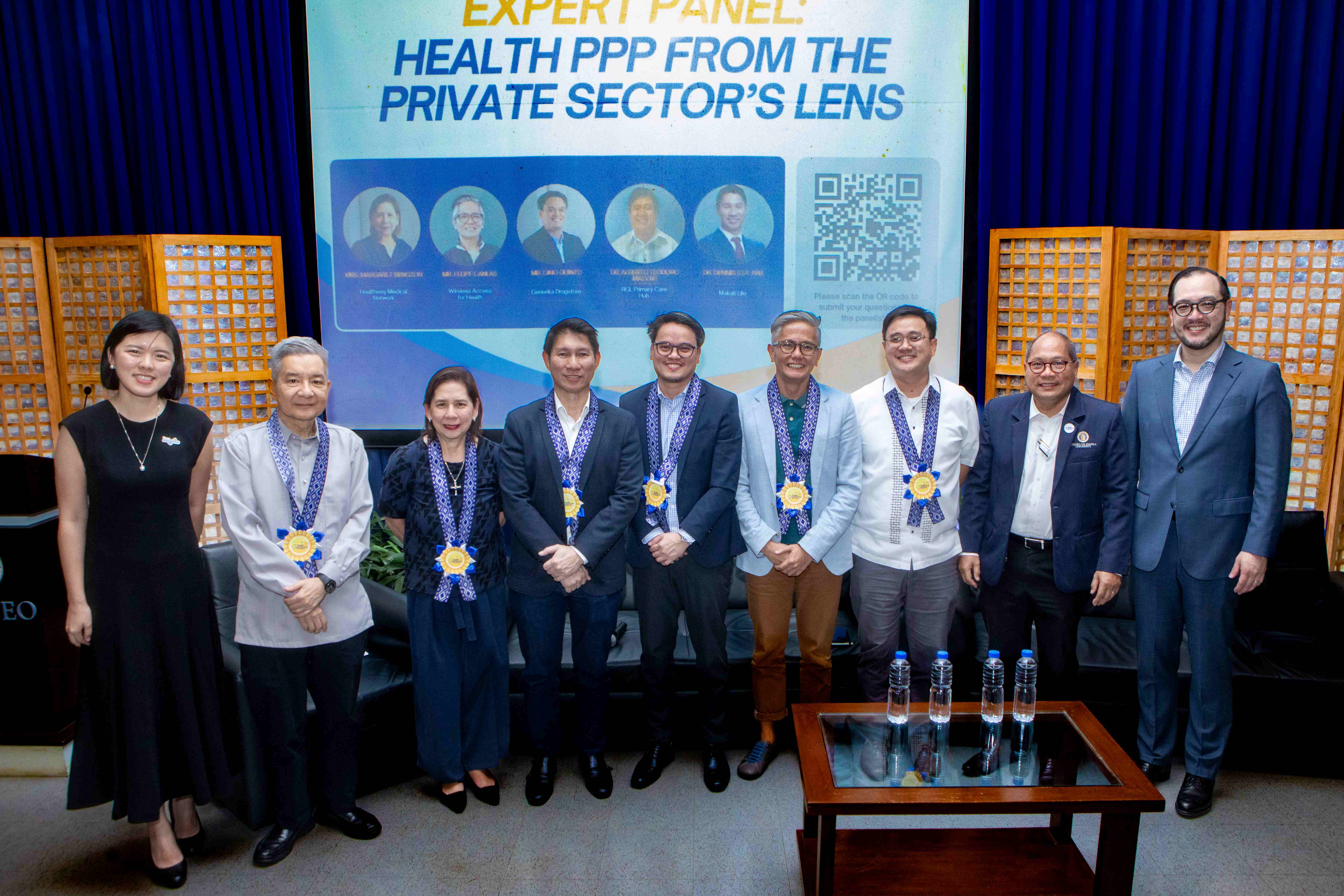
(Photo credit: Rudy Liwanag)
Both panels were seamlessly co-moderated by Dr Cenon Alfonso, Dean of ASMPH, and Dr Beverly Lorraine Ho, Chief Health Officer of AC Health.
On behalf of Ateneo's Vice President for Higher Education Dr Maria Luz Vilches, Dean Alfonso conveyed the University’s vision of interdisciplinary collaboration. This summit co-hosted by Ateneo School of Medicine and Public Health, Graduate School of Business, School of Science and Engineering, and School of Social Sciences, demonstrated how medical, managerial, technological, and social insights converge to generate solutions. Echoing Fr Ben Nebres, SJ, Dean Alfonso reminded participants that lasting healthcare innovations must work hand-in-hand with local governments.
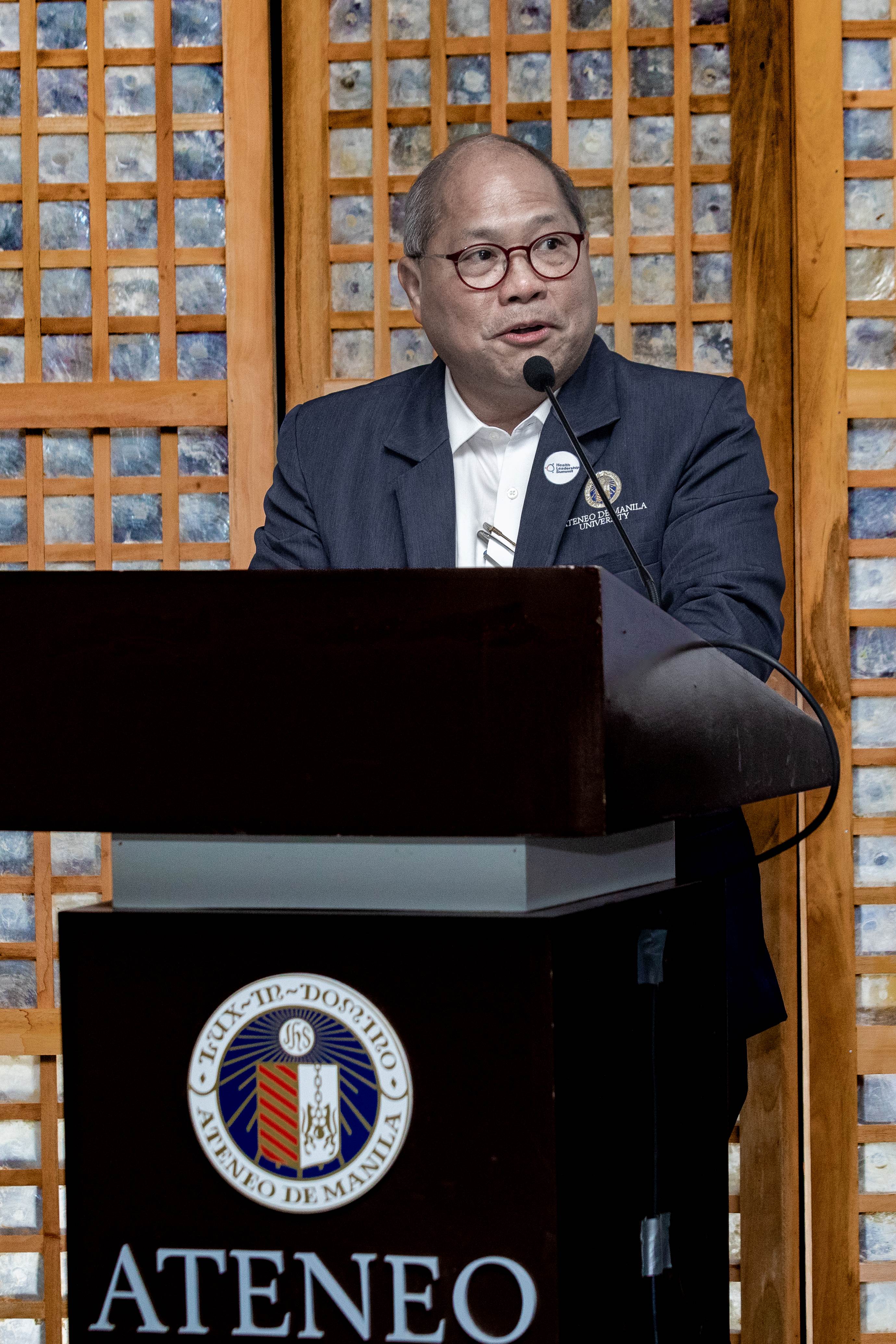
(Photo credit: Rudy Liwanag)
Mr Paolo Borromeo, President and CEO of AC Health, closed the summit by outlining AC Health’s commitments—lowering medical costs, reducing out-of-pocket expenses, building connected ecosystems, and delivering better care and outcomes. More than dialogue, he stressed, the challenge now is delivery.
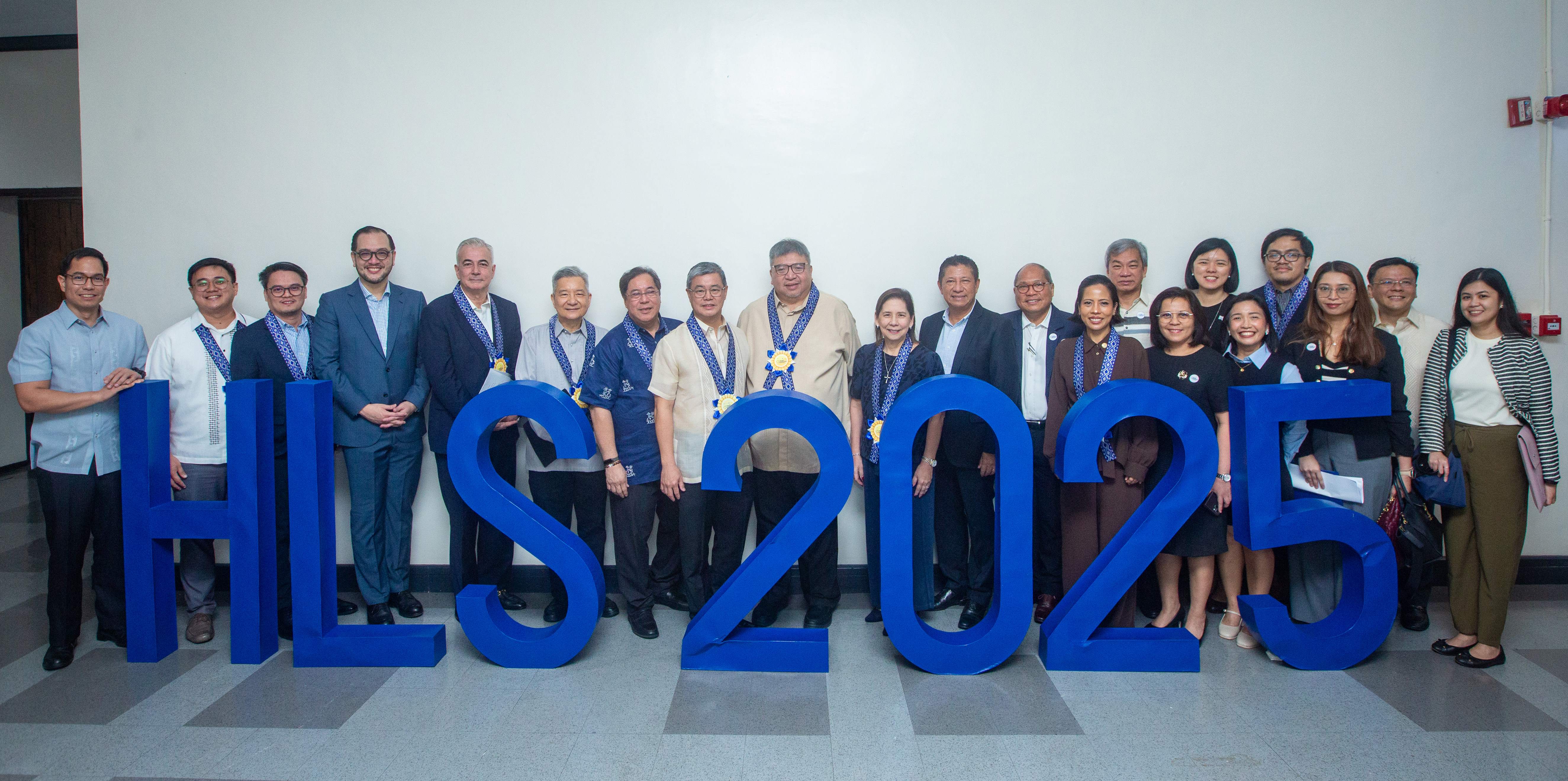
(Photo credit: Rudy Liwanag)
Recent News
You may also like these articles

[Hot Off the Press] Arkipelago
New book from the Ateneo Press Arkipelago provides a fascinating and fantastical twist on Philippine politics and history Our country is an archipelago of stories
Protecting Creativity: AIPO and Rizal Library Host Copyright Awareness Session for the Ateneo Community
On March 18, 2026, the Ateneo Intellectual Property Office (AIPO), in collaboration with the Rizal Library, successfully conducted a Copyright Awareness Session held on the

Holy Week 2026 Holidays (Memo # UHR2526-038)
Memo # UHR2526-038 31 March 2026 TO: All Employees FROM: [Sgd] Maria Victoria T Cortez, PhD Vice President for University Human Resources SUBJECT: Holy Week
ASOG’s Tobacco Control initiatives spotlighted in DOH National Technical Working Group for Tobacco Prevention and Control
On March 10 to 12, 2026, the Ateneo School of Government (ASOG), through its research and public policy unit, the Ateneo Policy Center, participated in
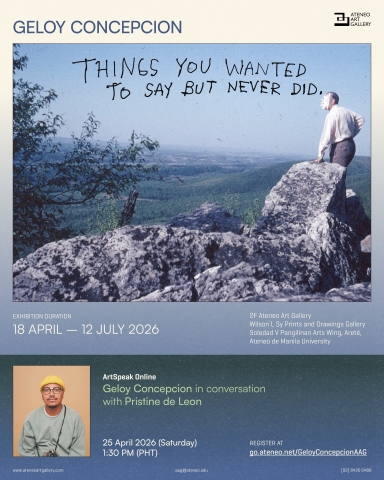
Things You Wanted to Say But Never Did: Geloy Concepcion’s six-year project makes Its exhibition debut at the Ateneo Art Gallery
Geloy Concepcion’s Things You Wanted To Say But Never Did comes to the Ateneo Art Gallery this 18 April 2026. After receiving almost 300,000 messages

[Hot Off the Press] Love If I'm Pretty
New YA Release from the Ateneo Press Love If I’m Pretty tackles the nuances of growing up through complex characters and straightforward prose What do