[Ateneo Press Review Crew] Aguardiente sa Lahat: A Spirited History of Alcohol in the Philippines
29 Jul 2025 | Christine Marie Lim Magpile



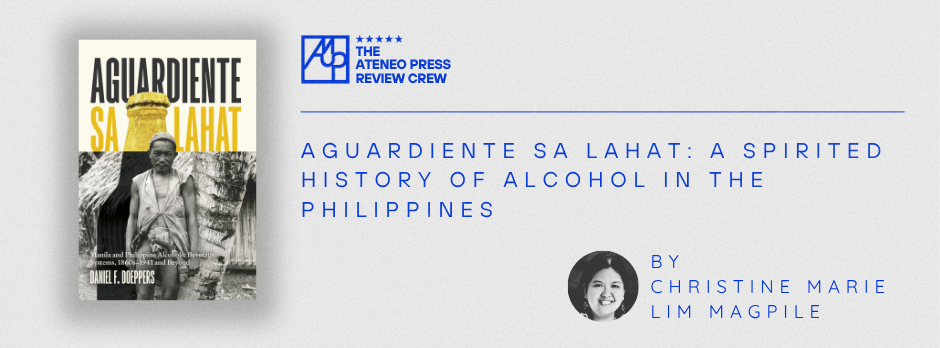
Step into the intoxicating world of Philippine history—one bottle, one brew, one barrio at a time. In Aguardiente Sa Lahat: Manila and Philippine Alcoholic Beverage Systems, 1860s–1941 and Beyond, celebrated historian and geographer Daniel F. Doeppers uncorks a vibrant narrative of how alcohol shaped the social, economic, and cultural lifeblood of the archipelago.
From the humble palm sap tapped by provincial manananggot to the smoky rise of molasses-fed distilleries in bustling Manila, Doeppers reveals how spirits—and the stories that accompany them—flowed through colonial policies, local ingenuity, and urban transformation. Witness the rise of iconic brands like San Miguel and explore how recycled bottles, advertising campaigns, and informal brewing became mirrors of a changing nation.
This is not just a chronicle of drinking traditions—it is a deep dive into the pulse of Filipino daily life. Aguardiente Sa Lahat invites readers to explore how alcohol served not just as a celebration, but as currency, resistance, and reinvention in a time of shifting empires and growing cities.
In Aguardiente sa Lahat, alcohol is not just background noise to festivities; it is the conductor of broader symphonies of colonialism, capitalism, and cultural evolution. Doeppers draws readers into the tangled web of Manila’s alcoholic beverage systems. His deep dive into tax regulations, foreign and local capital flow, and shifting urban geographies reveals how gin bottles and lambanog jugs were more than drinks—they were vessels of political maneuvering and social meaning. A bottle becomes a map of power, a glass, a chronicle of class. Particularly striking is his treatment of the transformation from palm-based, handcrafted spirits like tuba and basi—each fermented in rustic provincial stills—to the rise of sugarcane-molasses-fed industrial distilleries.
Three themes run strongly in this book. First is the cultural continuity and change, where it showed the alcohol's role in precolonial rituals remained resilient, adapting through Spanish governance, American consumerism, and Japanese occupation. Second is the economic transformation when the Spanish tobacco monopoly crumbled in the 1880s, which opened a floodgate of market liberalization. Doeppers shows how that economic pivot invited foreign players while igniting local entrepreneurship in the alcohol trade and production. The last theme is social dynamics, where alcohol became a "social lubricant" and "bonding agent" from the humid street-side inuman sessions to champagne-laced elite gatherings. Drinking customs marked belonging, aspiration, and quiet defiance.
One of the striking topics for me is how consumption mirrored class divisions. Whether it is the earthy resilience of lambanog or the imported prestige of European beer, each sip signaled something deeper: identity, resistance, and adaptation. Aguardiente sa Lahat is relevant to contemporary issues as the discussion of advertising’s influence on drinking habits foreshadows today’s marketing-driven consumer culture, where social media shapes preferences among younger generations. The book’s insights into how alcohol fosters social cohesion also resonates in a post-pandemic world, where communal gatherings remain vital to mental health and cultural identity.
In terms of reading experience, the book is engaging. Doeppers’s prose is clear and scholarly, blending rigorous analysis with accessible storytelling. The book’s structure, which moves from production processes to social and economic impacts, provides a logical flow, though the wealth of historical detail can feel dense at times, particularly for non-academic readers. Those unfamiliar with Philippine history may find the colonial context challenging without prior knowledge, but Doeppers’s vivid anecdotes—such as descriptions of tappers scaling palm trees or the rise of beer advertising—make the material relatable.
I recommend Aguardiente sa Lahat to historians, cultural enthusiasts, and anyone curious about the Philippines’ social and economic past. It appeals to academic readers seeking a nuanced study of colonial economies and to general readers who enjoy stories of how everyday practices, like drinking, reflect broader societal shifts. Those interested in food and beverage history, urban studies, or Southeast Asian culture will find this book particularly enriching.
Aguardiente sa Lahat illuminates the role of alcohol in shaping cultural, economic, and social landscapes. Doeppers’s ability to transform a niche topic into a vibrant narrative ensures that this book will leave readers both informed and inspired, eager to raise a glass to the Philippines’ rich heritage. Manila and Philippine Alcoholic Beverage Systems, 1860-1941 and Beyond is a testament to Doeppers' scholarly prowess. It is a vital contribution to Philippine historiography, offering a refreshing and deeply informative perspective on the nation's past through the fascinating lens of its drinking culture.
Get your copy in paperback: Website│Lazada and Shopee

Christine Marie Lim Magpile is a teacher, book editor, textbook author, and creative writer. She has a BS Education – History (cum laude) from the University of Santo Tomas, Manila and currently finishing her MA in Araling Pilipino (Philippine Studies) from the University of the Philippines, Diliman. She is a fellow of several national writers’ workshops in the Philippines such as the Iligan National Writers Workshop (2024), DLSU Young Screenwriters Workshop (2023), LIRA Poetry Workshop (2023 and 2007), La Salle Kritika National Workshop on Art and Cultural Criticism (2019), 6th Angono Writers’ Summer Workshop (2018), and the UST National Writers’ Workshop (2008).
Recent News
You may also like these articles
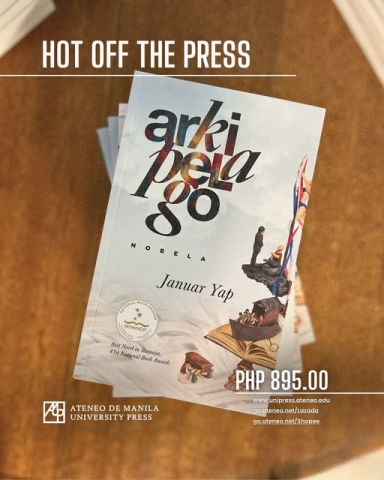
[Hot Off the Press] Arkipelago
New book from the Ateneo Press Arkipelago provides a fascinating and fantastical twist on Philippine politics and history Our country is an archipelago of stories
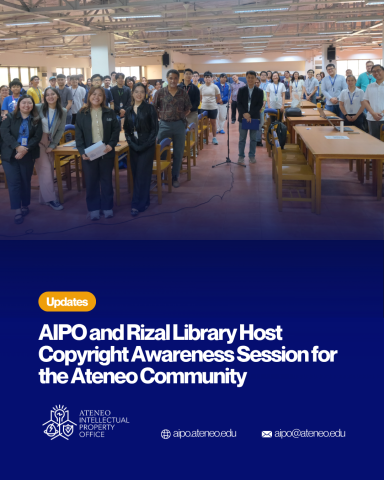
Protecting Creativity: AIPO and Rizal Library Host Copyright Awareness Session for the Ateneo Community
On March 18, 2026, the Ateneo Intellectual Property Office (AIPO), in collaboration with the Rizal Library, successfully conducted a Copyright Awareness Session held on the
Holy Week 2026 Holidays (Memo # UHR2526-038)
Memo # UHR2526-038 31 March 2026 TO: All Employees FROM: [Sgd] Maria Victoria T Cortez, PhD Vice President for University Human Resources SUBJECT: Holy Week
ASOG’s Tobacco Control initiatives spotlighted in DOH National Technical Working Group for Tobacco Prevention and Control
On March 10 to 12, 2026, the Ateneo School of Government (ASOG), through its research and public policy unit, the Ateneo Policy Center, participated in
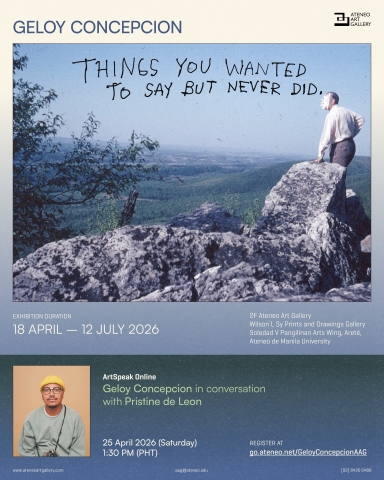
Things You Wanted to Say But Never Did: Geloy Concepcion’s six-year project makes Its exhibition debut at the Ateneo Art Gallery
Geloy Concepcion’s Things You Wanted To Say But Never Did comes to the Ateneo Art Gallery this 18 April 2026. After receiving almost 300,000 messages
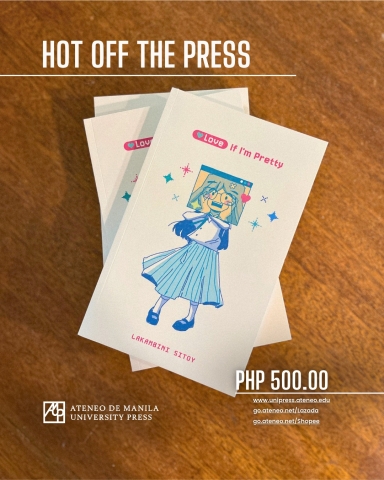
[Hot Off the Press] Love If I'm Pretty
New YA Release from the Ateneo Press Love If I’m Pretty tackles the nuances of growing up through complex characters and straightforward prose What do