[Ateneo Press Review Crew] Feathers, Form, and Philippine Poetry: a review on “If I Write You This Poem, Will You Make it Fly? (A book of birds and verse forms)”
22 Jan 2026 | Dids Veneracion


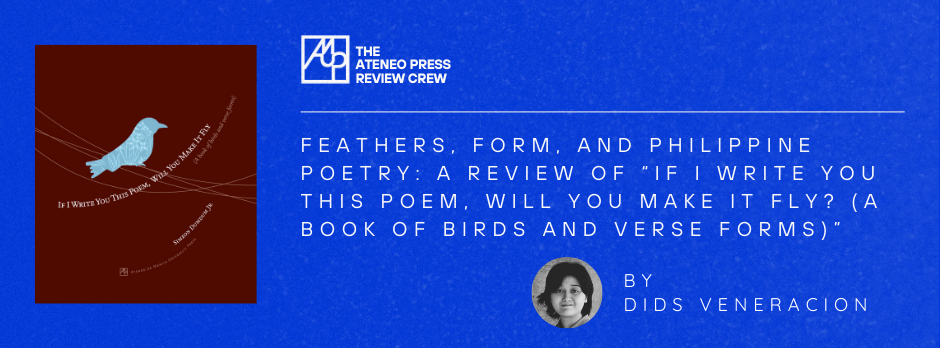
If I Write You This Poem, Will You Make it Fly? (A book of birds and verse forms) is a poetry book written by Simeon Dumdum Jr. The book includes over a hundred bird species with chapters categorized according to the environments of the birds. Each poem focuses on a bird species, expressed in a unique narrative, their distinctive features and nuances, characteristics, or personal encounters with the author. Accompanied with each poem is (1) a short description of the bird including its scientific name, physical attributes, which regions it is found and (2) a name and straightforward explanation of the verse form used indicating number of stanzas, rhymes, and other patterns. Some pages also include a hand drawn style image of the bird as a reference for the reader’s imagination.
The poems in this book are written by Simeon Dumdum Jr., a former Regional Trial Court Executive Judge based in Cebu City and a published poet. His literature reflects his own personal experiences, often referencing everyday anecdotes relatable to many Filipinos. The book, focused on Philippine birds and written by a Filipino, is inevitably intertwined with Philippine culture.
In one of his poems, entitled “Red Junglefowl”, Dumdum writes to the bird; beginning with “You rove the range, Red Junglefowl, …”. In a few short lines, Dumdum is able to paint a picture of the bird including its characteristics, behaviours, and nuances. The title of the poem is derived from the bird of the same name which is defined in a separate paragraph on the left side of the poem indicating its scientific name, (Gallus gallus), where it is usually encountered (secondary growth and primary forest), its diet (such as worms, insects, fruit seeds), and more. It also mentions where it roosts as well as how it crows (short and sharp). This part of the poem ends by providing both the Visayan name (manok ihalas) and the Tagalog name (labuyo) of the bird. Beneath the description of the bird, there is another paragraph where Dumdum explains the structure of verse used. In this case, it is an Icelandic verse form called runhenda; which consists of eight four syllable lines rhyming alternately.
The poems in the book demonstrate a distinct way to narrate a brief moment of the Filipino experience without saying too much. In one page or so, the author is able to put into words and memorialize a thought, an insight, a reflection. It gives readers a glimpse into the psyche of the author, how they think on a deeper level rather than a retelling of a sequence of events. We see this here in how Dumdum seamlessly includes Philippine motifs into his poems, referencing the folk dance Tinikling, church, and coconuts.
A significant part of Filipino identity is our relationship with nature and our inherent appreciation for the diverse flora and fauna the Philippines has to offer. When reading about the diverse variety of birds in our country, it’s hard not to wonder about the state of our wildlife. Although not explicitly stated, the book also brings to light the need for proper animal and nature conservation. This is relevant to current events because by highlighting the vast variety of birds who call our country home, it draws a sense of urgency and importance to conservation of such wildlife.
The concept of marrying birds and poetry together is fascinating and brilliantly executed in this book. Blending these two very different yet complementary topics feels natural, underrated, and somehow almost meant to be. Whether you are a bird enthusiast (or birder), an advocate for animal rights, or like me, someone who is constantly at awe with the beauty and wonder Philippine wildlife has to offer, I highly recommend this beautiful and impressive literary exploration. It is an easy read, one that is fun to bring around or leave in your bag. It’s perfect for flipping to a random page and enjoying a poem while waiting, sitting, or whenever you have a moment of free time.
Get your copy in paperback: Website | Shopee and Lazada

Dids Veneracion is an avid reader who enjoys exploring diverse genres, from fiction to nonfiction. A graduate of Arts Management from The De La Salle College of Saint Benilde, she aspires to study law, with hopes of contributing to the field in the future.
Recent News
You may also like these articles
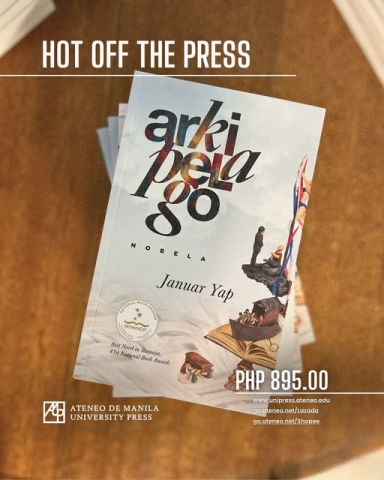
[Hot Off the Press] Arkipelago
New book from the Ateneo Press Arkipelago provides a fascinating and fantastical twist on Philippine politics and history Our country is an archipelago of stories
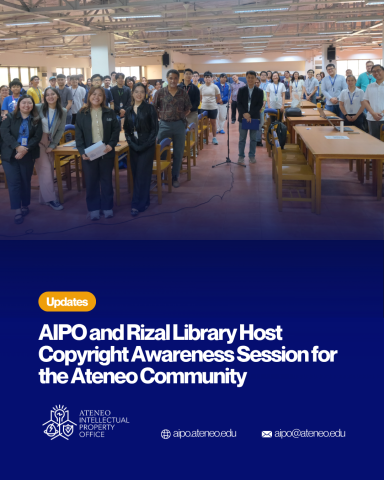
Protecting Creativity: AIPO and Rizal Library Host Copyright Awareness Session for the Ateneo Community
On March 18, 2026, the Ateneo Intellectual Property Office (AIPO), in collaboration with the Rizal Library, successfully conducted a Copyright Awareness Session held on the

Holy Week 2026 Holidays (Memo # UHR2526-038)
Memo # UHR2526-038 31 March 2026 TO: All Employees FROM: [Sgd] Maria Victoria T Cortez, PhD Vice President for University Human Resources SUBJECT: Holy Week
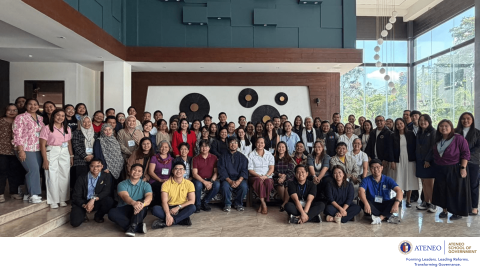
ASOG’s Tobacco Control initiatives spotlighted in DOH National Technical Working Group for Tobacco Prevention and Control
On March 10 to 12, 2026, the Ateneo School of Government (ASOG), through its research and public policy unit, the Ateneo Policy Center, participated in
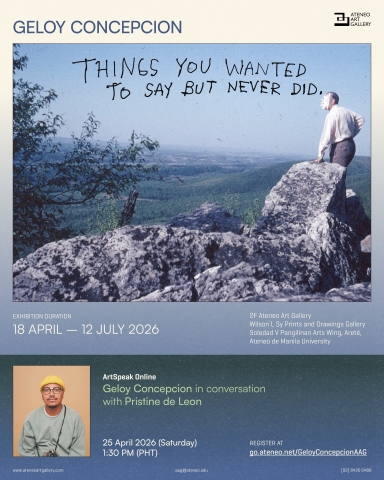
Things You Wanted to Say But Never Did: Geloy Concepcion’s six-year project makes Its exhibition debut at the Ateneo Art Gallery
Geloy Concepcion’s Things You Wanted To Say But Never Did comes to the Ateneo Art Gallery this 18 April 2026. After receiving almost 300,000 messages
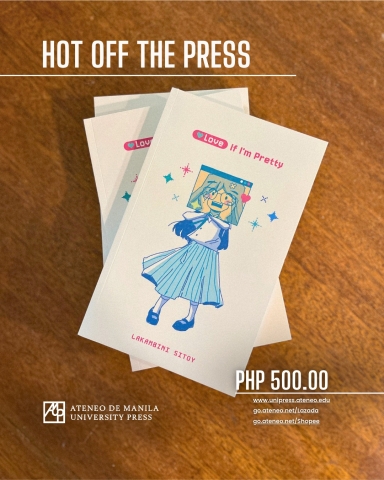
[Hot Off the Press] Love If I'm Pretty
New YA Release from the Ateneo Press Love If I’m Pretty tackles the nuances of growing up through complex characters and straightforward prose What do