Ateneo BUILD and TRL achieve key milestone in digital public infrastructure with E-Verify KYC Extension acceptance
16 Jan 2026






Ateneo de Manila University’s Business Insights Laboratory for Development (BUILD) and its incubated initiative, the Ateneo Technical Resource Lab (TRL), have received an acceptance certificate from the Department of Information and Communications Technology (DICT) and the Philippine Statistics Authority (PSA) for the TRL Experience Center’s E-Verify Know-Your-Customer (KYC) Extension. Issued on 5 November 2025, this acceptance allows the TRL Experience Center to access the government’s National ID verification environment in its role in advancing learning and understanding of Digital Public Infrastructure (DPI) in the Philippines.
The acceptance grants BUILD access to the PSA’s eVerify platform, a live environment used for National ID validation. Through the TRL Experience Center, this enables the demonstration of how digital identity works in practice, and how banks, government agencies, and other relying parties may use National ID verification to support more efficient, secure, and accessible services.
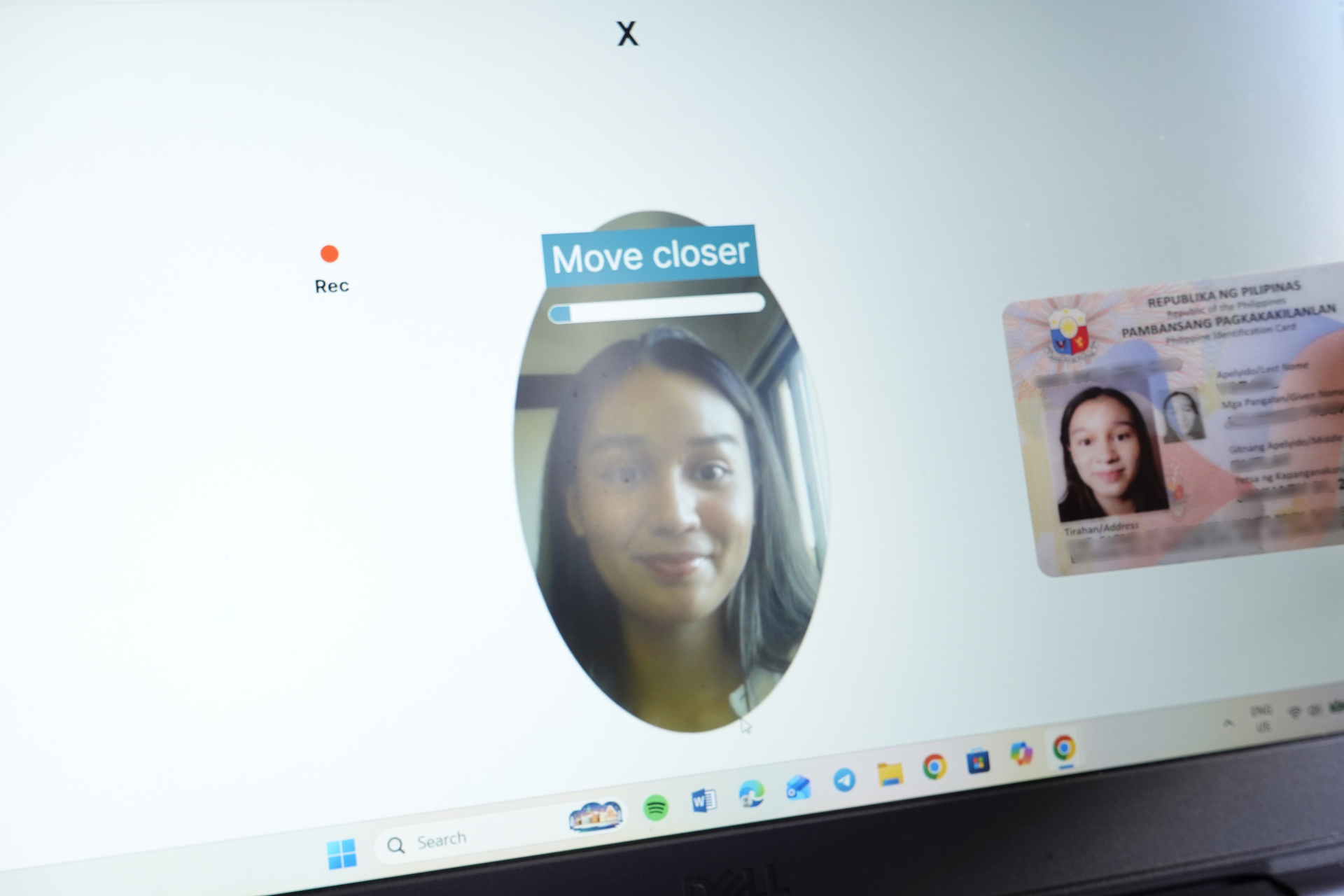
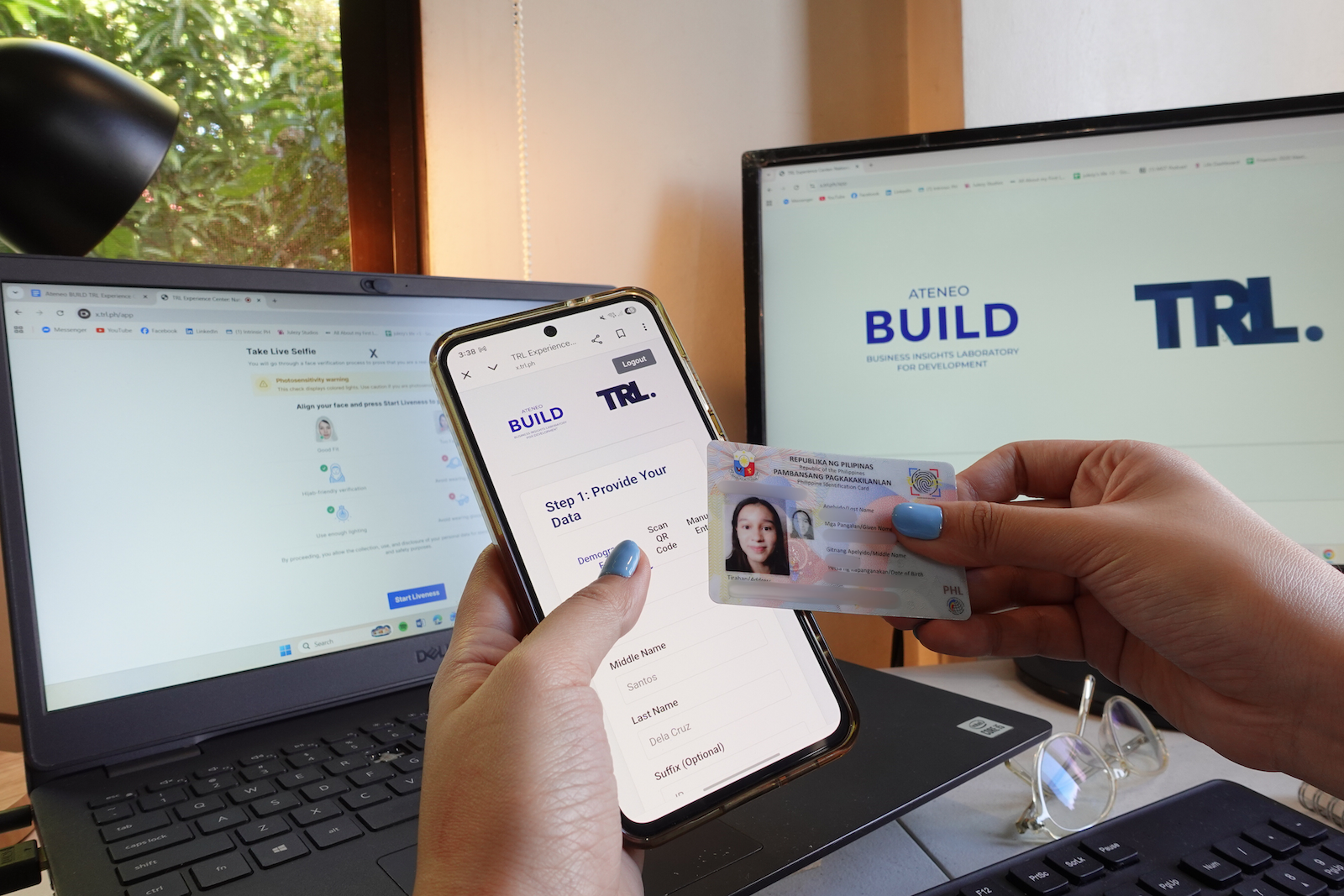
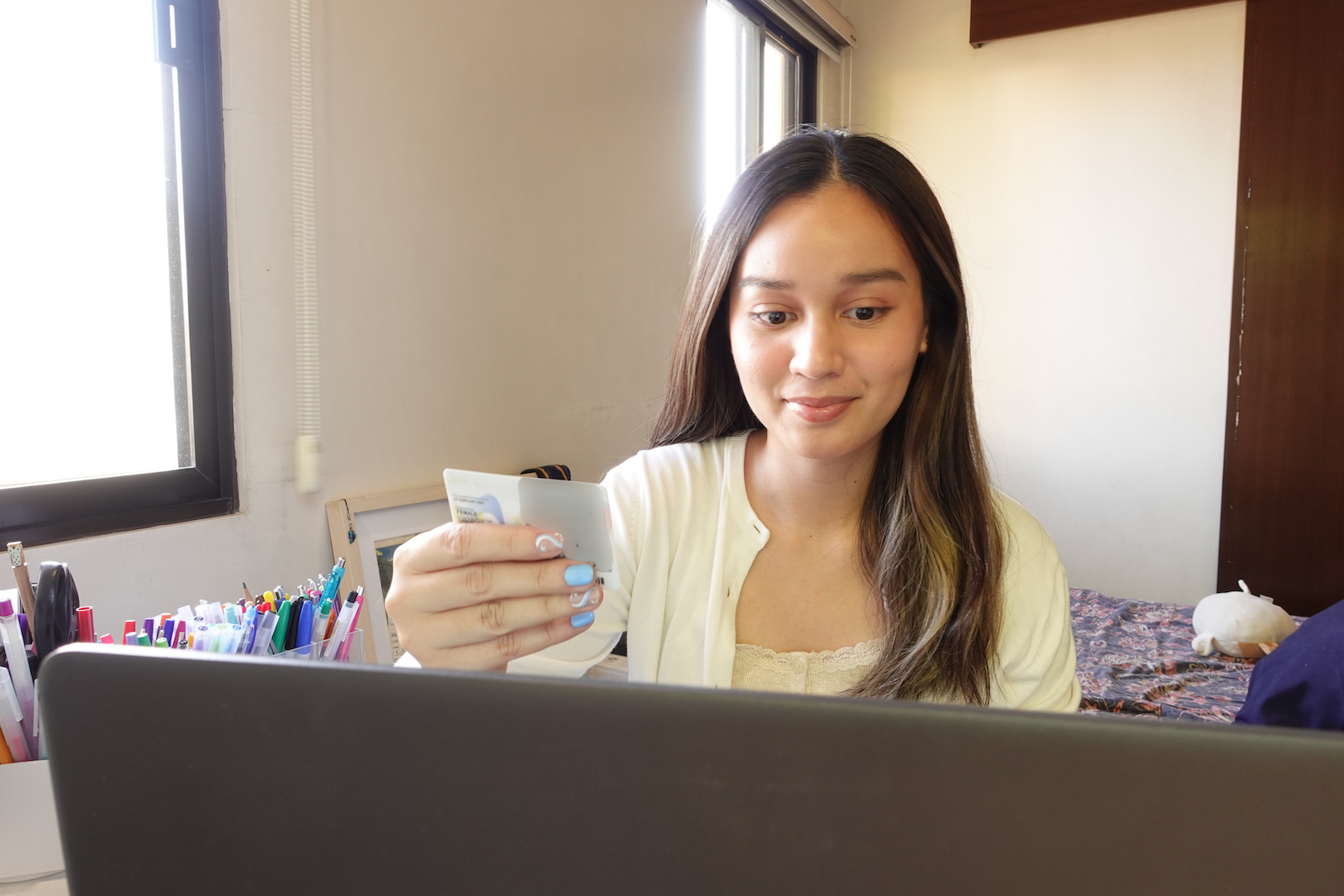
The live demonstration shown in the following images features Julianne Ysrael, a BS Information Technology Entrepreneurship graduate from the Class of 2025, engaging with the TRL Experience Center’s E-Verify KYC workflow.
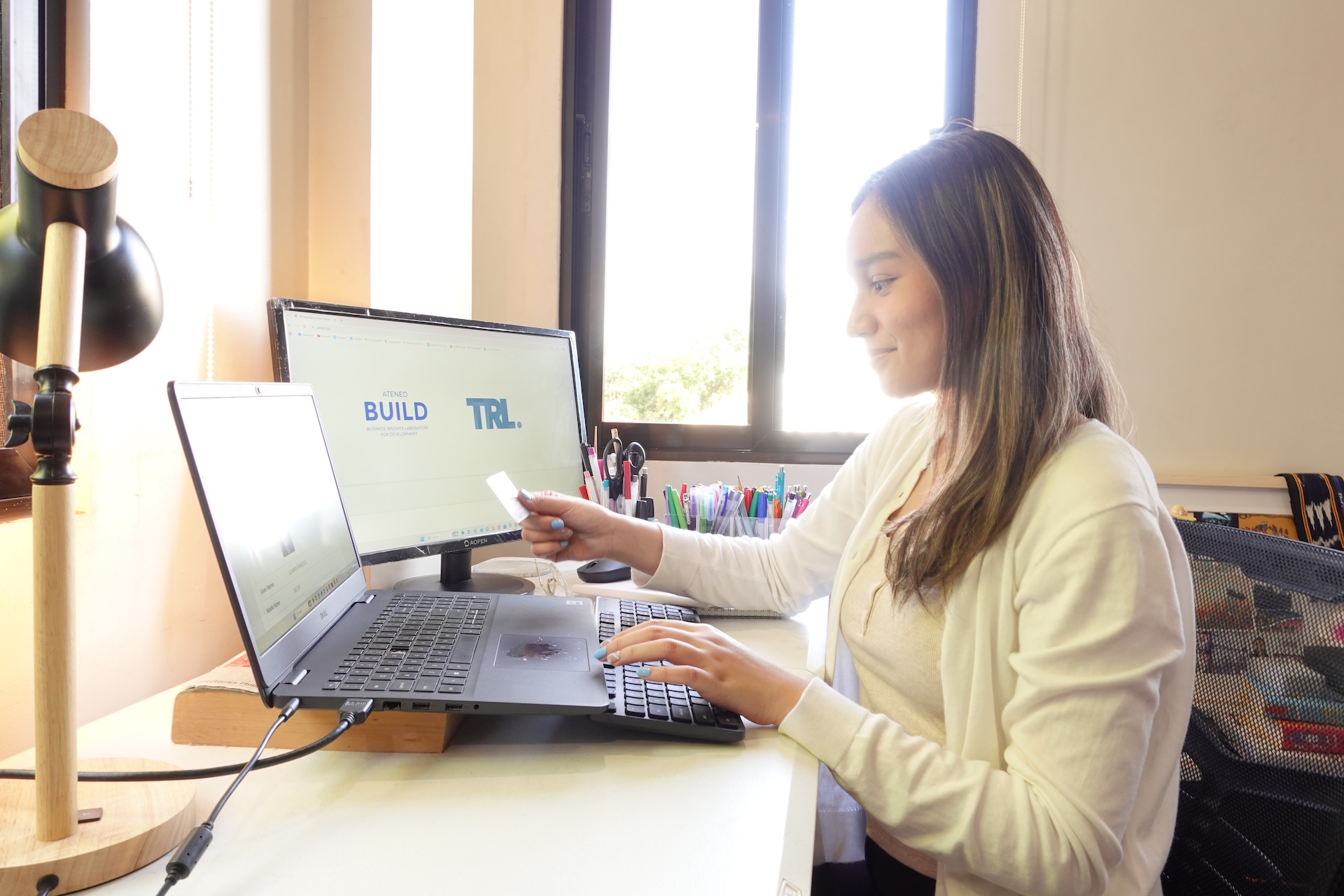
Access to a live National ID verification environment allows the TRL Experience Center to move beyond conceptual discussions of digital identity. It provides a setting where Digital Public Infrastructure can be observed and engaged with as it operates in real conditions.
Advancing the TRL Mission
This achievement represents an important step in fulfilling Ateneo BUILD's mandate to establish the Philippine Technical Resource Lab (TRL), a collaborative initiative supported by the global nonprofit Co-Develop. While significant progress has been made, BUILD recognizes that there is still considerable work to be done to fully realize the TRL's vision.
The TRL serves as a catalyst for DPI adoption in the Philippines by fostering a developer ecosystem that connects government, industry, academia, and technology communities. Through three core activities—practical DPI learning, the DPI Experience Center, and ecosystem-building events—the TRL empowers stakeholders to build, test, and imagine better systems together. The lab's philosophy treats Digital Public Infrastructure like roads, power grids, and the open Internet: built for scalability, interoperability, and reuse, following open standards rather than creating isolated systems.
The integration of the eVerify system into the TRL Experience Center marks a critical milestone in this ongoing journey. It transforms the center from a conceptual space into a functioning laboratory where onsite and online visitors can engage with live DPI services covering identity verification, social protection, and digital payments. This hands-on environment demonstrates the potential of DPI to enhance public service delivery and financial inclusion in tangible, accessible ways.
Understanding Digital Identity: Lessons from India and Africa
A digital identity system allows organizations to securely verify a person’s identity in real time, enabling access to essential services such as banking, government benefits, healthcare, and digital commerce.
India’s Aadhaar system, launched in 2010, has enrolled over 1.2 billion people and serves as a foundational identity layer for banking and government services. It supported large-scale financial inclusion and Direct Benefit Transfers, with the Indian government estimating savings of approximately ₹3.5 lakh crore (around USD 40–45 billion) through reduced leakages and improved targeting.
In Sub-Saharan Africa, digital identity has supported improvements in public sector efficiency and financial access. Around 470 million people still lack official identification, and insufficient documentation remains a major barrier to banking. Countries adopting digital identity–enabled reforms report tangible gains, including annual savings of about USD 7 million in Uganda from removing ghost workers and roughly USD 44 million in Malawi through improved beneficiary verification.
The Philippines now stands at a similar inflection point with the Philippine National ID platform.
A Collaborative Effort
Achieving this milestone required coordinated efforts across multiple stakeholders. The successful application for the E-Verify KYC Extension was the result of a collaborative effort across the university and with key government partners. The initiative received endorsements from key university leaders, including the Dean of the John Gokongwei School of Management, and underwent a thorough review by the University Legal and Compliance Office (ULCO) and the University Data Protection Office (UDPO).
What This Means for Ateneo BUILD and the TRL
The integration of the eVerify platform into the TRL Experience Center will provide an invaluable resource for the Ateneo community and the broader Philippine innovation ecosystem. It will allow for:
Hands-on Learning: Students and researchers can now engage directly with a live DPI service, gaining practical experience in developing and integrating secure digital identity solutions.
Prototyping and Innovation: The TRL will serve as a sandbox for developing new applications and services that leverage the national ID system, fostering innovation across fintech, social services, and digital commerce.
Policy and Research: The TRL will provide a platform for research and policy discussions on the responsible and effective use of DPI, contributing to the development of a robust and inclusive digital economy.
Next Steps
With the acceptance of the E-Verify KYC Extension, Ateneo BUILD will now proceed with the technical integration of the platform into the TRL Experience Center. This will be followed by a technical clearance demonstration with the DICT and PSA to showcase the full integration of the NIDAS workflow. The TRL Experience Center is expected to be fully operational and open to the public in the coming months.
About the Department of Information and Communications Technology (DICT)
The Department of Information and Communications Technology (DICT) is the Philippine government’s executive department responsible for planning, developing, and promoting the national information and communications technology (ICT) agenda. Its mandate includes crafting ICT policy, supporting digital transformation, and enabling infrastructure and services that help government and citizens operate more efficiently using technology.
In the National ID context, DICT works with the Philippine Statistics Authority (PSA) to support digital identity platforms and authentication services such as the Digital National ID and the National ID eVerify and National ID Check systems. These tools allow relying parties to authenticate identities online and integrate identity verification into public and private services, helping streamline transactions across sectors.
About the Philippine Statistics Authority (PSA)
The Philippine Statistics Authority (PSA) is the lead implementing agency of the Philippine Identification System (PhilSys), the country’s unified national identity initiative established under Republic Act 11055. PSA’s responsibilities include registering individuals, issuing unique PhilSys numbers, and managing the issuance of official identity formats such as the National ID card, paper-based ID, and the Digital National ID.
PSA also leads development of National ID authentication services, including National ID eVerify and National ID Check, in partnership with DICT. These services let government agencies, banks, and other organizations securely verify a person’s identity in real time, reducing fraud and improving access to services that require proof of identity.
About the Ateneo Technical Resource Lab (TRL)
The Ateneo Technical Resource Lab (TRL) is a collaborative initiative between Ateneo BUILD and Co-Develop that accelerates the adoption of Digital Public Infrastructure (DPI) in the Philippines. The TRL fosters a developer ecosystem connecting government, industry, academia, and technology communities to drive efficient, inclusive, safe, and equitable digital transformation in public services.
Through three core activities—practical DPI learning, the DPI Experience Center, and ecosystem-building events—the TRL empowers stakeholders to build, test, and imagine better systems together. The lab's philosophy treats Digital Public Infrastructure like roads, power grids, and the open Internet: built for scalability, interoperability, and reuse, following open standards rather than creating isolated systems. Located at Ateneo's John Gokongwei School of Management, the TRL serves as a hands-on learning environment where students, technologists, policymakers, and entrepreneurs can engage with DPI-based services. Learn more at https://trl.ph.
About Co-Develop
Co-Develop is a global nonprofit fund working to accelerate the adoption of safe, inclusive, and scalable DPI. In the next five years, it aims to help governments and local partners in at least 50 countries build and govern core digital systems that serve the public interest. The organization provides strategic support to overcome adoption bottlenecks and contributes to the global evidence base on the impact of DPI in development. Learn more at https://www.codevelop.fund/.
About BUILD
The Business Insights Laboratory for Development (BUILD) is a university-based initiative under Ateneo de Manila's John Gokongwei School of Management (JGSOM). BUILD supports students, startups, and institutions in developing and deploying data-informed, inclusive, and ethical technology solutions. It combines analytics, financial modeling, digital platforms, and generative AI expertise to advance local innovation and digital transformation. Learn more at https://www.ateneo.edu/jgsom/build.
References
Ansar, S., & Clark, J. (2024). The importance of ID access in three charts: Insights from Sub-Saharan Africa. World Bank Blogs. https://blogs.worldbank.org/en/digital-development/the-importance-of-id-access-in-three-charts--insights-from-sub-s
Carrière-Swallow, Y., Haksar, V., & Patnam, M. (2021). The India Stack is revolutionizing access to finance. IMF Finance & Development, 58(2). https://www.imf.org/external/pubs/ft/fandd/2021/07/india-stack-financial-access-and-digital-inclusion.htm
For more information, visit https://trl.ph, https://www.ateneo.edu/jgsom/build, or email build.jgsom@ateneo.edu.
Recent News
You may also like these articles
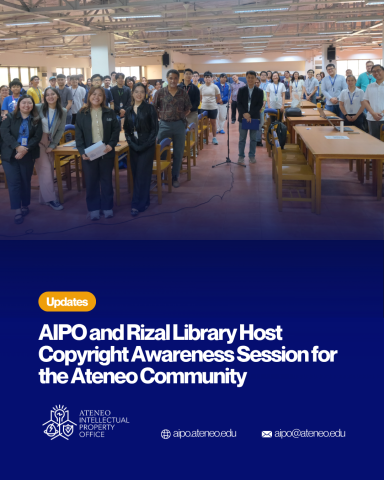
Protecting Creativity: AIPO and Rizal Library Host Copyright Awareness Session for the Ateneo Community
On March 18, 2026, the Ateneo Intellectual Property Office (AIPO), in collaboration with the Rizal Library, successfully conducted a Copyright Awareness Session held on the
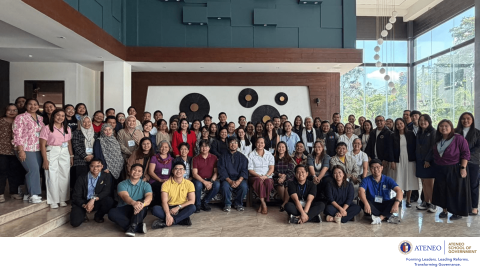
ASOG’s Tobacco Control initiatives spotlighted in DOH National Technical Working Group for Tobacco Prevention and Control
On March 10 to 12, 2026, the Ateneo School of Government (ASOG), through its research and public policy unit, the Ateneo Policy Center, participated in

Class and work arrangements for March 30-April 1, 2026 (Memo No. AGSB-DO-2526-043)
AGSB-DO-2526-043 28 March 2026 TO: AGSB Community FROM: (sgd.) Jowett Cecilio F. Magsaysay, MBA, PhD Dean SUBJECT: Class and work arrangements for March 30-April 1
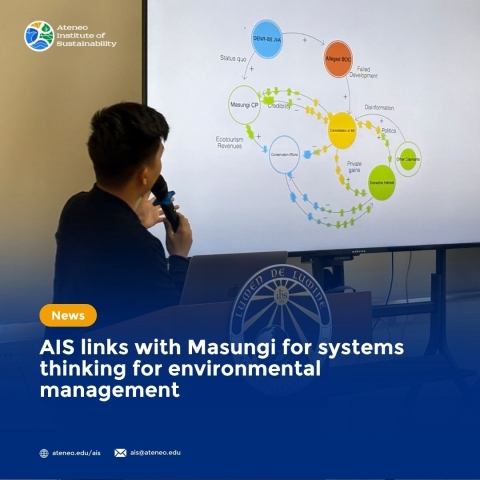
AIS links with Masungi for systems thinking for environmental management
Last 23-24 March 2026, the Ateneo Institute of Sustainability (AIS) , which manages the My Climate Risk – Ateneo de Manila University Regional Hub

Contingency Measures in Higher Education in the Face of a Worldwide Energy Crisis (HE Memo#Y4.16)
In response to the energy crisis caused by escalating tensions in West Asia, Ateneo Higher Education will implement the following class and operational adjustments.

Basic Education Class Schedules March – June 2026 (OVPBE memo)
In alignment with DepEd Memorandum No. 018, s. 2026, and our own commitment to Cura Personalis, we are refining our operations for the remainder of the school year to ensure that we finish strong, safe, and sustainable.