Ingredients in chewing gum help tilapia survive cold climates
04 Oct 2024 | Office of the Assistant Vice President for Research, Creative Work, and Innovation



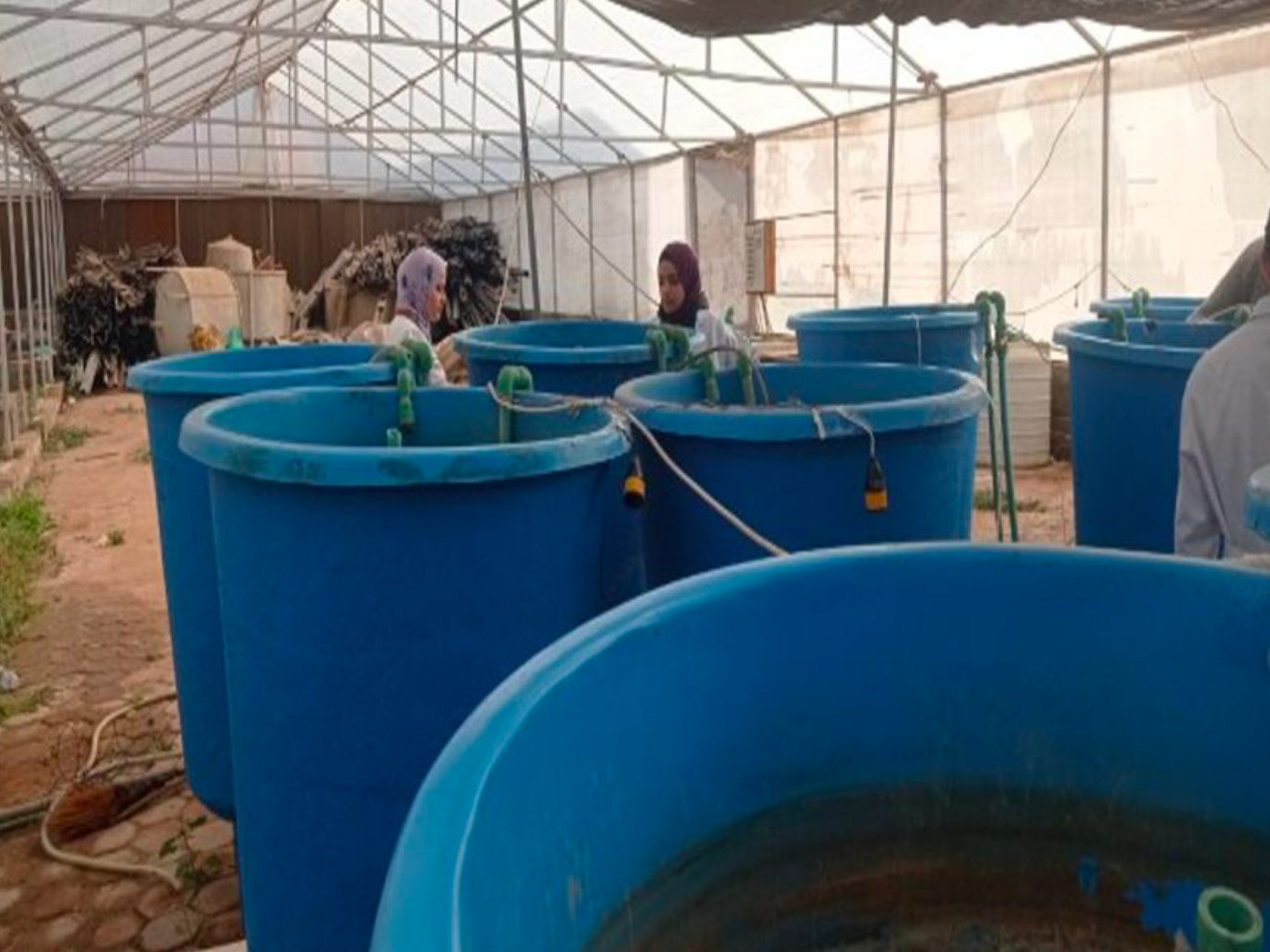
Two common ingredients in ordinary chewing gum – Arabic gum and lecithin – have been found to help improve the overall health of tilapia, helping these fish survive better even in cold climates. This discovery paves the way for raising tilapia for food outside of the tropical regions where they are commonly farmed.
Native to Africa, the Nile tilapia (Oreochromis niloticus) has been raised for food since ancient times due to its fast rate of reproduction. It is now a common sight in markets across tropical countries, including the Philippines and Indonesia. However, O. niloticus is sensitive to cold and only thrives in warm water within the range of 26°C to 30°C.
A recent study by an international team of researchers from Egypt and the Philippines, including Ateneo de Manila University Department of Biology’s Dr. Janice Alano Ragaza, tracked the weight, growth, blood chemistry, and enzyme levels of Nile tilapia fingerlings fed on varying amounts of Arabic gum and lecithin. Arabic gum and lecithin are common ingredients found in chewing gum and other foodstuffs. Arabic gum is made from sap, usually from the Acacia senegal or Sengalia senegal tree. Meanwhile, lecithin is a common emulsifier derived from a variety of sources, including eggs, soy beans, and sunflower seeds. Both have a wide variety of food uses, including in off-the-shelf chewing gum.
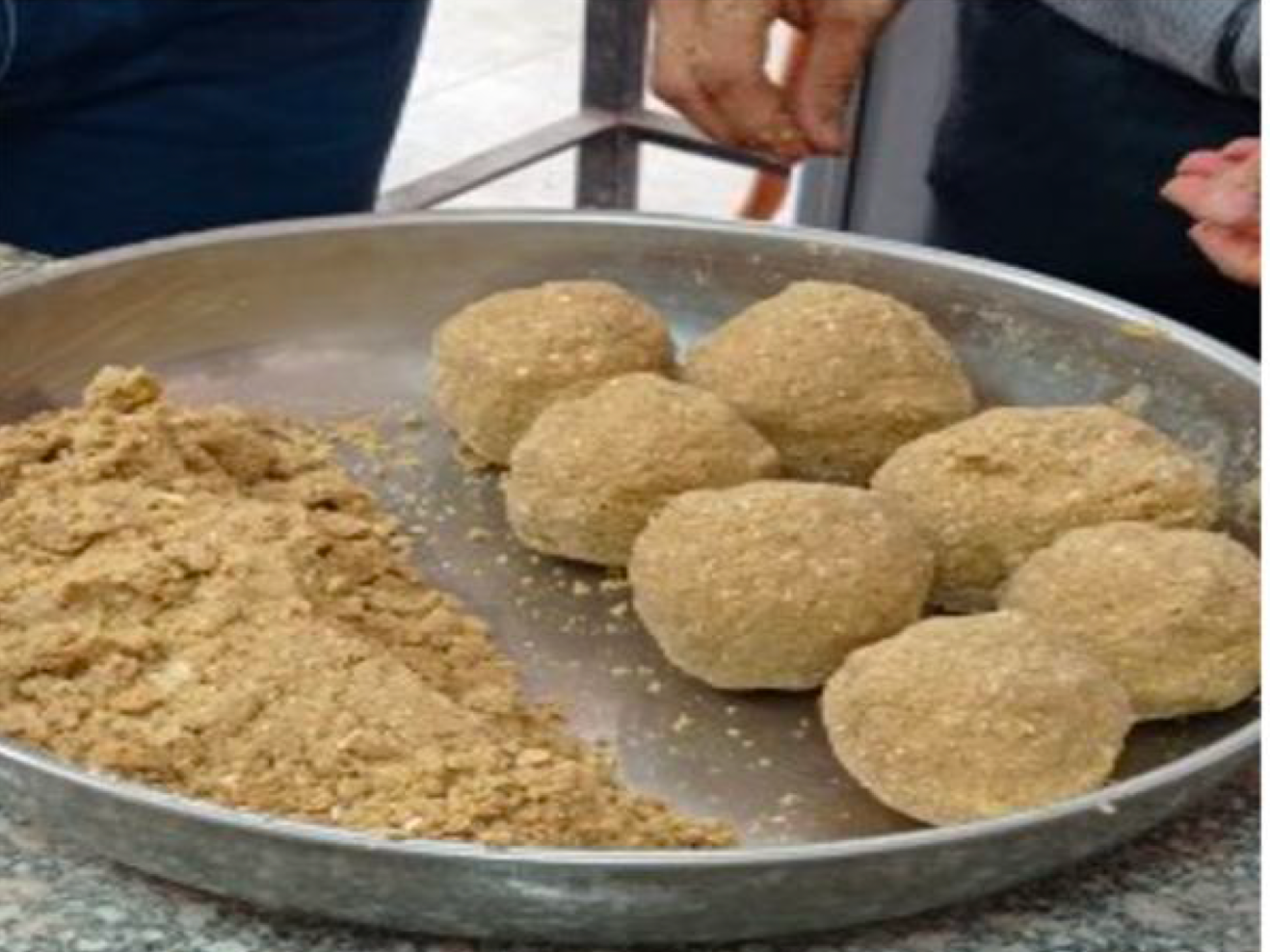
The researchers found that Nile tilapia fingerlings fed on 4 grams of Arabic gum and 10 grams of lecithin per kilogram of fish food over the course of three months led to increased levels of minerals, enzymes, and antioxidants that help the fish overcome the stresses of living in winter. This change was more than just physiological, as it was found that the diet even activated specific genes associated with surviving cold temperatures.
The study, jointly undertaken by Benha University and the National Institute of Oceanography and Fisheries in Egypt; and Ateneo de Manila University in the Philippines; came about in the wake of Dr. Ragaza’s participation in the Fulbright Visiting Scholar Program in the US from 2017 to 2018. The results of the study were published in Aquaculture Reports Vol. 38 in October 2024.
SOURCES:
https://doi.org/10.1016/j.aqrep.2024.102332
For further inquiries and interview requests, please email media.research@ateneo.edu. Visit archium.ateneo.edu for more information about our latest research and innovations.
Recent News
You may also like these articles
Modern science catches up with native knowledge with discovery of Clerodendrum kelli
The indigenous Bugkalot people of Nueva Ecija call it “kelli”: a plant with white, starburst-like flowers and oval-shaped leaves that are traditionally mashed and mixed
ASHS team wins 1st place at UP Industrial Engineering Expo's Case Competition
Representing Ateneo de Manila Senior High School (ASHS), Team IExengenium was crowned Senior High School Champion in the Industrial Engineering Expo Praxis (IEx Praxis) Case
AIPO begins 2026 with an IP awareness session for Ateneo chemistry students
On 26 January 2026, the Ateneo Intellectual Property Office (AIPO) conducted an intellectual property (IP) awareness session for BS Chemistry and Materials Science Engineering students
Newly discovered Philippine pitcher plant already in danger from climate change, poaching
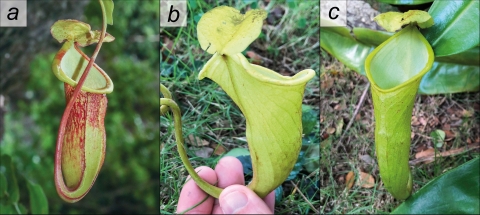
A new species of pitcher plant found only on Palawan Island, but experts warn that it is already at risk of extinction due to frequent severe weather conditions and human encroachment.
AIS hosts “Sustainable Sustainability™: From Fail to Scale” with Mr Marty Metro
The Ateneo Institute of Sustainability (AIS) hosted a special hybrid symposium entitled “Sustainable Sustainability ™: From Fail to Scale” last 18 November 2025 at the
Eating more but growing less: Stagnant Philippine farms linked to widening rice gap
The Philippines remains mired in import dependence despite years of government support.