MCR-Ateneo, CORDEX-SEA, RIfS collaborate for Southeast Asia and South Asia transdisciplinary dialogue
09 Dec 2025 | Daniel C Ratilla and Ivy Geraldine Ferrer







From 25 to 27 November 2025, the Climate and Disaster Resilience (CDR) Program of the Ateneo Institute of Sustainability (AIS) collaborated with colleagues from the Manila Observatory for the Asia Climate Risk and Impact Strategic Workshop 2025 in Quy Nhon, Vietnam. The former manages the My Climate Risk – Ateneo de Manila University Regional Hub, while members of the latter are also part of the Coordinated Regional Climate Downscaling Experiment (CORDEX). Both MCR and CORDEX are a Lighthouse Activity and a Programme of the World Climate Research Programme, respectively.
The hybrid workshop was organized as a special session under the 5th International Vietnam Conference on Earth and Environmental Sciences (iVCEES-2025), which was held in the International Centre for Interdisciplinary Science Education (ICISE). Other collaborating organizations also included the Swedish Meteorological and Hydrological Institute, the UK Met Office, and the Regional Information for Society (RIfS), a Core Project of the WCRP. It was convened by Dr Iréne Lake of Swedish Meteorological and Hydrological Institute, Dr Laura Burgin of UK Met Office, and Dr Faye Cruz of Manila Observatory, the co-chair of CORDEX in Southeast Asia (CORDEX-SEA) and a Collaborator of the MCR-Ateneo Hub.
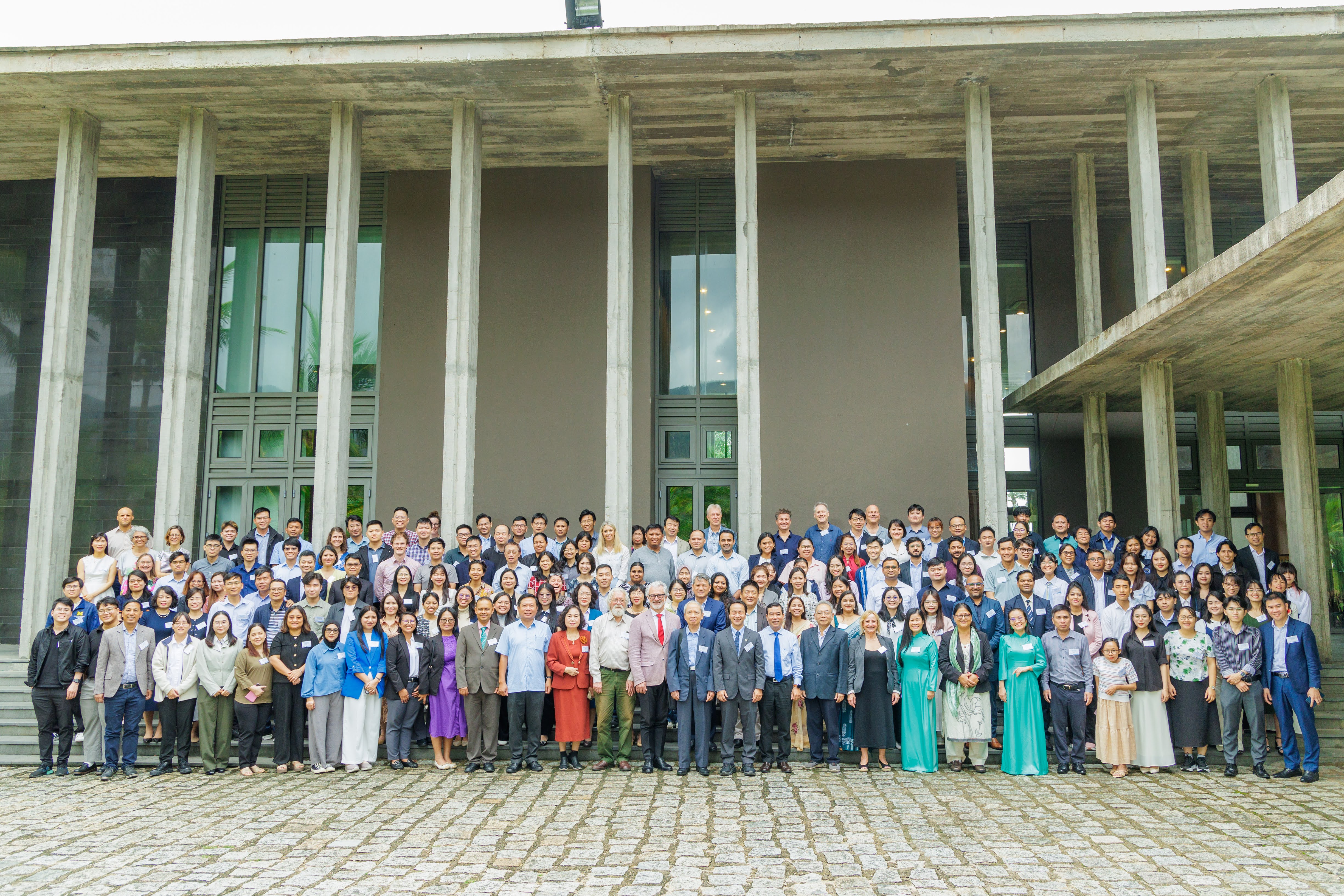
Building on a series of meetings and workshops in 2024 focused on improving access to downscaled climate model data and climate information, as well as stakeholder consultations, this special session aimed to strengthen the dialogue between climate modellers and user groups in co-producing climate information towards informed decision making.
On the first day of the workshop, Dr Cruz set the stage through a participant survey, followed by an introduction of the organizers and participants by Dr Lake. Dr Bruce Hewitson, co-chair of RIfS, delivered a presentation on the ethical-epistemological challenges of using climate information, such as balancing the tension between idealism and realism, and implications of overshoot inevitability. To recognize this importance, RIfS intends to underscore this non-congruency of climate information. Dr Hewitson mused, “Instead of creating communities of competition where efforts are duplicated, they want to create communities of collaboration.” Dr Burgin then led an expectation setting activity in which participants were asked to write down using metacards on what they could bring to the table, and what they wanted to take away from the workshop. This was followed by exchanging of cards amongst the participants.
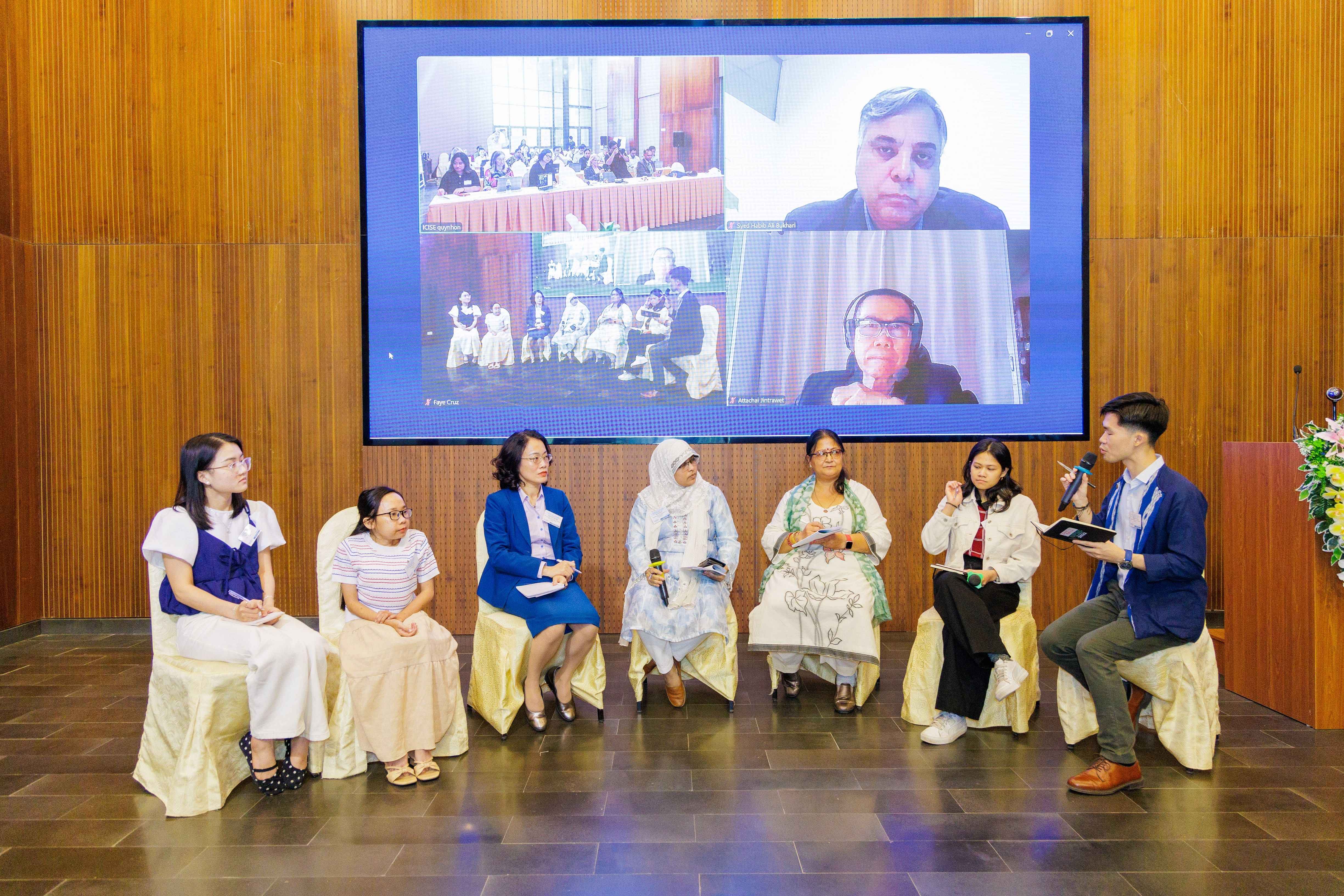
Mr Daniel C Ratilla, CDR Program Head and Focal Point of the MCR-Ateneo Hub, chaired the session titled “Stakeholder needs and priorities”, where he moderated a lightning talk session by seven speakers, from climate service producers and representatives of identified impact sectors: health, food, water, marginalized communities, and youth. Following the lightning talks was a brief panel discussion with the speakers, which focused on the kind of climate information impact sectors interacted with, the gaps they experienced, capacity building and resource needs, and bridging gaps through collaboration. The speakers came from different parts of Southeast and South Asia: joining online were Prof Syed Habib Ali Bukhari (Pakistan, health sector) and Prof Emeritus Attachai Jintrawet (Thailand, food sector); joining onsite were Prof Sara Nowreen (Bangladesh, water sector), Ms Ericka Lynne Nava (Philippines, informal settlements), Ms Trinh Ho and Ms Lang Ho (Vietnam, youth), Prof Pham Thi Thanh Nga (Vietnam, climate services), and Dr Mandira Singh Shrestha (Nepal, climate services).
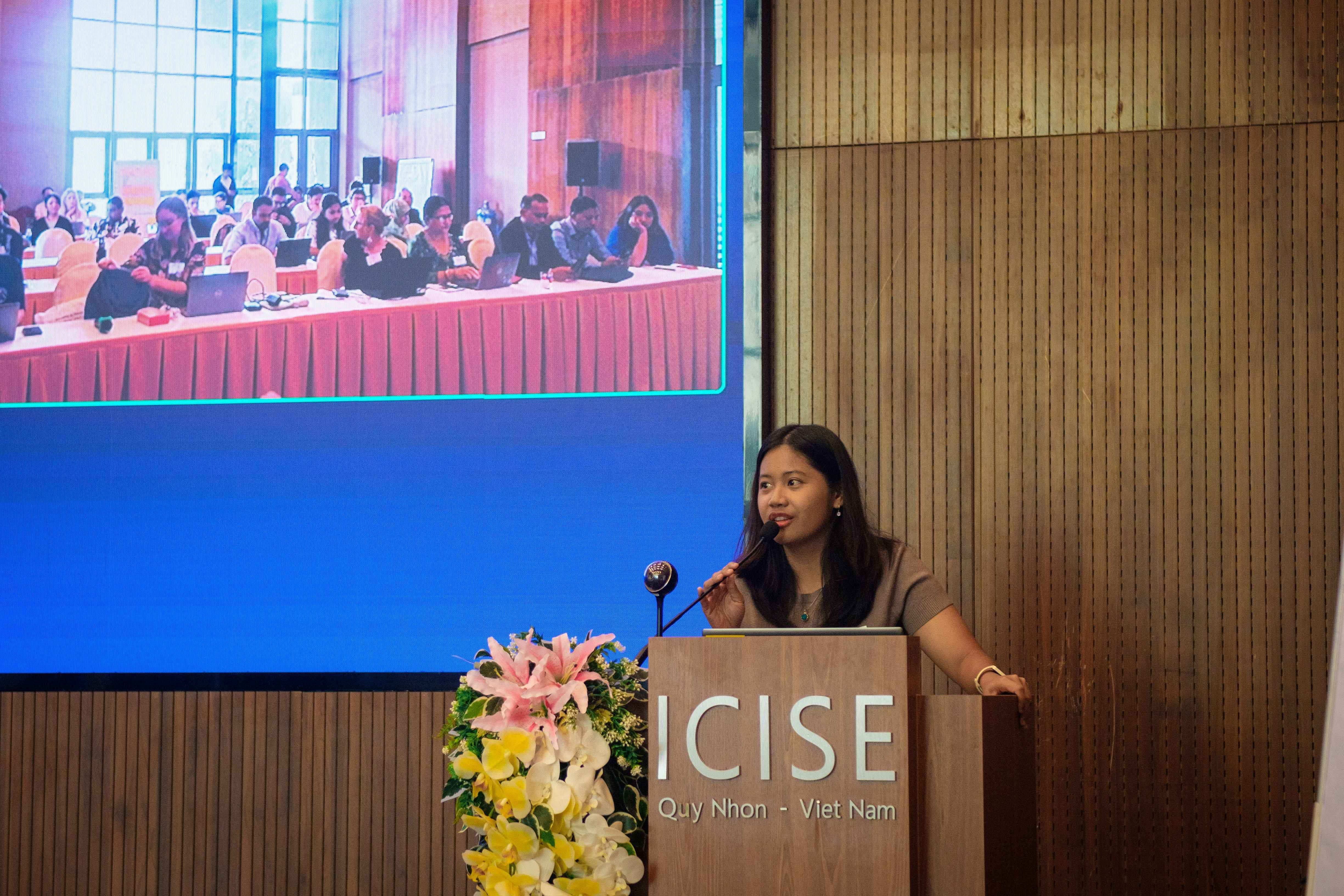
The rich discussion set the stage for the succeeding session, “Fostering transdisciplinary dialogue” which was facilitated by Dr Laura Burgin and Ms Ivy Geraldine D Ferrer, CDR Program Officer. This session continued into the second day, on 26 November. The speakers for the previous session participated in the breakout groups, and the session thus built on insights and opportunities for collaboration between climate information producers and impact sectors. Crucially, best practices in integrating climate information were discussed and reported back.
Continuing on the discussion of collaboration, Mr Francis Uldric San Juan, Research Assistant at the Manila Observatory and Training Specialist at the Support Unit of the WCRP Academy, moderated a panel discussion on developing training programmes and knowledge products. This was followed by a panel discussion composed of representatives from funding and grant-giving bodies, such as the Belmont Forum, Asia-Pacific Network for Global Change Research, the British Embassy (Vietnam), the Italian Embassy (Vietnam), Environment Protection Fund (Laos), Green Climate Fund, and WISER.
On the third day, 27 November, Dr Cruz delivered a synthesis of the workshop’s proceedings and Dr Lake facilitated the final session for drafting pilot projects, which built on the ideas and discussions of the previous days.
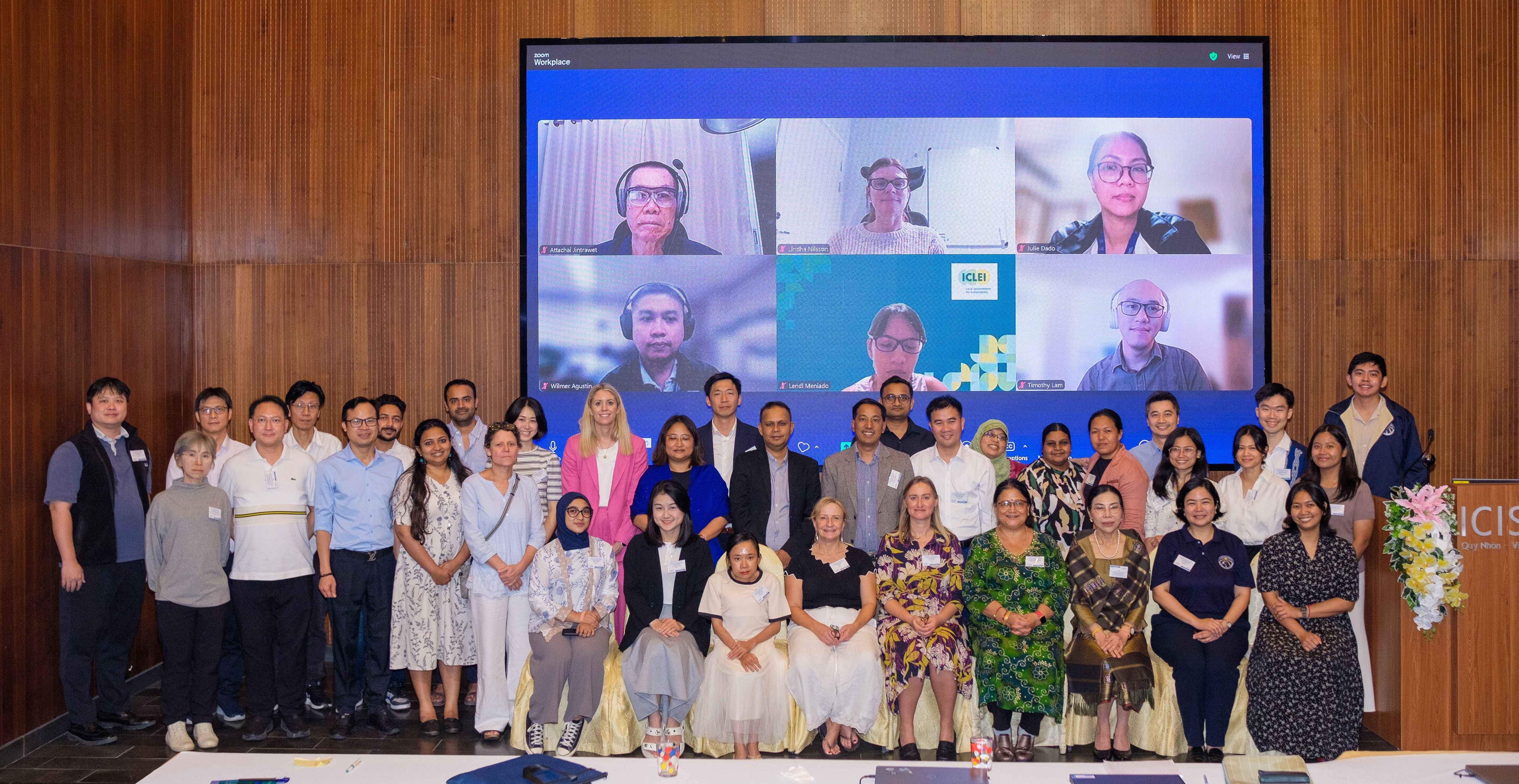
Given their diverse areas of focus, such as on downscaling climate models, integration of knowledge systems for regional climate information, and mainstreaming bottom-up approaches to climate risk, the workshop is another example of fruitful collaborations between different activities of the World Climate Research Programme. Guided by the principle of transdisciplinarity, collaboration is not just limited to among researchers, but is also conducted with practitioners and advocates from different sectors, ensuring diverse perspectives in building resilient societies, and in solving the problems and impacts of the climate crisis.
Recent News
You may also like these articles
Protecting Creativity: AIPO and Rizal Library Host Copyright Awareness Session for the Ateneo Community
On March 18, 2026, the Ateneo Intellectual Property Office (AIPO), in collaboration with the Rizal Library, successfully conducted a Copyright Awareness Session held on the
Why can’t we eradicate tuberculosis? AIS dissects the TB issue in a multidisciplinary panel
On 24 March 2026, the Ateneo Institute of Sustainability (AIS), through its Sustainable Development Goals (SDGs) Program, hosted a multidisciplinary panel in observance of World
AIS links with Masungi for systems thinking for environmental management
Last 23-24 March 2026, the Ateneo Institute of Sustainability (AIS) , which manages the My Climate Risk – Ateneo de Manila University Regional Hub
Contingency Measures in Higher Education in the Face of a Worldwide Energy Crisis (HE Memo#Y4.16)
In response to the energy crisis caused by escalating tensions in West Asia, Ateneo Higher Education will implement the following class and operational adjustments.
Basic Education Class Schedules March – June 2026 (OVPBE memo)
In alignment with DepEd Memorandum No. 018, s. 2026, and our own commitment to Cura Personalis, we are refining our operations for the remainder of the school year to ensure that we finish strong, safe, and sustainable.
URH residency application for Intersession SY 2026-2027 now open
Hey, Blue Eagles! Big news — URH INTERSESSION RESIDENCY SY 2026-2027 is NOW OPEN! Apply now to live where the vibes are unmatched! What’s in