Ateneo BUILD and TRL lead specialized Python web development workshop for PSA to advance Digital National ID integration
23 Feb 2026








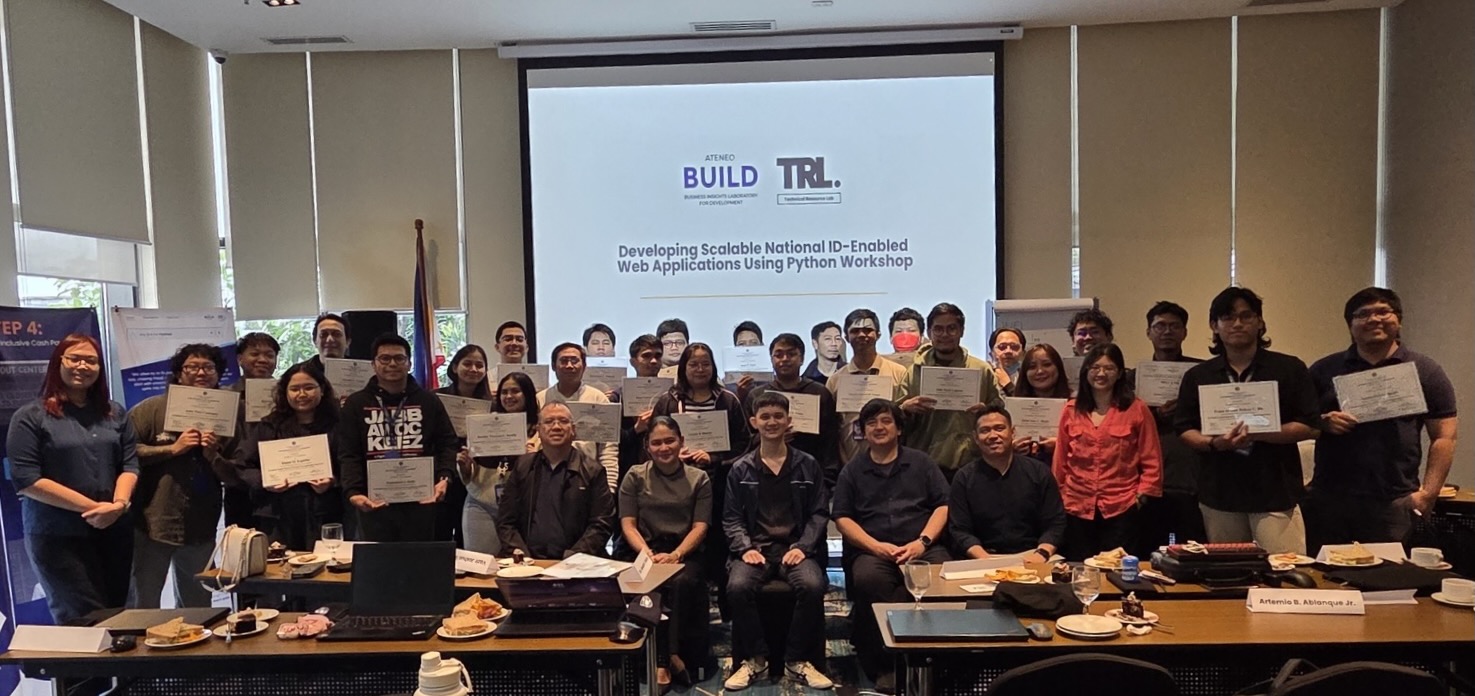
Ateneo de Manila University’s Business Insights Laboratory for Development (BUILD) Center and the Ateneo Technical Resource Lab (TRL) concluded an intensive three-day technical workshop for the Philippine Statistics Authority (PSA) held from 18 to 20 February 2026.
The workshop, "Developing Scalable National ID-Enabled Web Applications Using Python," took place at the Park Inn by Radisson, North EDSA. The program focused on providing PSA’s technical teams with the skills to build, deploy, and scale web applications integrated with the PhilSys National ID system. Representatives from all departments and groups within the PSA participated in the sessions, ensuring agency-wide technical capacity building.
Knowledge Transfer and Technical Implementation
A core objective of the program was the transfer of technical expertise from Ateneo to the PSA, focusing on digital identity use cases. This effort enabled PSA developers to build upon technical patterns and prototypes established by the TRL's Experience Center. By the conclusion of the three-day program, the workshop achieved significant practical results, with several attendees completing successful end-to-end implementations all the way from local workstations to AWS/Cloud deployment.
Technical Collaboration
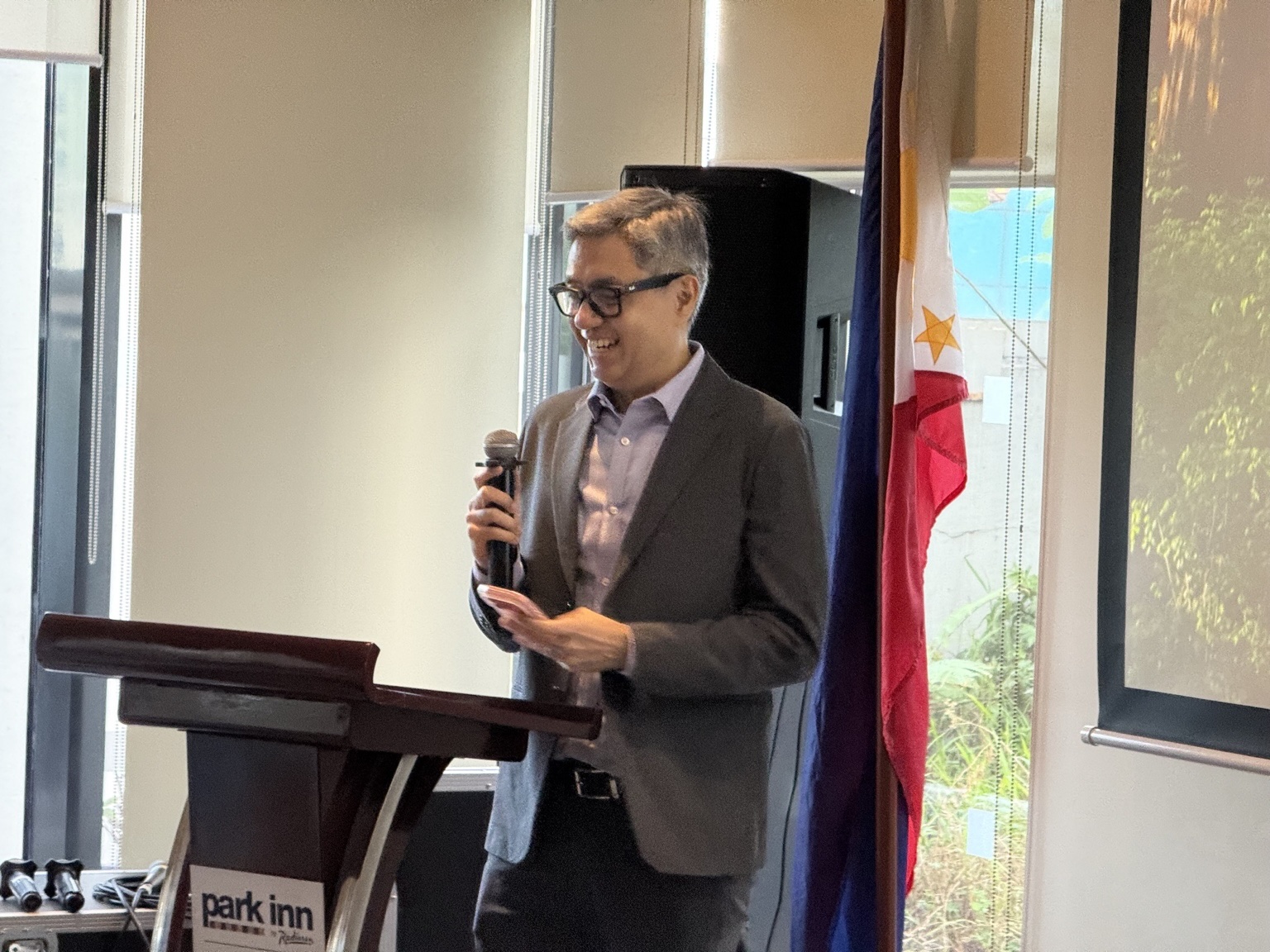
The event opened with remarks from Roberto Martin N Galang, PhD, Dean of the Ateneo John Gokongwei School of Management (JGSOM), and Atty Henedine P Palabras, Officer-in-Charge and Assistant National Statistician of the PSA's Use Case Development and Management Service.
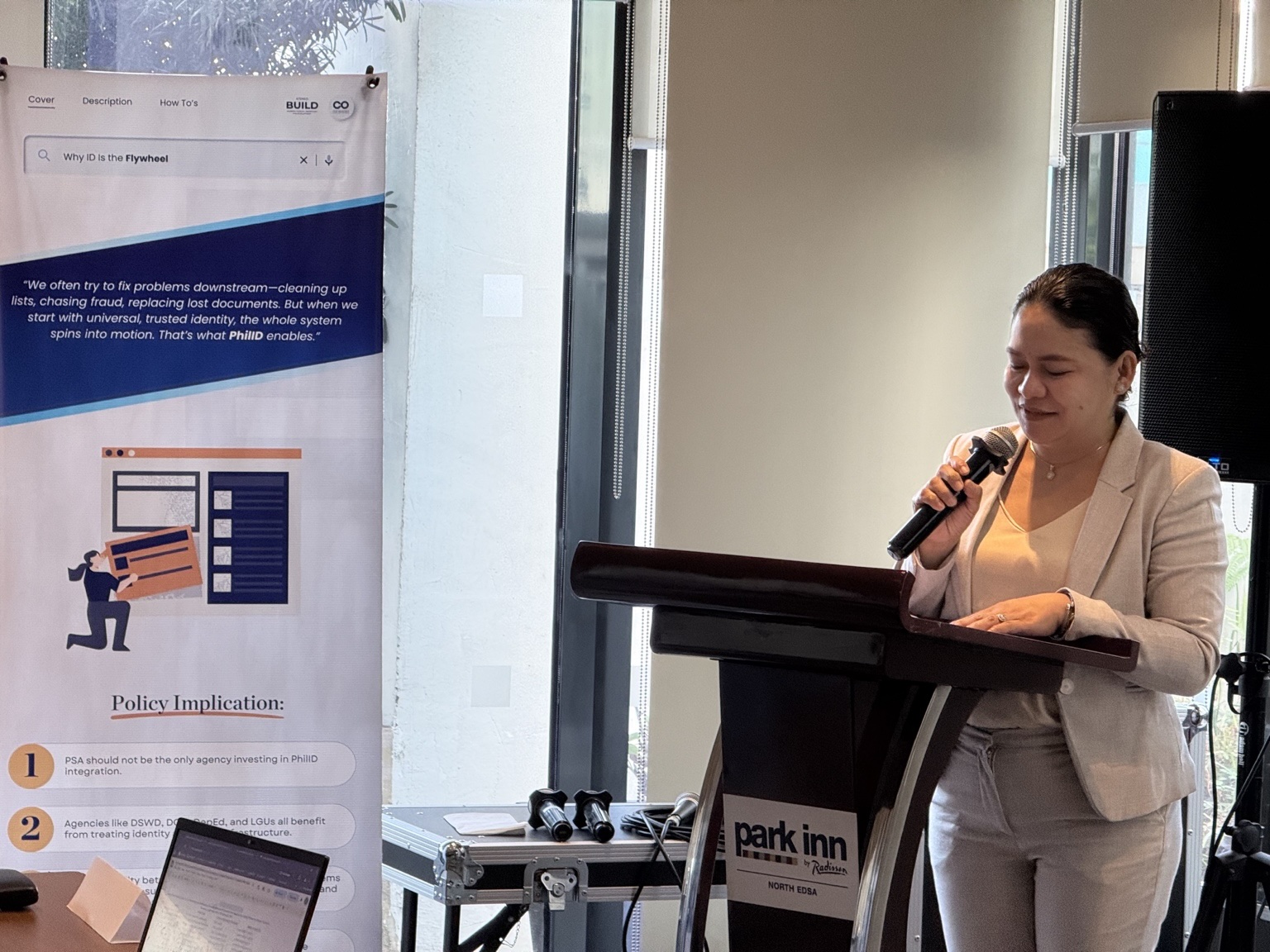
Jose Ramon S Ilagan, Ateneo JGSOM Faculty, led the technical training with assistance from Danielle Marie Pua of the Ateneo TRL. Under the oversight of TRL Director Richard "Ritchie" Lozada, the sessions provided the PSA team with the tools to develop internal use cases that link technical systems directly to real-world public service delivery, utilizing TRL’s verified architectural patterns as a foundation.
Advanced National ID Integration
Participants explored several critical technologies for digital identity integration, focusing on the use of both the physical National ID Card and the Digital ID Card Number. Key technical discussions included:
- Identity Verification: Using registered information and QR codes to verify individuals without requiring a physical card.
- Liveness Verification: Implementing camera-based checks to simplify the verification process.
- Secure Authentication: Utilizing National ID login for online services and enabling applications to perform attestation and signature intent.
Sustained Implementation
In her closing message, Atty. Palabras expressed the agency's commitment to ensuring the workshop's outputs are put into practice. She encouraged PSA employees to continue developing the applications and systems initiated during the training, noting that the agency may release a formal memorandum to support the ongoing work and institutionalize the technical gains from the partnership with Ateneo.
Technical Roadmap
Over three days, participants progressed from foundational workstation setup to advanced digital public infrastructure (DPI) integration:
- Day 1: Scalability Foundations – Setting up developer workstations with VSCode, mastering Python basics, and starting web development using the Flask and Django frameworks, SQLite, and PostgreSQL.
-
Day 2: Database and API Integration – Focused on database operations, managing web states, and implementing security measures and error handling for government applications.
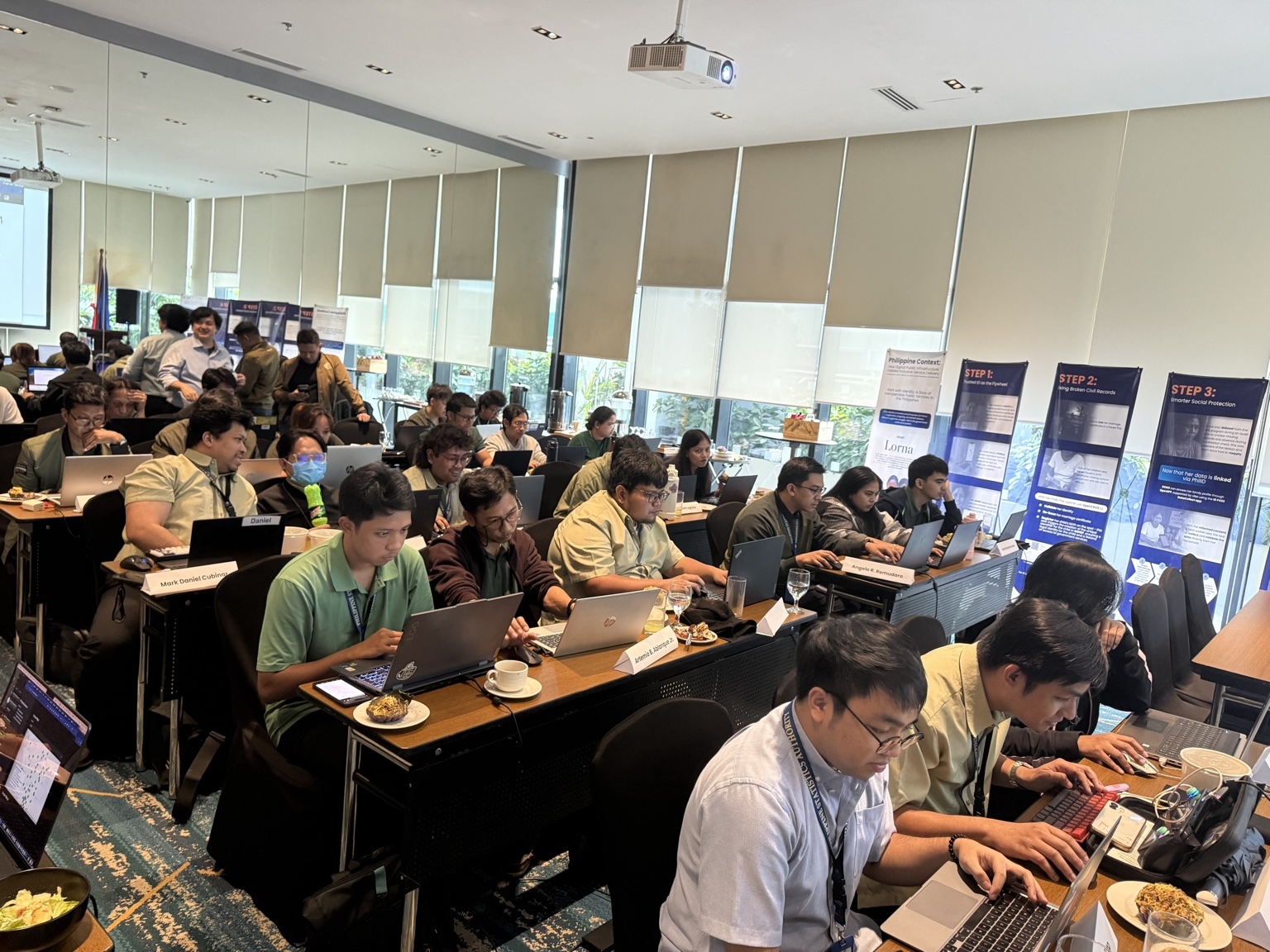
PSA technical teams work through hands-on exercises covering Python, databases, APIs, and cloud deployment. -
Day 3: National ID Integration and Scaling – Explored elastic scaling for high-traffic environments and PhilSys integration, including SSO solutions, user access verification, and liveness authentication.
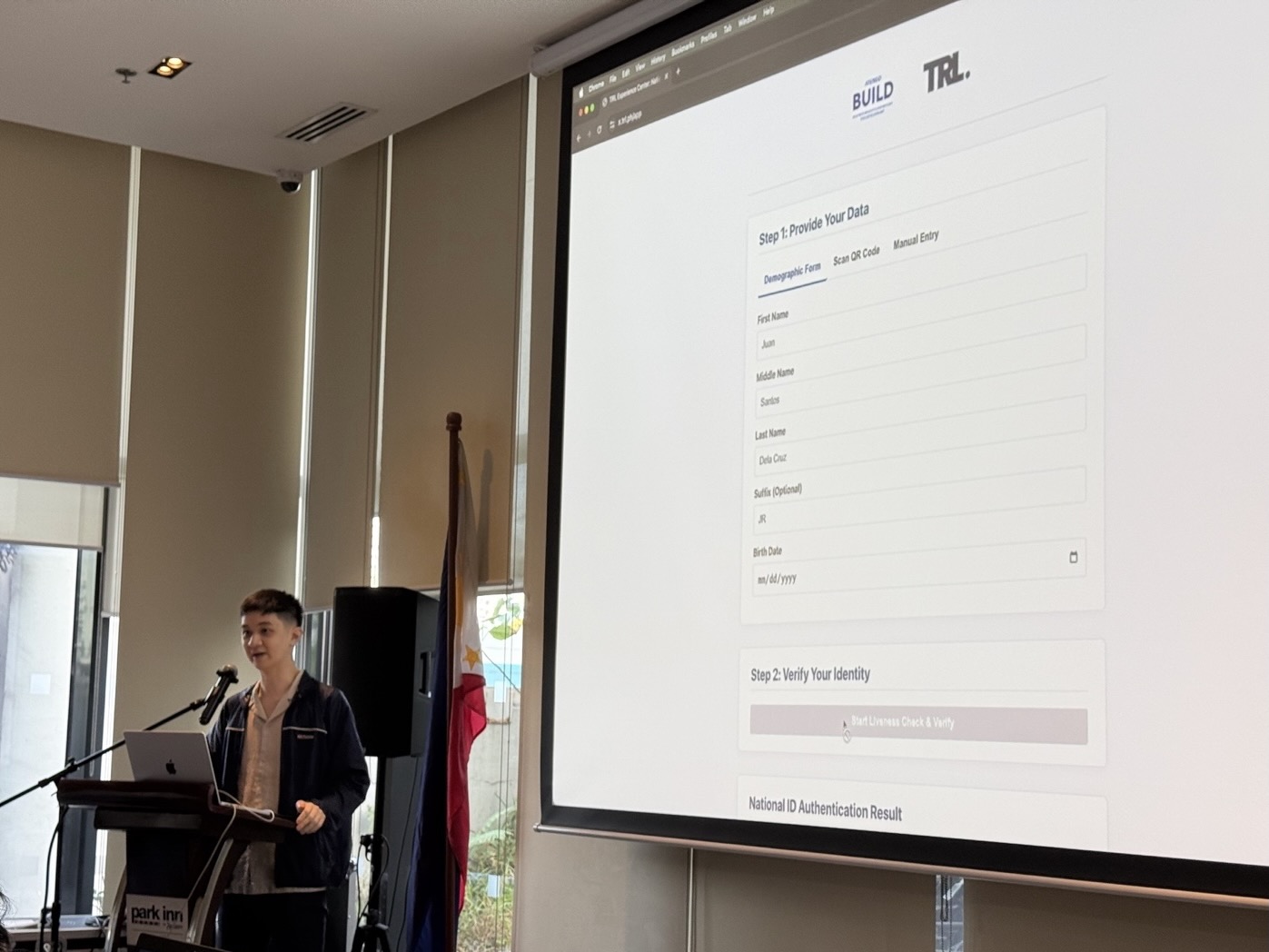
Jose Ramon S. Ilagan demonstrates the end-to-end National ID authentication workflow, from data input to identity verification.
Advancing Digital Public Infrastructure
This collaboration advances the mission of the TRL Experience Center, which launched in April 2025 in partnership with Co-Develop. The center provides a hands-on environment for technologists and policymakers to explore accessible DPI solutions in the Philippines.
The partnership between Ateneo BUILD and the PSA accelerates the development of secure, seamless digital services for the Filipino people by allowing PSA developers to build directly upon the technical foundations established by the TRL.
BUILD-TRL Team
The Ateneo BUILD and TRL team supporting the workshop included Gerald G Divinagracia and Micaela S Reyes.
About BUILD. The Business Insights Laboratory for Development (BUILD) is a university-based initiative under Ateneo de Manila’s John Gokongwei School of Management (JGSOM). BUILD supports students, startups, and institutions in developing and deploying data-informed, inclusive, and ethical technology solutions. It combines analytics, financial modeling, digital platforms, and generative AI expertise to advance local innovation and digital transformation. Learn more at https://www.ateneo.edu/jgsom/build.
About the Philippine Statistics Authority. The Philippine Statistics Authority (PSA) is the central statistical authority of the Philippine government on primary data collection and the agency responsible for the implementation of the Philippine Identification System (PhilSys), the country's national identification system. The PhilSys project aims to establish a single, unified, and valid proof of identity for all Filipinos and resident aliens, enabling more efficient delivery of public and private services.
Recent News
You may also like these articles
Protecting Creativity: AIPO and Rizal Library Host Copyright Awareness Session for the Ateneo Community
On March 18, 2026, the Ateneo Intellectual Property Office (AIPO), in collaboration with the Rizal Library, successfully conducted a Copyright Awareness Session held on the
ASOG’s Tobacco Control initiatives spotlighted in DOH National Technical Working Group for Tobacco Prevention and Control
On March 10 to 12, 2026, the Ateneo School of Government (ASOG), through its research and public policy unit, the Ateneo Policy Center, participated in

Class and work arrangements for March 30-April 1, 2026 (Memo No. AGSB-DO-2526-043)
AGSB-DO-2526-043 28 March 2026 TO: AGSB Community FROM: (sgd.) Jowett Cecilio F. Magsaysay, MBA, PhD Dean SUBJECT: Class and work arrangements for March 30-April 1
AIS links with Masungi for systems thinking for environmental management
Last 23-24 March 2026, the Ateneo Institute of Sustainability (AIS) , which manages the My Climate Risk – Ateneo de Manila University Regional Hub

Contingency Measures in Higher Education in the Face of a Worldwide Energy Crisis (HE Memo#Y4.16)
In response to the energy crisis caused by escalating tensions in West Asia, Ateneo Higher Education will implement the following class and operational adjustments.
Basic Education Class Schedules March – June 2026 (OVPBE memo)
In alignment with DepEd Memorandum No. 018, s. 2026, and our own commitment to Cura Personalis, we are refining our operations for the remainder of the school year to ensure that we finish strong, safe, and sustainable.