Driving quality and innovation: Insights from Digital Universities Asia 2025
04 Sep 2025 | Aaron R Vicencio



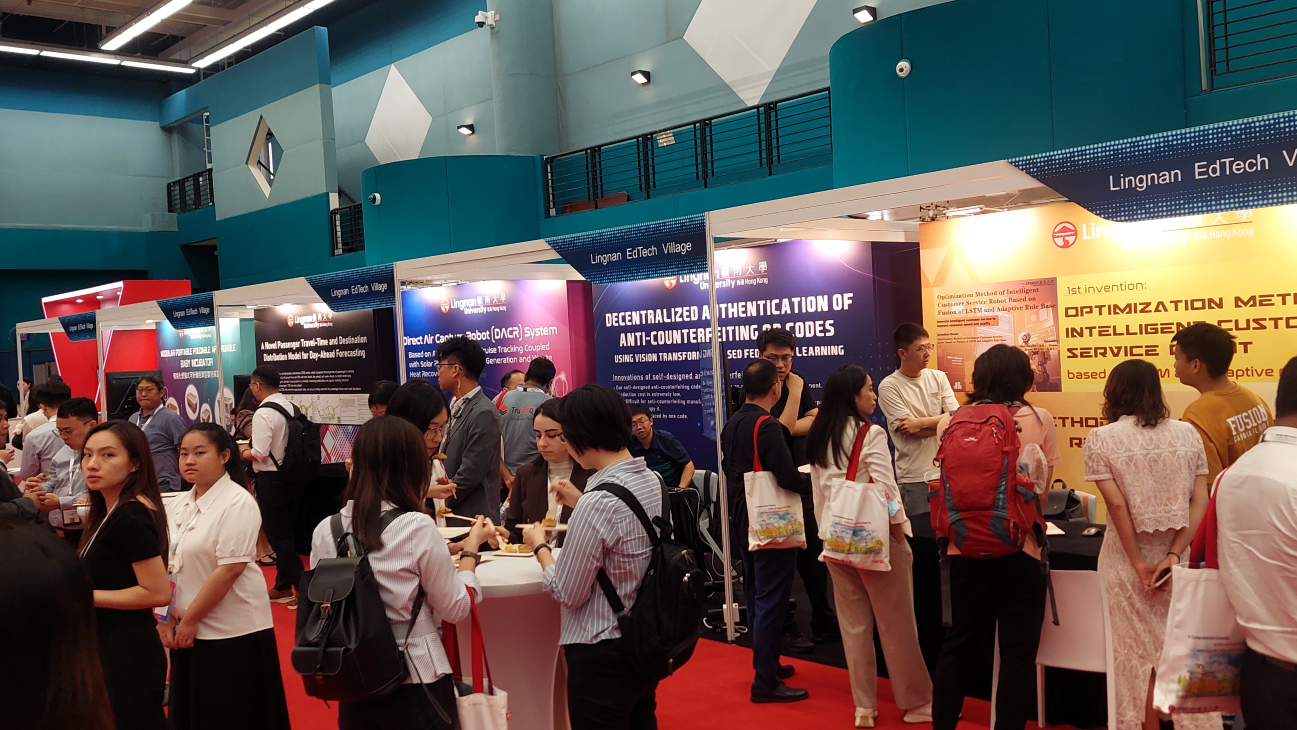
The Digital Universities Asia 2025 Hong Kong, co-hosted by Lingnan University and Times Higher Education (THE), recently gathered over 300 experts to delve into the profound impact of digital transformation on higher education. A central theme, "Powering social innovation with digital transformation," explored how emerging technologies, particularly Artificial Intelligence (AI), are revolutionizing teaching, learning, and research, and surprisingly, driving broader societal progress.
A key highlight was the launch of the Lingnan HPC NexT Data Centre and its inaugural High-Performance Computing (HPC) Week. This initiative, featuring experts from the Nvidia AI Technology Center, provided hands-on experience in applying AI and HPC, underscoring Lingnan University’s strategic commitment to digital advancement. Experts showcased how HPC empowers educators, researchers, and students to tackle complex, interdisciplinary challenges in areas like clean energy, finance, and equitable access to social infrastructure. While the immense power of HPC in computational analysis and data storage was emphasized, panelists consistently stressed the vital interplay between AI/HPC capabilities and the indispensable human elements of critical thinking and expertise. The host university invited successful digital transformation projects to showcase their interventions to the attendees.
Discussions at the summit highlighted the commitment of governments and educational leaders to integrate digital tools into traditional teaching, ensuring future generations are well-equipped for an increasingly technology-driven world. The recurring emphasis on United Nations Sustainable Development Goal no. 4 Quality Education (SDG 4) underscored how digital advancements can foster more inclusive and accessible learning environments. A collective call for collaboration among governments, policymakers, educators, and communities emerged, aiming to create an educational ecosystem that both adapts to the digital age and empowers every learner.
The summit's agenda was structured around four core themes: teaching, learning, and assessment transformations; embracing the digital campus; enabling student success in the digital era; and digitally transforming the research experience. These themes explored the obvious and less apparent implications of digital innovation for higher education and the public.
Beyond the host university, the summit showcased inspiring examples from across Asia. Professor James Harland of RMIT discussed creating "porous" campuses that leverage smart infrastructure for community benefit and energy efficiency. Ishan Kolhatkar from Inspera addressed academic integrity in the age of generative AI. Dean Rautaray of Kalinga Institute of Industrial Technology (KIIT) in India presented a compelling case study on inclusive digital transformation, demonstrating how robust digital infrastructure and hybrid learning models can create lasting change for underserved communities.
These narratives underscore the critical need for imaginative and inclusive leadership in digital transformation. A thought-provoking session on "Future-proofing higher education for sustainable growth" raised key questions: How can institutions develop a future-proof digital roadmap? How can they secure stakeholder buy-in? And how do they balance innovation with long-term sustainability?
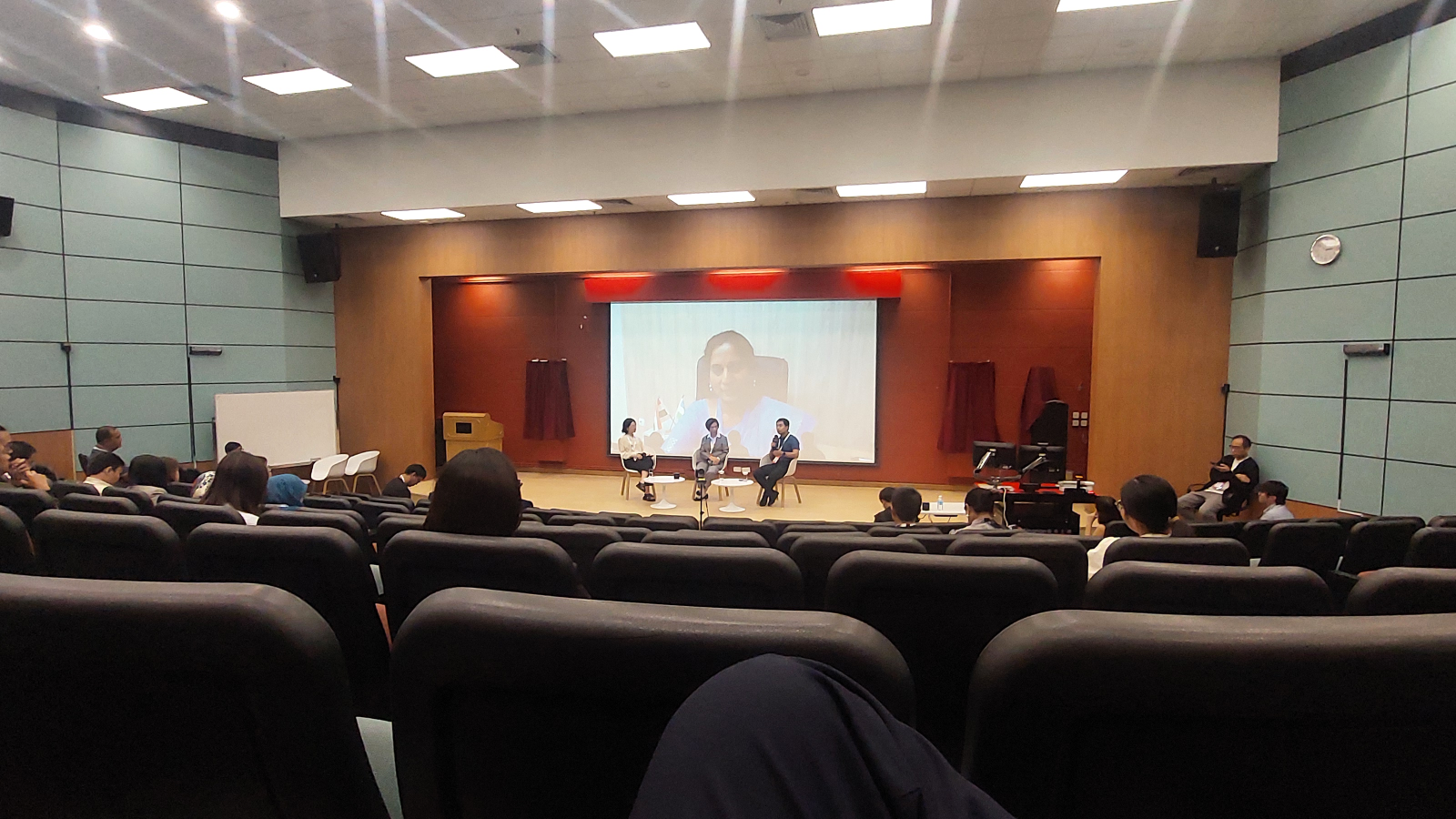
Susan Zhang of La Trobe University candidly shared early missteps in digital transformation, emphasizing the need for universities to shift their mindset towards technology. She highlighted that a comprehensive digital roadmap, embraced by the entire community, is essential. Her focus on "little language models"—smaller, resource-efficient models leveraging institutional knowledge and interconnected data—was particularly insightful. Her quote, "Data ages like fine wine, but applications age like fish," powerfully conveyed that data holds the key to future direction.
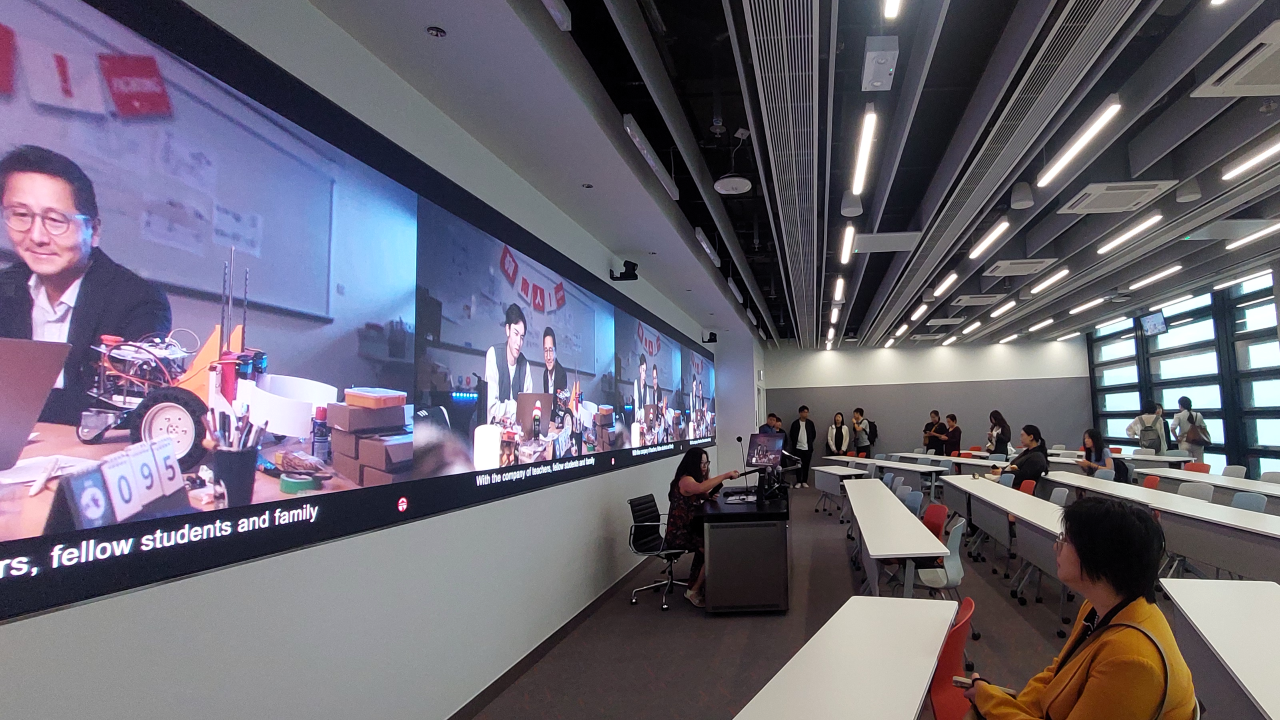
The summit also introduced the Times Higher Education Digital Maturity Index, which assesses digital maturity across four stakeholder groups (Teaching & Learning, Research, Professional Services, Planning & Governance) and five dimensions (Strategy, People & Culture, Utilisation, Data, Technology). This framework categorizes maturity into four levels: Incidental, Intentional, Integrated, and Optimized. Another highlight of this event was a modern classroom tour in Lingnan University’s off-campus site in Mongkok. Classrooms were equipped with state-of-the-art multimedia technology, embracing the hybrid classroom, international experts, and interactive modes of learning.
Attending this summit with colleagues from the EdTech Committee and the Ateneo Strategy and Quality Management Office prompted significant reflection for Ateneo. We are now asking: How can we evolve our approach to technology beyond the classroom, integrating it with Ignatian pedagogy and social engagement? How can EdTech foster collaboration within and between university units and with external partners? What new subjects can we develop to equip the next generation? And crucially, how can our Ignatian values inform, guide, and explore this essential shift in mindset?
Recent News
You may also like these articles
Protecting Creativity: AIPO and Rizal Library Host Copyright Awareness Session for the Ateneo Community
On March 18, 2026, the Ateneo Intellectual Property Office (AIPO), in collaboration with the Rizal Library, successfully conducted a Copyright Awareness Session held on the
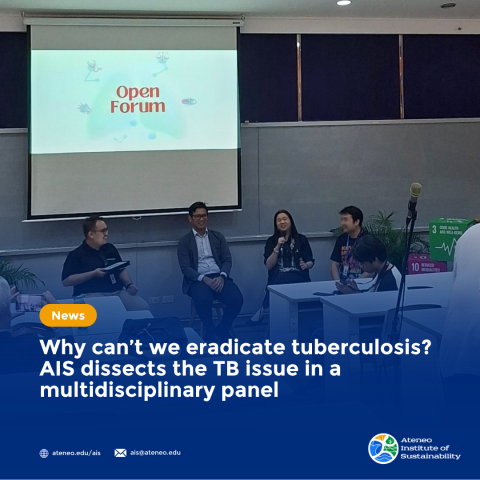
Why can’t we eradicate tuberculosis? AIS dissects the TB issue in a multidisciplinary panel
On 24 March 2026, the Ateneo Institute of Sustainability (AIS), through its Sustainable Development Goals (SDGs) Program, hosted a multidisciplinary panel in observance of World
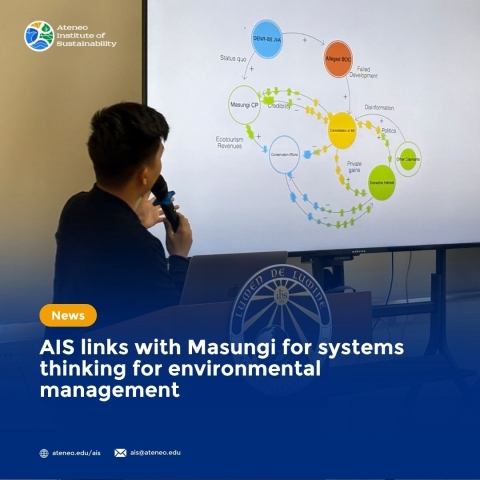
AIS links with Masungi for systems thinking for environmental management
Last 23-24 March 2026, the Ateneo Institute of Sustainability (AIS) , which manages the My Climate Risk – Ateneo de Manila University Regional Hub
Contingency Measures in Higher Education in the Face of a Worldwide Energy Crisis (HE Memo#Y4.16)
In response to the energy crisis caused by escalating tensions in West Asia, Ateneo Higher Education will implement the following class and operational adjustments.
Basic Education Class Schedules March – June 2026 (OVPBE memo)
In alignment with DepEd Memorandum No. 018, s. 2026, and our own commitment to Cura Personalis, we are refining our operations for the remainder of the school year to ensure that we finish strong, safe, and sustainable.
URH residency application for Intersession SY 2026-2027 now open
Hey, Blue Eagles! Big news — URH INTERSESSION RESIDENCY SY 2026-2027 is NOW OPEN! Apply now to live where the vibes are unmatched! What’s in