Tapuy rice wine fermentation yields possible anti-aging superfood
14 Mar 2025


Filipino researchers have found a way to optimize the traditional procedure for making Philippine rice wine or “tapuy” to produce a potential superfood rich in anti-aging compounds and antioxidants.
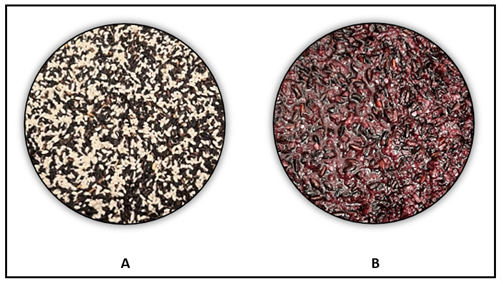
Edward Kevin B. Bragais from the Ateneo de Manila University and Paul Mark B. Medina from the University of the Philippines studied the effects of different starter cultures—that is, the specific set of microorganisms used to jumpstart the fermentation process, locally called “bubod”—on the solid leftovers from winemaking. These often discarded remnants, called “lees,” are mostly made up of rice residues, yeast, and other microbial byproducts.
The researchers found that by optimizing the fermentation process with a well-defined microbial culture, tapuy lees could become a valuable source of natural compounds with potential medical and nutritional benefits.
Tapuy lees made using an optimized starter culture mix were found to contain high levels of polyphenols—compounds known for their ability to fight oxidative stress, inflammation, and cell damage. More remarkably, test animals fed extracts from tapuy lees produced with the improved starter culture showed very high antioxidant activity, significantly extending their lifespan, motility, and reproductive health. The extract also boosted levels of superoxide dismutase, an enzyme crucial for protecting cells from age-related deterioration.
These results suggest that tapuy lees could be repurposed as a health food to combat aging and oxidative stress-related diseases. However, the researchers stressed that these are just preliminary findings based on animal tests, underscoring the need for clinical trials to explore potential benefits in humans. If future studies confirm these effects, this overlooked waste product of rice wine production could become a valuable asset in promoting longevity and public health.
SOURCE:
https://link.springer.com/article/10.1007/s44187-025-00285-x
https://archium.ateneo.edu/biology-faculty-pubs/181/
For interview requests and other inquiries, please email media.research@ateneo.edu. Visit archium.ateneo.edu for more information about our latest research and innovations.
Recent News
You may also like these articles
Modern science catches up with native knowledge with discovery of Clerodendrum kelli
The indigenous Bugkalot people of Nueva Ecija call it “kelli”: a plant with white, starburst-like flowers and oval-shaped leaves that are traditionally mashed and mixed
AIPO begins 2026 with an IP awareness session for Ateneo chemistry students
On 26 January 2026, the Ateneo Intellectual Property Office (AIPO) conducted an intellectual property (IP) awareness session for BS Chemistry and Materials Science Engineering students
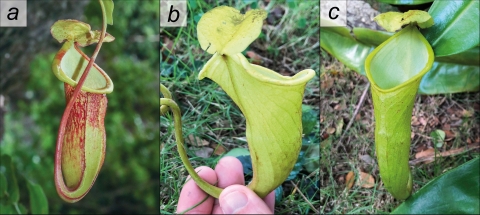
Newly discovered Philippine pitcher plant already in danger from climate change, poaching
A new species of pitcher plant found only on Palawan Island, but experts warn that it is already at risk of extinction due to frequent severe weather conditions and human encroachment.
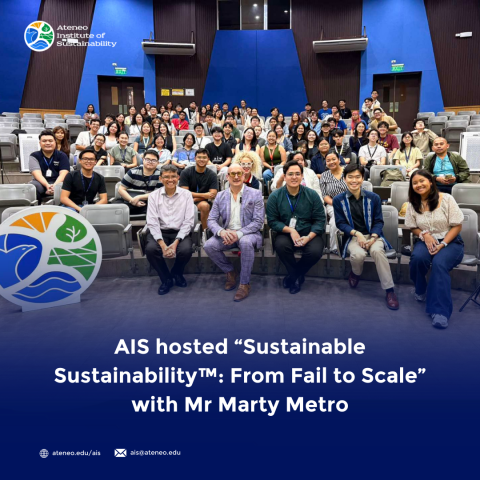
AIS hosts “Sustainable Sustainability™: From Fail to Scale” with Mr Marty Metro
The Ateneo Institute of Sustainability (AIS) hosted a special hybrid symposium entitled “Sustainable Sustainability ™: From Fail to Scale” last 18 November 2025 at the
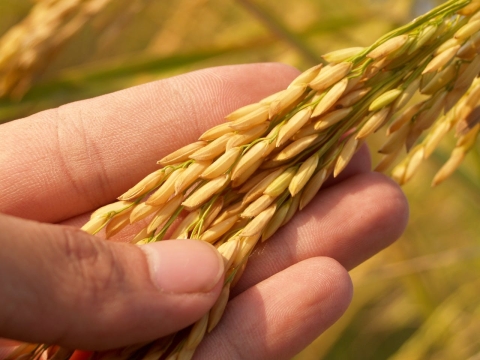
Eating more but growing less: Stagnant Philippine farms linked to widening rice gap
The Philippines remains mired in import dependence despite years of government support.
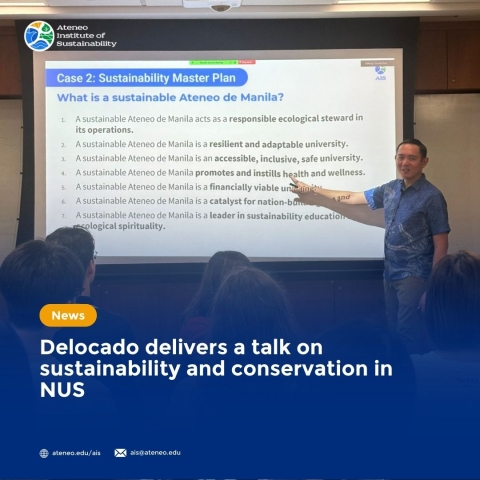
Delocado delivers a talk on sustainability and conservation in NUS
Dr Emmanuel D Delocado, Director of Ateneo Institute of Sustainability and Head of Ateneo Biodiversity Research Laboratory of the Department of Biology, gave the culminating