Ateneo BUILD hosts media briefing for Breathe Metro Manila
07 Aug 2025




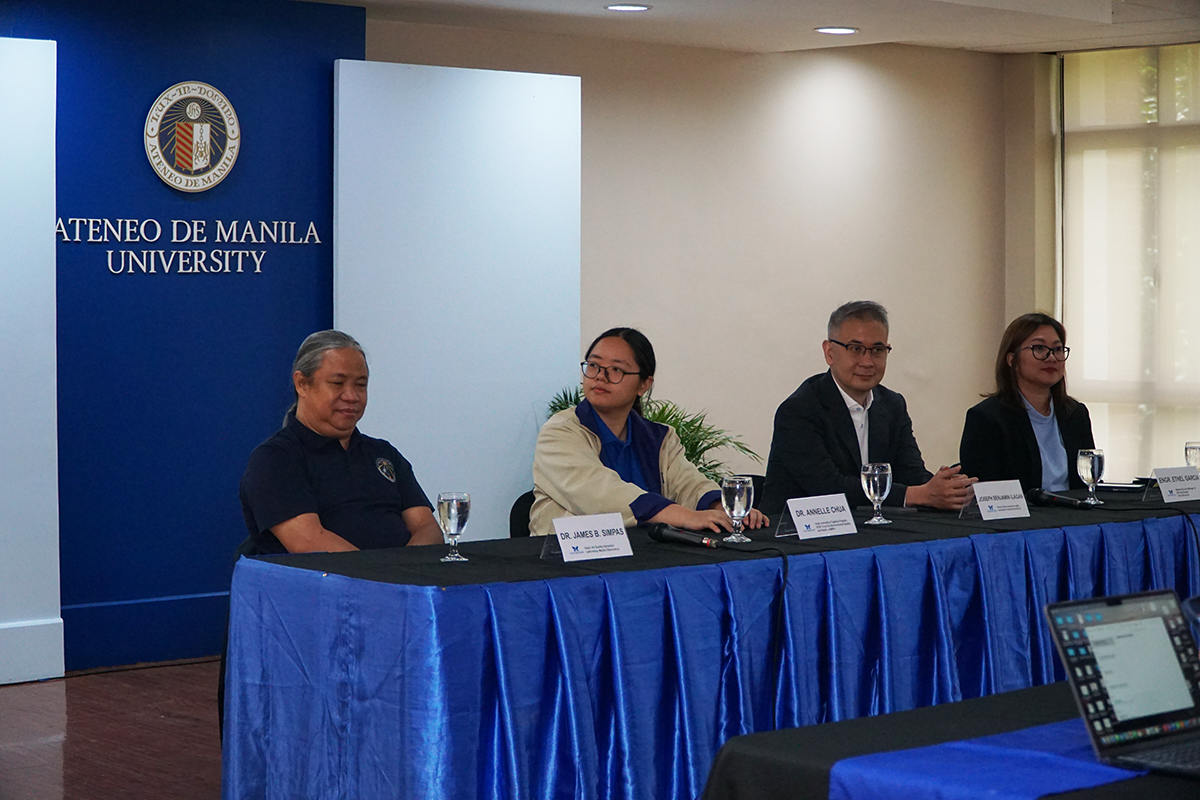
Ateneo de Manila University, through the Business Insights Laboratory for Development (BUILD) of its John Gokongwei School of Management (JGSOM), recently hosted a media briefing and roundtable for the Breathe Metro Manila project, titled "The Urgent Case for Clean Air: Why Real-Time Data Could Save Lives."
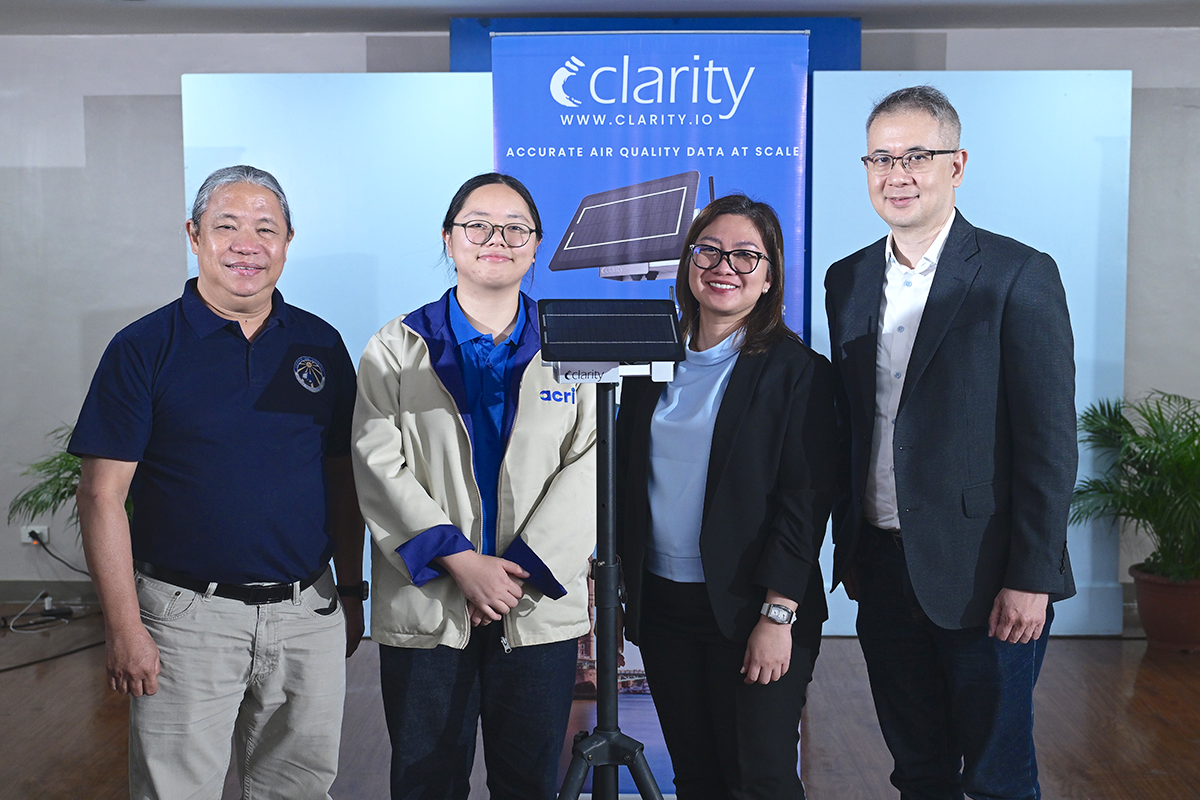
Breathe Metro Manila is a partnership between Ateneo BUILD, the Manila Observatory, the Ateneo School of Medicine and Public Health (ASMPH), and Clarity. A portfolio company of the ACTIVE Fund, the largest venture capital fund to come out of the Philippines, managed by Kickstart Ventures, Clarity is a Silicon Valley-based technology provider for air quality sensor equipment whose technology forms the technological backbone of Breathe Metro Manila.
The briefing began with presentations by Dr James Bernard B Simpas, Head of the Air Quality Dynamics Laboratory at the Manila Observatory; and Dr Annelle Raphayette Chua, Head of the Innovation Flagship Program at the Ateneo Center for Research and Innovation (ACRI) and Focal for Environmental Quality and Health at ASMPH.
Dr Simpas and Dr Chua's presentations served to remind those in attendance of the state of air quality in Metro Manila. They also emphasized air pollution as a public health issue. Dr Chua even presented statistics on its impact on the mortality rates from lower respiratory infections, ischemic heart disease, and chronic obstructive pulmonary disease.
“Air pollution is the leading cause of disease and early death worldwide, even more than high blood pressure or smoking, and yet, we don’t have enough publicly available data to protect the populations most at risk,” Dr Chua stated.
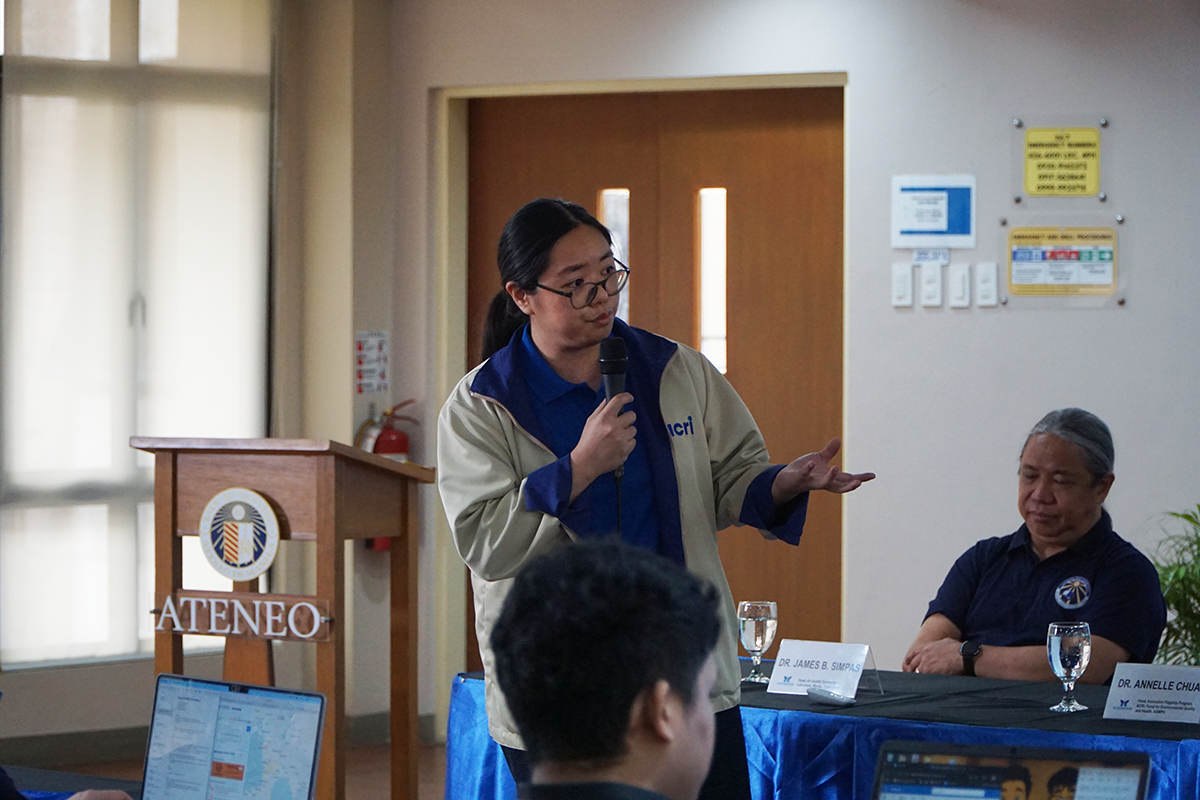
Throughout all this, they highlighted the importance of real-time data, such as that provided by Breathe Metro Manila, in understanding the state of the metro's air quality.
“You cannot manage what you cannot measure,” Dr Simpas said, adding that long-term measurements "illustrate the effectiveness of AQ-relevant policy decisions."
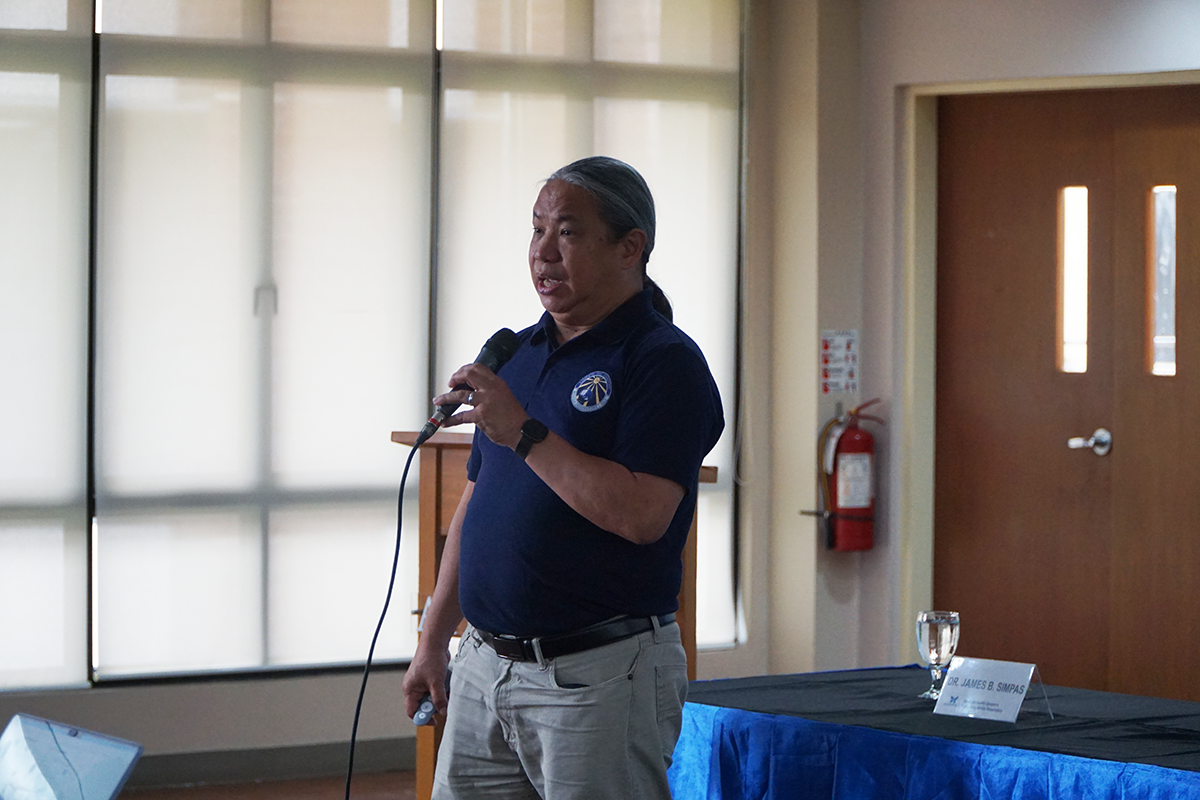
"Understanding the major sources of air pollution helps direct air pollution mitigation and control strategies.”
Following this, Joseph Benjamin R Ilagan introduced Breathe Metro Manila and the partners involved in the project. As part of this, he also introduced BUILD and explained its role in the project, citing the laboratory's capacity to translate shared goals into action by connecting academic research with government, civic, and industry partners.
“Across Ateneo are groups with deep, world-class expertise: in environmental science, public health, innovation, and more. But to be appreciated and engaged by partners outside the university, these strengths often need a bridge," said Mr Ilagan. "That’s where BUILD comes in."
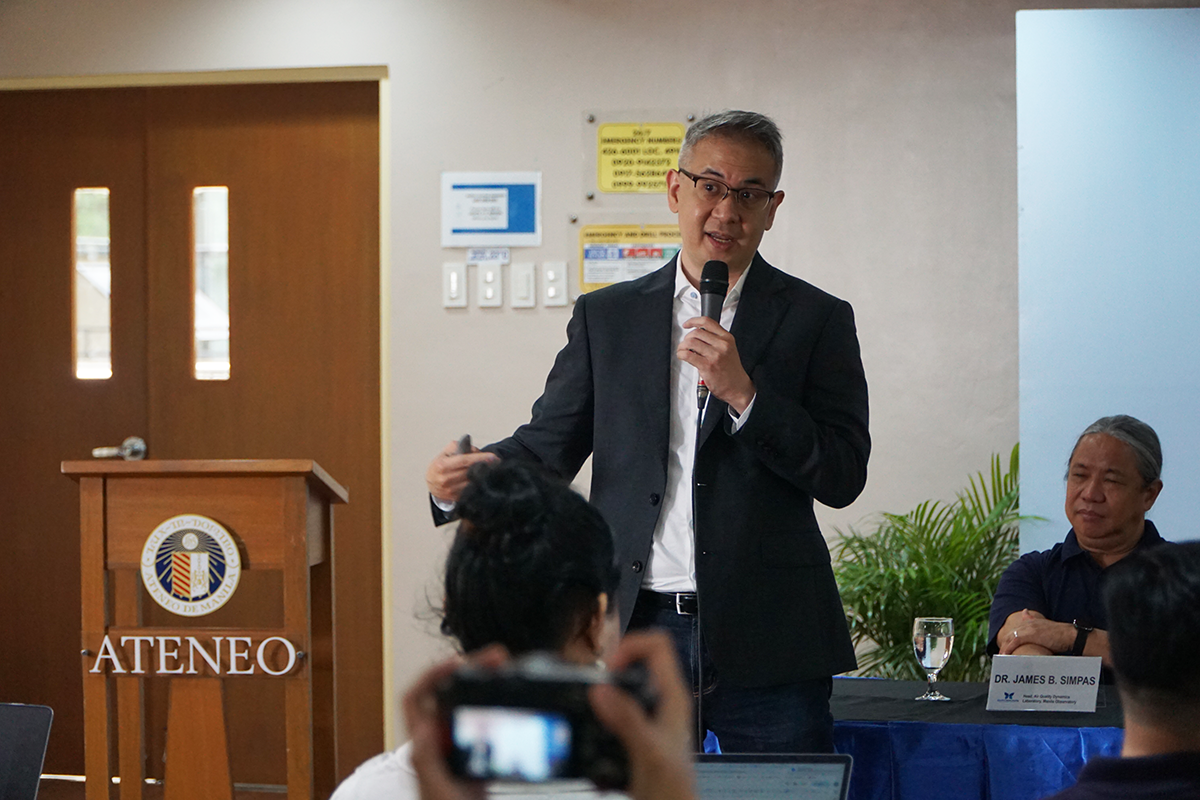
"Making air quality data public is a milestone," he added. "But more important is turning that visibility into shared decisions, and decisions into systems that improve how we protect our communities."
Finally, Engineer Ethel Garcia, Clarity's Regional Account Manager for SEA and Oceania, further explained the Breathe project, introducing similar projects in cities around the world. Of particular note was Breathe London, run by Imperial College London, which is the model being used for Breathe Metro Manila.
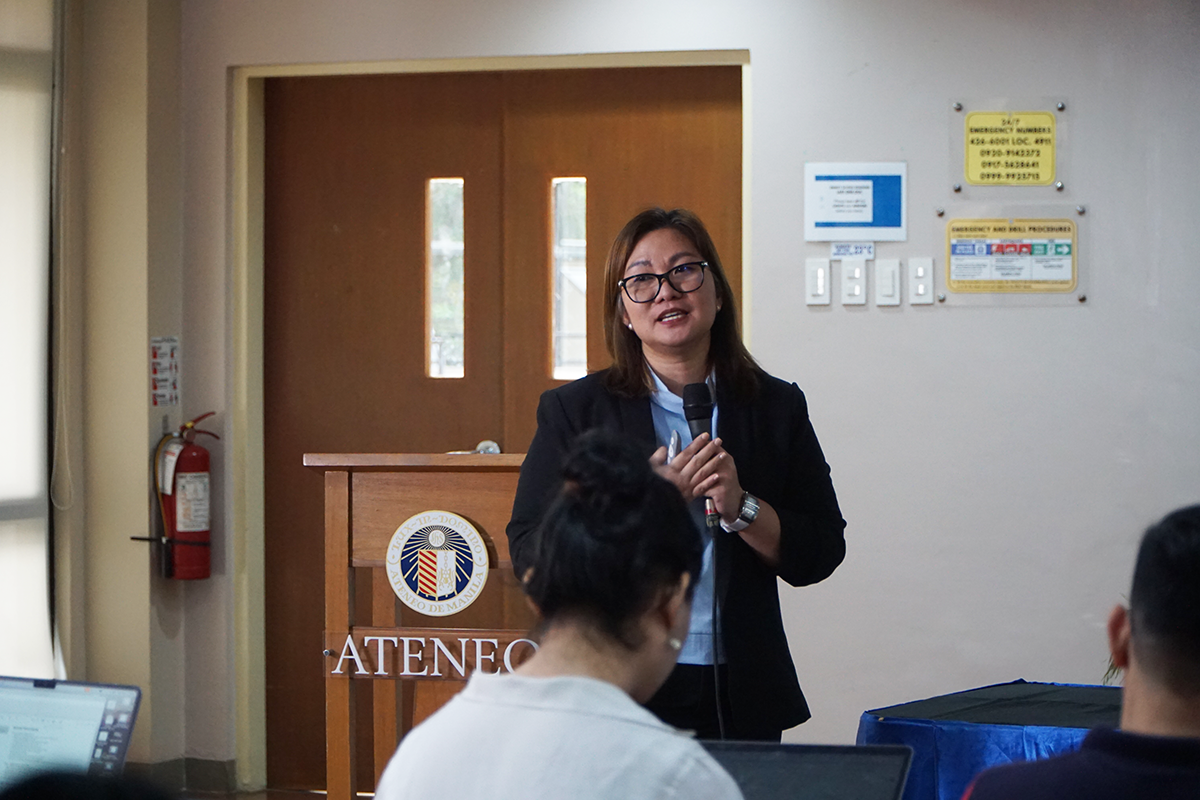
She also introduced the Node-S Air Sensor, Clarity's flagship solar-powered particulate matter and nitrogen dioxide monitor that it has used in similar projects and is set to deploy in Metro Manila. Clarity's air sensor also supports what its call Air Quality Monitoring 2.0. This focuses on three main shifts: deploying smarter, scalable measurement systems; turning data into actionable health and economic insights; and coordinating efforts across sectors to create lasting change.
“Air quality data is only powerful when it’s real-time, localized, and actionable,” Engr Garcia said.
She added that, “with smarter sensors and stronger partnerships, we’re helping Metro Manila turn invisible threats into visible solutions.”
The Breathe Metro Manila coalition is also calling on local government units, private sector leaders, schools, and civic organizations to use the real-time data it's providing to support ongoing efforts to improve air quality and safeguard public health.
The coalition believes that by using its real-time data to inform coordinated actions and cross-sector collaborations, it can help transform air quality insights into policies and interventions that yield long-term impact.
Update (August 18, 2025): This article has been revised to include new information about Clarity.
Recent News
You may also like these articles
Protecting Creativity: AIPO and Rizal Library Host Copyright Awareness Session for the Ateneo Community
On March 18, 2026, the Ateneo Intellectual Property Office (AIPO), in collaboration with the Rizal Library, successfully conducted a Copyright Awareness Session held on the
ASOG’s Tobacco Control initiatives spotlighted in DOH National Technical Working Group for Tobacco Prevention and Control
On March 10 to 12, 2026, the Ateneo School of Government (ASOG), through its research and public policy unit, the Ateneo Policy Center, participated in
Class and work arrangements for March 30-April 1, 2026 (Memo No. AGSB-DO-2526-043)
AGSB-DO-2526-043 28 March 2026 TO: AGSB Community FROM: (sgd.) Jowett Cecilio F. Magsaysay, MBA, PhD Dean SUBJECT: Class and work arrangements for March 30-April 1

ASMPH welcomes incoming VPHE, honors the service of VP Marlu Vilches
The Ateneo School of Medicine and Public Health (ASMPH) recently held a transition meeting marking an important leadership shift within the University’s Higher Education cluster
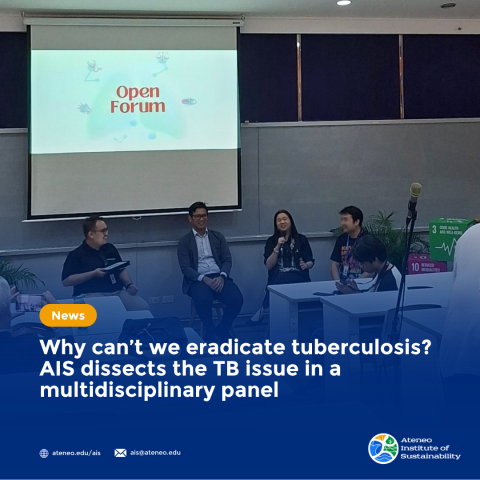
Why can’t we eradicate tuberculosis? AIS dissects the TB issue in a multidisciplinary panel
On 24 March 2026, the Ateneo Institute of Sustainability (AIS), through its Sustainable Development Goals (SDGs) Program, hosted a multidisciplinary panel in observance of World
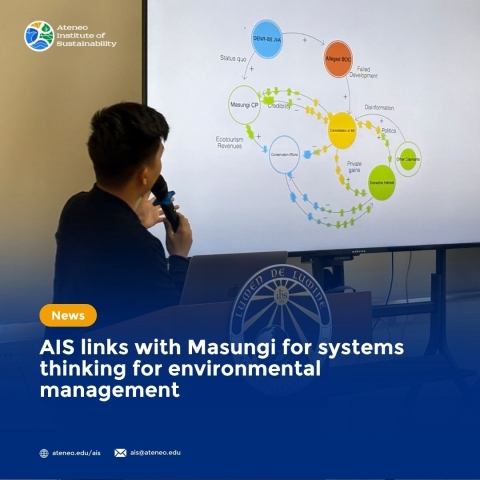
AIS links with Masungi for systems thinking for environmental management
Last 23-24 March 2026, the Ateneo Institute of Sustainability (AIS) , which manages the My Climate Risk – Ateneo de Manila University Regional Hub