AUN-EEC and ANU Philippines Institute hold workshop on “Businesses Within Boundaries”
18 Nov 2025 | by Chris Lacdao-Umali and Riza Maree Rapada









Just this year, the earth has transgressed seven of nine identified planetary boundaries – these boundaries are what defines the earth’s ecological limits. The planetary boundaries highlight the environmental impacts of human activities, and these include how businesses operate. Thus, the state of planetary transgressions is an urgent call for action.
On 3 to 4 November 2025, the workshop “Business Within Boundaries: A Multi-stakeholder and Systems Approach” was organized by the ASEAN University Network on Ecological Education and Culture (AUN-EEC) and the Australian National University (ANU) Philippines Institute. The event aimed to catalyze thinking around the shifts needed in perspective and practice to better do business within the planetary boundaries.
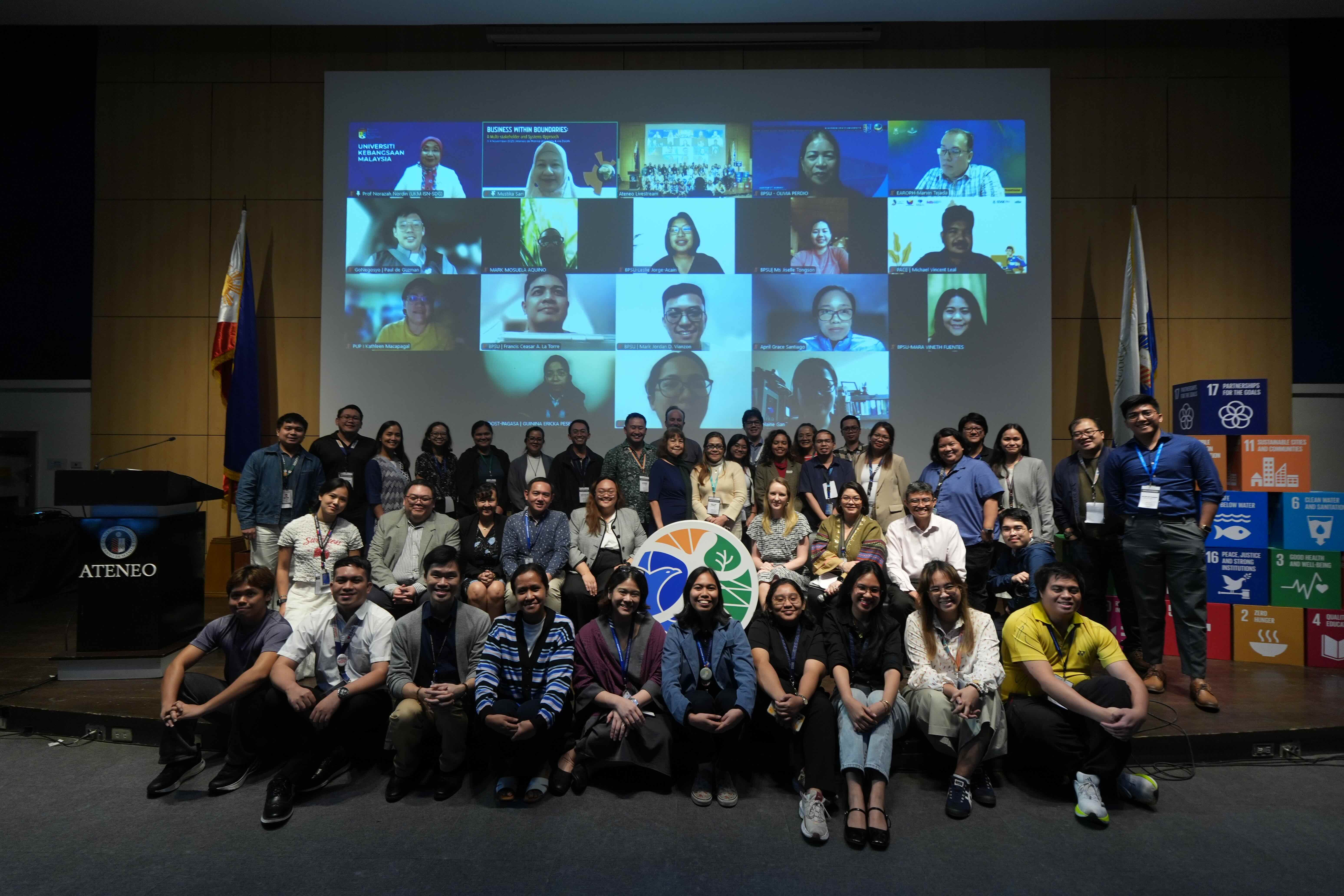
Over one hundred onsite and online participants attended the two-day workshop, each representing one of five key sectors: academe, government, private sector, NGOs and CSOs, and the media. With stakeholders coming from diverse fields and backgrounds, the workshop opened up opportunities for cross-sectoral dialogues and collaborations towards doing business within boundaries.
The Planet and the Institution
Businesses do not operate in a vacuum. As depicted in the SDGs Wedding Cake model, all societal and economic activities are bound by the biosphere–the summation of all ecosystems on earth. Even before the concept of sustainability and sustainable development was formally introduced, institutions have always impacted the planet as much as they have been shaped by it. At present, amidst the growing climate crisis and increasing environmental degradation, this relationship between the institution and the planet demands even more attention.
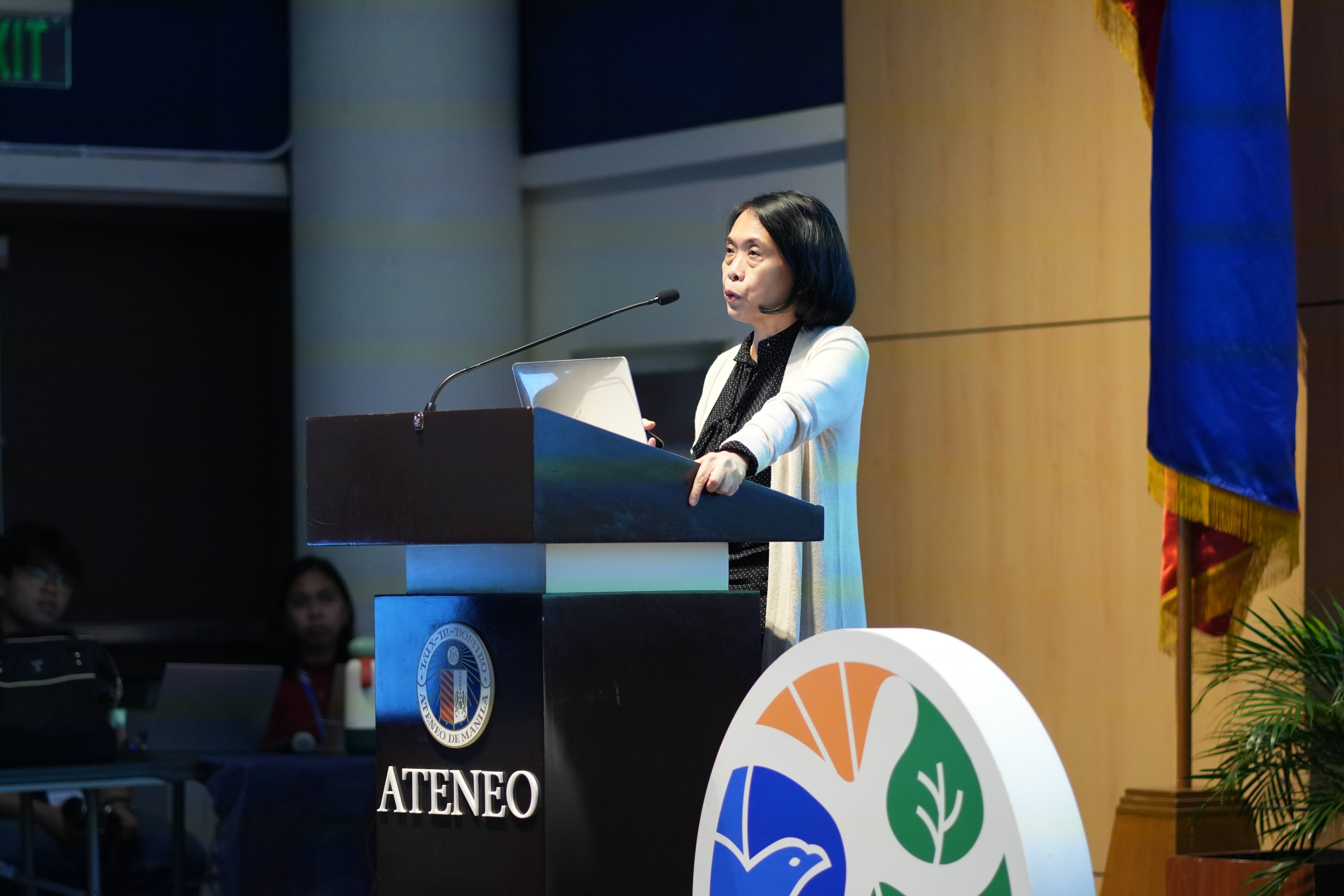
Dr. Maria Assunta Cuyegkeng, Executive Director of the Lily Gokongwei Ngochua Leadership Academy, asserted this in her keynote lecture on the Sustainability Imperative. Drawing from data-driven insights on the fate of institutions in the face of compounding climate hazards, Dr. Cuyegkeng stressed the necessity of looking at the social, economic, and environmental impacts of organizations not only in reducing risks, but also in enhancing profitability. She highlighted that institutions must look from the inside-out, that is how they affect the planet, by virtue of the triple-bottom line, and also from the outside-in, or how their operations are being influenced by the planet, through the environment, social, and governance (ESG) framework.
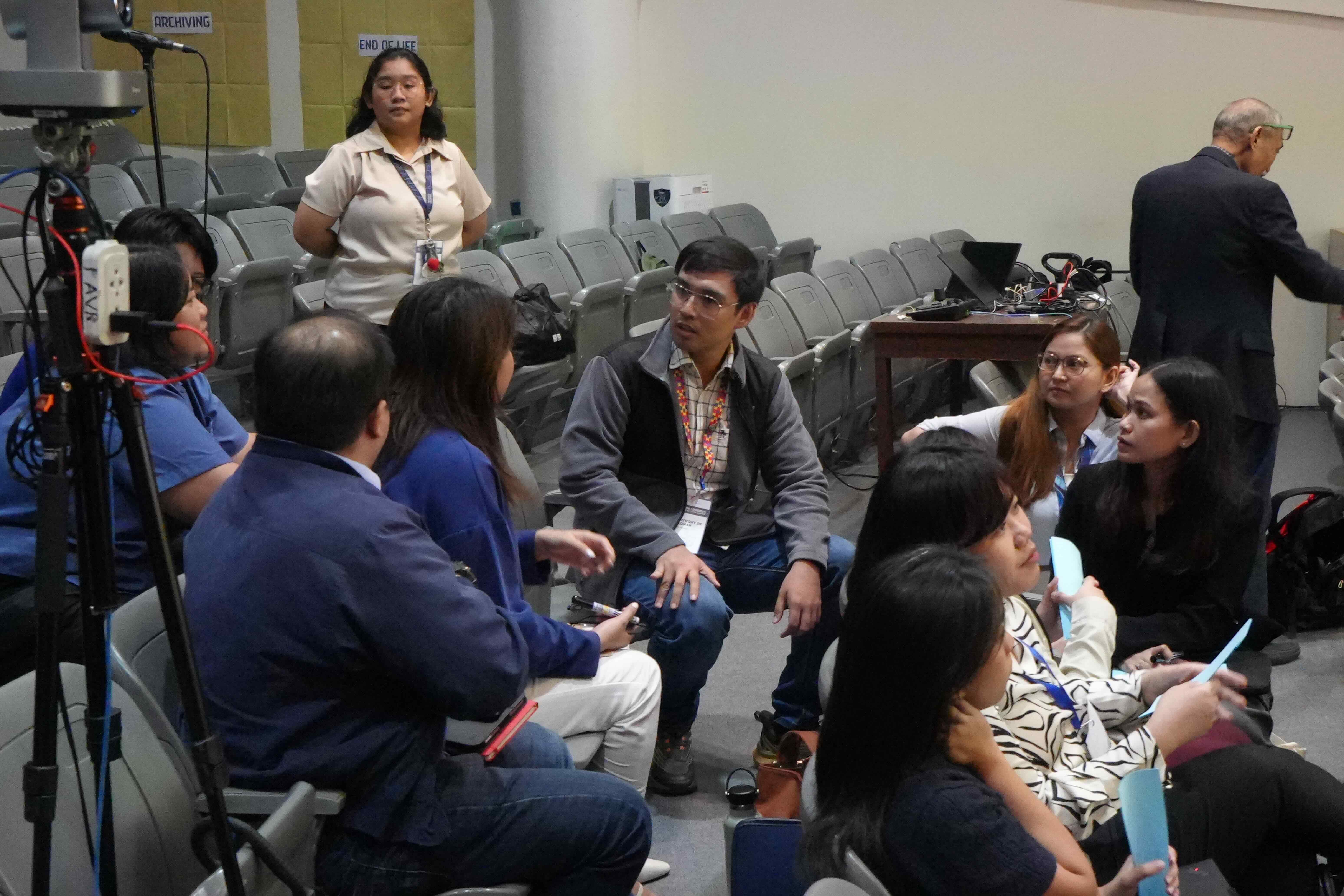
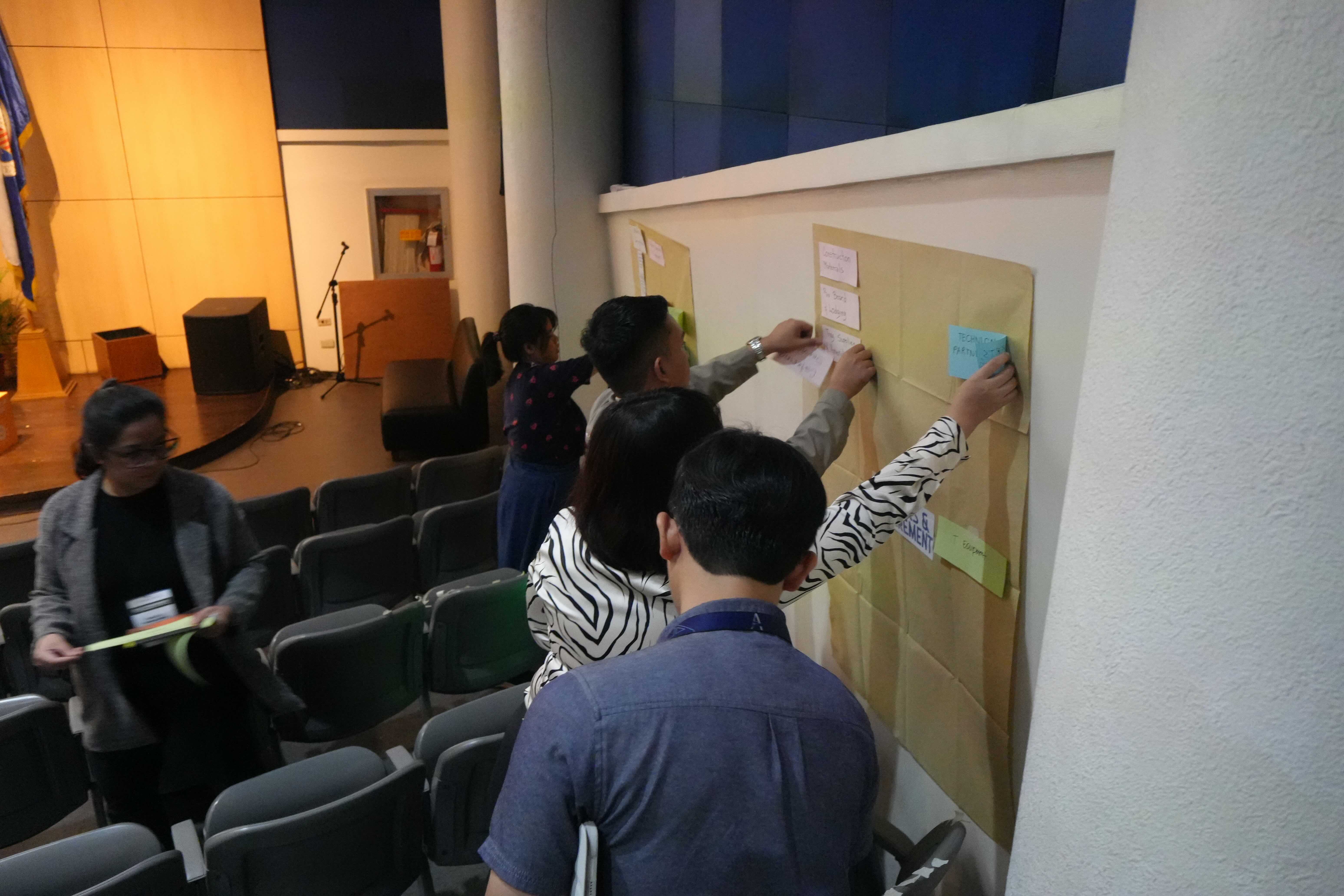
The first workshop on examining value chains likewise encouraged the participants to reflect on their institution’s own relationship with the planet. On-site participants were instructed to consider their activities on each step of their value chain, and reflect on how these activities may affect the planet or, conversely, how the planet may impact their institution’s activities.
Measuring performance
While examining one’s impact on the planet is crucial, it is only the first step towards doing business within boundaries. Institutions have the responsibility to consistently monitor and assess their impacts using the appropriate tools.
In their joint keynote lecture, Dr. Steven Lade and Ms. Aryanie Amellina of the Fenner School of Environment and Society, Australian National University, discussed the planetary boundaries framework and how this framework is being used by corporations for sustainability reporting and scoring. Dr. Lade discussed each domain of the planetary boundaries and provided examples of how industries depend on and impact each domain in the framework. Afterwards, Ms. Amellina talked about how the earth system boundaries are applied to sustainability reporting through corporate sustainability and the sustainable investing paradigm, stressing the strong demand for action through reporting and scoring, and sharing the gaps that still need to be addressed.
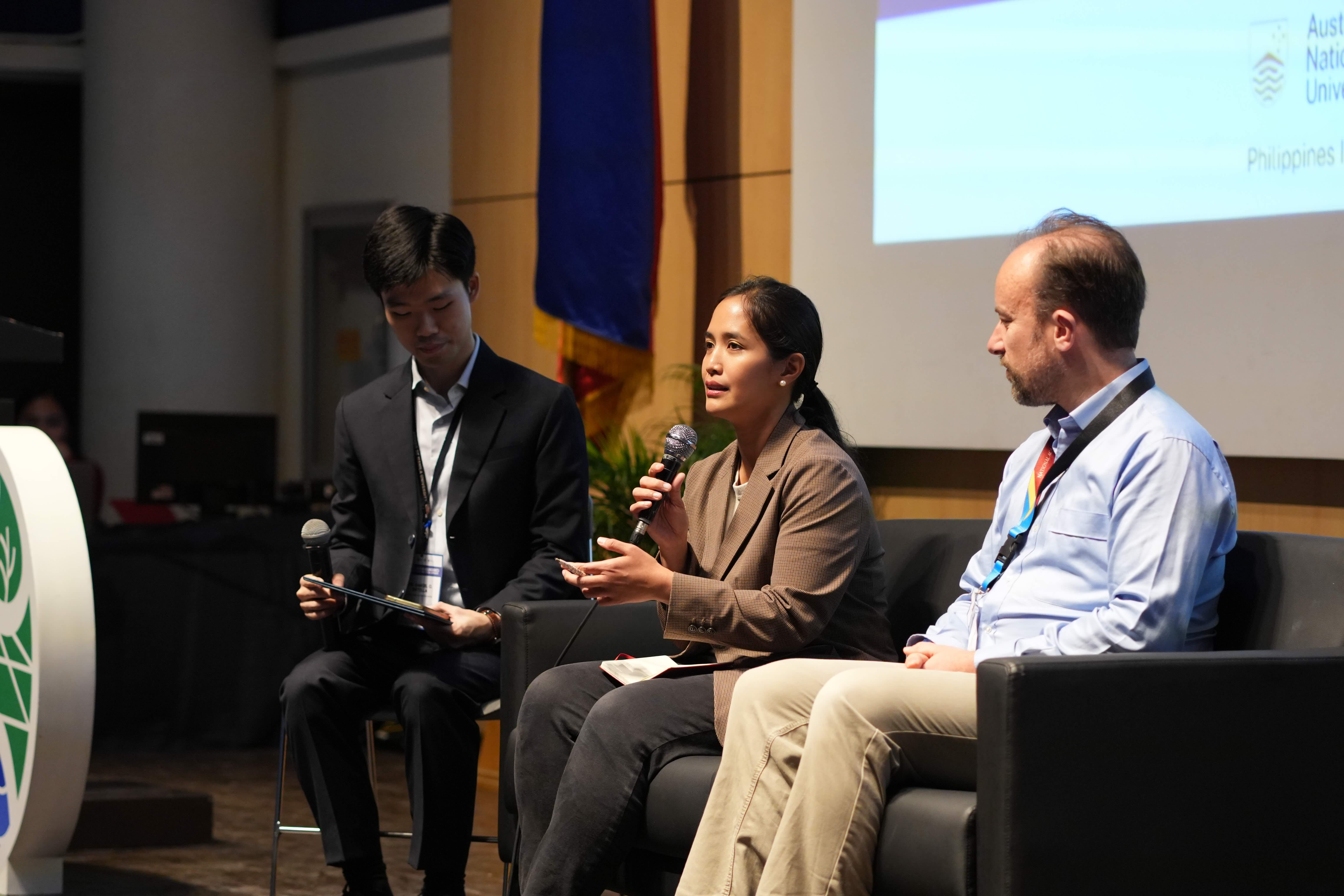
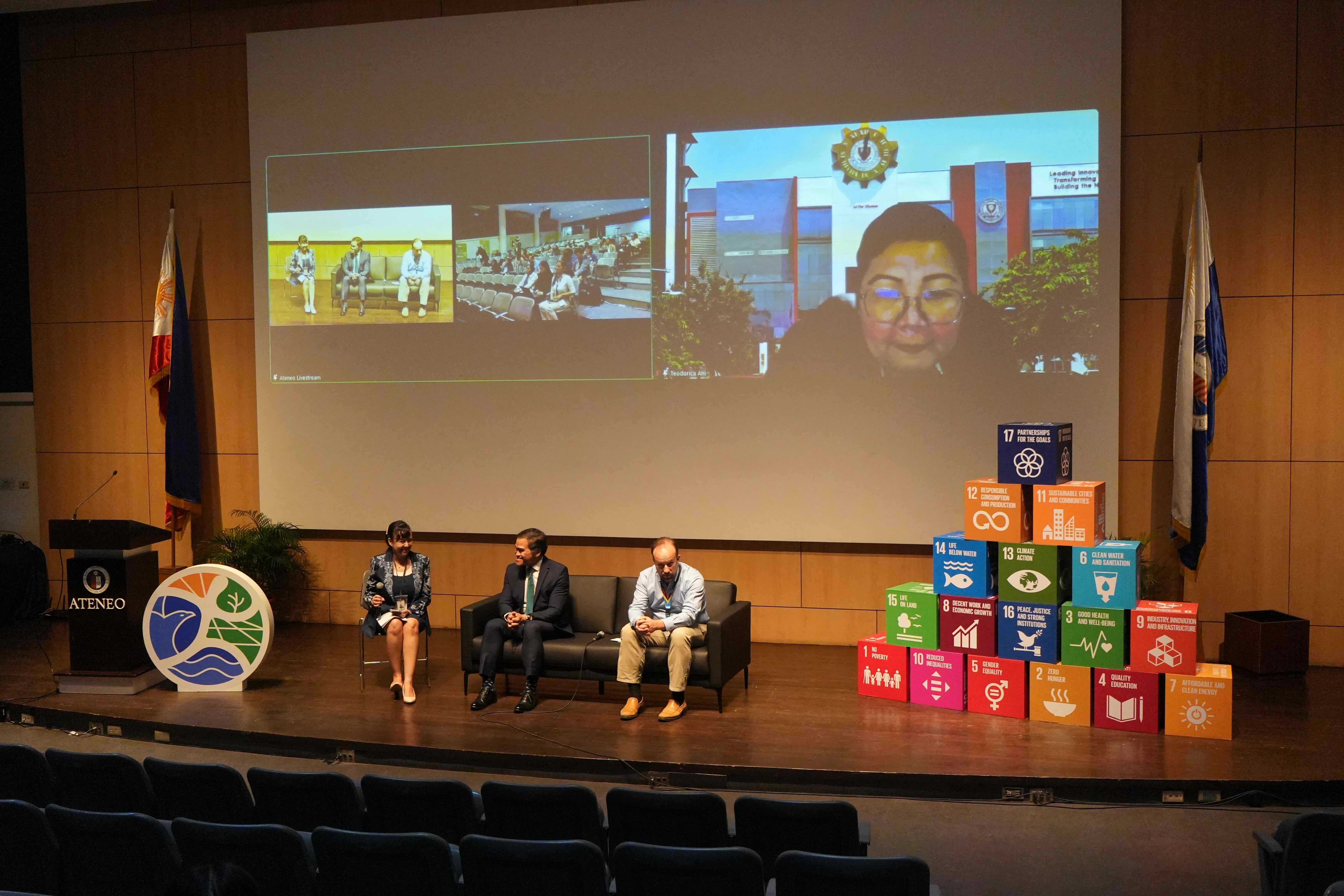
The first panel on “Tools and Frameworks” provided the participants with a variety of ways in which the different sectors may assess their performance. Dr. Lade returned to the stage with a presentation on the Earth System Impact Score, which looks at the global environmental impacts of an organization’s localized activities. Following this, Atty. Roel Refran, Chief Operating Officer of The Philippine Stock Exchange, presented various regulatory frameworks for sustainability reporting as a business strategy. Lastly, Dr. Teodorica Ani, Director for External Affairs of Batangas State University, presented via Zoom the UI Greenmetric World University Rankings, which may be used by academic institutions.
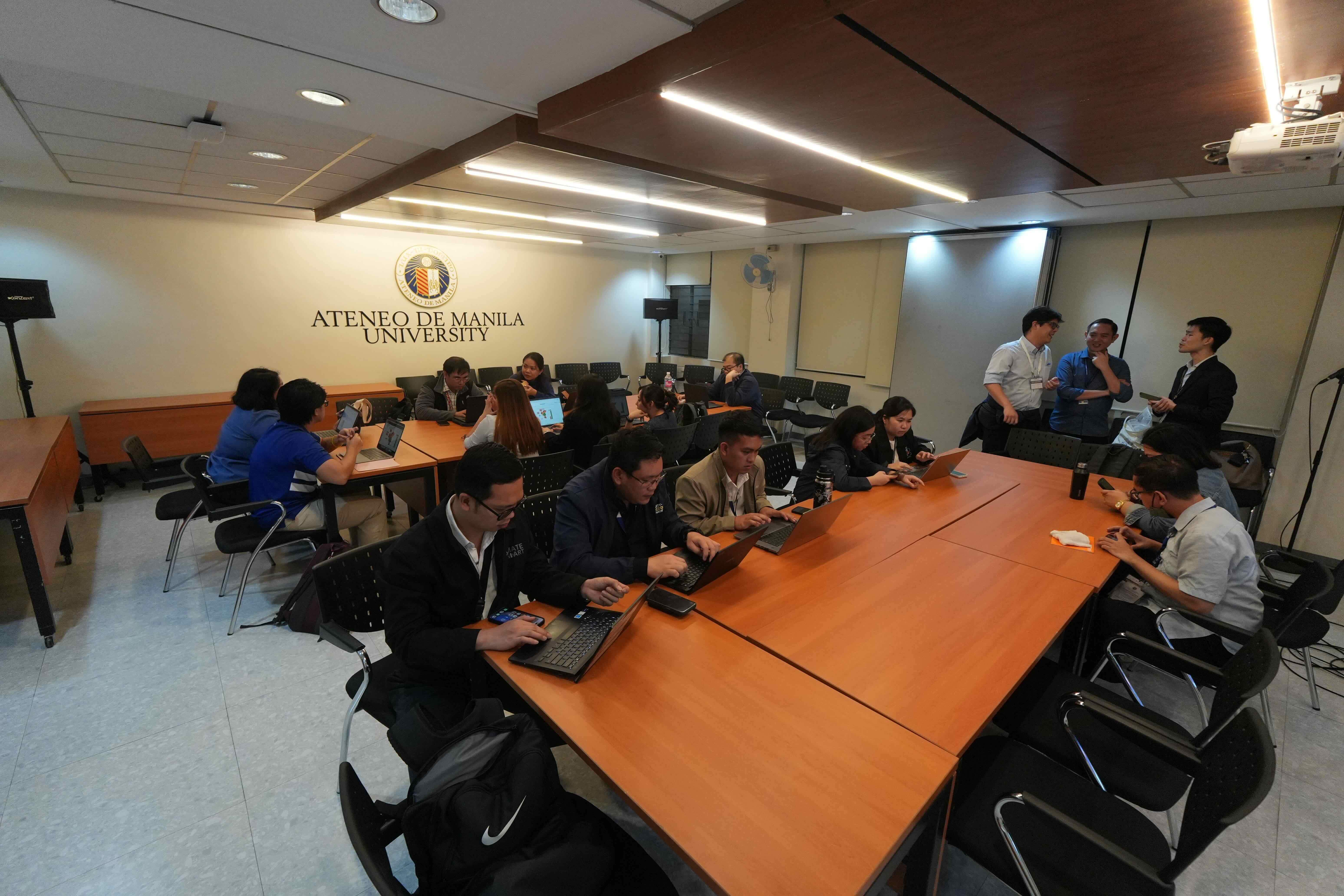
The participants simulated the use of these frameworks in the second workshop on measuring performance, which was held in breakout rooms. In this activity, participants mapped out their organization’s activities against the domains of the planetary boundaries and reflected on how these activities may be measured. They were asked to identify key performance indicators that are necessary for a more concrete implementation of these measures.
Cross-sectoral and interregional cooperation
As its title suggests, a central objective of the two-day workshop is to foster multi-stakeholder and interregional collaboration in promoting sustainability. While the discussions and activities on Day 1 were geared towards the individual impacts, practices, and actions of the institution and the sector, Day 2 put emphasis on the importance of cooperation among the different sectors.
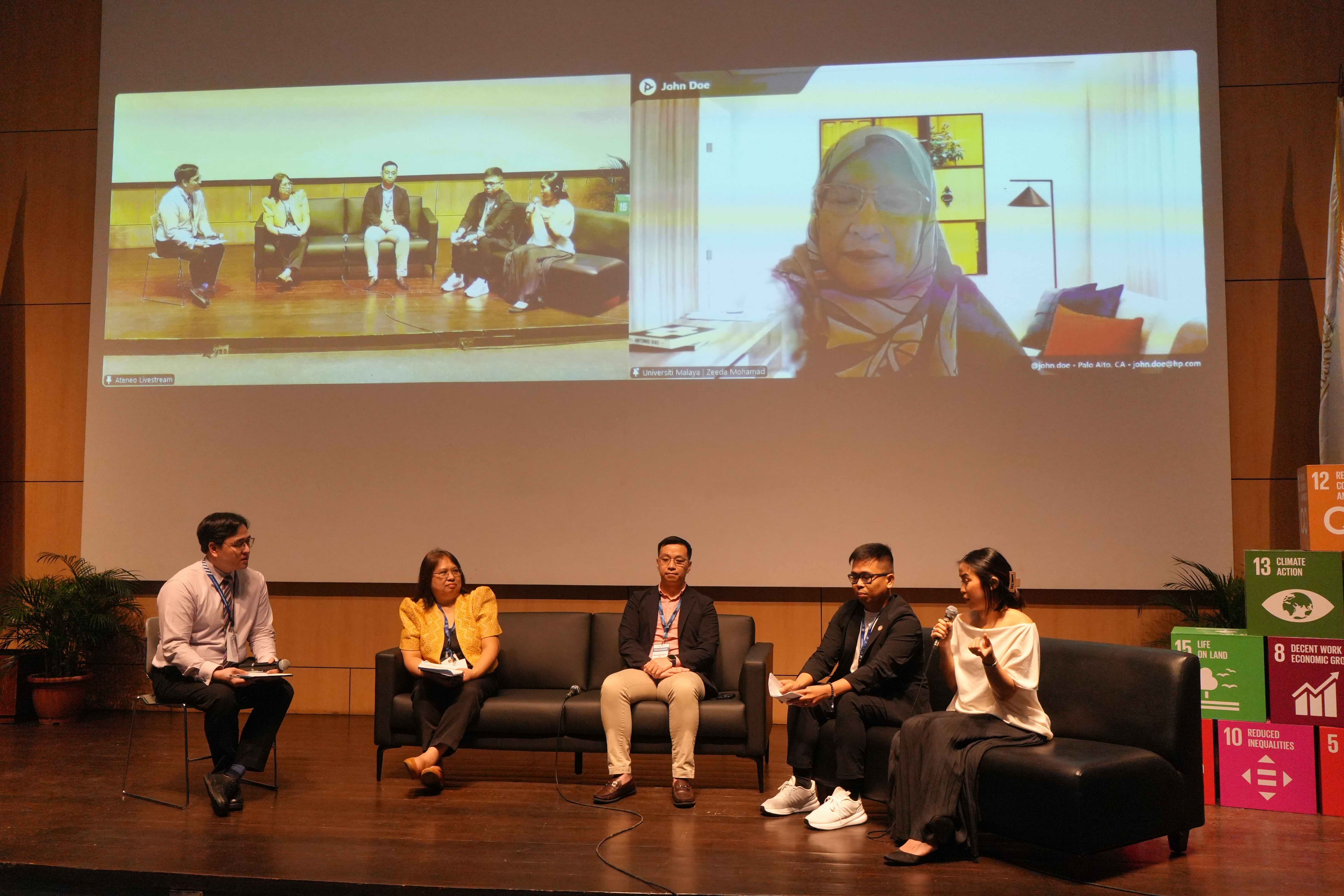
This was kicked off by the second panel, “The Pentahelix Approach to Innovation”. Here, key personalities representing the pentahelix model gathered to discuss their sector’s role in supporting business within boundaries. Ms. Judith Gondra, Assistant Director of the Governance Staff of the Department of Economy, Planning, and Development, talked about the role of the government in enabling environments for businesses to thrive through the formulation of policies, such as her agency’s very own Philippine Development Plan.
On the other hand, Dr. Zeeda Mohamad, Associate Professor at the Universiti Malaya, who joined the panel via Zoom, discussed how the trifocal role of academic institutions helps shape sustainability leaders, develop technology and innovative practices in applying sustainability, and involve the community and government through action research. Ms. Nikki Lizares, Head of Sustainability at the Security Bank Corporation, also shared how the finance industry plays a role in identifying risks and opportunities not only to maintain business continuity, but also to protect people on the ground, who are actually experiencing the impacts of the environmental crises. Non-government organizations, according to Mr. Elvin Ivan Uy, Executive Director of the Philippine Business for Social Progress, are in charge of filling in the gaps in supporting the other sectors’ sustainability practices. Finally, the media, according to Mr. Bry Damasco, Head of Partnerships of Eco-business Philippines, plays a very important role in shaping public opinion, scrutinizing practices, and leading the pushback against any resistance to sustainability efforts being done by the different sectors.
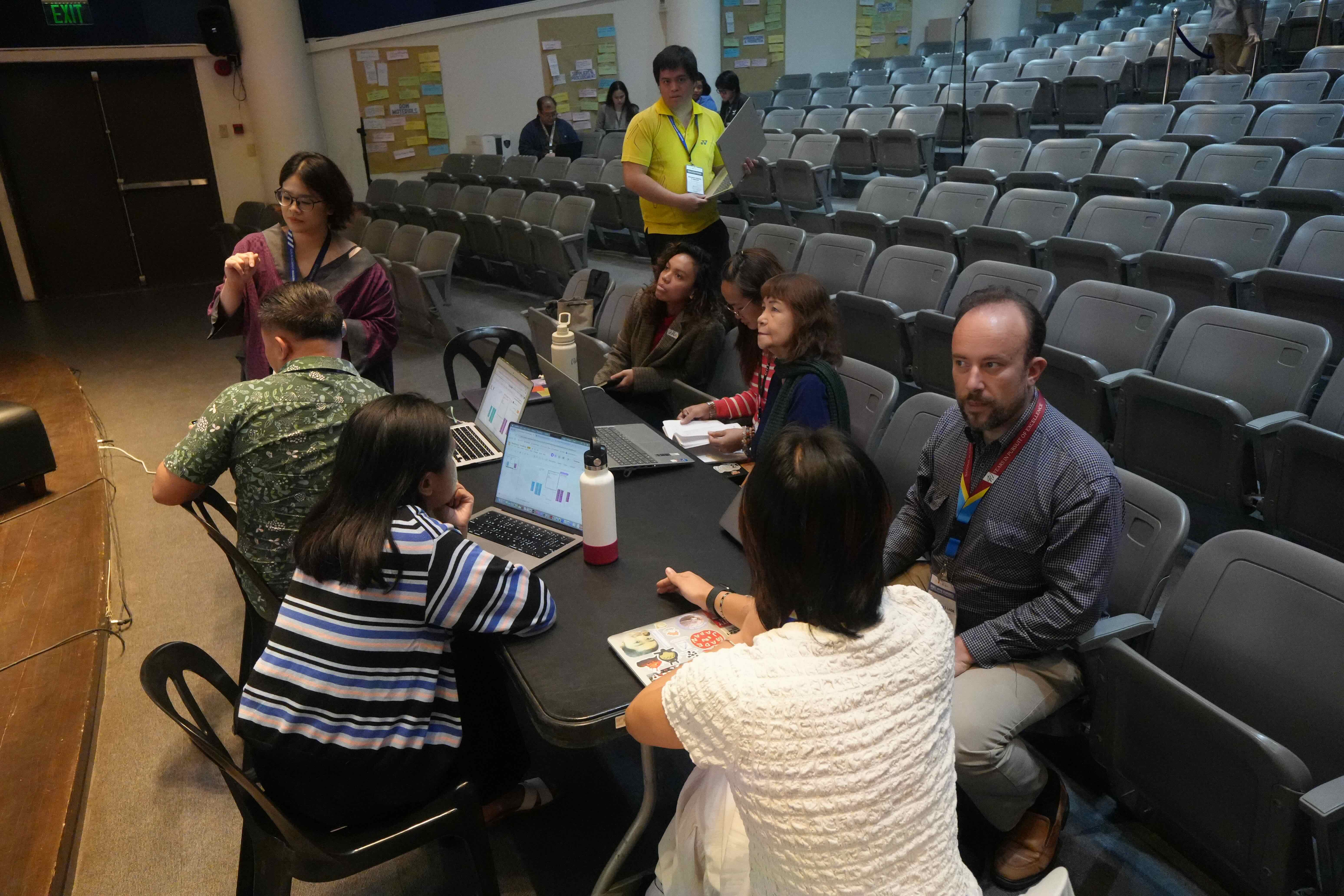
The third and final workshop, “Articulating Sectoral Roles and Interconnections”, urged the participants to also look into their own sector’s roles and responsibilities in supporting business within boundaries. Here, the participants were asked to reflect upon their institution’s mandates in relation to operating within the planetary boundaries, as well as the necessary requirements for and resulting products of these responsibilities. This amounted to a map of sectoral roles and interconnections in doing business within boundaries. A cross-sectoral exchange of insights and ideas was also made possible with the plenary presentations after lunch.
Apart from cross-sectoral collaboration, cooperation among different regions, particularly the ASEAN and Australia, is also crucial.
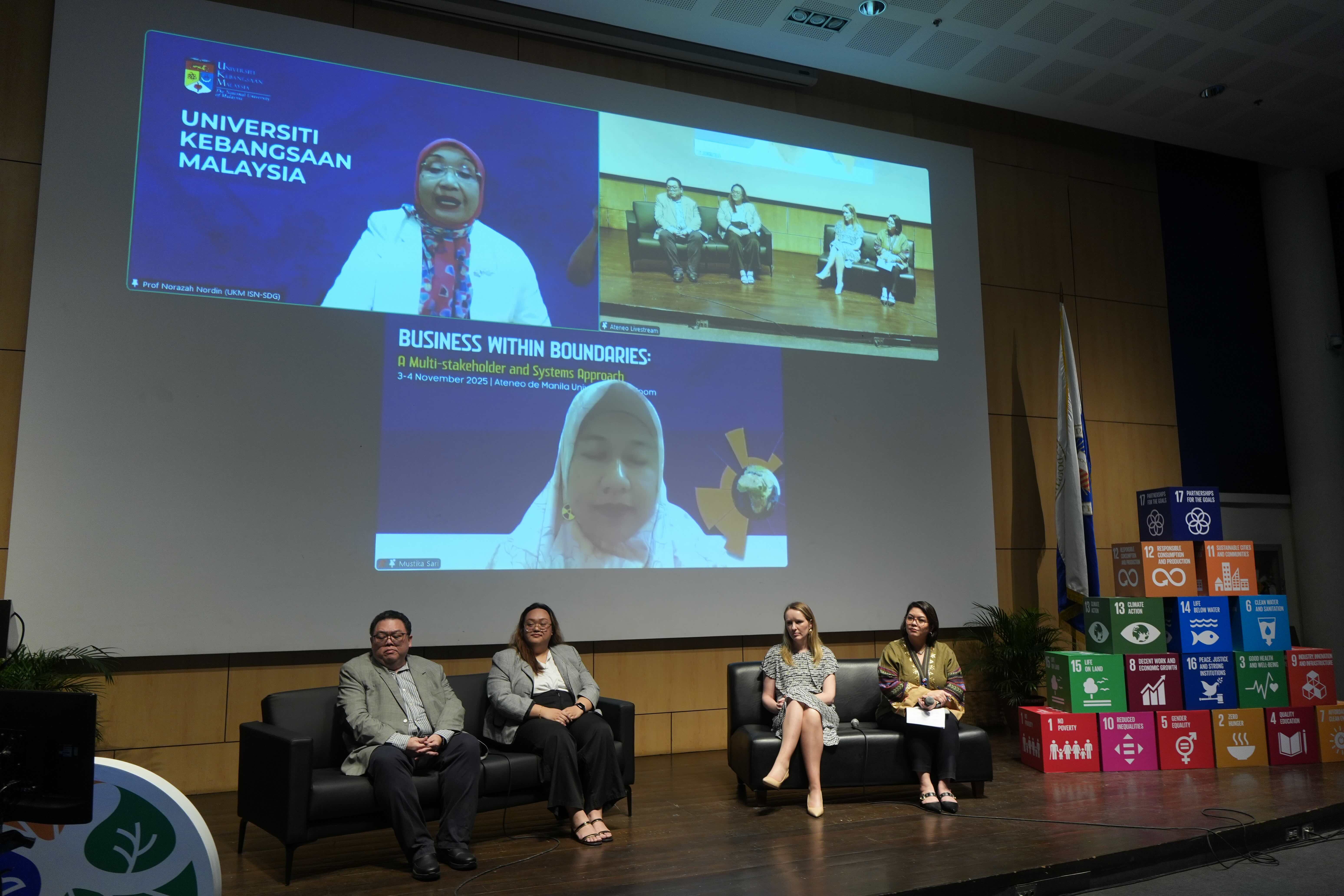
The final panel discussion, entitled “ASEAN-Australian Dialogues on Sustainability and Resilience,” offered a dynamic conversation on fostering collaborations and partnerships with a variety of stakeholders. The panel was composed of members from three AUN thematic areas, representing the ASEAN region: Dr. Mustika Sari, of AUN-SCUD and Lecturer at the Universitas Indonesia, Prof. Dato’ Dr. Norazah Mohd Nordin, Director of the Centre for International Strategic Negotiation and Sustainable Development Goals, and Mr. Brian Co of AUN Dx and Assistant Director of the Information Technology Services Office at the De La Salle University. Rounding off the panel to represent Australia were the Deputy Head of Mission of the Australian Embassy to the Philippines, Dr. Moya Collett, and Ms. Icely Nicole Dy, Co-Chief Executive Officer of the ASEAN-Australian Strategic Youth Partnerships.
The event was funded by the Australian National University (ANU) Philippines Institute, with support from the Australian Research Council (ARC) (via Discovery Project DP230101280 and the ARC Future Fellowship Program). It was co-organized by the Fenner School of Environment and Society of ANU and the Ateneo Institute of Sustainability.
Recent News
You may also like these articles
Protecting Creativity: AIPO and Rizal Library Host Copyright Awareness Session for the Ateneo Community
On March 18, 2026, the Ateneo Intellectual Property Office (AIPO), in collaboration with the Rizal Library, successfully conducted a Copyright Awareness Session held on the
Class and work arrangements for March 30-April 1, 2026 (Memo No. AGSB-DO-2526-043)
AGSB-DO-2526-043 28 March 2026 TO: AGSB Community FROM: (sgd.) Jowett Cecilio F. Magsaysay, MBA, PhD Dean SUBJECT: Class and work arrangements for March 30-April 1
Why can’t we eradicate tuberculosis? AIS dissects the TB issue in a multidisciplinary panel
On 24 March 2026, the Ateneo Institute of Sustainability (AIS), through its Sustainable Development Goals (SDGs) Program, hosted a multidisciplinary panel in observance of World
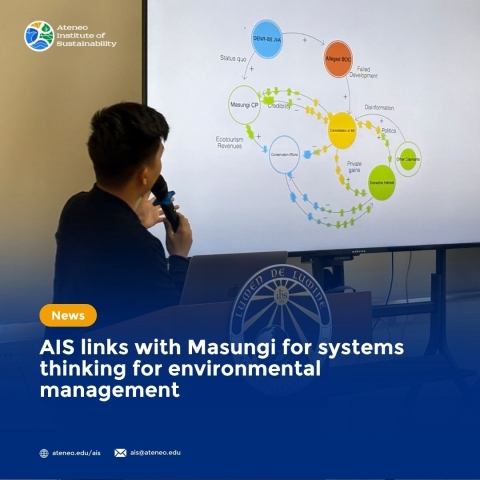
AIS links with Masungi for systems thinking for environmental management
Last 23-24 March 2026, the Ateneo Institute of Sustainability (AIS) , which manages the My Climate Risk – Ateneo de Manila University Regional Hub
Class and work arrangements for March 26-27, 2026 (Memo No. AGSB-DO-2526-042)
AGSB-DO-2526-042 25 March 2026 TO: AGSB Community FROM: (sgd.) Jowett Cecilio F. Magsaysay, MBA, PhD Dean SUBJECT: Class and work arrangements for March 26-27, 2026
QS Subject Rankings 2026: Ateneo in top 100 for theology; ranked in 7 subject areas
Ateneo de Manila University is among the top institutions in seven subject areas, and among the top 100 for theological and religious studies, according to