Ateneo JGSOM and Philippine Leadership Society host forum on leadership amidst geopolitical conflicts
09 Mar 2026 | Steve Chaves

Held on 28 February 2026, at Escaler Hall, Ateneo de Manila University, the Leadership Forum on Leadership Amidst Geopolitical Conflicts, was a gathering that delved into the dynamics of leadership amidst the evolving geopolitical tensions affecting the Philippines. Organized by the John Gokongwei School of Management (JGSOM) - Leadership and Strategy Department, Ateneo de Manila University, and the Philippine Leadership Society, the forum brought together over 100 attendees from diverse sectors including students, faculty, government officials, and professionals.
Opening Remarks: A Call for Reflective Leadership
The event was opened by Dr Robert Lizares, Assistant Professor of Leadership and Strategy in JGSOM, with an inspiring address on behalf of the JGSOM Dean. Dr Lizares set the stage for a crucial discussion on the role of leadership in navigating the challenges posed by geopolitical conflicts. He emphasized the need for clarity, foresight, and strategic thinking as Filipino leaders face new global realities.
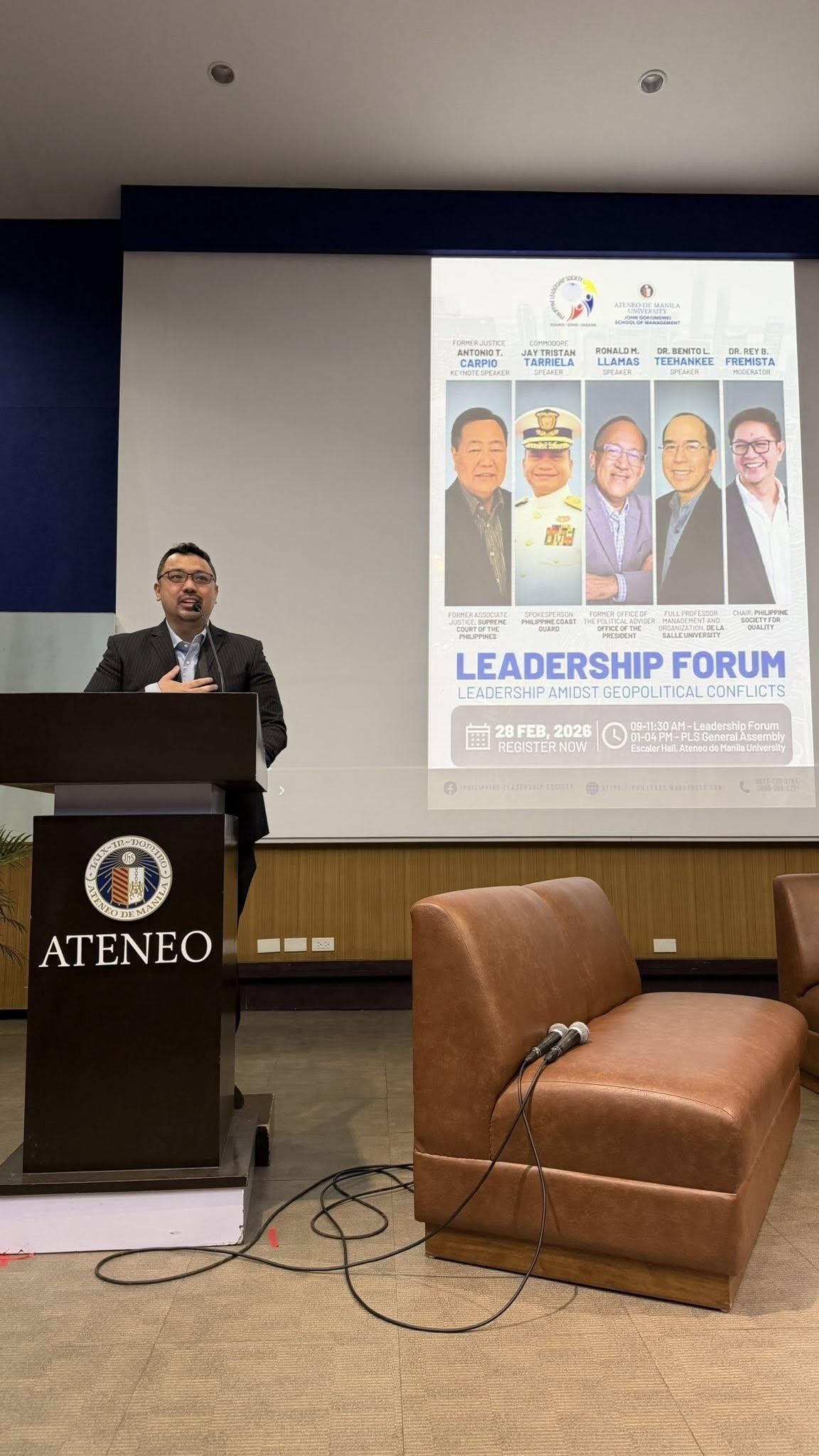
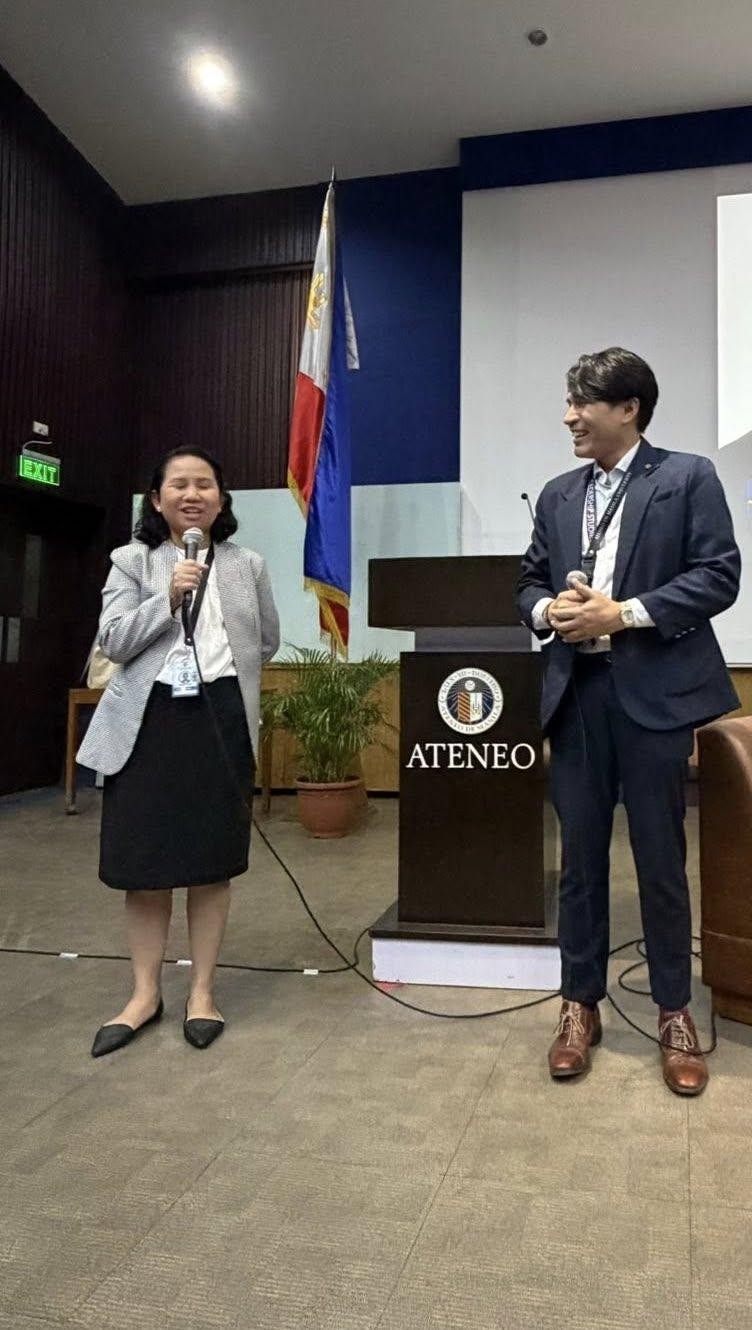
A Historical and Legal Foundation for Sovereignty: Justice Antonio Carpio’s Keynote
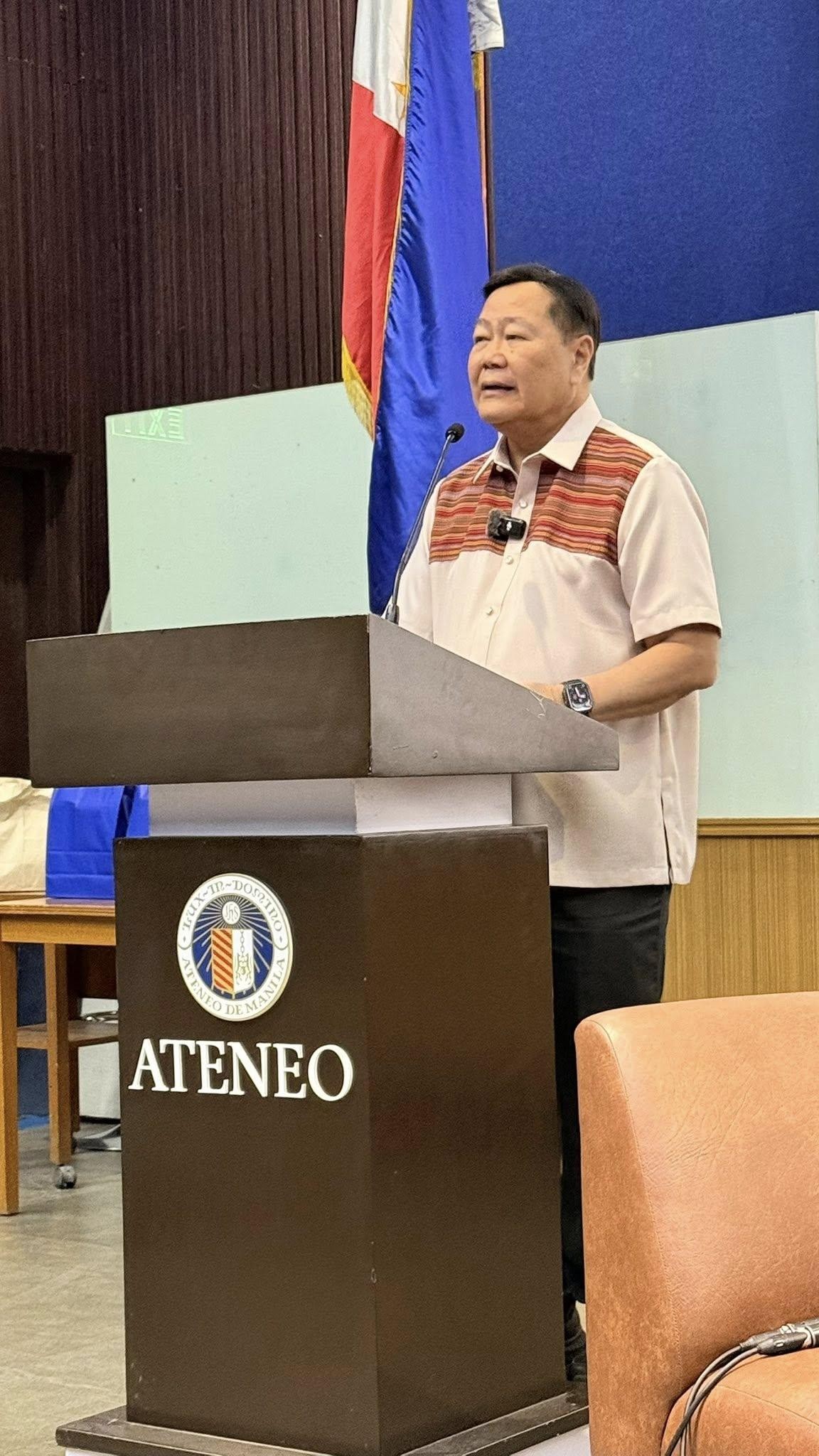
In hisa keynote, Antonio Carpio, former Associate Justice of the Supreme Court of the Philippines, anchored the discussion with a powerful keynote that traced the legal and historical roots of the Philippines’ sovereignty over the West Philippine Sea (South China Sea). He passionately highlighted the treaties, maps, state practices, and international recognition that have consistently affirmed the Philippines' territorial claims. By showing historical maps and legal frameworks, Justice Carpio made it clear that the Philippines’ sovereignty is not only a matter of legal claim but one rooted deeply in history. His message was clear: that our sovereignty is historically grounded and legally coherent, providing a solid foundation for national defense and diplomacy.
Justice Carpio also called for the adoption of the historical maps that illustrate the Philippines' clear boundaries, urging educators and the education system to utilize these tools for a more informed understanding of the nation's territorial integrity. His reflections set a firm legal and historical context for the discussions that followed.
Rear Admiral Jay Tarriela: Transparency as a Strategic Instrument
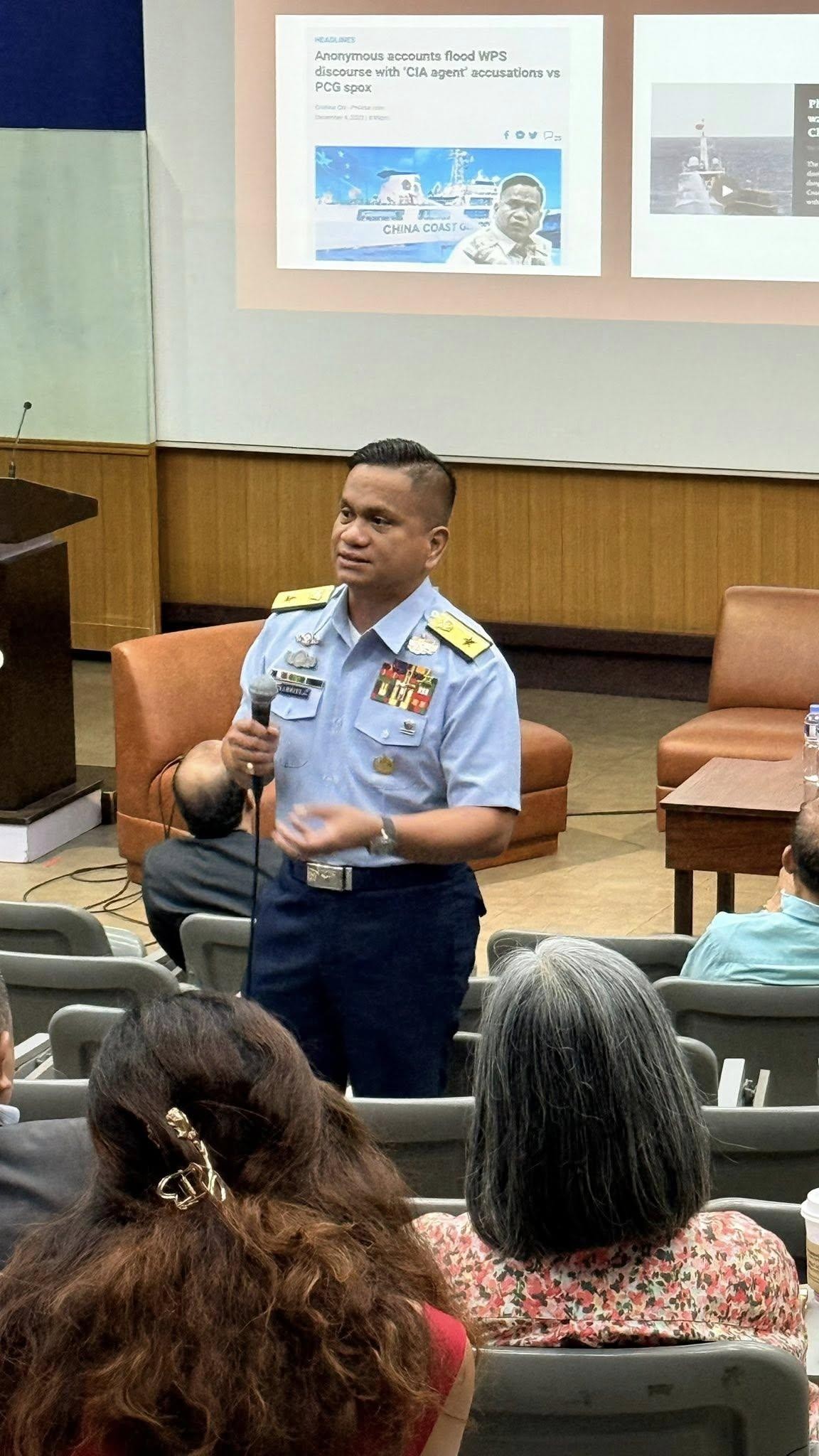
Rear Admiral Jay Tristan Tarriela, Spokesperson of the Philippine Coast Guard, shifted the focus from history to the present, bringing attention to the ongoing initiatives of the Philippine Coast Guard (PCG) in the West Philippine Sea. Through his work as the spokesperson for the PCG, Rear Admiral Tarriela has become a key figure in promoting transparency as a strategic instrument in the Philippines' response to the rising tensions in the region. His discussion emphasized how the WPS Transparency Program has effectively increased public awareness, drawing international support, including from the G7, for the Philippines' stance on the issue. By highlighting the importance of disciplined communication and transparency, he demonstrated how public awareness can be leveraged to build international alignment and bolster national resolve.
Key Insights: Sovereignty Requires Legal Clarity, Sustained by Leadership Discipline
The forum's message became abundantly clear through the combination of Justice Carpio’s historical and legal framing and Rear Admiral Tarriela’s current-day transparency efforts: sovereignty requires legal clarity, but it is sustained by leadership discipline. This theme echoed through the reactions of the discussants, Dr Benito Teehankee and Mr Ronaldo M Llamas, who helped elevate the discussion toward governance, ethics, and political maturity in leadership.
Dr. Teehankee brought a critical perspective on governance, emphasizing the ethical implications of leadership in turbulent geopolitical times. Mr Llamas contributed by highlighting the importance of political maturity, calling for leaders to exhibit steadiness and coherence in their actions. Such traits that are often tested in times of crisis.
In these complex geopolitical times, it became evident that leadership is not measured by rhetoric or grandiose statements but by the steadiness, coherence, and institutional strength of those who wield it. As the forum demonstrated, effective leadership requires both clarity of purpose and the discipline to act upon it, particularly when dealing with issues of national sovereignty and international relations.
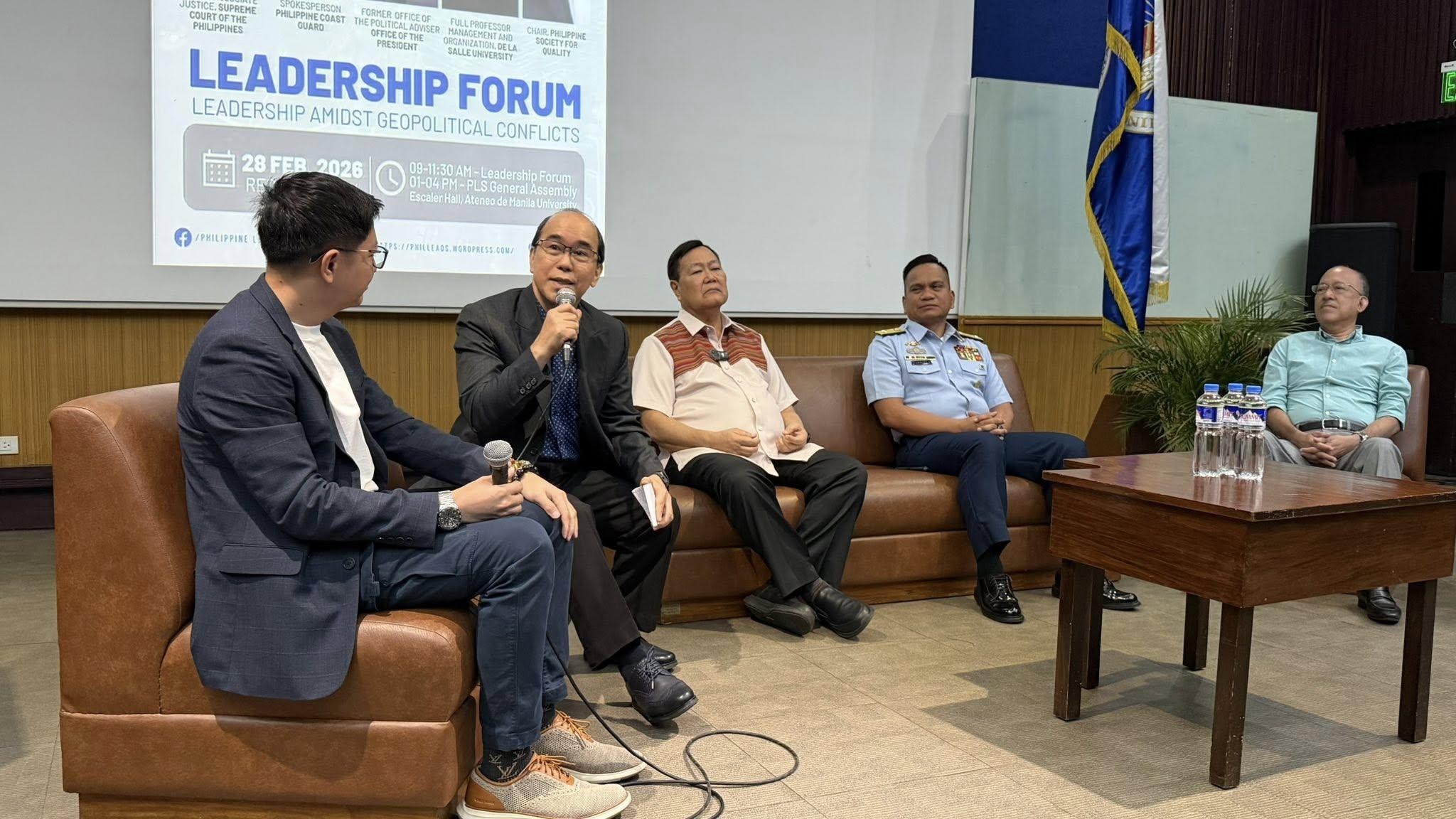
The panel discussions were expertly moderated by Dr Rey Fremista, a respected thought leader in leadership, operational excellence, and innovation. Dr Fremista’s facilitation ensured that the forum remained engaging, insightful, and productive, providing the audience with an opportunity to deepen their understanding of the complex dynamics shaping global leadership.
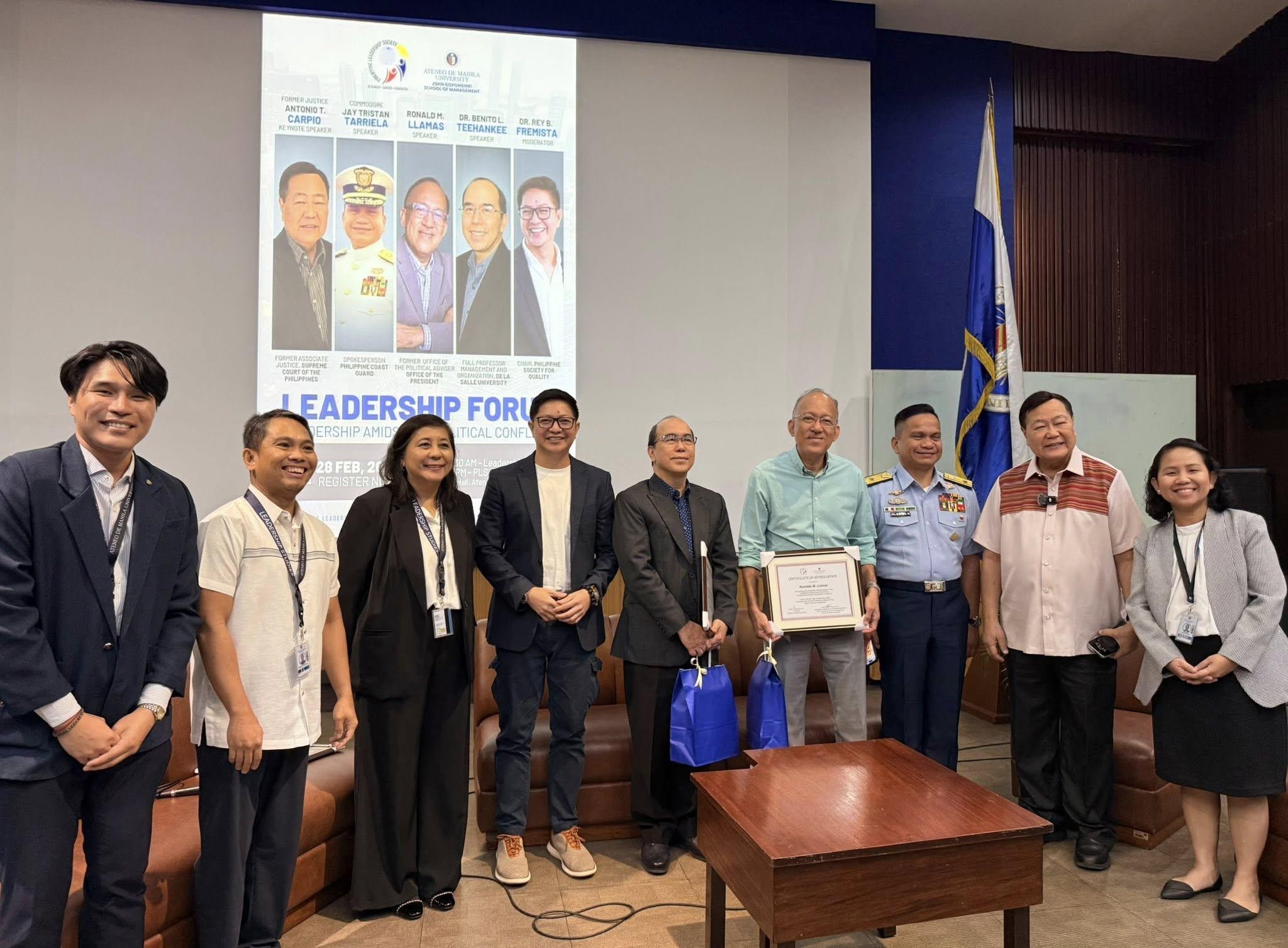
A Platform for Thoughtful Leadership
The discussions throughout the forum were reflective and insightful, providing attendees with not only a legal and historical understanding of sovereignty but also a renewed sense of responsibility for the leadership required to uphold it. The forum emphasized that Filipino leadership, in both government and private sectors, must be grounded in law but also resilient through disciplined leadership practices.
The Philippine Leadership Society through its President, Dr Helen Amante, expressed their gratitude to the esteemed speakers, panelists, and attendees, reaffirming the need for continued dialogue and education on leadership in the context of global challenges.
This Leadership Forum on Leadership Amidst Geopolitical Conflicts has undoubtedly set a high standard for discussions on leadership, governance, and national integrity. It is a call to action for Filipino leaders to be both strategically informed and disciplined in their approach to the ever-changing world.
Recent News
You may also like these articles
Protecting Creativity: AIPO and Rizal Library Host Copyright Awareness Session for the Ateneo Community
On March 18, 2026, the Ateneo Intellectual Property Office (AIPO), in collaboration with the Rizal Library, successfully conducted a Copyright Awareness Session held on the

Class and work arrangements for March 30-April 1, 2026 (Memo No. AGSB-DO-2526-043)
AGSB-DO-2526-043 28 March 2026 TO: AGSB Community FROM: (sgd.) Jowett Cecilio F. Magsaysay, MBA, PhD Dean SUBJECT: Class and work arrangements for March 30-April 1
Why can’t we eradicate tuberculosis? AIS dissects the TB issue in a multidisciplinary panel
On 24 March 2026, the Ateneo Institute of Sustainability (AIS), through its Sustainable Development Goals (SDGs) Program, hosted a multidisciplinary panel in observance of World
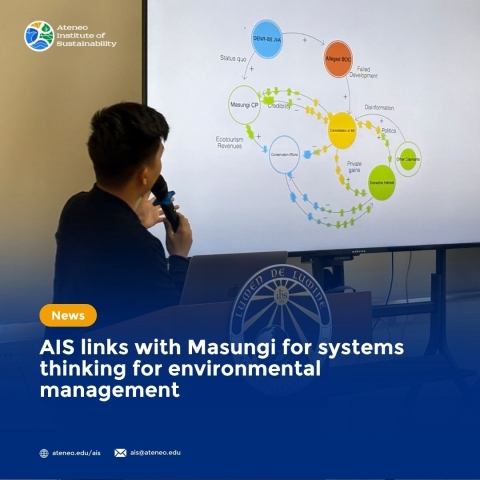
AIS links with Masungi for systems thinking for environmental management
Last 23-24 March 2026, the Ateneo Institute of Sustainability (AIS) , which manages the My Climate Risk – Ateneo de Manila University Regional Hub
Class and work arrangements for March 26-27, 2026 (Memo No. AGSB-DO-2526-042)
AGSB-DO-2526-042 25 March 2026 TO: AGSB Community FROM: (sgd.) Jowett Cecilio F. Magsaysay, MBA, PhD Dean SUBJECT: Class and work arrangements for March 26-27, 2026
QS Subject Rankings 2026: Ateneo in top 100 for theology; ranked in 7 subject areas
Ateneo de Manila University is among the top institutions in seven subject areas, and among the top 100 for theological and religious studies, according to