Adventures that matter: ESADE and Ateneo CTM forge global partnership for Challenge-Based Innovation 2025
17 Oct 2025 | Franz Solanoy and Karol Santos

Last 11 to 12 October, Ateneo BS Communications Technology Management students conducted their onsite field visit to San Felipe, Zambales, to engage with the local community and gather on-ground insights. This initiative, done in collaboration with the Jesuit-founded ESADE Business School’s Fusion Point, served as a key stage in their participation as local collaborators for the Challenge-Based Innovation (CBI) 2025 program.
The CBI program is an experiential and multidisciplinary initiative led by Fusion Point, a collaboration among ESADE, Istituto Europeo di Design, and Universitat Politècnica de Catalunya in Barcelona—developed in partnership with IdeaSquare at CERN - the European Organization for Nuclear Research. It focuses on addressing real-world challenges aligned with the United Nations Sustainable Development Goals (SDGs) through design thinking and innovation.
Funding for this program was provided by the International Association of Jesuit Business Schools (IAJBS) in support of enhancing new pedagogy and learning opportunities across the Jesuit universities globally in line with the Inspirational Paradigm for Jesuit business education. The Inspirational Paradigm is the response by the members of IAJBS to Pope Francis’ encyclical “Laudato Si” and is a call to encourage business educators to re-examine how we educate future leaders and prepare our students to create a more inclusive and just world.
As part of this global initiative, Ateneo students were selected to contribute as Philippine-based collaborators, working remotely with international CBI teams. Their current challenge, proposed by MAD Travel, centers on developing regenerative economies in the Philippines, hoping to integrate sustainable innovation with community-driven impact. Through this partnership with CBI and Fusion Point, the Ateneo students are empowered not just as onsite field researchers but also as partakers in the unique role of weaving cultures and perspectives.
“It’s not simply an opportunity, but a calling for us to serve as the middle point of global design thinking and local realities. We bridge worlds; in helping international teammates understand the stories and sustainability challenges faced by communities like the Yangil Tribe in Zambales, while also connecting locals to new ways of thinking through global innovation and technology. Together, all parties get to have a say and co-design on the systems rooted in empathy, community insight, and long-term sustainability,” shared Franz Solanoy, describing the role of Ateneo students like himself in the global CBI collaboration.
The Zambales visit aimed to conduct contextual and user research, enriching the international CBI teams’ process with insights directly from relevant communities around the area. Guided by the CTM Program Director Arkel Mendoza and Mad Travel Coordinator Anjo Joaquin, the students carried out field interviews, cultural immersions, and on-site photo-journalism to help validate design directions. The six participating students were divided into two groups: KC Santos (3 BS CTM), Reinne Gato (4 BS CTM), and Arby Andaya (4 BS CTM) focused on research related to regenerating and monitoring Zambales’ ancestral forests, while Amani Alonto (3 BS CTM), Khyle Ayap (3 BS CTM), and Franz Solanoy (3 BS CTM) explored technology-driven solutions for a green rural economy.
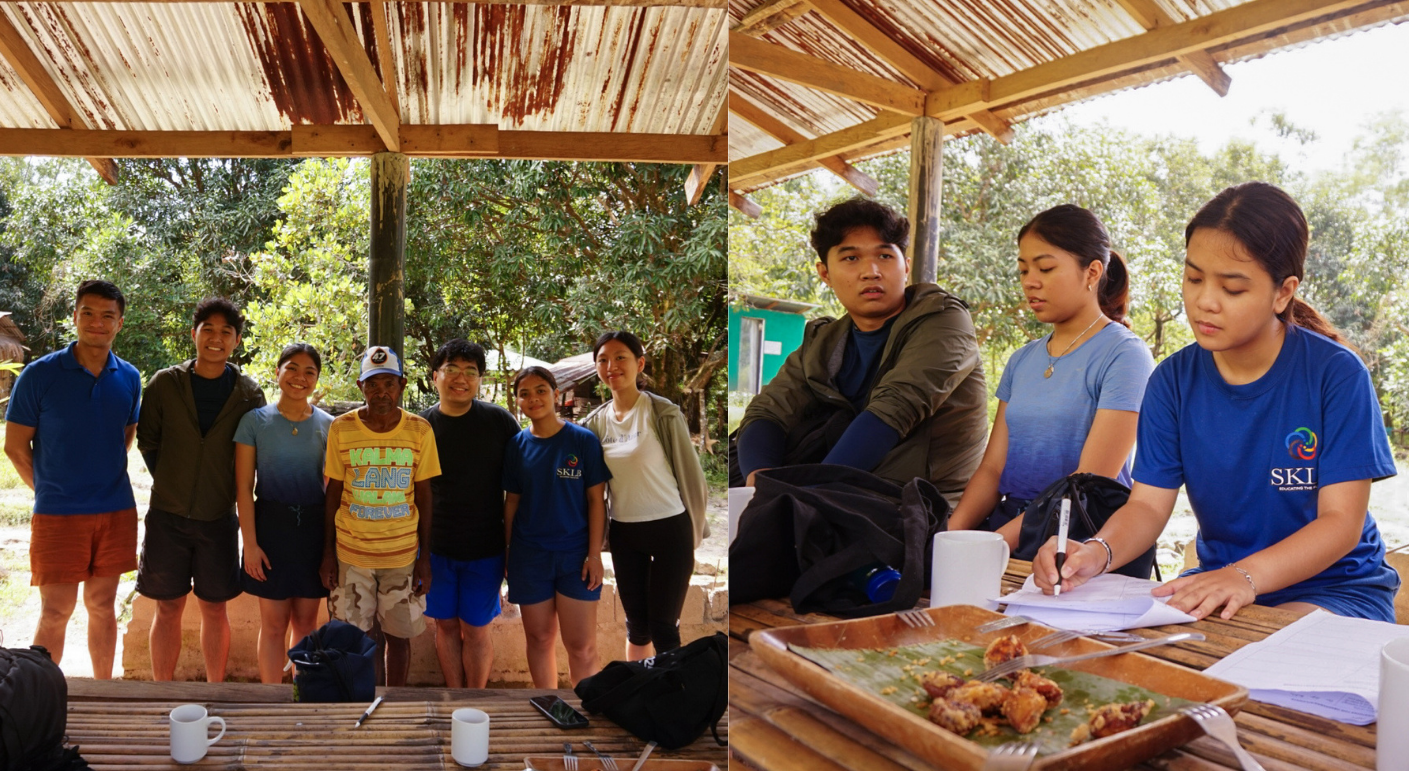
Prior to the fieldwork, the Ateneo students held weekly digital coordination meetings with their international CBI counterparts throughout September to identify key research touchpoints aligned with the global teams’ objectives.
Field Visit
The MAD Travel-organized tour opened with a visit to Tingtingan, better known as El Kabayo, where students explored Zambales’ forested landscapes to gain a clearer grasp of the ecological considerations significant to their international CBI partners. This was followed by a kwentuhan session with Nanay Erlinda, a local community leader, which offered valuable cultural context on how to appropriately engage with the communities in San Felipe, setting the tone for the field immersion that lay ahead. Building on these learnings, the students continued their journey toward the Yangil community in San Felipe, where the core of their field immersion awaited.
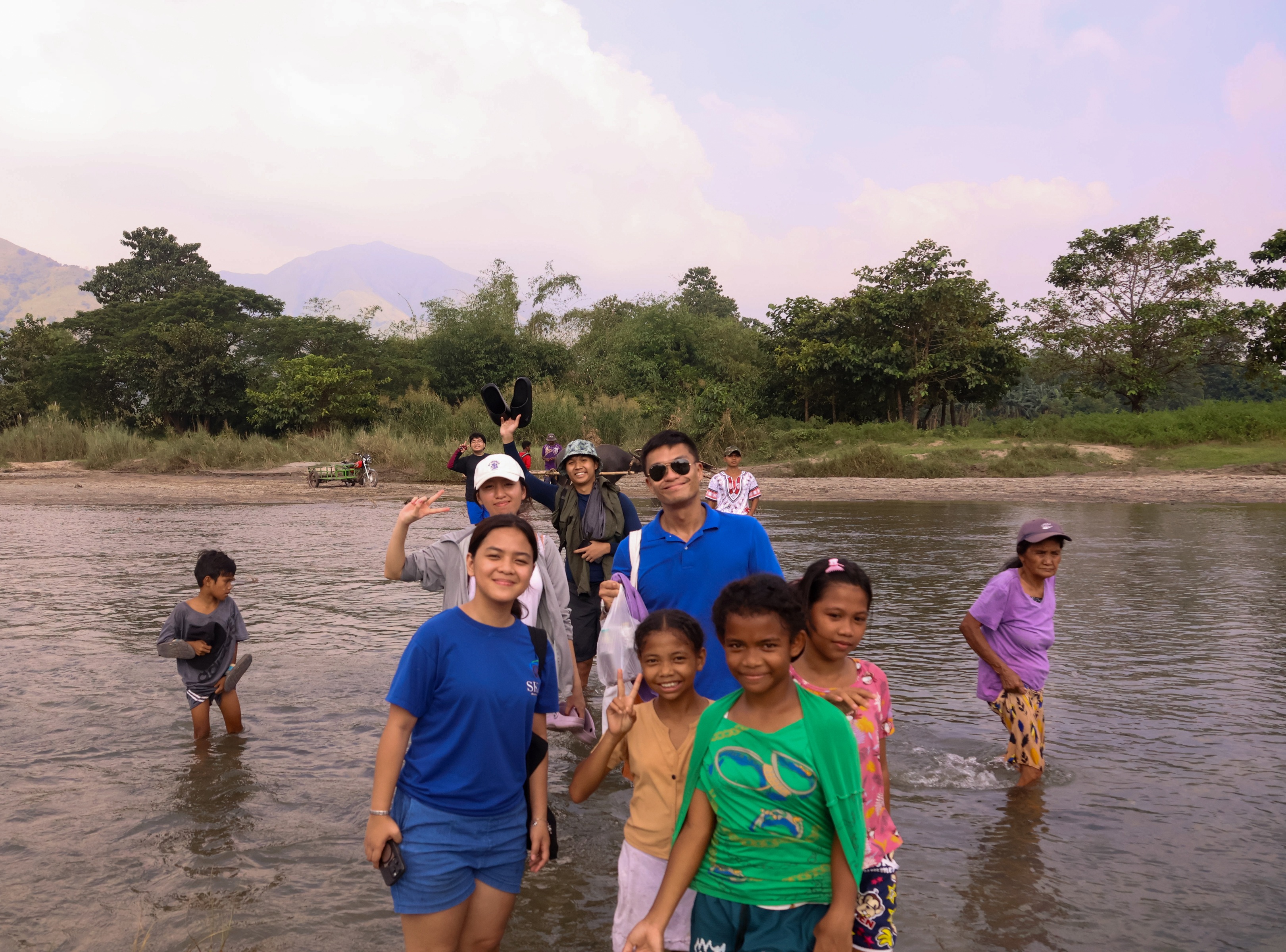
The Aeta tribe of Yangil is an indigenous Filipino tribe whose community can be found nested in the mountains of San Felipe, Zambales. The trek going there was no easy feat. The group endured several meters of volcanic mudflow (lahar) and gushing rivers and streams to get to their village, which took around two hours on foot. Accompanying them were two men, Kuya Fred and Kuya Robert who drove bamboo carts pulled by carabaos, and two young girls, Regine (age 13) and Rodilyn (age 14), who were also from the village and just happened to be coming from where they started our journey.
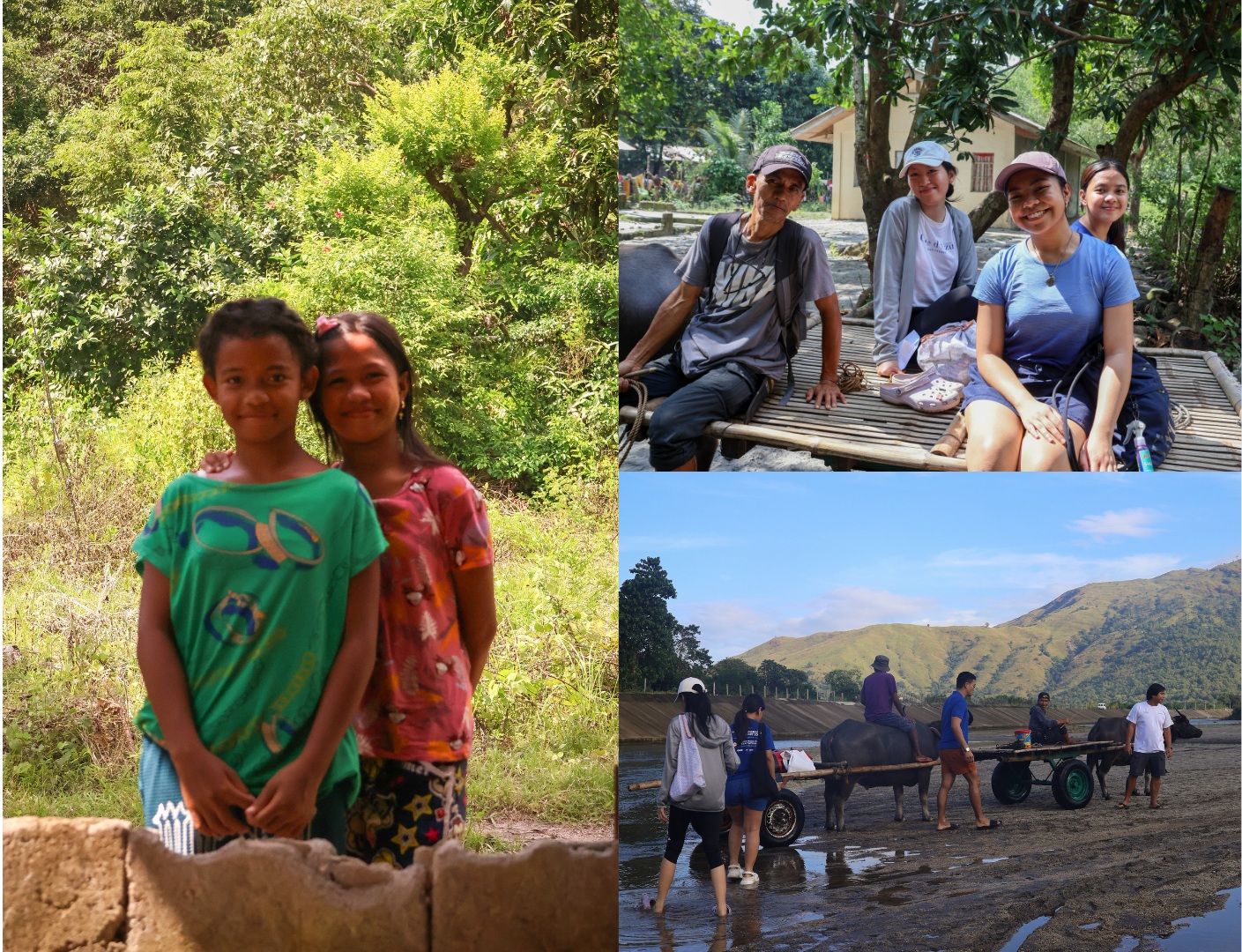
When asked if the locals ever get tired from travelling up and down the mountain every day, they said that it had been part of their routines for as long as they can remember, and that the hour-long walk had become nothing to them. A lot of the natural resources that they grow and tend to are regularly sold in the larger markets outside their village, and the schools that the children go to are also located there. During their trip up to the village, Rodilyn told KC about how they have to get up before the crack of dawn just to get to school on time and begin their journey back home at the end of the day, before it gets too dark.
Composed of around 57 families, the Sitio of Yangil greeted the group with the warmest sincerity and the biggest smiles. After some introductions, they conducted interviews with Chieftain Larry and Nanay Husna, who talked about their personal experiences with the effects of the 1991 Mount Pinatubo eruption and the recent typhoons that have gravely impacted their community. They expressed how much their lives and their surrounding environment have evolved since then and shared the ways in which they have learned to adapt to the changes that occur, due to the harmful effects of climate change.
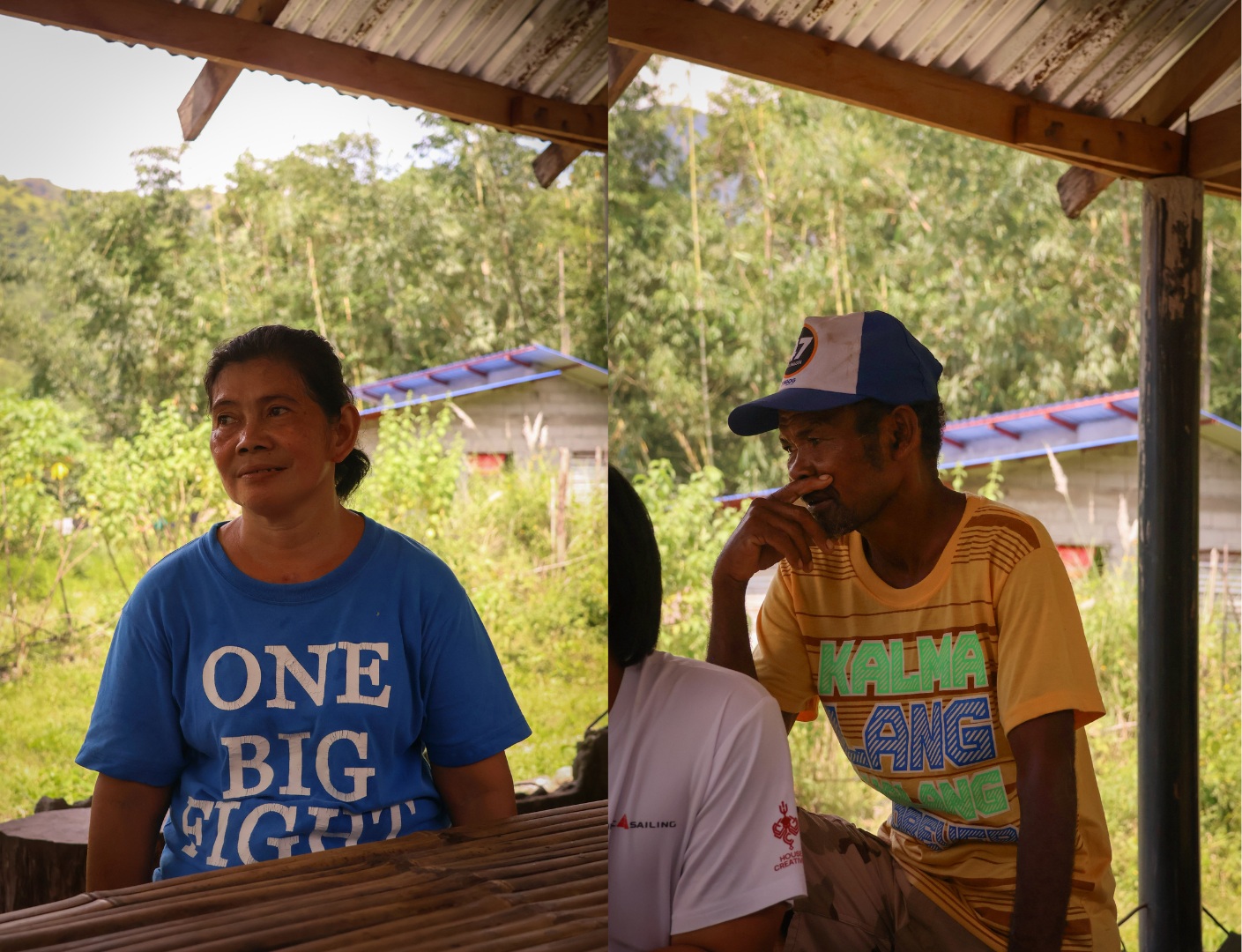
As the fieldwork came to a close, the students discussed the community’s perceptions and sentiments on technology within their way of life, which served as a key leverage point for the CBI students’ research. Many of the younger members already have access to smartphones, using them to stay informed and connected through social media. With regards to this, the elders mentioned that it has helped them maintain a sense of connection with the rest of the world, which is something that has become important to them to stay actively aware of what is happening outside their community. What is striking is that despite their isolation, they remain open to incorporating technological innovations into their daily lives, but with their traditional values still at their very core.
Cultivating Empathetic Design Through Informed Dialogue
The group’s main takeaway from their field visit was the community’s deep commitment to self-sustainability, reflected in their livelihood and agricultural practices. Their approach, known as Permaculture, models itself after the patterns of nature to create self-sufficient systems that strengthen land resiliency and ensure long-term ecological balance. With the support of MAD Travel, the community has learned to expand and maximize their naturally produced resources by turning them into goods that can be shared and sold both inside and outside their locality. In return, the income they earn goes directly back to them.
From these exchanges, there comes a realization that innovation in design thinking starts from the core of the issues at hand; all solutions must come with progress, which must always be formed through active dialogue and engagement needed to fully contextualize where we need to go and how it could be done with the community’s welfare in mind. Moving forward with CBI, the CTM students may suggest that instead of relying on frameworks built on the immediate pursuit of ambitious and high-tech solutions, what truly matters is starting with a strong understanding of the needs of the community and their way of life with the hopes to potentially build purposeful and lasting impact on the welfare of our shared environment.
“Engaging with the people of Yangil brought forth in me a newfound appreciation for authentic and genuine dialogue in human-centered design. This has then become an essential part of my small everyday efforts of listening to others with empathy, acting with sincere intention, and creating impact that is grounded in understanding rather than assumption,” said KC Santos.
In essence, to design meaningfully, one must think back to basics and throughout before thinking above and beyond.
Recent News
You may also like these articles
Protecting Creativity: AIPO and Rizal Library Host Copyright Awareness Session for the Ateneo Community
On March 18, 2026, the Ateneo Intellectual Property Office (AIPO), in collaboration with the Rizal Library, successfully conducted a Copyright Awareness Session held on the
Class and work arrangements for March 30-April 1, 2026 (Memo No. AGSB-DO-2526-043)
AGSB-DO-2526-043 28 March 2026 TO: AGSB Community FROM: (sgd.) Jowett Cecilio F. Magsaysay, MBA, PhD Dean SUBJECT: Class and work arrangements for March 30-April 1
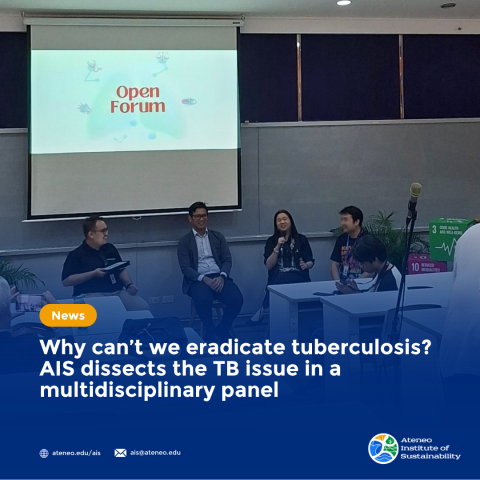
Why can’t we eradicate tuberculosis? AIS dissects the TB issue in a multidisciplinary panel
On 24 March 2026, the Ateneo Institute of Sustainability (AIS), through its Sustainable Development Goals (SDGs) Program, hosted a multidisciplinary panel in observance of World
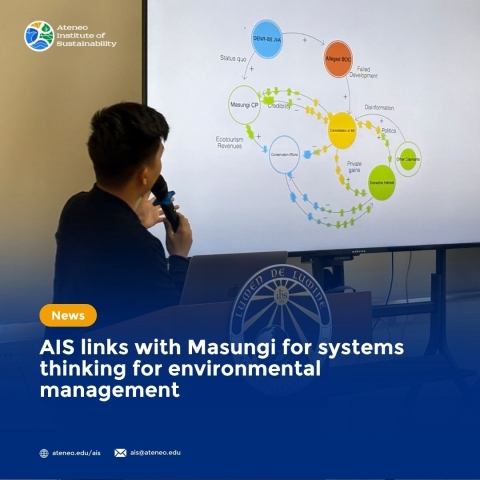
AIS links with Masungi for systems thinking for environmental management
Last 23-24 March 2026, the Ateneo Institute of Sustainability (AIS) , which manages the My Climate Risk – Ateneo de Manila University Regional Hub
Class and work arrangements for March 26-27, 2026 (Memo No. AGSB-DO-2526-042)
AGSB-DO-2526-042 25 March 2026 TO: AGSB Community FROM: (sgd.) Jowett Cecilio F. Magsaysay, MBA, PhD Dean SUBJECT: Class and work arrangements for March 26-27, 2026
QS Subject Rankings 2026: Ateneo in top 100 for theology; ranked in 7 subject areas
Ateneo de Manila University is among the top institutions in seven subject areas, and among the top 100 for theological and religious studies, according to