Business Within Boundaries, Collaboration Beyond Borders: ASEAN and Australia unite for sustainability and resilience
10 Dec 2025 | Justine Ysabelle Barrion






One cannot simply “mind one’s own business” when the challenges of sustainability demand collective action. In a time when the world’s crises are increasingly interconnected, stronger collaboration and open dialogue across all levels of society have become essential in securing a resilient future for all.
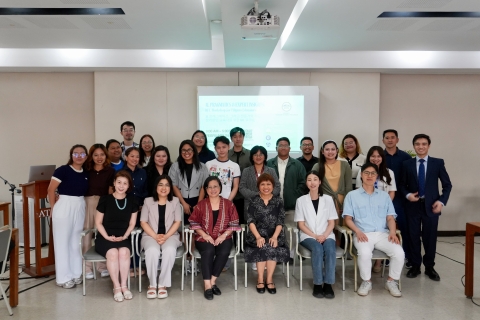
This was the message driven forward by the third panel discussion of the workshop “Business within Boundaries: A Multi-Stakeholder and Systems Approach.” held from 3 to 4 November 2025 at Ateneo de Manila University.
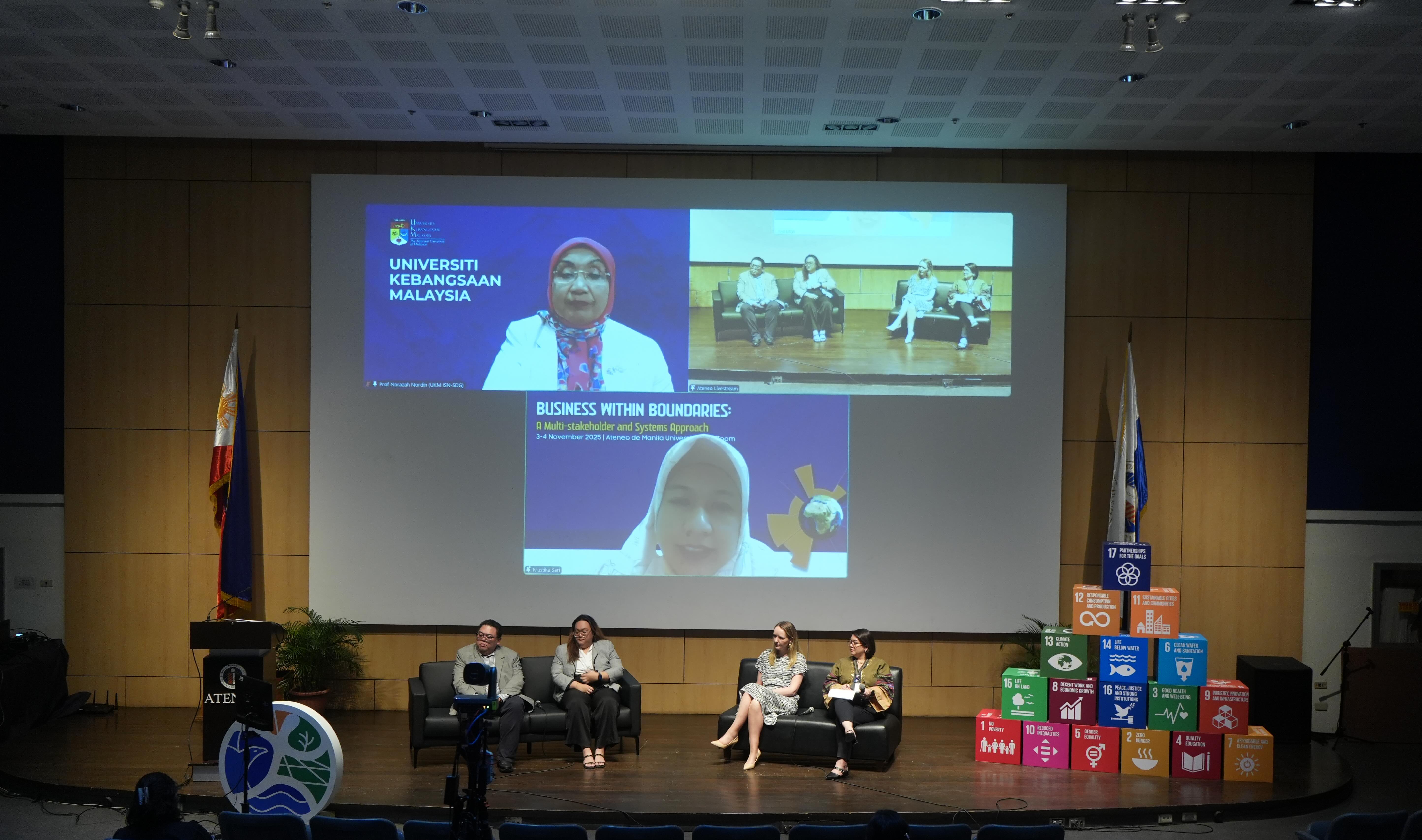
Titled “ASEAN-Australian Dialogues on Sustainability and Resilience,” the third session of the 2-day workshop explored the power of multilateral and interregional collaboration in tackling today’s global challenges from climate change and digital transformation to inclusive education and youth engagement. Reflecting this very spirit of connection, two speakers from the ASEAN region, Dr. Mustika Sari, Lecturer at the Universitas Indonesia, and Prof. Dato’ Dr. Norazah Mohd Nordin, Director of the Centre for International Strategic Negotiation and Sustainable Development Goals at the Universiti Kebangsaan Malaysia, joined the discussion via Zoom, ensuring that the conversation truly crossed borders. They were joined onsite by Ms. Icely Nicole Dy, Co-Chief Executive Officer of the ASEAN-Australian Strategic Youth Partnership; Mr. Brian Co, Assistant Director of the Information Technology Services Office at De La Salle University; and Dr. Moya Collett, Deputy Ambassador of the Australian Embassy to the Philippines. Together, the panelists underscored how ASEAN-Australia partnerships continue to bridge nations and disciplines, proving that sustainability and resilience can only be achieved when collaboration extends beyond boundaries.
Collaboration in Action: Cultivating Sustainable Regional Partnerships
The panelists shared how ASEAN-Australia collaboration is already taking shape across various sectors. Representing the youth, Ms. Dy highlighted the work of the ASEAN-Australia Strategic Youth Partnership (AASYP). The organization mobilizes young leaders and builds cross-border networks, harnessing their expertise to advance conversations and actions around the UN Sustainable Development Goals (SDGs). Among its flagship initiatives is the ASEAN-Australia Young Leaders Forum, which convenes top maritime and blue economy leaders to exchange insights and propose solutions that strengthen cooperation between the two regions.
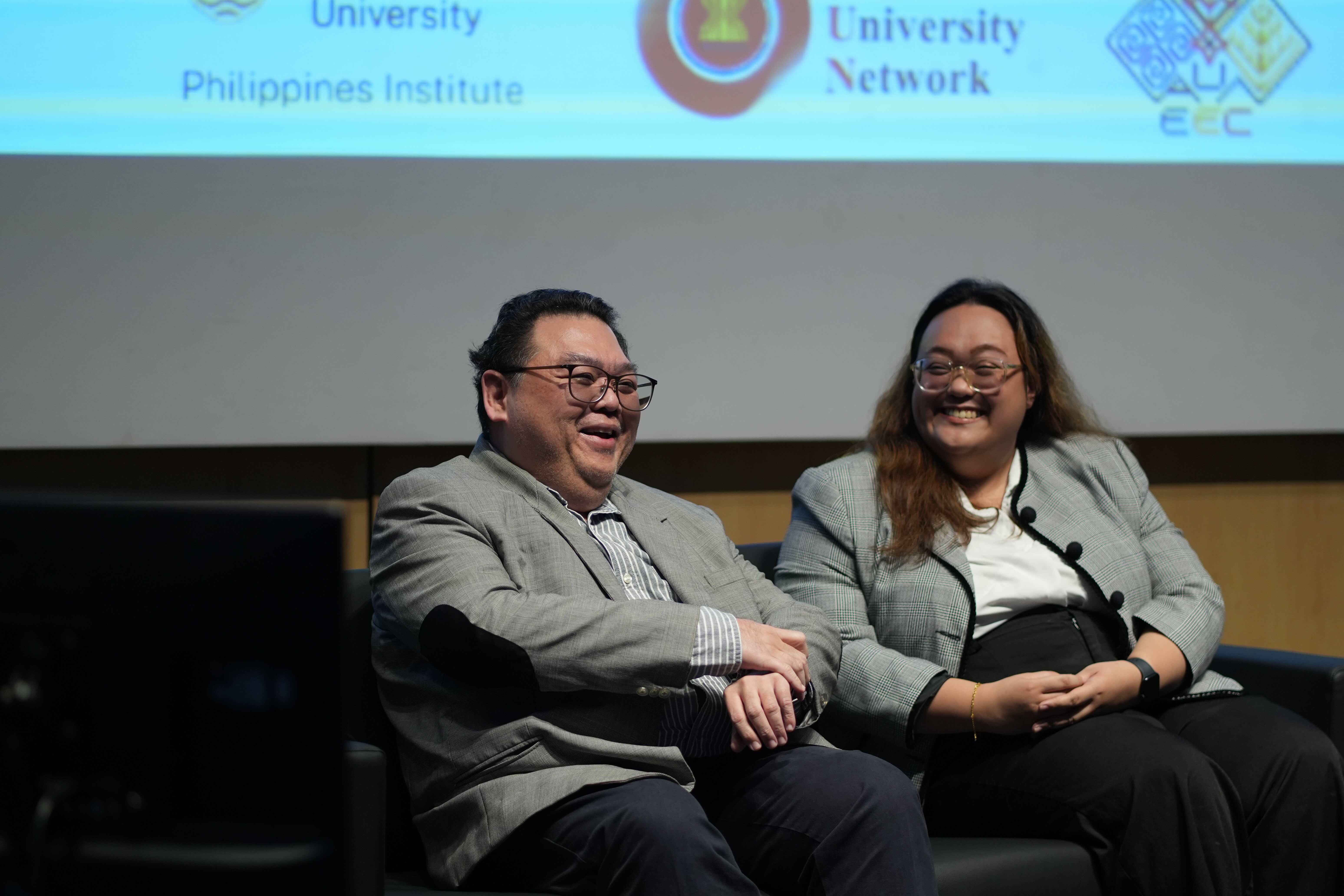
From Indonesia, Dr. Sari shared her ongoing work on developing smart and sustainable cities, a program that bridges academic institutions with real-world impact. Collaborating closely with Ateneo de Manila University and several Australian universities, her team focuses on green design, sustainable urban systems, and sustainability science in practice. As Dr. Sari emphasized, their goal goes beyond academic exchange as these collaborative studies also serve as crucial inputs for policy development and decision-making.
Continuing the discussion from the academic front, Prof. Dato’ Dr. Nordin underscored the need to connect local sustainability initiatives with global sustainability goals. Through her leadership, the university integrates Education 5.0 for Humanity and the SDGs into teaching and research. She shared how AI-driven learning designs, active learning spaces, and living labs have become platforms where students, communities, and industries collaborate to create inclusive, future-ready solutions for sustainability.
Meanwhile, Mr. Co from the Philippines presented the AUN Digital Transformation Thematic Network (AUN-DX), a consortium of ASEAN universities working to establish regional standards for ICT operations. These standards, which cover cybersecurity, infrastructure, and digital service quality, aim to ensure that universities meet both industry demands and educational inclusivity goals. Mr. Co highlighted the need to balance digital efficiency with security, noting that ASEAN-wide standards could soon be adopted nationally to strengthen regional collaboration and resilience.
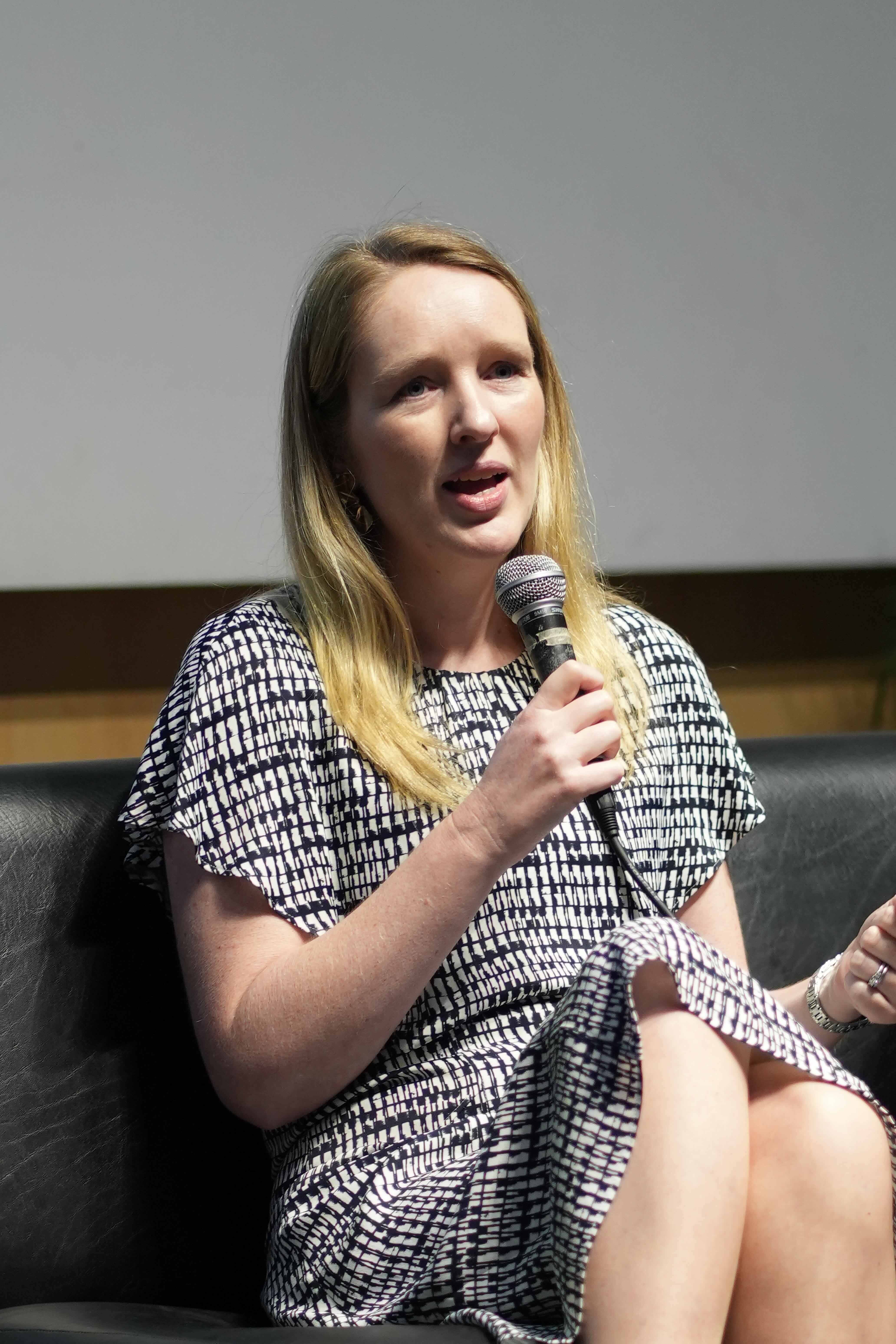
Capping the discussion, Dr. Collett, Deputy Ambassador of the Australian Embassy to the Philippines, reaffirmed Australia’s strong commitment to climate action and regional cooperation. She emphasized that Australia’s upcoming climate change program focused on agriculture will adopt a partnership-driven approach – working closely with the Philippine government, local government units, civil society organizations, and community stakeholders to identify not only what they need but also what they value. Through this collaborative model, Dr. Collett noted, both nations can better address the challenges of climate change by developing locally grounded solutions that can drive sustainable, long-term impact across the region.
The Road Ahead: Challenges and Opportunities
While much progress has been made, the panelists agreed that there is still significant work to be done to sustain and scale up collaboration across the region. Dr. Collett underscored the need to bridge the gap between policy and practice, noting that while the Philippines has strong national frameworks for climate sustainability and resilience, challenges remain at the local level. She explained that national-level policymaking is often robust, but implementation can falter due to bureaucratic blockages and capacity gaps within local government units (LGUs). Many local actors, she observed, lack the technical skills and resources to translate existing policies into tangible results. To help address these gaps, Australia is working to provide technical assistance, capacity-building, and skills development programs in partnership with TESDA, the Department of Education, and local civil society organizations, ensuring that local communities are better equipped to turn national policies into local impact.
Beyond government implementation, the panel also examined the challenges of transforming academic work into actionable change. Dr. Sari emphasized that universities have a critical role in linking research with policymaking – through data sharing, pilot projects, and technical dialogues that directly inform decision-makers. Prof. Dato’ Dr. Nordin added that higher education must embrace Education 5.0 for Humanity, which integrates empathy, technology, and innovation to create more inclusive and future-ready learning systems. Meanwhile, Mr. Co noted that academia and industry need stronger alignment, particularly in the fast-changing field of digital technology, to ensure that students are prepared for the demands of sustainability-driven innovation.
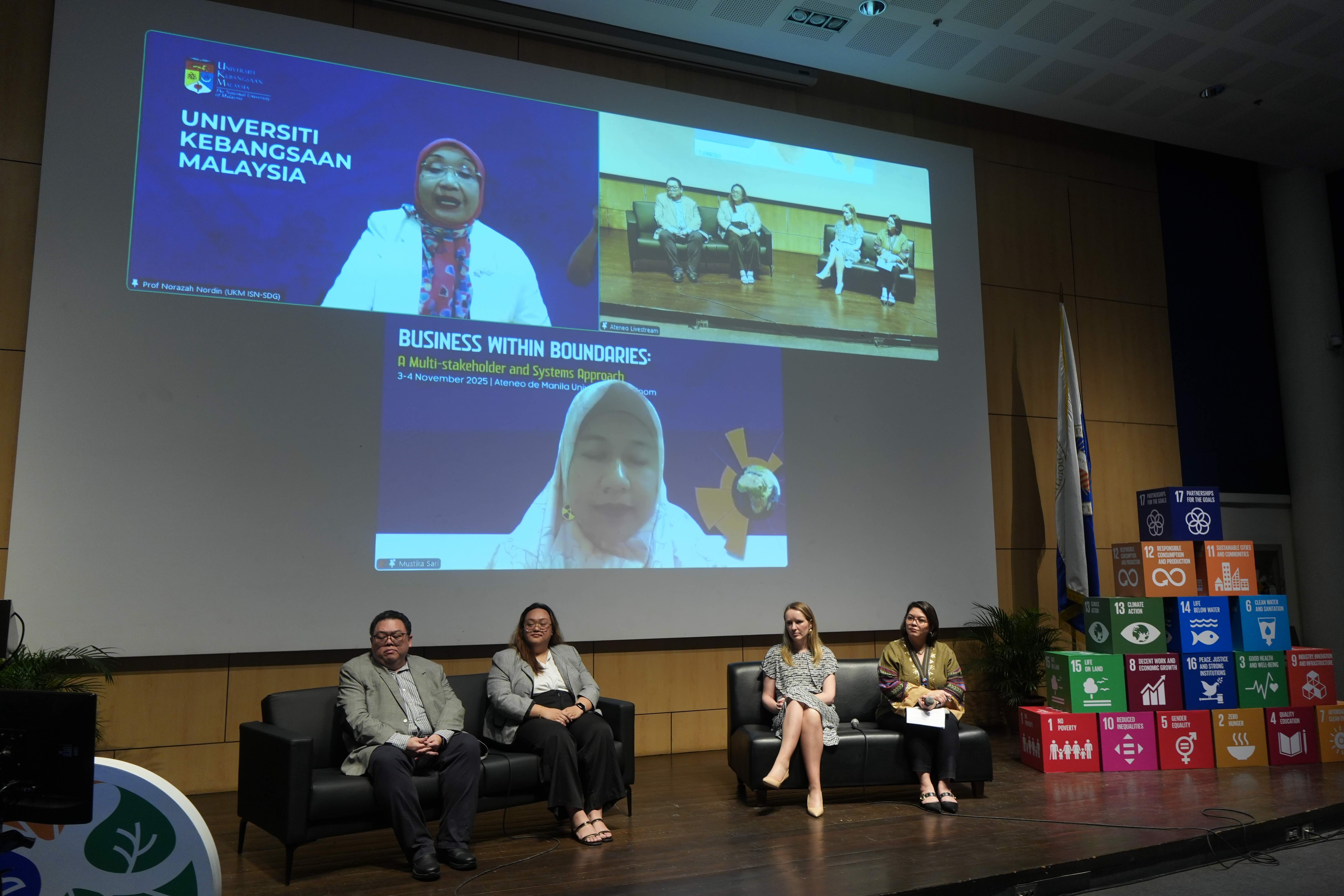
In terms of digital and regional resilience, Mr. Co further highlighted the principle of “doing more with less” through sustainable IT standards. These initiatives aim to address emerging issues in cybersecurity, manpower migration, and AI ethics, while promoting collaboration across ASEAN institutions. His vision is to harmonize academic curricula with industry standards, closing the region’s digital readiness gap and empowering universities to serve as key enablers of sustainable growth.
Taking the conversation further, cross-sectoral engagement and youth inclusion were two things that Ms. Dy reaffirmed. She stressed that the youth should have an equal voice in government, academia, industry, and civil society, as they are not only future leaders but also present-day contributors. Through policy briefs and sustainability reviews, young professionals and advocates are already helping shape regional priorities. Ms. Dy called on institutions to sustain youth participation in policymaking, ensuring that their perspectives continue to inform long-term strategies for sustainability and resilience.
At large, the panelists outlined a number of emerging issues and regional priorities that demand attention. Dr. Collett pointed out that as ASEAN is projected to become the fourth-largest economy in the world by 2040, ensuring economic stability and climate resilience must remain a collective priority. Ms. Dy emphasized the importance of maritime security and blue economy cooperation, particularly in safeguarding ocean resources and water security. Mr. Co reiterated the urgency of digital security and cyber resilience, while Prof. Dato’ Dr. Nordin and Dr. Sari called for efforts to bridge digital divides, expand access to knowledge, and strengthen engagement with rural and marginalized communities.
It is everyone’s business – what we can do moving forward towards a more sustainable and resilient future for all
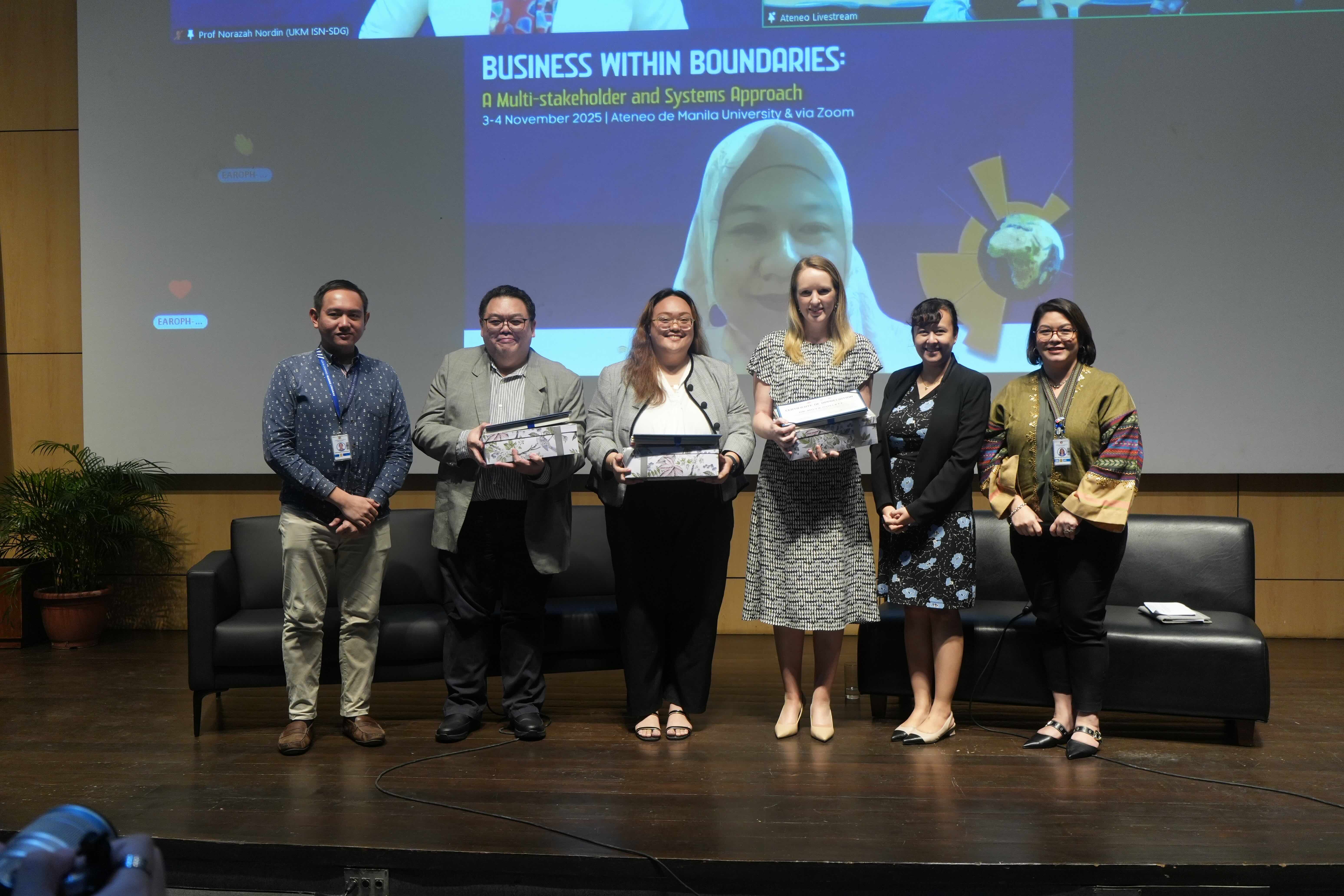
Ultimately, no one can truly “mind their own business” in the face of shared global challenges. The panelists closed with a collective call for collaboration: Prof. Dato’ Dr. Nordin urged greater participation in spaces where researchers, students, and policymakers can co-create transformative solutions; Mr. Co emphasized open dialogue and constructive feedback; and Ms. Dy encouraged young leaders to confidently claim their seat at decision-making tables. Echoing these, Dr. Sari reminded participants to share knowledge beyond familiar circles, while Dr. Collett called for global partnerships that bridge differences and reveal shared humanity. Significantly, the panel asserts that sustainability and resilience are not individual pursuits but collective responsibilities, and that lasting progress depends on the willingness of nations, institutions, and people to work together rather than apart.
Recent News
You may also like these articles
QS Subject Rankings 2026: Ateneo in top 100 for theology; ranked in 7 subject areas
Ateneo de Manila University is among the top institutions in seven subject areas, and among the top 100 for theological and religious studies, according to
AJHS delegate Sannie Pascua wins Best Position Paper at Poveda Model UN 2026
Ateneo de Manila Junior High School (AJHS) marked a milestone in its Model United Nations (MUN) journey at the 4th Poveda Model United Nations (POVMUN)

Confucius Institute at Ateneo celebrates Chinese New Year 2026 with cultural programs and community partnerships
福到,好运到!新春马年,马到成功! Fú dào, hǎo yùn dào! Xīn chūn mǎ nián, mǎ dào chéng gōng! When fortune arrives, good luck follows; in this Spring Festival of
Congratulations to Dominic Craig Carpio (2 AB ECO-H) for placing 2nd in the EDSA Kwarenta Essay Writing Contest
The Department of Economics warmly congratulates Dominic Craig Carpio (2 AB ECO-H) for placing 2nd in the EDSA Kwarenta Essay Writing Contest. This achievement reflects
Ateneo Korean Studies Program Concludes KFL Workshop for Filipino Educators
The Ateneo Korean Studies Program, in partnership with the Global Leadership Development Institute, King Sejong Institute Quezon City 2, and the Dr. Rosita G. Leong
Deanship of the Dr Rosita G Leong School of Social Sciences (Memo # U2526-071)
(Memo # U2526-071) Following the appointment of Dr Czarina A Saloma-Akpedonu as the new Vice President for Higher Education effective 1 June 2026, I have formed a Search Committee for the next Dean of the Dr Rosita G Leong School of Social Sciences (RGLSOSS).