Konnichiwa, Japan: a story of culture and connection
17 Jul 2025 | Austin Saulong (6-Canisius Class of 2025)

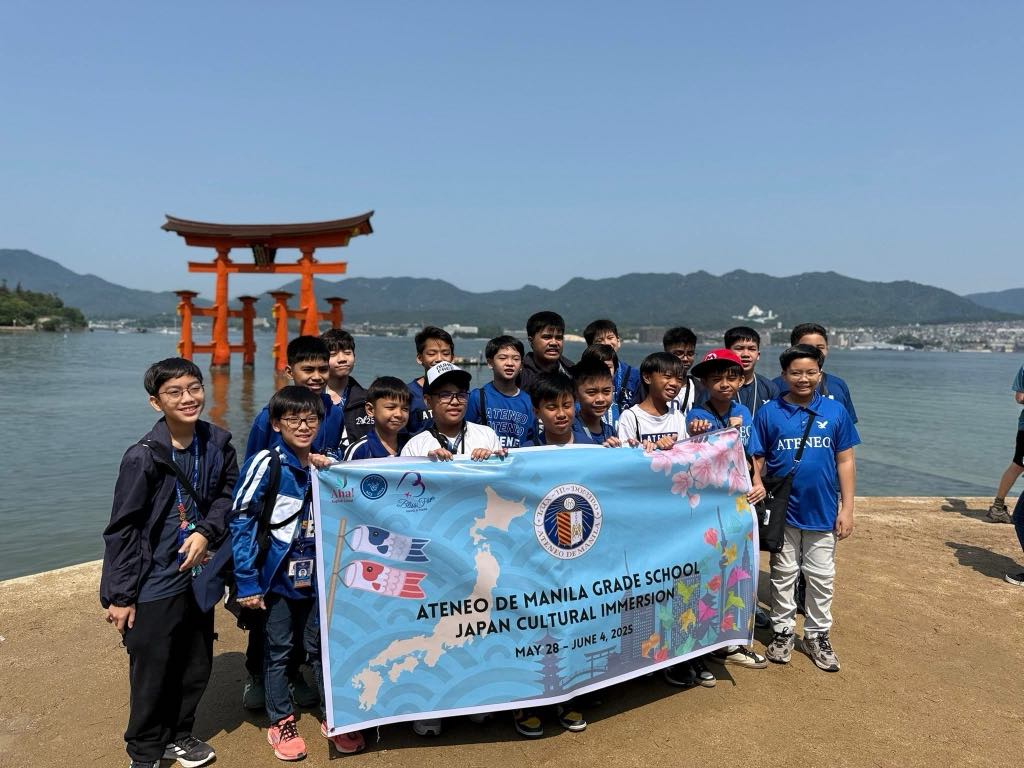
Ateneo de Manila Grade School’s Japan Cultural Immersion Program took place from 28 May to 4 June 2025.
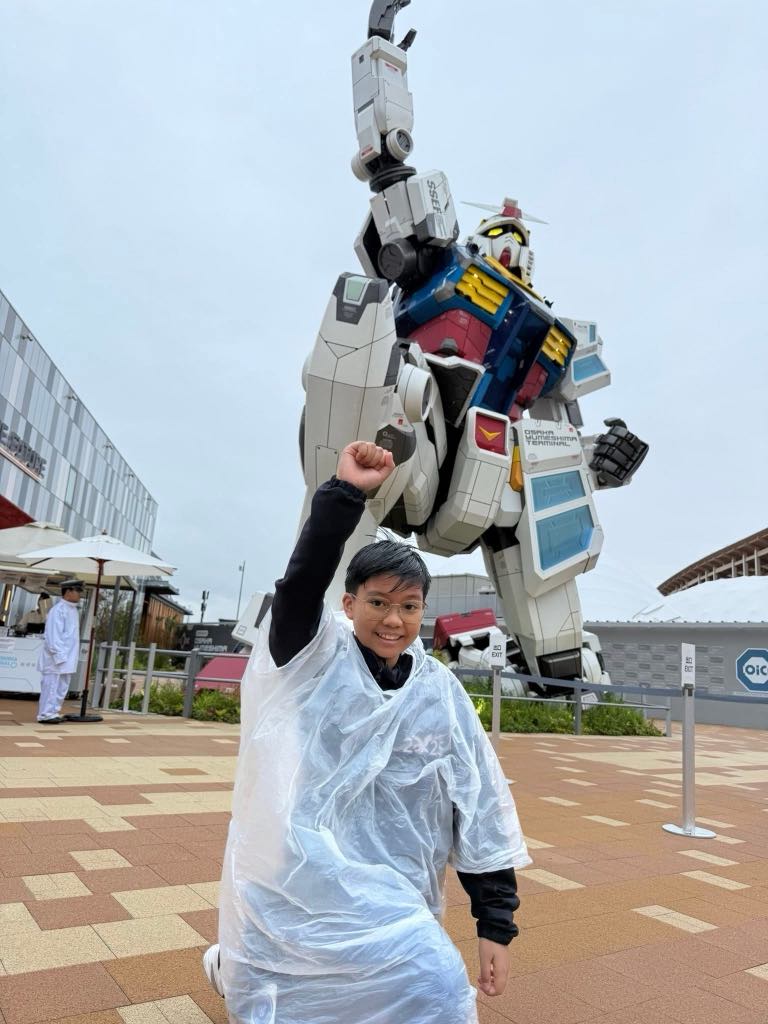
My name is Austin Saulong of 6-Canisius. This summer, I was given an amazing opportunity to travel to Japan with my schoolmates and teachers through the cultural immersion program organized by Ateneo Grade School (AGS). Since it was my second time joining the program, I was able to prepare better for the trip. Traveling without my family made me more responsible and disciplined, especially when it came to taking care of myself and looking out for my friends.
It was a great experience to learn more about Japanese culture, which always shows politeness, cleanliness, and respect. In Japan, people often use public transportation like trains and trams to get around. I really admired their smart train system—it was very convenient and easy to use. I even learned a few Japanese words, like konnichiwa, which means “hello,” and arigatou gozaimasu, which means “thank you very much.”
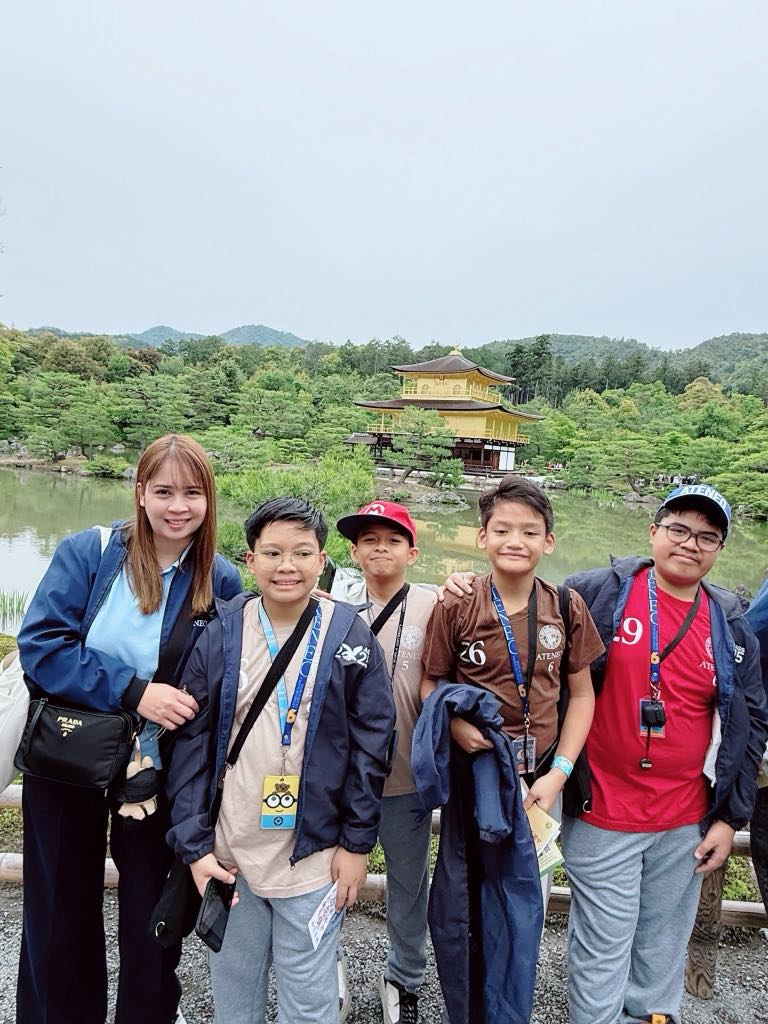
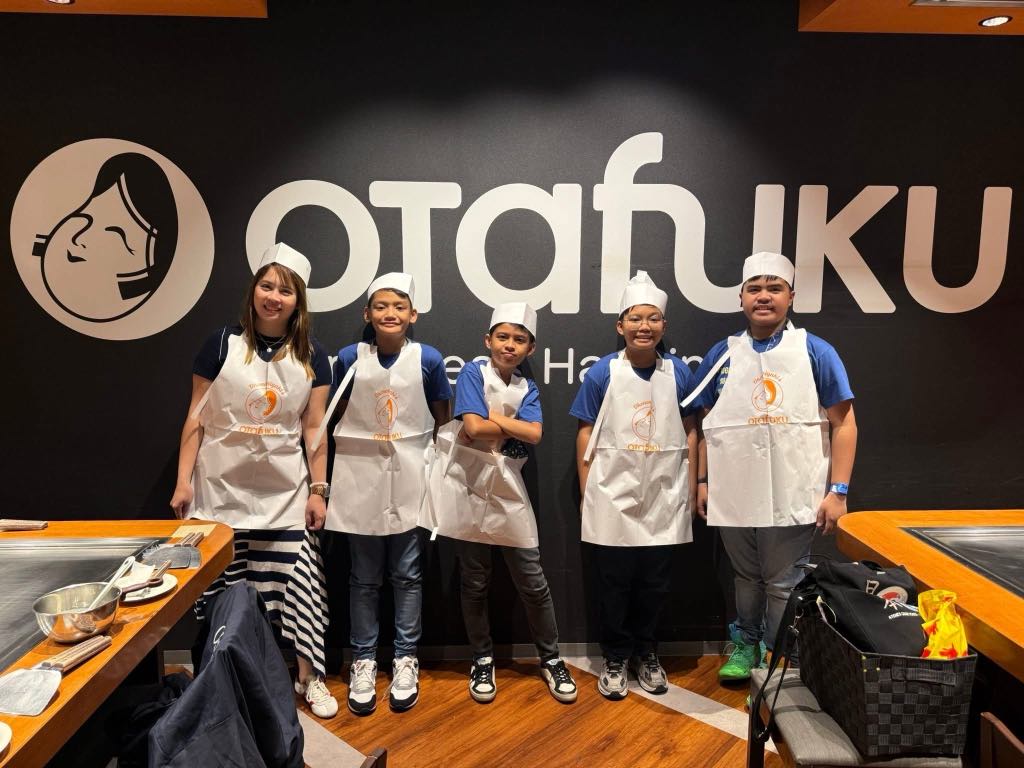
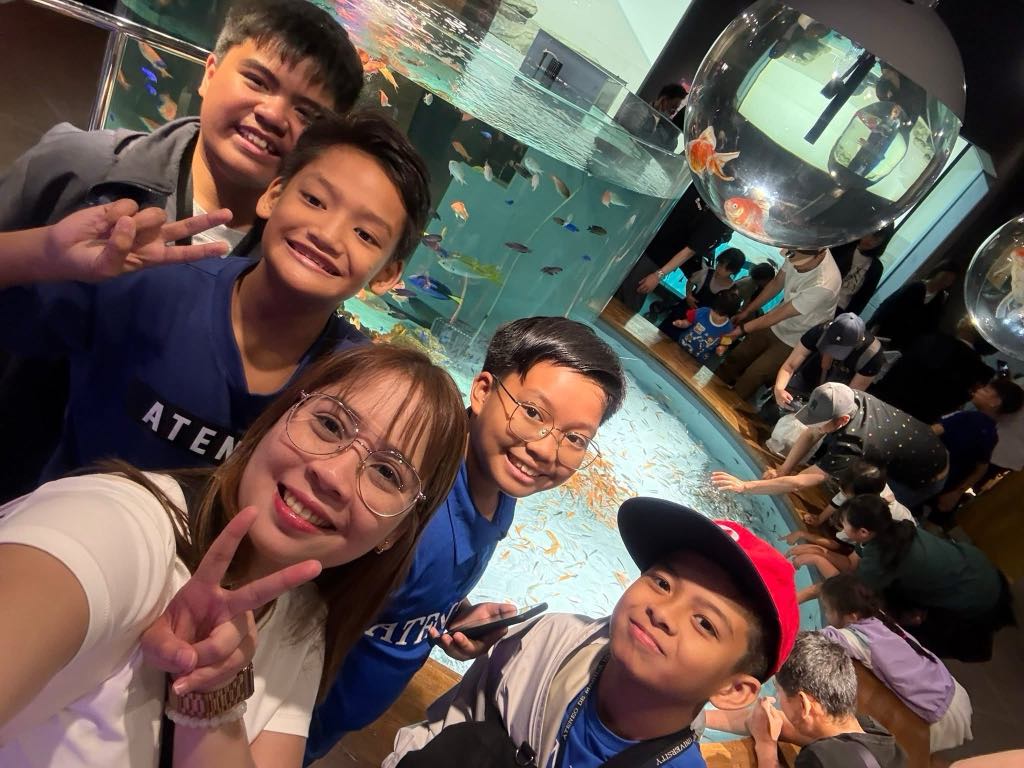
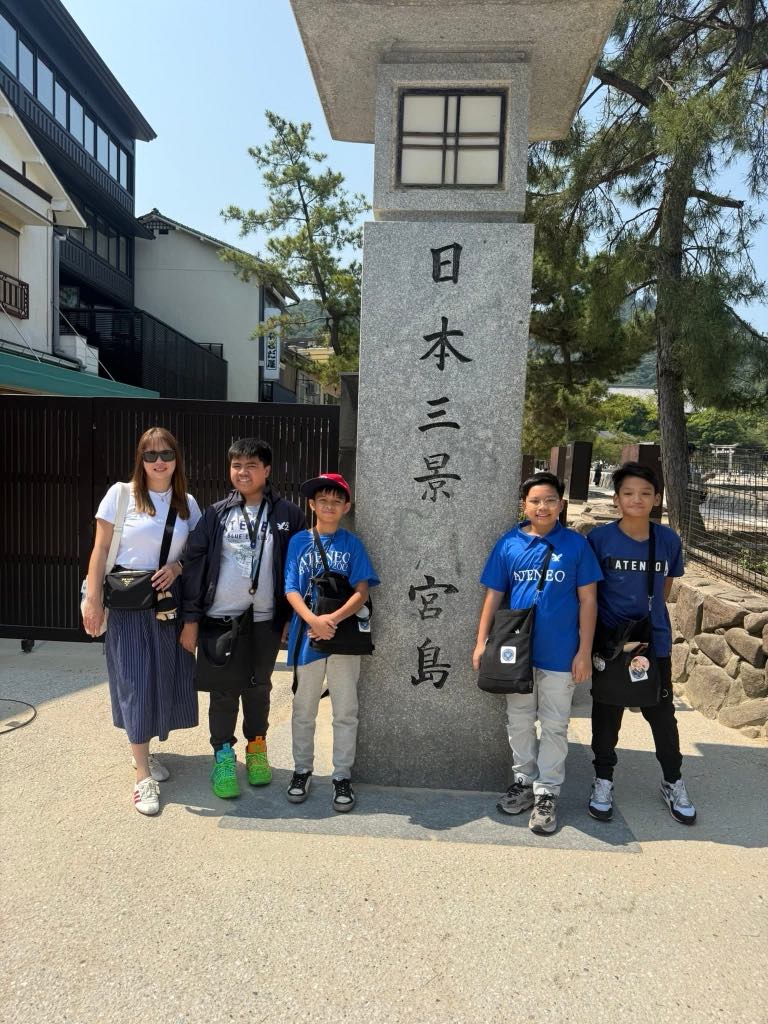
I will never forget the fun experiences I shared with my groupmates, like making okonomiyaki and participating in a traditional tea ceremony. One of my most memorable moments was visiting the Itsukushima Shrine and going to an aquarium where we watched a sea lion show. I was amazed by the beauty of the shrine and the incredible skills of the sea lions!
On our seventh day in Japan, we visited Notre Dame Seishin Elementary School. The campus was big, and I was excited to meet my Seishin partner. When we entered the school, we had to take off our shoes and wear indoor shoes called uwagutsu. We then met our partners and performed the Itik-Itik dance, which imitates the movements of a duck. In fact, itik means “duck” in English. After the performance, I played Japanese games with my partner. I especially enjoyed the game where you launch a ball into the air and try to balance it on a stick.
We also tried Japanese calligraphy, and I learned how to write my name in Japanese! After the games, we attended an English class where we interviewed students from Seishin. We asked them questions like their favorite color, birthday, how they were feeling, favorite Pokémon, and favorite pet. After class, we ate lunch—and I was surprised to see that the students serve their own food!
Later that afternoon, we played dodgeball outside and continued bonding with our Seishin partners. What really surprised me was when we went back to the classroom and were told to clean up ourselves. It showed how responsible the students were, and it made me realize that we should be like them too. Our last activity for the day was visiting the chapel, where we beautifully sang Anima Christi. Although our time there was short, it was truly unforgettable and full of joy.
In conclusion, I learned more about Japanese culture, visited many interesting places, met and bonded with my Seishin partner, learned some Japanese words and how to write my name, and made fun memories with my groupmates and teachers. It was a wonderful experience I will always treasure.
Recent News
You may also like these articles
QS Subject Rankings 2026: Ateneo in top 100 for theology; ranked in 7 subject areas
Ateneo de Manila University is among the top institutions in seven subject areas, and among the top 100 for theological and religious studies, according to
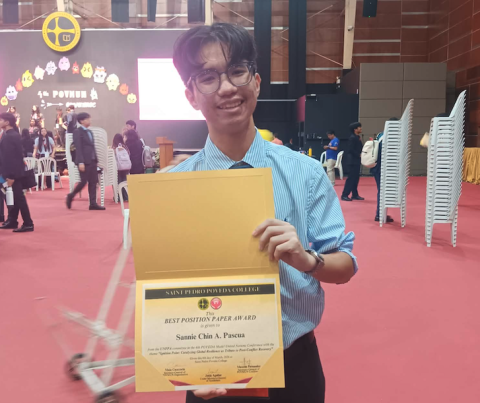
AJHS delegate Sannie Pascua wins Best Position Paper at Poveda Model UN 2026
Ateneo de Manila Junior High School (AJHS) marked a milestone in its Model United Nations (MUN) journey at the 4th Poveda Model United Nations (POVMUN)
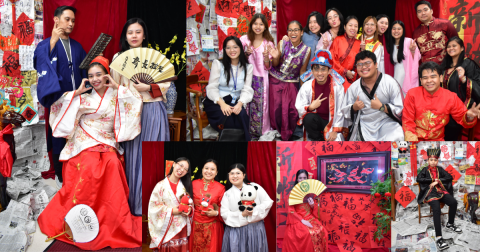
Confucius Institute at Ateneo celebrates Chinese New Year 2026 with cultural programs and community partnerships
福到,好运到!新春马年,马到成功! Fú dào, hǎo yùn dào! Xīn chūn mǎ nián, mǎ dào chéng gōng! When fortune arrives, good luck follows; in this Spring Festival of
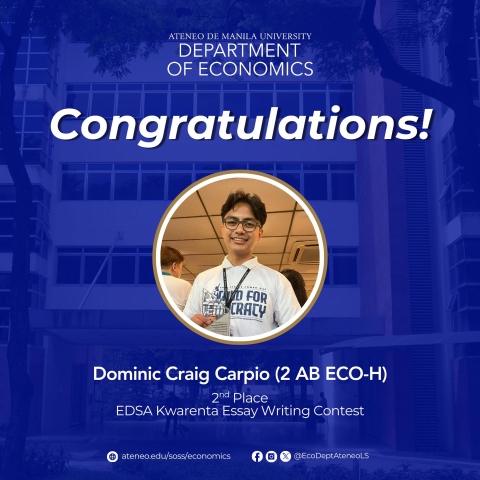
Congratulations to Dominic Craig Carpio (2 AB ECO-H) for placing 2nd in the EDSA Kwarenta Essay Writing Contest
The Department of Economics warmly congratulates Dominic Craig Carpio (2 AB ECO-H) for placing 2nd in the EDSA Kwarenta Essay Writing Contest. This achievement reflects
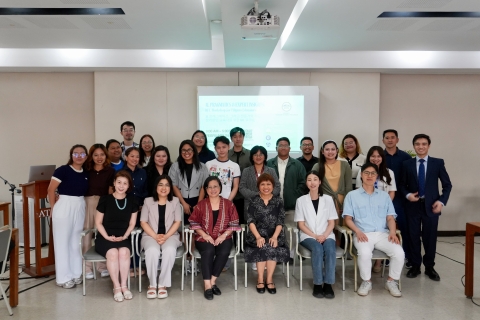
Ateneo Korean Studies Program Concludes KFL Workshop for Filipino Educators
The Ateneo Korean Studies Program, in partnership with the Global Leadership Development Institute, King Sejong Institute Quezon City 2, and the Dr. Rosita G. Leong
Deanship of the Dr Rosita G Leong School of Social Sciences (Memo # U2526-071)
(Memo # U2526-071) Following the appointment of Dr Czarina A Saloma-Akpedonu as the new Vice President for Higher Education effective 1 June 2026, I have formed a Search Committee for the next Dean of the Dr Rosita G Leong School of Social Sciences (RGLSOSS).