Study examining influence of screen time on child development recognized at 23rd University Scholarly Work Awards
03 Jun 2024 | Kathrine Joyce R Molit
In today's digital era, understanding how screen time affects children's development is essential. Dr Angel Belle C Dy's research, "Measuring Effects of Screen Time on the Development of Children in the Philippines: A Cross-sectional Study," addresses this crucial issue, providing insights into the developmental consequences of excessive screen use among young Filipino children. This groundbreaking study offers valuable information for parents, educators, and policymakers aiming to balance the advantages of technology with its potential developmental risks.
Study Findings
Dr Dy's study revealed significant negative effects on children's development associated with more than two hours of screen time per day. Specifically, two-year-olds exposed to excessive screen time exhibited lower receptive and expressive language scores. Additionally, prolonged screen use was linked to diminished personal skills, interpersonal relationships, and play and leisure abilities.
A strong correlation was found between parents' screen habits and their children's screen time. Children were more likely to engage in excessive screen use if their parents also had high levels of screen engagement, highlighting the importance of parents modeling healthy screen habits. The study also emphasized the benefits of co-viewing, where children showed less excessive screen media use when watching with an adult, sibling, or other children. This finding suggests that active parental engagement during screen time can mitigate some negative effects associated with screen use.
Research Motivation and Methodology
Dr Dy was motivated to conduct this study after observing an increase in parents seeking developmental screenings for their children, often expressing concerns about extended screen time. Recognizing the lack of Philippine-based studies on this topic, she aimed to explore the relationship between screen time and child development in the local context.
The study was conducted entirely online during the pandemic, presenting challenges in recruitment and data collection. It relied on volunteer participation from parents and professionals who helped invite participants. Dr Dy acknowledges that the restrictions brought about by the pandemic reached families with access to technology, limiting the generalizability of the findings to less connected communities.
Impact of the Pandemic
The COVID-19 pandemic significantly influenced the study's findings, with data indicating a substantial increase in screen time. As children's daily routines were disrupted and reliance on digital platforms for education and recreation grew, screen time surged. This increase reflects the broader societal shift towards greater digital engagement due to pandemic-related restrictions.
Screen Time Recommendations
In line with global health guidelines, the study recommends limiting screen time for young children to no more than one hour per day. It also stresses the importance of high-quality content and the context in which screen media is used. By emphasizing these factors, Dr Dy's research offers a roadmap for fostering healthier screen use among children, ensuring that technology serves as a tool for enhancement rather than a detriment to development.
Dr Dy's research holds significant implications for the Ateneo School of Medicine and Public Health (ASMPH), the broader Ateneo community, and the Philippines. The insights gained can inform child development policies and parental advisories, highlighting the need for a balanced approach to technology use. For the medical community, the study underscores the importance of guiding parents on healthy media habits and integrating this knowledge into pediatric care.
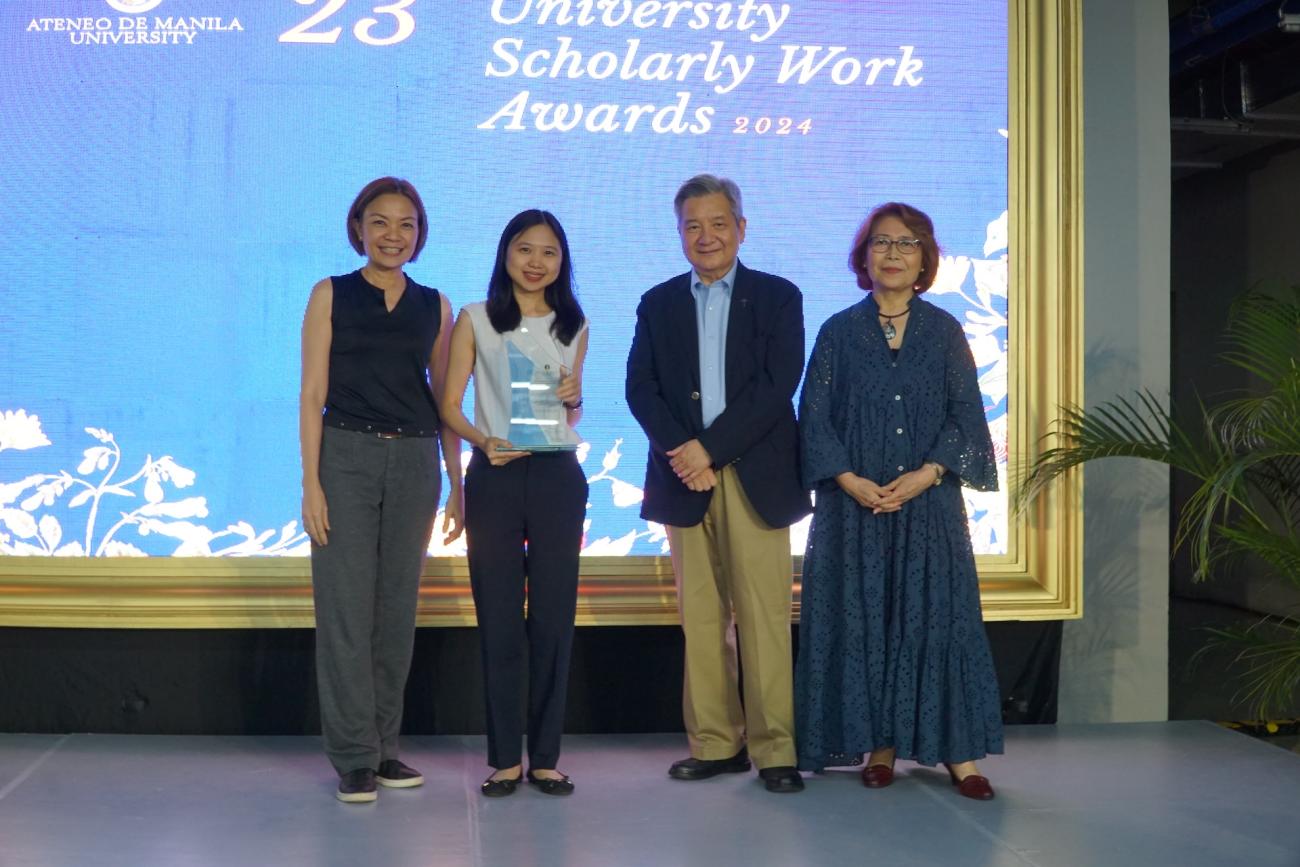
Dr Angel Belle C Dy, along with her colleagues Alane Blythe C Dy and Samantha Katrina Santos, received the Outstanding Scholarly Work Award from the Office of the Associate Dean for Research and Creative Work of Ateneo de Manila University.
Dr Dy's research on the effects of screen time on children's development provides critical insights for the digital age. By highlighting the risks of excessive screen time, the influence of parental habits, and the benefits of co-viewing, her study offers a roadmap for fostering healthier screen use among children. As we navigate the complexities of parenting in the digital era, Dr Dy's work serves as a vital resource for creating a balanced and developmentally supportive environment for the youngest members of our society. She calls on actionable policies and practices to protect young children and empower families in navigating the digital age.
About Dr Angel Belle C Dy
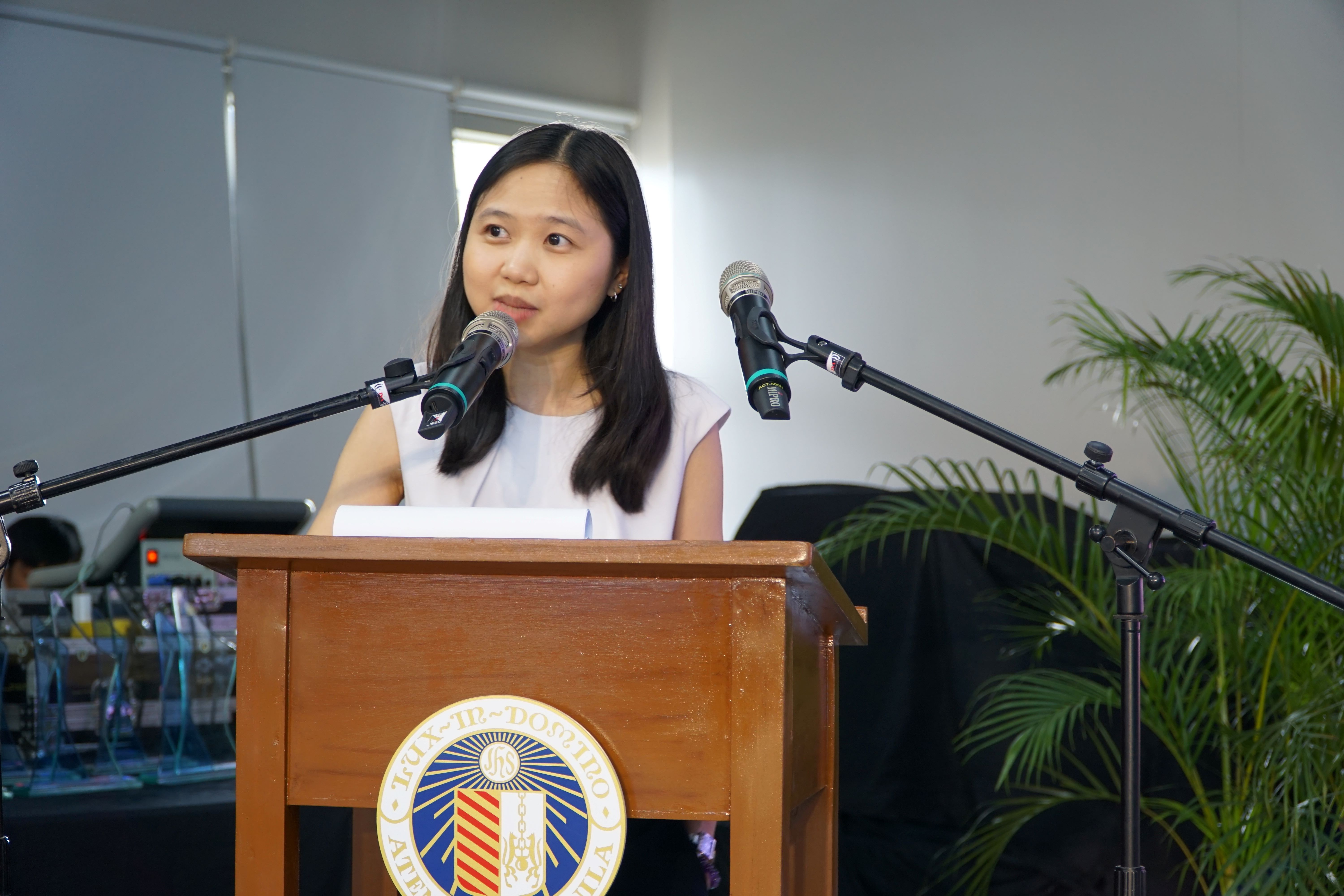
Dr Dy is a distinguished clinician specializing in autism and neurodevelopmental disorders. She is also a researcher of the ASMPH Center for Research and Innovation (ACRI) with a Bachelor’s degree in Public Health from the University of the Philippines, Manila, and a Doctor of Medicine and Master in Business Administration from Ateneo de Manila University School of Medicine and Public Health. She completed the International Training Program in Neurodevelopmental Disorders at the UC Davis MIND Institute, postgraduate certificate training in Demography and Health at the London School of Hygiene and Tropical Medicine and completing a Master’s degree in Infant, Early Childhood and Family Mental Health and Development at Fielding University. As a clinician with the Growing Brain PH Medical Clinic and a faculty member at ASMPH, Dr Dy is dedicated to advancing child development practices and policies.
Recent News
You may also like these articles
ASOG’s Tobacco Control initiatives spotlighted in DOH National Technical Working Group for Tobacco Prevention and Control
On March 10 to 12, 2026, the Ateneo School of Government (ASOG), through its research and public policy unit, the Ateneo Policy Center, participated in
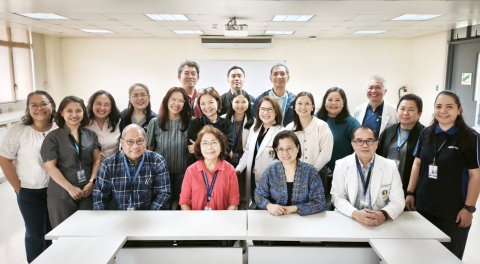
ASMPH welcomes incoming VPHE, honors the service of VP Marlu Vilches
The Ateneo School of Medicine and Public Health (ASMPH) recently held a transition meeting marking an important leadership shift within the University’s Higher Education cluster
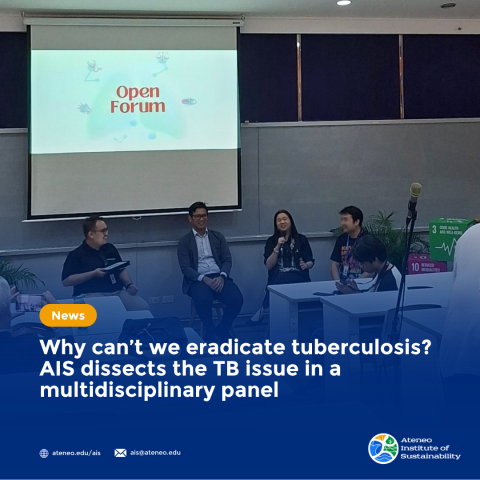
Why can’t we eradicate tuberculosis? AIS dissects the TB issue in a multidisciplinary panel
On 24 March 2026, the Ateneo Institute of Sustainability (AIS), through its Sustainable Development Goals (SDGs) Program, hosted a multidisciplinary panel in observance of World
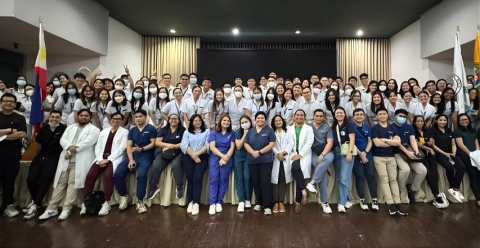
Vertical integration in ASMPH: A shared neurology preceptorial experience
In the Ateneo School of Medicine and Public Health (ASMPH), the commitment to vertical integration continues to grow stronger. This meaningful collaboration brings together YL6

Interweaving disciplines for a healthier future together: Highlights from the UHC Summit 2026
The Rosita G Leong Primary Healthcare Hub (RGL Hub) co-presented the flagship initiative of Project LAAN, the Universal Health Care Summit (UHC Summit), on 14
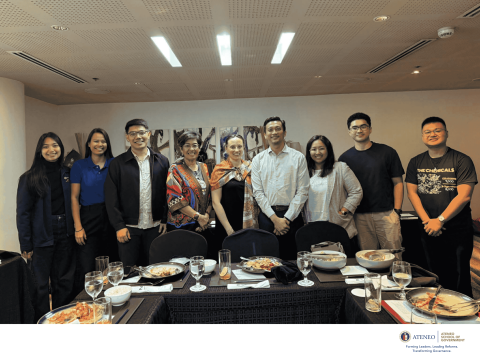
ASOG meets with Department of Health—Bureau of International Health Cooperation to strengthen institutional partnership
On 27 February 2026, the Ateneo School of Government (ASOG), through its research and public policy unit, the Ateneo Policy Center, held a courtesy meeting