ASMPH Faculty and Staff Conference 2025: Strengthening our foundation, shaping our future
17 Jul 2025




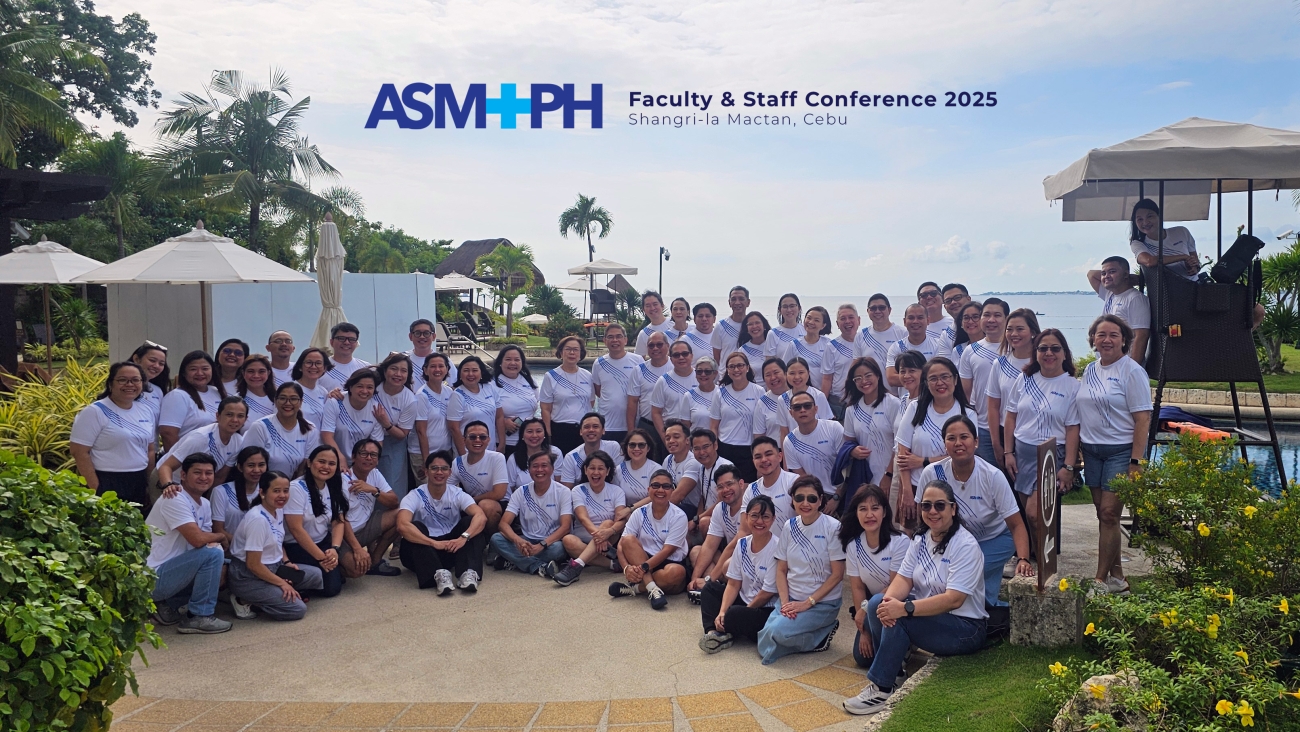
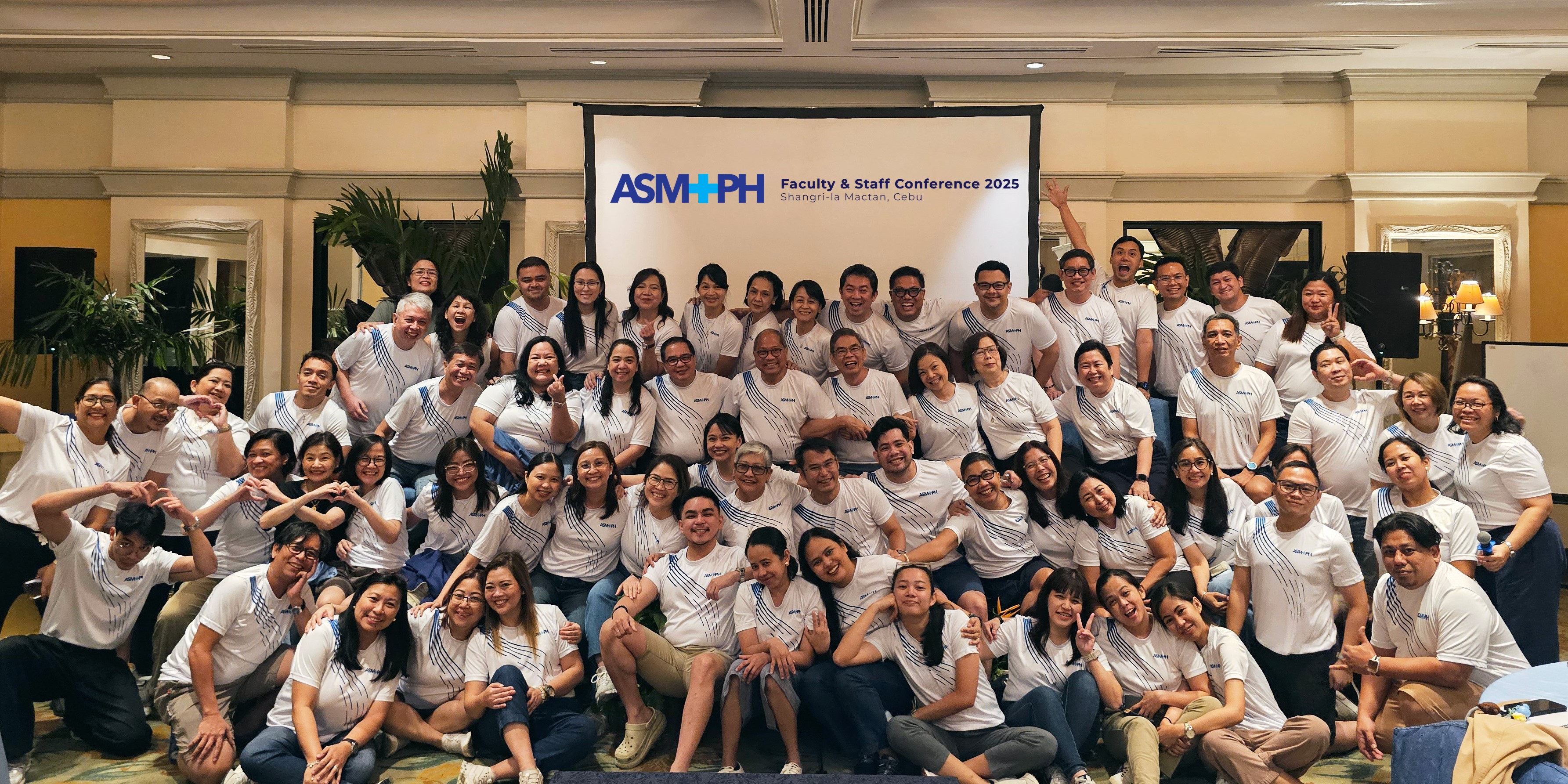
On 26-27 June 2025, the Ateneo School of Medicine and Public Health (ASMPH) faculty and staff gathered at Shangri-La Mactan, Cebu for the annual Faculty and Staff Conference—this time in a setting as inspiring as the work ahead.
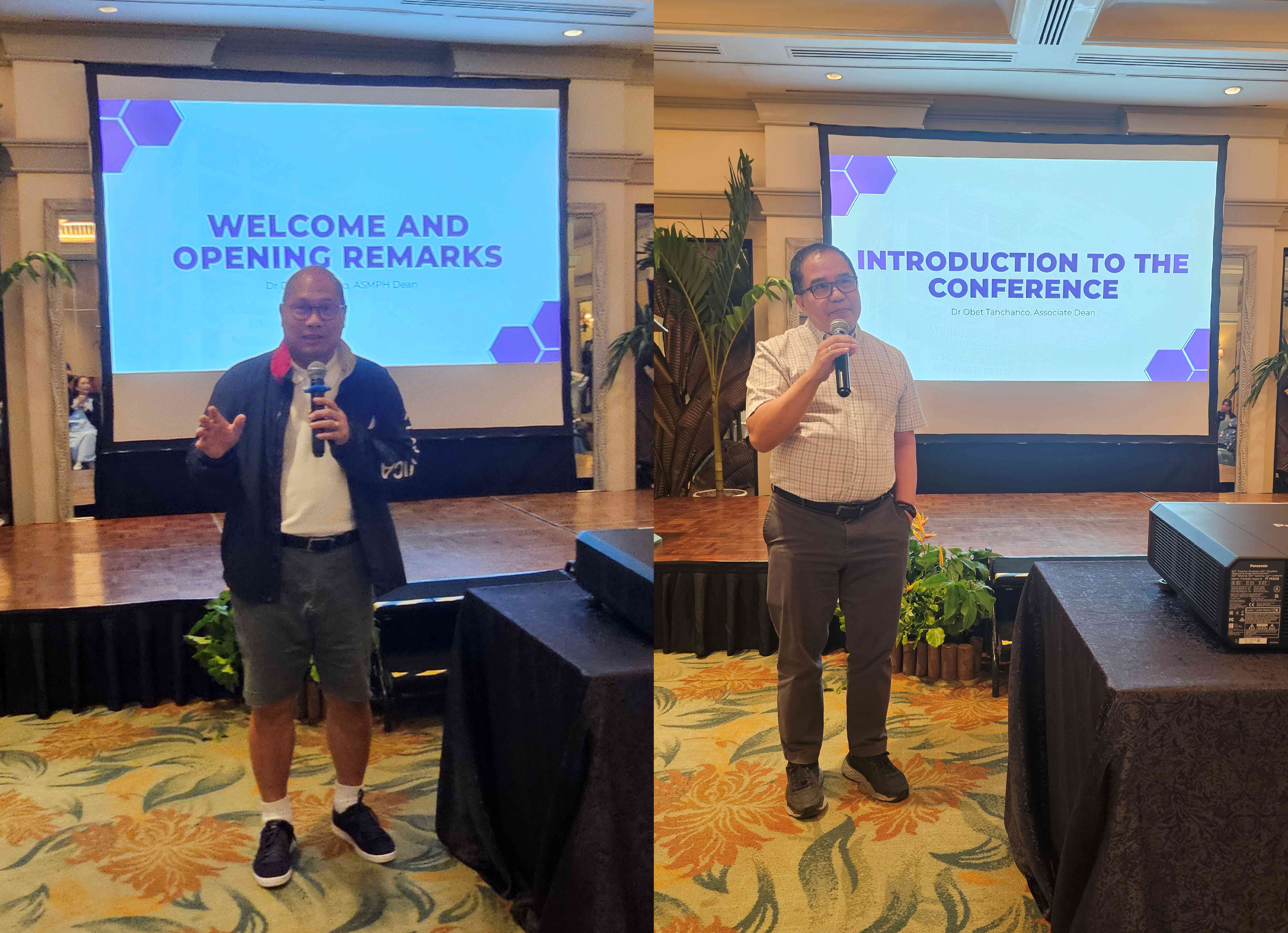
The conference opened with Dean Cenon “Dodie” Alfonso’s invitation to reimagine the way ASMPH works: "When a constructivist, creative space is given, we can come up with something truly aligned with our mission and values." The change in venue—from traditional halls to a beachside resort—was intentional. It served as a reminder that with every five-year curriculum cycle comes the opportunity to build something new. And this year, that includes submitting the new curriculum to CHED and moving decisively toward assessment based on KPIs—asking the hard questions: Are we truly contributing to health systems reform? Are we moving closer to health equity?
Newly appointed Associate Dean Roberto “Obet” Tanchanco followed with a stirring introduction to the conference. He began with a story about a doctor who is also a medical academic and the parent of a recent ASMPH graduate. She had approached him to express her amazement—not only at her daughter’s clinical, public health, and management skills, but more so at the way she approached each treatment decision with empathy and care. The mother then asked a striking question: “How did you do that? How did you form a heart?” That moment, he said, captured the deeper purpose of ASMPH: to transform the health system one doctor at a time—starting with doctors who serve with competence, conviction, and compassion.
Over the two days, the conference focused on revisiting the curriculum—learning objectives, content, pedagogy, experience and assessment through the lens of the recently concluded MD-MBA Program Review. Day One began with a presentation of the results of the Program Review, followed by a group pulse and open forum. The session aimed to describe the highlights of the review and begin the important task of determining its implications on each year level/cluster and their corresponding modules.
In the afternoon, small group discussions allowed clusters to engage deeply with the draft Program Learning Outcomes (PLOs) and the Key Performance Indicators (KPIs) that measure their validity and effectiveness. Thanks to the tireless work of the Medical Education Quality Assurance Unit (MEQAU), in collaboration with the Dean’s Council and members of the Associate Dean’s Council, 11 PLOs were drafted—one more than CHED requires, because ASMPH continues to go beyond. The plenary discussions provided opportunities to clarify, challenge, and refine the proposals. The role of AI—whether AI-free, AI-assisted or even AI-integrated learning experiences and assessments were all factored into the discussions.
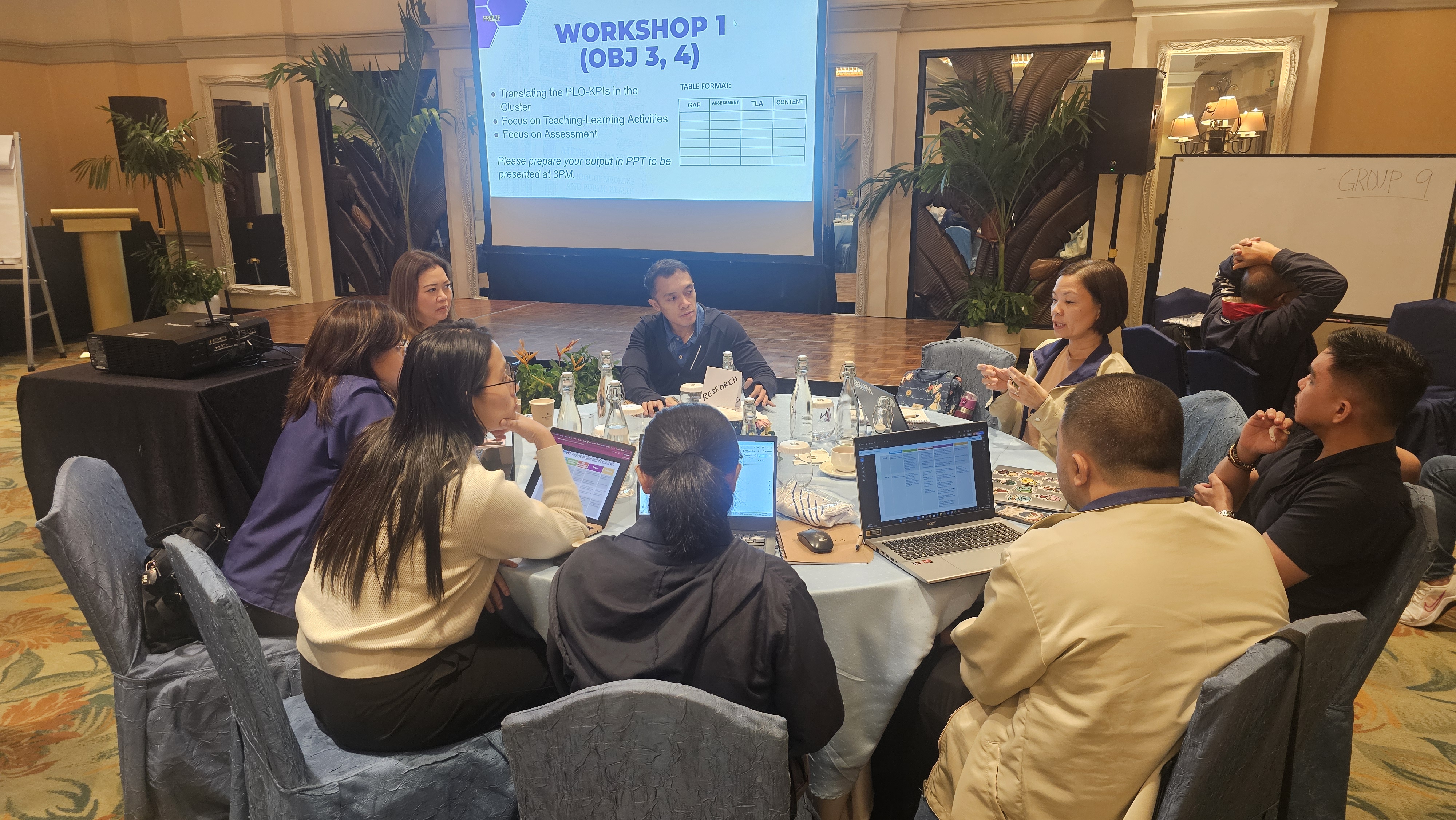
Day One concluded with a workshop translating PLOs and KPIs into practical strategies within the clusters—especially on teaching-learning activities and assessment. The day ended with a synthesis session, an end-of-day examen, and a lively Fellowship Dinner, where faculty and staff bonded over food, drinks, music, and spontaneous and heartfelt performances. The laughter and connection reminded everyone that ASMPH isn’t just an institution; it’s a family.

Day Two opened with renewed energy as participants returned for another round of workshops—this time focused on reimagining the so-called Community-based Medical Education as a quintessential element of a socially accountable medical education institution such as ASMPH. A very specific community clinic site of Sapang Palay in San Jose del Monte, Bulacan was cited as the potential venue of this shift. The Sapang Palay facility is owned by the Medical Missions, Incorporated is being offered by its owner to ASMPH under a usufruct agreement for long-term use free of charge. Ateneo de Manila University is exploring the feasibility to develop a primary healthcare hub there that can be the venue of the community-based medical education of ASMPH. This initiative is envisioned to become a formative ground where students can live out the call to be doctors-for-others, outstanding clinicians, dynamic leaders and social catalysts. In many ways, it was a continuation of the “doctor with a heart” narrative that opened the conference—an institutional step toward forming not just physicians, but changemakers.
The final group pulse captured the mood: replies like “excited,” “optimistic,” and “G!” reflected a shared sense of readiness. One very Gen Alpha answer—“sus”—stood out, perhaps expressing a note of caution, serving as a timely reminder that even as we move forward with enthusiasm, a little healthy skepticism helps us reflect more deeply and be mindful of the risks intertwined with opportunities, before making big decisions.
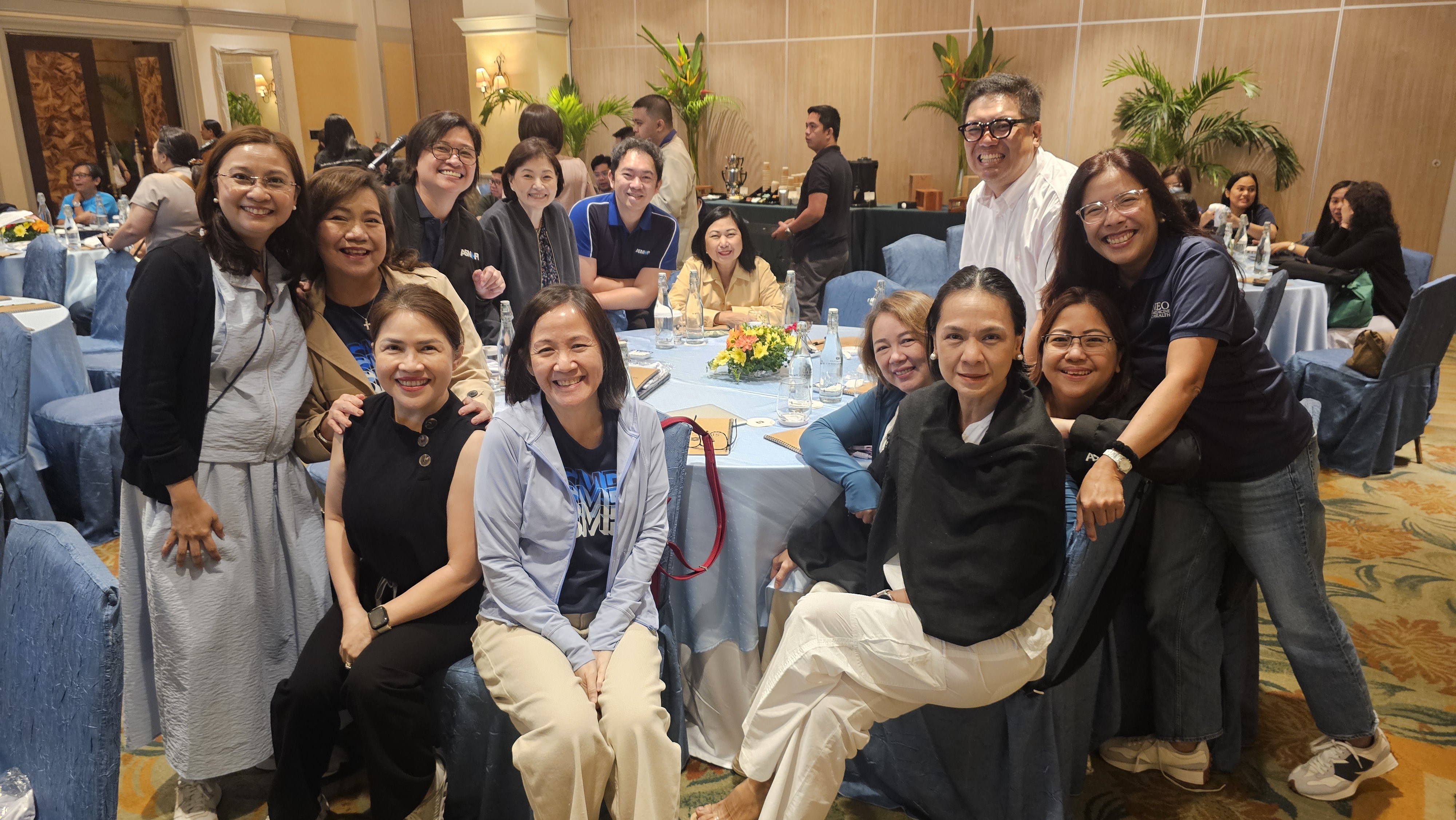
The plenary reports and conference synthesis tied together key insights and commitments. A closing prayer offered gratitude for the two days of reflection, growth, and shared purpose.
More than a break from the formal conference mold, this year’s gathering signaled a refreshed ASMPH—one committed to quality, to community, and to the formation of doctors with a heart.
Recent News
You may also like these articles
ASOG’s Tobacco Control initiatives spotlighted in DOH National Technical Working Group for Tobacco Prevention and Control
On March 10 to 12, 2026, the Ateneo School of Government (ASOG), through its research and public policy unit, the Ateneo Policy Center, participated in
ASMPH welcomes incoming VPHE, honors the service of VP Marlu Vilches
The Ateneo School of Medicine and Public Health (ASMPH) recently held a transition meeting marking an important leadership shift within the University’s Higher Education cluster
Why can’t we eradicate tuberculosis? AIS dissects the TB issue in a multidisciplinary panel
On 24 March 2026, the Ateneo Institute of Sustainability (AIS), through its Sustainable Development Goals (SDGs) Program, hosted a multidisciplinary panel in observance of World
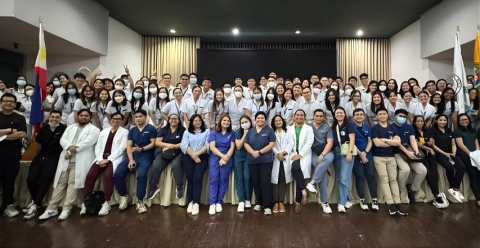
Vertical integration in ASMPH: A shared neurology preceptorial experience
In the Ateneo School of Medicine and Public Health (ASMPH), the commitment to vertical integration continues to grow stronger. This meaningful collaboration brings together YL6
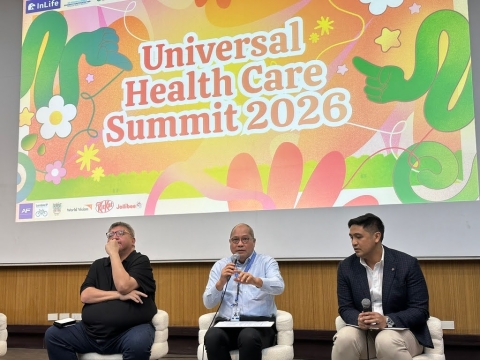
Interweaving disciplines for a healthier future together: Highlights from the UHC Summit 2026
The Rosita G Leong Primary Healthcare Hub (RGL Hub) co-presented the flagship initiative of Project LAAN, the Universal Health Care Summit (UHC Summit), on 14
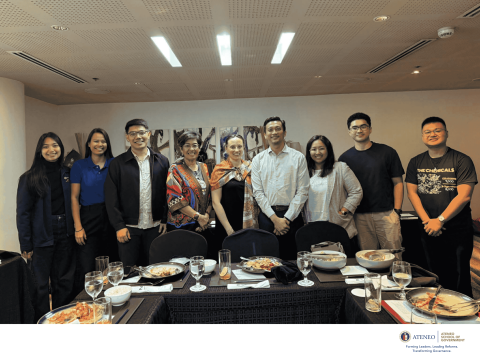
ASOG meets with Department of Health—Bureau of International Health Cooperation to strengthen institutional partnership
On 27 February 2026, the Ateneo School of Government (ASOG), through its research and public policy unit, the Ateneo Policy Center, held a courtesy meeting