AIS and AUN-EEC hold 6th Conference on Ecological Education and Culture on Climate Change Education
11 Sep 2025 | By Shane Dominique Ubana and Justine Ysabelle Barrion









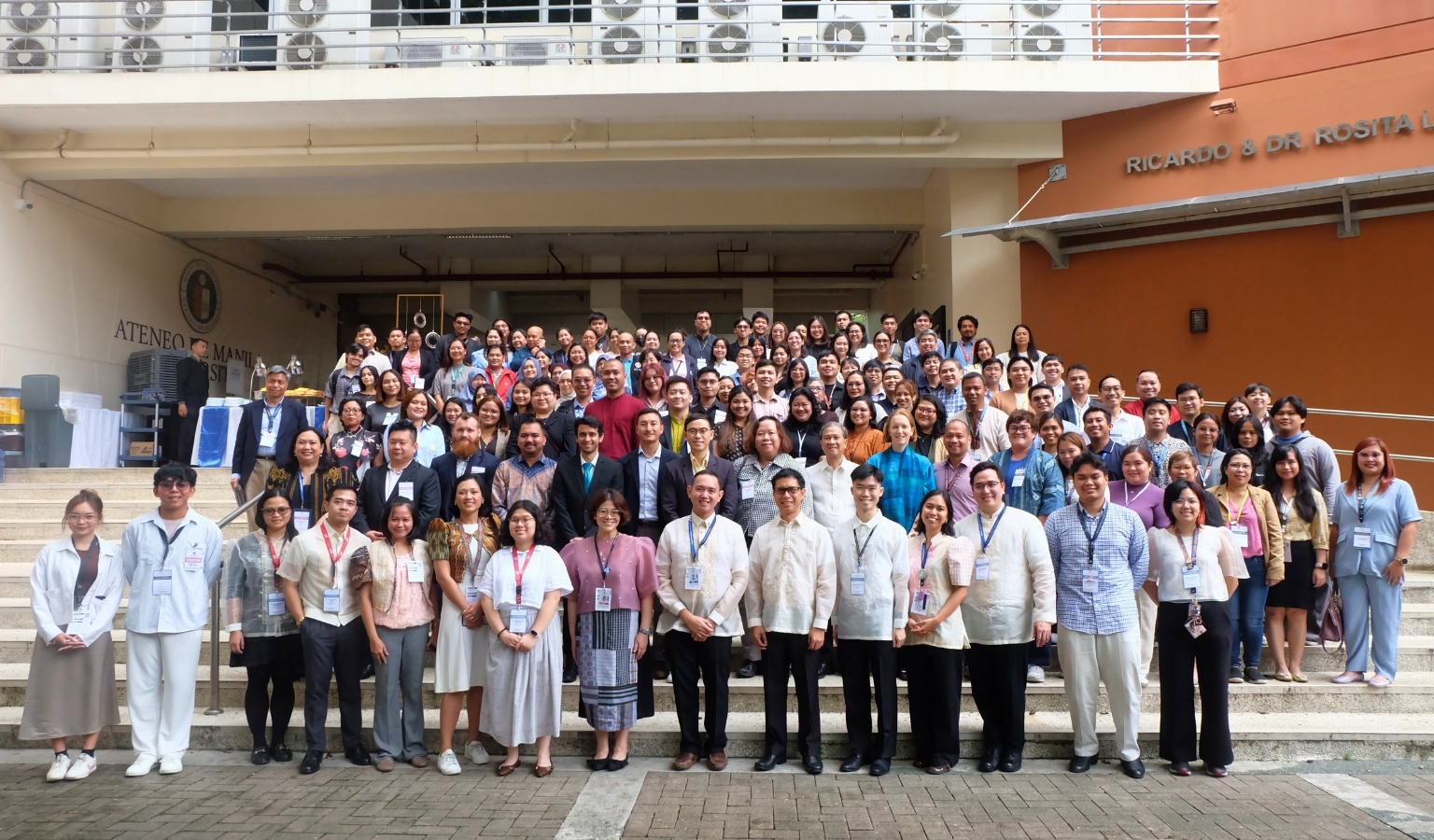
Held from 27 to 28 August 2025, the 6th AUN-EEC Conference on Ecological Education and Culture was organized by the ASEAN University Network on Ecological Education and Culture (AUN-EEC), housed at the Ateneo Institute of Sustainability, and co-organized by the Deutsche Gesellschaft für Internationale Zusammenarbeit – South-South Collaboration on Climate Information and Services Project (GIZ SSCIS). This year’s theme, “Room Temperature: Current Response and Action in Climate Change Education,” focused on possible ways in which climate issues can be communicated to diverse audiences depending on their needs.
Over 300 participants from Malaysia, the Philippines, the United States, Guinea, Singapore, Indonesia, Japan, and Cambodia attended the two-day event on-site at Ateneo de Manila University and online via Zoom. With individuals coming from diverse backgrounds and areas of expertise, the conference proper reflected a wide range of perspectives that deepened the conversation on responding to and acting on climate change through education. The program was composed of keynote lectures, panel discussions, parallel paper presentations, and various workshops – each posting insightful discussions, questions, and points of action to the audience.
Context: Understanding Where We Are
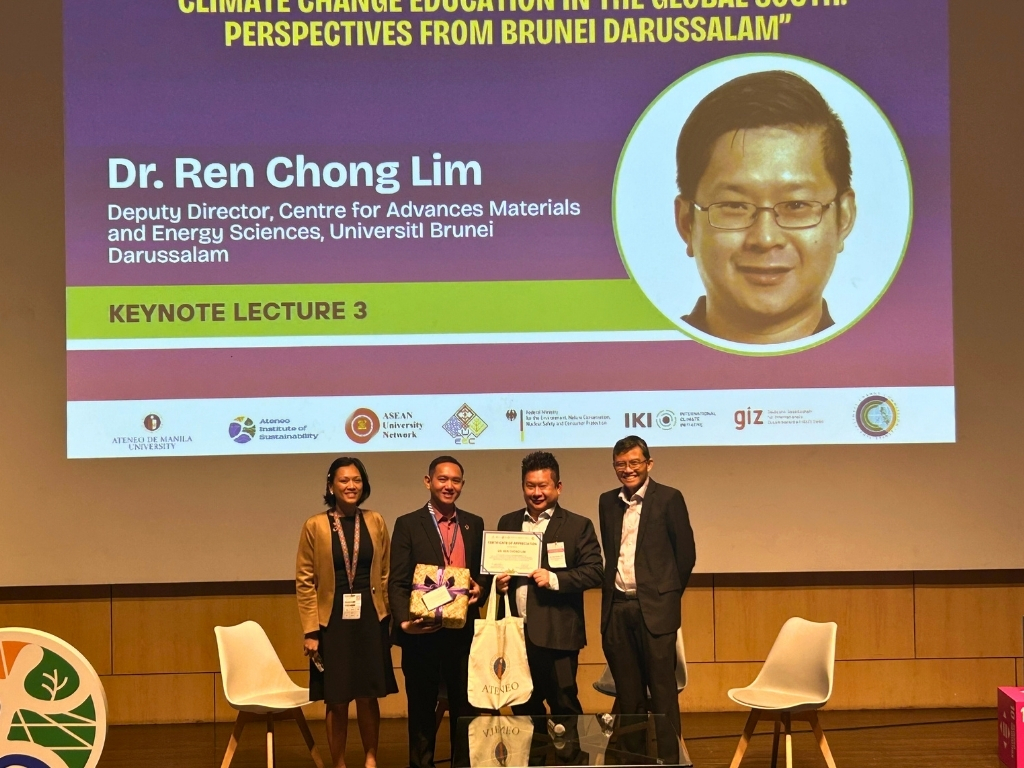
In any educational space, knowing the context of the audience is key in making things relevant. In his keynote lecture, Dr. Ren Chong Lim, from the Universiti Brunei Darussalam, talked about the Intergovernmental Panel on Climate Change’s (IPCC) role in ensuring regular assessment reports on the barriers, challenges, and potentials for climate change – emphasizing that informed decisions are most impactful. Furthering this, he highlights that higher education institutions take the role of raising awareness on climate change, identifying the relevant stakeholders in the process, and collaborating with relevant industries and enterprises. Dr. Lim asserts that there is hope as long as we take action immediately: “These challenges [that we are dealing with] can be turned around into opportunities.”
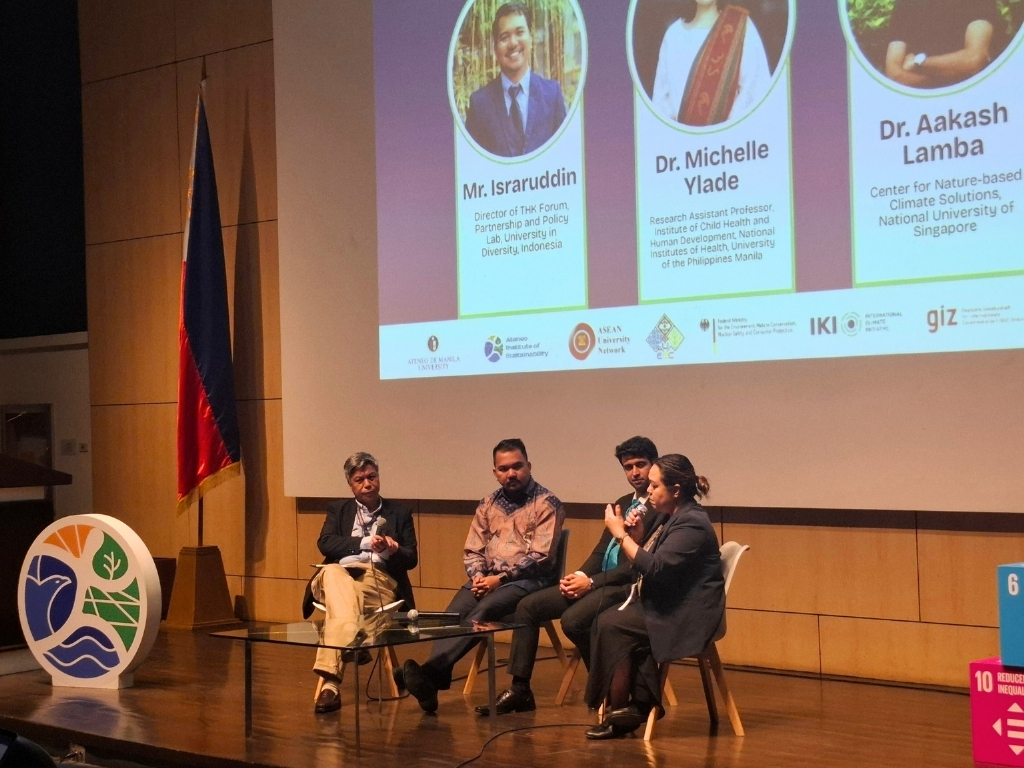
Extending the conversation, the first panel discussion encouraged finding innovative methods of protecting and restoring natural ecosystems. One goal stated was that of making the issue of climate change more interdisciplinary by connecting it to various concepts and issues. Modules were created by Dr. Michelle Ylade for barangay health workers to integrate climate issues into health, with the goal of raising discussion about climate change as a driver of risk for diseases. Similarly, Dr. Aakash Lamba recommended and researched policies to help ensure that protected areas are following sustainability principles. His goal is to find the most optimal policies that work in this field. Mr. Israruddin, on the other hand, emphasized that making this work entails building trust amongst important stakeholders such as the government, business, and civil society sectors. This information also needs to be communicated in an understandable and accessible manner by meeting the target audience where they are.
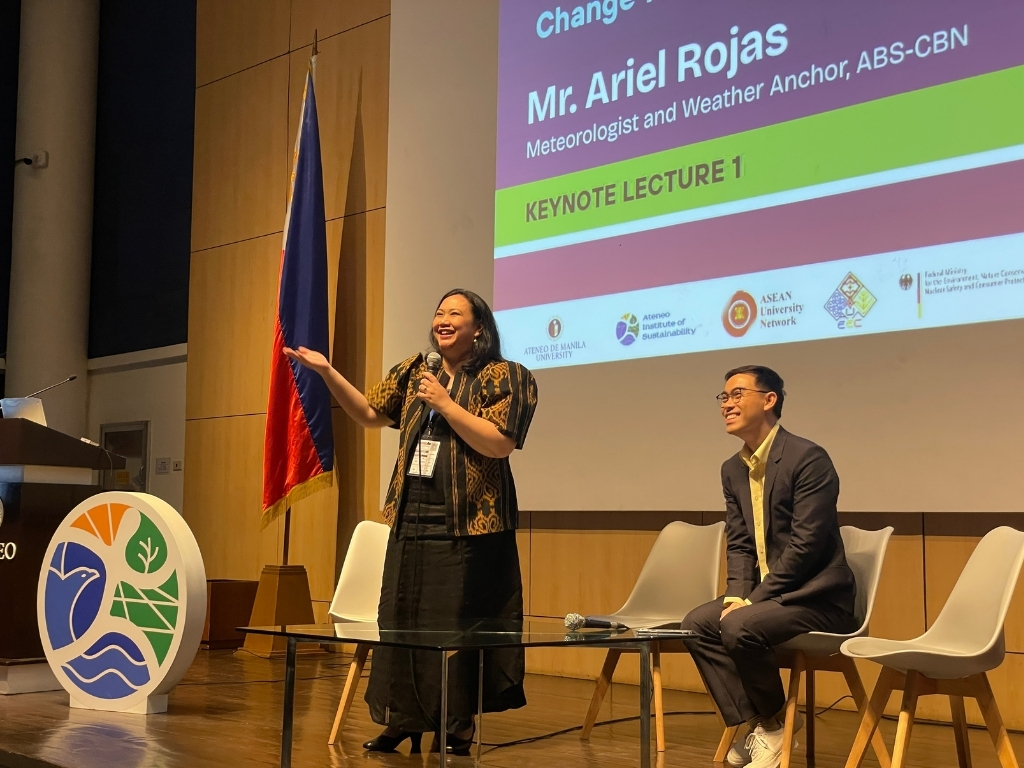
In the same vein, Mr. Ariel Rojas, the resident meteorologist of ABS-CBN, known for his “Panahon This Week” and other weather updates on social media, shared an important insight: “Climate communication is about connection. When we connect, we can turn awareness into action.” This connection, relatability, and “meeting audiences where they are” is the fruit of understanding context.
The Power of Telling a Story
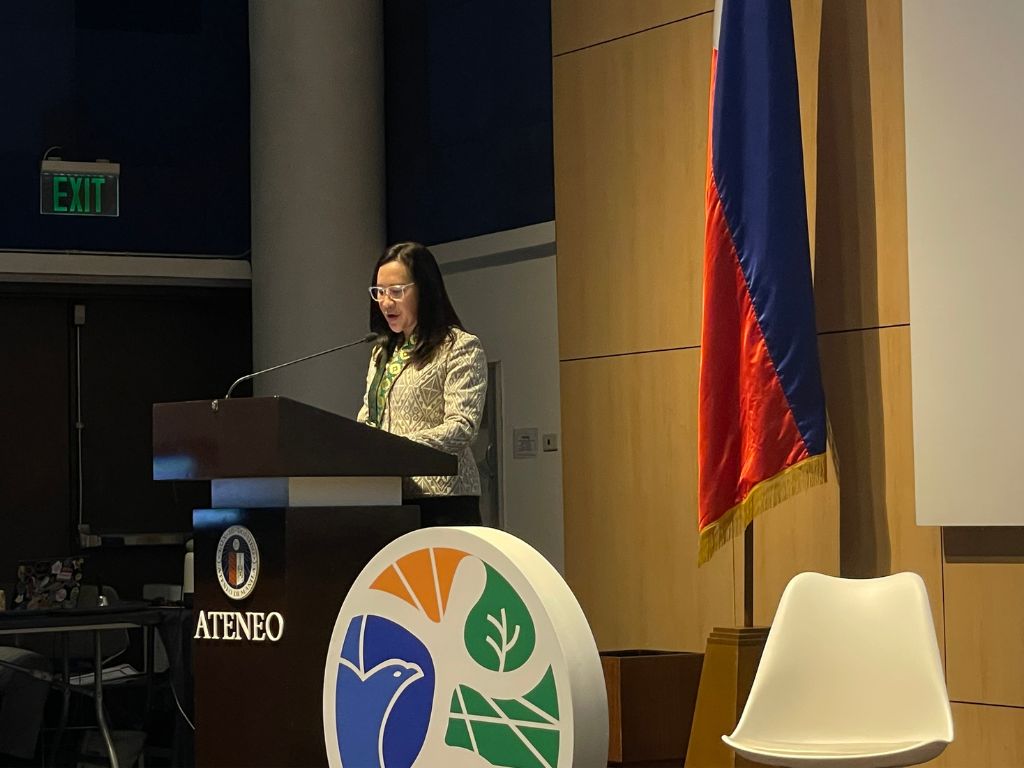
The idea of storytelling was at the heart of many of the speakers’ messages. In her message of support, Quezon City Mayor Joy Belmonte spoke about how effective communication strategies and solutions are applied across all aspects of life. The city government maximizes the power of storytelling through delivering environmental media programs such as Usapang QC and procuring storybooks on climate and air quality. Following this, German Ambassador to the Philippines, Dr. Andreas Michael Pfaffernoschke talked about the urgent need to address the climate crises through education and creative ways, beyond the presentation of scientific data. He spoke of a more grounded approach of telling people’s stories that emanate the reality of the climate crisis, as this would be the element that moves people into action.
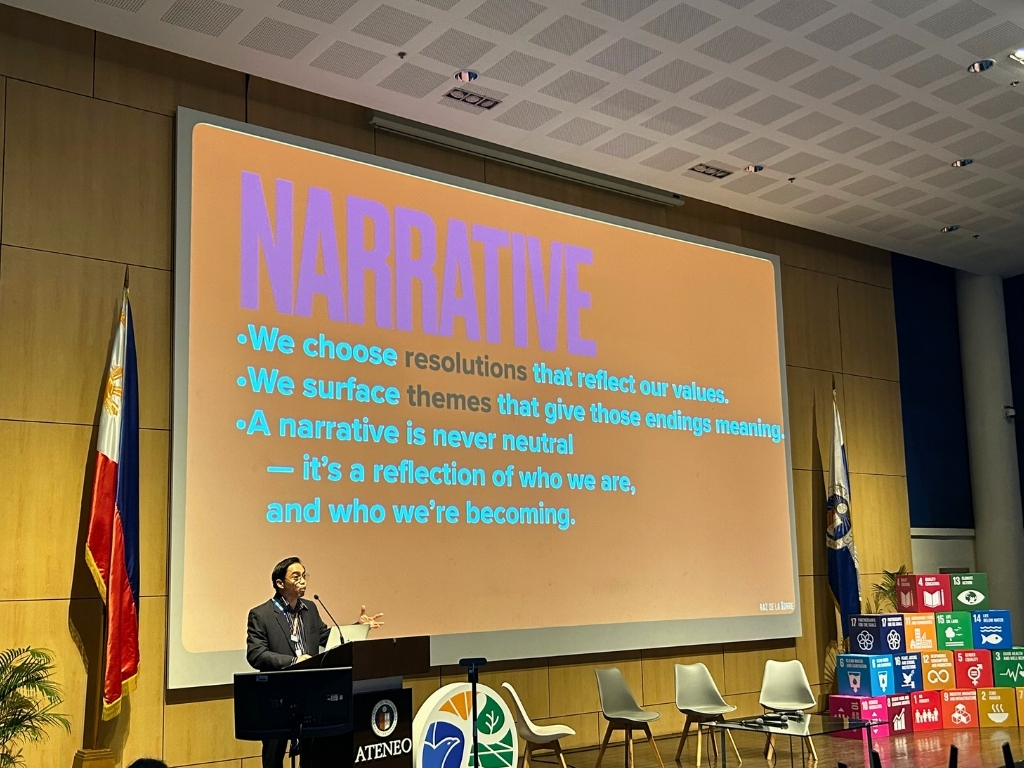
Storytelling is effective because it is reflective of human experience and grounded in emotions. In his keynote lecture, Mr. Raz De La Torre, Assistant Professor of Multimedia and Communication from the University of the Philippines Open University, led a meaningful discussion on the pedagogical approaches to climate change, emphasizing reasons why climate education must be narrative education. His main idea was simple and powerful: Beyond teaching science, educators must shape stories that reflect realities, as well as aspirations – and these dictate the future that can be imagined.
Creative Ways to Approach
While storytelling as a means to climate change education made for a compelling discussion, the conversations on creativity introduced more ways to get messages across to various audiences.
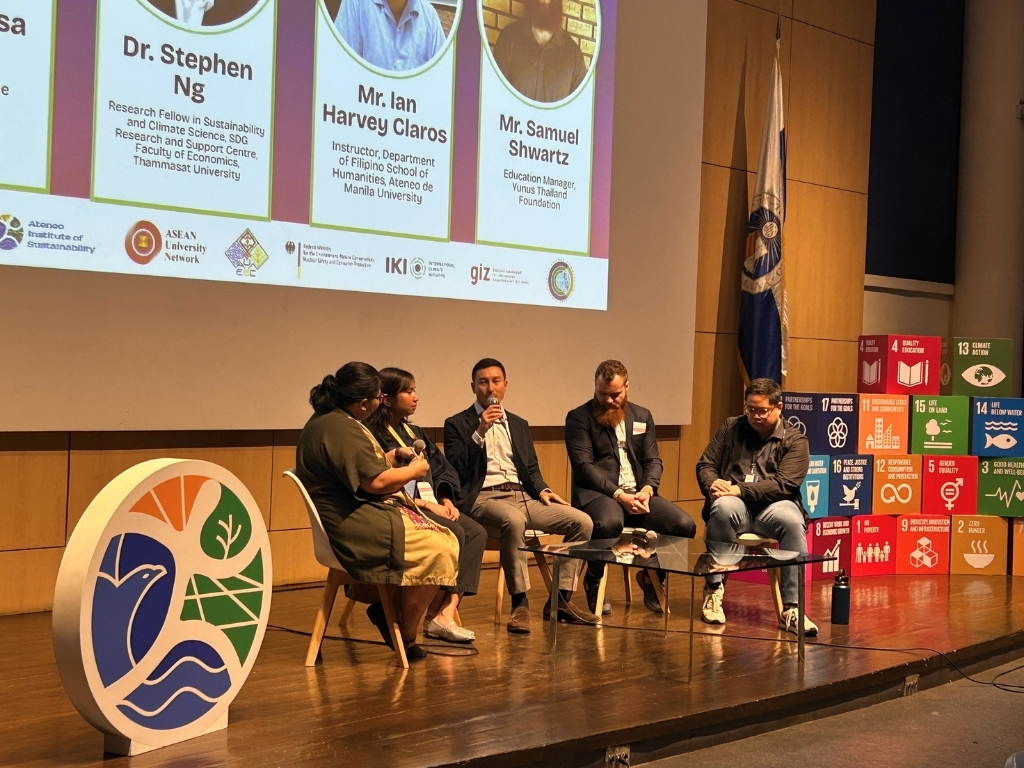
The second panel discussion on creative strategies featured panelists from fields not directly related to science. The discussion highlighted that climate is an interdisciplinary issue that anyone and everyone can get involved in, regardless of their background and experiences. Ms. Louissa Barte’s organization, for instance, continuously educates various communities on climate justice, and Dr. Stephen Ng’s work involves bridging the understanding of climate issues amongst individuals from various disciplines. Mr. Ian Claros, as a Filipino, was exposed to vulnerability at a young age and therefore moved him to understand climate change as lived experiences of various people as a professor in the field of humanities. Mr. Samuel Shwartz also responds to this by creating curricula for climate change for the Yunus Thailand Foundation. He ensures that these materials respond to today’s times and inspire people to make a difference.
Responding to the Urgent Call
Whether through classroom discussions, stories, photographs, or social media posts, the urgent call for climate action does reach the hearts and minds of many. The youth sector is one among many groups that are actively engaged in addressing climate change issues.
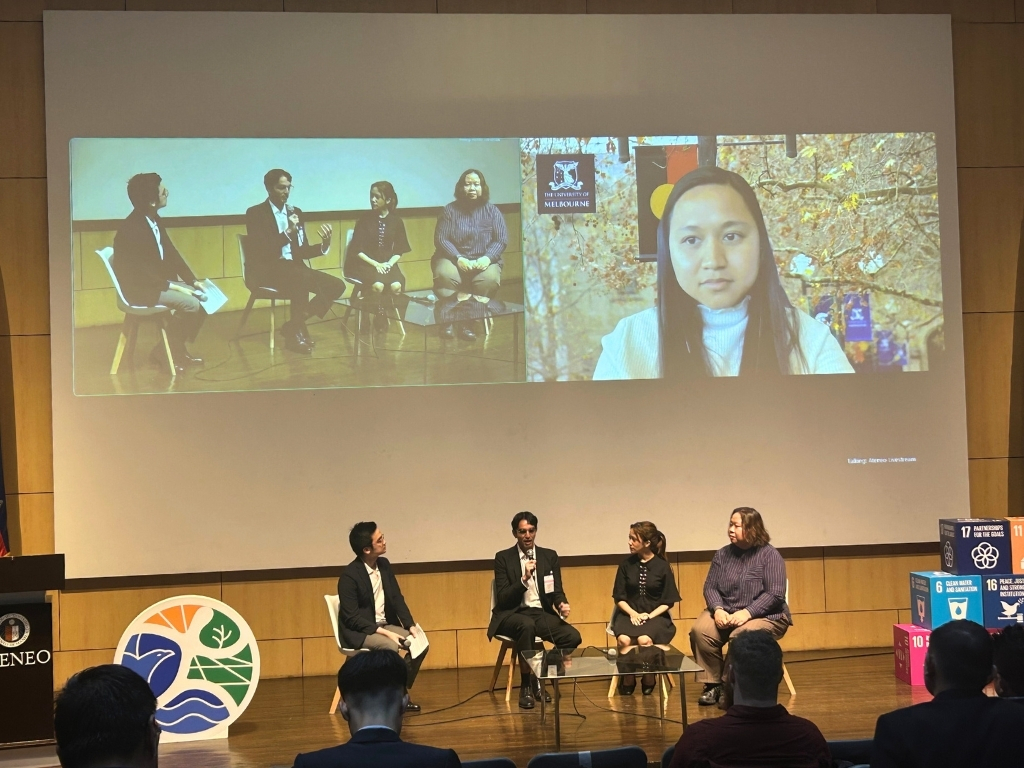
This is the central topic of the third panel discussion on the youth’s response to climate change. Ms. Nuntinee Malanon shared her experiences with previous university youth movements, such as helping communities in tsunami-affected areas. This was the beginning of her belief in the power of civic movements, which allowed her to pursue her lifelong commitment to strengthening the role of the youth in climate action. Conversely, Mr. Nash Mesquita-Mendes acknowledged that the role of youth is, at times, not taken seriously. To combat this, he took part in building coalitions for young people to learn about how governments and similar institutions work. Furthermore, Ms. Jihan Al-Shdifat emphasized that the future of data is emotional. She acknowledges that the world needs young people to make these statistics more accessible and told in a way that captures the public’s attention and interest. To achieve this, she encourages the youth to organize themselves into collective movements and organizations, and to continuously pester other stakeholders and actors by demanding their place at the table.
Sharing Knowledge and Experiences
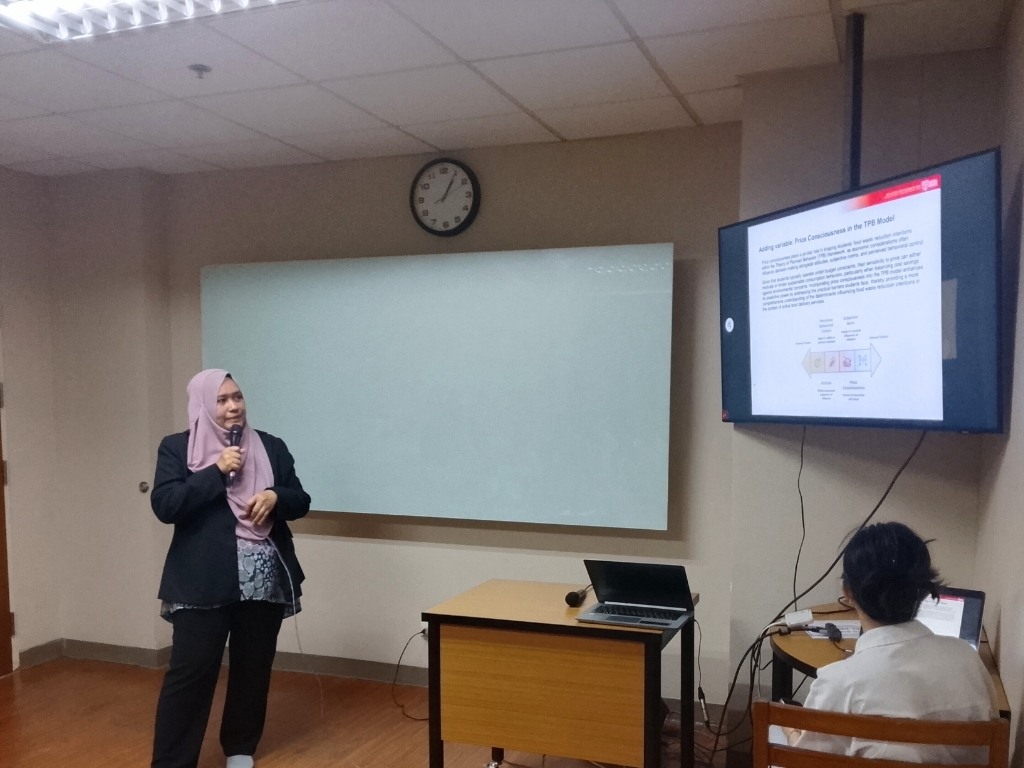
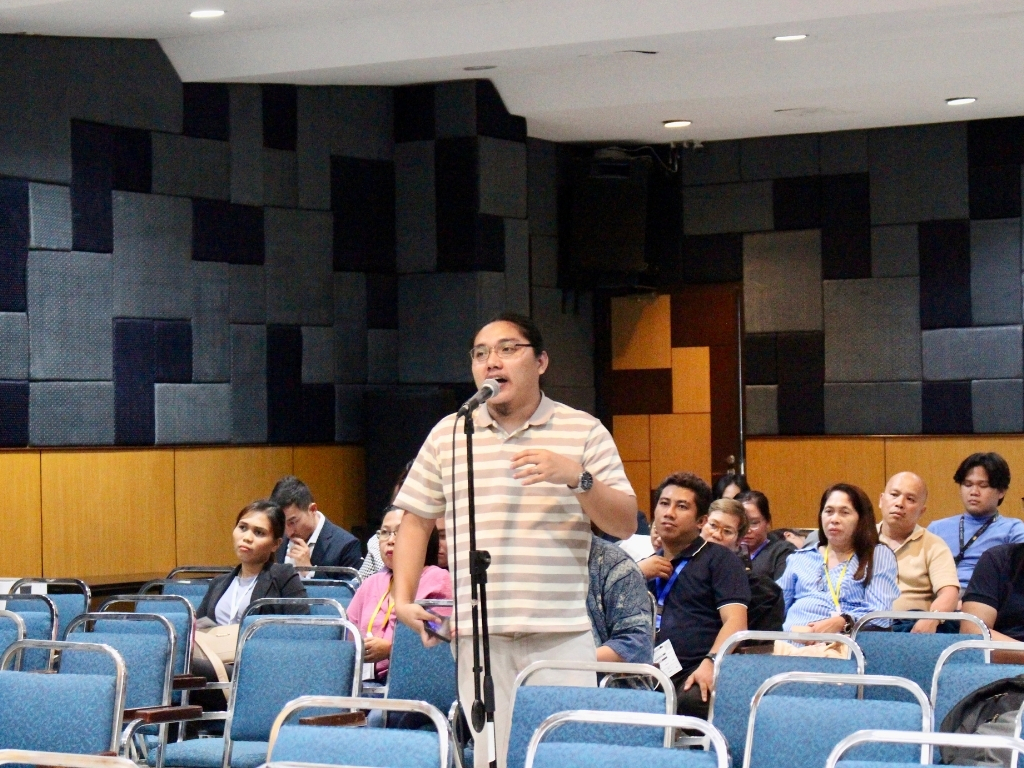
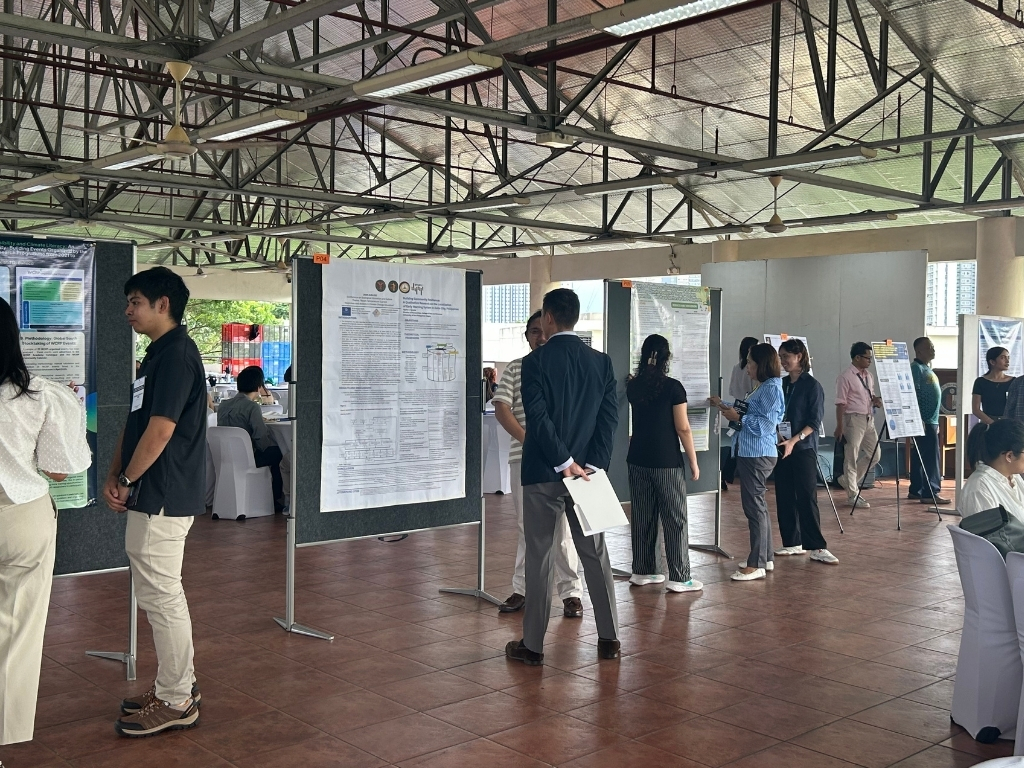
The afternoon sessions of the two-day conference complemented the mornings of lectures and panel discussions. On both days, there were parallel breakout sessions which featured research and work on four thematic areas, namely “Climate Change Education in Media and Classrooms,” “Climate Communication in Climate Information Services,” “Just Transitions to Sustainable Societies,” and “Youth Participant and Engagement”. These same themes were also reflected in poster presentations which allowed presenters to engage with the participants over some afternoon snacks and networking.
The participants were also encouraged to deepen their understanding and translate their learning into action through workshops that interwove climate change with various disciplines such as health, leadership, and the arts.
The 2025 AUN-EEC Conference was organized in partnership with the Philippine Climate Change Commission (CCC), Philippine Society for Freshwater Science (PSFS), and Masungi Georeserve. For more information, visit the AUN-EEC Conference website at www.ateneo.edu/ais/aun-eec/2025conference.
Recent News
You may also like these articles
Why can’t we eradicate tuberculosis? AIS dissects the TB issue in a multidisciplinary panel
On 24 March 2026, the Ateneo Institute of Sustainability (AIS), through its Sustainable Development Goals (SDGs) Program, hosted a multidisciplinary panel in observance of World
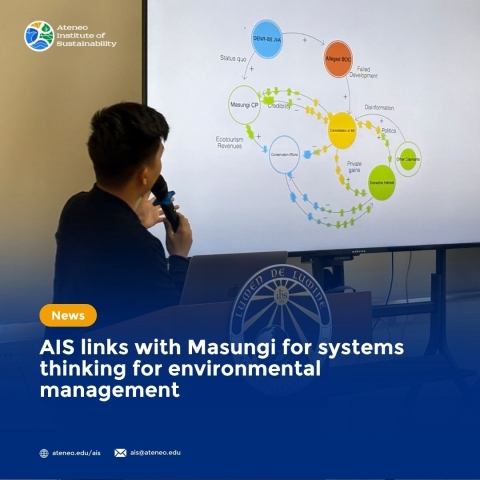
AIS links with Masungi for systems thinking for environmental management
Last 23-24 March 2026, the Ateneo Institute of Sustainability (AIS) , which manages the My Climate Risk – Ateneo de Manila University Regional Hub
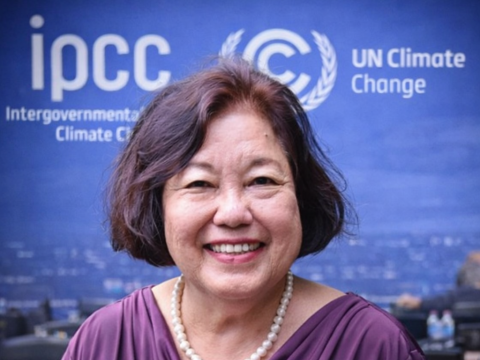
Mangroves as shields of history and resilience: Insights from Dr Emma Porio
Mangrove forests have long shaped both the history and survival of coastal communities in the Philippines. According to Dr Emma Porio, Professor Emeritus (Sociology -
Professor Emeritus Dr Emma Porio to deliver keynote address at Regional Dialogue: Schools Climate Action Project
Dr Emma Porio, Professor Emeritus at Ateneo de Manila University's Dr Rosita G Leong School of Social Sciences (RGLSOSS) and Lead Author of UNFCCC-IPCC Climate
Klim@Musika
For most Filipinos, music is inseparable from daily existence. Music playlists accompany Filipinos in their commutes be it through walks, jeepneys, trains, or their private
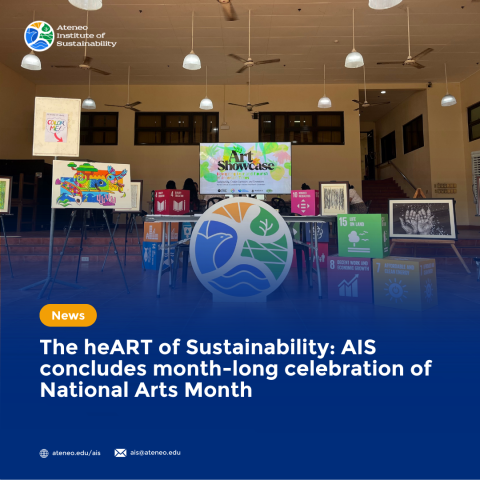
The heART of Sustainability: AIS concludes month-long celebration of National Arts Month
With the desire to make sustainability more accessible and promote its interdisciplinarity, the Ateneo Institute of Sustainability (AIS) hosted a month-long National Arts Month celebration