MCR Researchers collaborate with Brazilian organizations and communities for improving climate science and action against climate-induced wildfires
09 Oct 2025 | By Dhea Amante and Lyzter Deuda




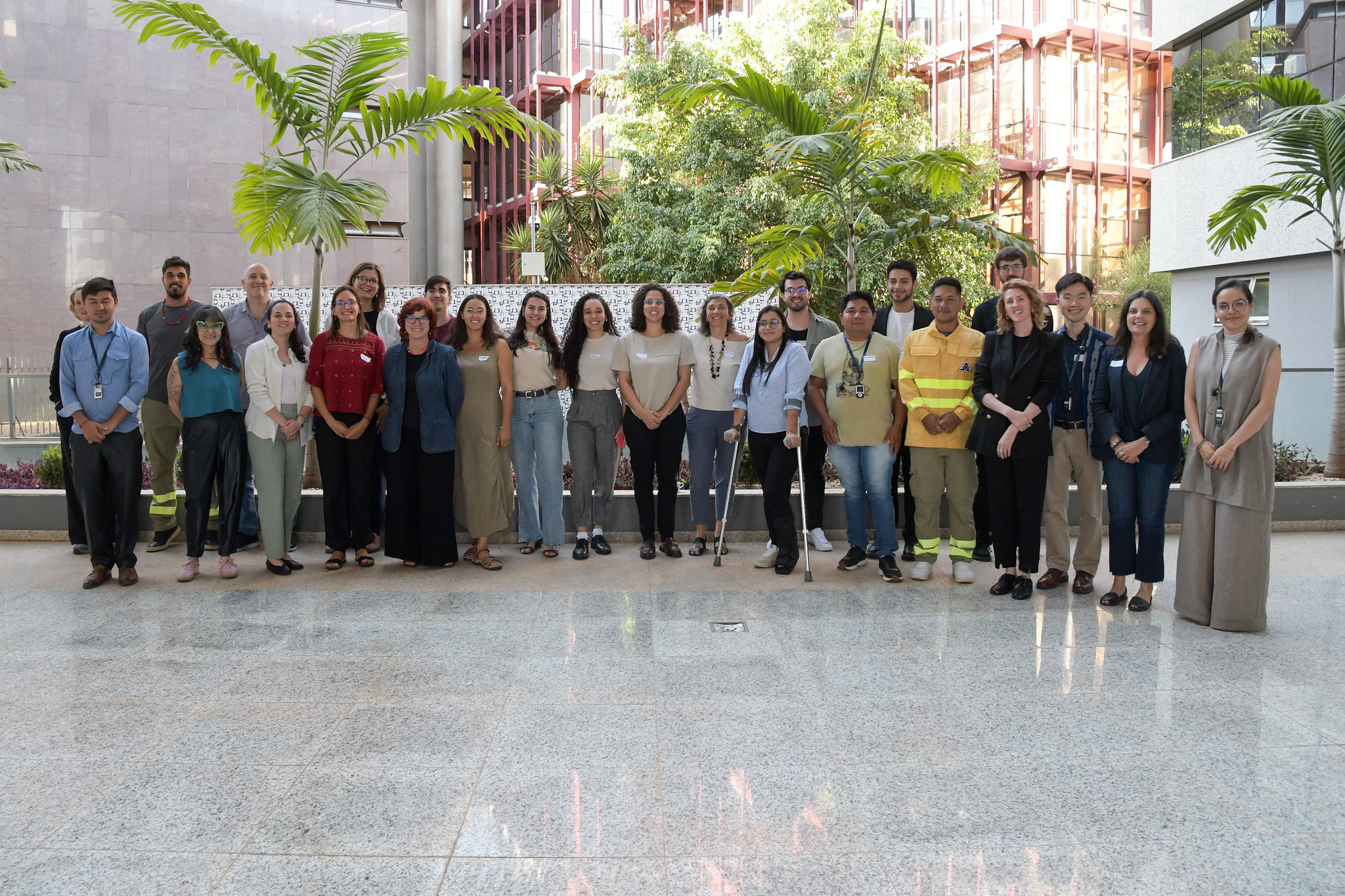
From 8 to 10 September, researchers, indigenous leaders, fire brigades, civil society organizations, and government representatives gathered at the Instituto de Pesquisa Econômica Aplicada (IPEA) in Brasília, Brazil, for a multi-stakeholder workshop to interrogate the links between climate-induced wildfires, and the growing loss and damage associated with these disasters.
The workshop, titled Climate Evidence for Loss and Damage in the Context of Wildfires in the Amazon and Pantanal Biomes, was co-organized by the My Climate Risk (MCR) Early Career Researcher Group, led by Ms Fiona Spuler and Dr Julia Mindlin, in collaboration with My Climate Risk co-chair Dr Regina Rodrigues, the BASE Initiative of Fundacón Avina, and Rede Clima. It brought together participants from indigenous organizations such as COIAB, Fundo Casa Socioambiental, Brigada Alter do Chão – Pará, and Raoni Institute, as well as representatives from UNDRR, UN FAO, and from a number of Brazil’s government agencies.
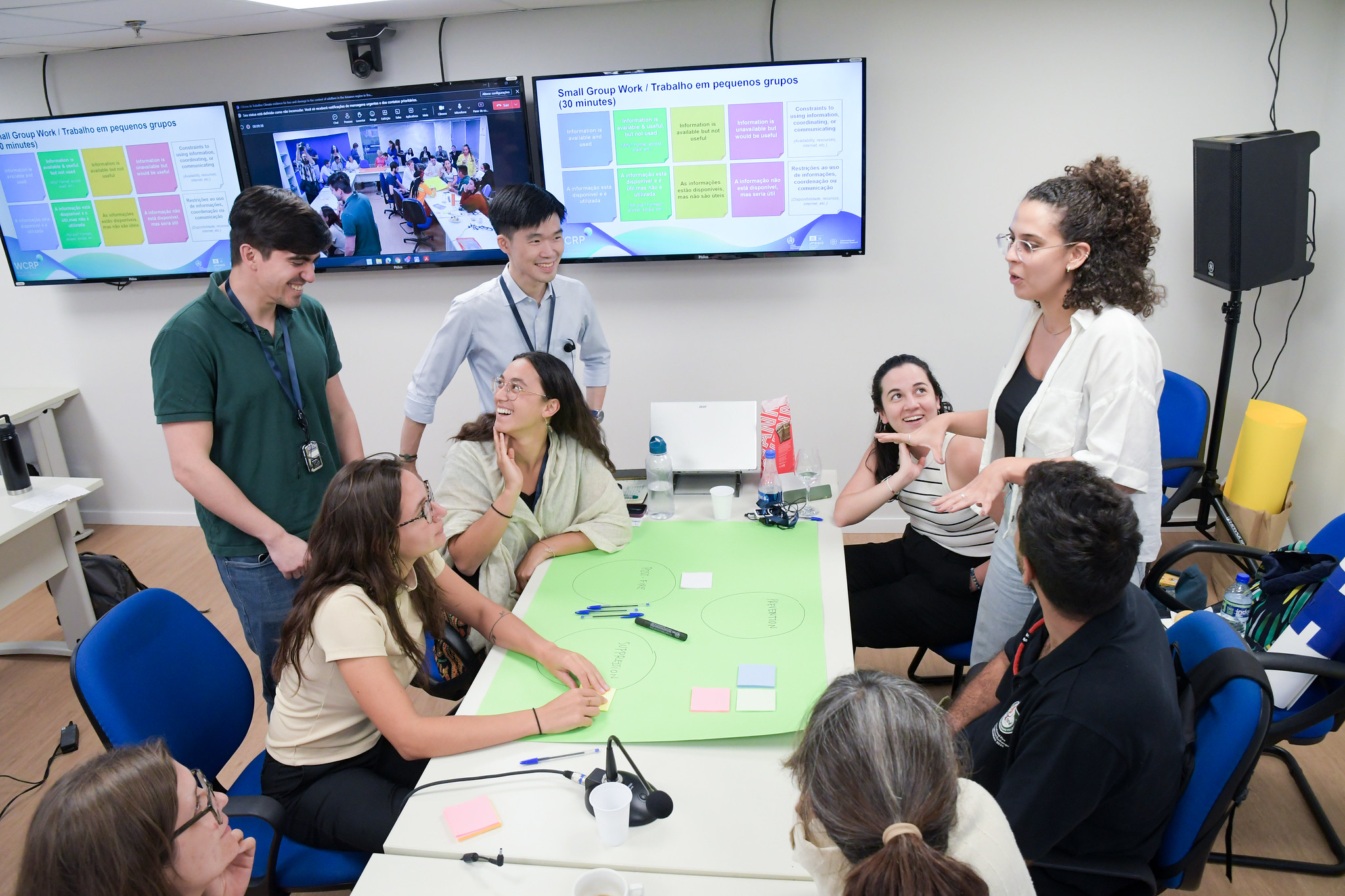
The workshop began with a day of thorough contextualization of Brazil's fire and wildfire situation. Due to the diversity of the stakeholders and landscapes of Brazil, the workshop first aimed to set up a shared terminology and understanding of concepts like “loss and damage”, “fire”, and “wildfires”, which was integral as there are nuances to contested vocabulary, which include “controlled fire”, “prescribed fire”, “criminal fires” and “traditional uses of fire”. The second day was dedicated to appreciating and integrating indigenous and local climate knowledge with mainstream climate science to identify gaps in climate information accessibility and relevance, concluding with a collaborative dialogue on the stakeholders’ understanding, access, and usage of climate information for integrated fire management. The third day was then allocated to transforming the diverse multilevel perspectives, from indigenous and local lived experiences to scientific evidence, into actionable insights, strategies, and responses to climate-induced loss and damage.
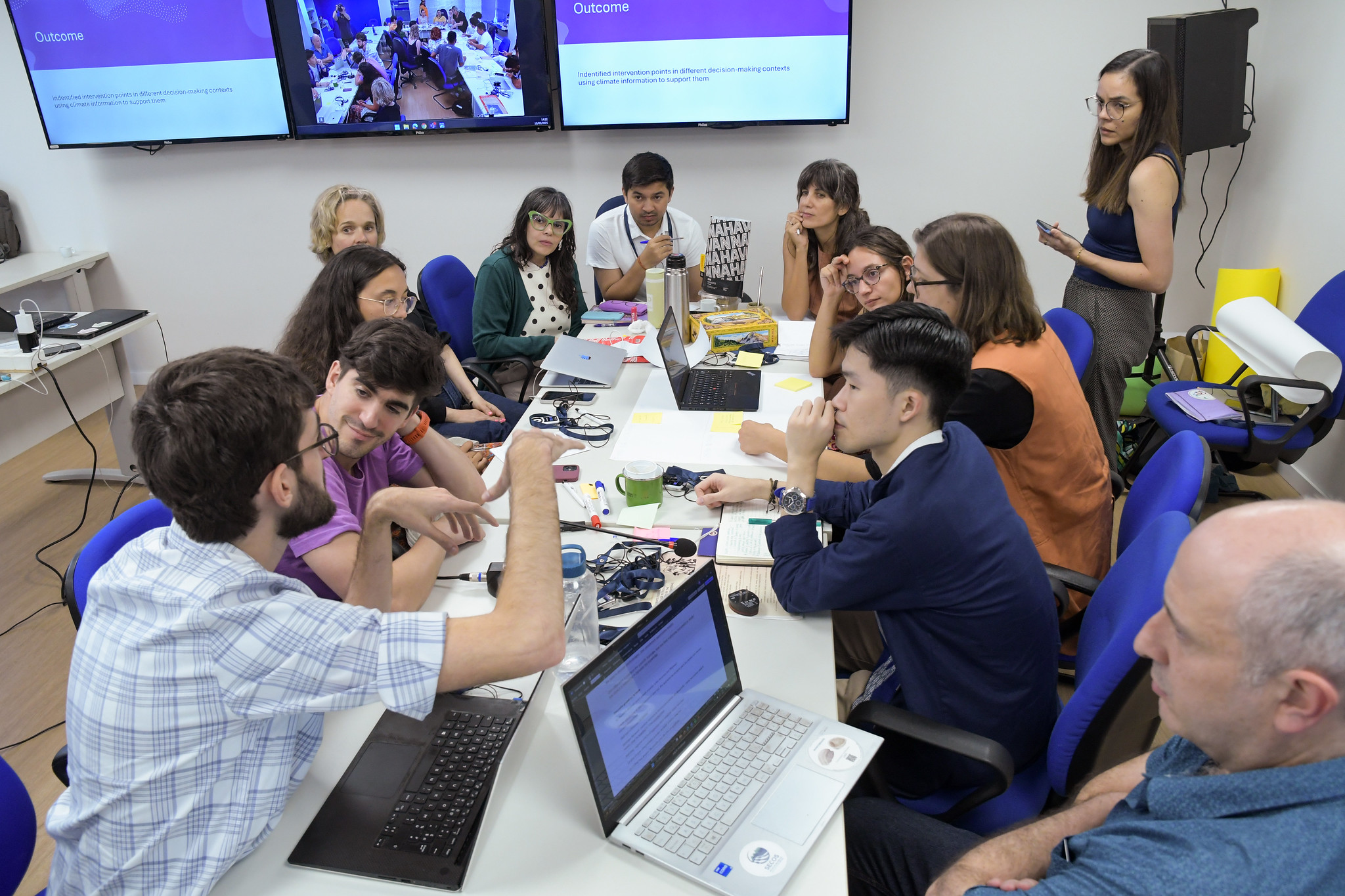
Part of the workshop was on this examination of how diverse knowledge systems and contexts can be transformed into concrete actions that can strengthen wildfire management and climate action. Mr Daniel C Ratilla, Focal Point of the MCR-Ateneo de Manila University Regional Hub and representing the Ateneo Institute of Sustainability, moderated a collaborative session on how climate information is used or underused across fire management practices. Participants were further asked to identify and discuss existing resources, gaps, and opportunities to align local experience with scientific evidence in support of more effective discussions and responses.
Throughout the proceedings of the workshop, presentations and dialogues were delivered and led not only by the researchers from the My Climate Risk lighthouse activity and collaborating wildfire researchers, but also by the participants, especially from indigenous tribes and fire brigades. This reflects the aims of My Climate Risk, which aims to develop and mainstream a bottom-up approach to climate risk. The design of the workshop was deliberately collaborative, and sought to foster egalitarian dialogue between researchers and community representatives by being conscious of the positionality and privilege of researchers.
Reflections from participants captured the spirit of inclusion that shaped the event.
“We are one, but we can be many; we are many, but we can be one,” shared Roiti Metuktire of the Raoni Institute.
“The territory doesn’t exist without the people. We are the continuation of the air, water, and land,” added Vanessa Souza Ferreira of COAIB.
The discussions continued in a smaller session from 11 to 12 September, where MCR researchers, wildfire researchers, and representatives from organizing institutions came together to discuss how to turn insights from the workshop into concrete outputs for advocacy, policy, and scientific knowledge. These can be shared with the participants, and which can be presented to other bodies and gatherings such as the upcoming Conference of the Parties (COP30, or the 2025 United Nations Climate Change Conference), which will take place in Belém, Brazil this November.
Recent News
You may also like these articles
Why can’t we eradicate tuberculosis? AIS dissects the TB issue in a multidisciplinary panel
On 24 March 2026, the Ateneo Institute of Sustainability (AIS), through its Sustainable Development Goals (SDGs) Program, hosted a multidisciplinary panel in observance of World
AIS links with Masungi for systems thinking for environmental management
Last 23-24 March 2026, the Ateneo Institute of Sustainability (AIS) , which manages the My Climate Risk – Ateneo de Manila University Regional Hub
Mangroves as shields of history and resilience: Insights from Dr Emma Porio
Mangrove forests have long shaped both the history and survival of coastal communities in the Philippines. According to Dr Emma Porio, Professor Emeritus (Sociology -
Professor Emeritus Dr Emma Porio to deliver keynote address at Regional Dialogue: Schools Climate Action Project
Dr Emma Porio, Professor Emeritus at Ateneo de Manila University's Dr Rosita G Leong School of Social Sciences (RGLSOSS) and Lead Author of UNFCCC-IPCC Climate
Klim@Musika
For most Filipinos, music is inseparable from daily existence. Music playlists accompany Filipinos in their commutes be it through walks, jeepneys, trains, or their private
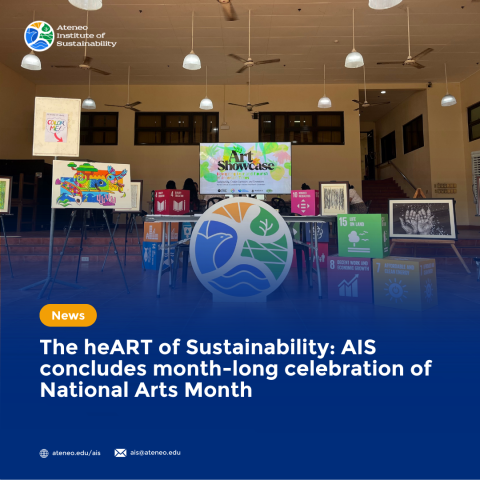
The heART of Sustainability: AIS concludes month-long celebration of National Arts Month
With the desire to make sustainability more accessible and promote its interdisciplinarity, the Ateneo Institute of Sustainability (AIS) hosted a month-long National Arts Month celebration