Ateneo Eagle Watch looks at the challenges the Philippines must overcome to achieve its prosperous middle-class society dream
30 Oct 2025






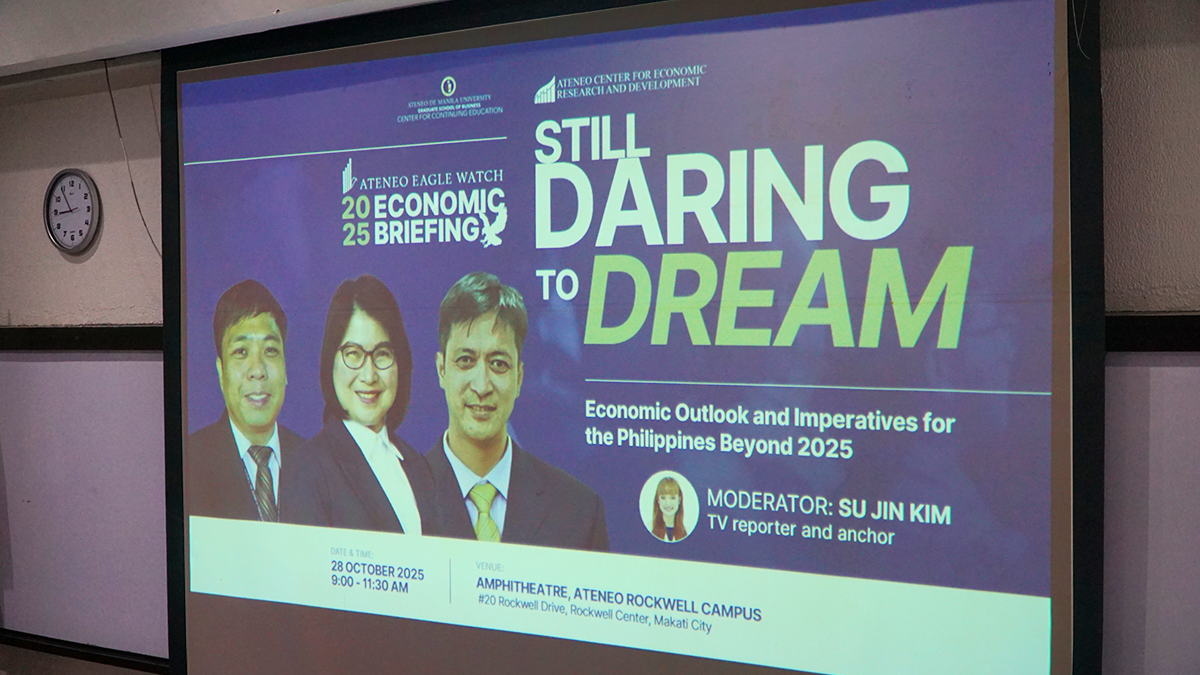
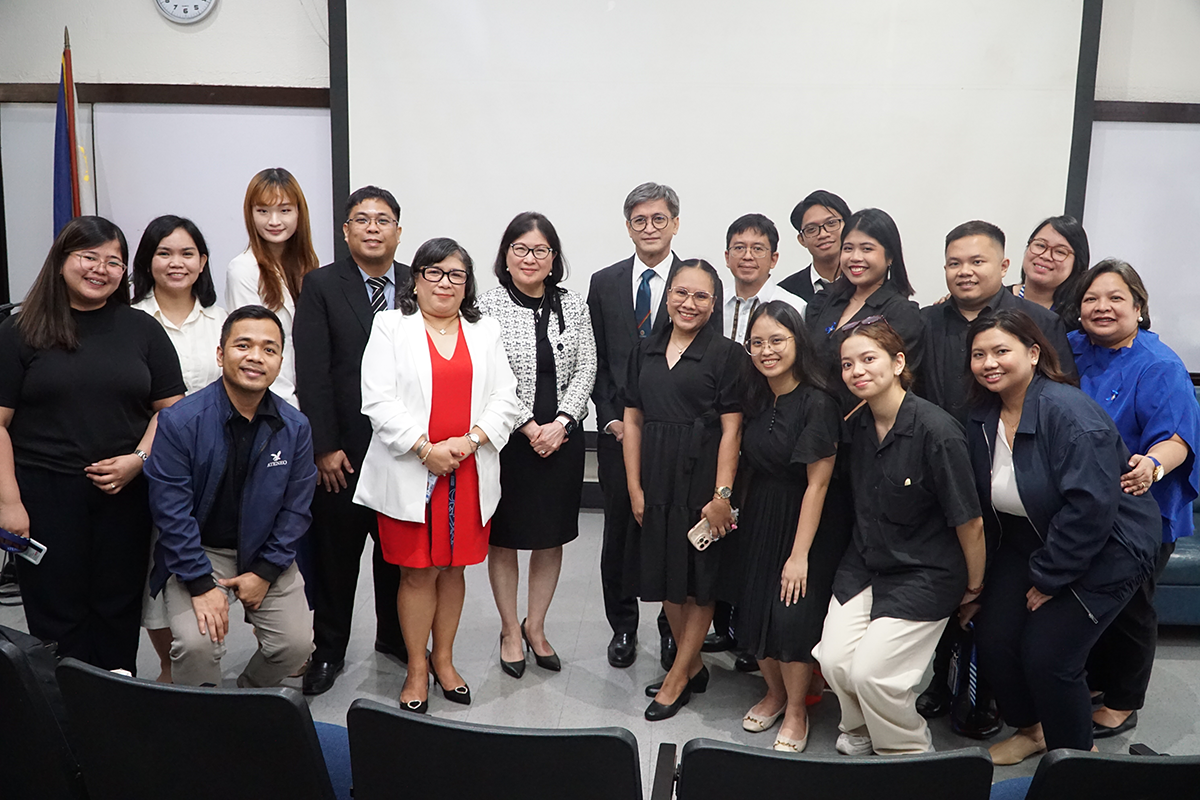
Ateneo Eagle Watch held its annual briefing on the state of the Philippine economy last Tuesday, 28 October 2025. Titled "Still Daring to Dream: Economic Outlook and Imperatives for the Philippines Beyond 2025," the briefing examined the challenges that the country faces in its efforts to break out of the lower-middle-income trap and become a primarily middle-class society by 2040.
The briefing was organized by the Ateneo Center for Continuing Education (CCE) in partnership with the Ateneo Center for Economic Research and Development (ACERD). It follows the Philippine Growth and Jobs Report launched by the World Bank last 15 July 2025. Here, it described the country’s path to sustained, inclusive growth as “running uphill” — a metaphor for the monumental effort needed by the Philippines to break free from the lower-middle-income trap.
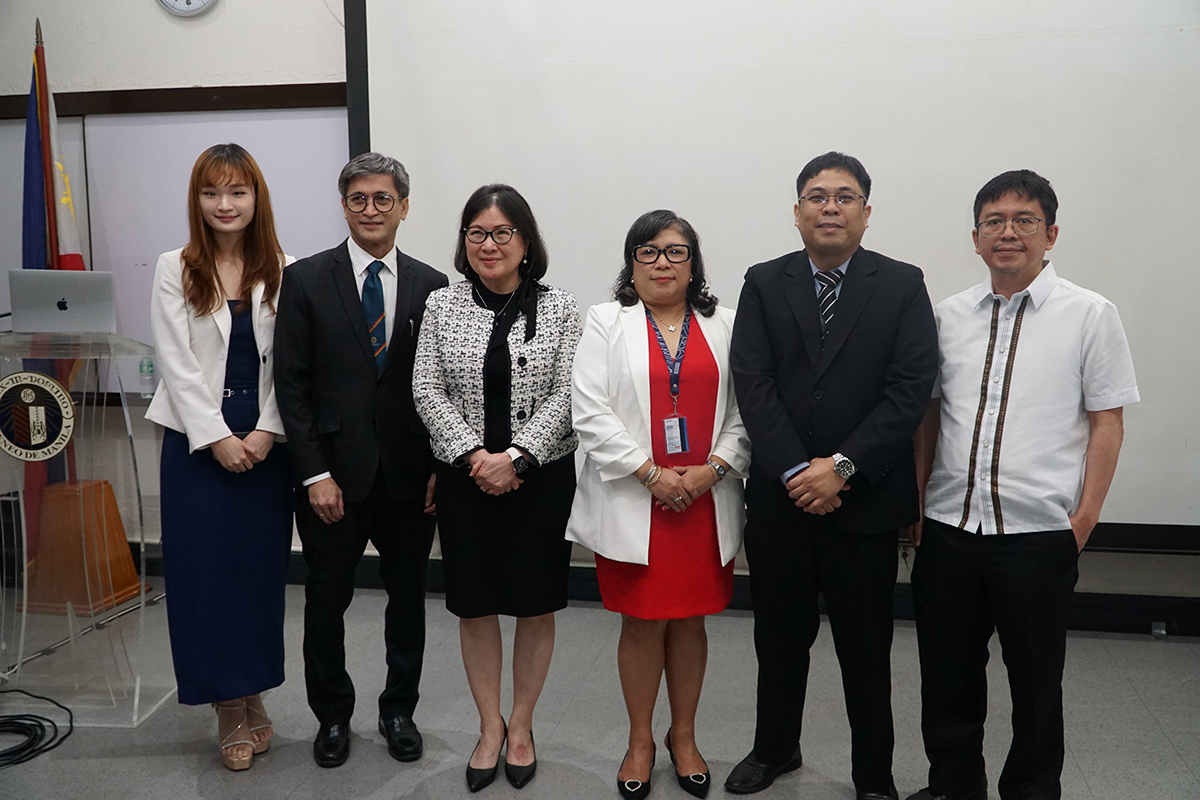
The keynote speaker at the briefing was Dr Rafaelita M Aldaba, former f the Department of Trade and Industry's Competitiveness and Innovation Group (DTI-CIG). Joining her were Dr Ser Percival K Peña-Reyes, Assistant Professor at Ateneo's Department of Economics; and Dr Luis F Dumlao, Associate Professor at Ateneo's Department of Economics former Dean of the Ateneo John Gokongwei School of Management.
Dr Peña-Reyes began with a talk defining the middle class in the Philippines and the role that they play in the country achieving its dreams of being a "prosperous, predominantly middle-class society where no one is poor," as defined in Ambisyon Natin 2040.
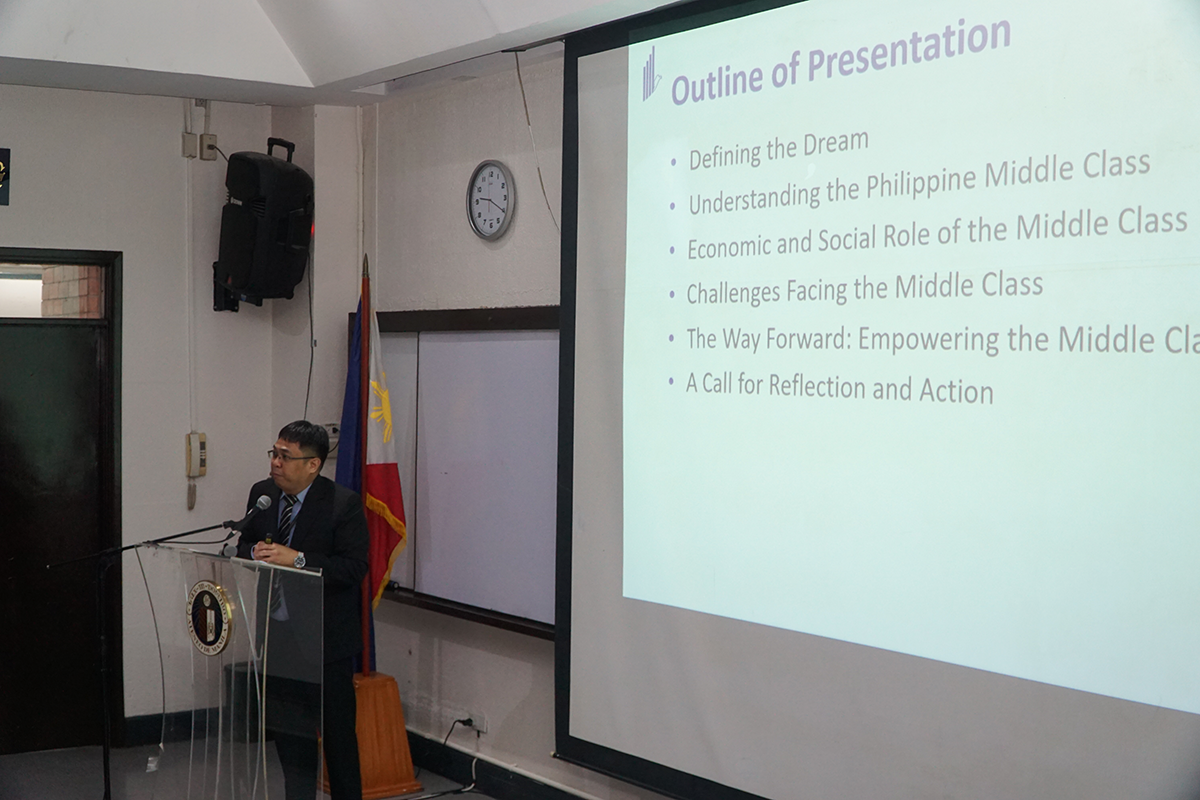
Here, he employs the methodology of Albert et al. (2018) to define the middle class as those earning between two and 12 times the poverty line of ₱12,030 per month, or approximately ₱24,060 to ₱144,360 per month.
Based on this definition, he noted that the middle class grew from 28.5 % of the population in 1991 to 43.5% in 2018. However, COVID-19 pandemic reversed some of the gains, with the middle class share falling to 39.8% in 2021.
This middle class, according to Dr Peña-Reyes' report, is not only the backbone of the Philippine workforce that bridges the gap between labor and capital, but it also drives consumer and market demand while being a significant contributor to government revenue.
However, this middle class is currently facing numerous challenges. These include stagnant wages in the face of rising living costs, gaps in the cost and quality of education with student debt and parental strain becoming increasingly common, limited and expensive access to healthcare, and a housing affordability crisis where rising real estate values and property taxes have caused many young professionals to delay home ownership or resort to long-term renting.
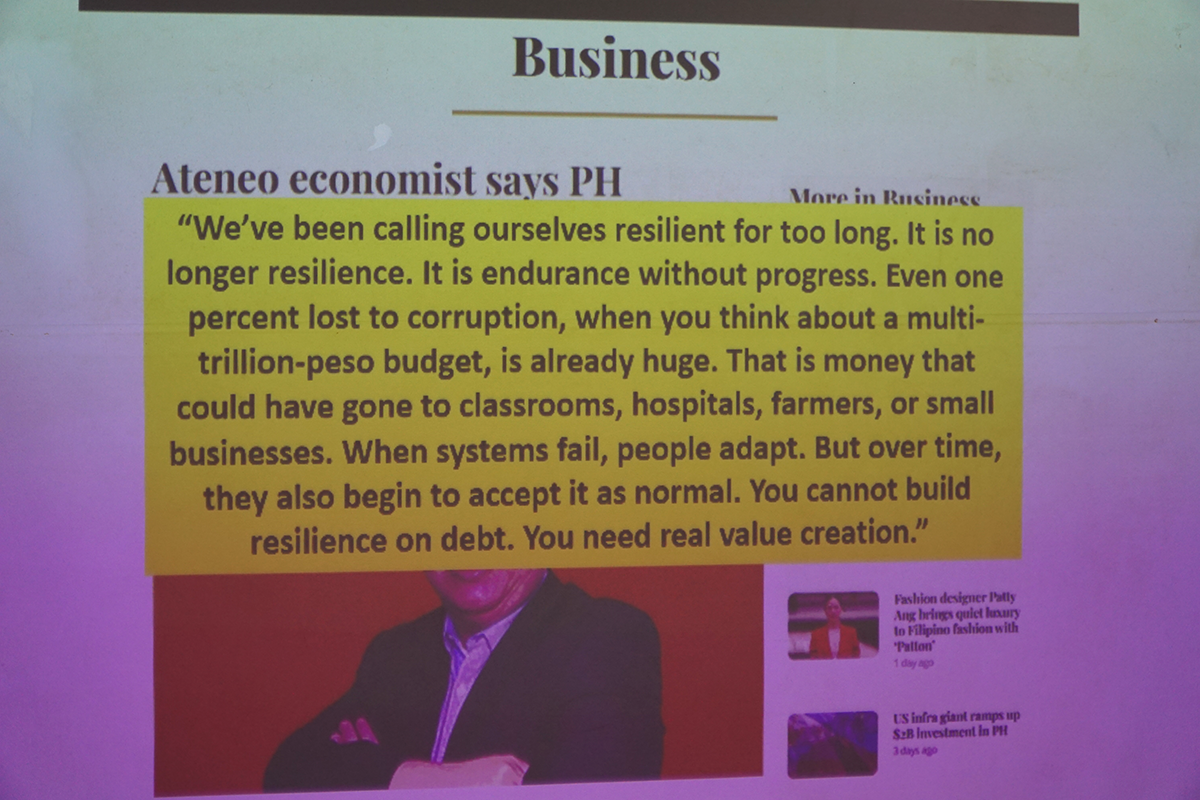
In addition, Dr Peña-Reyes pointed out the increasing feeling of frustration among the middle-class, especially amidst calls for resilience in the face of these issues as well as the ongoing corruption crisis. As part of this, he presented a quote that former ACERD Director Dr Alving Ang wrote in a column in a local newspaper.
"We've been calling ourselves resilient for too long," read the quote from Dr Ang. "It is no longer resilience. It is endurance without progress."
With this, Dr Peña-Reyes states that, for the Filipino middle class, the "dream" of Ambisyon Natin 2040 should mean economic prosperity, social mobility, and a better future for the next generation.
For his report, Dr Dumlao presented the the fiscal and monetary outlook of the country. His presentation included data from both the World Bank and the International Monetary Fund on the country.
The key takeaway from the numbers is that, despite everything, the Philippines economy is still the fastest growing economy in the Southeast Asian region, with the country's GDP growing by 5.5% in the second quarter. Meanwhile, inflation is at only 1.7%, below the 2 to 4% target range.
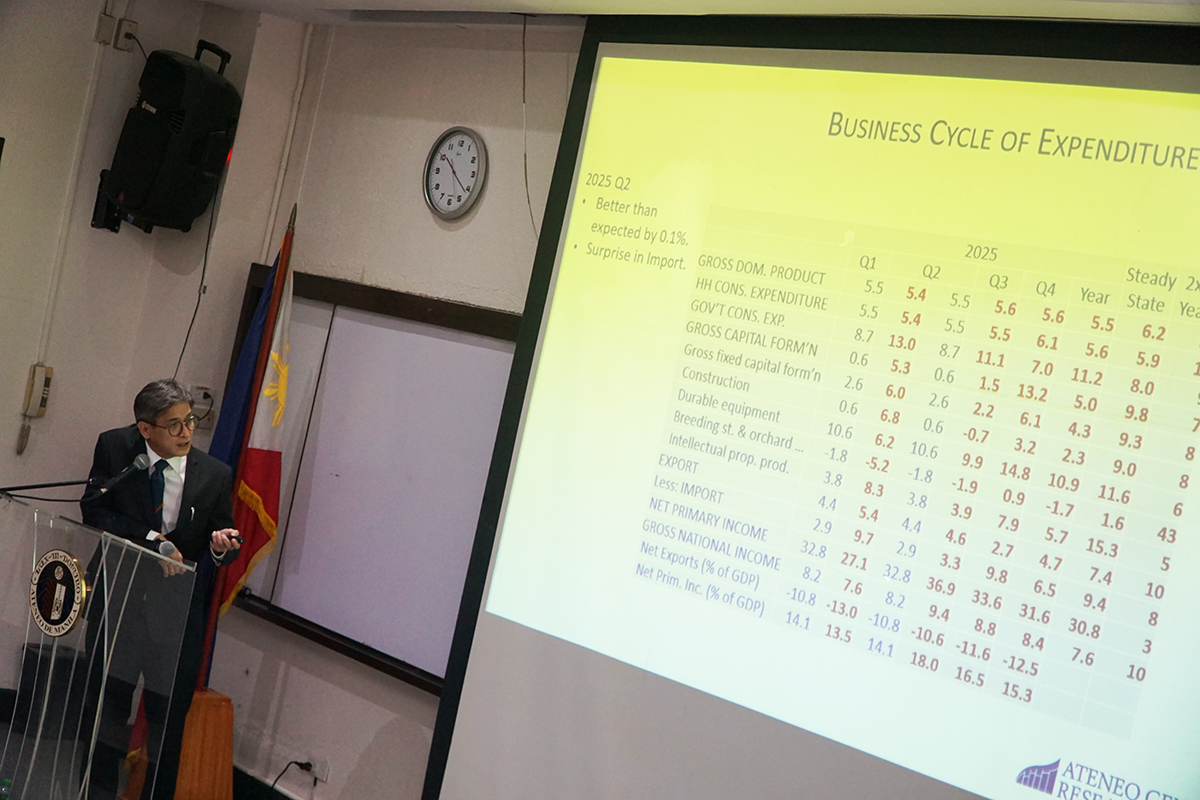
He noted that certain sectors actually exhibited growth beyond that which was predicted in the previous economic report, in particular in Agriculture.
However, he pointed out one significant issue in that public spending still remains high, with the government described as spending "as if we are still in a pandemic" — while public spending naturally went up during COVID-19, it did not go down as it should have once the pandemic was over.
Dr Dumlao stated that this was something that needed to be addressed now, when the economy is actually doing quite well. He quoted the late US President John F Kennedy, saying that "the time to fix the roof is when the sun is shining." In other words, to scale back on public spending now, instead of waiting for it to start negatively affecting the economy.
Speaking of issues the country faces, Dr Dumlao also spoke a bit about the ongoing corruption issues in the Philippines. He showed data demonstrating an almost direct correlation with the country's rank in the corruption index and its per capita income rank – with the country ranking low in both.
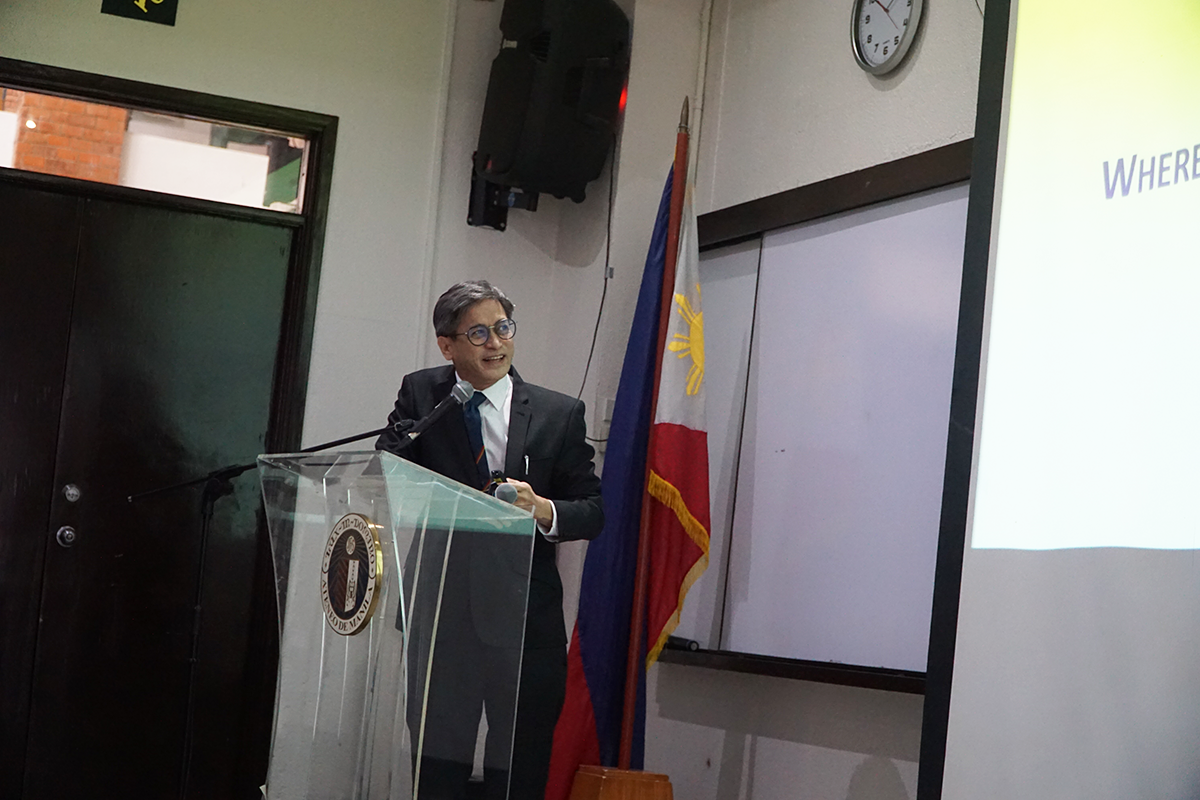
As for solutions, he brought up the recent case of Smartmatic where it was indicted in the US under the Foreign Corrupt Practices Act (FCPA) for an alleged $1 million bribe paid to top election officials here in the Philippines to secure contracts for the 2016 elections.
The FCPA is a US federal law that prohibits US citizens and entities from bribing foreign government officials. Dr Dumlao uses it and the Smartmatic indictment as an example of how the Philippines should try to import what he called "America's best export" – regulation.
According to Dr Dumlao, using foreign regulation can help the Philippines prosecute even those who would be traditionally too powerful for local courts to go after. One other example of this that he cited was the ongoing trial of former President Rodrigo Duterte for crimes against humanity in the International Criminal Court (ICC).
For her keynote speech, Dr Aldaba focused on the possible effects of the tariffs being implemented by current US President Donald Trump.
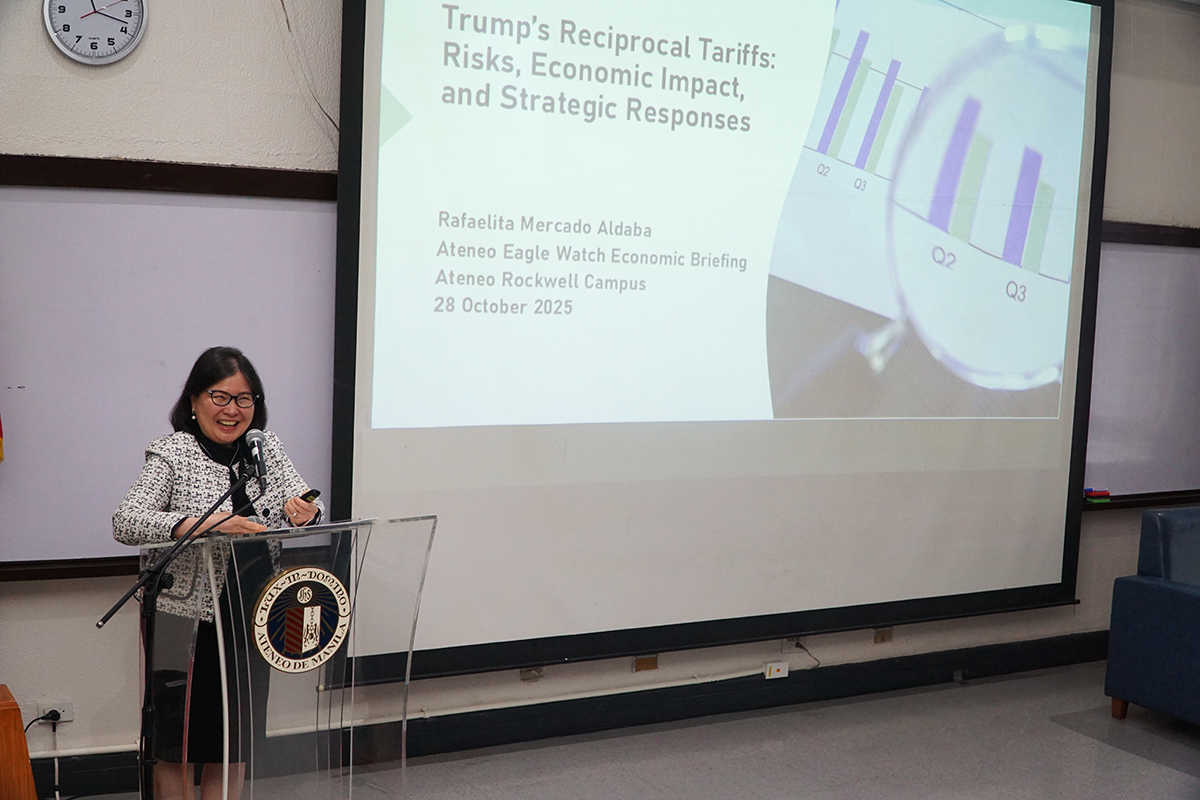
Here, she listed the various Annex II tariff exemptions of the US and the ASEAN-5 Export Footprint from 2024. Using these, she identified which sectors are likely to be more resilient and likely to be shielded from immediate disruption from American tariffs.
In particular, the Philippines is strong in electronics and information & communication technology (ICT) products, alongside Malaysia, Vietnam, and Thailand.
Both the Philippines and Malaysia also have more advanced semiconductor tooling. Additionally, Malaysia exports machinery for semiconductor devices while the Philippines exports chemicals used in electronics, making both better positioned to absorb any relocation of high-tech production.
Dr Aldaba also showed the Tariff Exposure Composite Index (TECI) as developed by the Philippine Institute for Development Studies (PIDS). Here, she showed that the Philippines' TECI remains at low risk, at a constant 1.8 from April of 2025 to July of the same year.
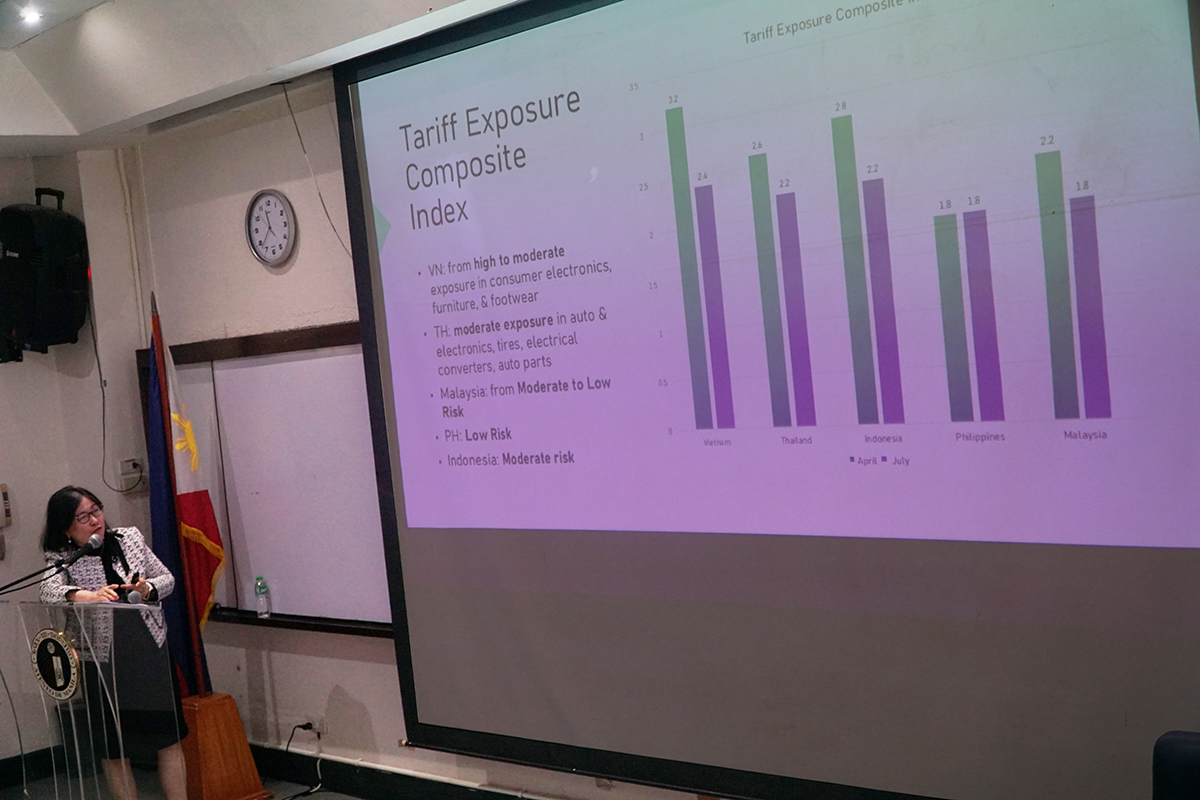
She also explained that, for July, other ASEAN nations — specifically Thailand, Vietnam, and Indonesia — have also moved to the low tariff territory. Meanwhile, a possibly 100% tariff on semiconductors will expose both the Philippines and Malaysia to moderate risk.
With this in mind, Dr Aldaba recommended geoeconomic resilience measures based on deepened integration with the ASEAN and the Regional Comprehensive Economic Partnership (RCEP), through inclusion, diversification, and centrality.
Dr Aldaba states that RCEP — a free trade agreement among the Asia-Pacific countries of Australia, Brunei, Cambodia, China, Indonesia, Japan, South Korea, Laos, Malaysia, Myanmar, New Zealand, the Philippines, Singapore, Thailand, and Vietnam — acts as more than just a trade deal. RCEP can also reinforce centrality in today's geoeconomic landscape, transforming it into a genuine resilience and diversification tool for ASEAN businesses, fulfilling its promise from being the world's largest trade pact.
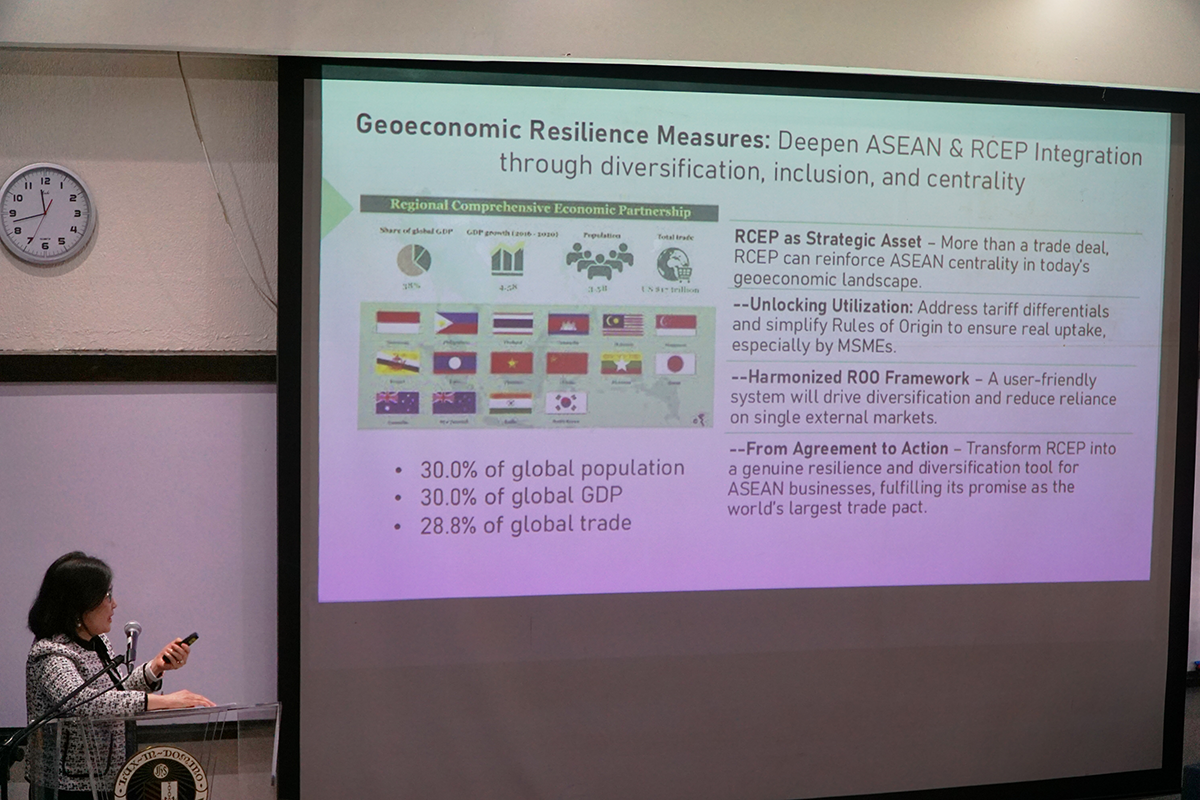
Meanwhile, the ASEAN-5 (Indonesia, Malaysia, the Philippines, Thailand, and Vietnam) are in good positions to absorb relocated production and diverted investments from China. This helps position bloc members as strategic beneficiaries amid global trade restructuring from the tariffs.
Finally, Dr Aldaba advocated for a better alignment of trade and industrial policy, focused on industrial upgrading and resilience building. Steps here include transitioning from assembly-centric to upstream activities, especially in the semiconductor and ICT industries; prioritization in critical sectors, such as semiconductors, EV components, textiles, green metals, and sustainable electronics; strategic use of subsidies and performance-based fiscal incentives; aligning technical, vocational, and higher education programs with 21st-century industrial needs; digitizing and upgrading logistics, customs, and export operations and ecosystems; and modernizing out special economic zones with digital and green tech.
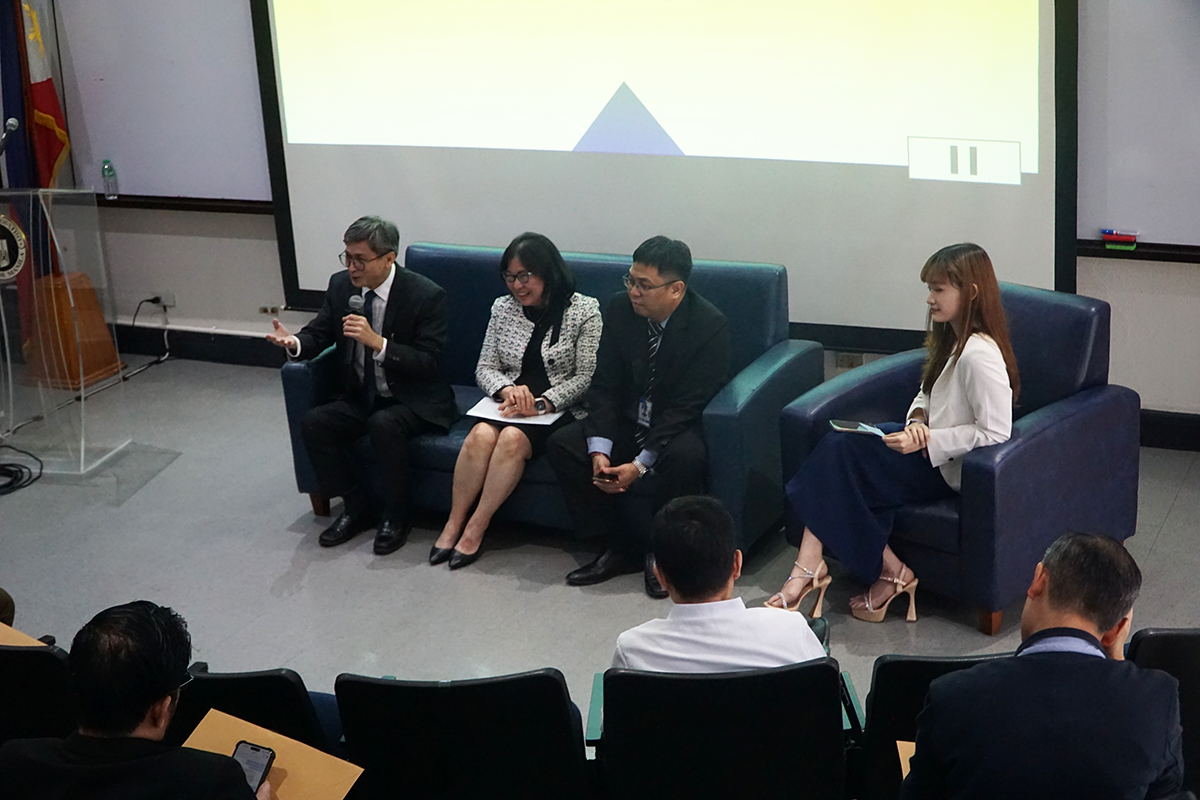
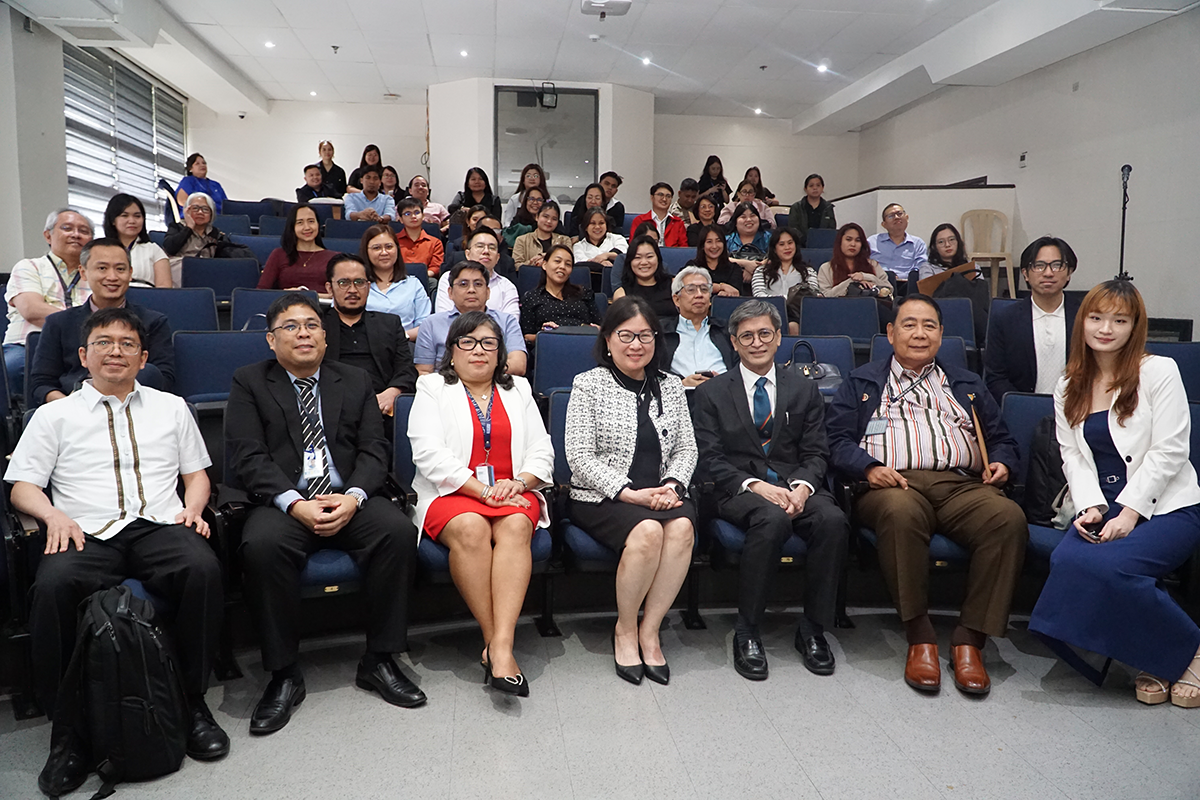
Following the presentations, the presentors engaged with in a lively open forums with members of the audience moderated by broadcast journalist Su Jin Kim. The briefing was closed by Ateneo CCE Executive Director Marleth Calanog who thanked the audience for their attendance and continued trust in the Ateneo Eagle Watch economic briefings.
Recent News
You may also like these articles
QS Subject Rankings 2026: Ateneo in top 100 for theology; ranked in 7 subject areas
Ateneo de Manila University is among the top institutions in seven subject areas, and among the top 100 for theological and religious studies, according to
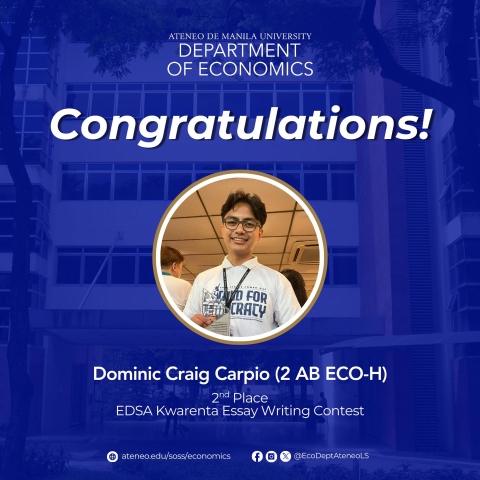
Congratulations to Dominic Craig Carpio (2 AB ECO-H) for placing 2nd in the EDSA Kwarenta Essay Writing Contest
The Department of Economics warmly congratulates Dominic Craig Carpio (2 AB ECO-H) for placing 2nd in the EDSA Kwarenta Essay Writing Contest. This achievement reflects
Ateneo Korean Studies Program Concludes KFL Workshop for Filipino Educators
The Ateneo Korean Studies Program, in partnership with the Global Leadership Development Institute, King Sejong Institute Quezon City 2, and the Dr. Rosita G. Leong
Deanship of the Dr Rosita G Leong School of Social Sciences (Memo # U2526-071)
(Memo # U2526-071) Following the appointment of Dr Czarina A Saloma-Akpedonu as the new Vice President for Higher Education effective 1 June 2026, I have formed a Search Committee for the next Dean of the Dr Rosita G Leong School of Social Sciences (RGLSOSS).
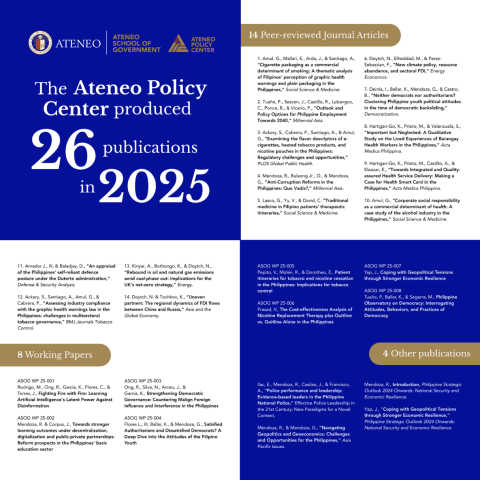
ASoG, through the Ateneo Policy Center, delivers 26 publications in 2025
As the research and public policy unit of the Ateneo School of Government (ASoG), the Ateneo Policy Center (APC) has continued to pursue cutting-edge research
"The Lotus Path” In-Country Field Study to Vietnam culminates with a Forum and Exhibit
On 18 and 19 November 2025, the Ateneo Initiative for Southeast Asian Studies (AISEAS) hosted an exhibit called “The Lotus Path” to conclude the activities