Ateneo de Manila University hosts the Walkability Summit 2025
11 Nov 2025 | by Anya Ungson





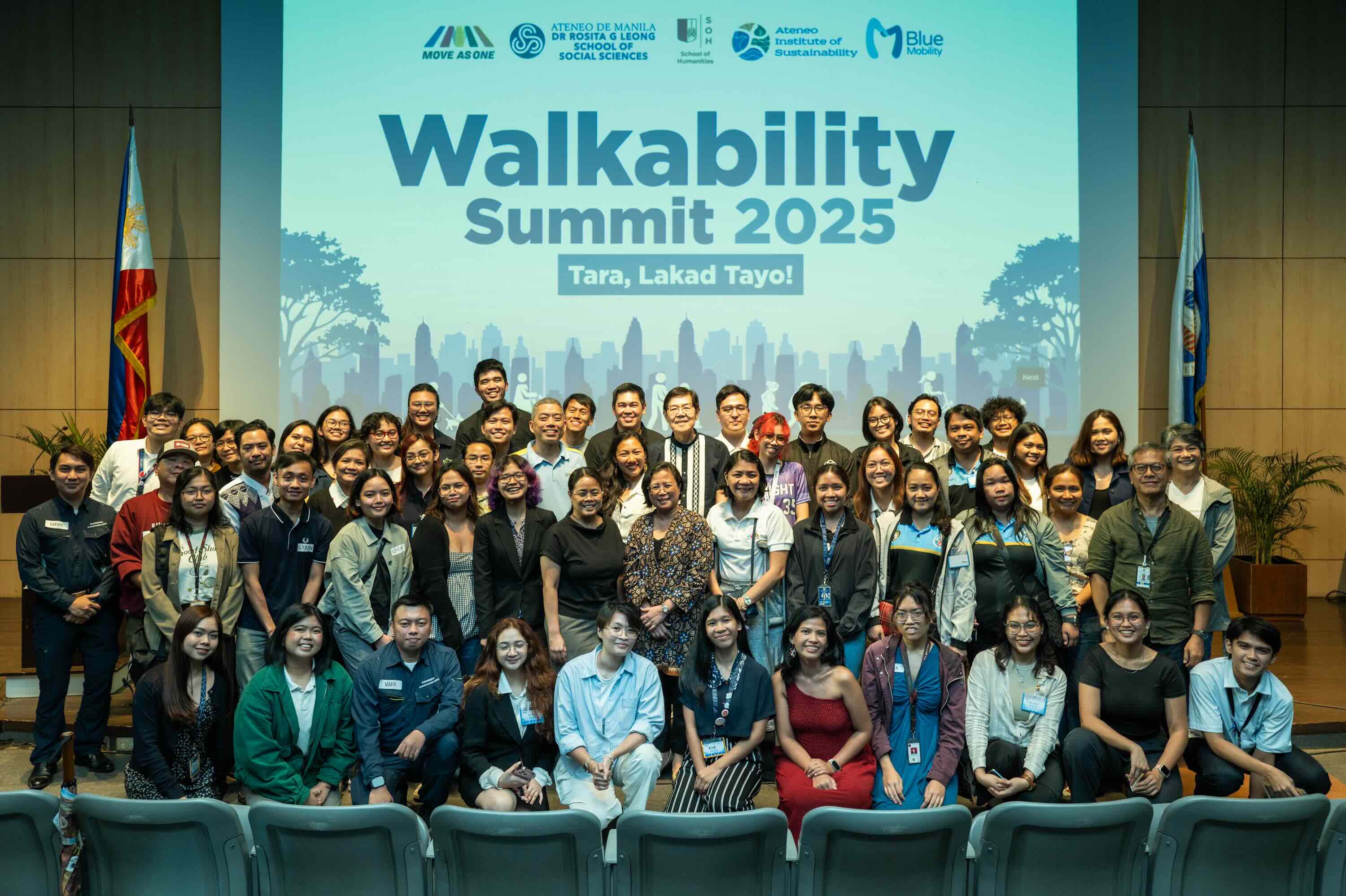
Key stakeholders in transportation, urban planning, sustainable development, and the academe gathered from 2 to 3 October at the Walkability Summit 2025. The two-day event was organized by advocacy group Move as One Coalition and hosted by Ateneo de Manila University through the Dr Rosita G Leong School of Social Sciences, School of Humanities, Ateneo Institute of Sustainability, and Blue Mobility. The series of lectures, open forums, and an exhibition brought together diverse perspectives to foster critical and change-driven conversations for a walkable, humane, and sustainable Metro Manila landscape.
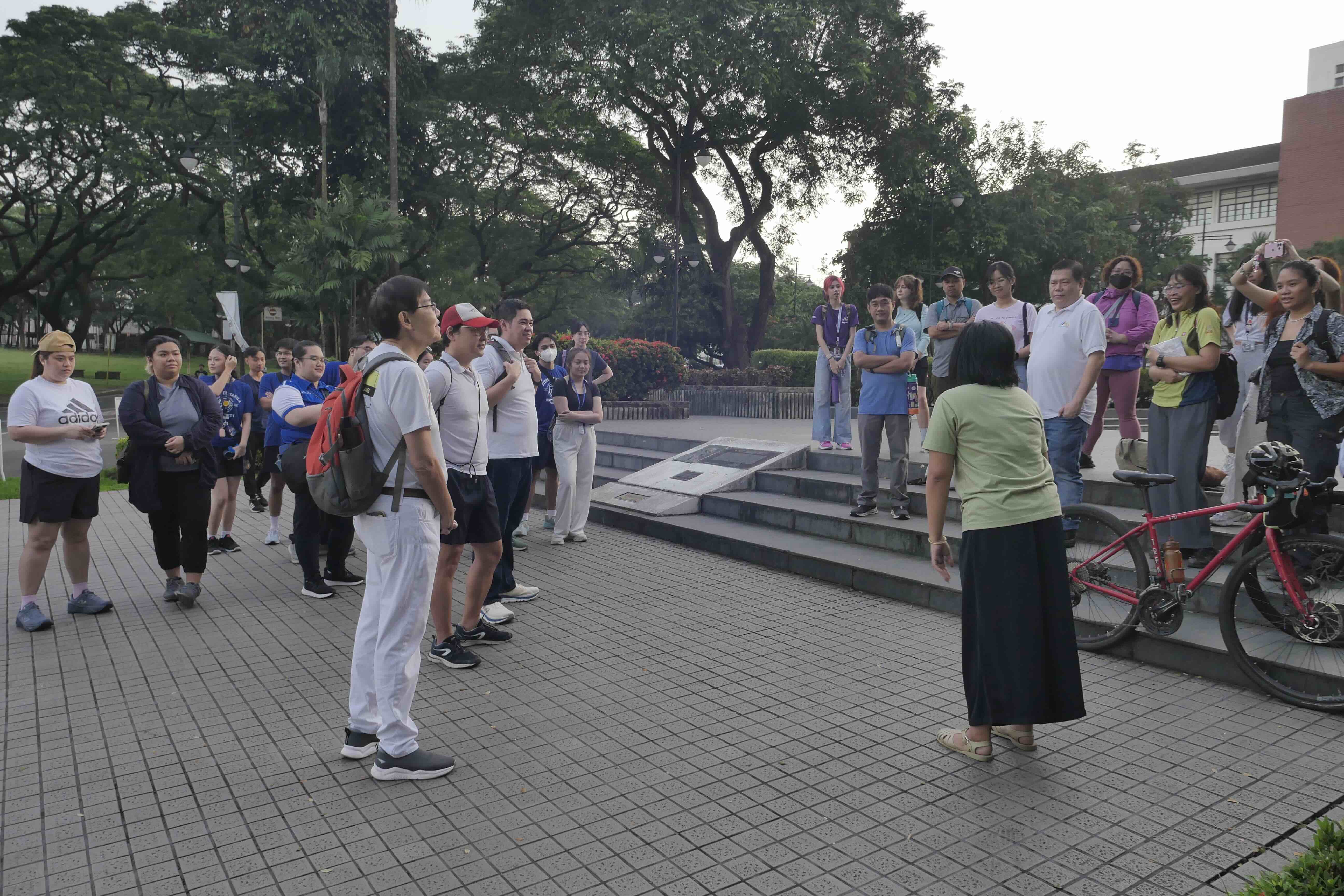
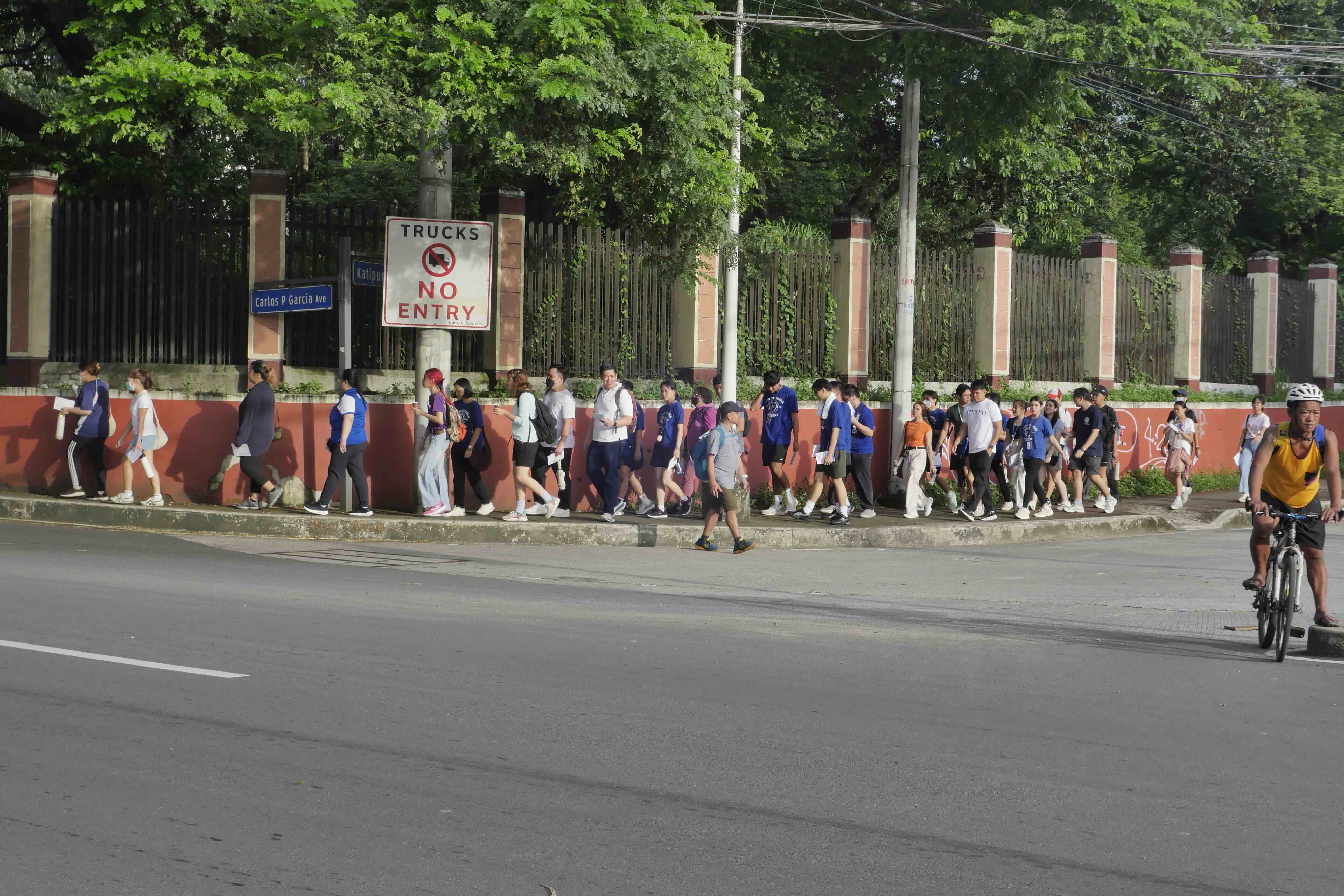
The Summit commenced at the University of the Philippines (UP) Oblation, where participants conducted a walkability audit of a stretch of Katipunan Avenue—home to three universities, commercial establishments, and student residences in the periphery of a major road. From the UP Oblation, participants of the six-kilometer Community Walk proceeded to the Katipunan Light Rail Transit (LRT) station via Katipunan Avenue’s southbound road. Participants then entered the Ateneo campus through Gate 1 to head to Leong Hall, the venue for the conference proper.
Following welcoming remarks by Ateneo de Manila University President Fr Roberto C Yap SJ, decision-makers in urban planning and management, land use, and health imparted statements of support for the Summit. These included Engr Francisco R Pesino, officer-in-charge for the Metropolitan Manila Development Authority’s (MMDA) Traffic Engineering Center; Dr Albert Francis E Domingo, OIC-Assistant Secretary of Health for the Department of Health (DOH); and Ms Vanessa B Baguiwet from the Environmental, Land Use, and Urban Planning and Development Bureau of the Department of Human Settlements and Urban Development (DHSUD-ELUPDB). The expressions of support were followed by a performance of the 1991 hit “Maglakad” by singer-songwriter and activist, Mr Joey Ayala.
After its formal opening, the conference began with a roundtable discussion on cities, where specialists from local government units (LGUs) and advocacy groups presented efforts to create a walkable and humane landscape in their respective cities. In particular, representatives showcased efforts from Quezon City, Pasig City, and Baguio City. Current strides include Quezon City’s 14-Point Agenda for rehabilitating public spaces toward a safer and more resilient city, incorporating green and sustainable development, and building essential infrastructure. Some of the projects highlighted were car-free spaces, a Green Open Reclaimed Access (GORA) Lane for pedestrians, Maginhawa Alleys, rehabilitated footbridges, rehabilitated parks and green spaces, and the incorporation of art in walkways like the Underparadisso. Ms Karen Crisostomo, the convener of Bicycle Friendly Philippines and Active Transport Specialist of Pasig City, stated that the city’s urban and transport direction accounts for its role in the metropolis as a transit passageway. Its Transport Masterplan included carless Sundays, the creation of People’s Streets, bike boxes and raised pedestrian crosswalks, and partnerships with advocacy groups and external actors. Lastly, despite its distance from the metropolis, Baguio City’s reputation as a creative hub makes it an attractive landscape for tourists. The city is currently working towards a vision of a livable, inclusive, and creative city through Green Walks initiatives in the central business district and city rehabilitation.
The Institute for Climate and Sustainable Cities (ICSC) also introduced Project SPARK, which places climate-friendly cities and active mobility options at its forefront. SPARK utilizes the Tactical Urbanism approach, which incorporates citizen participation and leadership for short-term, low-cost, and scalable street redesign towards the improvement of public spaces.
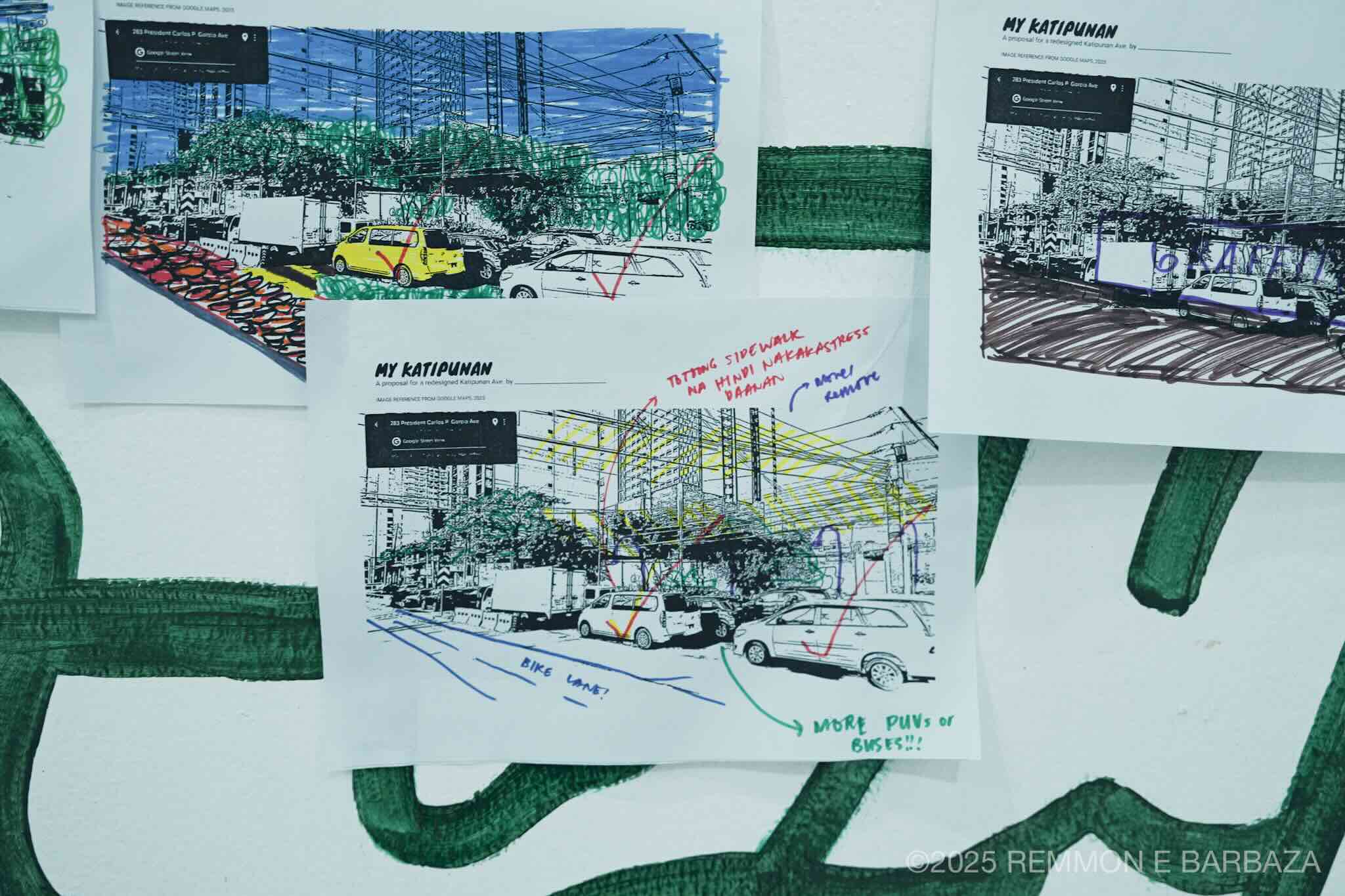
The first day of the Summit also saw the opening of “Daan-daang Lansangan,” an interactive exhibit showcasing select photos from the 2018 Click Your Biyahe photo contest and the Katipunan Corridor plan. The exhibit, prepared by the Department of Fine Arts, was introduced by Dr Patricia P Lambino, Dean of the School of Humanities.
The set of talks that followed explored the nature of walking and the varying connotations behind the term “pedestrian.” Ms Marie Franchesca M Borras, Dr Vincenz C Serrano, and Dr Fernando N Zialcita from Ateneo de Manila University took part in an interdisciplinary dialogue between the Humanities and Social Sciences. They delved into a dynamic discourse on walking and how it has deviated from the etymological nature of “pedestriation” as something neutral and lacking in inspiration or excitement. While emerging subcultures currently view walking as an indicator of strength, mobility, and vitality, a class dimension where walking is tied to poverty was brought into the discussion. Given this, the discussion called for a common understanding of walking as something vital to the life of human beings, both individually and as members of a community.
The next round of talks discussed the active effort towards creating walkable cities in major metropolitan areas like Metro Manila. Using insights from academia, urban planning, disability advocacy, and government sectors, the discussion painted a picture of the mobility scene in Metro Manila. Panelists Abigail Marie Favis, Assistant Professor of the Ateneo de Manila’s Department of Environmental Science; Dr Maureen Ava Mata, co-covener for Accessibility and Inclusion from the Move as One Coalition; and Dr Nathaniel von Einsiedel, principal urban planner at CONCEP Inc, also discussed the myriad of challenges and opportunities in fostering an environment that is safe, inclusive, and accessible for all community members.
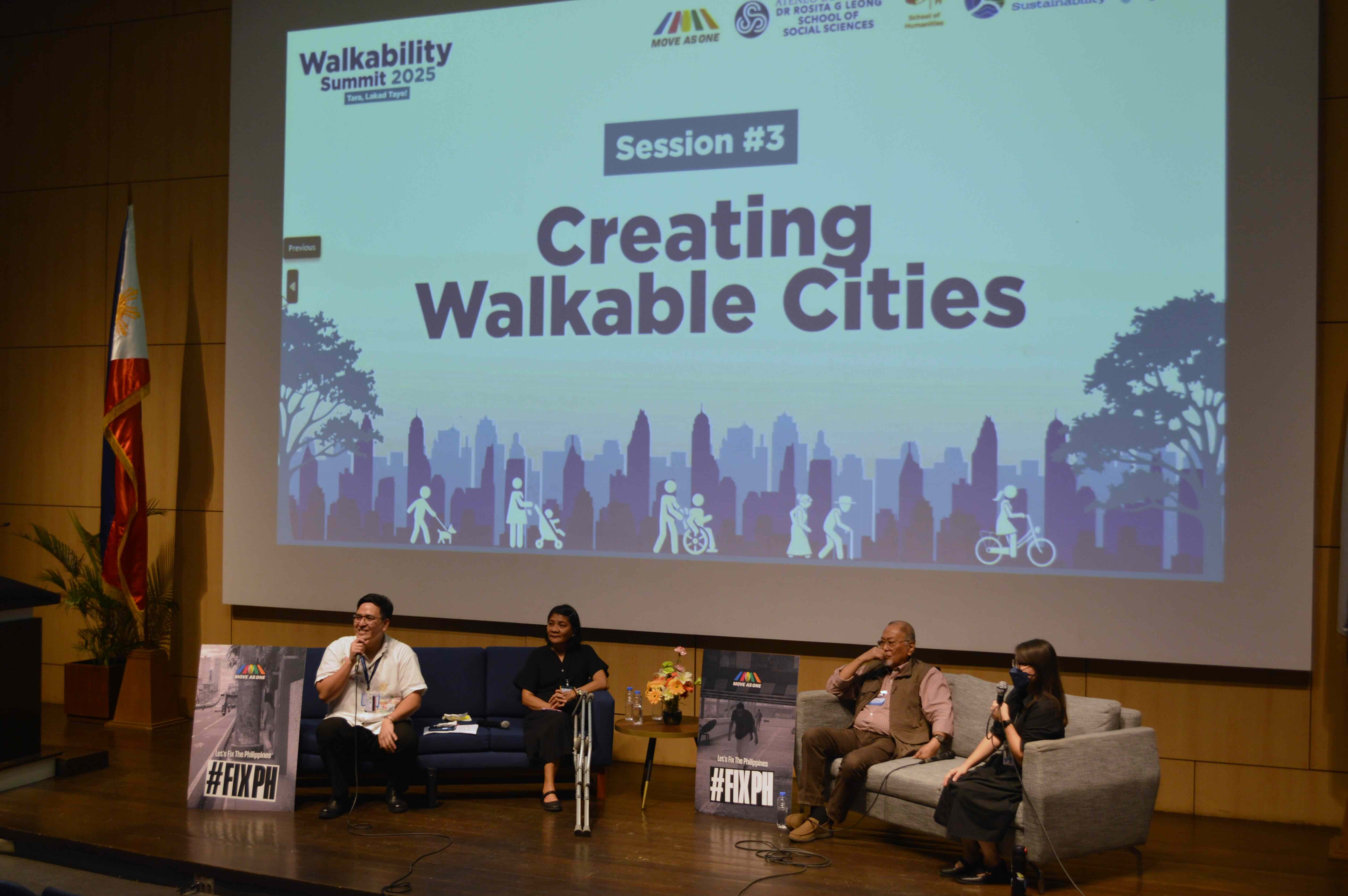
On 3 October, Dr Emmanuel Delocado from the Ateneo Institute of Sustainability opened the second day of the Summit. Similar to the first day, Day 2 began with a focus on lived experiences in the urban landscape. In the roundtable discussion entitled “Safe, Inclusive, and Healthy Streets,” Ms Alyssa Belda from Make It Safer Movement, content creator and inclusivity advocate Dr Katrina Hernandez, Ateneo de Manila’s University Physician and Associate Director of the Health Sciences Program, Dr Norman Dennis E Marquez, and Jeza Rodriguez from Make it Safer Movement and Bike School Asia tapped into the various experiences of women, persons with disabilities, children, and other sectors in walking our streets.
This led later on to an inquiry into what an inclusive and walkable city looks like, and how significant decision makers should set the threshold of standards. In the second talk for the day, “Street Design Standards for Walkable Cities,” architects, designers, road safety advocates, and community workers explored current challenges, effective practices, and policy changes needed for improving the quality of the pedestrian experience across sectors. Participants in this discussion included PGAA Creative Design Principal Architect Arch Paulo Alcazaren, Committee on Accessibility Chairman Arch Armand Michael R Eustaquio, Good Governance and Road Safety Advocate Vincent Lazatin, and Move As One Coalition Legislative Liaison Atty Daphne Marcelo.
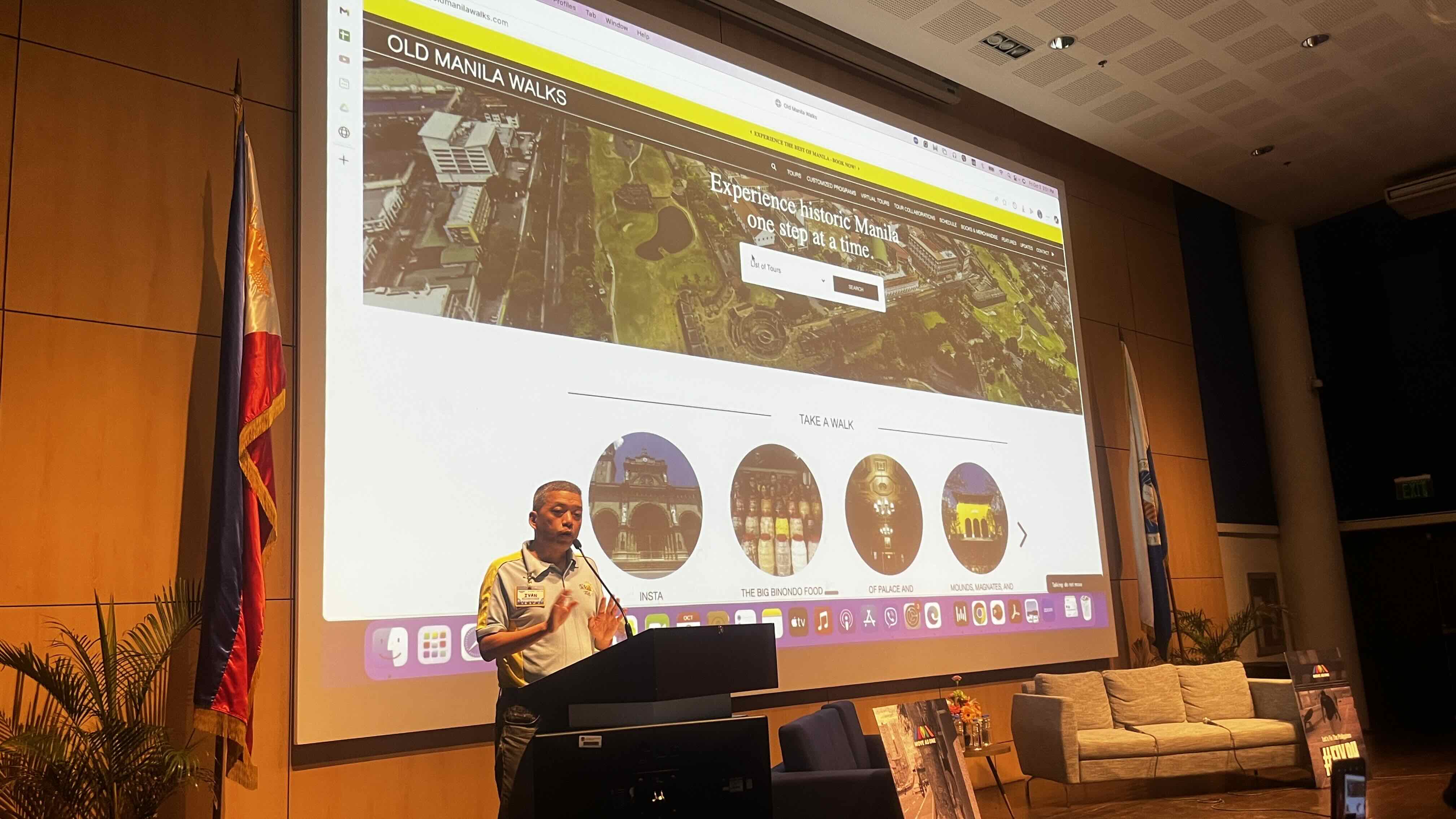
The Summit also emphasized the role of culture and history in our cities through the session “Learning History and Culture from Walking.” While walkability in urban spaces plays a role in well-being and quality of life, walking also fosters a deeper connection with our history and culture. Panelists from the fields of tourism and cultural heritage were present, namely, National Parks Development Committee Deputy Executive Director Jezreel Gaius A. Apelar, UP Asian Institute of Tourism Associate Professor Marie Danielle V Guillen, Ms Bea Dolores from Renacimiento Manila, and Old Manila Walks founder Mr Ivan Man Dy.
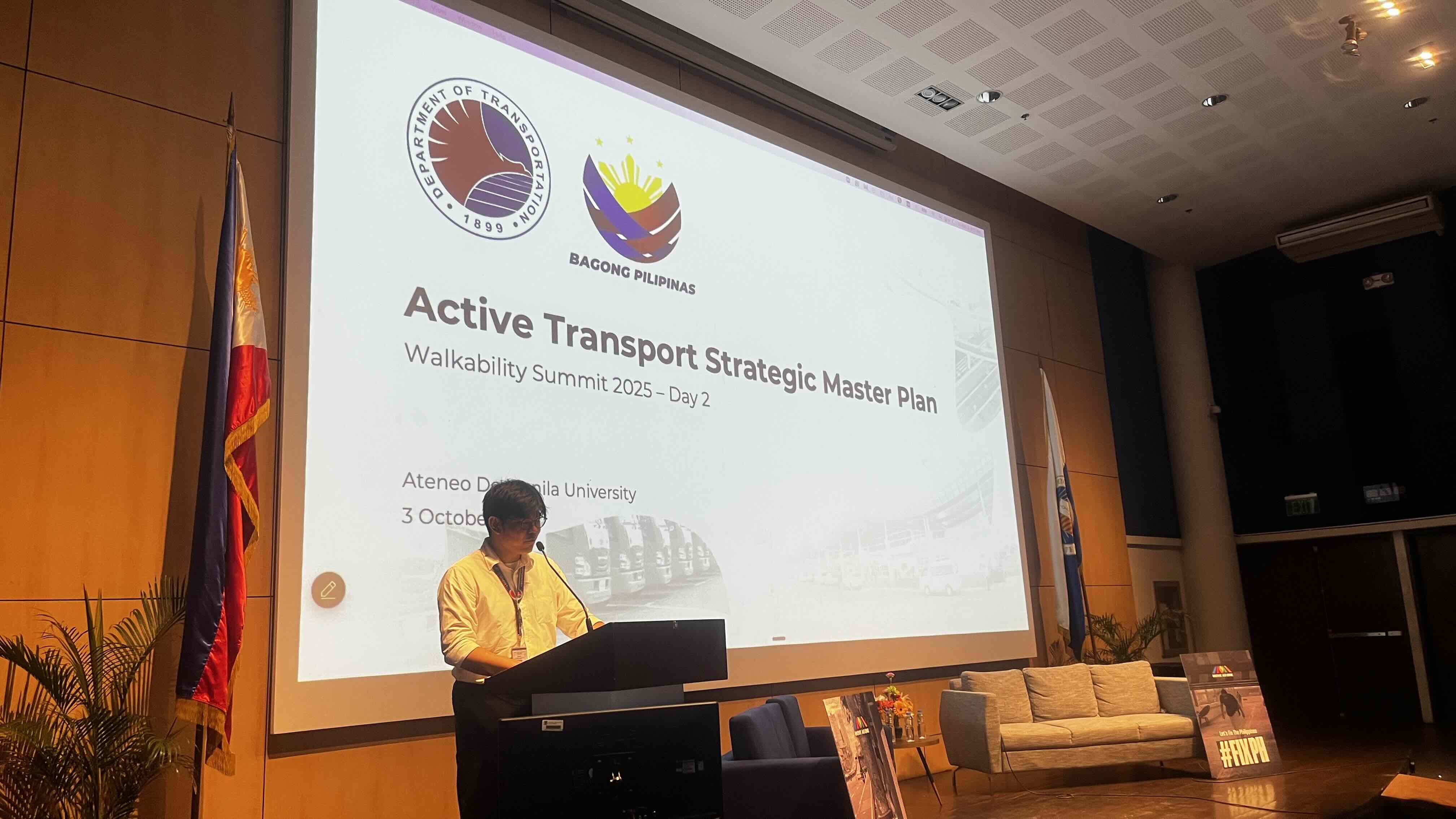
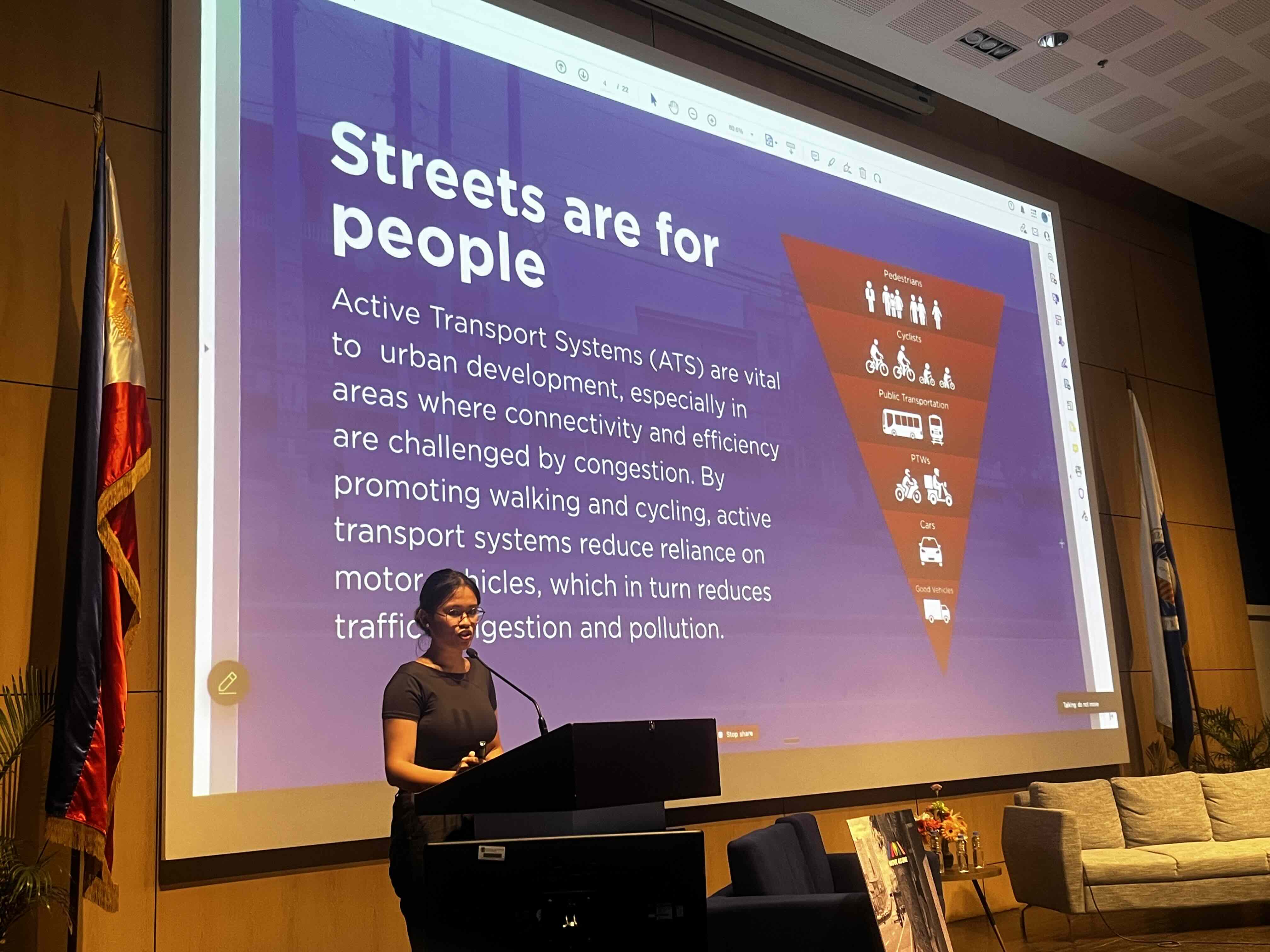
The end of Day 2 was a culminating act and a realization of the Summit’s objectives of change-driven collective action through a discussion on the Active Transport Strategic Master Plan. This was headed by Transportation Development Officer II Francis Troy D Caiga from the Department of Transportation, Associate Director for Urban Planning at Palafox Associates and Project Manager for the Active Transport Strategic Masterplan Arch Jana Gabrielle Ladia, EnP, and Advocate and Social Media Lead Ronel Bernabe from Make It Safer Movement.
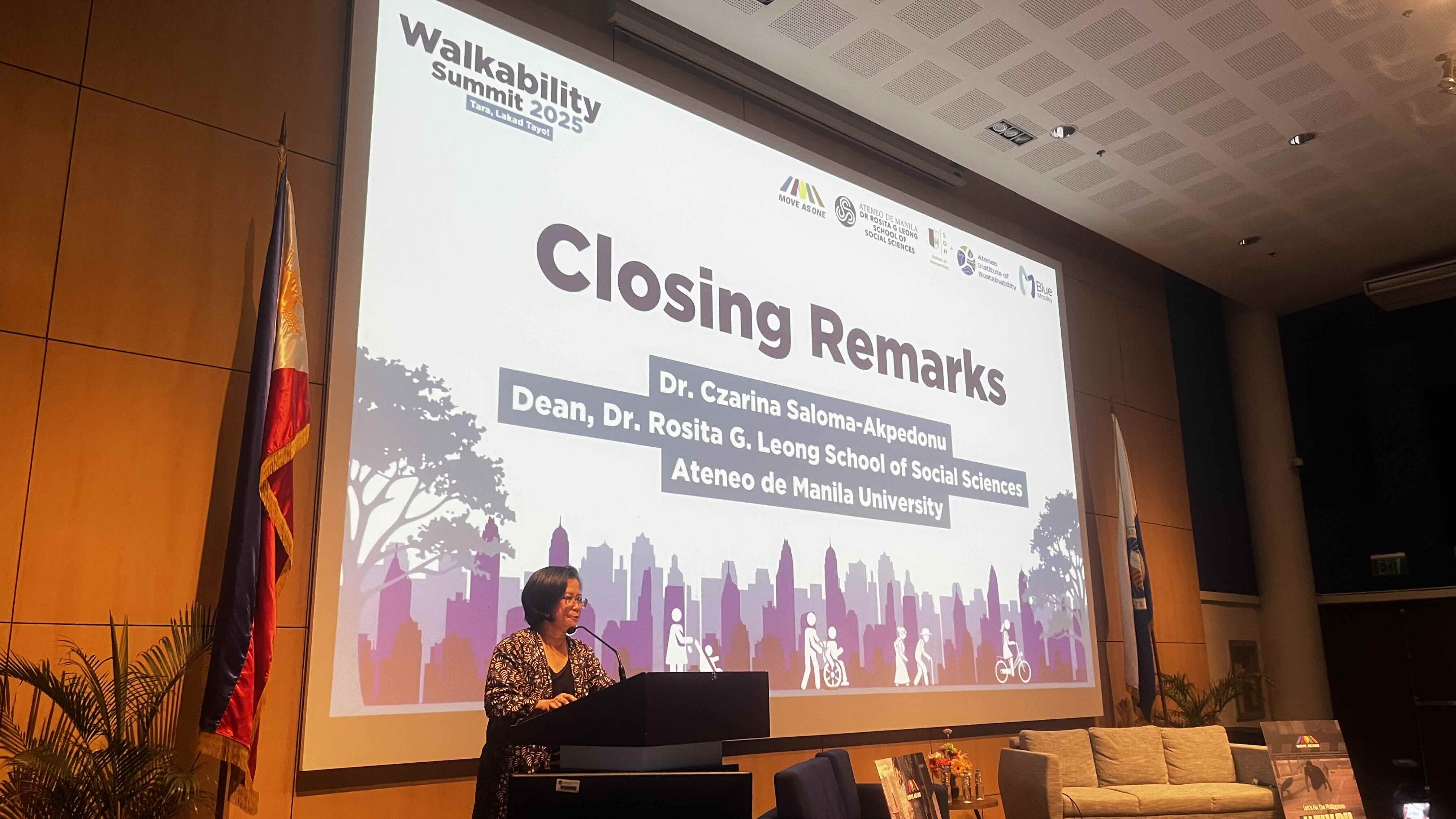
To formally end the program, Dr Czarina Saloma-Akpedonu, Dean of the Dr Rosita G Leong School of Social Sciences, delivered the closing remarks, emphasizing how the two days have renewed the commitment to make Metro Manila a walkable city. It was everyone’s fervent hope that this year’s Summit would spur efforts from the local government to turn at least the area underneath the Katipunan Flyover, which connects to the LRT Station, into a pleasant walk for everyone who uses Katipunan Avenue for their daily commute.
Recent News
You may also like these articles

Why can’t we eradicate tuberculosis? AIS dissects the TB issue in a multidisciplinary panel
On 24 March 2026, the Ateneo Institute of Sustainability (AIS), through its Sustainable Development Goals (SDGs) Program, hosted a multidisciplinary panel in observance of World
AIS links with Masungi for systems thinking for environmental management
Last 23-24 March 2026, the Ateneo Institute of Sustainability (AIS) , which manages the My Climate Risk – Ateneo de Manila University Regional Hub
Mangroves as shields of history and resilience: Insights from Dr Emma Porio
Mangrove forests have long shaped both the history and survival of coastal communities in the Philippines. According to Dr Emma Porio, Professor Emeritus (Sociology -
Professor Emeritus Dr Emma Porio to deliver keynote address at Regional Dialogue: Schools Climate Action Project
Dr Emma Porio, Professor Emeritus at Ateneo de Manila University's Dr Rosita G Leong School of Social Sciences (RGLSOSS) and Lead Author of UNFCCC-IPCC Climate
Klim@Musika
For most Filipinos, music is inseparable from daily existence. Music playlists accompany Filipinos in their commutes be it through walks, jeepneys, trains, or their private
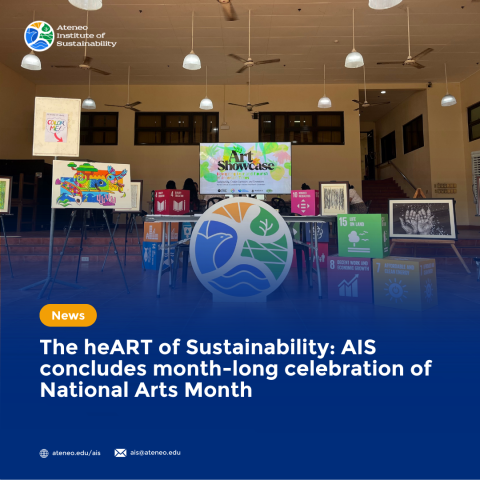
The heART of Sustainability: AIS concludes month-long celebration of National Arts Month
With the desire to make sustainability more accessible and promote its interdisciplinarity, the Ateneo Institute of Sustainability (AIS) hosted a month-long National Arts Month celebration