AIS participates in the “Climate Health and Nexus Workshop” hosted by GIZ
14 Dec 2025 | By Azriiel Eunice “Eyzi” C Teves and David Hans Y Lomarda







Ateneo Institute of Sustainability (AIS) participated in the “Climate Health and Nexus Workshop: Attribution Concepts, Methodologies, and Links to Loss and Damage” hosted by Deutsche Gesellschaft für Internationale Zusammenarbeit (GIZ) last 12–14 November 2025 in Citadines Hotel, Cebu City. Represented by Azriiel Eunice C Teves (Research Assistant for Mobility) and David Hans Y Lomarda (Research Specialist for Biodiversity Management), the three-day hybrid workshop brought together experts, policymakers, and practitioners from the health, climate, disaster risk management, and sustainability sectors in pursuit of understanding Attribution Concepts and Methodologies, linking it to climate hazards and health outcomes, including both economic and non-economic losses and damages.
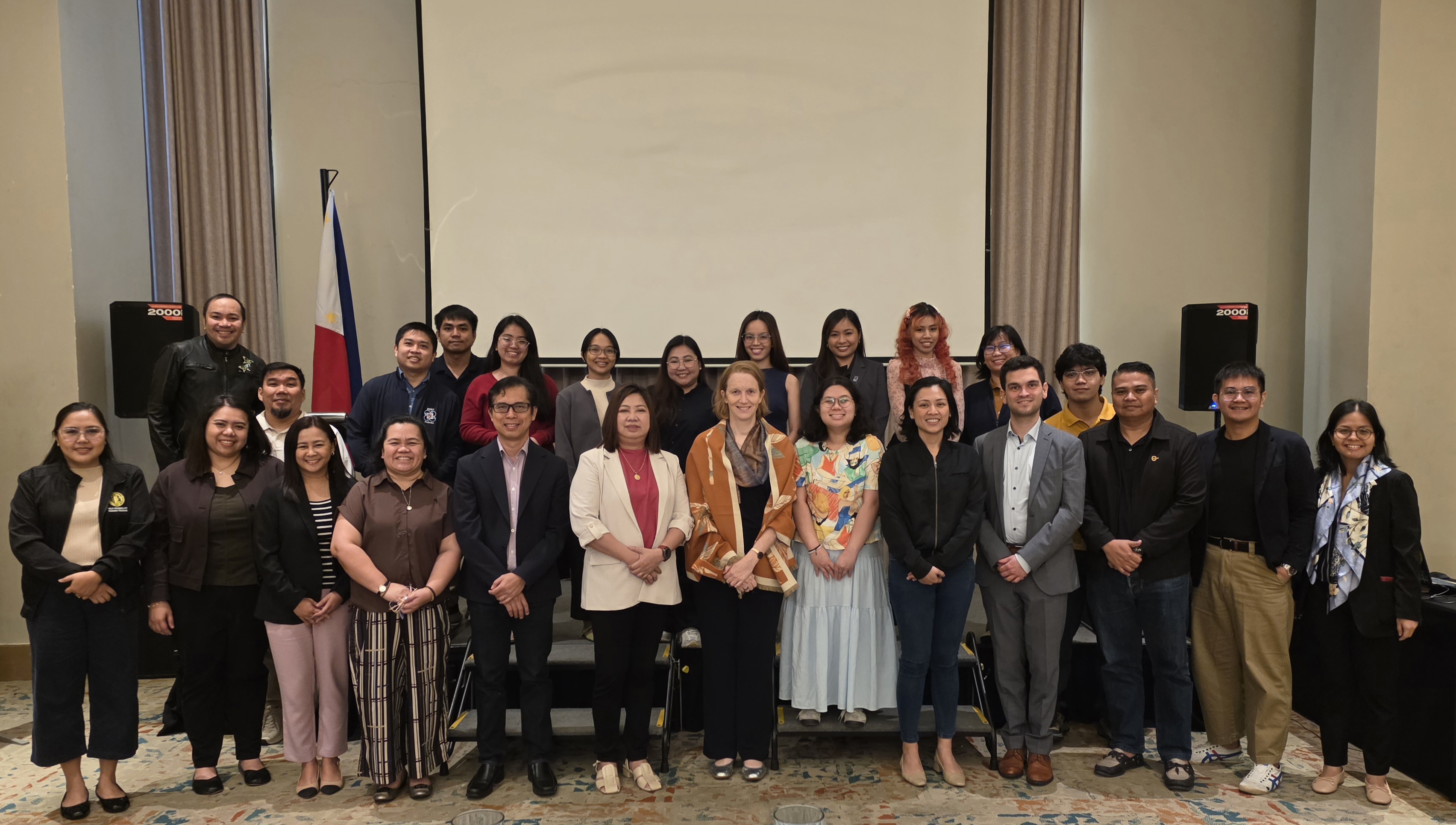
The first session focused primarily on the concept of climate change and public health. Among the first topics of this workshop was how climate change and its impacts are primarily reported in the form of economic losses only without quantifying its impact in other sectors. Links between both issues became more apparent as the session progressed. Dr Jigo Salvador of the Department of Health (DOH) presented about climate change-health nexus, where he demonstrated data on how cases of dengue and malaria increase in frequency as the effects of climate change worsens over time. Dr Salvador posited that an effective response to these issues must address both climate change and public health simultaneously through initiatives such as capacity-building, research, and by incorporating public health into the national climate change response agenda.
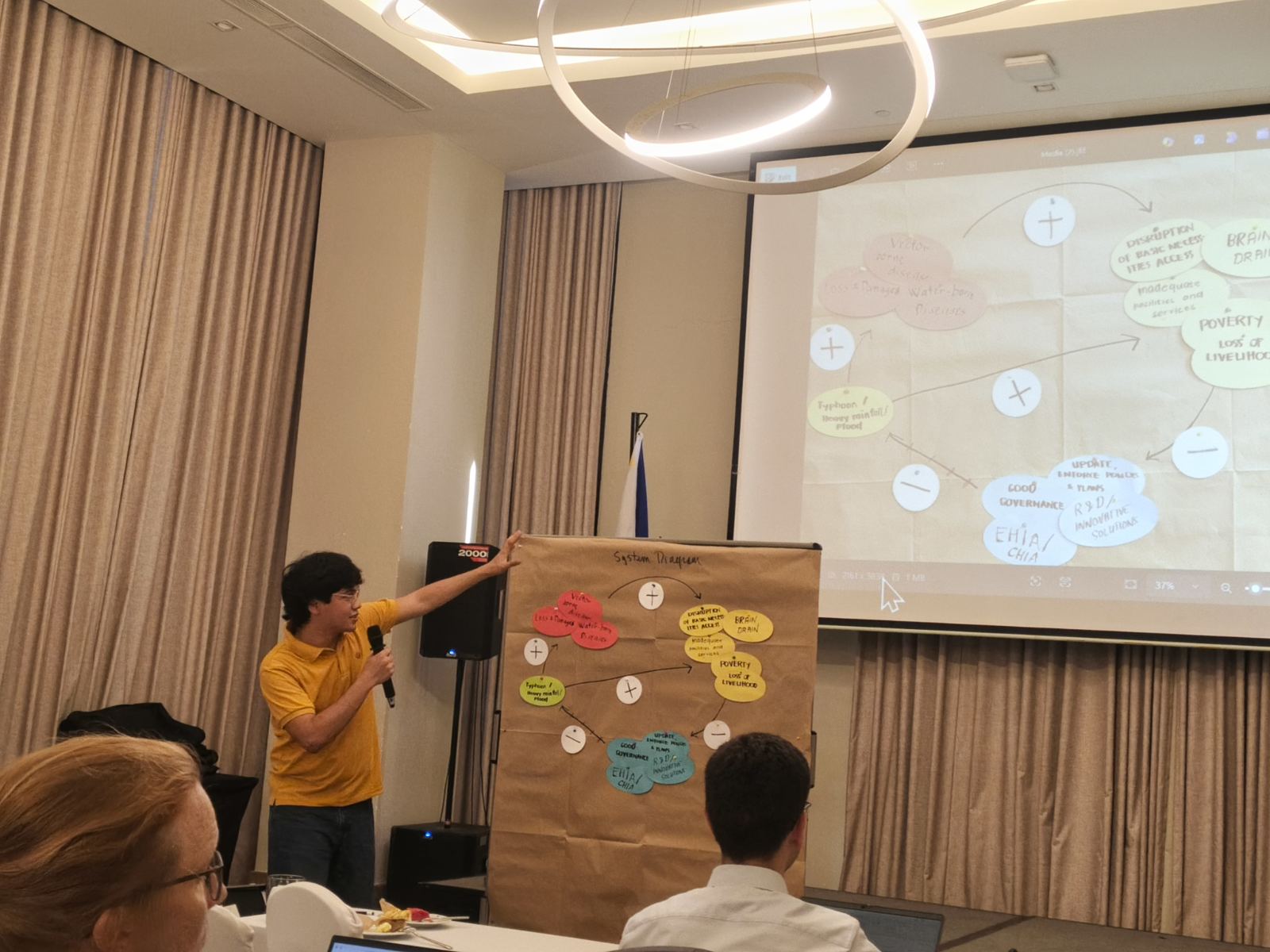
The need for attribution science in government policy becomes more apparent, as well as the need to incorporate aspects apart from economic impact when assessing the damages brought upon by climate change. As part of the workshop, the participants coming from the government, academe, non-government organizations (NGOs), and private sectors were asked to create a systems diagram that illustrated the impact of climate change on public health. Among the several groups, Mr Lomarda from AIS presented their output created in collaboration with a group consisting of people from the academe and private sector, which highlighted how climate change affects health services.
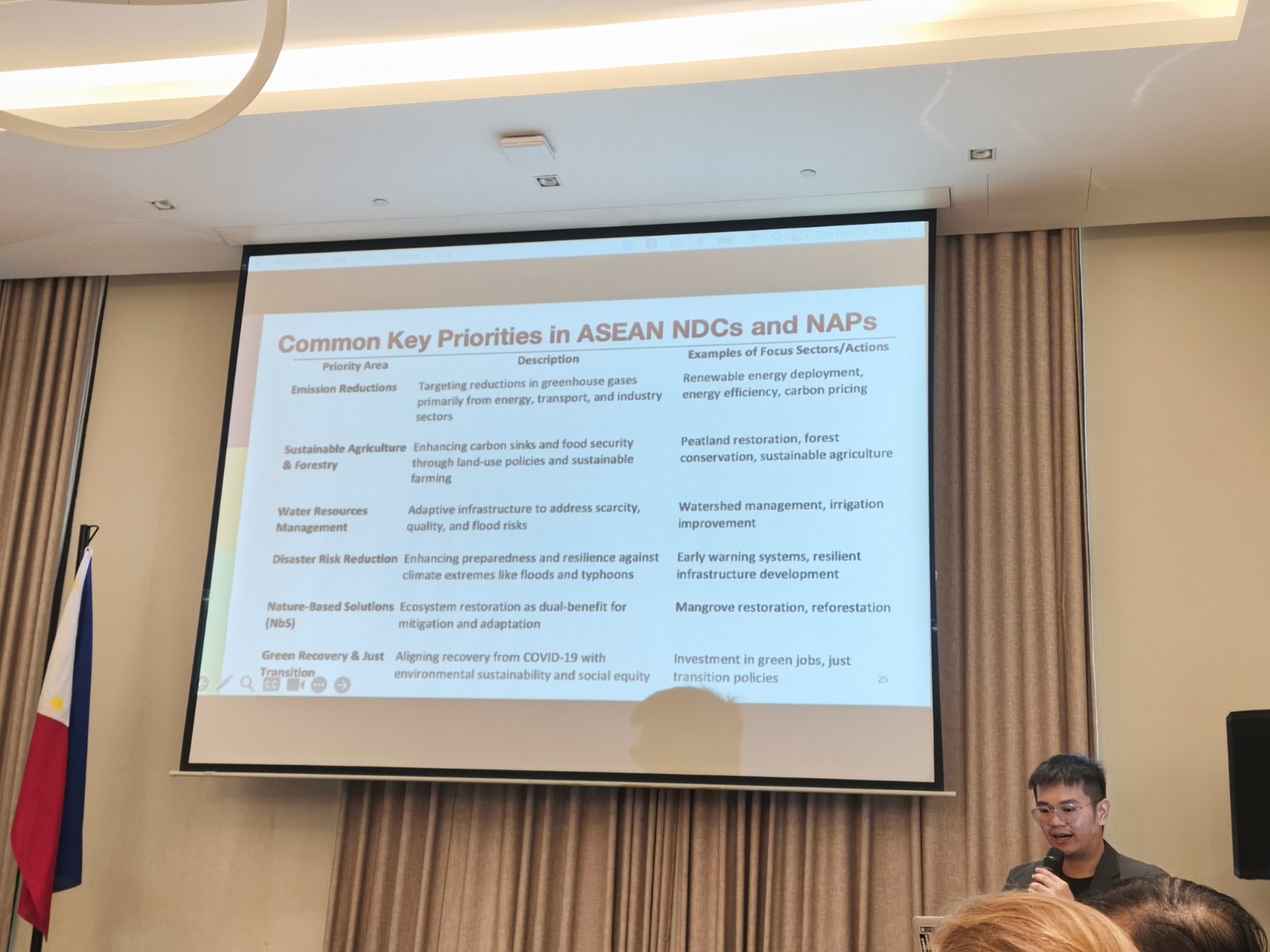
The second day of the workshop featured methodological approaches related to epidemiology, discussing exposure-response models, statistical downscaling, and integrated assessment frameworks, which further explored the data, tools, and health outcomes associated with losses and damages linked to climate hazards. These methods were materialized through the presentation of case studies conducted by the National Institute of Child Health and Human Development (NICHD) from the UP National Institutes of Health (NIH), which provided empirical data regarding the direct and indirect effects and impacts of climate change to human health and well-being such as, heatwave mortality, flood-related outbreaks, air quality impacts, and vector-borne diseases. Moreover, the dissertation of Mr John Nicolas B Mejia from GIZ was also presented, focusing on the relationship between climate change and the COVID-19 pandemic to highlight the importance of interdisciplinary collaboration between health institutions and government agencies in responding to global health crises through diplomacy. Overall, this day brought emphasis on the importance of Attribution Science and the impact of Climate Change on public health and well-being.
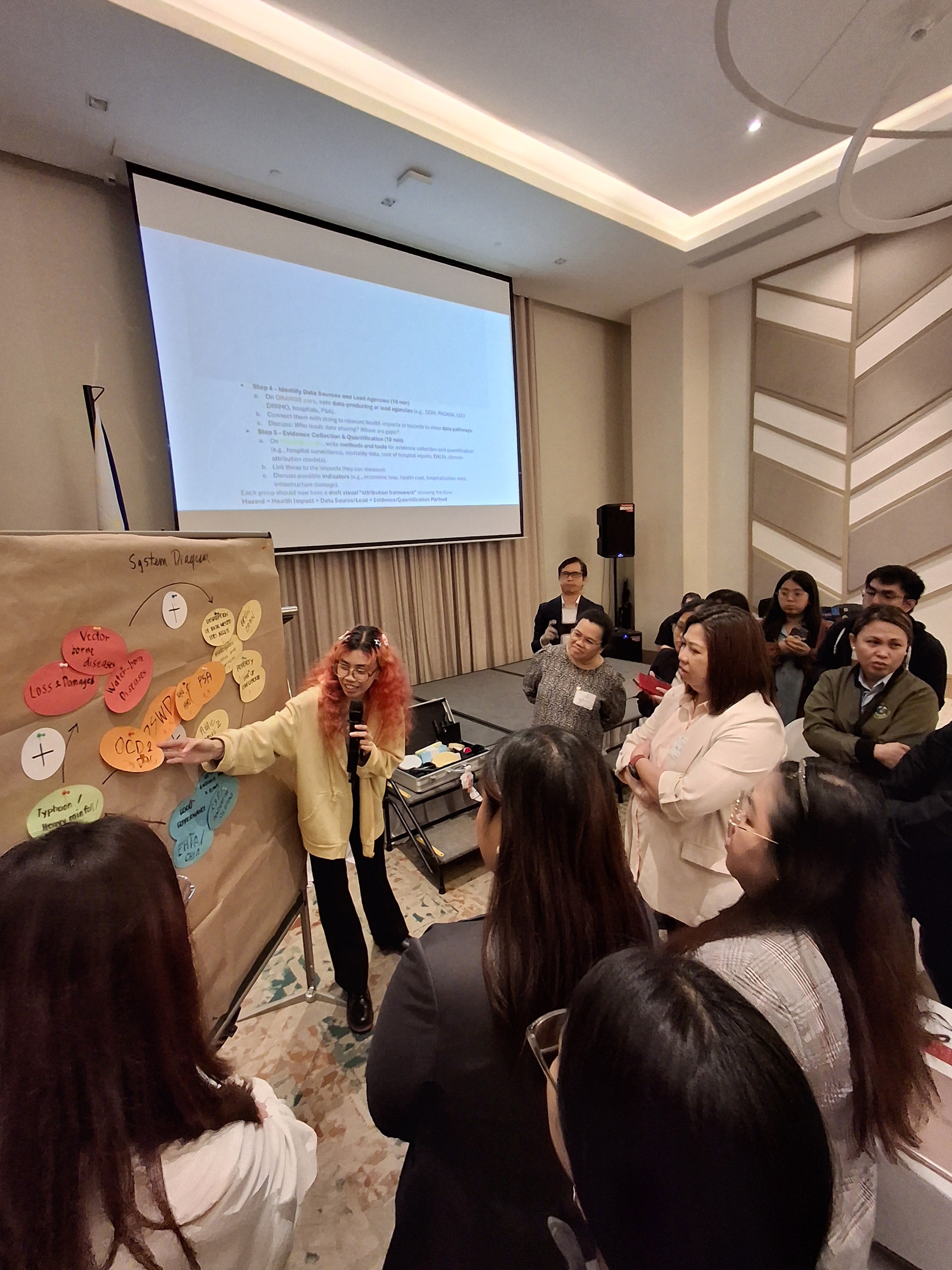
The insights from the plenary sessions were applied through designing and presenting a hazard-based health attribution framework that was built upon the previous causal loop diagram made by the participants on the first day. AIS participants, together with other academic institutions and the DOH representatives, were able to identify the governing bodies, institutions, and societal sectors that contributed to widespread flooding–the chosen climate hazard of the group. Ms Teves from AIS presented their group’s output.
The last day of the workshop widened the participants’ understanding of finances regarding Loss and Damages associated with Climate Impacts and Attribution Science. Specifically, the Loss and Damages in the lens of the Paris Agreement and Climate Action was further discussed by Atty Elpidio Peria from the Department of Environment and Natural Resources (DENR). This was supported by the discussion of Mr Jonathan Auer from GIZ regarding economic losses in health, non-economic impacts such as mortality and wellbeing, and regional case examples. These presentations were able to emphasize the unavoidable negative impacts of climate change to various sectors of the society that goes beyond adaptation and mitigation, especially in vulnerable individuals and communities. Through these, available funding arrangements that can alleviate loss and damages were presented to the participants in hopes of supporting the efforts of these institutions who work with climate and health-related issues in the country.
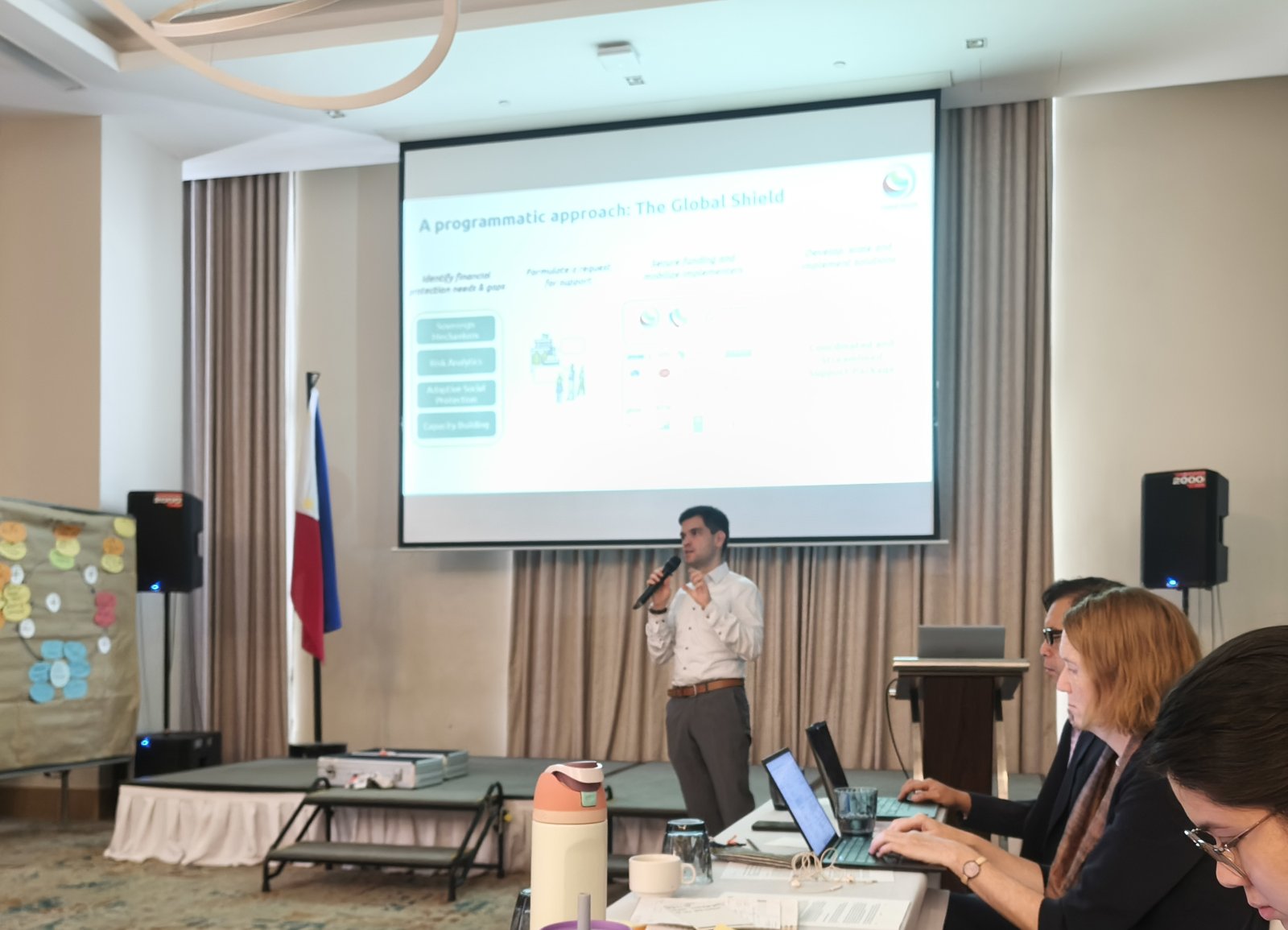
Finally, the workshop culminated by providing a space for the participants to recommend and comment on a prospective project to be launched by GIZ. A series of breakout sessions were done throughout the day, where the participants were grouped based on their expertise: academic institutions, DOH, Department of Science and Technology - Philippine Atmospheric, Geophysical and Astronomical Services Administration (DOST-PAGASA), and several NGOs. AIS, collaborated with NICHD-NIH and Climbs Life and General Insurance Cooperative to represent the academic institutions and NGOs. Insights were presented afterwards, creating meaningful and interdisciplinary discussions.
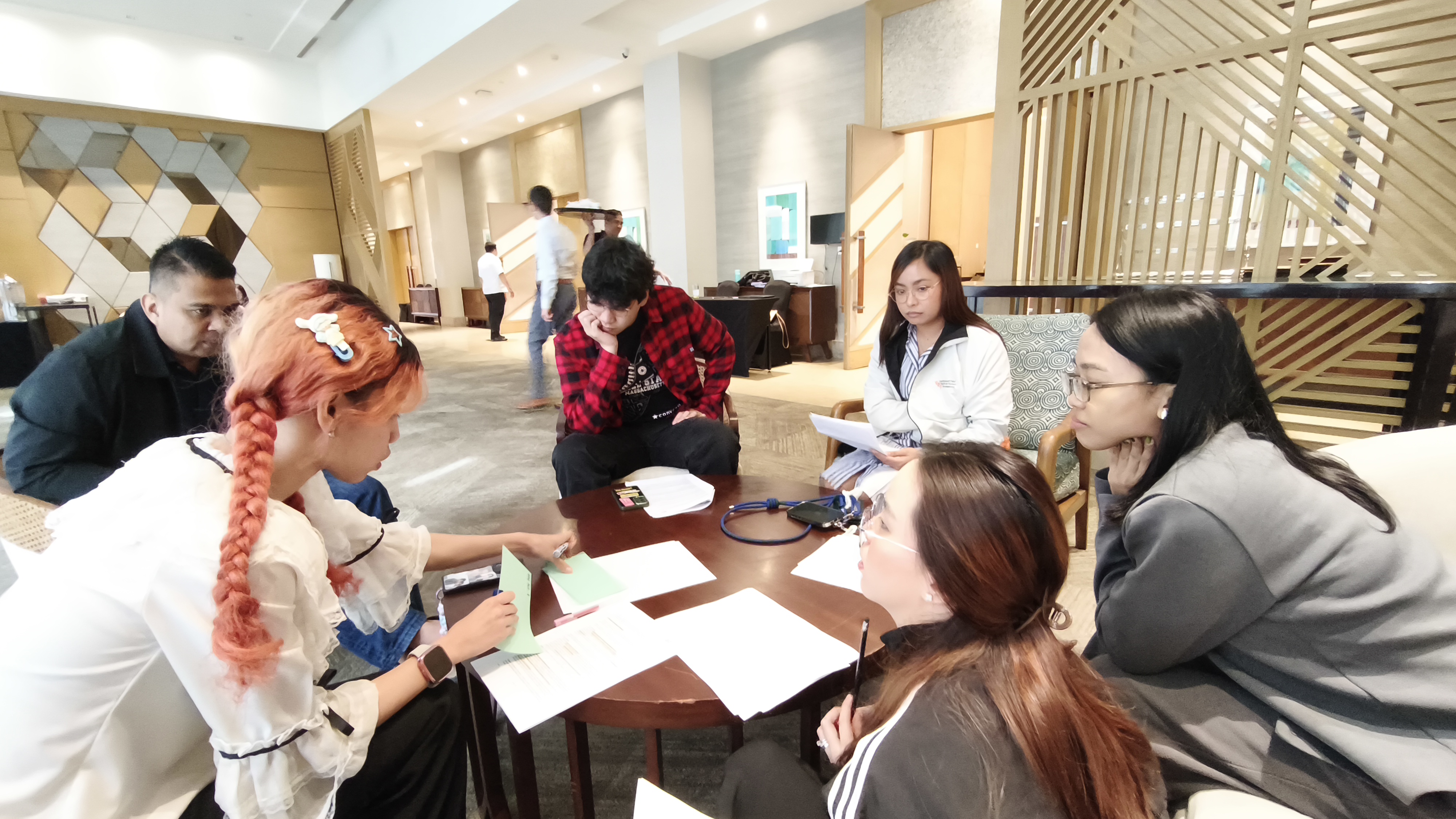
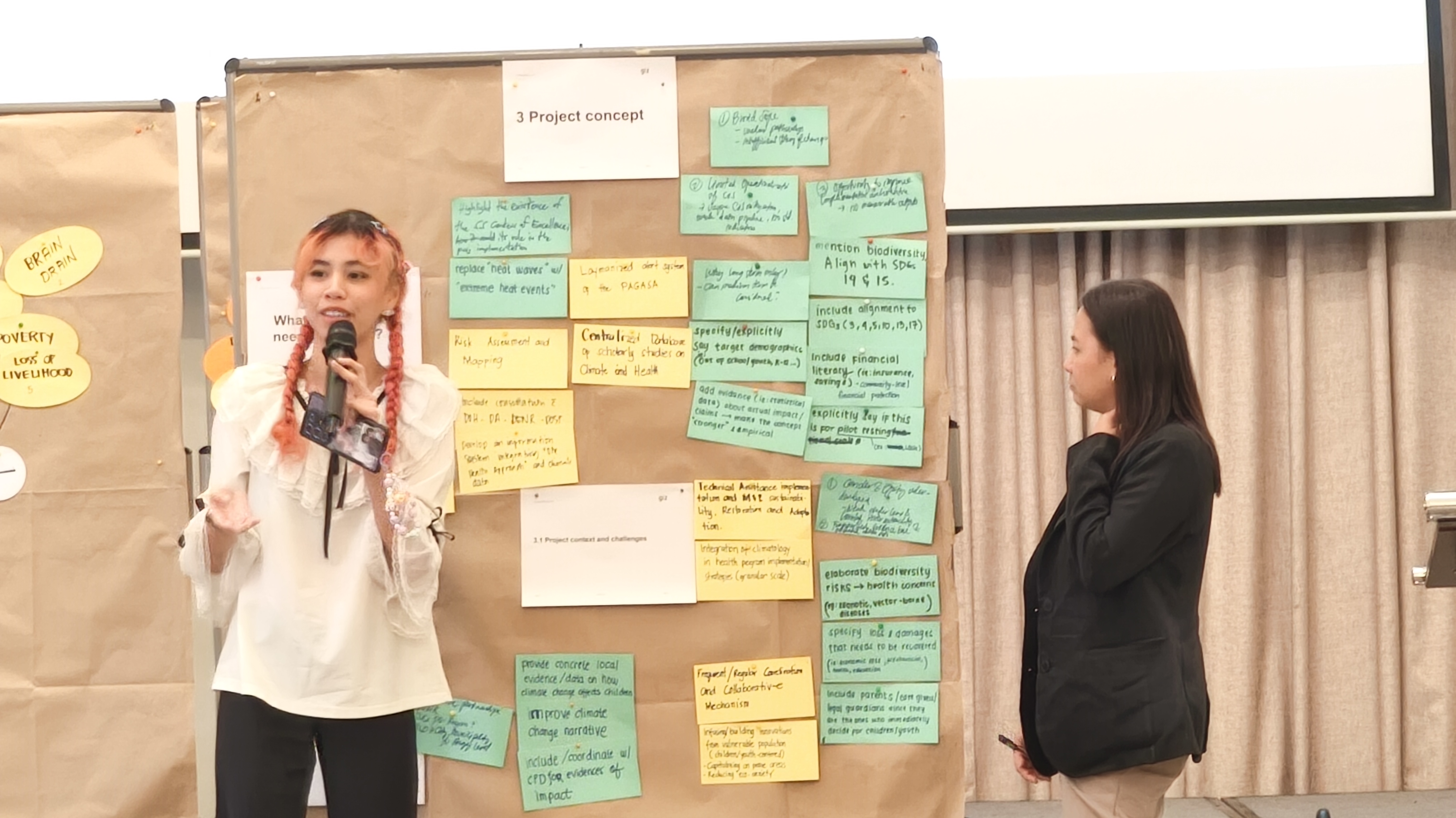
The workshop was able to facilitate participation between different sectors in formulating potential solutions, as well as establishing connections between previously unacquainted organizations, paving the way for future partnerships. It also revealed how much work there is to do regarding the intersection of climate change and public health. Hopefully, through the collective efforts from various sectors, the scores of issues will eventually be replaced with solutions. The feedback provided by the participants would hopefully bear fruit and help guide GIZ’s project proposal for a Climate Information System, which will hopefully address the pressing issues regarding climate change and public health once implemented. Until then, AIS will continue with its partnerships in addressing these issues wherever they may manifest within the campus and surrounding communities.
Recent News
You may also like these articles
Why can’t we eradicate tuberculosis? AIS dissects the TB issue in a multidisciplinary panel
On 24 March 2026, the Ateneo Institute of Sustainability (AIS), through its Sustainable Development Goals (SDGs) Program, hosted a multidisciplinary panel in observance of World
AIS links with Masungi for systems thinking for environmental management
Last 23-24 March 2026, the Ateneo Institute of Sustainability (AIS) , which manages the My Climate Risk – Ateneo de Manila University Regional Hub
Mangroves as shields of history and resilience: Insights from Dr Emma Porio
Mangrove forests have long shaped both the history and survival of coastal communities in the Philippines. According to Dr Emma Porio, Professor Emeritus (Sociology -
Professor Emeritus Dr Emma Porio to deliver keynote address at Regional Dialogue: Schools Climate Action Project
Dr Emma Porio, Professor Emeritus at Ateneo de Manila University's Dr Rosita G Leong School of Social Sciences (RGLSOSS) and Lead Author of UNFCCC-IPCC Climate
Klim@Musika
For most Filipinos, music is inseparable from daily existence. Music playlists accompany Filipinos in their commutes be it through walks, jeepneys, trains, or their private
The heART of Sustainability: AIS concludes month-long celebration of National Arts Month
With the desire to make sustainability more accessible and promote its interdisciplinarity, the Ateneo Institute of Sustainability (AIS) hosted a month-long National Arts Month celebration