Physician societies unite to combat antimicrobial resistance (AMR) through vaccination: A roundtable discussion
13 Dec 2025 | Patricia Burigsay


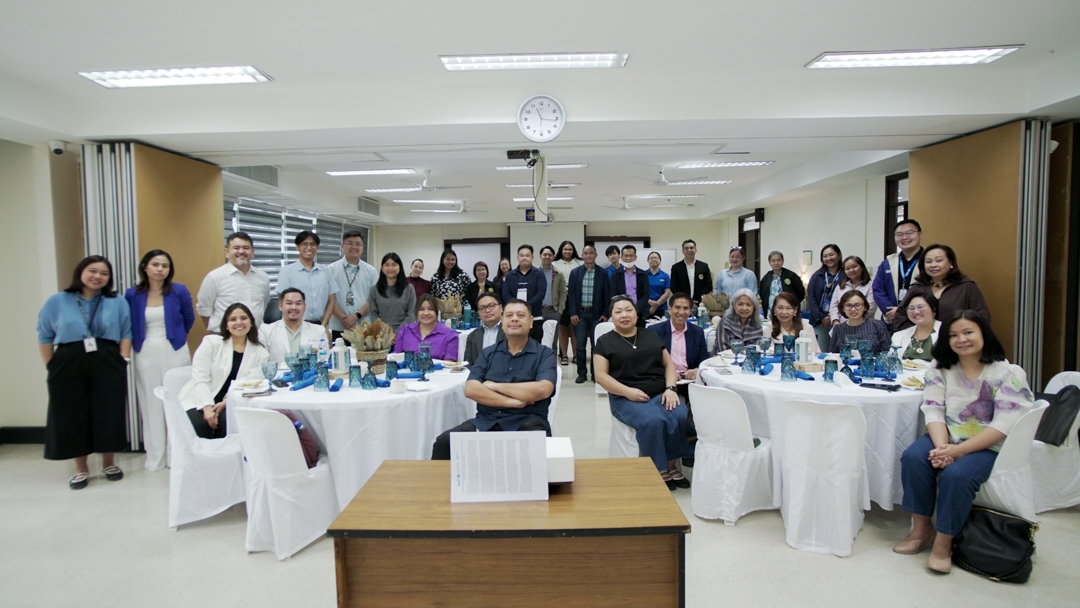
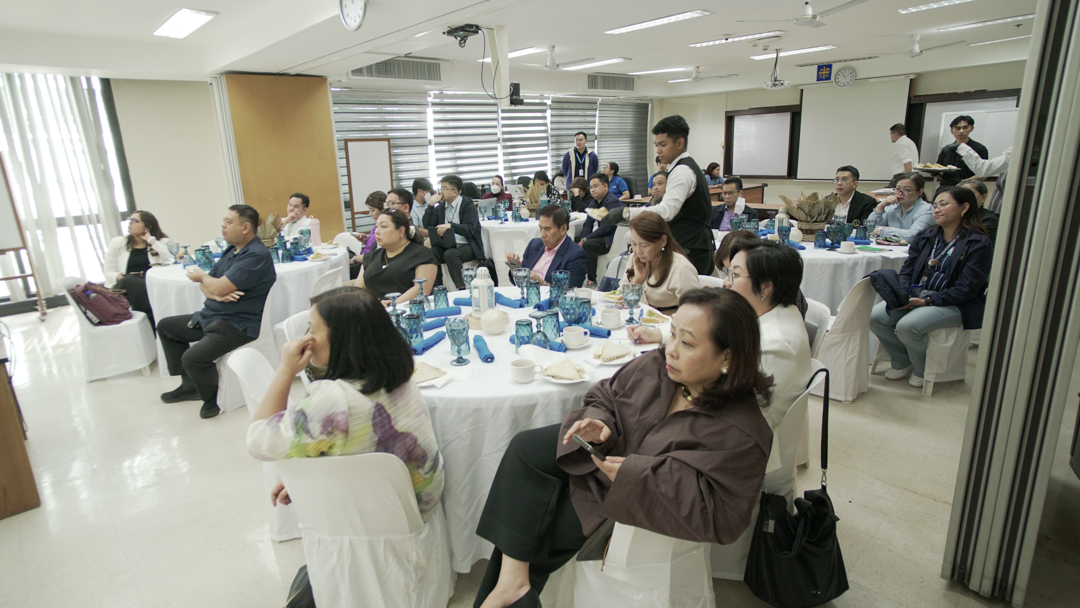
In a critical step toward addressing one of the world's most pressing health threats, professional physician societies and city health officers from across Metro Manila gathered for a groundbreaking roundtable discussion on integrating vaccination strategies into antimicrobial resistance (AMR) stewardship frameworks last 27 November 2025 at the Ateneo Graduate School of Business, Rockwell Campus.
The Growing Threat of AMR
Antimicrobial resistance continues to undermine decades of progress in infection control and modern medicine. The World Health Organization recognizes AMR as one of the top ten threats to global health, with resistance now compromising routine treatments and increasing the burden of preventable disease. In the Philippines, rising rates of resistant infections, coupled with high antibiotic consumption and gaps in preventive care, place sustained pressure on healthcare providers and national surveillance systems.
"When you hear the term antimicrobial resistance, it brings a sense of dread," shared Dr Fatima Gimenez of the Pediatric Infectious Disease Society of the Philippines (PIDSP). "There are not a lot of antibiotics left to use for our patients once AMR sets in."
Yet amid these challenges lies a powerful solution: vaccination. Modeling evidence suggests that scaling up vaccination for priority pathogens could prevent more than half a million AMR-related deaths each year. Data from South Africa have shown dramatic declines in resistant pneumococcal infections following vaccine introduction, affirming that vaccines can be a cornerstone of AMR containment.
Bridging Research, Policy, and Practice
The roundtable discussion, organized by the Ateneo Center for Research and Innovation (ACRI) in partnership with Georgetown University's Global Health Program, IQVIA, International Centre for Antimicrobial Resistance Solutions (ICARS), and International Vaccine Institute (IVI) brought together representatives from major medical societies and local government health offices. The event was part of ACRI's ongoing ICARS-supported project, Advancing Vaccine Uptake to Mitigate Antimicrobial Resistance in LMICs of South- and Southeast Asia.
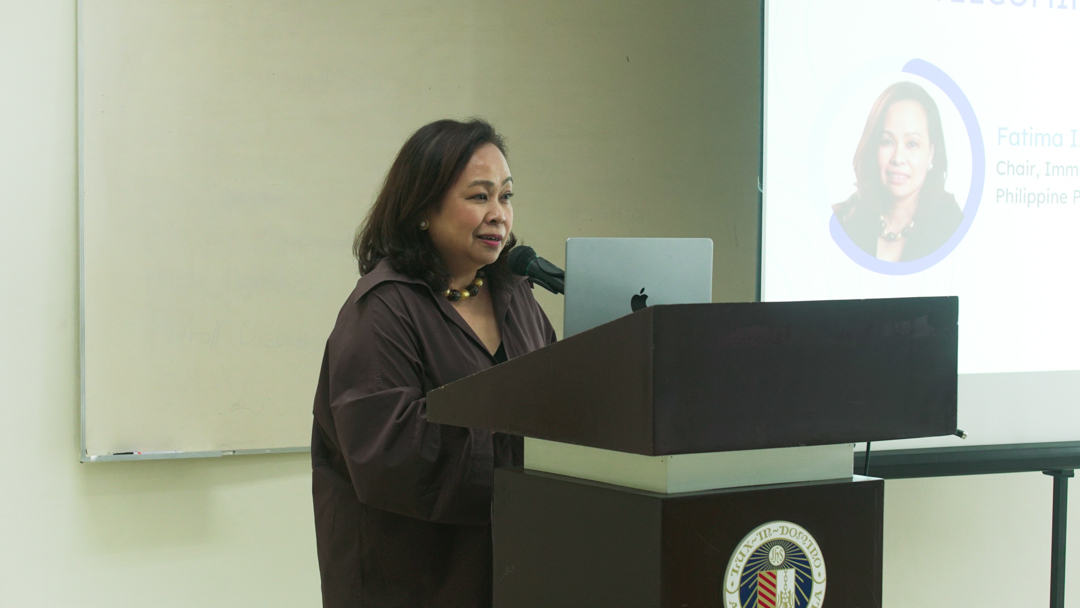
Dr Fatima Gimenez opened the session by framing the importance of physician leadership in AMR-vaccine integration, setting the tone for a day of collaborative dialogue. Following presentations from ICARS on global perspectives and IQVIA on scoping review findings, participants engaged in an extended grounding session exploring the realities physicians face in daily practice.
Uncovering Ground-Level Challenges
The morning discussion revealed critical barriers to both antimicrobial stewardship and vaccination promotion. Participants highlighted issues ranging from prescription regulation to systemic procurement challenges.
"People buy antibiotics without prescriptions prior," noted Dr Jireh Concepcion from Valenzuela. "Pharmacies are also a major factor, because they control the access to antibiotics." He also pointed to an often-overlooked dimension: "We also have to warrant human antibiotic use for animals. Because there are people asking for prescriptions for animals. This is due to the lack of veterinary pharmacists. We need to consider this because we want to aim for the one health approach."
The discussion also challenged common assumptions about vaccine hesitancy. "I'd like to say vaccine hesitancy is a scapegoat," argued Dr Anna Ong Lim of the Philippine Pediatric Society (PPS). "If you go to ground, that's not the actual problem. It's logistics more than anything else." This sentiment was echoed across groups, with participants identifying supply chain issues, procurement delays, timing mismatches, and inadequate budgets as the primary obstacles to vaccination coverage.
Representatives from Quezon City Health Department noted: "Our stock comes from DOH, so we are dependent on them. Influenza and pneumococcal vaccine stocks are allocated only for our elderly population, and our stock isn't even enough to cover everyone there." When facing a pertussis outbreak, they could procure vaccines only by diverting funds from other programs.
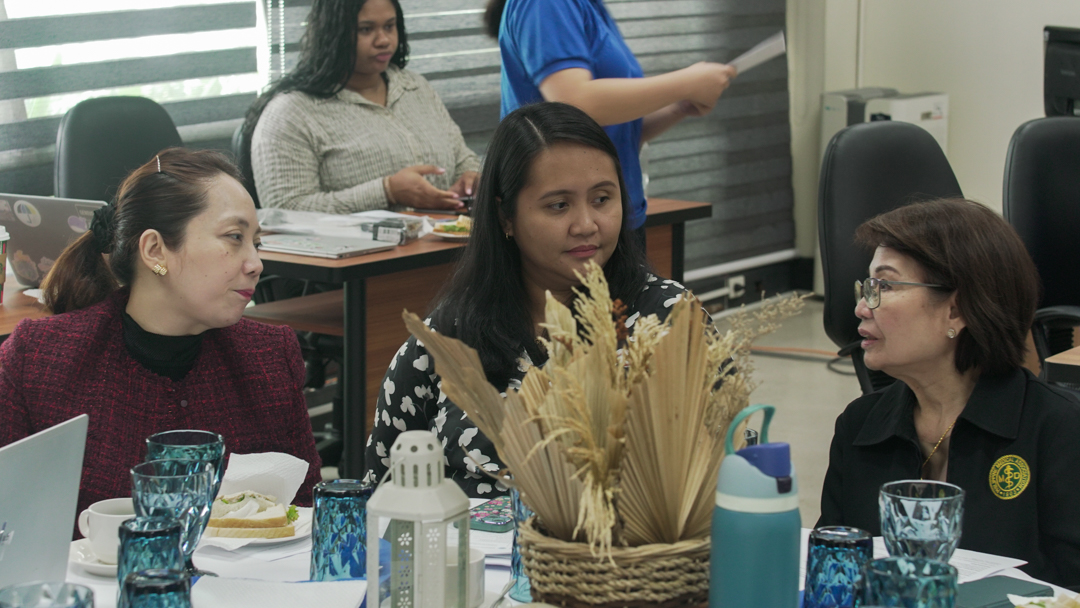
Participants also discussed the politicization of health services, with one noting that "counselors and kagawads can dispense antibiotics on their own for campaigns," complicating stewardship efforts. The conversation highlighted how patient pressure and fear of litigation sometimes lead physicians to prescribe antibiotics unnecessarily, with one sharing: "To shorten the conversation, many doctors may also just give patients what they want."
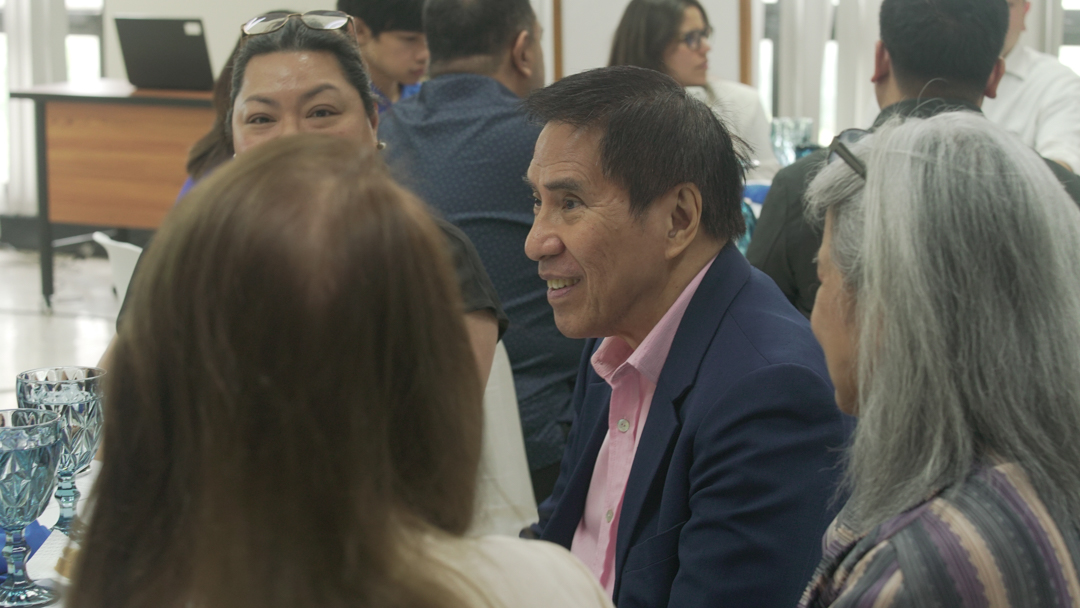
Yet there was also recognition of systemic complexity. As Dr Manuel Dayrit of the Ateneo Center for Research and Innovation (ACRI) emphasized, addressing AMR requires engaging multiple stakeholders: "50% of antibiotic use is for veterinary purposes. What then is the appropriate policy and strategy to address this—why, how, and what? How can we work with all these stakeholders?"
From Challenges to Solutions: The Hackathon
The afternoon shifted to action-oriented collaboration through a hackathon designed to develop practical, scalable solutions for strengthening the AMR-vaccine linkage. Participants worked in teams to address key challenges identified in the AMR-vaccine pathway, drawing on their diverse expertise from pediatrics, infectious disease, public health, family medicine, and frontline city health operations.
One participant noted the momentum building through this gathering: "We are now having momentum through this gathering of physicians. The Philippines can be the first to fully integrate vaccines into AMR strategies."
The hackathon generated several promising initiatives focused on feasibility and rapid implementation:
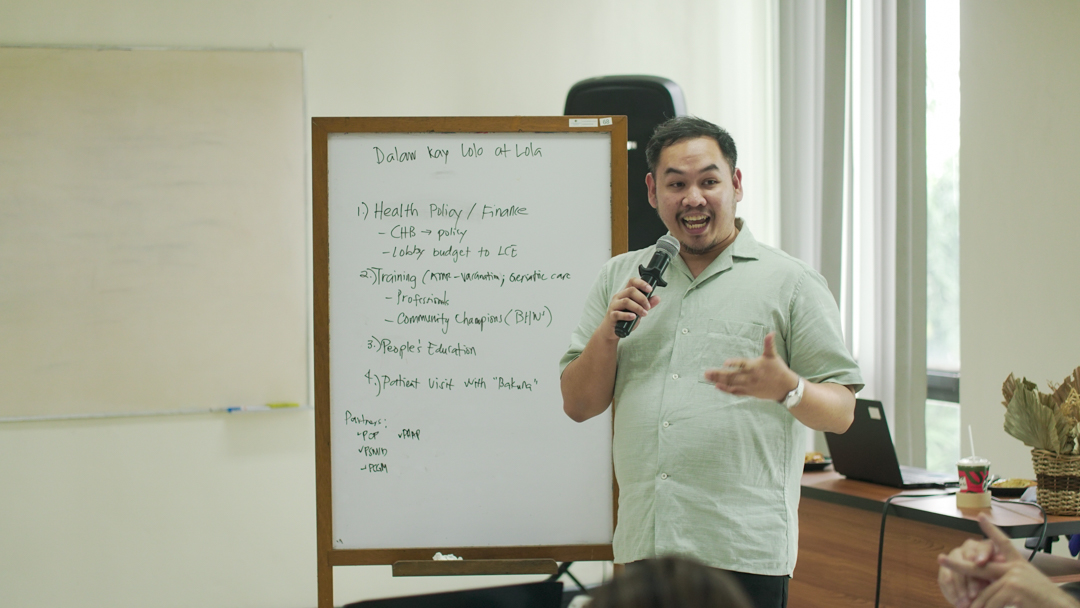
Project 1: "Dalaw kay Lola/Lolo" Vaccination Integration
Group 1 proposed integrating adult vaccination into existing geriatric care programs, specifically the "Dalaw kay Lola/Lolo" initiative. The strategy focuses on linking with existing programs to circumvent the year-long budget allocation process for new initiatives, with implementation targeted at one barangay per week. As participants noted, the key messaging to healthcare workers should be: "Huwag po kayo mag-alala, ginagawa na natin ito dati" (Don't worry, we've been doing this before)—framing vaccination integration as an enhancement rather than an additional burden.
Project 2: Chika Bakuna, Isang Patak, Isang Bakuna, Isang Desisyon ng Nanay
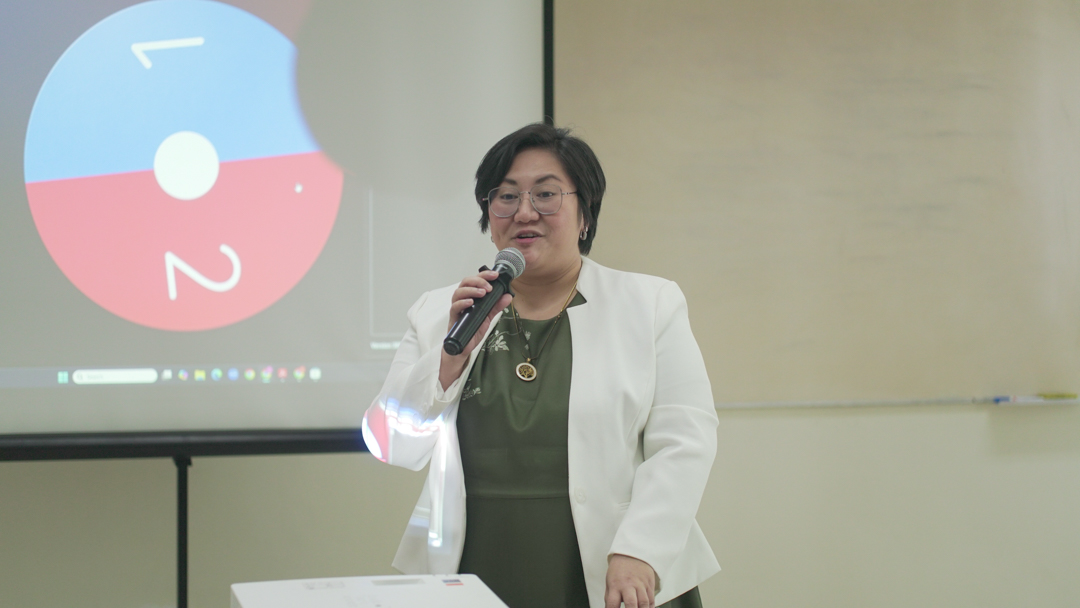
Another group centered their approach on emotional engagement with parents, particularly mothers, as primary decision-makers for childhood vaccination. "Chika Bakuna: Isang Patak, Isang Bakuna, Isang Desisyon ng Nanay" (Vaccine Talks: One Drop, One Vaccine, One Decision by a Mother) leverages the trusted spaces where mothers gather and share concerns about their children's health. Rather than relying solely on clinical messaging, the campaign appeals to parental instincts and community connections, recognizing that vaccination decisions are deeply personal and often influenced more by peer conversations than formal health communications.
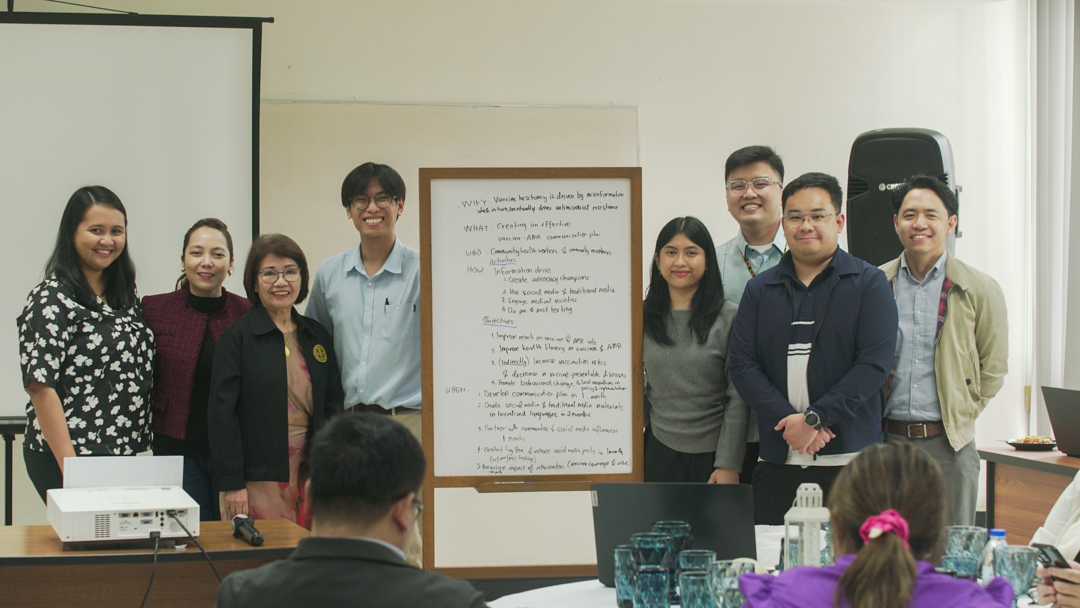
Project 3: Vaccine Misinformation Lay Fora and Communication Plan
Group 3 tackled a fundamental challenge: vaccine hesitancy driven by misinformation, which inadvertently accelerates AMR by reducing vaccination coverage and increasing reliance on antibiotics. Their comprehensive communication plan mobilizes medical societies as primary messengers while recruiting advocacy champions, including social media influencers, to amplify integrated vaccination and AMR messaging through both traditional and social media channels. With pre- and post-intervention testing to measure impact, the plan targets improved health literacy as a foundation for sustained behavior change, ultimately addressing the misinformation ecosystem that undermines both vaccination programs and AMR containment efforts.
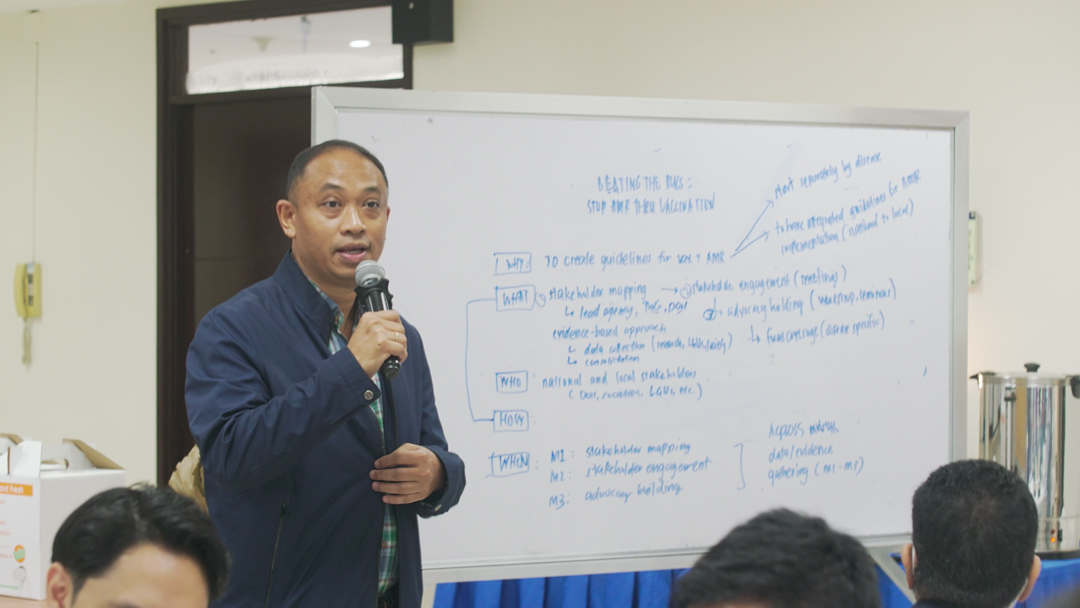
Project 4: Beating the Bugs: Stop AMR thru Vaccination
Recognizing the need for systematic coordination, Group 4 proposed comprehensive guidelines that integrate vaccination and AMR with clear implementation pathways from national to local levels. Their strategy begins with stakeholder mapping to establish a technical working group, followed by rigorous data collection and consolidation to ensure evidence-based guideline development. The framework then moves to stakeholder engagement through structured meetings and advocacy building via disease-specific workshops and seminars, creating a systematic cascade from policy formulation to frontline implementation that addresses the coordination gaps currently fragmenting vaccination and AMR efforts.
Looking Ahead
As professional physician societies, these organizations play a pivotal role in realizing vaccination's potential in AMR containment. As leaders in clinical education, standard-setting, and public health advocacy, they have significant influence on prescribing behavior, infection prevention practices, and patient trust.

The roundtable demonstrated that addressing AMR requires more than clinical guidelines—it demands collaborative action across specialties, levels of government, and sectors. By championing vaccination as a key AMR prevention strategy, physician societies can accelerate the adoption of evidence-based practices, encourage rational antibiotic use, and strengthen alignment between the clinical community and national AMR goals.
As participants noted, this gathering represented unprecedented momentum: "This is the best networking setting so far regarding vaccines on AMR." With concrete projects proposed, research collaborations initiated, and advocacy plans underway, the Philippines may indeed become "the first to fully integrate vaccines into AMR strategies."
The event brought together representatives from multiple sectors of the Philippine health community. Local Government Units in attendance included the Makati City Health Office, Mandaluyong City Health Office, Manila City Health Office, Marikina City Health Office, Parañaque City Health Office, Pasig City Health Office, Quezon City Health Office, and Valenzuela City Health Office. Professional societies represented were the Pediatric Infectious Disease Society of the Philippines (PIDSP), Philippine Academy of Family Physicians (PAFP), Philippine College of Geriatric Medicine (PCGM), Philippine College of Physicians (PCP), Philippine Foundation for Vaccination (PFV), Philippine Medical Association (PMA), Philippine Pediatric Society (PPS), Philippine Society for Microbiology and Infectious Diseases (PSMID), Philippine Society of Newborn Medicine (PSNbM), and Philippine Society of Public Health Physicians (PSPHP). National institutions participating included the DOH Pharmaceutical Division, Research Institute for Tropical Medicine (RITM), and UP National Institutes of Health (NIH).
Recent News
You may also like these articles
ASOG’s Tobacco Control initiatives spotlighted in DOH National Technical Working Group for Tobacco Prevention and Control
On March 10 to 12, 2026, the Ateneo School of Government (ASOG), through its research and public policy unit, the Ateneo Policy Center, participated in

ASMPH welcomes incoming VPHE, honors the service of VP Marlu Vilches
The Ateneo School of Medicine and Public Health (ASMPH) recently held a transition meeting marking an important leadership shift within the University’s Higher Education cluster
Why can’t we eradicate tuberculosis? AIS dissects the TB issue in a multidisciplinary panel
On 24 March 2026, the Ateneo Institute of Sustainability (AIS), through its Sustainable Development Goals (SDGs) Program, hosted a multidisciplinary panel in observance of World

Vertical integration in ASMPH: A shared neurology preceptorial experience
In the Ateneo School of Medicine and Public Health (ASMPH), the commitment to vertical integration continues to grow stronger. This meaningful collaboration brings together YL6
Interweaving disciplines for a healthier future together: Highlights from the UHC Summit 2026
The Rosita G Leong Primary Healthcare Hub (RGL Hub) co-presented the flagship initiative of Project LAAN, the Universal Health Care Summit (UHC Summit), on 14
ASOG meets with Department of Health—Bureau of International Health Cooperation to strengthen institutional partnership
On 27 February 2026, the Ateneo School of Government (ASOG), through its research and public policy unit, the Ateneo Policy Center, held a courtesy meeting